


Let's clear up what "20V Max" actually means, and where the real power differences show up in practice.
What "20V Max" Actually Means
"20V Max" is a marketing term, not a precise technical spec. It refers to the peak voltage of the battery immediately after charging, before any load is applied. Once the battery is under normal working conditions, the actual voltage it delivers settles closer to 18V – which is why you'll sometimes see the same battery platform referred to as "18V" by international brands and "20V Max" by US brands, even though it's essentially the same underlying technology.
This matters because it means the number on the box isn't a direct measurement of cutting or drilling power – it's closer to a starting reference point. Two tools both labeled "20V Max" can perform very differently depending on the motor design, the battery's amp-hour rating, and how efficiently the tool converts that electrical energy into actual torque or speed. In other words, the voltage label is a decent shorthand for "which battery platform this tool uses," but it's not a reliable way to compare real-world power across brands or tool types.
Where Cordless Genuinely Matches Corded
For the vast majority of household repair and improvement tasks, modern 20V Max tools deliver power that's functionally equivalent to a corded tool. Drilling pilot holes, driving screws, cutting standard dimensional lumber, sanding, and most trim work don't demand sustained maximum output – they demand solid torque and speed in short bursts, which is exactly what a well-built 20V Max tool is designed to provide.
Battery and motor technology have also improved significantly in recent years. Brushless motors, now standard on most mid-to-upper-tier cordless tools, run more efficiently than the brushed motors used in older cordless models, which means less energy is lost to heat and friction. That efficiency gain is a big part of why today's cordless tools feel noticeably stronger than cordless tools from a decade ago, even at the same nominal voltage.
For drills and drivers specifically, a quality 20V Max model can match a corded drill for nearly any home task, from hanging shelves to assembling furniture to installing deck boards. The same holds true for circular saws doing occasional cuts, reciprocating saws for demolition work, and most jigsaws – the battery has more than enough capacity for typical stop-and-start home use.
Where Corded Still Has the Edge
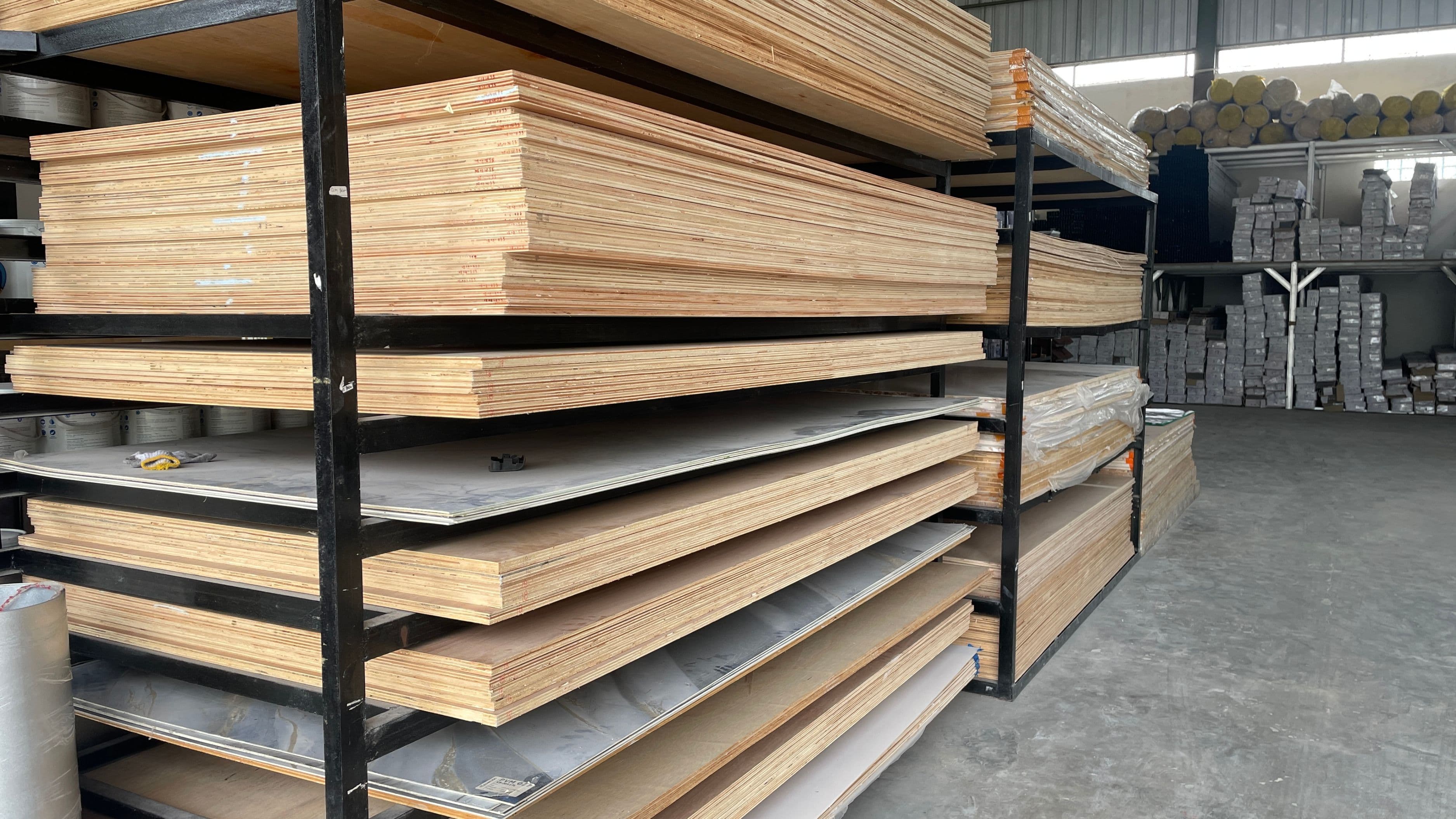
The gap shows up in two specific situations: sustained heavy-duty work and tools that draw a large, continuous current. If you're running a job that involves long, uninterrupted cutting – ripping through a stack of plywood sheets, cutting concrete with a corded saw, or grinding metal for an extended period – a corded tool maintains full power output for as long as it's plugged in, with no tapering as a battery discharges.
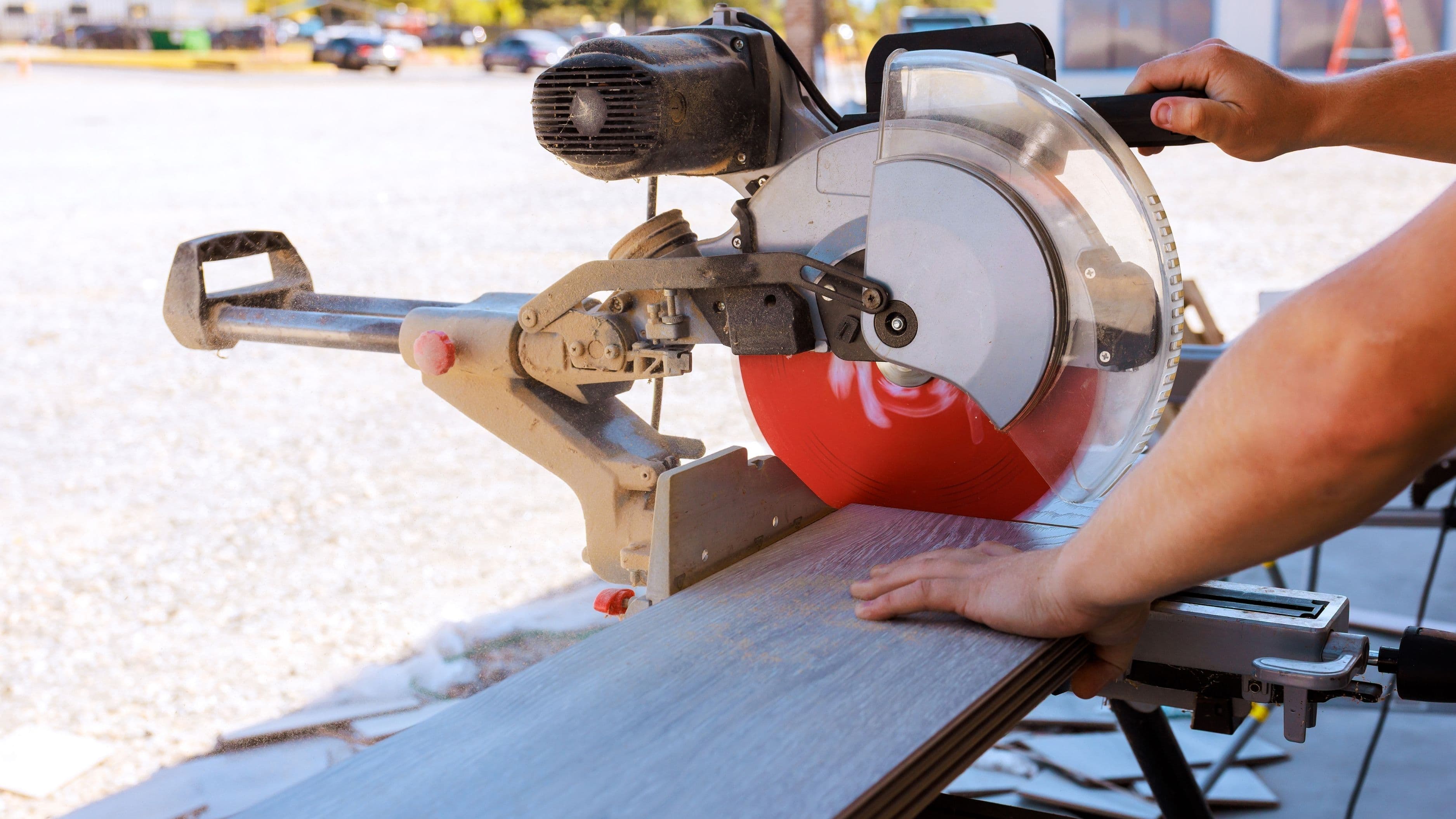
Certain tool categories also still lean corded for good reason. Large angle grinders, table saws, and high-powered miter saws typically pull more current than a battery pack can sustain efficiently without significant added bulk and cost. While cordless versions of these tools exist, they often require larger, heavier battery packs to hit comparable power, which changes the balance and handling of the tool in ways that matter for precision work.
Runtime is the other practical limitation. A corded tool has effectively unlimited runtime as long as it's plugged in, while even a good cordless battery will eventually need recharging. For a big weekend project – reframing a room, cutting lumber for a whole deck – that means planning around battery swaps or having a charged spare on hand, which isn't a concern with a cord.
A Practical Way to Decide
For most home repair and maintenance tasks – the kind of jobs that make up 90% of what a typical homeowner or renter tackles – a quality 20V Max tool from a reputable brand will get the job done without you noticing a meaningful power gap compared to corded. Where it's worth leaning corded is for large, sustained projects, high-draw tools like table saws and large grinders, or situations where you genuinely can't afford downtime for a battery swap mid-task.
If you're building out a cordless tool collection, it's also worth standardizing on one battery platform across brands rather than buying tools with mismatched batteries and chargers. This keeps costs down over time and means you're never stuck without a charged battery because it's the wrong shape for the tool you need.
Common Mistakes to Avoid
A frequent mistake is assuming a higher voltage number automatically means a more powerful tool. Voltage alone doesn't account for battery amp-hour capacity or motor efficiency, so a well-designed 18V tool with a quality brushless motor can outperform a poorly designed tool labeled at a higher voltage. Check independent reviews and torque specifications rather than relying on the voltage number printed on the packaging.
Another common misstep is buying a budget battery pack with a low amp-hour rating to save money upfront, then being frustrated by short runtime and reduced power under load. A higher amp-hour battery (look for the "Ah" rating, not just voltage) delivers more sustained power and longer runtime, which matters more for real-world performance than the voltage label alone.
It's also worth avoiding letting batteries fully drain repeatedly or sit uncharged for long stretches, since this shortens the overall lifespan of most lithium-ion battery packs. Keeping batteries topped off and stored at moderate temperatures helps them hold their capacity over the years you'll own the tool.
FAQ
Is an 18V tool actually weaker than a 20V Max tool? Not necessarily. "20V Max" refers to peak voltage right after charging, and the tool operates closer to 18V under normal use – so an 18V-labeled tool from one brand and a "20V Max" tool from another are often using essentially the same underlying voltage.
Do I need a corded drill if I already have a good cordless one? For most home use, no. A quality cordless drill with a reasonably sized battery handles the vast majority of household drilling and driving tasks without issue.
What should I look at instead of voltage when comparing cordless tools? Check the battery's amp-hour (Ah) rating, whether the tool has a brushless motor, and independent torque or power comparisons – these tell you more about real-world performance than the voltage number alone.
📚 Sources
"Lithium-Ion Battery Care and Maintenance" – U.S. Department of Energy, energy.gov
"How to Choose the Right Cordless Drill" – This Old House, thisoldhouse.com
"Brushless vs Brushed Motors Explained" – Family Handyman, familyhandyman.com