
Symptoms Overview
If your AC is running continuously without shutting off at a normal cycle, and the air coming from the vents feels lukewarm or barely cool at all, you're dealing with one of a handful of common culprits. The good news is the symptoms usually give you a decent clue about which one it is.
Cause-by-Cause Breakdown
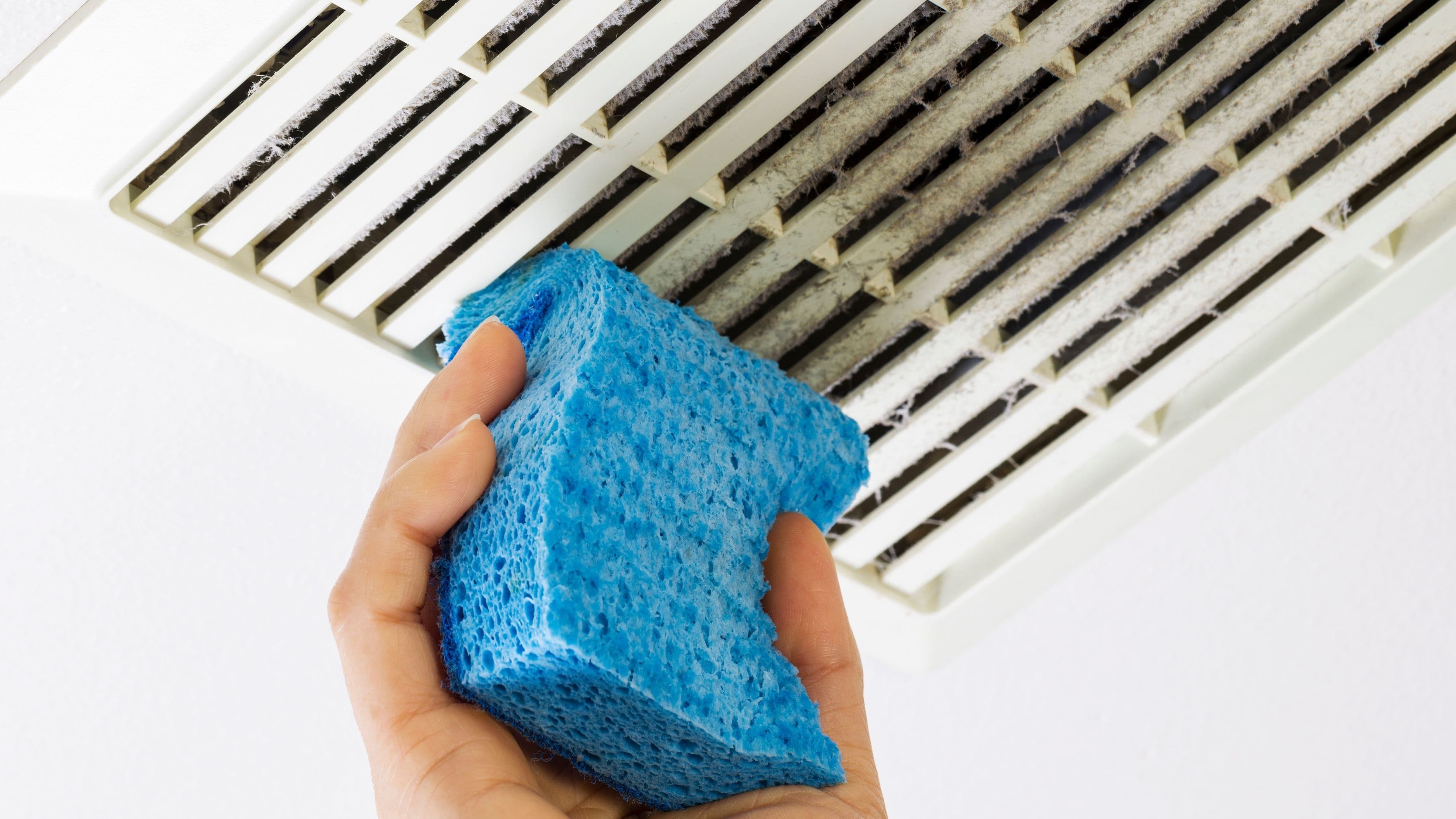
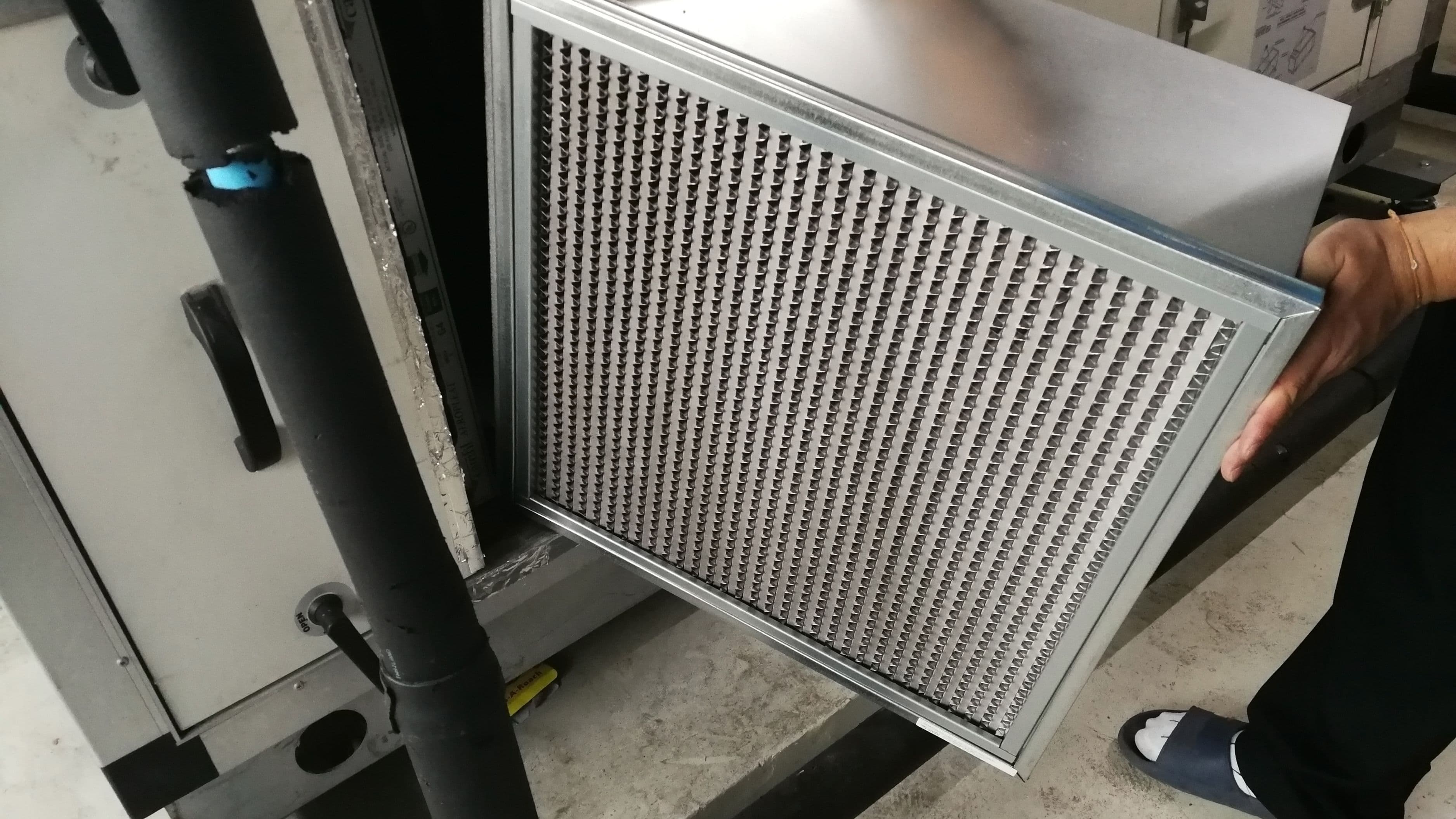
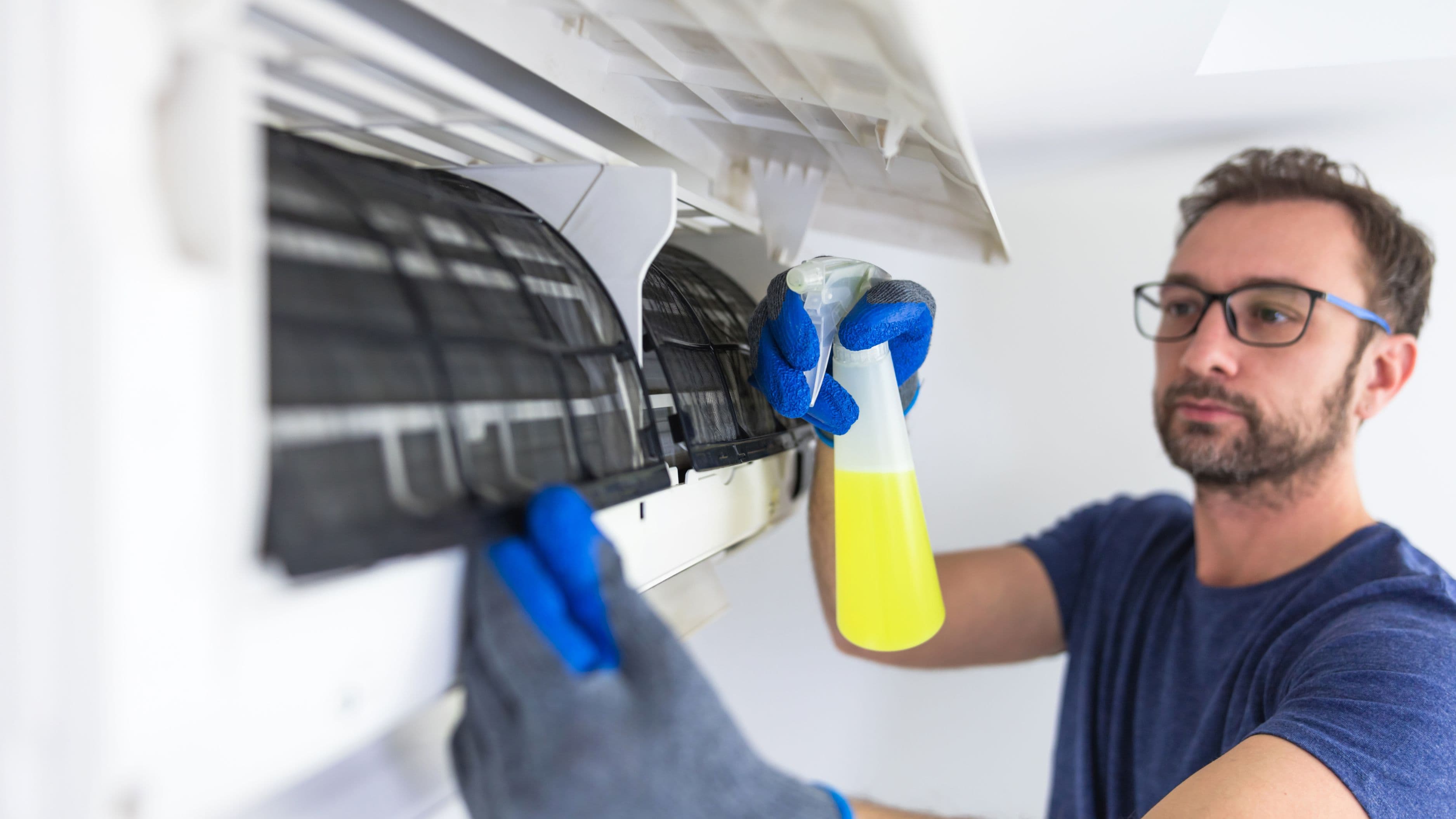
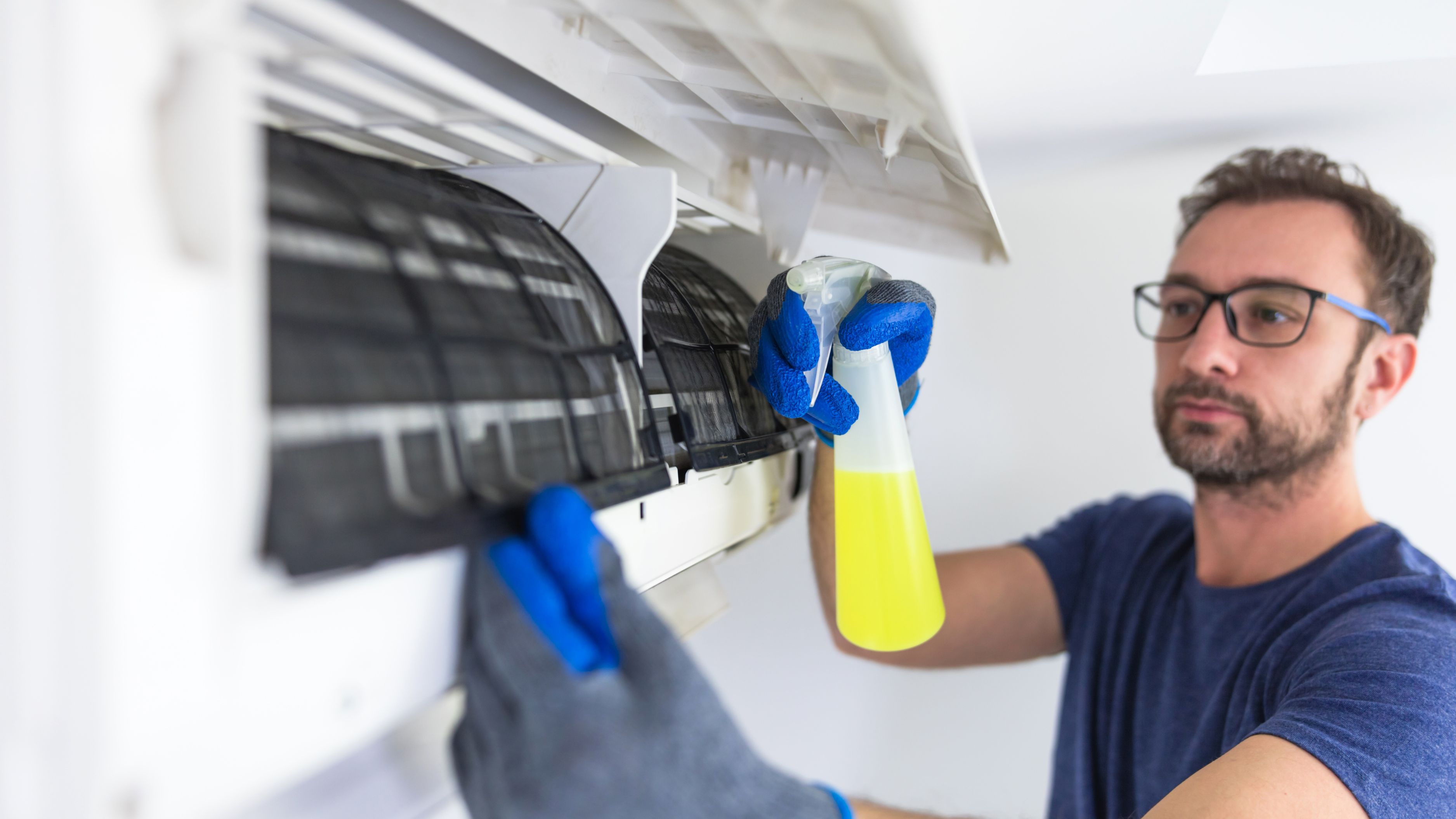
A Dirty or Clogged Air Filter
This is the single most common reason for exactly this symptom, and it's the first thing worth checking because it's free and takes two minutes. A clogged filter restricts airflow across the evaporator coil, which forces the system to run longer while delivering less cooled air through the vents.
Fix: Pull the filter and hold it up to a light. If you can't see light passing through clearly, it's time to replace it. Standard filters generally need replacing every 60-90 days, though homes with pets or higher dust levels may need it more often.
Cost: $10-$30 for a replacement filter
When to call a pro: If replacing the filter doesn't improve airflow within a day, the problem likely lies elsewhere.
Low Refrigerant Levels
Refrigerant is what actually absorbs heat from your home's air – if levels are low, usually due to a leak somewhere in the system, your AC can run continuously and still fail to cool effectively. This is one of the more common reasons behind a properly running, properly maintained unit still failing to deliver cool air.
Fix: This isn't a DIY repair. Handling refrigerant requires EPA certification, and simply adding more without finding and fixing the leak just delays the same problem from recurring.
Cost: $200-$600 depending on leak location and refrigerant type
Safety note: Refrigerant leaks can also pose a health risk in enclosed spaces, so this is a call-a-professional situation, not a DIY fix.
A Dirty Condenser or Evaporator Coil
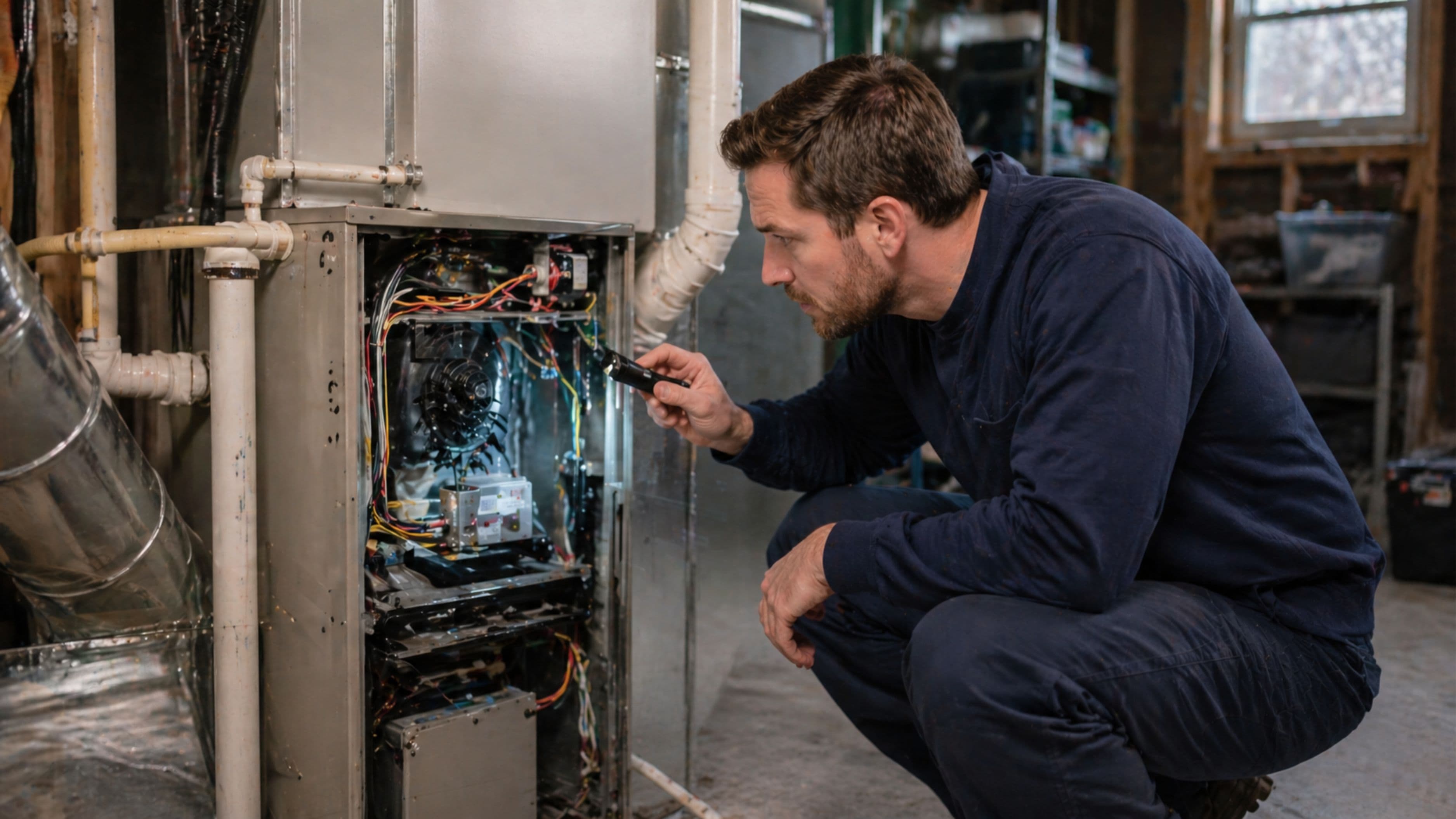
Both coils need to be relatively clean to transfer heat properly. A dirty condenser coil (the outdoor unit) struggles to release the heat it's collected from inside your home, while a dirty evaporator coil (usually inside, near the furnace or air handler) can't absorb heat effectively from indoor air passing over it. Either problem forces the system to run longer while cooling less.
Fix: For the outdoor condenser coil, you can gently clean visible debris and hose off dirt (with the unit powered off) as routine maintenance. Evaporator coil cleaning usually requires accessing the air handler and is more of a job for a technician.
Cost: DIY condenser cleaning is free beyond your time; professional coil cleaning runs $100-$300
Difficulty: Beginner-friendly for the outdoor unit, intermediate to professional for the indoor coil
An Oversized or Undersized AC Unit
If your AC unit was installed with the wrong capacity for your home's square footage, it will struggle to keep up regardless of how well-maintained it is. An undersized unit simply can't move enough cooled air to keep pace with a hot day, while an oversized unit cycles on and off too quickly to properly dehumidify the air, leaving the house feeling warm and clammy even while cooling.
Fix: This typically isn't something you can fix without replacing or resizing equipment, and it's worth getting a professional load calculation (a Manual J calculation) done to confirm sizing before assuming this is the cause.
Cost: Diagnosis is often free or low-cost with an HVAC contractor visit; correcting sizing means a system replacement, which runs into the thousands.
When to call a pro: If your filter, coils, and refrigerant all check out and the problem persists, sizing is worth investigating.
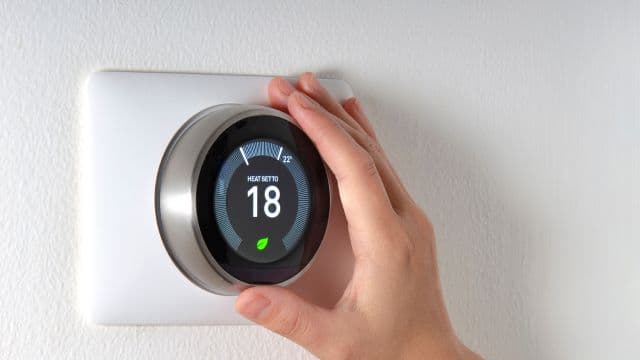
A Failing or Miscalibrated Thermostat
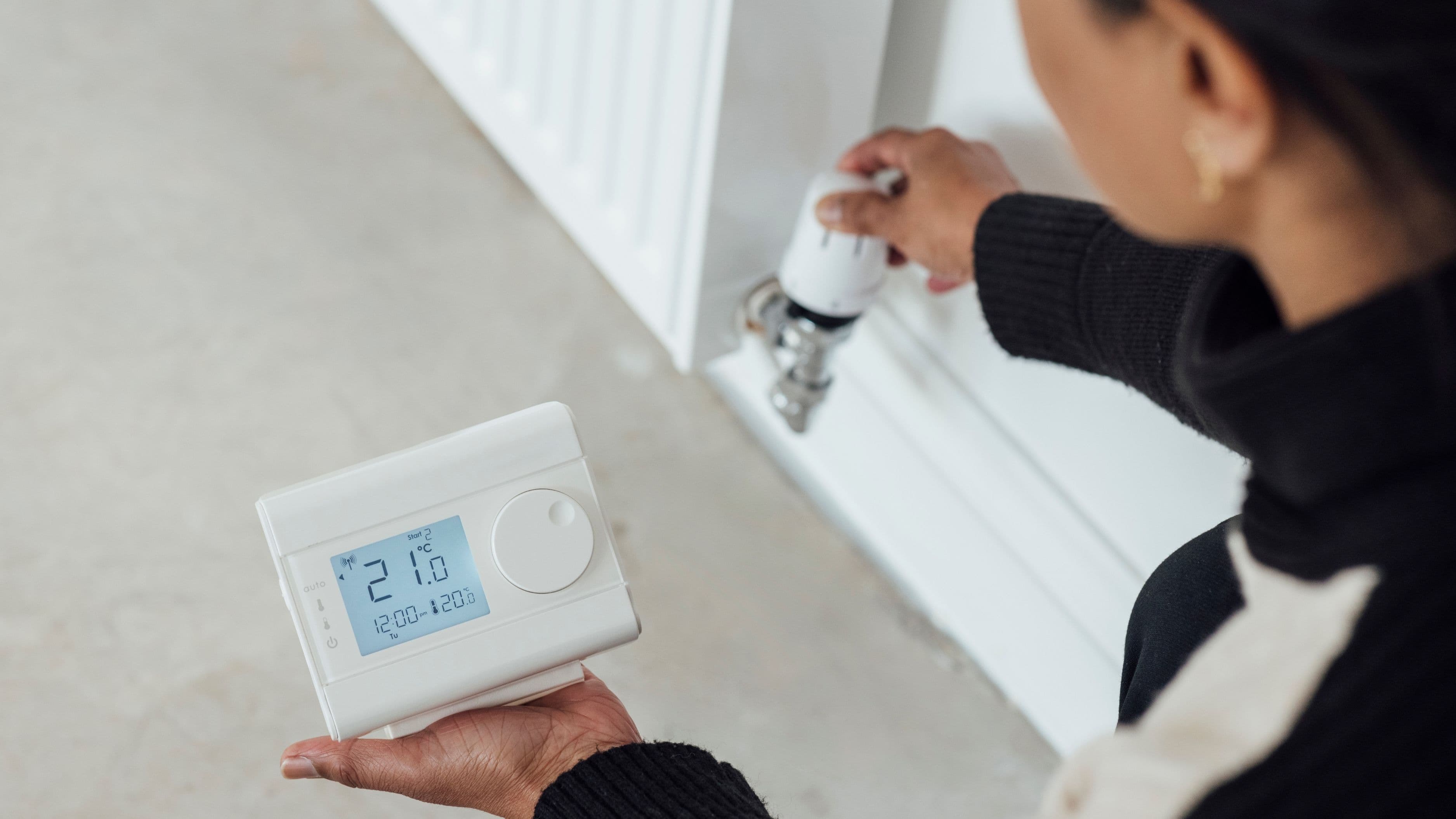
Sometimes the AC unit itself is running fine, but the thermostat is misreading the temperature or has lost calibration, telling the system to keep running when it shouldn't need to. This is a less common cause but an easy one to rule out.
Fix: Try a basic reset per your thermostat's manual, and check the batteries if it's a battery-powered model. If you have a smart thermostat, check that firmware is updated and the sensor placement isn't near a heat source (like direct sunlight or a lamp) that could be throwing off its readings.
Cost: Usually free to troubleshoot; replacement thermostats run $25-$250 depending on features
Difficulty: Beginner-friendly
Ductwork Leaks or Blockages
If cooled air is leaking out through gaps in your ductwork before it ever reaches your rooms, or if a duct has become disconnected or blocked, your AC can run continuously while delivering only a fraction of the cooled air it's producing to the actual living space.
Fix: Basic visual inspection of accessible ductwork in a basement or attic can reveal obvious disconnections or damage. Sealing minor gaps with metallic HVAC tape (not standard duct tape, despite the name) is a reasonable DIY step, though a full duct inspection is best left to a professional with the right equipment.
Cost: DIY sealing supplies run $15-$30; a professional duct inspection and sealing runs $300-$1,000+ depending on the extent of the issue Difficulty: Beginner for visible gaps, professional for anything requiring access to enclosed ductwork
When to Call a Pro
If you've checked and replaced the filter, visually inspected the outdoor condenser coil, and confirmed your thermostat is functioning correctly, and the problem persists, it's time to call an HVAC technician. Refrigerant issues, coil problems beyond basic surface cleaning, and sizing concerns all require professional diagnostic tools and, in the case of refrigerant, legal certification to handle safely.
What to Avoid
Don't attempt to add refrigerant yourself, even if you can find it online. It requires EPA Section 608 certification to purchase and handle legally, and improperly handling refrigerant carries real safety and environmental risks.
Also avoid ignoring the problem and just running the AC longer to compensate. A unit running constantly without effectively cooling is working harder than it's designed to, which increases the risk of a more serious mechanical failure and drives up your energy bill in the process.
FAQ
Is it normal for AC to run all day on a very hot day? Some increase in run time on extreme heat days is normal, but the unit should still be delivering noticeably cool air from the vents. Continuous running with warm or barely cool air is not normal, regardless of outdoor temperature.
Can a dirty filter really cause this big of a problem? Yes. A severely clogged filter is one of the most common and most overlooked causes of exactly this symptom, and it's the cheapest thing to check first.
How much does a full AC diagnostic visit typically cost? Most HVAC companies charge a diagnostic or service call fee in the range of $75-$200, which is often credited toward the repair cost if you move forward with the recommended fix.
📚 Sources
U.S. Department of Energy – Air Conditioning maintenance and troubleshooting – https://www.energy.gov/energysaver/air-conditioning
EPA – Section 608 Refrigerant regulations – https://www.epa.gov/section608
ENERGY STAR – HVAC maintenance guidance – https://www.energystar.gov/products/hvac_maintenance