
Buying a car on a tight budget often feels like walking through a maze blindfolded. You want something reliable, affordable, and safe—but the fear of hidden problems makes every listing feel like a gamble.
That’s where Goodwill car programs and similar community-based vehicle sales come in. They’re not magic solutions, but they can be surprisingly practical if you know how to navigate them. And once you understand the system, you start seeing real opportunities where others see uncertainty.
1. “Not all Goodwill cars are the same”
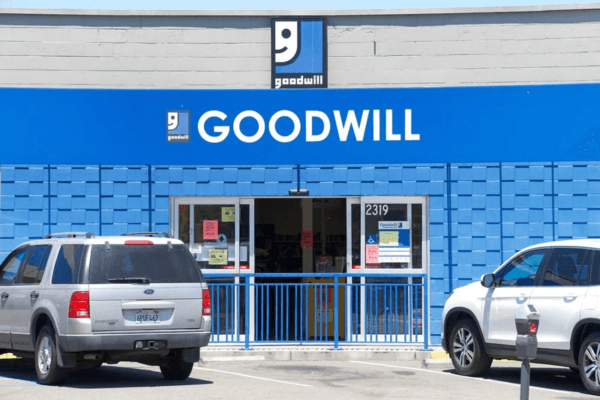
Goodwill vehicle programs vary widely by location, inventory, and donation flow. Some branches sell donated cars directly, while others partner with auctions or dealerships.
Understanding this difference helps set realistic expectations. You’re not shopping for brand-new inventory—you’re exploring donated, pre-owned vehicles that have been filtered and resold. Knowing that context helps you evaluate value more clearly.
2. “Patience finds better deals than urgency”
Affordable Goodwill cars don’t appear on demand like dealership inventory. The best deals come and go based on donations and auctions. That means timing plays a big role in what’s available.
Checking listings regularly increases your chances of finding a solid vehicle. Rushing often leads to settling for less-than-ideal options. Patience quietly becomes your biggest advantage.
3. “Condition matters more than brand names”
It’s easy to get distracted by familiar car brands. But in the Goodwill market, condition outweighs badge recognition. A well-maintained older vehicle is often a better choice than a neglected newer model.
Focus on mileage, maintenance history, and overall wear. These factors reveal more about reliability than branding ever will. Practical evaluation always beats emotional decision-making.
4. “Vehicle history reports are non-negotiable”
Every used car tells a story, but not all of them are visible on the surface. That’s why vehicle history reports are essential. They reveal accidents, title issues, and ownership patterns.
Services like CARFAX or AutoCheck can uncover hidden problems. Spending a small amount on this report can save you from major financial regret. Transparency is your safety net.
5. “Inspection is your strongest protection”
Even if a car looks clean, a professional inspection is crucial. Mechanics can identify engine issues, transmission wear, or safety concerns that aren’t obvious.
Think of it as a health checkup for your potential vehicle. A small inspection fee can prevent costly surprises later. It’s one of the smartest investments you can make.
6. “Donated doesn’t mean perfect—but it can mean cared for”
Many Goodwill cars come from donors who maintained their vehicles well. Some were even garage-kept or regularly serviced before donation. Others, however, may have been retired due to issues.
This mix is why careful evaluation matters. You might find a hidden gem or a project vehicle. Understanding this range helps you shop realistically.
7. “Mileage tells part of the story—not the whole story”
Low mileage can be appealing, but it doesn’t guarantee condition. A poorly maintained low-mileage car can be more problematic than a high-mileage well-serviced one.
Look at maintenance records alongside mileage. Consistent oil changes and servicing often matter more than numbers on a dashboard. Reliability is built over time, not just measured in miles.
8. “Budgeting goes beyond the purchase price”
The cost of a car doesn’t end at the sale. Insurance, repairs, registration, and maintenance all add up quickly. Many buyers underestimate these ongoing expenses.
Setting a full budget helps avoid financial strain later. A cheap car that constantly needs repairs can become expensive fast. Real affordability includes long-term ownership costs.
9. “Auction timing can unlock better opportunities”
Some Goodwill vehicles are sold through auctions rather than direct listings. These auctions can offer better pricing but require preparation. Understanding bidding rules is essential.
Attending a few auctions without bidding can help you learn the process. Over time, you’ll recognize fair prices and avoid overpaying. Knowledge becomes your bidding advantage.
10. “Test drives reveal what paperwork can’t”
A test drive is where theory meets reality. You can feel how the car accelerates, brakes, and handles different conditions. Strange noises or vibrations often reveal hidden issues.
Never skip this step, even if everything looks fine on paper. Your instincts during the drive matter. If something feels off, it usually is.
11. “Negotiation is part of the process”
Even nonprofit or auction-based sales sometimes allow room for negotiation. Asking questions respectfully can sometimes lead to better deals or added value.
Confidence matters more than aggressiveness. Being informed strengthens your position. Sellers are more likely to respond positively when you understand the vehicle’s condition.
12. “Documentation protects your purchase”
Title transfer, registration, and bill of sale documents are essential. Missing paperwork can create legal and financial complications later.
Always verify ownership before completing any transaction. Clean documentation ensures a smooth transition. It’s the final step that
protects everything you’ve worked for.
13. “Community programs can offer hidden support”
Goodwill organizations often provide additional resources beyond car sales. Some locations offer financing assistance, job support, or repair programs. These services can make ownership more manageable.
Exploring these options adds value beyond the vehicle itself. You may find unexpected support systems. It’s worth asking what’s available locally.
14. “Mechanic relationships are long-term assets”
Having a trusted mechanic changes everything about used car ownership. They can guide you before purchase and help maintain your vehicle afterward. Their insight often prevents costly mistakes.
Building this relationship early is powerful. A good mechanic becomes part of your decision-making team. Their experience becomes your advantage.
15. “Emotional control prevents expensive mistakes”
It’s easy to fall in love with a car’s appearance. But emotional decisions often ignore mechanical reality. Staying objective protects your budget.
If a deal feels rushed or pressured, step back. Good opportunities remain good even after a pause. Clarity always leads to better outcomes.
16. “Transportation is freedom, not just a purchase”
A reliable car changes daily life dramatically. It affects job access, independence, and overall mobility. That’s why choosing carefully matters so much.
Even an affordable vehicle can open new opportunities. It’s not just about driving—it’s about expanding your options. Transportation becomes a tool for progress.
Conclusion
Finding an affordable Goodwill car isn’t about luck—it’s about awareness, patience, and smart evaluation. Once you understand how these vehicles move through donations, inspections, and sales, the process becomes far less intimidating.
The goal isn’t perfection. It’s reliability within your budget and needs. And when you approach it with clarity instead of urgency, better decisions naturally follow.
A good car doesn’t just get you from place to place—it supports your independence and daily life in ways that matter more than you realize.
Pick one and try it right now. Momentum starts small.
📚 Sources
National Automobile Dealers Association (NADA) – Used Vehicle Market Trends
Consumer Reports – Used Car Buying Guide
Federal Trade Commission (FTC) – Buying a Used Car Guide
Goodwill Industries International – Vehicle Donation and Sales Programs Overview