
Why Asphalt Driveways Develop Potholes
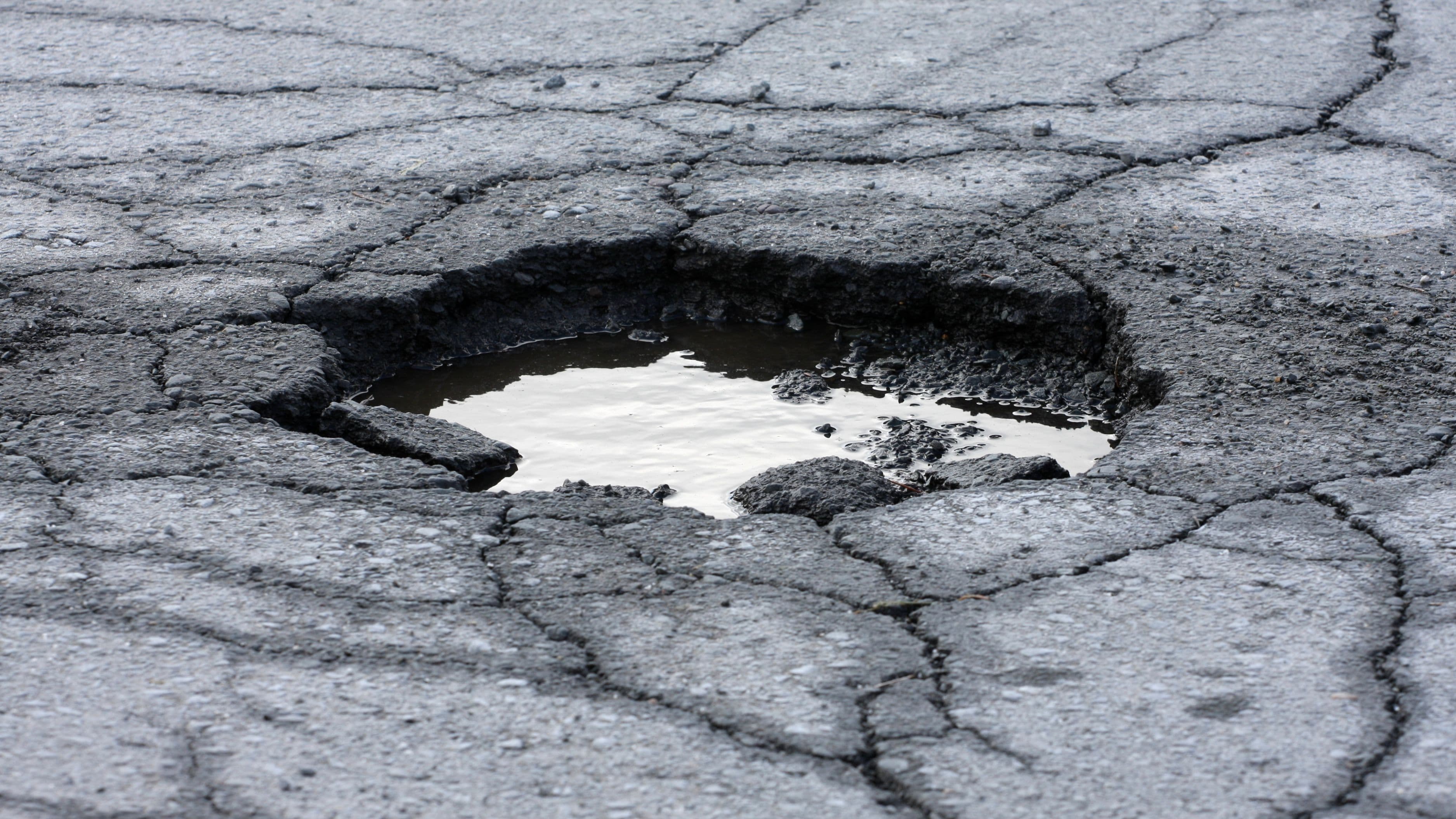
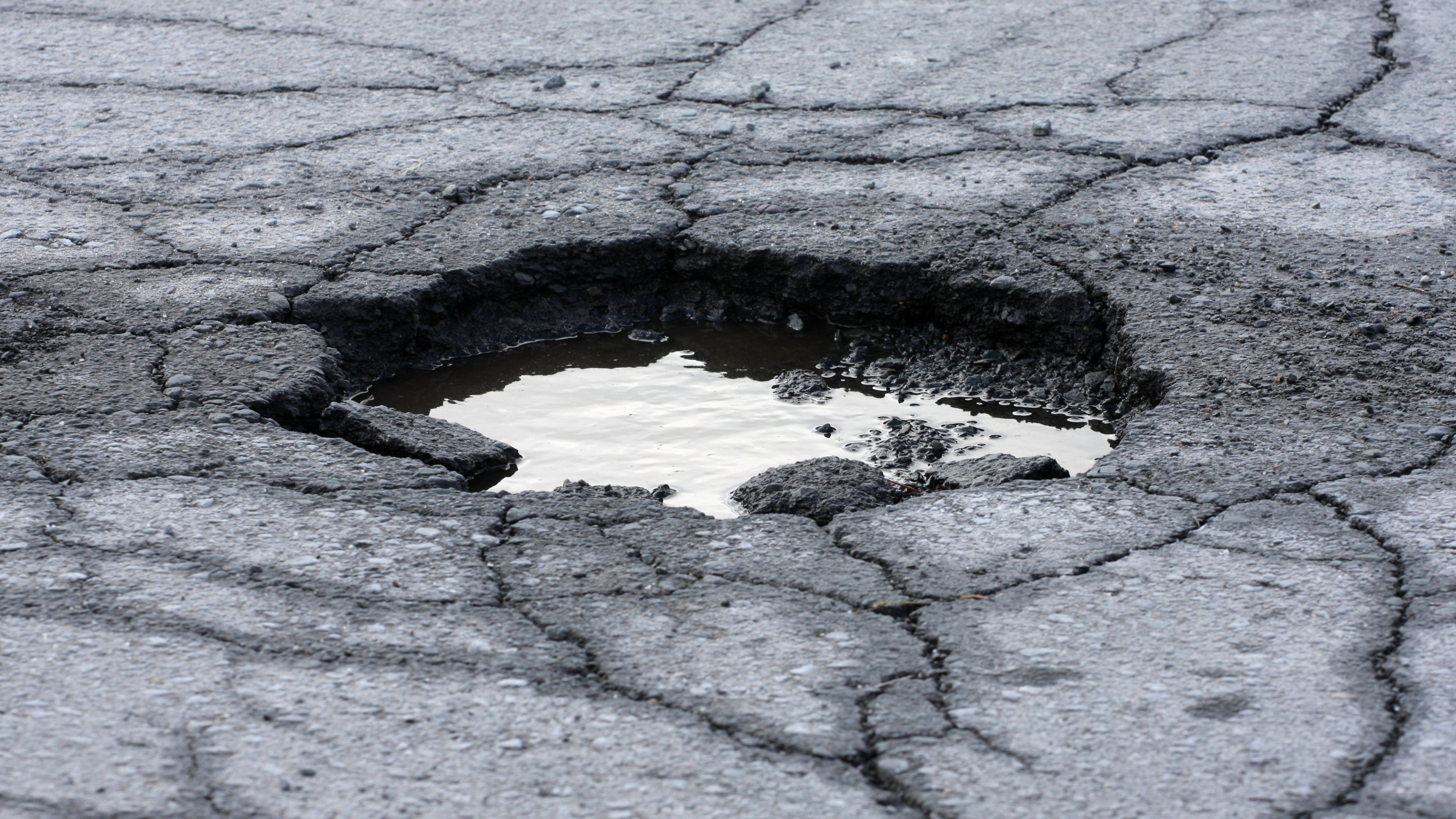
Asphalt is a flexible material, and that flexibility is exactly what makes it vulnerable over time. Water is almost always the root cause. When moisture works its way through a crack in the surface and settles underneath the asphalt layer, it weakens the base material that's supposed to be supporting everything above it. In colder climates, that trapped water freezes and expands, pushing the asphalt upward and breaking its bond with the base. When the ice melts, it leaves a gap underneath, and the weight of a car driving over that weakened spot is usually what finally causes the surface to collapse into a visible hole.
Heavy or repeated vehicle loads speed this process along, especially on driveways that weren't built with a thick enough base layer to begin with. Poor drainage plays a similar role – if water regularly pools at one end of your driveway instead of running off, that's a strong sign the base underneath is being softened every time it rains, whether or not you can see a crack yet.
Age matters too. Asphalt oxidizes over time, becoming more brittle and less able to flex under weight without cracking. A driveway that's ten or fifteen years old with no sealcoating maintenance is simply more prone to this whole chain of events than one that's been properly maintained.
Reading the Warning Signs Before They Become Potholes
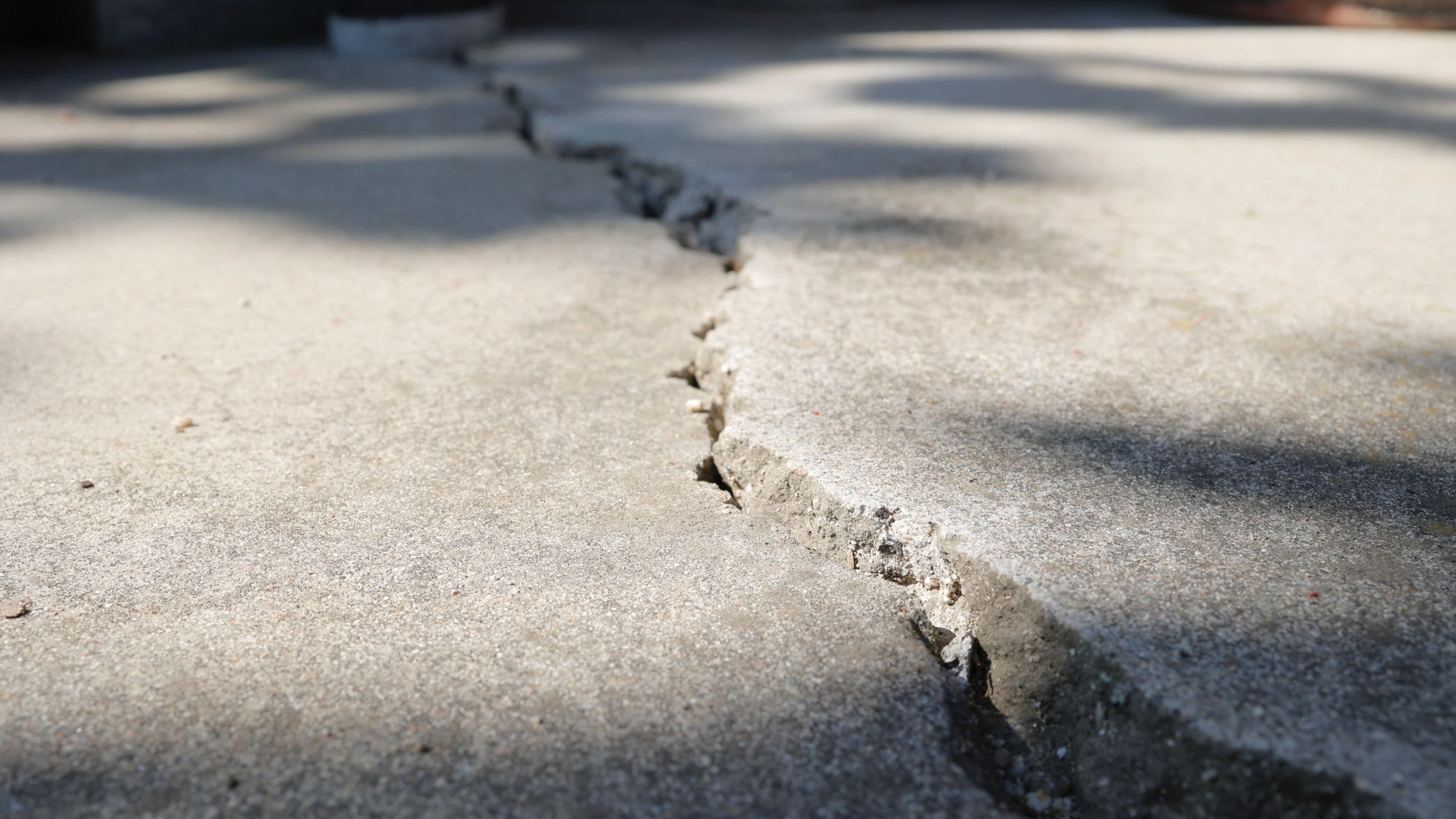
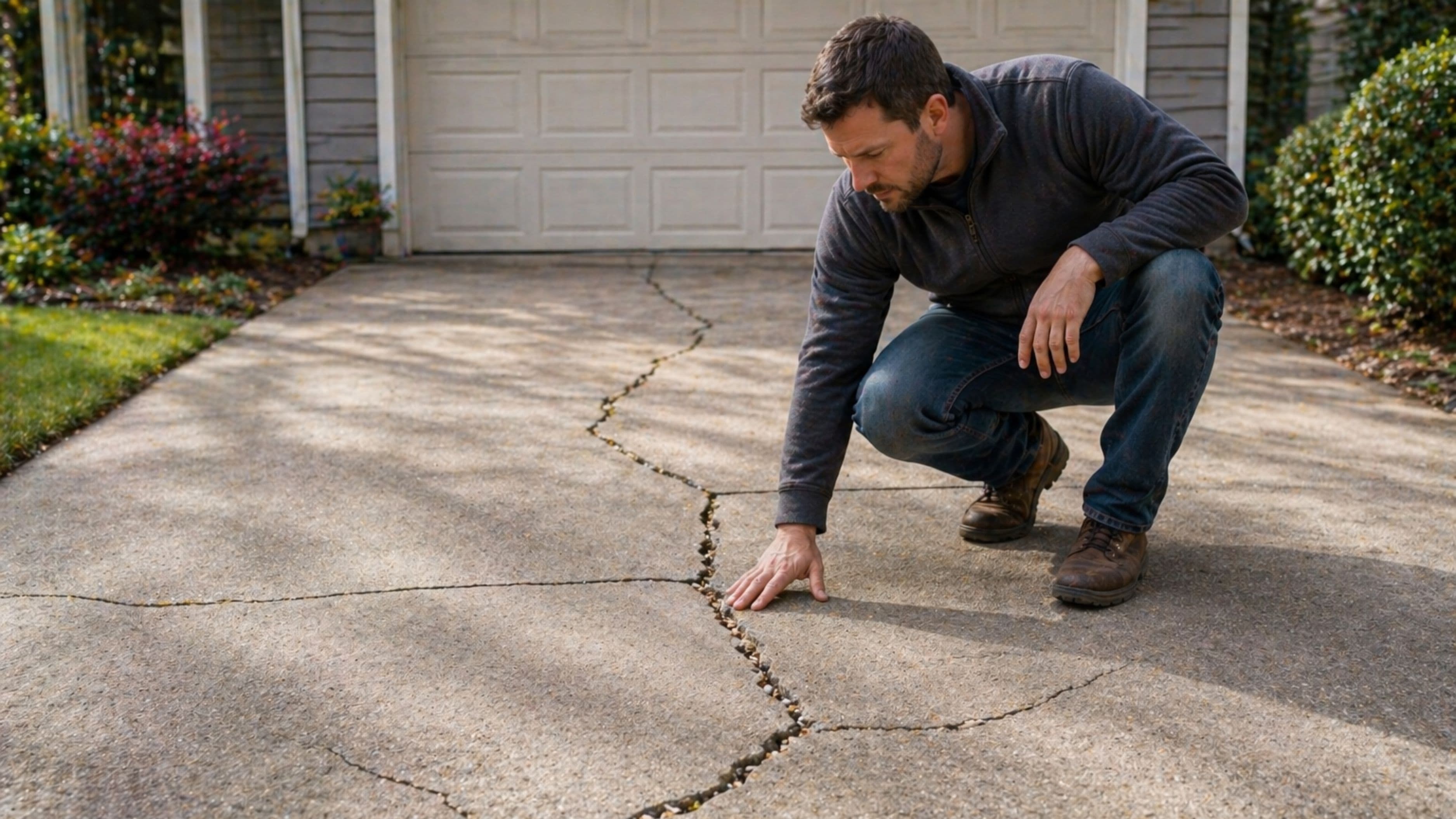
Small cracks, especially ones running in connected patterns that look like alligator skin, are usually the first visible sign that water is getting underneath the surface. Soft or spongy spots that flex slightly when you walk on them are another early warning – that give in the surface usually means the base underneath has already started to weaken, even though the asphalt hasn't broken through yet.
Catching these signs early and sealing cracks before winter can prevent a full pothole from forming at all, which is a far smaller job than the repair described below.
What You'll Need
Cold patch asphalt mix or hot patch material (cold patch is easier for DIY, available at most hardware stores)
A tamper or hand compactor
A stiff wire brush or push broom
A shop vacuum or garden hose
Asphalt crack filler (for surrounding cracks)
Work gloves and safety glasses
A trowel or flat shovel
Step-by-Step: Fixing a Pothole Yourself
Start by clearing out all loose debris, gravel, and standing water from inside the pothole. A wire brush works well for scraping the edges clean, and a shop vacuum or a strong blast from a garden hose helps remove finer debris that a brush leaves behind. Skipping this step is the single most common reason DIY patches fail early – patch material won't bond properly to loose dirt or old crumbling asphalt.
Once the hole is clean and reasonably dry, pour in the cold patch material in layers of about two inches at a time rather than filling the whole depth at once. Compact each layer firmly with a tamper before adding the next one; uncompacted patch material settles unevenly under the weight of a car and often sinks back into a shallow depression within weeks.
Fill the final layer slightly above the surrounding driveway surface, since compaction and normal traffic will settle it down closer to level over the following days. Give the patch a final, thorough tamping, and drive over it slowly a few times if you need to use the driveway sooner rather than later – that extra compaction from a real tire helps it settle correctly.
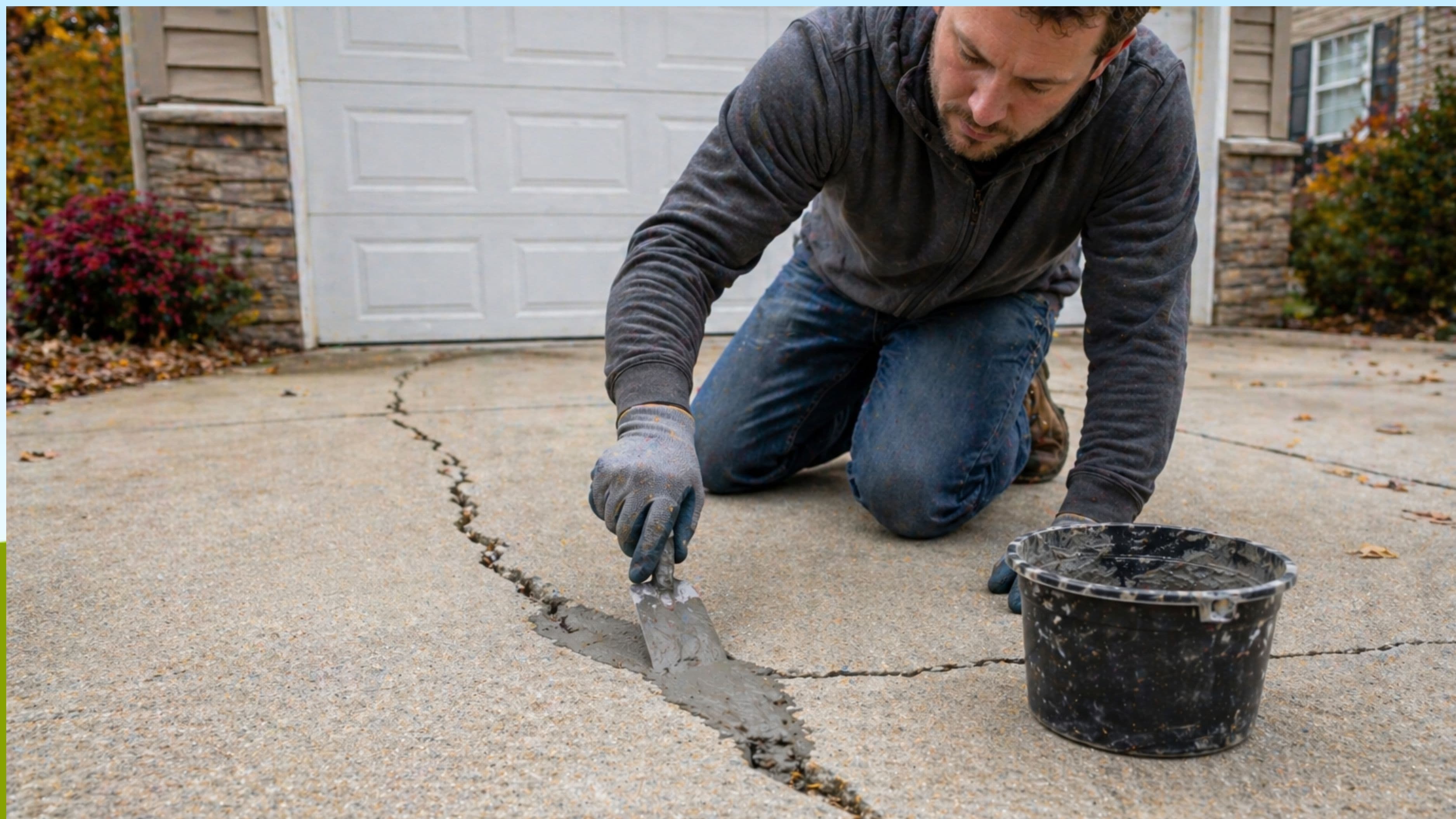
For any surrounding cracks that haven't yet turned into potholes, apply crack filler separately before or after the patch job. Sealing those cracks now is what prevents this same repair from being necessary again next season.
Difficulty, Time, and Cost
A single pothole repair is a beginner-friendly project that most people can complete in under an hour, not counting drying time. A bag of cold patch material typically costs $10 to $20 and covers a small to medium-sized hole, making this one of the more affordable driveway repairs you can do yourself. Larger or multiple potholes will take longer and require more material, but the process scales in a straightforward way.
What to Avoid
Don't patch a pothole while it's actively raining or if the hole is still full of standing water – trapped moisture underneath the patch will undermine the repair from below, often within just a few weeks. Avoid skipping the compaction step between layers; a patch that looks filled but wasn't properly tamped down will sink and crack again quickly. Also resist the temptation to patch over a large area of soft, spongy asphalt without addressing what's causing it – patching a symptom without fixing the drainage issue underneath usually means the pothole returns nearby within a season.
When to Call a Professional
DIY patching is a solid, cost-effective solution for isolated potholes on an otherwise healthy driveway. But if you're seeing multiple large potholes across a significant portion of the surface, widespread alligator cracking, or repeated soft spots that keep reappearing after patching, that usually points to a failing base layer rather than surface damage alone. At that point, a professional assessment is worth the cost, since repeated DIY patches on a failing base tend to be a short-term fix for a problem that eventually needs full resurfacing or replacement.
Frequently Asked Questions
How long does a cold patch repair last? With proper prep and compaction, a cold patch repair typically holds for one to three years, though it's considered a temporary fix compared to hot-mix repairs done by professionals.
Can I patch a pothole in cold weather? Yes, cold patch material is specifically designed to be workable in low temperatures, which makes it a practical option for winter repairs when hot-mix asphalt isn't readily available.
Why does my patch keep sinking? This almost always comes down to insufficient compaction during the repair or an unresolved drainage issue continuing to soften the base underneath the patch.
📚 Sources
Asphalt Institute – "Pavement Maintenance Guide" – https://www.asphaltinstitute.org/
U.S. Department of Transportation Federal Highway Administration – "Pothole Repair Best Practices" – https://www.fhwa.dot.gov/