
That said, "yes you can" comes with real caveats about which blinds qualify, what kind of control you'll actually get, and where a retrofit kit falls short of a purpose-built smart shade. Getting this right means understanding what you're working with before you buy anything.
What Retrofit Motorization Actually Does
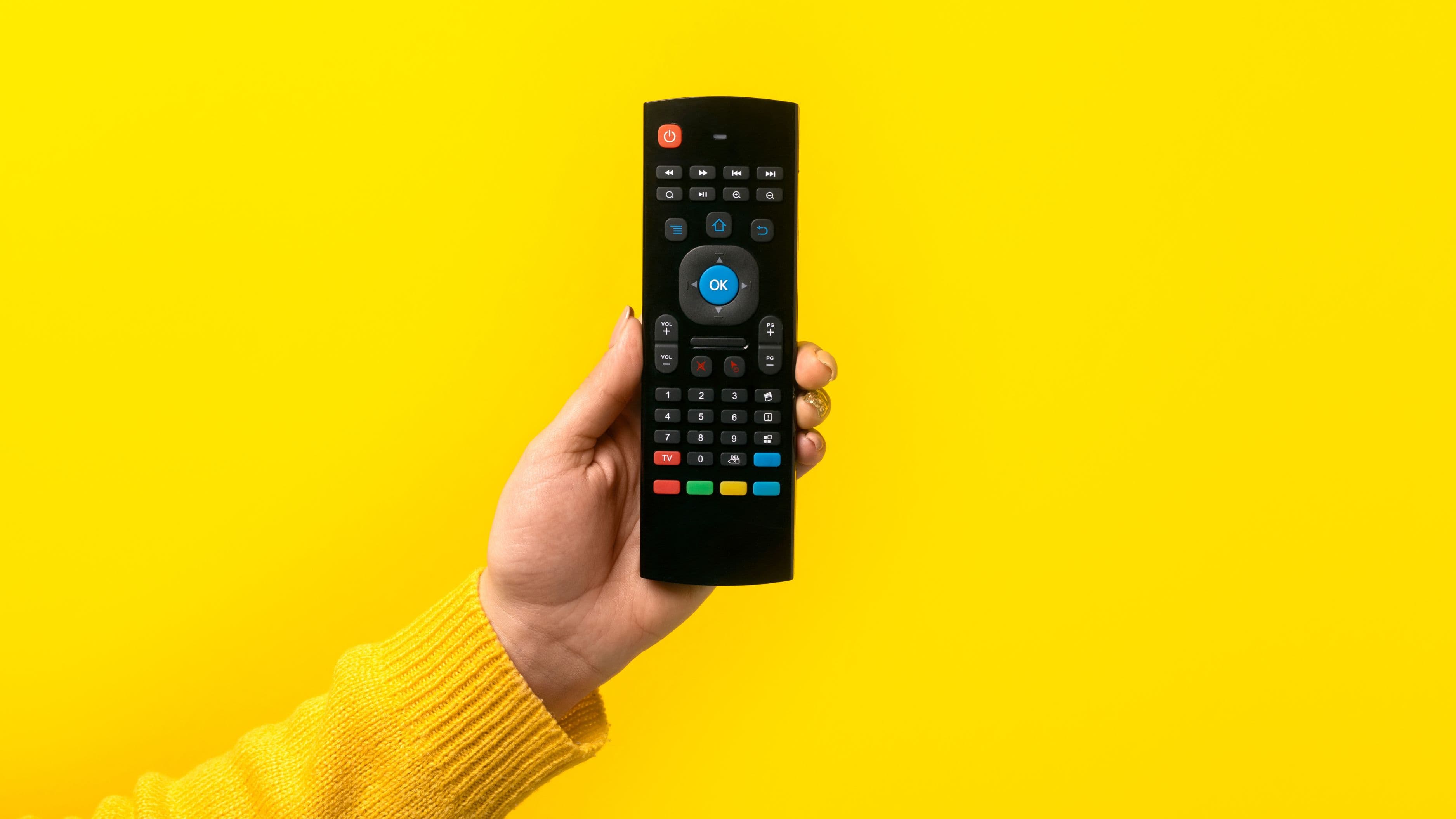
A retrofit kit typically clips onto your existing blind's tilt wand or attaches to the lift cord mechanism, using a small battery-powered motor to physically turn the wand or pull the cord the same way your hand would. You're not replacing the blind's internal mechanism, you're automating the same manual motion it was already designed for. Most kits pair with an app over Bluetooth or Wi-Fi, and many integrate with existing smart home ecosystems for voice control or scheduling.
This distinction matters because it sets realistic expectations. You're getting automated tilt and, in some cases, automated raise and lower, but you're not getting the smoother, more integrated look of a shade that was designed as a motorized product from the start. The motor housing sits visibly on or near the headrail in most retrofit setups, which is a reasonable trade-off for the cost savings but worth knowing upfront if a clean, invisible look matters to you.
Which Blinds Are Good Candidates
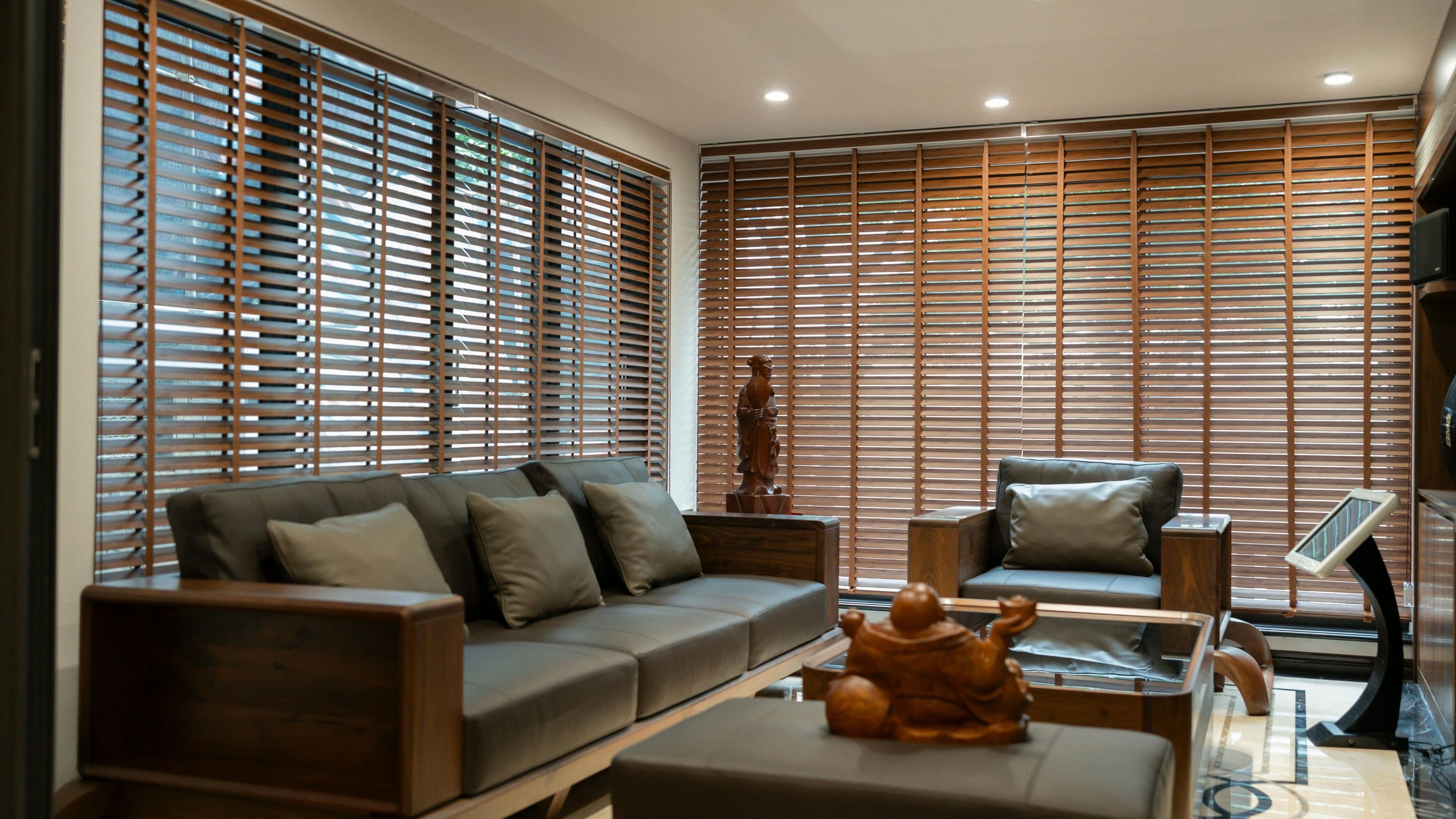
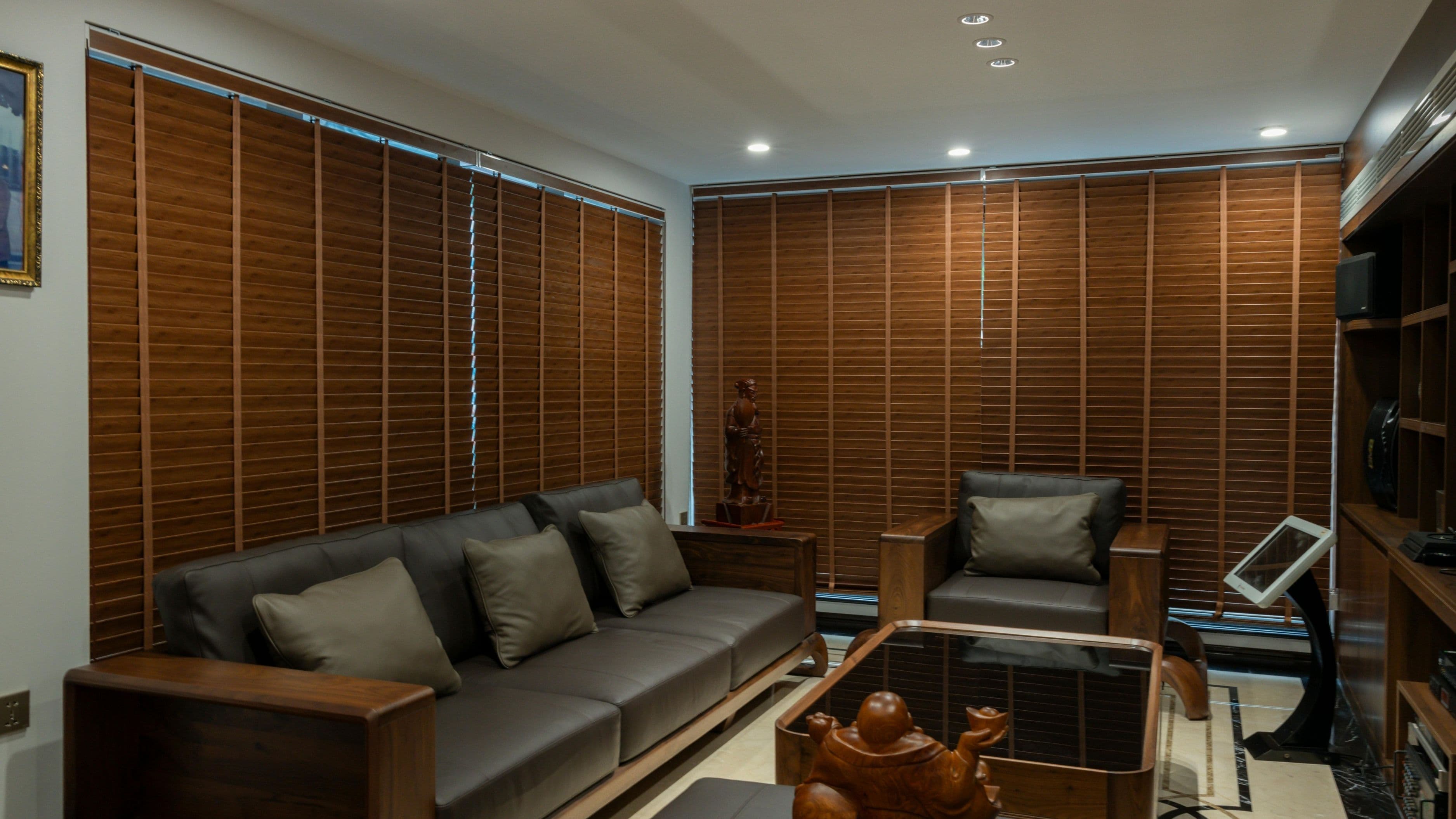
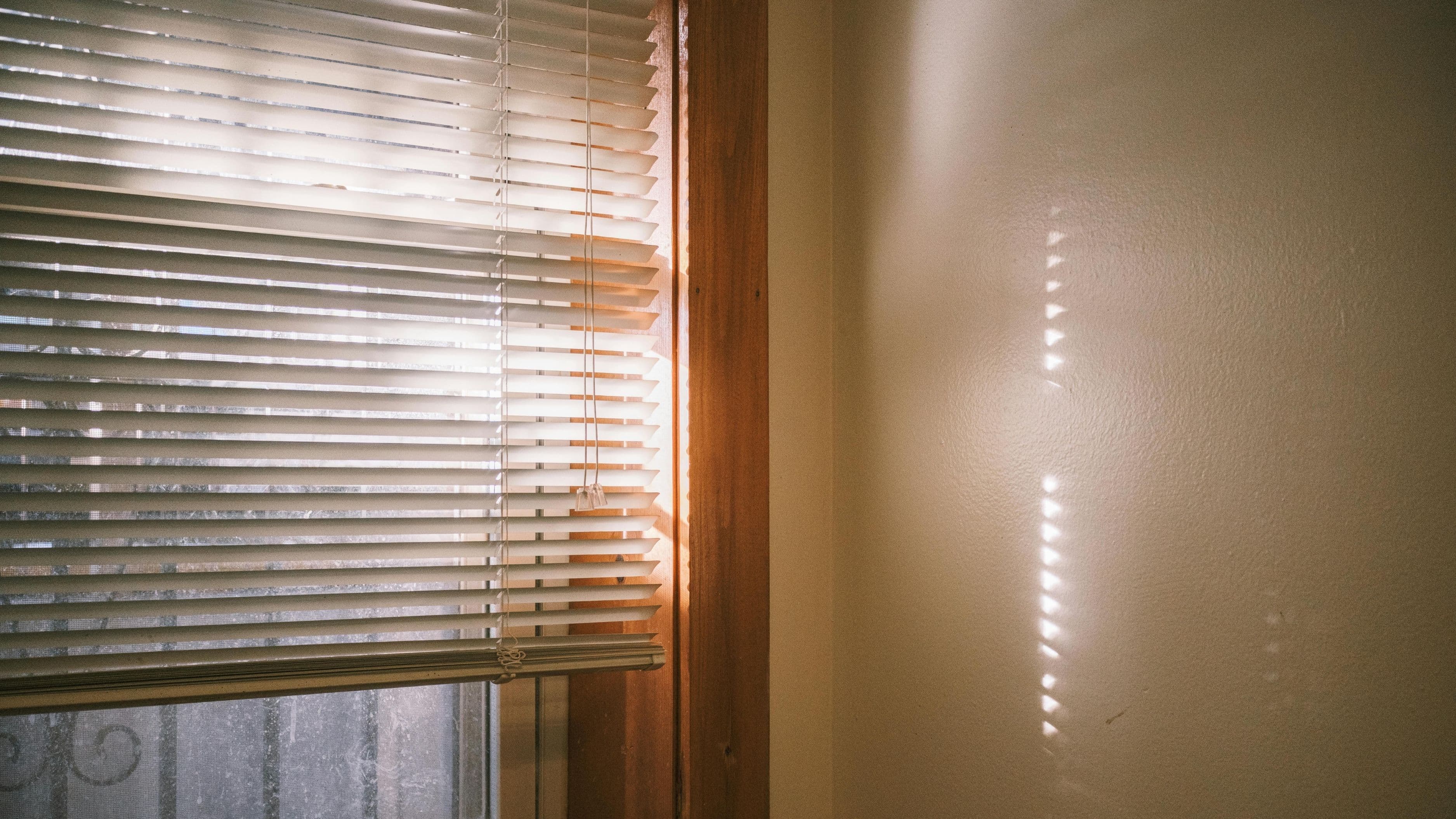
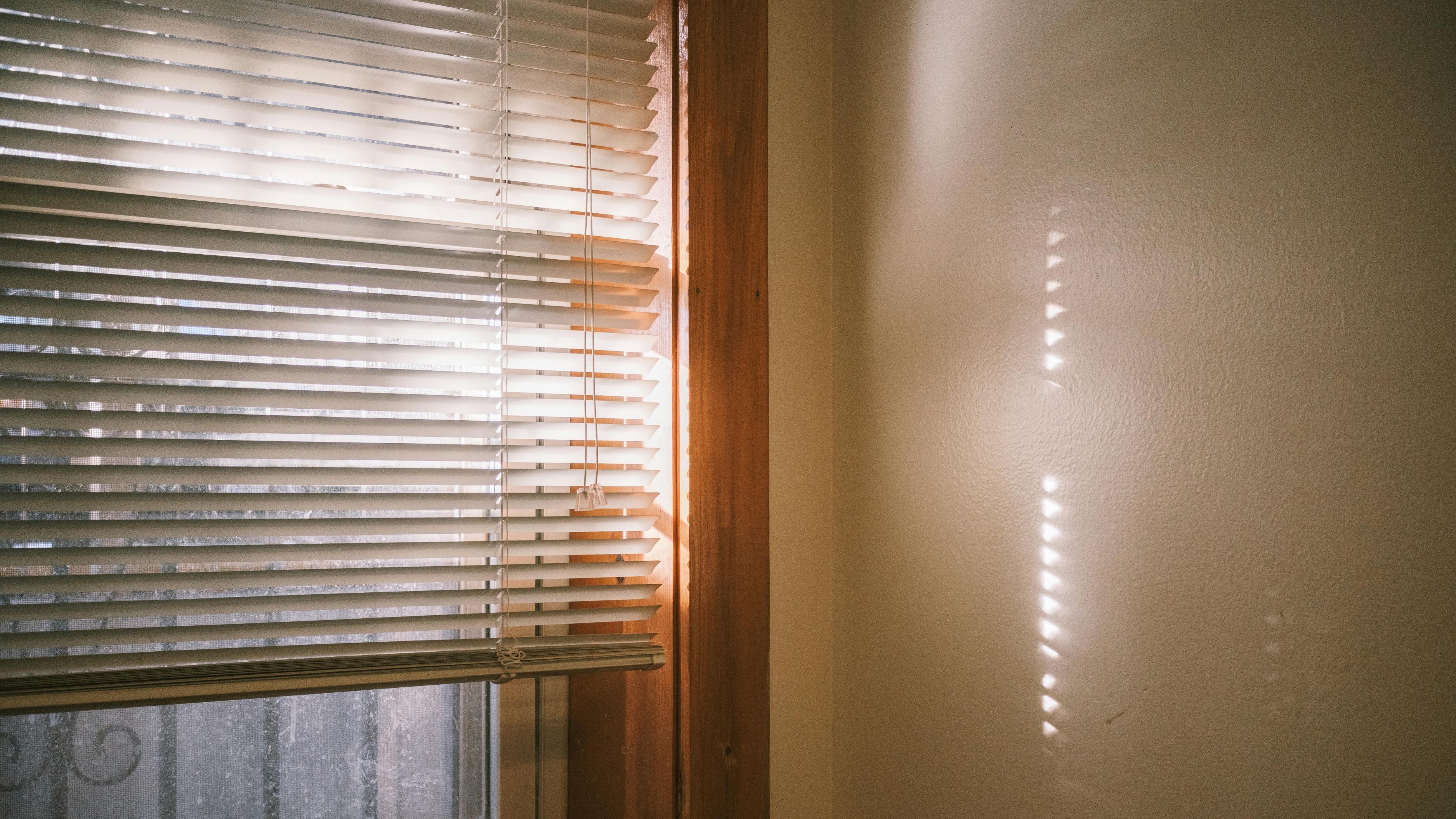
Horizontal blinds with a standard tilt wand, whether wood, faux wood, or aluminum, are the easiest and most common candidates for retrofit motorization. The tilt mechanism on these is simple and mechanically consistent across most brands, which is exactly what makes it easy for a retrofit motor to interface with reliably.
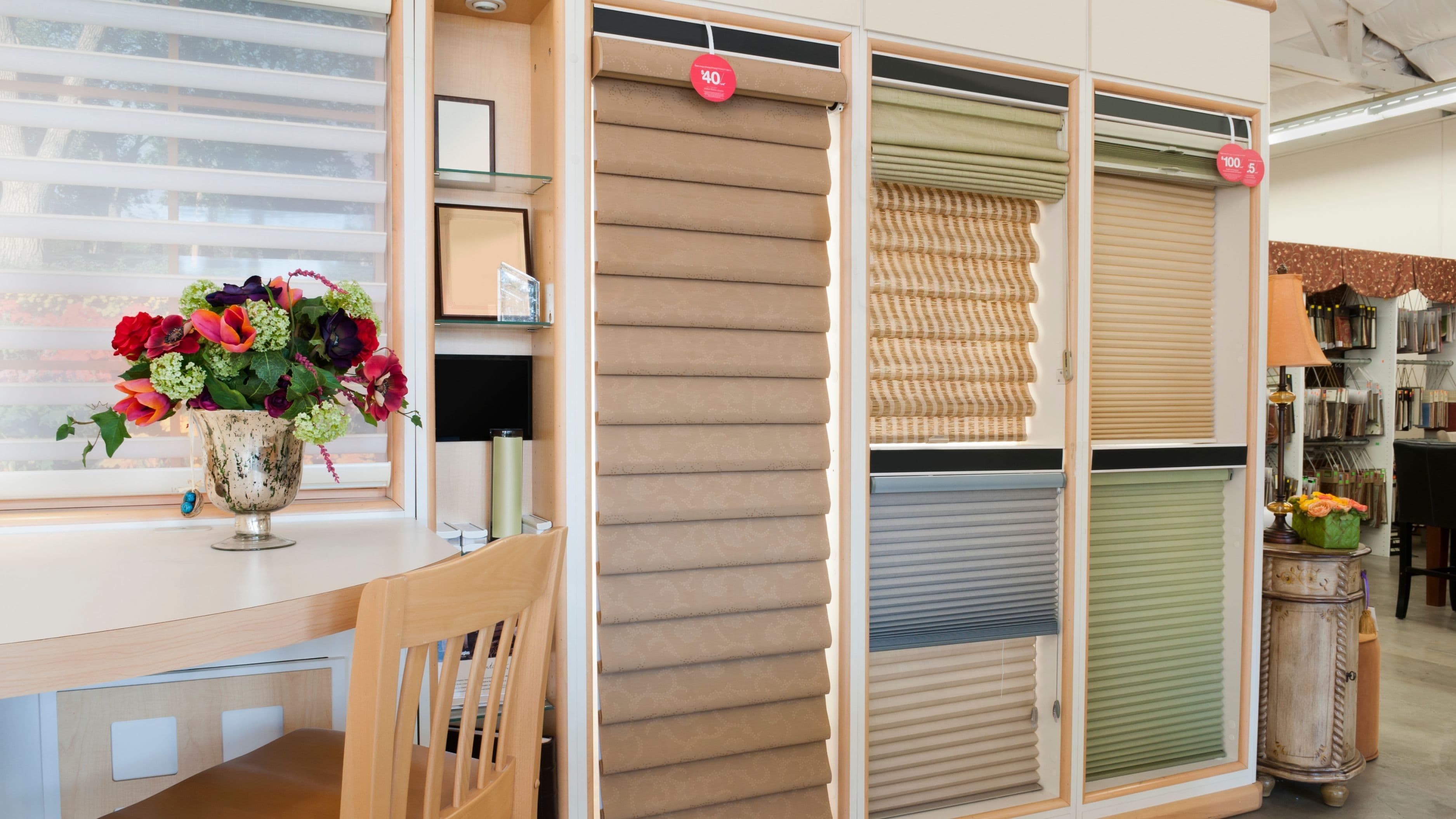
Cellular and roller shades with a continuous loop cord system can often be retrofitted as well, though this usually requires a different type of kit designed specifically for cord-based lift mechanisms rather than tilt wands. Vertical blinds and older blinds with worn, loose, or already-damaged mechanisms tend to be poor candidates, since a retrofit motor relies on the existing hardware functioning smoothly, and it can't compensate for a mechanism that's already sticking or misaligned.
Before buying a kit, test your blinds manually first. If the tilt wand turns smoothly and the blind respond predictably, you're a good candidate. If the wand feels stiff, grinds, or the blind tilts unevenly, address that mechanical issue first, since motorizing a struggling mechanism usually just means straining a small motor against a problem it wasn't built to solve.
Step-by-Step: What Installation Actually Looks Like
Most tilt-wand retrofit kits follow a similar general process, though you should always confirm specifics against your particular kit's instructions before starting.
Start by removing the existing tilt wand from the blind's headrail, which usually involves a simple twist or pull depending on your blind's mechanism style. Attach the motorized unit in its place, following the manufacturer's bracket or clip system, making sure it's seated securely enough to handle the torque of daily automated use.
Install batteries or connect the charging cable, depending on your specific model, then download the manufacturer's companion app and follow the pairing process to connect the motor to your phone or smart home hub. Once paired, test manual open and close commands through the app before setting up any automated schedules, confirming the blind responds correctly and consistently in both directions.
Finally, set your preferred schedules or smart home automations, whether that's syncing with sunrise and sunset, connecting to an existing smart home routine, or simply enabling voice control through your existing ecosystem.
Tools and Materials Needed
The retrofit motorization kit compatible with your specific blind type
A small screwdriver, typically included with most kits but worth having on hand
Fresh batteries if your kit isn't rechargeable
A smartphone for app pairing and setup
A step stool for reaching higher-mounted blinds comfortably
Common Mistakes to Avoid
Don't assume every retrofit kit is universally compatible with every blind brand. Tilt wand diameter and shape vary between manufacturers, and a kit that's a loose or overly tight fit on your specific wand will cause slipping or premature motor wear. Check compatibility specifications carefully before ordering, not after the kit arrives.
Don't skip testing the existing manual mechanism before installing the motor. A retrofit kit amplifies whatever is already happening mechanically, smooth motion becomes smooth automation, but a sticking or uneven mechanism becomes an unreliable, frustrating automated experience that usually gets blamed on the motor when the real issue was already there.
Don't mount the motor unit without confirming it's secure enough to handle repeated daily use. A loosely attached motor housing will eventually shift or detach with regular operation, and this is one of the more common reasons people end up disappointed with a retrofit purchase that was actually installed incorrectly rather than defective.
When a Retrofit Kit Isn't the Right Answer
If your existing blinds are already worn out, mechanically inconsistent, or simply outdated in a way you were planning to replace anyway, it usually makes more sense to invest in purpose-built smart shades rather than automating hardware you didn't actually want to keep. Retrofitting only makes financial and practical sense when the underlying blinds themselves are in good working condition and you genuinely just want to add automation to them.
Vertical blinds, unusual or custom mechanisms, and very old blinds with obsolete tilt systems are also cases where a retrofit kit is unlikely to work well, if a compatible kit exists for them at all. In these situations, replacement with a proper motorized shade is the more reliable path, even though it costs more upfront.
Realistic Expectations
Installation for a single blind typically takes 15 to 30 minutes once you have the kit in hand, assuming your blinds are in good working condition and the kit is genuinely compatible with your setup. Retrofit kits generally run $50 to $150 per blind depending on features, which is meaningfully cheaper than replacing a full window treatment with new motorized shades, often running several hundred dollars per window.
Battery life varies by usage frequency and kit quality, but most battery-powered retrofit motors need recharging or battery replacement every two to four months with regular daily use. This is a reasonable trade-off for most households, though it's worth factoring into your expectations if you're automating several windows and don't want frequent battery maintenance across all of them.
FAQ
Will a retrofit kit work with any brand of blinds? Not universally. Compatibility depends on your tilt wand's shape and diameter or your cord system type, so always check the manufacturer's compatibility list before purchasing.
Do I need any electrical or wiring skills to install one? No, most retrofit kits are designed for tool-free or minimal-tool installation and don't require any electrical wiring, since they run on batteries or simple rechargeable packs.
Can retrofit kits fully raise and lower blinds, or just tilt them? It depends on the kit. Tilt-wand kits only automate the tilt function, while separate cord-based kits are needed to automate full raising and lowering, and not every blind type supports both.
Is it worth automating blinds that are already several years old? Only if they're still mechanically sound. Test the manual function thoroughly first, since automating a worn or inconsistent mechanism usually leads to an unreliable, frustrating result regardless of how good the motor kit itself is.