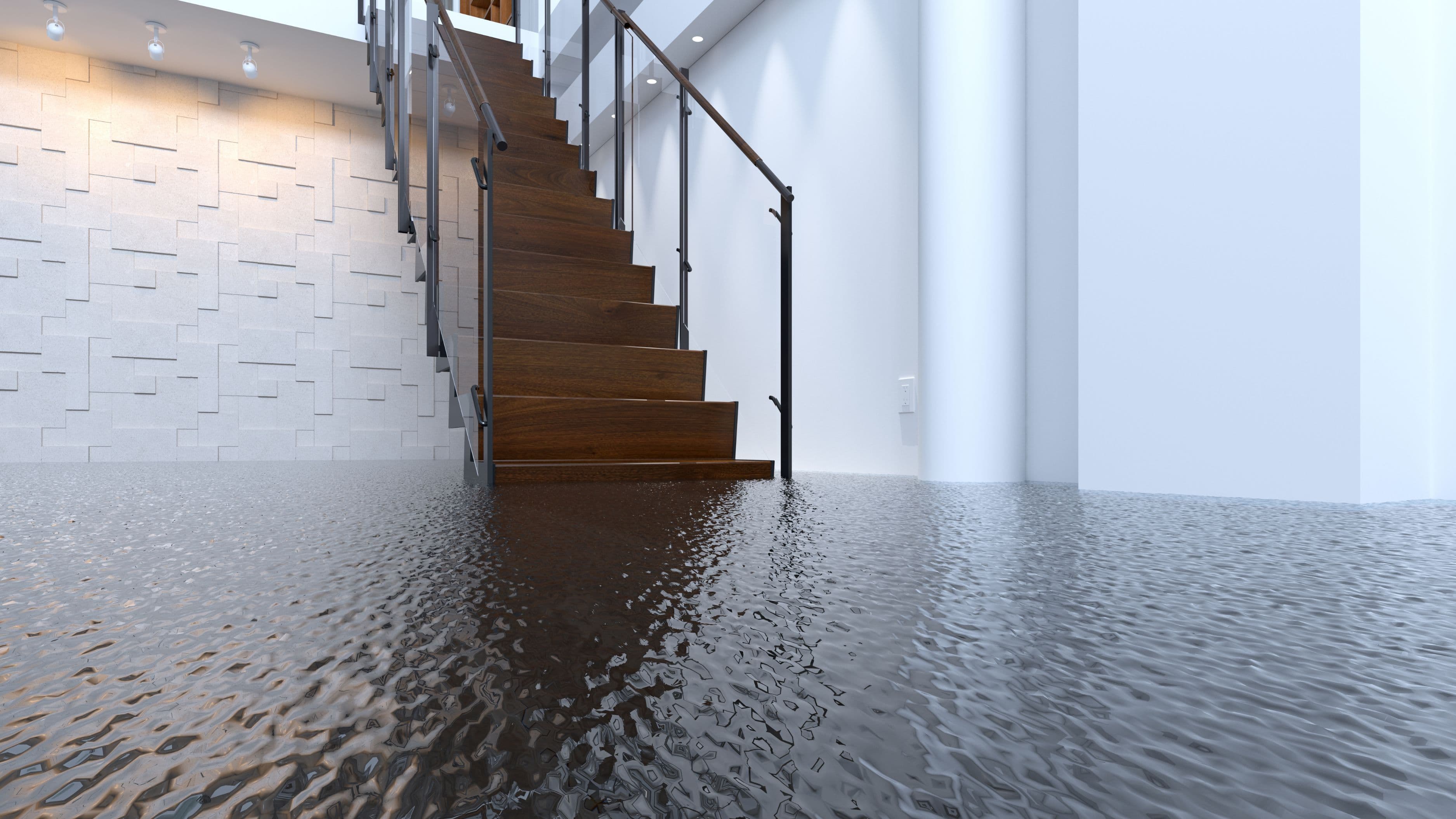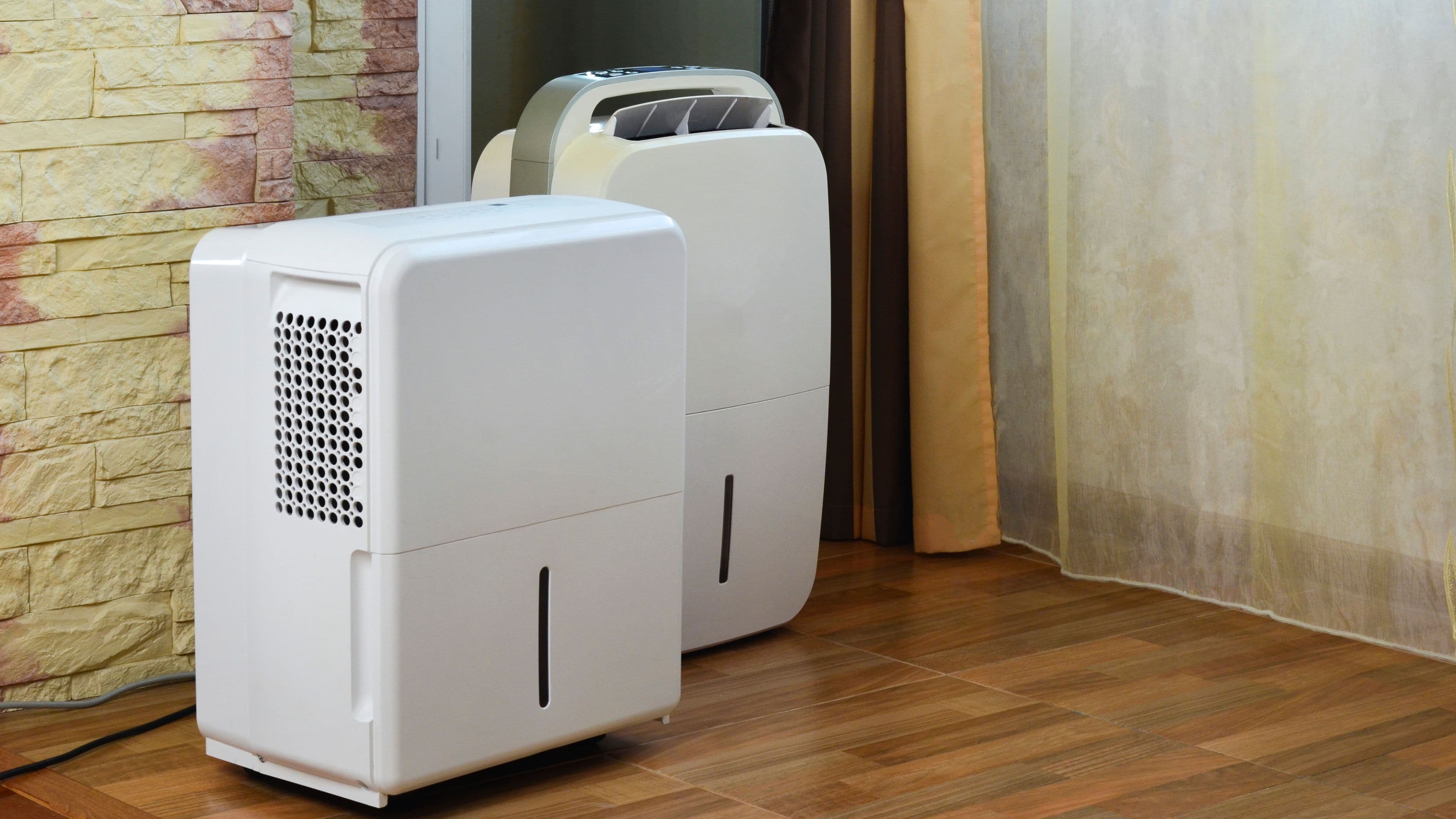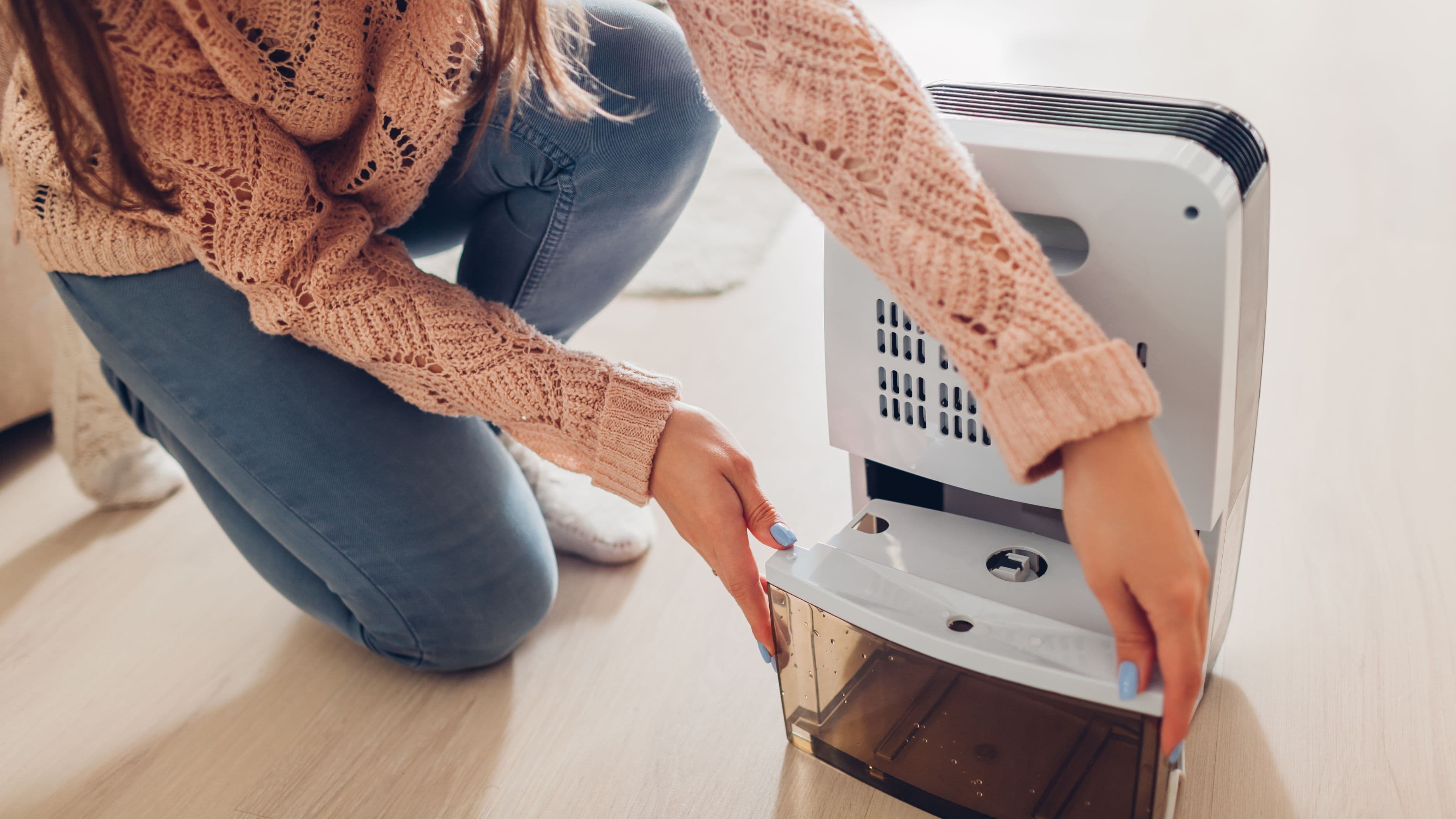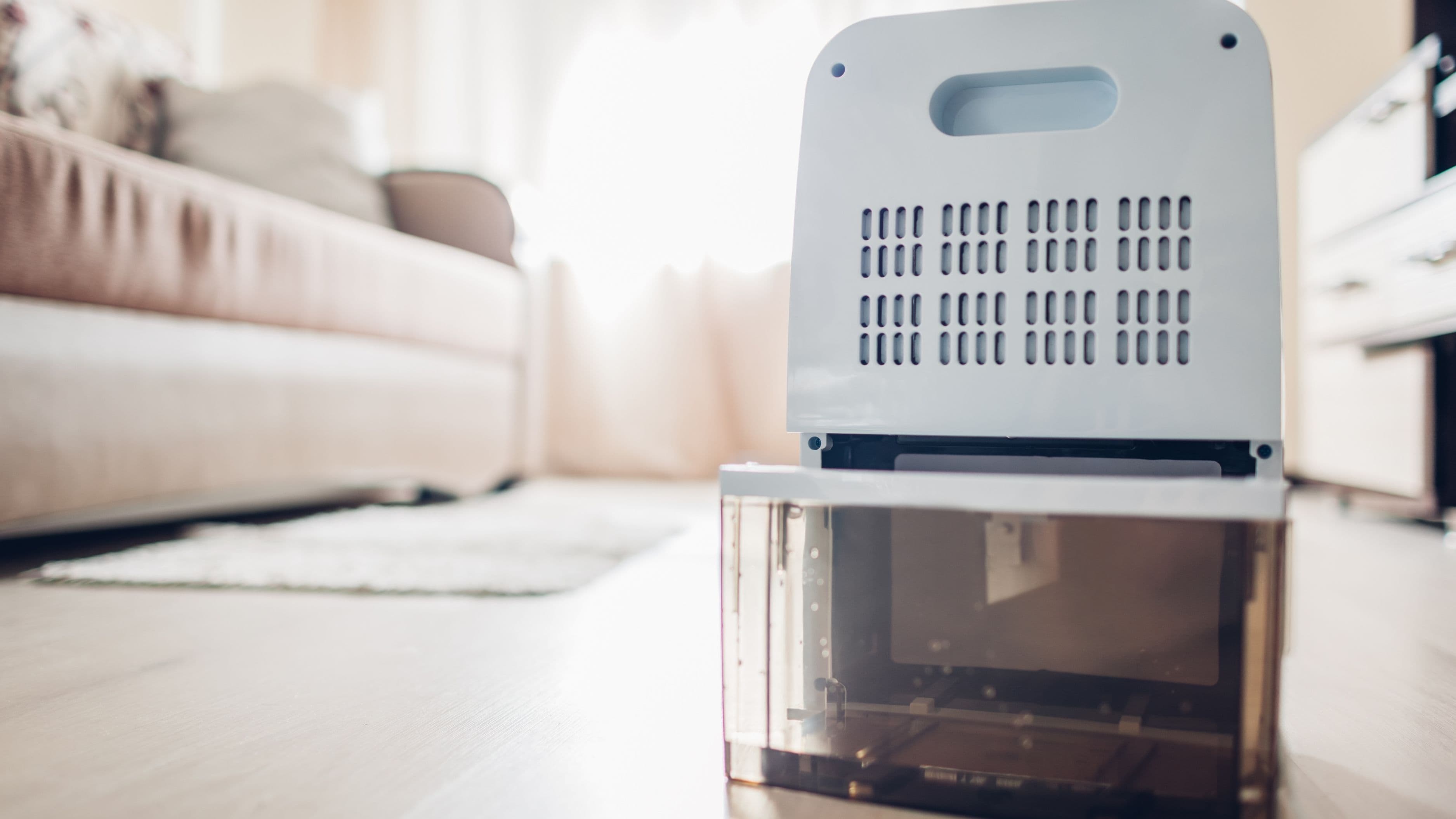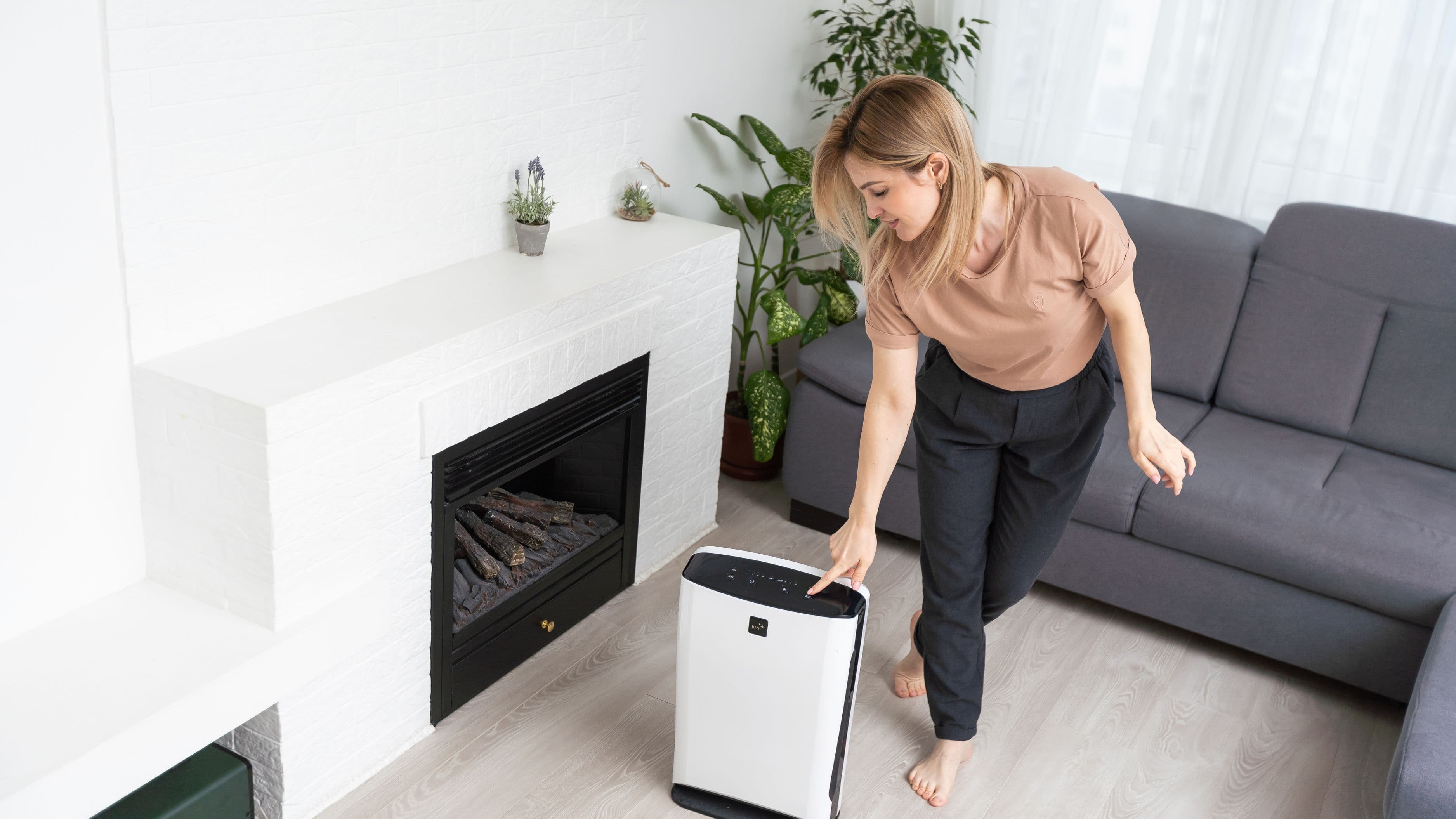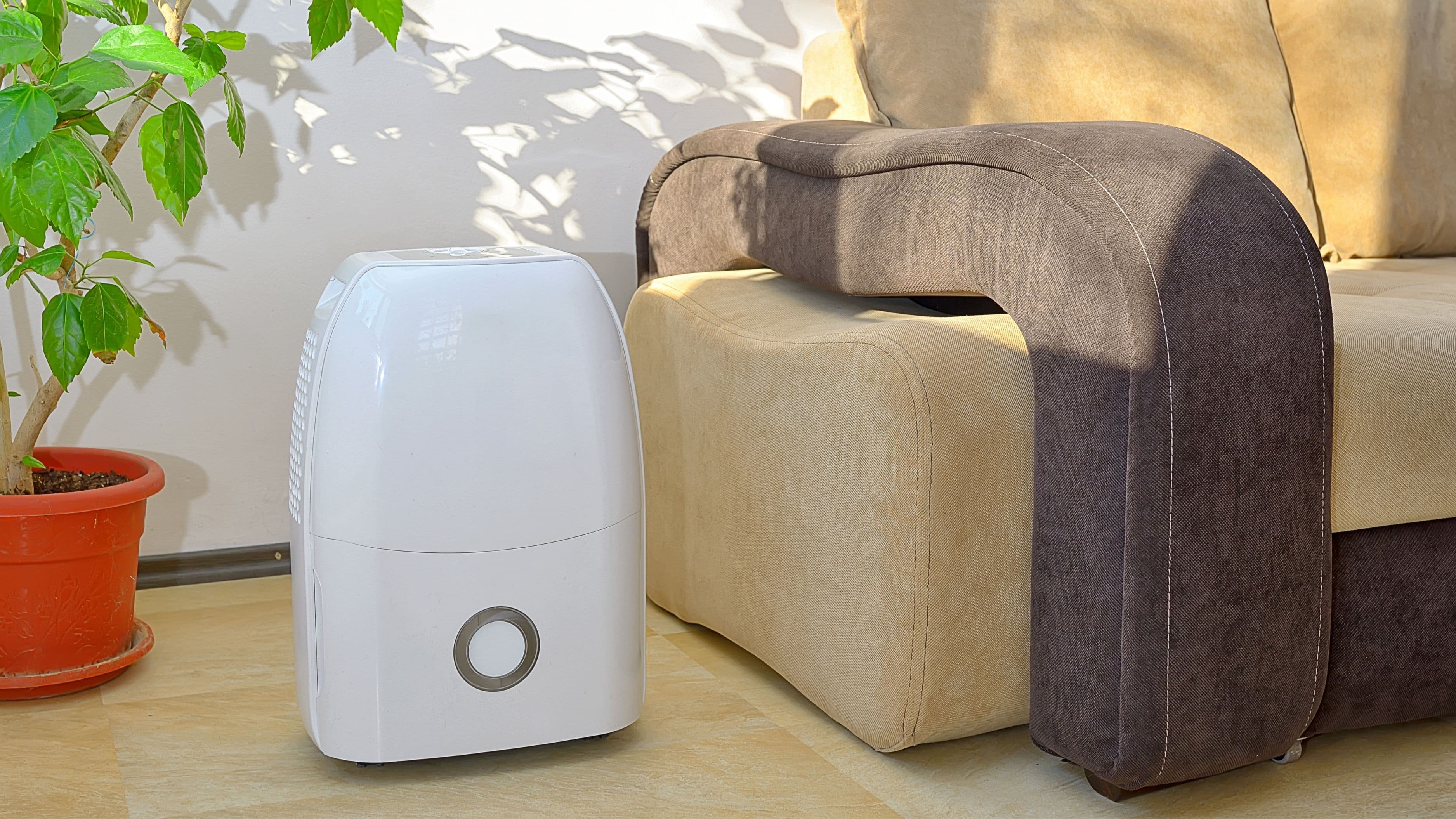

The problem is that a portable dehumidifier treats the air. But most basement moisture problems don't actually start in the air. They start in the walls, the floor, and the soil outside your foundation. Understanding where the moisture is coming from is what separates a basement that finally dries out from one that stays damp no matter how many appliances you throw at it.
Here's a cause-by-cause breakdown of why your dehumidifier isn't winning, and what to actually do about each one.
First: Understand the Two Types of Basement Moisture
Before troubleshooting, it helps to know that basement dampness comes from two fundamentally different sources, and they require different solutions.
Condensation happens when warm, humid air from inside or outside your home contacts the cooler surface of your basement walls or floor and the moisture in that air converts to liquid. This is the same thing that happens to a cold glass on a summer day. A dehumidifier addresses condensation reasonably well because it removes moisture from the air before it can condense.
Water infiltration is liquid water physically entering the basement through cracks in the foundation, through the wall-floor joint, through porous concrete or block walls, or through the floor itself. A dehumidifier cannot fix this. It can only evaporate the water after it has already entered – which means the dehumidifier is constantly working against an active water source. This is the most common reason dehumidifiers seem useless: the moisture is being replenished faster than the machine can remove it.
A simple test can help you figure out which type you're dealing with. Tape a 12-inch square piece of plastic sheeting (like a garbage bag) directly to your basement wall and seal all four edges with duct tape. Leave it for 24–48 hours. If the outside surface of the plastic is wet, moisture is condensing from the air. If the wall behind the plastic is wet, water is coming through the wall itself. Many basements have both issues, but knowing the primary source tells you where to focus.
Cause 1: Poor Exterior Grading or Drainage
This is the most common cause of chronic basement water infiltration and the one most homeowners overlook because the fix isn't inside the basement.
The soil immediately around your foundation should slope away from the house – at least 6 inches of drop over the first 10 feet. When the grade is flat or slopes toward the house, every rain event directs water directly against your foundation. Over time, soil also settles and compacts against the foundation, creating a bowl effect that pools water exactly where you don't want it.
Walk around the outside of your house after a heavy rain. If you see standing water within 5–6 feet of the foundation, or if the soil looks saturated up against the walls, grading is almost certainly part of your problem. This is a DIY-friendly fix – adding topsoil and re-grading the soil around the foundation is a weekend project that costs $50–$200 in materials and can make a dramatic difference.
Also check your downspouts. If downspout extensions aren't directing water at least 4–6 feet away from the foundation, every rain is discharging directly against the base of your walls. Downspout extensions cost under $20 each and are one of the highest-return fixes available for a damp basement.
Cause 2: Cracks in the Foundation Wall or Floor
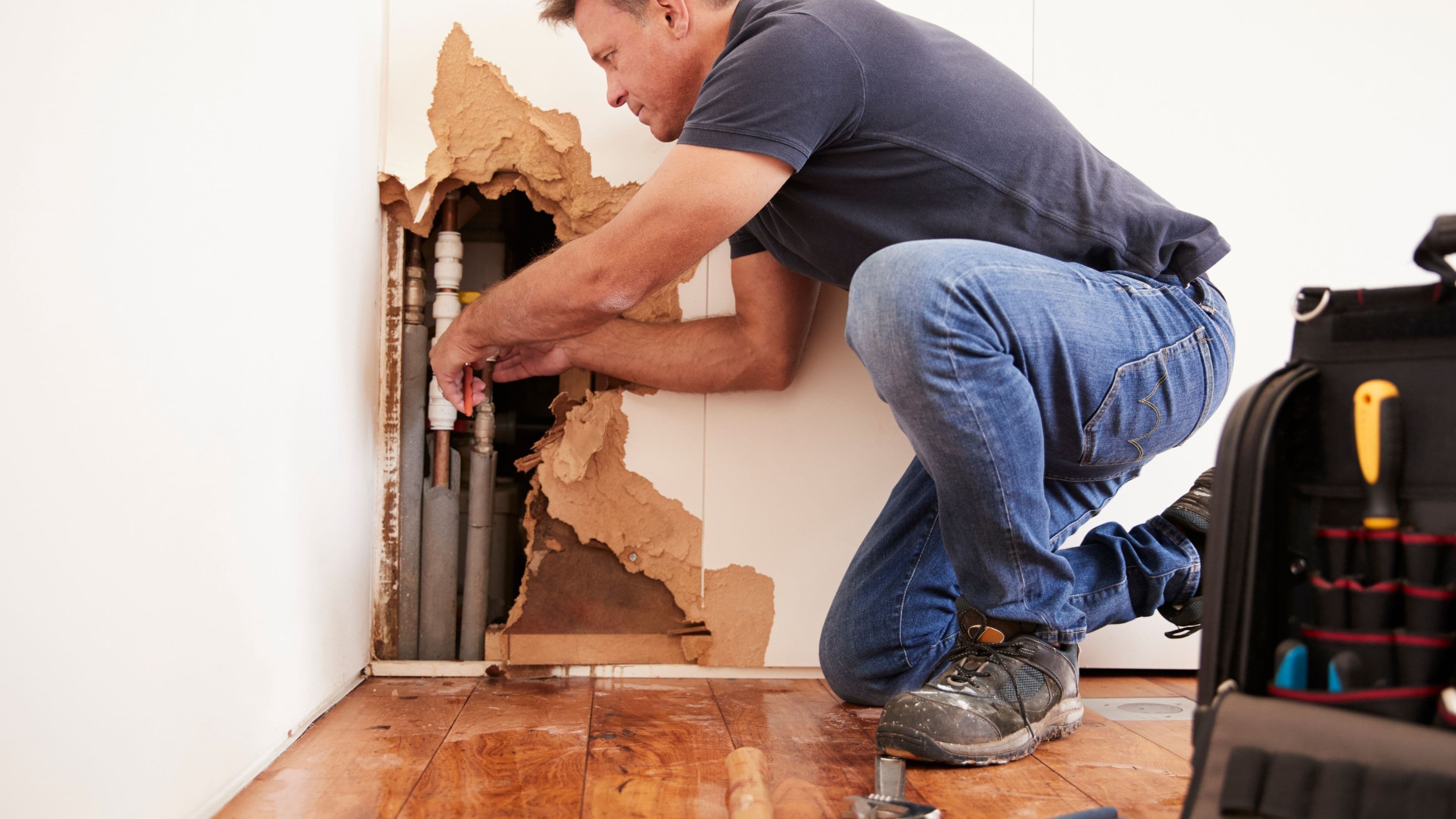
Water finds the path of least resistance, and small cracks in poured concrete or concrete block walls give it a direct route into your basement. Even hairline cracks can allow significant moisture transfer, particularly when hydrostatic pressure builds up in saturated soil after heavy rain.
Inspect your foundation walls carefully. Look for horizontal cracks (which can indicate significant structural pressure and often require professional evaluation), vertical or diagonal cracks in poured concrete (typically less serious but still need sealing), and efflorescence – the white chalky mineral deposits left behind when water evaporates through concrete. Efflorescence is a reliable indicator of regular water infiltration, even if the wall isn't wet at the moment you're looking at it.
DIY option: Small cracks in poured concrete can be sealed with hydraulic cement or polyurethane injection kits. Hydraulic cement works well for active leaks because it expands as it cures. For dry cracks, an epoxy injection kit provides a stronger, more permanent seal. Both are available at hardware stores and are manageable DIY projects for cracks under about 1/4 inch wide.
When to call a pro: Horizontal cracks in block or poured concrete walls, stair-step cracks in block foundations, and cracks wider than 1/4 inch or that are actively growing should be evaluated by a structural engineer or foundation contractor. These can indicate soil pressure or settlement issues that go beyond a sealing fix.
Cause 3: The Dehumidifier Is Undersized for the Space
A portable dehumidifier that's too small for your basement will run constantly and still lose the battle against incoming moisture. Dehumidifier capacity is measured in pints of water removed per 24 hours, and the right size depends on both the square footage of your basement and how wet the space is.
As a general guide for a very damp basement (walls consistently wet, standing water after rain):
Up to 500 sq ft: 40–50 pint capacity
500–1,000 sq ft: 50–60 pint capacity
1,000–1,500 sq ft: 60–70 pint capacity
1,500+ sq ft: 70+ pint capacity, or consider a whole-home or ducted system
If your dehumidifier's collection bucket is full every day and the basement is still humid, the unit is working but is simply outmatched by the moisture load. Upgrading to a larger unit or adding a second unit is a reasonable response – but only after addressing the source issues above. Running a bigger dehumidifier against active water infiltration just means buying more electricity to fight a problem that needs a structural fix.
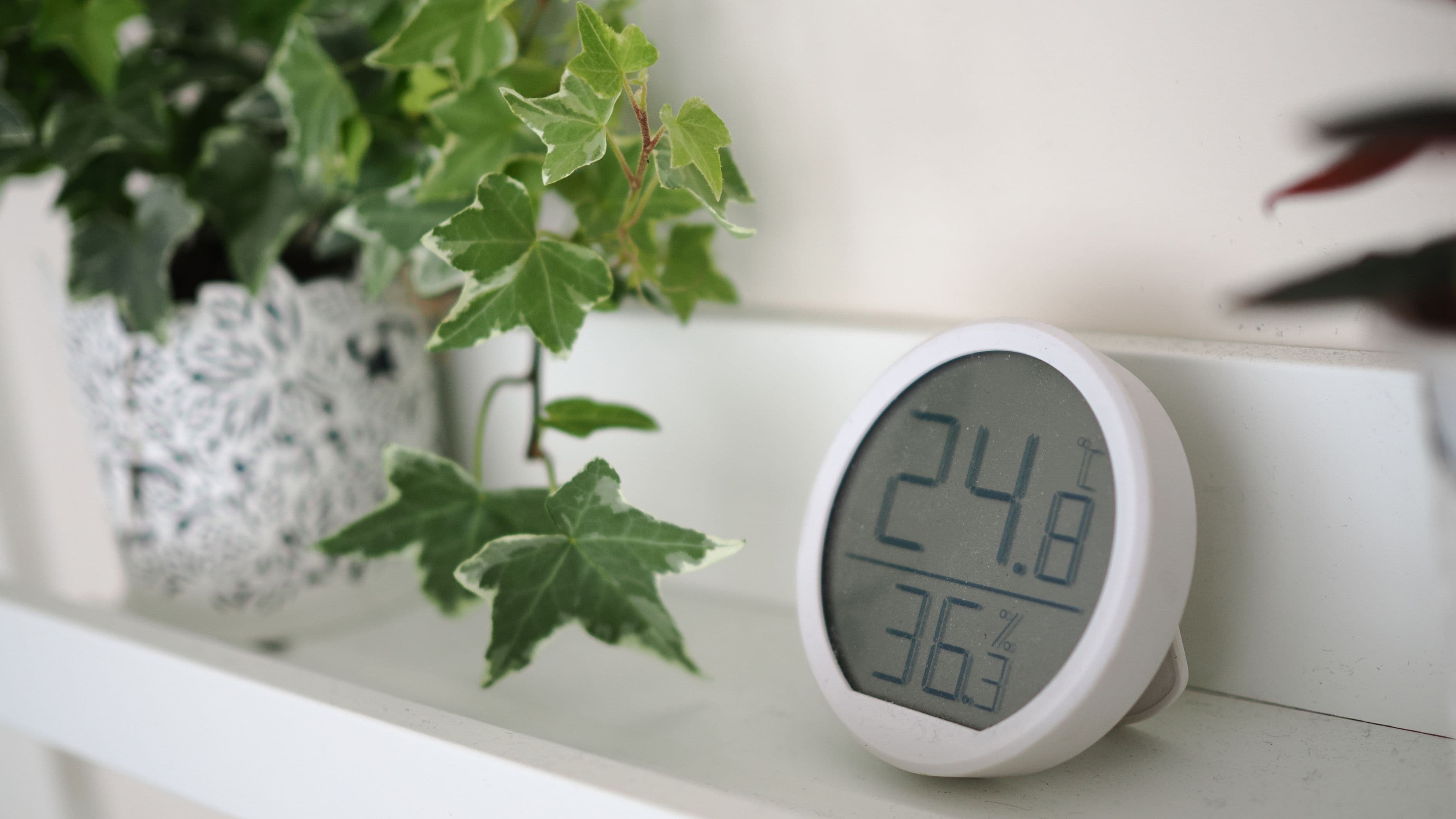
Also check whether your dehumidifier is set to the right target humidity. For basements, the target should be 50% relative humidity or below. If the unit is set to 60%, it will run less and allow more moisture than is ideal.
Cause 4: The Dehumidifier Isn't Placed or Maintained Correctly
Placement matters more than most people realize. A dehumidifier shoved into a corner, blocked by furniture or storage boxes, or placed in a smaller section of the basement while the rest of the space is open will underperform significantly. The unit needs clear airflow on all sides – at least 6–12 inches of clearance – and ideally should be positioned in the dampest part of the basement.
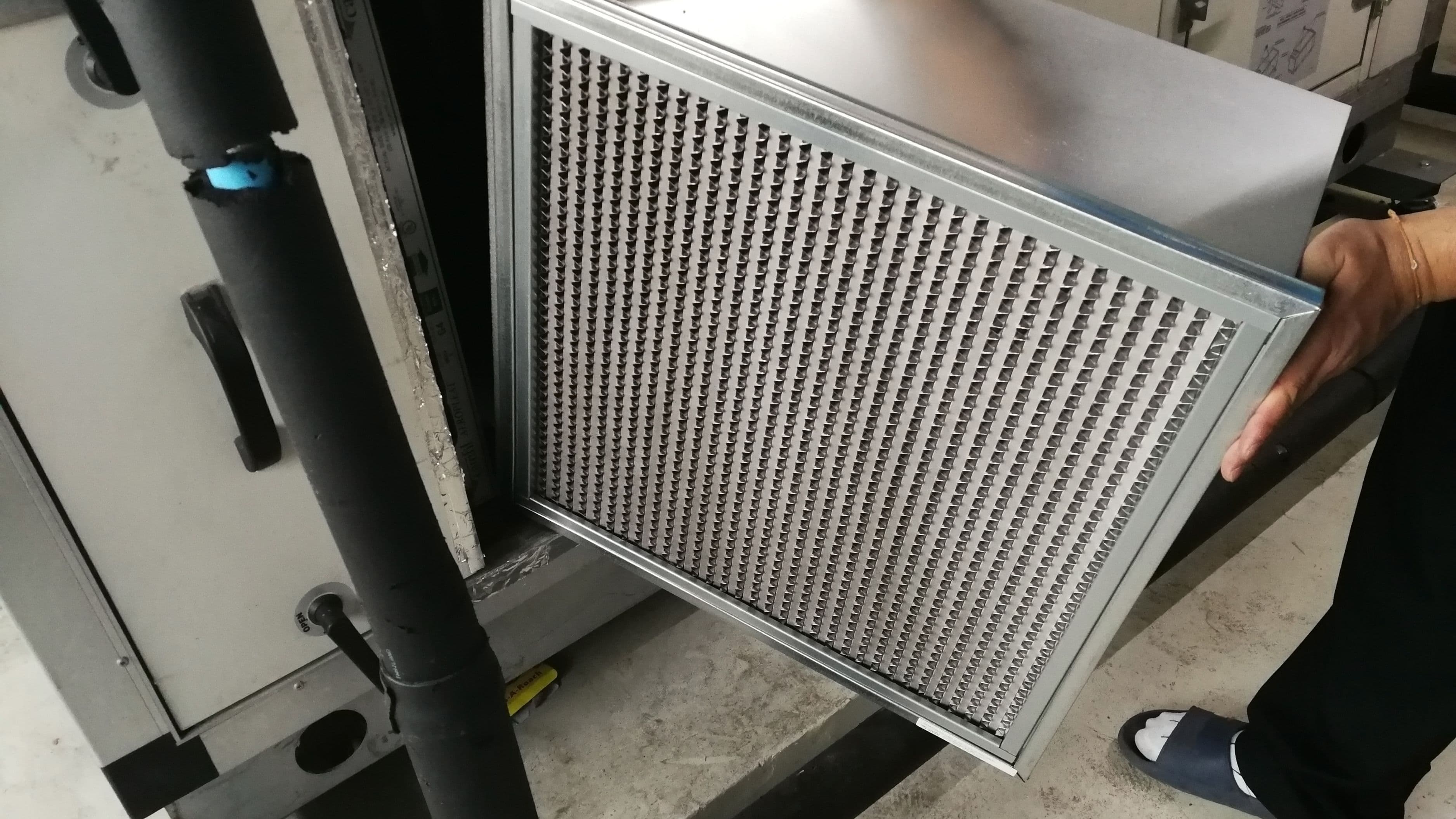
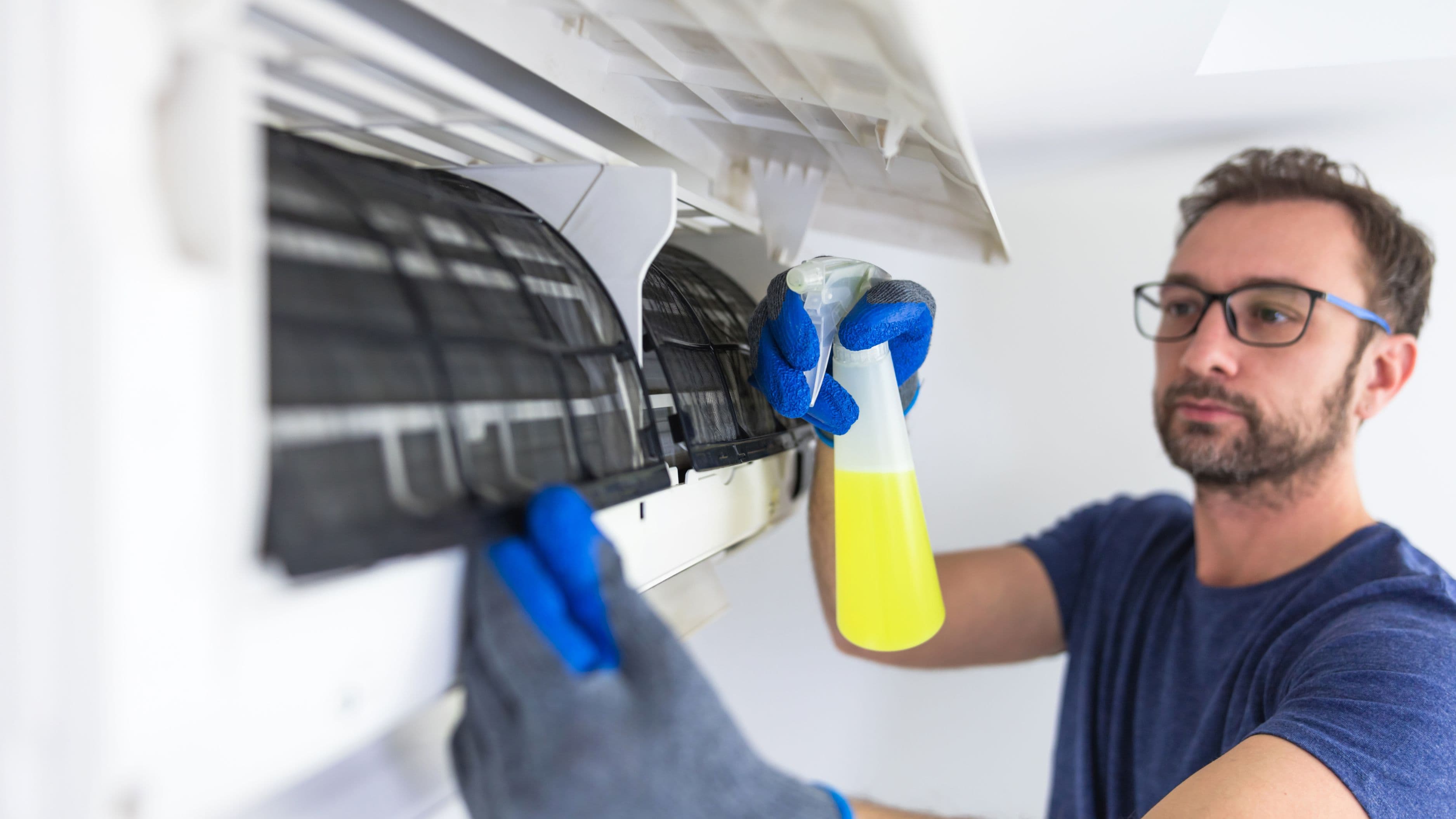
Maintenance is the other common culprit. A clogged or dirty air filter dramatically reduces how much air the unit can process per hour, which directly reduces how much moisture it can remove. Clean or replace the filter every 2–4 weeks during heavy use. The coils should also be checked occasionally for frost buildup – if the basement temperature drops below around 60°F, many portable dehumidifiers will frost over and stop working effectively. If your basement runs cool, look for a low-temperature dehumidifier rated for operation down to 40–45°F.
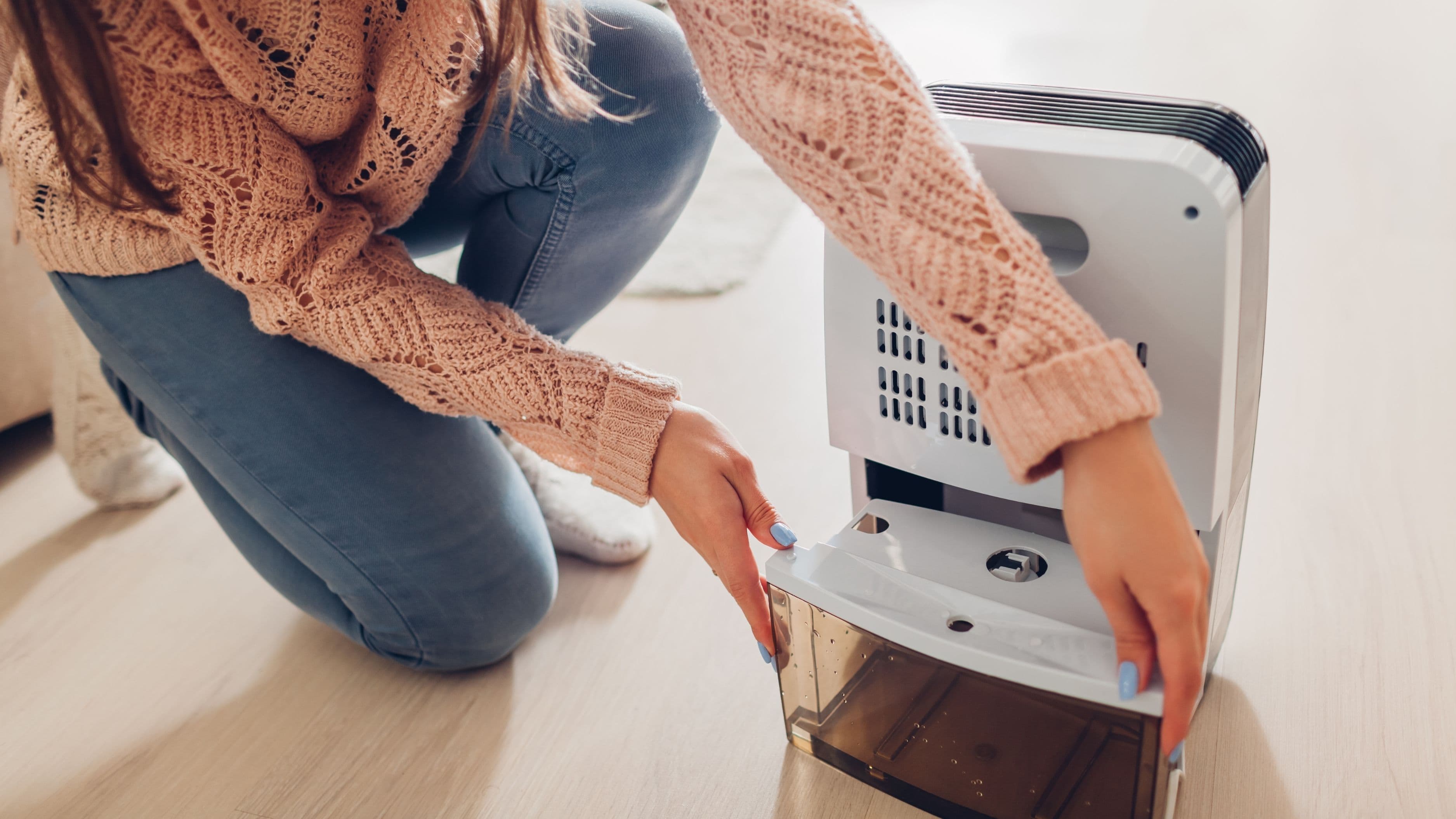
If the unit drains into a bucket, emptying it before it fills is critical – a full bucket stops the unit. Running a drain hose to a floor drain or utility sink eliminates this problem entirely and allows the dehumidifier to run continuously without manual intervention.
Cause 5: Air Leaks Bringing Humid Air In from Outside
In summer months, warm humid outdoor air infiltrating your basement can overwhelm a dehumidifier even when there's no ground water issue at all. Basement windows that don't seal well, gaps around plumbing or electrical penetrations through the rim joist, and open hatch doors are all common entry points for humid air.
Check your basement windows and make sure they seal properly when closed. If they're older and not closing tightly, weatherstripping is a cheap fix. The rim joist – the framing that sits on top of your foundation wall – is a major air leakage point in most homes and is worth insulating and air-sealing with spray foam if you haven't already. This is a DIY-friendly project that also helps with energy costs year-round.
During very humid summer weather, keeping basement windows closed and letting the dehumidifier do its job is usually more effective than trying to ventilate with outside air, which brings in more humidity than it removes.
Cause 6: The Wall Insulation Is Trapping Moisture
If your basement walls are insulated with fiberglass batts against an uninsulated concrete wall, there's a good chance moisture is condensing inside the wall assembly where you can't see it. Concrete is cold. Warm, humid air that gets behind fiberglass insulation hits that cold concrete surface and condenses. This creates hidden moisture problems – and sometimes mold – that the dehumidifier can't reach because the moisture is trapped behind the insulation.
The correct approach for insulating basement walls is to use rigid foam insulation (XPS or polyiso board) against the concrete, which keeps the concrete warm enough to prevent condensation, and then frame and insulate over that if desired. If you have fiberglass batts against bare concrete walls and have persistent moisture issues, this is worth investigating. Pulling back a section of insulation to check for moisture or mold is a reasonable diagnostic step.
When to Call a Professional
Some basement moisture problems are genuinely beyond DIY repair, and recognizing them early saves money compared to trying fix after fix that doesn't address the root cause.
Call a waterproofing contractor if you have active water coming in through the base of the walls (the wall-floor joint), if water is entering through the floor itself, or if you see evidence of chronic infiltration despite addressing grading and cracks. Interior drainage systems – a perimeter drain channel and sump pump – are the standard professional solution for basements that receive significant groundwater intrusion. They don't stop water from entering the foundation but channel it out before it can damage the space.
Call a structural engineer if you see horizontal cracks in your foundation walls, significant inward bowing, or multiple large diagonal cracks. These can indicate serious soil pressure issues that require structural repair before waterproofing.
Budget expectations for professional waterproofing: interior drainage systems typically run $3,000–$10,000 depending on basement size and system complexity. Exterior waterproofing (excavating around the foundation to apply a membrane and drainage board) is more comprehensive and more expensive, typically $10,000–$30,000. For most homes with moderate moisture issues, interior systems provide the best value.
The Right Order of Attack
Working through basement moisture issues in the right sequence saves money and effort:
Start outside. Fix grading and extend downspouts before doing anything else. This is free to cheap and resolves a significant percentage of basement moisture problems on its own.
Seal visible cracks. Once exterior drainage is corrected, seal any cracks you can find in the foundation walls and floor.
Address air sealing. Seal rim joists and check window seals.
Optimize your dehumidifier. Confirm it's the right size, properly placed, and well-maintained.
Evaluate insulation. If walls are insulated with fiberglass against concrete, consider whether the assembly may be creating hidden moisture problems.
Then, if chronic water infiltration persists after all of the above, get professional waterproofing quotes.
FAQ
How much water should my dehumidifier be collecting each day? In a very damp basement, a properly sized unit might collect 1–3 gallons (8–24 pints) per day. If the bucket is always full, the unit is working but may need to be larger, or there's an active water source that needs addressing. If the bucket barely has anything in it, the unit may be too large, or the basement may already be near the target humidity.
Can a dehumidifier make a mold problem worse? Not directly, but it's worth knowing that a dehumidifier doesn't kill mold – it just removes the humidity that mold needs to grow. If you already have mold on walls or framing, the mold needs to be remediated separately. Running a dehumidifier while there's active mold on surfaces doesn't spread it, but it also won't solve the mold problem.
My basement only gets wet after heavy rain. Is that a big deal? Rain-event-triggered flooding is a sign of active water infiltration through the foundation – either through cracks, the wall-floor joint, or overwhelmed exterior drainage. It's worth addressing before it gets worse. Hydrostatic pressure (water-saturated soil pushing against the foundation) increases over time and small entry points become larger ones.
Is a whole-house dehumidifier worth it over a portable unit? If you have chronic humidity issues in a large basement, a whole-home or ducted dehumidifier offers several advantages: higher capacity, quieter operation, no manual bucket emptying, and the ability to dehumidify the entire home's HVAC zone. They typically cost $1,200–$2,500 installed and make sense when portable units are clearly undersized for the space.
Can I use a regular fan to help dry out my basement? A fan helps circulate air and can speed up evaporation on wet surfaces, but it doesn't remove humidity from the space the way a dehumidifier does. In summer, blowing outdoor air in can actually increase basement humidity. Fans work best in combination with a dehumidifier, not instead of one.
How do I know if my sump pump is working correctly? Pour a bucket of water into the sump pit until the float rises and the pump activates. It should run briefly and discharge the water, then shut off cleanly. If it doesn't activate, runs constantly, or makes grinding noises, it needs service or replacement. Testing your sump pump seasonally – especially before spring thaw – is good preventive maintenance.
📚 Sources
U.S. Department of Energy – Moisture Control in Basements and Crawlspaces: https://www.energy.gov/energysaver/weatherize/air-sealing-your-home/basement-or-crawlspace
EPA – A Brief Guide to Mold, Moisture, and Your Home: https://www.epa.gov/mold/brief-guide-mold-moisture-and-your-home
University of Minnesota Extension – Solving Basement Moisture Problems: https://extension.umn.edu/moisture-and-rot/solving-basement-moisture-problems
Building Science Corporation – Understanding Basements: https://www.buildingscience.com/documents/digests/bsd-103-understanding-basements
ENERGY STAR – Dehumidifier Sizing and Selection Guide: https://www.energystar.gov/productfinder/product/certified-dehumidifiers