Step 1: Define the Purpose of the Bathroom
Start by deciding who will use the bathroom and how. A primary bathroom may need double sinks, generous storage, and a large shower. A kids' bathroom needs durable surfaces and easy cleaning. A guest bathroom can focus on style and simplicity. Defining the purpose helps you prioritize where to spend.
Step 2: Set and Divide Your Budget
Bathroom remodels commonly range from a few thousand dollars for cosmetic updates to $30,000 or more for major renovations. Once you've set a total, divide it into categories:
Labor: often the largest share, sometimes close to half the budget
Fixtures: toilet, tub or shower, faucets, and vanity
Surfaces: tile, flooring, countertops, and wall finishes
Lighting, ventilation, and electrical: fixtures, fans, and outlets
Contingency: 10 to 20 percent for surprises such as hidden water damage
Dividing the budget early helps you see where upgrades are affordable and where you need to scale back.
Step 3: Choose a Layout That Works
Keep the Existing Layout
Keeping the toilet, sink, and shower in their current locations is the most cost-effective approach, since moving plumbing adds significant cost.
Common Bathroom Layouts
Single-wall layout: All fixtures sit along one wall, which simplifies plumbing and works well in narrow rooms.
Two-wall layout: Fixtures are split between two walls, often with the shower or tub on one side and the toilet and vanity on the other, giving more open space.
Three-quarter bath: A shower without a tub, ideal for smaller bathrooms and guest rooms.
Clearances Matter
Building codes in many areas set minimum clearances, such as space in front of and beside the toilet and minimum shower dimensions. Beyond code minimums, extra space makes daily use more comfortable. Check local requirements or consult a designer.
Step 4: Plan the Details Early
Decide on fixtures, tile, and finishes before work begins. Ordering everything in advance prevents delays from backordered items. Plan outlet locations, lighting positions, niche placement, and towel bar locations so they can be built in properly.
Design Advice for a Lasting Result
Prioritize Waterproofing
A properly waterproofed shower protects the structure for years. This is not the place to cut corners.
Choose Timeless Core Finishes
Keep expensive, hard-to-change elements like tile and tubs neutral and classic. Add trendier colors through paint, towels, and accessories that are easy to update.
Design for the Future
Consider a curbless shower, blocking in walls for future grab bars, and a comfort-height toilet. These features add convenience now and accessibility later.
Don't Forget Ventilation
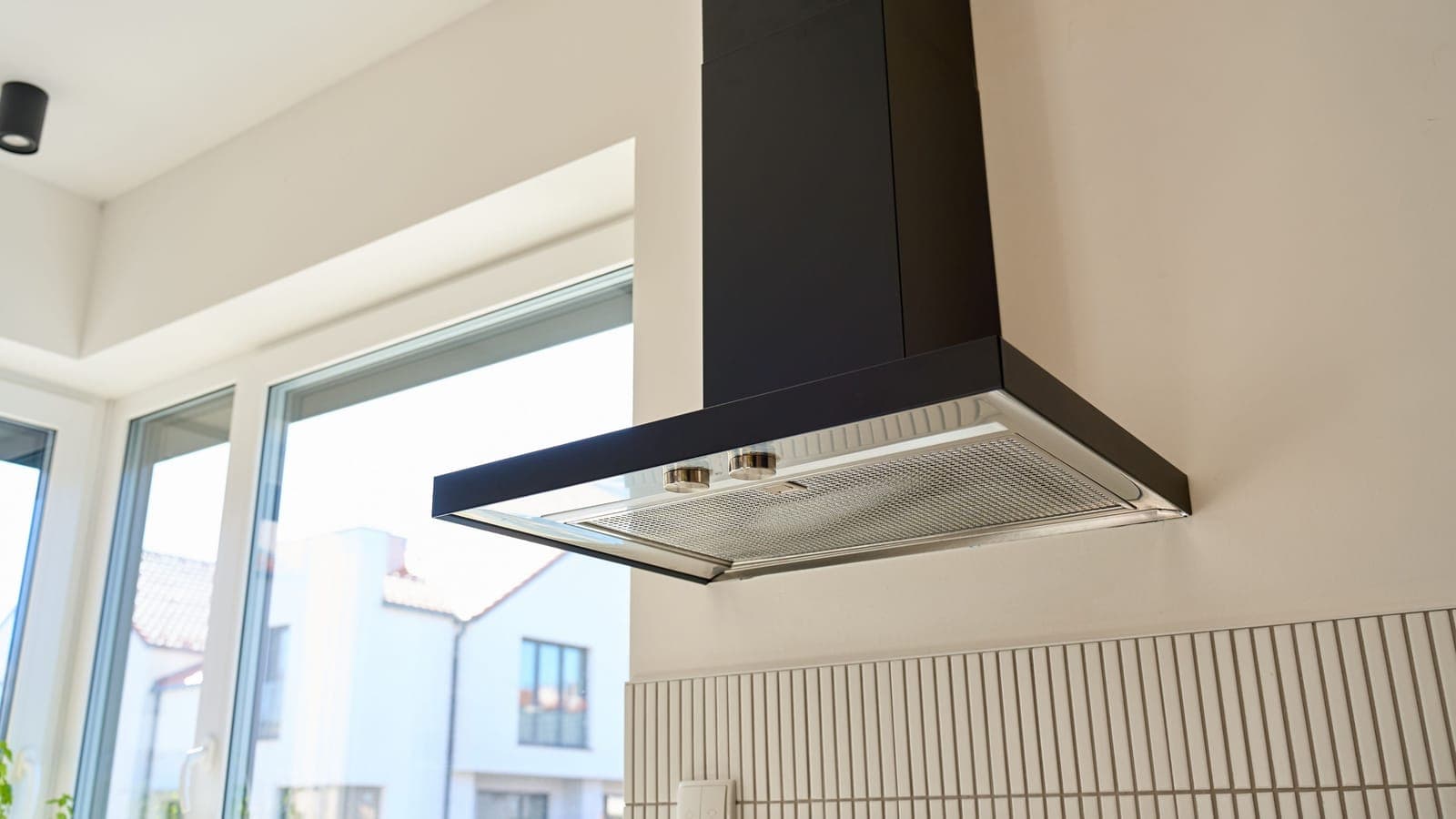
Plan a properly sized, quiet exhaust fan to protect your new finishes from moisture.
Step 5: Hire the Right Team
Get at least three detailed quotes, verify licenses and insurance, and confirm who handles permits. A clear written contract with scope, timeline, and payment schedule keeps everyone aligned.
Mistakes to Avoid
Starting demolition before finalizing selections
Moving plumbing without understanding the cost
Skipping the contingency budget
Choosing trendy tile that dates quickly
Final Thoughts
Good bathroom remodel planning sets the foundation for a smooth project. Define your goals, divide your budget wisely, choose a practical layout, and make design decisions early. With a solid plan, your remodel can deliver a bathroom that works beautifully for years.