
The honest answer is that they can be very reliable, but the reliability depends on a few factors that are worth understanding before you buy. Here's what you need to know.
How Battery-Powered Smart Blinds Actually Work
The motor in a motorized blind doesn't run constantly – it only draws power when the blind is moving. This is why battery life on these systems is significantly better than you might expect. A single open-and-close cycle typically uses a fraction of the motor's total capacity, and quality systems are engineered to keep that draw minimal.
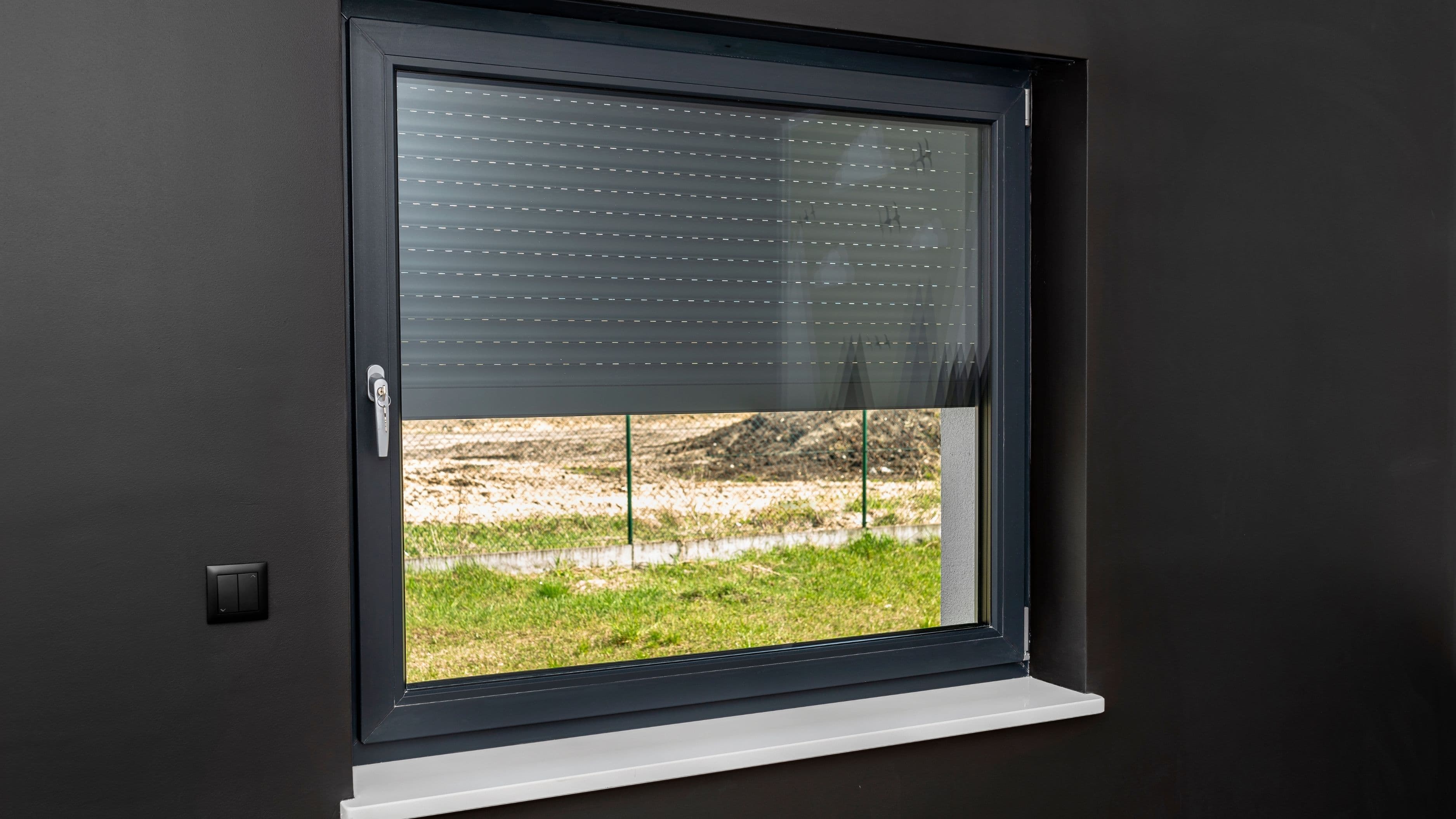
Most battery-powered smart blind systems use one of three power configurations: AA or D-cell alkaline batteries housed in a compartment on the headrail, a rechargeable lithium battery pack built into the motor tube, or a rechargeable wand that plugs into a standard USB-C or micro-USB port for charging. Each has different practical implications for how often you're dealing with power, and which one suits you depends on how your blinds are positioned and how accessible they are.
The motor control board also draws a small amount of standby power to stay connected to Wi-Fi or its hub. This parasitic draw is low on well-designed systems but can meaningfully affect battery life on cheaper options that don't manage standby power efficiently.
What to Realistically Expect From Battery Life
Battery life claims from manufacturers vary widely and are almost always measured under ideal conditions – moderate temperatures, one or two open-and-close cycles per day, fresh alkaline batteries. Real-world performance depends on how you actually use the blinds.
For systems using AA or D-cell alkaline batteries, most reputable brands quote 12 to 18 months of typical use. In practice, a blind that cycles twice daily in a climate-controlled interior space will often hit that range. A blind in a south-facing window that cycles four or five times a day due to automated schedules tied to light levels will burn through batteries considerably faster. Cold environments also reduce alkaline battery performance – a garage or sunroom that drops below 50°F in winter will see noticeably shorter battery life.
Rechargeable battery systems sidestep the replacement cost issue but introduce a charging workflow instead. Hunter Douglas PowerView and IKEA FYRTUR and KADRILJ both use rechargeable packs. Hunter Douglas quotes around a year per charge under typical use; IKEA's systems typically need charging every two to four months depending on frequency of use. The charging process is simple – most use a magnetic charging wand or USB cable – but it requires you to notice when a blind is getting low and take care of it before it stops working mid-schedule.
Some systems, including Lutron Caséta motorized shades and certain Somfy products, support solar panel charging strips that mount along the top of the blind and trickle-charge the battery from ambient light. In a sunny room, these can effectively eliminate charging or replacement indefinitely. In a north-facing room or one with heavy shade, the solar input may not fully offset the draw, but it still extends intervals between charges significantly.
Reliability Beyond Battery Life
Battery life is the question most people ask, but it's not the only reliability factor worth evaluating. The motor itself, the Wi-Fi or hub connection, and the physical installation all contribute to how dependably these systems work day to day.
Motor reliability varies substantially by brand and price point. Budget smart blind systems in the $80–$150 range tend to use lighter-duty motors with plastic gearing that can develop play or noise over time, particularly on heavier blinds. Mid-to-upper-tier systems from Hunter Douglas, Lutron, Somfy, and IKEA use better motor assemblies that hold up well over years of daily cycling. The motor failure rate on quality brands is genuinely low – these motors are doing a simple, low-load job and aren't subject to the kind of wear that shortens the lifespan of more complex appliances.
Connectivity is where smart home devices of all kinds introduce the most everyday friction, and smart blinds are no exception. Hub-based systems like Hunter Douglas PowerView and Lutron Caséta are generally more reliable day-to-day because the hub maintains a persistent local connection with the blinds over Zigbee, Z-Wave, or RF rather than each blind trying to maintain its own Wi-Fi connection. Wi-Fi direct systems are more convenient to set up but can drop connection when the router reboots, when Wi-Fi congestion is high, or when the blind's battery drops below a certain level and the radio cuts out to preserve power.
One underappreciated reliability factor is the fabric and mechanism quality of the blind itself, separate from the motorization. A well-made cellular shade or roller shade with quality fabric and precisely fitted end brackets will motor smoothly for years. A cheaply constructed shade with imprecise fitting can bind, strain the motor on certain cycles, and develop tracking issues over time regardless of how good the motor is.
Which Brands Hold Up Best
A few systems have established track records that are worth highlighting for anyone making a purchase decision.
Hunter Douglas PowerView is one of the most reliable smart blind systems on the market. The motors are well-built, battery life on rechargeable packs is genuinely good, and the PowerView hub provides stable local communication. Hunter Douglas shades themselves are high quality. The trade-off is cost – these are premium products with premium pricing, and replacement parts and custom sizing reflect that.
Lutron Caséta motorized shades benefit from Lutron's reputation for rock-solid smart home reliability. The Caséta ecosystem is widely regarded as the most consistently stable for smart home integration, and the motorized shades inherit that reputation. They use the Caséta Smart Bridge for hub communication and integrate cleanly with Alexa, Google Home, and Apple HomeKit. Battery life on their systems is respectable and consistent.
IKEA FYRTUR and KADRILJ represent the best value in the category for most homeowners. They're not the most feature-rich option – no position percentage control, simpler schedule options – but they're remarkably reliable for the price, the rechargeable battery system is easy to live with, and IKEA's Zigbee-based system (via Dirigera hub) is genuinely stable. For a rental or a bedroom that doesn't need the full smart home treatment, these are hard to beat.
Budget brands from Amazon and Alibaba-sourced products are a mixed bag. Some work well for a year or two; others develop motor noise, connection instability, or short battery life quickly. If you go this route, look for products with substantial verified review history and be realistic about the trade-off between price and longevity.
Common Issues and How to Handle Them
The most frequent complaint from battery-powered smart blind owners is blinds that stop responding mid-cycle or refuse to complete a full open or close. This is almost always a low battery issue rather than a hardware failure. Most systems will send a low battery notification through the app, but if you've missed that, a blind that moves sluggishly or stops partway is telling you it needs a charge or fresh batteries. Replacing or recharging before the battery fully depletes avoids the more frustrating scenario of a blind stuck at partial height.
Connectivity dropping intermittently is the second most common issue. For hub-based systems, this usually resolves by power cycling the hub. For Wi-Fi direct systems, checking that the blind is within reasonable range of the router and that the router itself hasn't changed its network settings is the starting point. If connectivity problems persist, a Wi-Fi extender placed closer to the blinds often resolves range-related instability.
Physical binding – where the blind hesitates, makes grinding sounds, or doesn't travel smoothly across its full range – is usually a mechanical issue with the bracket installation rather than the motor. Check that the blind sits evenly in both brackets, that neither end is slightly tilted, and that the fabric doesn't catch on anything during travel. Slightly loosening and reseating a bracket that's been installed a fraction off-square resolves most binding issues.
Are They Worth It for Everyday Use?
For most homeowners and renters, yes – with the right expectations. Battery-powered smart blinds from a reputable brand in a climate-controlled interior space, cycling one to three times per day, are genuinely low-maintenance once installed. The battery or charging intervals are a real ongoing task, but they're measured in months, not days, and the convenience of automated schedules and voice control offsets that easily for most people.
The scenarios where they're less ideal: very high-frequency cycling (five or more times daily on automated light-response schedules), harsh temperature environments, and heavy blackout shades with significant fabric weight. In those cases, hardwired motorized systems are worth considering if installation is feasible, because they remove the power management variable entirely.
For anyone in a rental, in a home with no wiring access to window locations, or simply someone who doesn't want an electrical project, battery-powered smart blinds are the practical and reliable option they're marketed as – as long as you choose quality hardware and set realistic expectations about the maintenance cycle.
FAQ
How do I know when my battery-powered smart blinds need charging or new batteries?
Most systems send a low battery alert through the manufacturer's app, and some also flash an indicator light on the motor. The reliable approach is to check the app periodically or to set a recurring reminder every few months so you're proactive rather than reactive. Running a blind to complete battery depletion can occasionally cause it to stop at an awkward position.
Can I convert battery-powered smart blinds to hardwired power later?
For most consumer systems, no – the motor and housing are designed for battery operation and don't have a hardwired option. Some professional-grade systems (Somfy, Lutron) offer both battery and hardwired motor versions of the same product, so it's worth checking before purchasing if you think you might want to hardwire in the future.
Do battery-powered smart blinds work during a power outage?
Yes, which is one of their genuine advantages. Because the motor runs on its own battery, the blinds continue to function during an outage, though you won't have voice assistant or app control if your router and hub are offline. Physical remote controls for most systems continue to work regardless of network status.
Will extreme cold in a sunroom or garage affect performance?
Yes, meaningfully. Alkaline batteries lose capacity significantly below 50°F, and cold temperatures also affect the flexibility of roller shade fabrics and can cause binding in channels that are fine in warmer conditions. Lithium-based rechargeable batteries perform better in cold than alkaline but still see some reduction. If the installation space regularly drops below freezing, a hardwired or solar-supplemented system is the more reliable choice.
Are these safe for homes with children?
Modern cordless motorized blinds are significantly safer than corded blinds around children, which is one of their practical advantages. The WCMA (Window Covering Manufacturers Association) and the CPSC have both highlighted dangling blind cords as a strangulation hazard for young children. Battery-powered motorized blinds eliminate this risk entirely. Look for products that meet ANSI/WCMA A100.1 safety standards for additional assurance.
📚 Sources
Hunter Douglas – "PowerView Motorization battery and charging" – hunterdouglas.com https://www.hunterdouglas.com/operating-systems/motorized/powerview-motorization
IKEA – "FYRTUR block-out roller blind with motor" – ikea.com https://www.ikea.com/us/en/p/fyrtur-block-out-roller-blind-wireless-battery-operated-gray-60417292/
Lutron – "Serena smart shades overview" – lutron.com https://www.lutron.com/en-US/Products/Pages/RollerShades/SerenaShades/Overview.aspx
U.S. Consumer Product Safety Commission – "Window Covering Safety" – cpsc.gov https://www.cpsc.gov/Safety-Education/Safety-Education-Centers/Window-Covering-Safety
Energizer – "Battery performance in cold temperatures" – energizer.com https://www.energizer.com/learning-center/battery-care-and-storage