Step 1: Assess the Current Condition
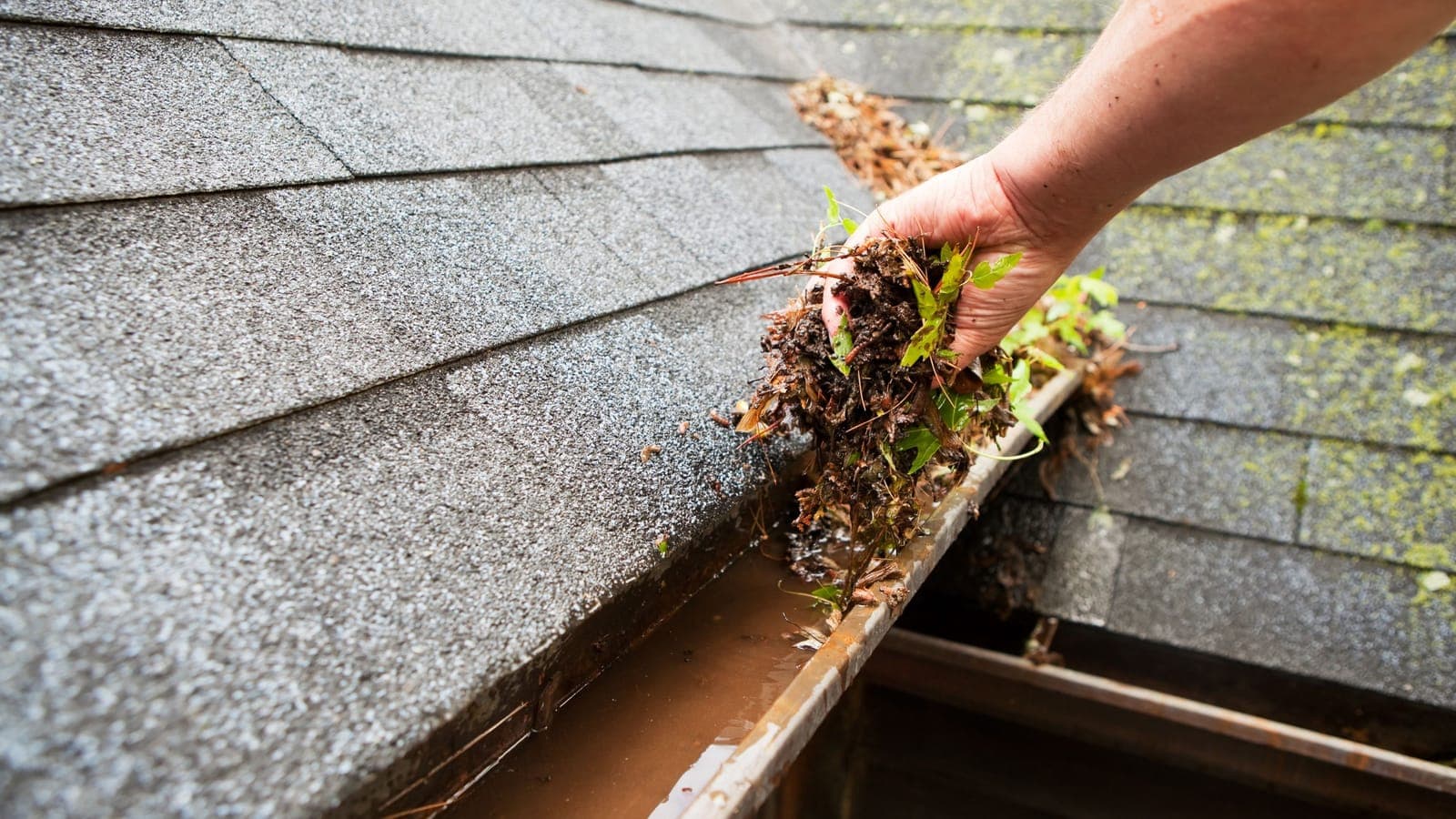
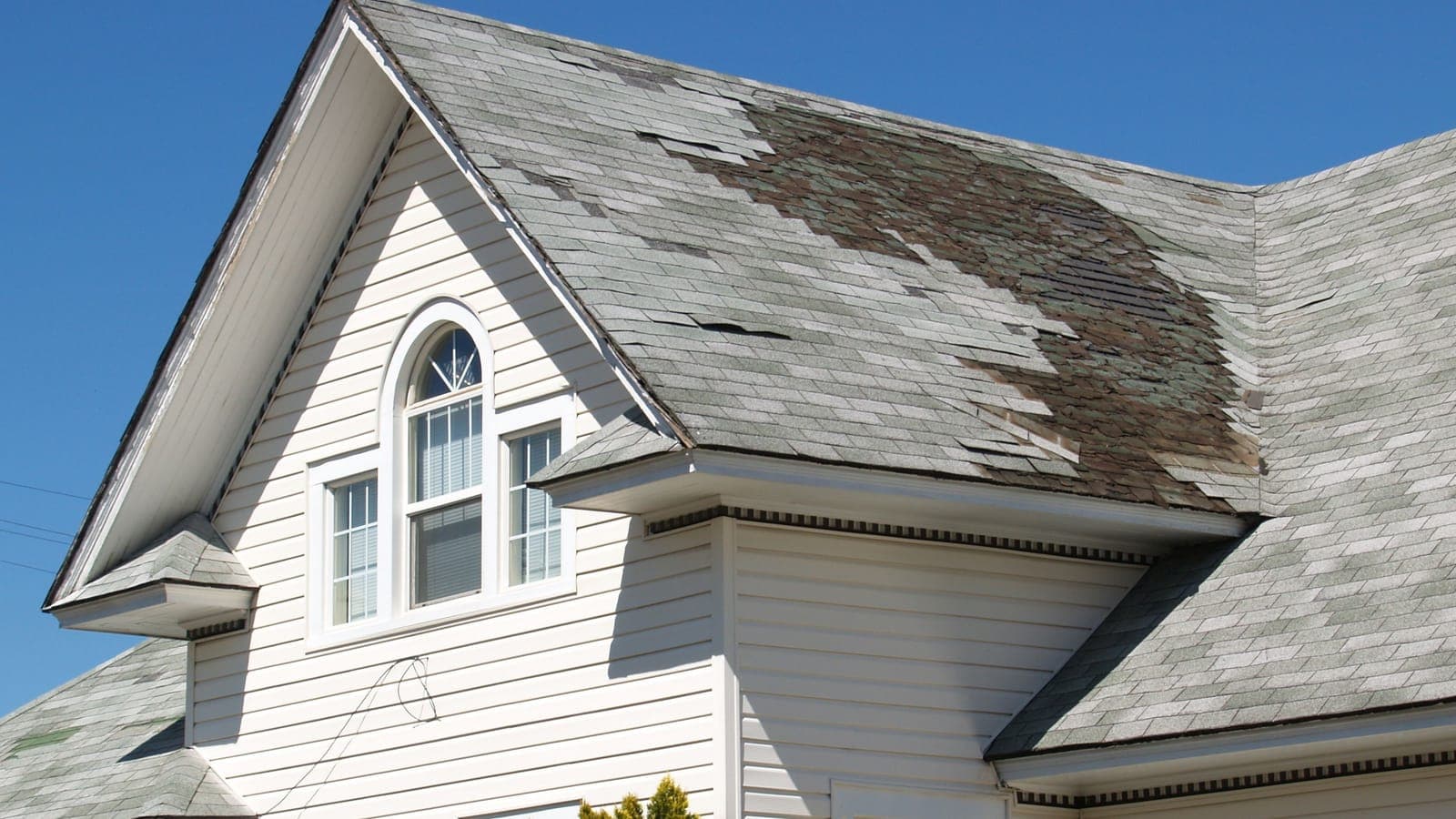
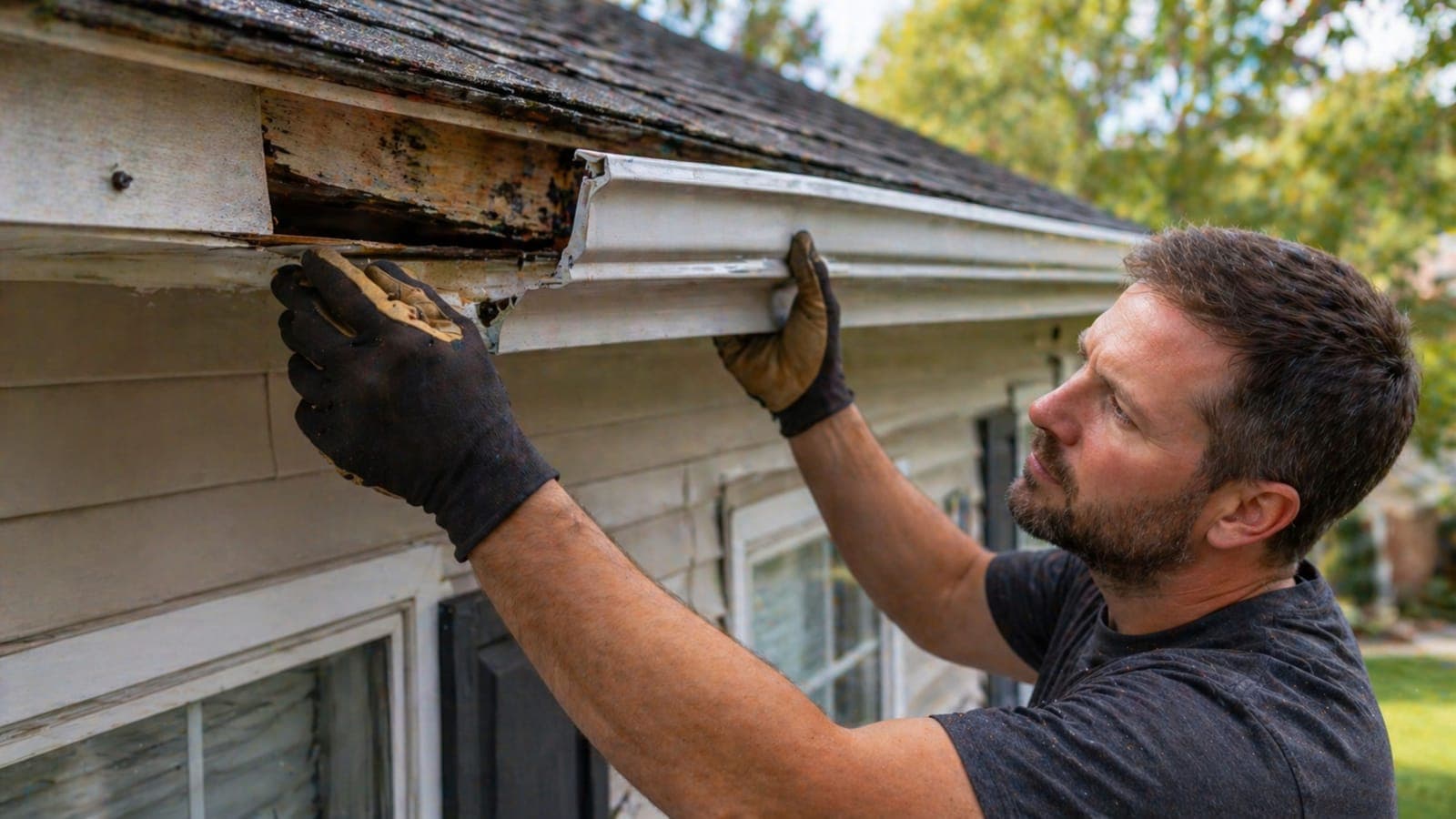
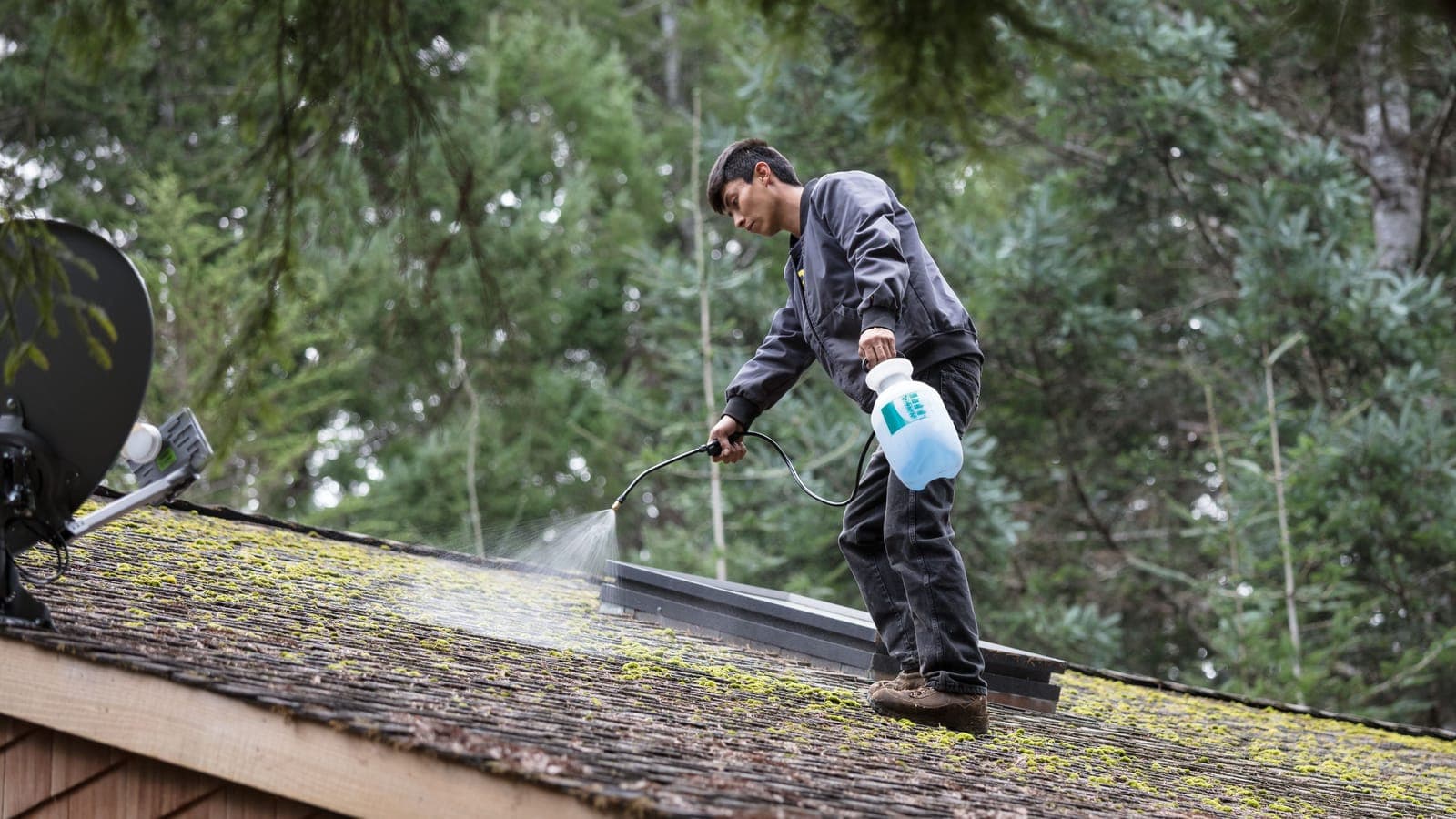
Before you collect quotes, understand what you're dealing with. Note visible issues such as missing shingles, cracked or warped siding, peeling paint, water stains, and drafts. Consider a professional inspection to confirm whether you need repairs or full replacement. Knowing the condition helps you compare quotes accurately.
Step 2: Define Your Goals
Decide what matters most: fixing leaks, improving energy efficiency, boosting curb appeal, preparing to sell, or reducing maintenance. Your goals will shape material choices and budget. For example, someone selling soon may choose cost-effective materials, while someone staying long-term may invest in more durable options.
Step 3: Check HOA and Local Rules
Many homeowners associations regulate exterior colors and materials, and some neighborhoods or historic districts have design guidelines. Check these before choosing products. Also confirm local permit requirements, since roofing and siding replacements often need permits.
Step 4: Set a Realistic Budget
Get a sense of typical costs in your area, then add a contingency of 10 to 15 percent for hidden problems such as rotted sheathing or decking. Decide whether you will pay from savings, insurance proceeds, or financing, and review loan terms carefully.
Step 5: Review Your Insurance
If storm damage is involved, contact your insurer before hiring anyone. Document damage with photos, understand your coverage and deductible, and keep control of the claim process. Avoid contractors who want to take over your claim or offer to waive your deductible.
Step 6: Shortlist and Interview Pros
Gather recommendations and interview at least three contractors. Verify licenses and insurance, request references from recent exterior projects, and ask who will coordinate flashing details where the roof and siding meet. Compare itemized written estimates rather than just totals.
Step 7: Plan the Schedule
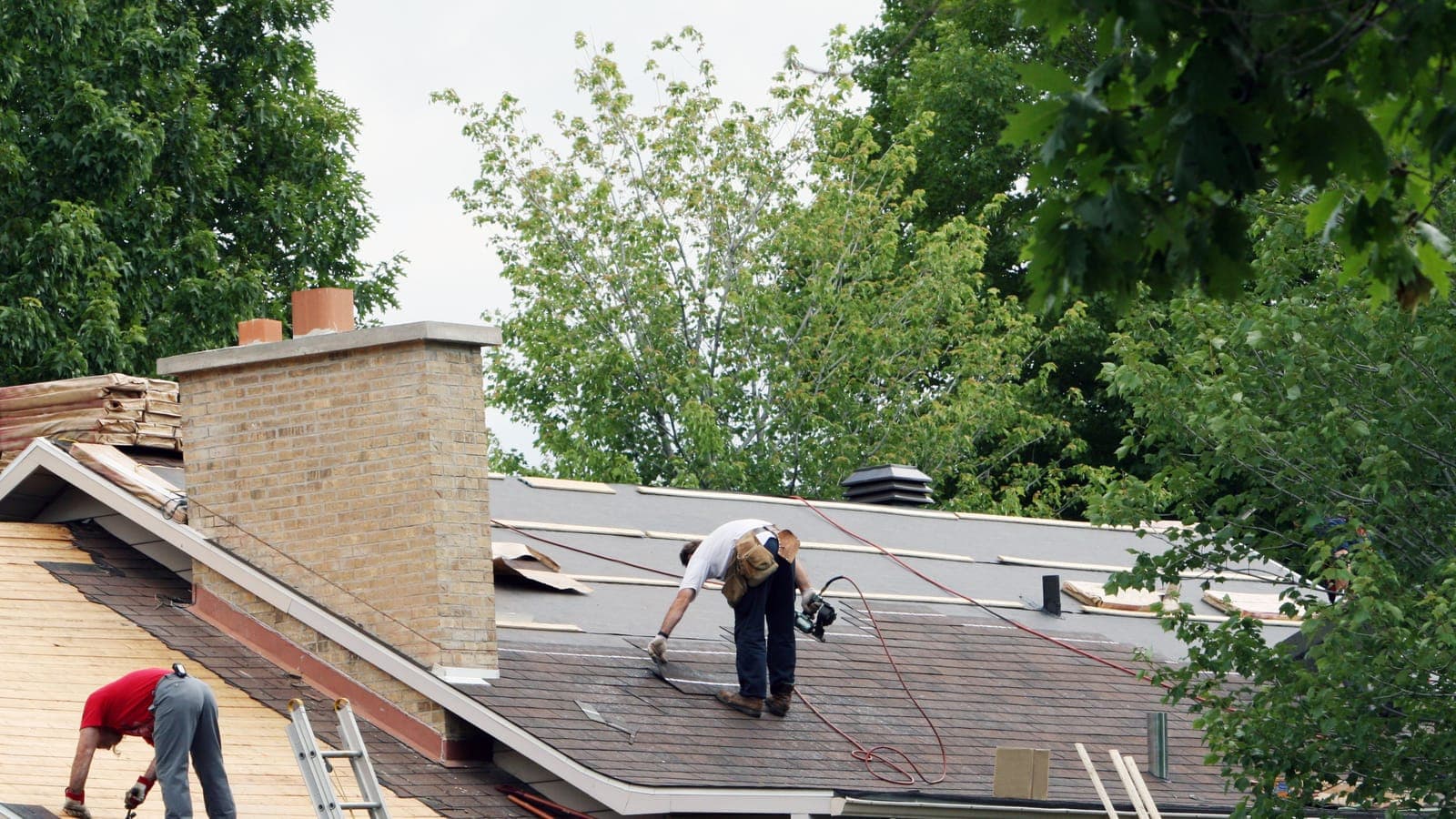
Exterior work depends on the weather and is often busiest in warmer months, so book early. Ask about the sequence of work and how long each phase will take. If you hire separate roofing and siding contractors, confirm they have agreed on a schedule.
Step 8: Prepare Your Home and Neighbors
Clear patios and driveways, trim plants near the walls, and remove fragile items from interior walls that might shake during work. Let neighbors know about the expected noise and dumpster placement. Plan for pets and children to stay away from work areas.
Step 9: Plan for Final Inspection
Before work begins, agree on how the project will be signed off. Ask when the final walkthrough will happen, who attends, and how any punch-list items will be handled. Confirm that you'll receive warranty documents, permit approvals, and product information for your records. Holding back the final payment until everything is complete gives you leverage to get any remaining issues fixed promptly.
Mistakes to Avoid
Collecting quotes before defining the project scope
Choosing colors that violate HOA rules
Letting a contractor handle your insurance claim on your behalf
Skipping the contingency budget
Failing to confirm coordination between trades
Final Thoughts
Good preparation makes exterior renovations faster, less stressful, and more cost-effective. Work through this checklist before you hire, and you'll be ready to choose roofing and siding pros who fit your goals, budget, and timeline.