
The Core Difference: Nail Size
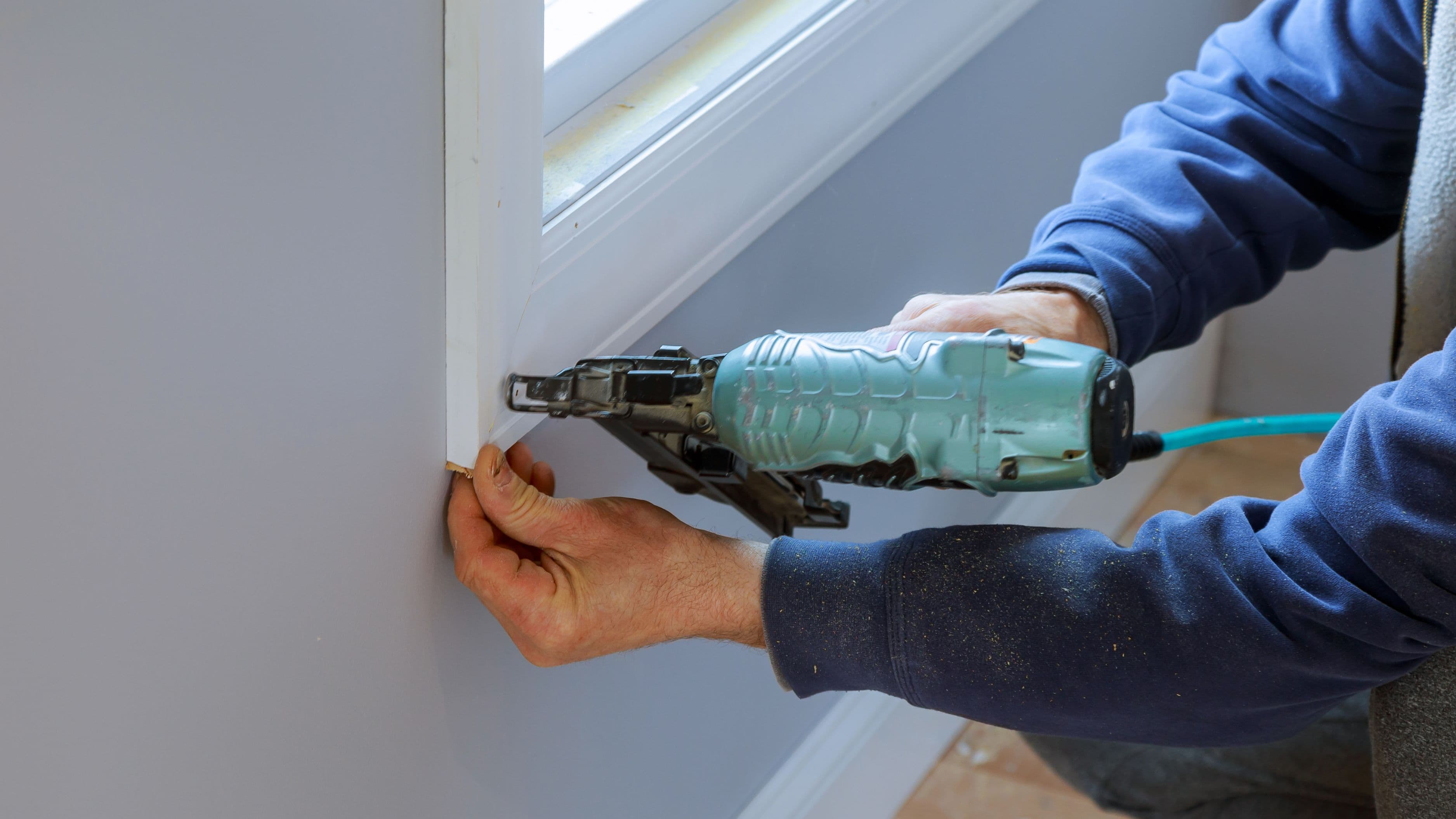
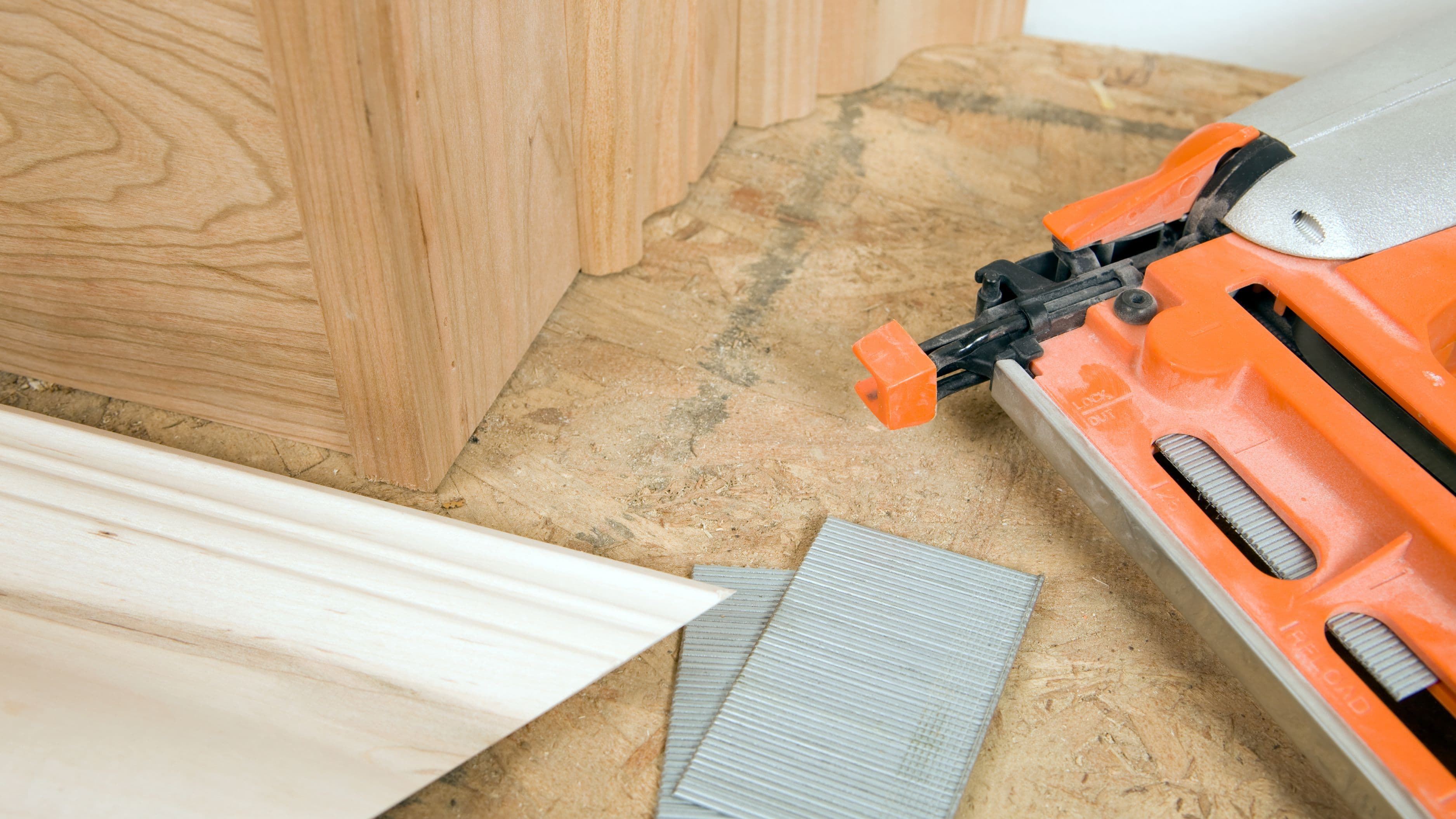
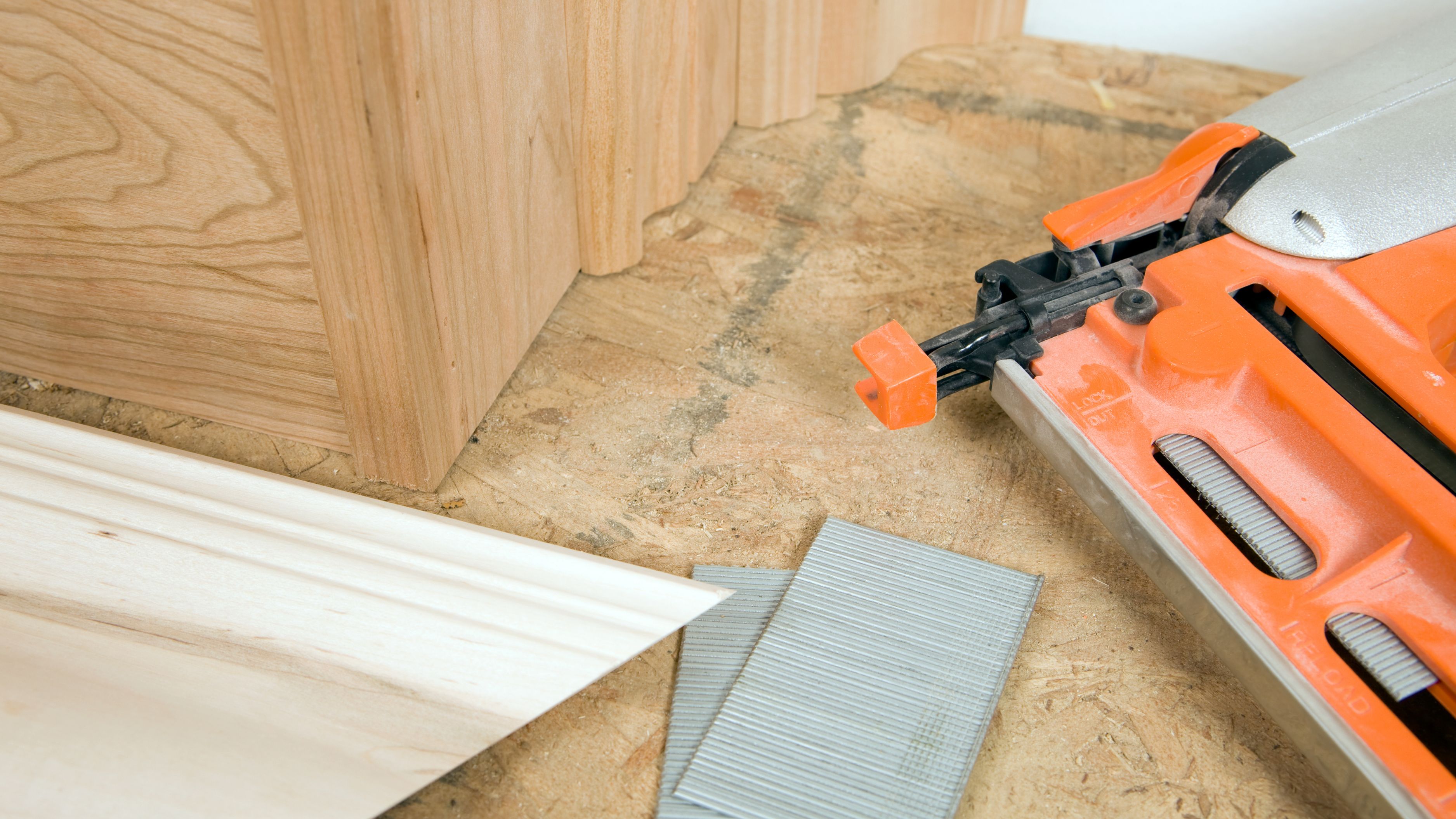
The main distinction between these two tools comes down to the size of nail each one fires. Brad nailers use thinner 18-gauge nails, typically ranging from 5/8 inch to 2 inches long, while finish nailers use thicker 15 or 16-gauge nails, usually running from 1 to 2.5 inches long. That difference in gauge and length is the reason each tool is suited to different jobs, even though they might look similar at first glance.
Thinner nails leave smaller holes and hold less weight. Thicker nails leave slightly larger holes but provide meaningfully more holding strength, which matters a lot depending on what you're attaching and how much stress that joint will bear over time.
What a Brad Nailer Is Best For
Brad nailers shine on lightweight trim work and delicate materials where you want minimal visible marking and don't need serious structural holding power. Think thin trim molding, small craft projects, cabinet backing, and attaching delicate pieces where a slightly thicker nail might split the wood.
Because the nails are thin, the holes they leave are small enough that many people skip filling them entirely, especially on paint-grade trim where a light touch-up is all that's needed. This makes brad nailers a favorite for detail work where appearance matters as much as function.
What a Finish Nailer Is Best For
Finish nailers step up in holding power, making them the better choice for baseboards, door casings, crown molding, and other trim work that needs to stay firmly attached over years of use, temperature changes, and everyday wear. The thicker nail provides real structural holding strength that thin brad nails simply can't match.
This added strength does come with a slightly larger nail hole, which typically needs wood filler before painting or staining for a clean finished look. If you're working on trim that will bear any real physical stress, like a handrail component or a heavier piece of molding, a finish nailer is generally the safer choice.
Common Mistakes to Avoid
Don't use a brad nailer on baseboards or heavier trim expecting it to hold as well as a finish nailer over time, since the thinner nail simply doesn't provide the same structural strength for pieces that get bumped, kicked, or exposed to seasonal wood movement. On the flip side, avoid using a finish nailer on delicate, thin trim or craft materials, since the thicker nail can split fragile wood that a brad nailer would handle cleanly.
Also be mindful of nail length relative to what you're attaching to. Using a nail that's too long for the material behind your trim can cause it to poke through the backside, which is both a safety issue and a repair headache.
Safety Notes
Both tools use compressed air or battery-powered mechanisms to drive nails at high speed, and standard nail gun safety practices apply to both: keep your non-dominant hand clear of the firing path, never point the tool at yourself or anyone else even when you think it's not loaded, and always wear eye protection. Disconnect the air supply or remove the battery before clearing a jam or performing any maintenance.
Which One Should You Buy If You Can Only Get One?
If you're a casual DIYer tackling a mix of small trim projects and general home tasks, a brad nailer covers more everyday scenarios without the risk of splitting delicate material. If your projects lean more toward installing or replacing baseboards, door casings, or crown molding, a finish nailer is the better long-term investment given the holding strength those jobs require.
Many serious DIYers eventually end up owning both, since they solve genuinely different problems rather than one being a strictly "better" version of the other.
FAQ
Can I use a finish nailer for everything a brad nailer does? Not ideally. The thicker nails are more likely to split delicate or thin materials that a brad nailer would handle without issue.
Do I need to fill brad nailer holes before painting? Often you can skip it on paint-grade trim since the holes are so small, though a light fill and sand will give the cleanest possible finish if you want a flawless look.
What's the difference between a finish nailer and a framing nailer? Framing nailers are a separate category entirely, using much larger nails for structural framing work, while finish nailers are specifically designed for trim and finish carpentry, not structural framing.
📚 Sources
Nail Gun Safety Guidelines, osha.gov
Trim Carpentry Basics, thisoldhouse.com
Pneumatic Nailer Buying Guide, familyhandyman.com