
Quick Answer
Brushless motors run cooler, last longer, and deliver more efficient power from the same battery, but they cost noticeably more upfront. For homeowners using tools occasionally for basic repairs and projects, a quality brushed tool still gets the job done reliably. For anyone using power tools frequently or professionally, the brushless upgrade pays for itself over time through better performance and reduced maintenance.
How Brushed Motors Work
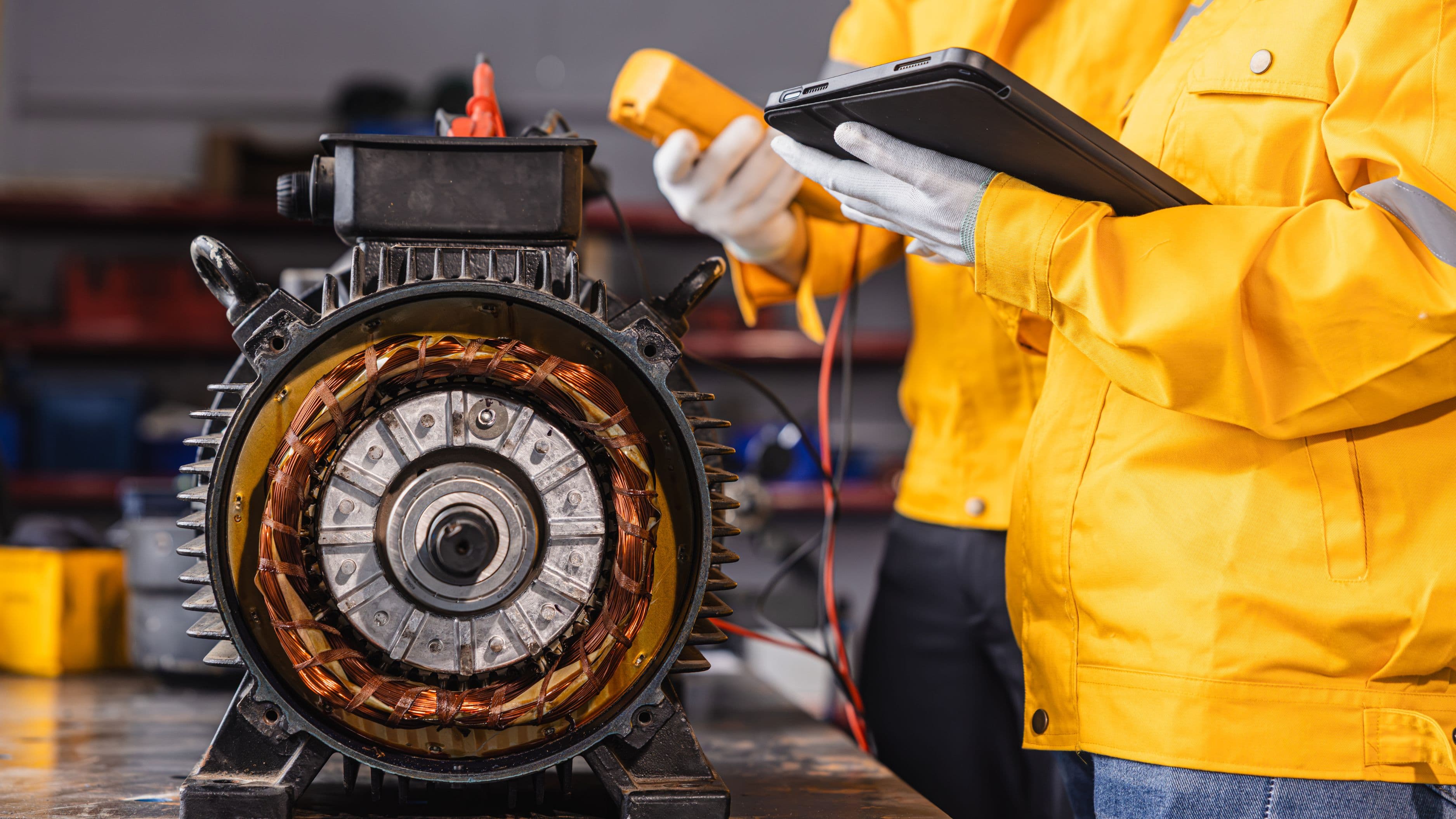
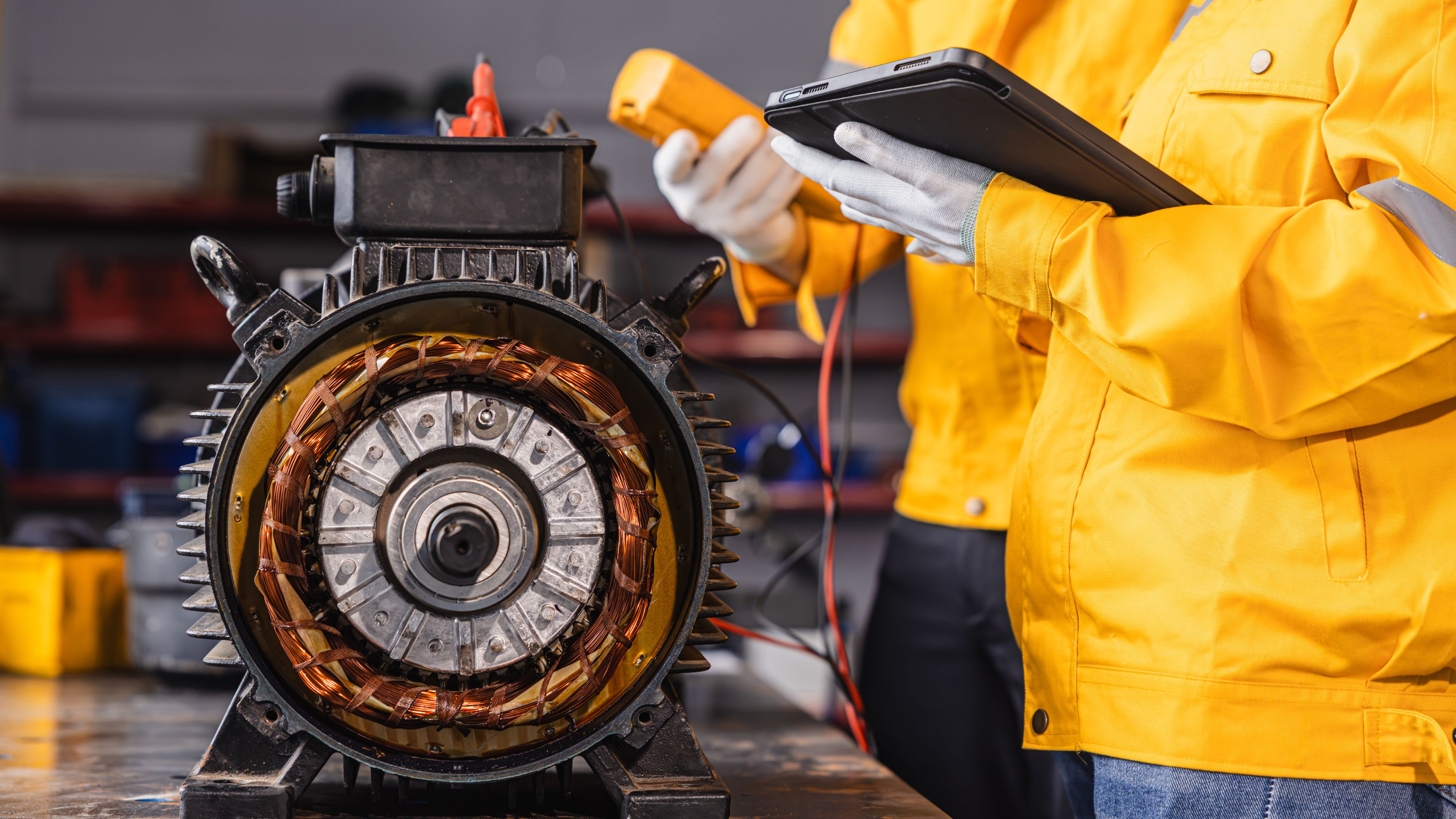
Brushed motors have been the standard in power tools for decades, using small carbon brushes that physically contact a rotating commutator to transfer electrical current and generate motion. This design is mechanically simple, well understood, and relatively inexpensive to manufacture, which is why brushed tools have historically dominated the budget and mid-range tool market.
The tradeoff is that those carbon brushes wear down through direct physical contact every time the tool runs, generating friction, heat, and eventually requiring replacement as the brushes degrade. This wear is gradual but inevitable, and it's the primary factor limiting a brushed motor's long-term lifespan compared to its brushless counterpart.
How Brushless Motors Work
Brushless motors eliminate the physical brush-and-commutator contact entirely, instead using electronic circuitry to control motor rotation directly. Without physical contact points wearing down over time, brushless motors experience significantly less friction and heat generation during operation, which translates directly into a longer working lifespan under normal use.
This design also allows for more precise, efficient power delivery, since the electronic control system can adjust output based on the specific task rather than running at a fixed mechanical output regardless of load. This efficiency is a large part of why brushless tools tend to extract more usable runtime from the same battery compared to a brushed equivalent.
Breakdown: Performance, Price, Flexibility
Performance: Brushless motors deliver more consistent power output, particularly under heavier loads, and tend to run cooler during extended use sessions. Brushed motors perform perfectly adequately for lighter, intermittent tasks but can show more noticeable power drop-off during sustained heavy use.
Price: Brushed tools typically cost 20 to 40 percent less than a comparable brushless model from the same brand and tool category. This price gap has narrowed somewhat over the past several years as brushless technology has become more common, but it remains a meaningful factor for budget-conscious buyers.
Longevity: Brushless motors generally last significantly longer before requiring any motor-related maintenance or replacement, since there are no brushes to wear down and eventually replace. Brushed tools can still last for years with moderate use, but the brushes are a known wear component that will eventually need attention.
Battery efficiency: Brushless tools typically deliver noticeably more runtime per battery charge for comparable tasks, since the electronic control reduces wasted energy compared to a brushed motor's fixed mechanical operation.
Maintenance: Brushed tools occasionally require brush replacement as a routine maintenance task, which is straightforward but adds a recurring cost and occasional downtime. Brushless tools essentially eliminate this specific maintenance category entirely.
Who Should Choose Each Option
Choose brushed if: you use power tools occasionally for basic homeowner tasks – hanging shelves, small repairs, occasional furniture assembly – and want to minimize upfront cost without sacrificing reliability for lighter-duty use.
Choose brushless if: you use power tools regularly, tackle bigger projects that demand sustained power output, or you're building out a tool collection you expect to rely on heavily for years, where the higher upfront cost pays off through better longevity and performance over time.
Final Recommendation
For most first-time homeowners building out an initial tool collection focused on basic repairs and occasional projects, a quality brushed tool remains a perfectly reasonable choice that won't leave you underserved. The upgrade to brushless becomes genuinely worthwhile once you're using tools frequently enough that the improved runtime, reduced heat, and longer lifespan translate into real, noticeable value rather than a marginal improvement you'd rarely notice.
If budget allows and you're planning to invest in a tool as a long-term core piece of your collection – particularly a primary drill you'll reach for constantly – leaning toward brushless is a reasonable forward-looking choice, since it tends to remain useful and reliable for considerably longer.
What to Avoid
Don't assume brushless automatically means better in every situation, since a high-quality brushed tool from a reputable brand will often outperform a cheap, poorly made brushless tool from a lesser-known manufacturer. Price and brand reputation matter as much as the motor type itself when comparing specific models.
FAQ
Do brushless tools need any special maintenance? Not really. The main appeal of brushless motors is precisely that they eliminate the brush-related maintenance that brushed tools require over time.
Can I tell the difference in actual use, or is it mostly a spec-sheet distinction? For light, occasional tasks the difference is often subtle. For heavier or sustained use, most people do notice reduced power drop-off and better battery life with brushless tools.
Is it worth replacing my existing brushed tools with brushless versions? Generally not, unless your current tools are failing or you're doing significantly more demanding work than when you originally bought them. Replacing perfectly functional tools purely for the brushless upgrade rarely makes financial sense.
Both motor types remain solid options depending on how you actually use your tools, and understanding the real tradeoffs – rather than assuming the pricier option is automatically the smarter buy – helps you spend your tool budget where it actually matters for your situation.