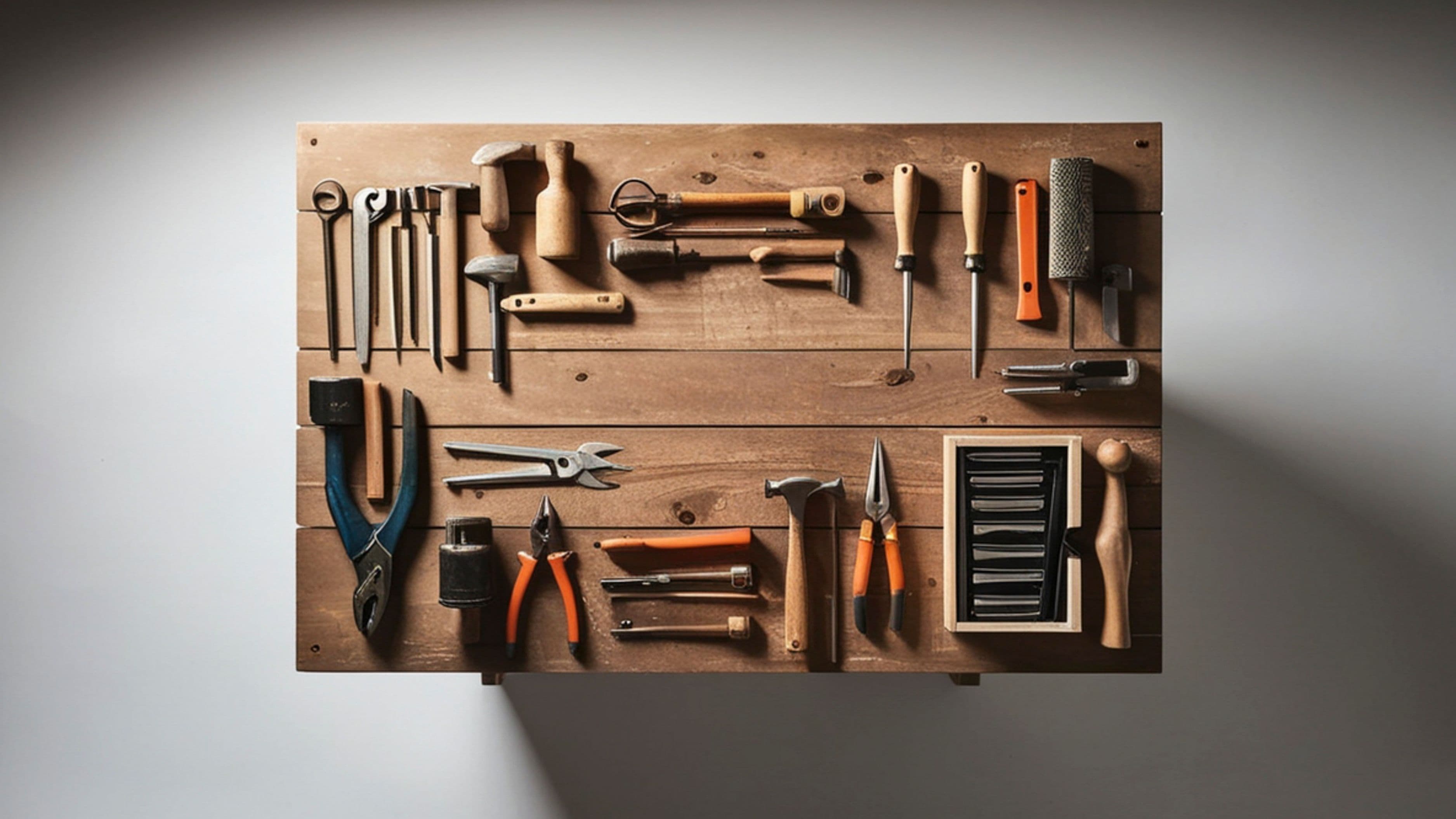

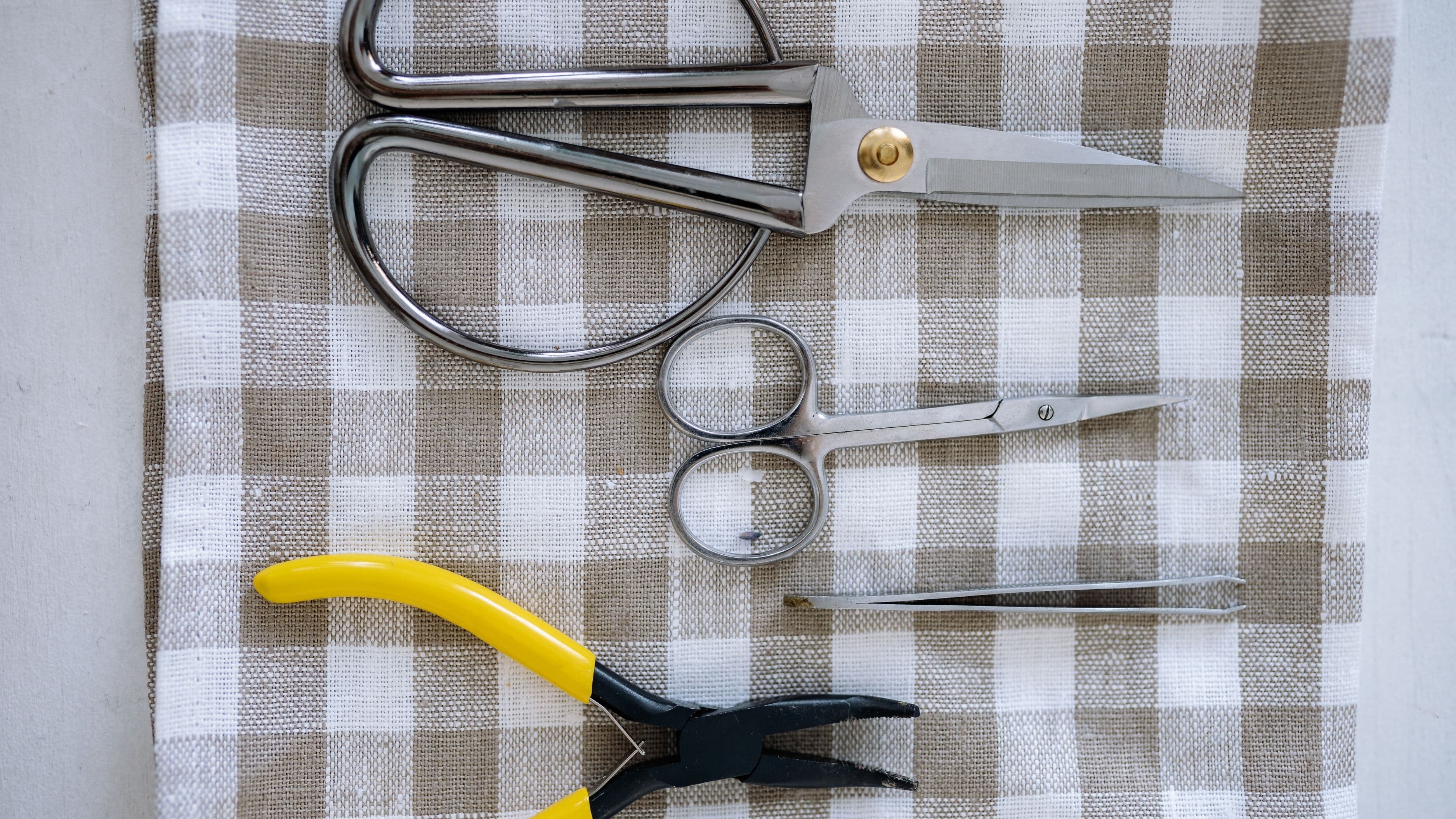
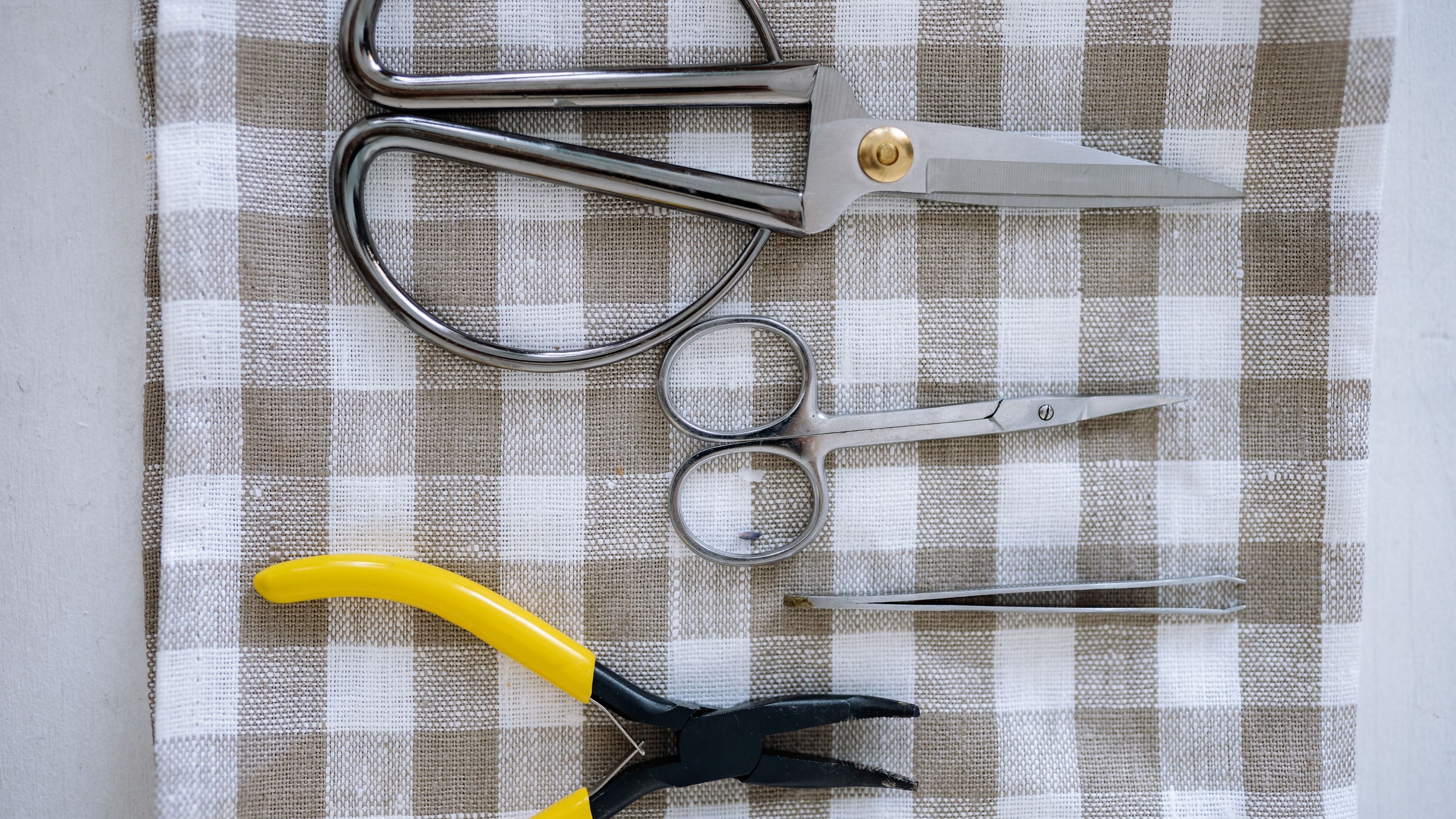
Here's the honest answer most tool guides won't give you straight: it depends entirely on the tool. For some tools, the cheap one is a genuinely smart buy and the expensive one is money you'll never get back. For others, going cheap costs you more in frustration, ruined materials, and replacements than the quality version ever would have. The trick is knowing which category each tool falls into before you reach for your wallet.
Let's break down where cheap tools make sense, where they cost you, and how to spend your money where it actually matters.
What "Quality" Actually Buys You
Before comparing, it helps to be clear about what the extra money is paying for, because it's not always what the marketing suggests. A higher price can buy real things or imaginary ones, and learning to tell them apart is the whole skill.
The real differences usually come down to a handful of factors. Better steel and heat treatment mean a blade or bit holds an edge longer and a wrench doesn't round off under load. Tighter manufacturing tolerances mean parts fit and move the way they should – a quality ratchet engages smoothly where a cheap one slips. Better motors and bearings in power tools mean more consistent power and a longer life under heavy use. And a real warranty, especially a lifetime one on hand tools, means a broken tool gets replaced free for decades.
The imaginary differences are worth naming too. A premium brand name, a fancier color scheme, or a tool aimed at daily professional abuse can all add cost that a once-a-month home user will never benefit from. Paying pro-grade prices for homeowner-grade use is the most common way people overspend on tools.
So the question isn't really "cheap or quality?" It's "which kind of difference am I paying for, and will I ever use it?"
Where Cheap Tools Are the Smart Choice
Plenty of tools are perfectly good cheap, and buying premium versions is simply wasted money for most people. These tend to be tools that are simple, used rarely, or where precision and durability barely matter.
Tools you'll use a handful of times. A specialty tool for a one-off job – a particular socket size, a tile nipper, a basic stud finder – doesn't need to last a lifetime because you're not going to use it like one. The cheap version finishes the job fine, and you've saved the premium for tools you actually live with.
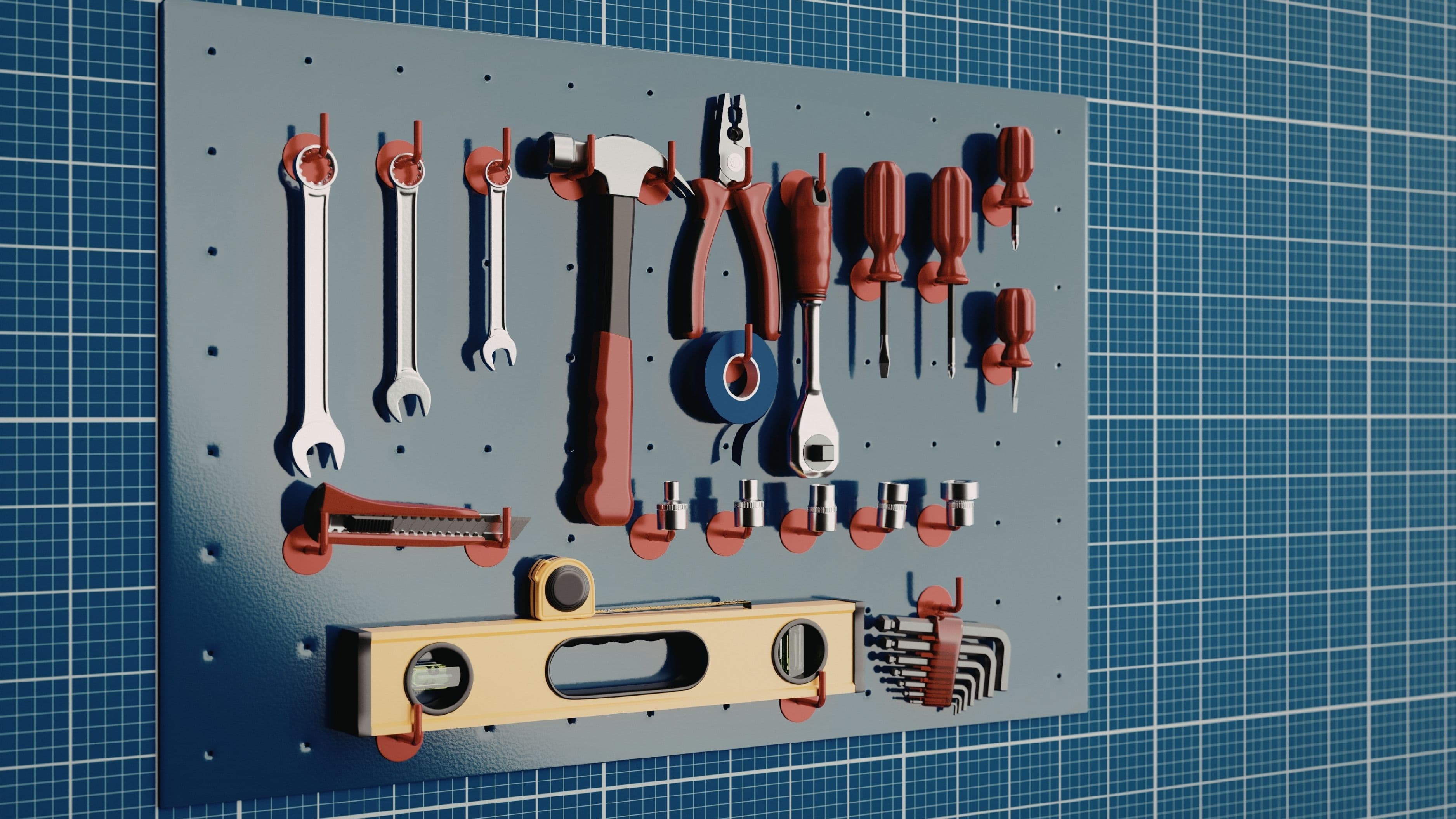
Simple tools with little to go wrong. Tape measures, utility knives, basic pry bars, putty knives, hex key sets, and many hand tools are mechanically simple enough that the budget version performs nearly as well as the expensive one. A $6 tape measure and a $25 tape measure both measure your wall accurately.
Tools you're still learning on. If you're not sure you'll stick with a hobby or you're trying a new type of project, buying cheap first is wise. You'll learn what features you actually want before committing real money, and you won't have ruined an expensive tool while figuring it out.
Consumables and things that get lost or abused. Sandpaper, cheap brushes, throwaway blades, and tools that live in a junk drawer or get loaned out and never returned are not worth premium prices. Buy these to be used up or lost.
The realistic expectation here: cheap versions of these tools will do the job competently. They may feel slightly less refined, but for occasional home use that's a difference you'll rarely notice.
Where Cheap Tools Cost You More
Now the other side, because going cheap on the wrong tool is a classic false economy. Some tools genuinely earn their higher price, and skimping leads to wasted materials, extra time, frustration, or even safety issues.
Tools you use constantly. Your main cordless drill/driver, your everyday screwdrivers, your go-to pliers – anything that comes out for nearly every project – is where quality pays for itself through reliability and comfort over thousands of uses. A drill that holds a charge, drives without bogging down, and lasts years is worth the upfront cost when it's your daily workhorse.
Tools where precision affects the result. Levels, squares, measuring and marking tools, and good drill bits directly determine whether your work comes out straight, square, and clean. A cheap level that's off by a hair turns into shelves that visibly slope and tile that looks wrong. Here you're not just buying durability – you're buying accuracy that shows up in the finished job.
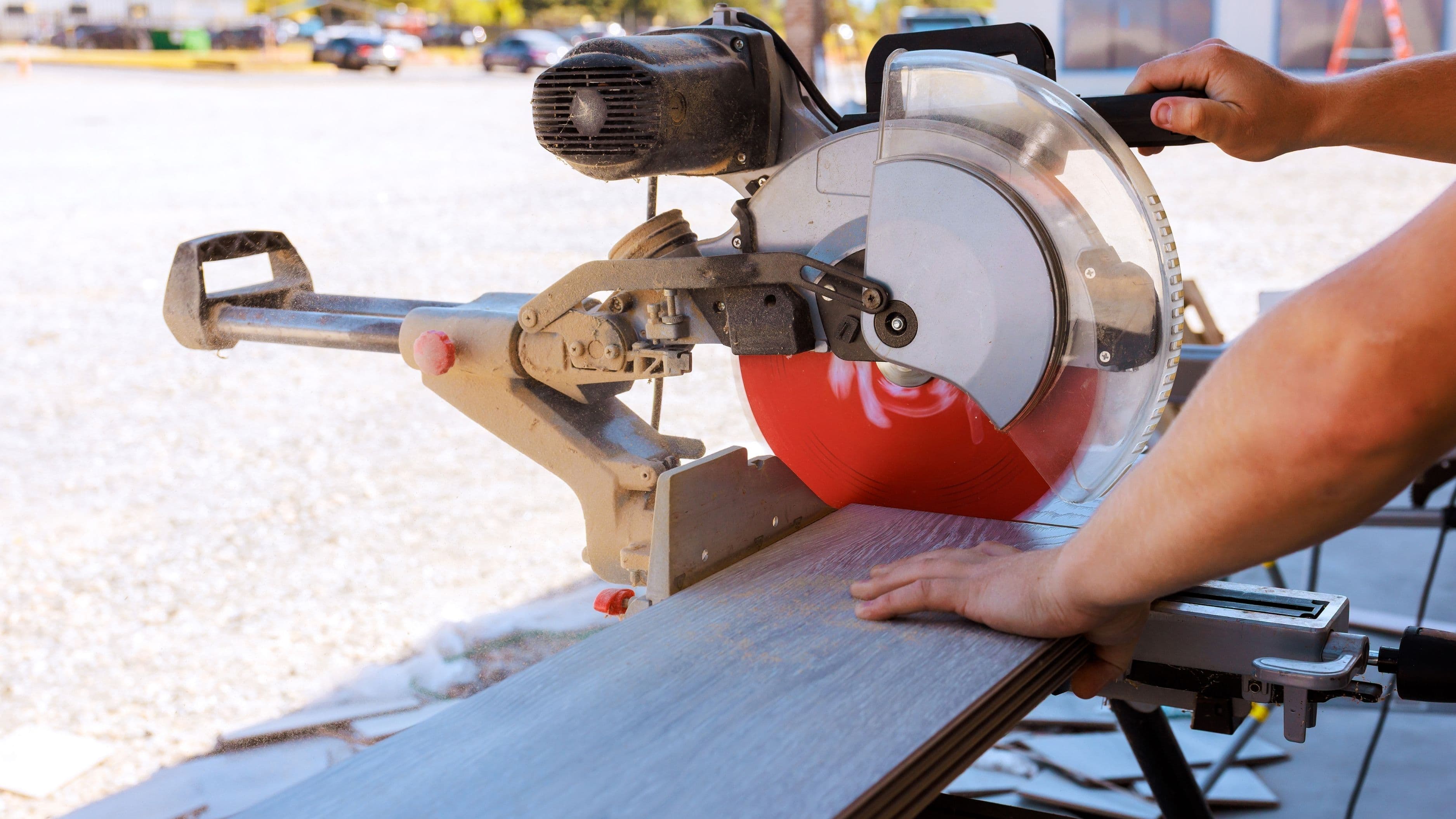
Cutting tools, where cheap is genuinely worse. Saw blades, drill bits, chisels, and any edged tool perform dramatically better when they're well-made. Quality cutting tools cut cleaner, faster, and safer, while dull cheap ones tear material, wander off line, and force you to push harder, which is exactly when slips and injuries happen. This is one category where the budget option can be a real downgrade in both results and safety.
Tools under high stress or load. Wrenches, sockets, and ratchets used on stubborn fasteners need good steel, or they round off bolts and sometimes fail mid-pull. A rounded bolt head can turn a ten-minute job into an afternoon, and a tool that breaks under load is a knuckle injury waiting to happen.
The realistic expectation: on these tools, the cheap version often costs more over time once you count ruined materials, redone work, faster replacement, and your own frustration.
A Smart Middle Path: The "Buy Cheap First, Upgrade What You Wear Out" Strategy
If you're building a tool collection from scratch and don't want to gamble hundreds on guesses, there's a reliable approach that gets the best of both worlds.
Start by buying mostly budget or mid-range tools across the board. Then use them, and pay attention. The tools you reach for constantly, or the ones that fail you, are telling you exactly where to spend. When a cheap tool wears out, breaks, or annoys you every time you use it, that's your signal to replace it with a quality version – because you now know for certain it's a tool you use enough to justify the cost.
This strategy means your premium spending goes only toward tools you've proven you need at that level, and the cheap tools that quietly do their job forever never needed upgrading anyway. It's how a lot of experienced DIYers naturally end up with a mix: a few excellent core tools surrounded by perfectly serviceable budget ones.
The one exception to "buy cheap first" is the safety- and precision-critical group above – cutting tools, anything under heavy load, and measuring tools. For those, start with at least mid-grade from the beginning, because the cheap version's downsides show up immediately, not eventually.
What to Avoid
A few traps catch people on both ends of the price spectrum.
Avoid buying a complete mega-kit of 200 cheap tools for one low price. They look like great value, but most of the pieces are filler you'll never use, and the ones you do use are often the lowest quality. You're usually better off buying the dozen tools you'll actually use individually, at decent quality, than a giant box of disappointments.
Avoid paying professional-grade prices for homeowner use. The toughest, most expensive tiers are built for people who use them all day, every day. If you're a weekend DIYer, mid-range from a reputable brand almost always hits the sweet spot of quality and value without the pro-grade premium.
Avoid judging quality by weight or price alone. Heavier isn't always better, and a high price tag doesn't guarantee good engineering. Look instead at the warranty, real user reviews focused on durability, and the specific factors that matter for that tool type.
And avoid neglecting the tools you do buy. Even a quality tool fails early if you store it damp, let blades go dull, or never clean it. Basic care – keeping tools dry, sharpening edges, and wiping down metal – stretches the life of cheap and expensive tools alike, and often matters more than the original price.
When to Call a Pro
Tools are only half the equation – knowing the limits of DIY matters just as much. No quality of tool makes a dangerous job safe for a beginner. Major electrical work, gas line work, structural changes, and complex plumbing are jobs where the right move is a licensed professional, regardless of what's in your toolbox. Buying a fancy tool to attempt one of these isn't a substitute for the training and code knowledge the job requires. Spend on good tools for the jobs you can safely do yourself, and on a good pro for the ones you can't.
FAQ
Is it worth buying expensive hand tools with lifetime warranties? For tools you use regularly, yes – a lifetime warranty on something like a ratchet or wrench set means free replacement for decades, which often makes the higher price the cheaper option over time. For tools you'll rarely touch, the warranty rarely gets used, so the value is smaller.
What's the single most important tool to buy quality? For most homeowners, it's your primary cordless drill/driver, because it does more work than any other tool you own. After that, a good set of drill bits and a reliable level give you the most noticeable improvement in results for the money.
Are store-brand and budget brands actually bad? Not necessarily. Many budget and store brands make perfectly good versions of simple tools, and mid-range lines from reputable retailers are often excellent value. The key is matching the tool's importance to your spending, not assuming cheap always means bad.
Cheap power tools vs. cheap hand tools – is one riskier? Cheap power tools carry more risk overall, because motor, battery, and safety-feature shortcuts can affect performance and safety under load. Cheap simple hand tools are usually lower stakes. For power tools especially, sticking with reputable brands even at the budget end is wise.
How do I make any tool last longer? Keep it dry to prevent rust, store it properly rather than tossing it in a damp shed, sharpen cutting edges before they get badly dull, and wipe metal surfaces clean after messy jobs. Simple maintenance routinely doubles the life of a tool, cheap or expensive.
The Bottom Line
"You get what you pay for" is half true – which half depends on the tool. Spend cheap on simple, rarely-used, and learning tools, where the budget version does the job just fine. Spend up on the tools you use constantly, the ones where precision shapes the result, and anything involving cutting or heavy load, where cheap genuinely costs you more in ruined work and safety. And when in doubt, buy mid-range first, then upgrade the specific tools you wear out or reach for daily. Smart tool spending isn't about always buying the best or always buying the cheapest – it's about putting your money where it actually changes the outcome.
📚 Sources
Consumer Reports – How to buy the best cordless drill: https://www.consumerreports.org/home-garden/drills/buying-guide/
This Old House – Essential tools every homeowner should own: https://www.thisoldhouse.com/tools/21015321/the-tools-every-homeowner-should-own
Family Handyman – When to buy cheap tools and when to splurge: https://www.familyhandyman.com/list/when-to-buy-cheap-tools-and-when-to-splurge/
U.S. Consumer Product Safety Commission – Power tool safety information: https://www.cpsc.gov/Safety-Education/Safety-Guides/Home/Workshop-Tools
Popular Mechanics – How to maintain and care for your tools: https://www.popularmechanics.com/home/tools/how-to/g130/tool-maintenance-tips/