
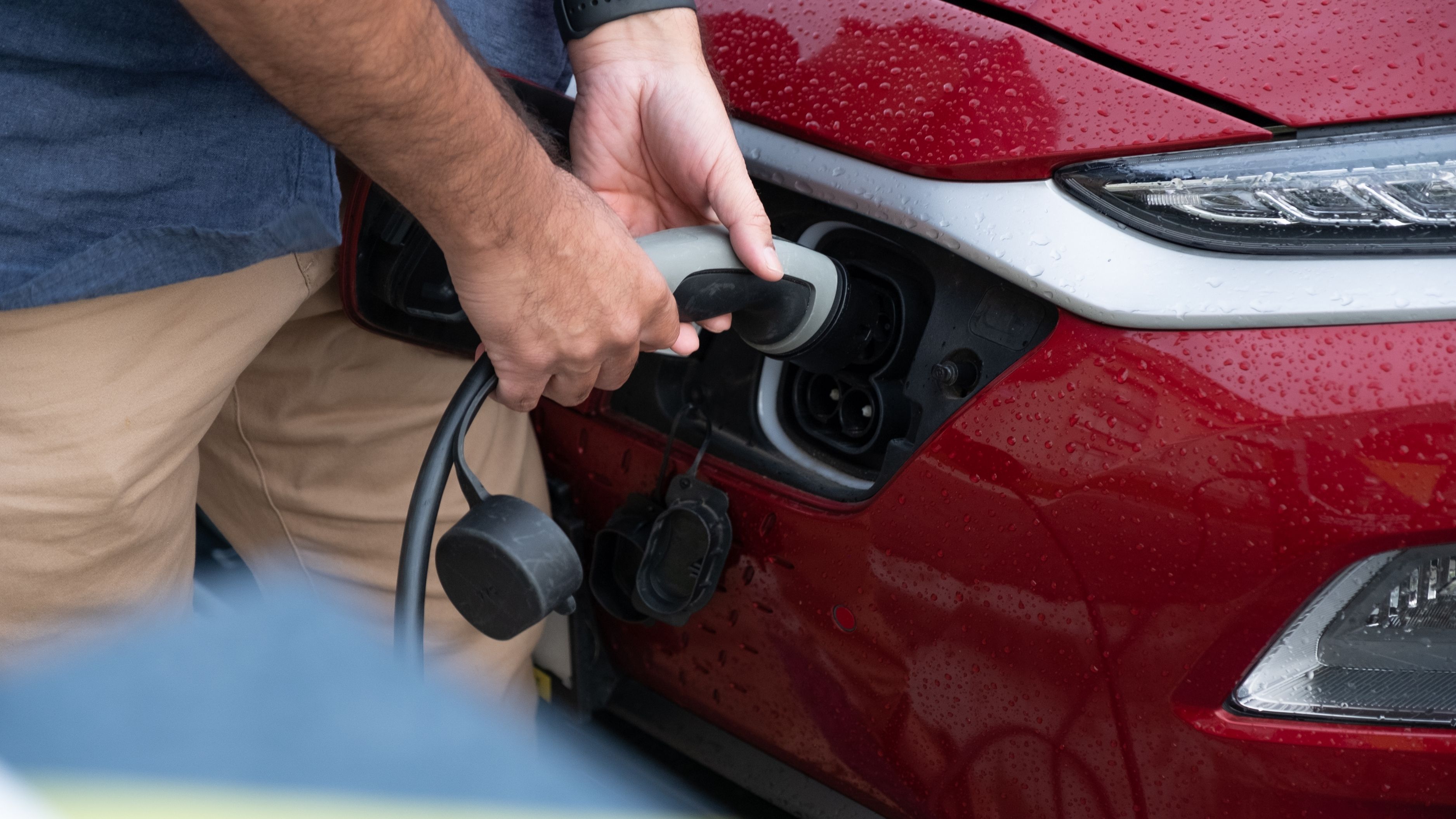
The good news is that once you understand a few key variables, the right choice usually becomes pretty obvious. This guide walks you through everything you need to know to pick the EVSE (Electric Vehicle Supply Equipment) that fits your car, your garage, and your budget – without overcomplicating it.
Step 1: Know What Your Car Can Actually Accept
This is the starting point that most buyers skip, and it matters more than any feature on the charger itself. Every EV has an onboard charger – the component inside the vehicle that converts AC power from your home into DC power that charges the battery. That onboard charger has a maximum acceptance rate, measured in kilowatts (kW).
If your car's onboard charger maxes out at 7.2 kW, installing a 11.5 kW home charger won't charge your car any faster. The vehicle will only draw what its onboard charger can handle. So before you look at any EVSE specs, look up your specific vehicle's maximum AC charging rate in the owner's manual or on the manufacturer's website.
Here's a rough guide to common onboard charger rates by vehicle type:
Most standard EVs and plug-in hybrids (PHEVs) have onboard chargers rated between 3.3 kW and 7.2 kW. That covers vehicles like the Nissan Leaf (6.6 kW standard, 7.2 kW on higher trims), the Chevy Bolt (11.5 kW), the Ford Mustang Mach-E (10.5 kW), and most PHEVs which typically sit at 3.3 to 7.2 kW. Tesla vehicles vary by model – the Model 3 Standard Range accepts up to 7.7 kW, while the Long Range accepts up to 11.5 kW. Knowing your specific number lets you shop for a charger that actually matches your car rather than one that's either overkill or a bottleneck.
Step 2: Understand Amperage and What It Means for Charging Speed
Home EV chargers are rated in amps, not kilowatts, which is how the circuit they connect to is also rated. The relationship is straightforward: a 40-amp charger on a 240V circuit delivers about 9.6 kW of power. A 32-amp charger delivers about 7.7 kW. A 24-amp charger delivers about 5.8 kW.
Most electricians and EV charging experts recommend a 40-amp charger as the practical sweet spot for home use. It covers the onboard charging rate of the vast majority of current EVs, leaves room for future vehicles with higher acceptance rates, and doesn't require a significantly more expensive electrical circuit than a 32-amp unit. The circuit for a 40-amp charger needs a 50-amp breaker (the NEC requires a 25% overhead on continuous loads), which is a standard size.
If your vehicle's onboard charger maxes out at 7.2 kW or less and you don't plan to upgrade your EV anytime soon, a 32-amp unit is perfectly sufficient and may cost slightly less both in equipment and installation. If you have a vehicle with an 11.5 kW onboard charger or you want maximum flexibility, a 48-amp unit (which requires a 60-amp breaker) delivers the full capability without leaving anything on the table.
The practical takeaway: match the charger amperage to your vehicle's onboard charging rate, rounded up to the next standard charger size, and don't pay for capacity you'll never use.
Step 3: Check Your Electrical Panel
No matter which charger you choose, it only works if your home's electrical system can support it. A Level 2 EV charger requires a dedicated 240V circuit – it cannot share a breaker with other appliances. Before buying anything, assess your panel.
Open your electrical panel and look at two things: the main breaker rating (usually 100 or 200 amps, printed on the main breaker itself) and the available space for a new breaker. A 200-amp panel with several open slots is in great shape. A 100-amp panel that's already running an electric dryer, water heater, HVAC, and electric range may be close to capacity and might need a load calculation done by an electrician before you add EV charging.
For a 40-amp charger, you need a 50-amp breaker slot available. For a 48-amp charger, you need a 60-amp slot. If your panel is full or undersized, you have a few options: a panel upgrade (typically $1,500 to $4,000), a load management device that limits EV charging to avoid exceeding panel capacity, or an EV charger with built-in load management that automatically reduces charging speed during high household energy demand periods.
Some newer chargers – like the ChargePoint Home Flex and the Emporia EV Charger – include load management features specifically designed for panels with limited headroom. If you're in this situation, these are worth looking at before committing to a full panel upgrade.
Step 4: Decide Between Hardwired and Plug-In
Home EV chargers come in two installation types, and the right choice depends on your situation.
Plug-in (NEMA 14-50): A plug-in charger connects to a NEMA 14-50 outlet – the same 240V, 50-amp receptacle used by RVs and some large appliances. This is the more flexible option. You can take the charger with you if you move, you can unplug it and use that outlet for something else if needed, and it's slightly simpler to install because the electrician runs the circuit and installs the outlet rather than wiring the charger directly. Many popular home chargers – including the ChargePoint Home Flex, Grizzl-E, and JuiceBox 40 – are available in plug-in versions. The NEMA 14-50 configuration supports up to 40 amps of continuous charging, which is the practical limit for plug-in units.
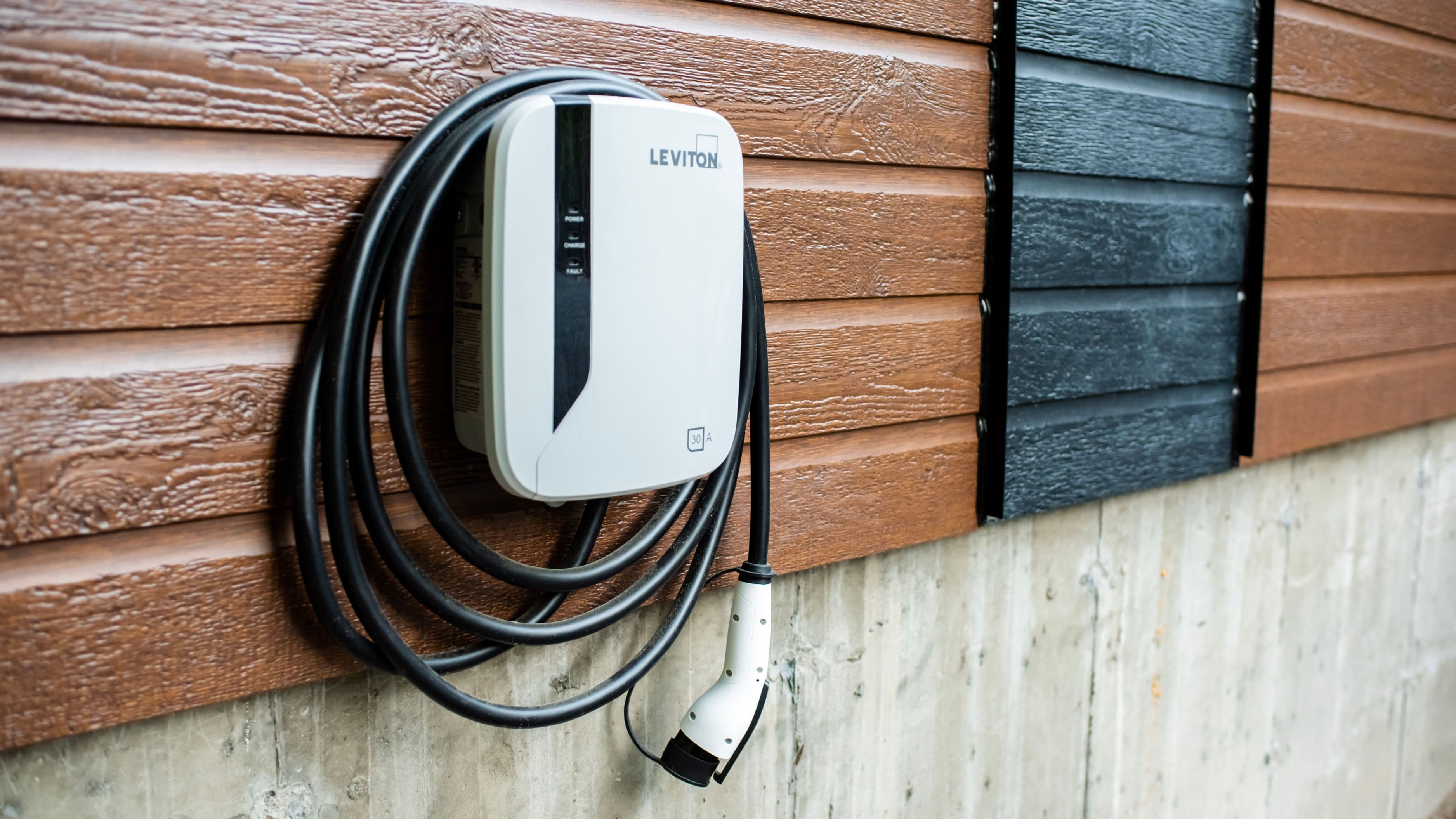
Hardwired: A hardwired charger is permanently wired into the circuit, with no plug or outlet involved. This is required for units that operate above 40 amps (48-amp chargers need to be hardwired), and some homeowners prefer it for a cleaner installation. Hardwired units look more permanent and are slightly more tamper-resistant, but they require more work to remove or relocate.
For most homeowners who want a 40-amp or lower charging rate, a plug-in NEMA 14-50 installation is the more practical and flexible choice. If you want 48-amp capability or prefer a fully permanent installation, go hardwired.
Step 5: Consider Connector Type
If you drive a Tesla purchased before late 2023, your vehicle uses the Tesla/NACS (North American Charging Standard) connector rather than the J1772 connector used by most other EVs. Most non-Tesla home chargers use J1772, but Tesla vehicles come with a J1772 adapter that makes them compatible with any J1772 Level 2 charger. If you'd rather have a native NACS connection, Tesla's Wall Connector is the straightforward choice for Tesla owners.
If you drive a non-Tesla EV purchased in 2023 or later, check whether your vehicle uses J1772 or NACS. Most automakers have announced or begun transitioning to NACS, so newer non-Tesla vehicles may now have a NACS port, which means they'd need a NACS-to-J1772 adapter to use standard J1772 chargers – or a natively NACS-compatible home charger, which are beginning to enter the market.
For most people with a non-Tesla EV purchased before 2024, this is a non-issue – J1772 is the universal standard and every mainstream home charger uses it.
Step 6: Evaluate Smart Features – What's Worth Paying For
Most mid-range and higher home chargers offer smart features accessed through a mobile app. Whether these are worth the premium depends on how you use your charger.
Charging scheduling is the most practically useful smart feature. It lets you set your charger to run only during off-peak hours when electricity rates are lower – typically late night to early morning. If your utility offers time-of-use (TOU) pricing, this feature pays for itself relatively quickly. Nearly every smart charger offers scheduling.
Energy monitoring tracks how much electricity your car has used and what it's costing you. Useful for tracking your actual charging costs, especially helpful if you're trying to estimate the real savings compared to gas.
Load management / power sharing is worth looking at if your panel has limited capacity or if you eventually want to add a second charging station. These features automatically reduce EV charging output when the rest of the home has high demand, preventing tripped breakers without requiring a panel upgrade.
Remote start/stop and access control (via app or RFID card) are useful in specific situations – households with multiple drivers, situations where you want to share access, or commercial-adjacent setups. For a private single-family home with one car and one regular driver, these features are largely unnecessary.
Features not worth paying extra for on their own: voice assistant integration, animated LED displays, and companion app complexity that takes significant setup time without adding proportional value to day-to-day use.
Top Home Charger Options by Situation
Rather than ranking chargers in a list, here's a practical guide to which units make sense for different setups:
For most homeowners who want reliable, straightforward Level 2 charging: The Grizzl-E Classic is one of the most consistently recommended units for no-nonsense performance. It's a hardwired or NEMA 14-50 plug-in 40-amp unit with minimal smart features, a durable build designed for cold climates, and a strong track record. It's the practical workhorse option.
For homeowners who want smart features and scheduling: The ChargePoint Home Flex is adjustable from 16 to 50 amps, works with a NEMA 14-50 outlet or hardwired, has solid app control, and is one of the more versatile options on the market. It's consistently rated highly for its combination of features and reliability.
For Tesla owners: The Tesla Wall Connector is the native solution – it supports NACS, integrates with the Tesla app natively, and supports up to 48 amps. It's hardwired only. For Tesla owners who also want flexibility to charge other vehicles, a J1772 charger with a NACS adapter works fine.
For homeowners with panel capacity concerns: The Emporia EV Charger includes built-in load management and integrates with the Emporia Vue energy monitor, making it one of the better choices for homes where adding a full 50-amp circuit would stress the panel.
For renters or those who want maximum portability: A plug-in NEMA 14-50 unit (ChargePoint Home Flex or Grizzl-E in the plug-in configuration) lets you take the charger if you move and requires only a NEMA 14-50 outlet – a straightforward installation your landlord is more likely to approve.
What to Avoid
Buying based on brand name alone without checking compatibility with your specific vehicle's onboard charger rate is a common and avoidable mistake. A premium 48-amp charger is wasted on a vehicle that accepts a maximum of 7.2 kW – you're paying for capacity the car will never use.
Choosing a charger without confirming your panel can support it is the other big one. Buy the charger, schedule the electrician, and then discover you need a panel upgrade – that's an avoidable sequence of events. Do the panel assessment first, even if it's just a quick call with an electrician before you purchase anything.
Opting for a super-cheap off-brand charger to save $50 or $100 is worth thinking twice about. Your EV charger runs for hours daily on a high-current circuit. Quality matters for both performance and safety. Look for UL or ETL listing on any charger you're considering – this confirms it's been tested to recognized safety standards. Avoid units without visible safety certifications.
Using an extension cord or a non-dedicated outlet is not a safe workaround for Level 2 charging. A 240V circuit for EV charging should always be dedicated and properly sized – not shared with other high-draw appliances.
Safety Notes
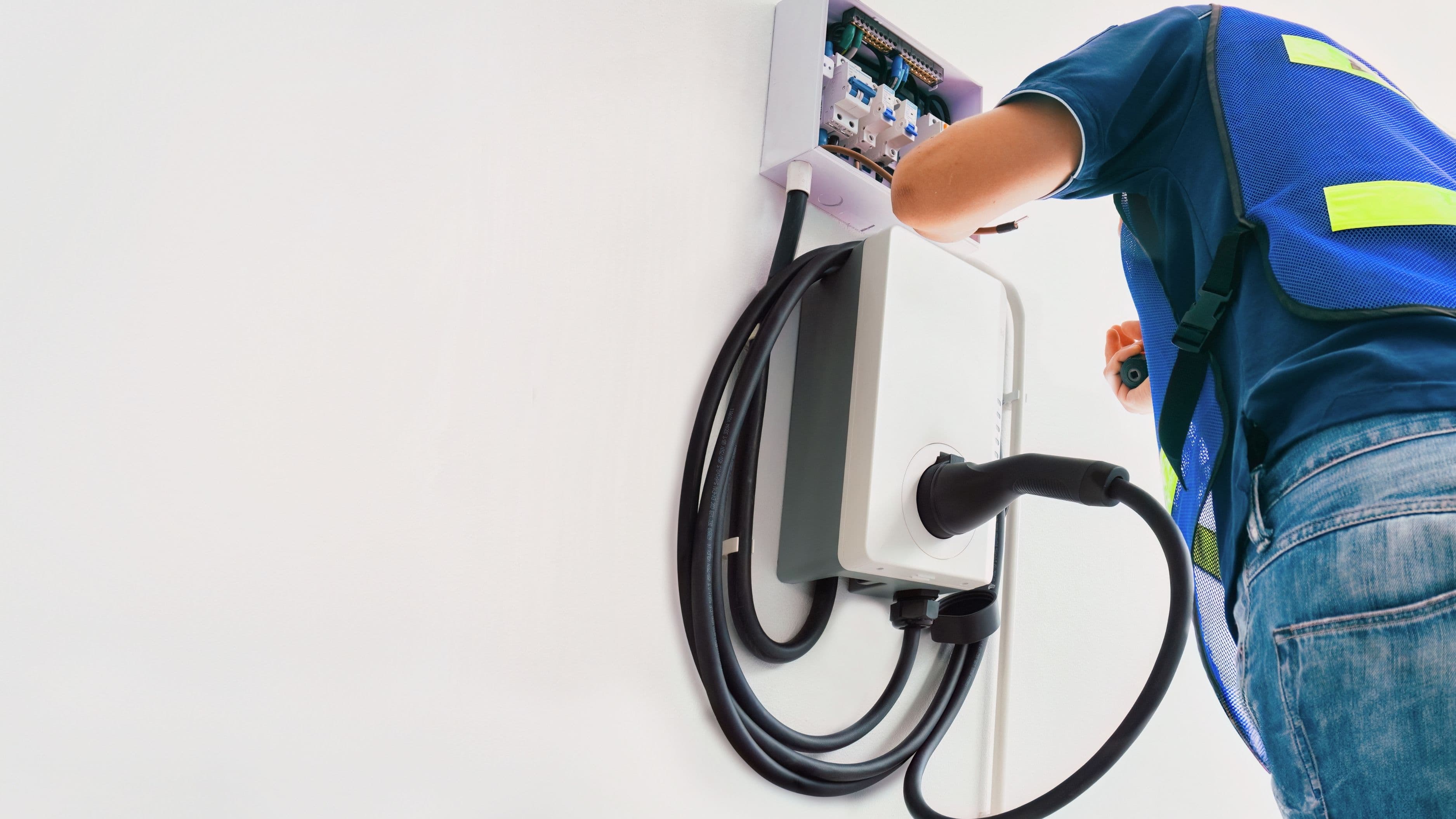
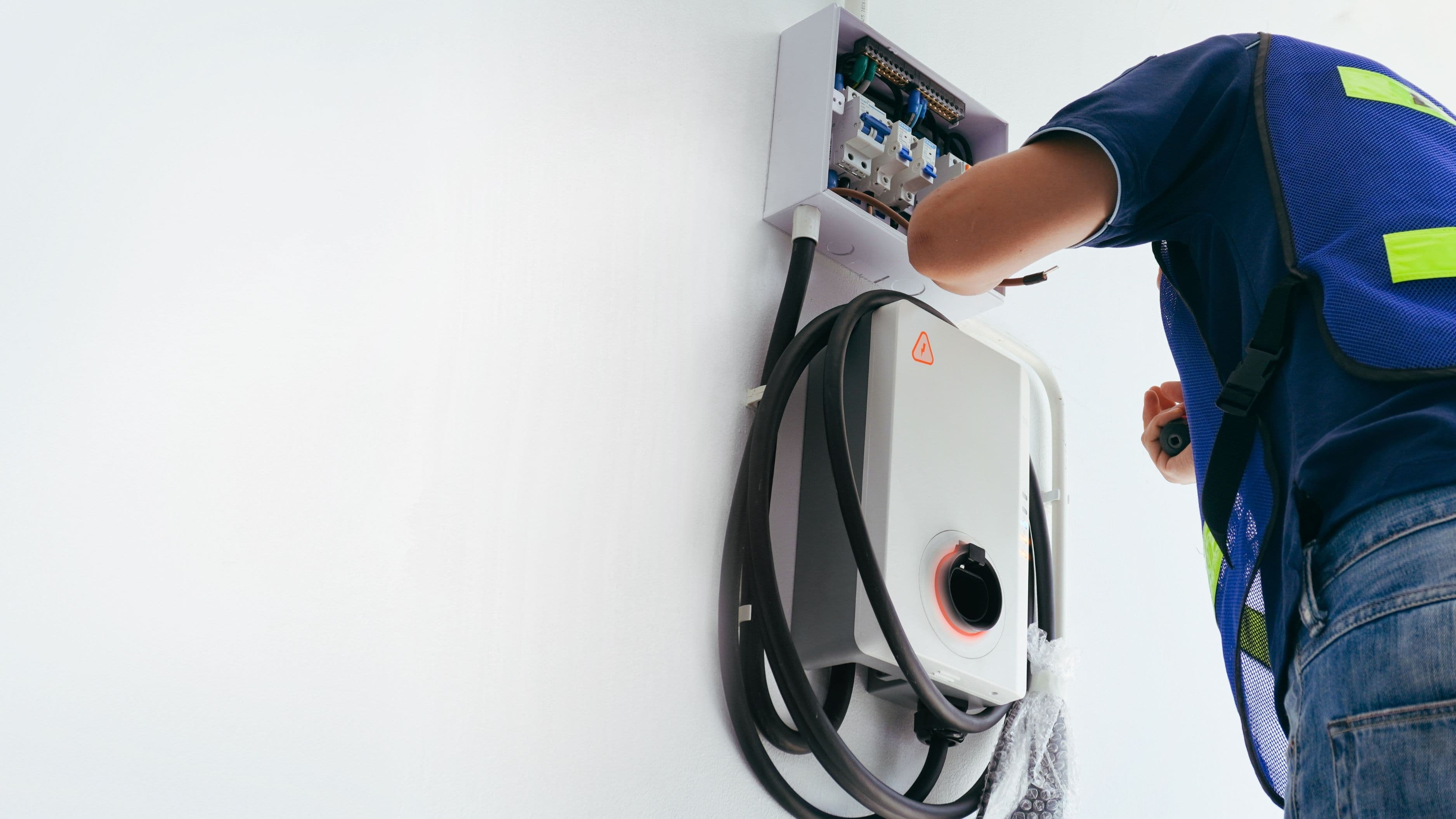
All Level 2 EV charger installations require a permit in most jurisdictions, and the electrical circuit work must be done by a licensed electrician. Outdoor charger installations need a weatherproof enclosure and a GFCI-protected circuit. If you notice any of the following after installation, stop using the charger and have the circuit inspected before continuing: repeated tripped breakers during charging, burning smell near the outlet or charger, discoloration or scorch marks around the outlet or unit, or error messages on the charger indicating a ground fault.
Frequently Asked Questions
Can I use any Level 2 charger with my EV? As long as the connector matches your vehicle's port (J1772 for most non-Tesla EVs, NACS for Teslas and newer non-Tesla EVs adopting the standard), any Level 2 charger will work. Your car's onboard charger manages the rate of charging and won't accept more power than it's rated for.
Do I need a smart charger, or will a basic unit work just as well? A basic unit charges your car just as effectively as a smart one. Smart features add convenience (scheduling, monitoring, app control) but aren't required for the charging itself to function. If your utility offers TOU pricing, scheduling is the one smart feature that has clear practical value. Otherwise, a reliable basic charger does the job.
How long does a home charger installation take? For a straightforward installation where the panel has capacity and the garage is close to the panel, an electrician typically completes the job in two to four hours. More complex runs or panel work adds time.
What warranty should I look for on a home EV charger? Most reputable home chargers carry a three-year warranty. Some (like the Grizzl-E) offer up to five years. Avoid units with warranties under two years, as EV chargers are expected to last 10 or more years under normal use.
Can I charge two EVs on one home charger? Most home chargers are single-vehicle units. Some manufacturers offer dual-outlet or power-sharing configurations (ChargePoint and Tesla Wall Connector both support multi-unit setups), but this requires additional planning around panel capacity and circuit sizing. For two-EV households, a load-managed dual-outlet setup or two separate circuits are the main options worth exploring with your electrician.
Choosing the right home EV charger doesn't have to be overwhelming. Start with your vehicle's onboard charging rate, check your panel, pick the amperage that makes sense, and choose a charger with the features you'll actually use. Get the circuit installed by a licensed electrician, schedule your charging overnight, and that's about as complicated as it needs to be.
📚 Sources
U.S. Department of Energy – Electric Vehicle Charging at Home: https://www.energy.gov/eere/electricvehicles/charging-home
U.S. Department of Energy – Alternative Fuels Station Locator and EV Infrastructure: https://afdc.energy.gov/fuels/electricity_infrastructure.html
National Fire Protection Association – NFPA 70 National Electrical Code, Article 625 (EV Charging Systems): https://www.nfpa.org/codes-and-standards/nfpa-70-standard-for-the-national-electrical-code
ChargePoint – Home Flex Charger Specifications and Features: https://www.chargepoint.com/drivers/home/chargepoint-home-flex
IRS – Alternative Fuel Vehicle Refueling Property Credit: https://www.irs.gov/credits-deductions/alternative-fuel-vehicle-refueling-property-credit
SAE International – J1772 EV Charging Connector Standard Overview: https://www.sae.org/standards/content/j1772_201710