
The short answer is that for most people, the circular saw comes first. But the full answer depends on what you're actually trying to do, and there are real situations where a miter saw makes more sense as your first buy. Here's the complete breakdown.
What Each Saw Actually Does
Before comparing them, it helps to be clear on what you're getting with each tool – because they're fundamentally designed for different jobs, even though both cut wood.
A circular saw is a handheld power saw with a rotating blade. You hold it, guide it, and it travels along the workpiece. It can rip lumber down its length, crosscut boards, cut sheet goods like plywood and OSB, and handle rough framing work. It's mobile, compact, and doesn't care about the size of what you're cutting. A 4x8 sheet of plywood on sawhorses is no problem. A long 2x10 on a jobsite is easy too. It is a saw that goes to the material rather than the other way around.
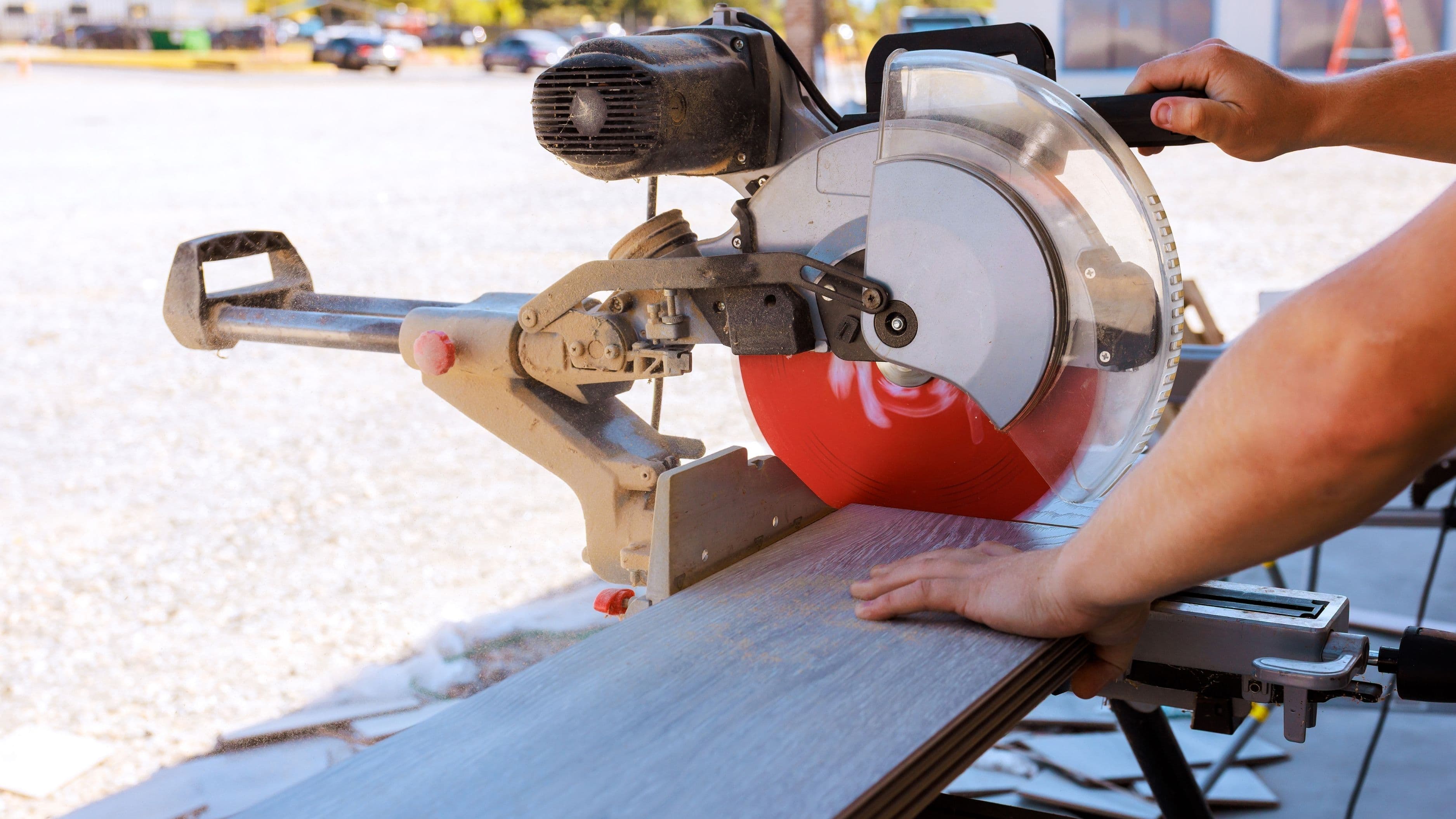
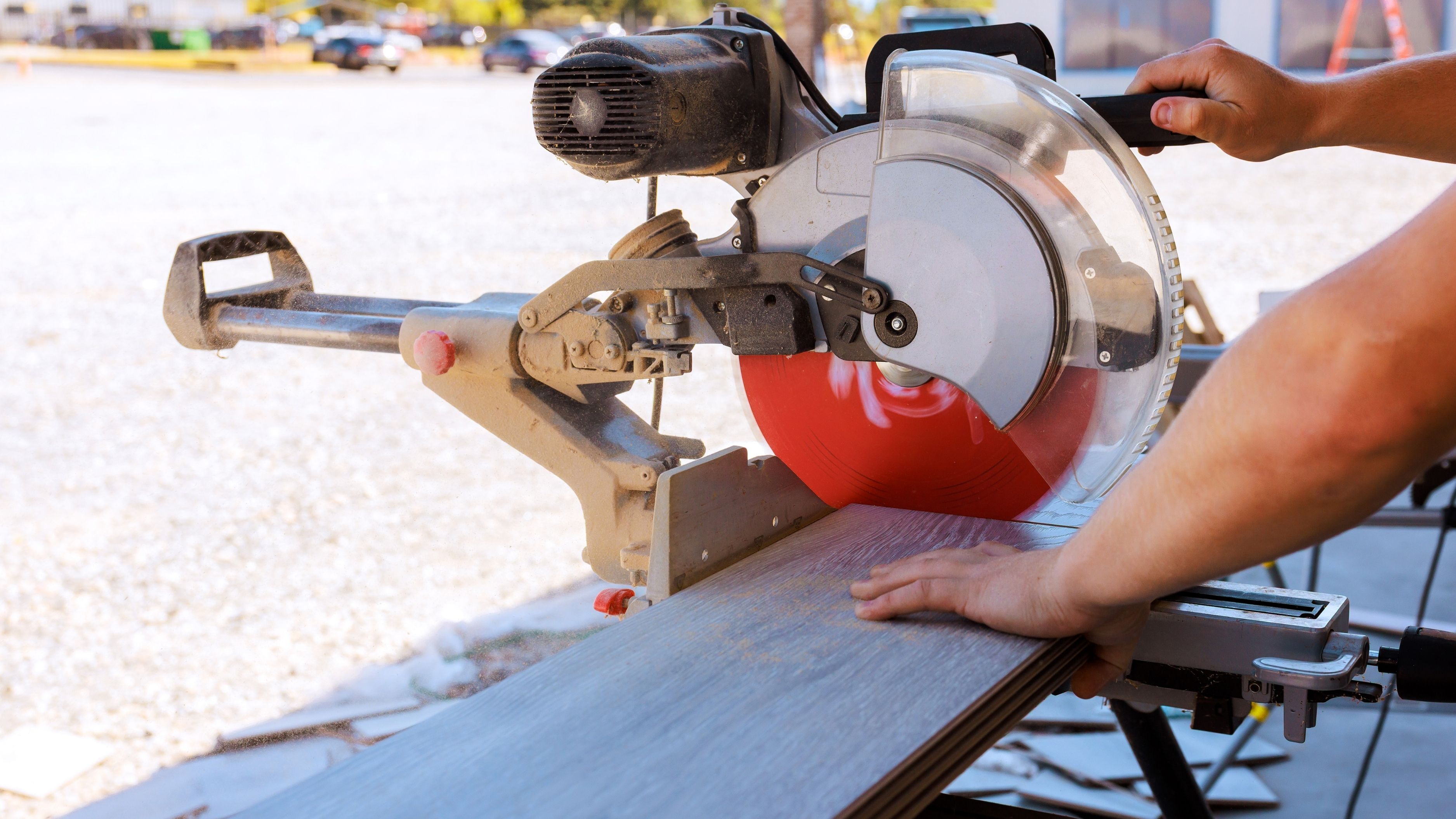
A miter saw – sometimes called a chop saw – is stationary. The material comes to the saw, you position it against a fence, and the blade comes down in a controlled arc to make a cut. A standard miter saw excels at accurate crosscuts and angled cuts on dimensional lumber: 2x4s, 2x6s, trim, molding, and decking boards. A sliding compound miter saw extends that capacity to wider boards. What it cannot do is cut sheet goods, rip lumber lengthwise, or handle oversized material that won't fit against the fence. It trades versatility for precision and speed on repetitive cuts.
These are not competing tools in the sense that one is better than the other. They're designed for overlapping but distinct purposes. The question is which one gives you more usable capability at the start of your tool collection.
The Case for the Circular Saw First
The circular saw wins as a first purchase for one fundamental reason: versatility. It handles a much wider range of cutting tasks than a miter saw, and most of the things a beginner DIYer needs to cut fall squarely within its wheelhouse.
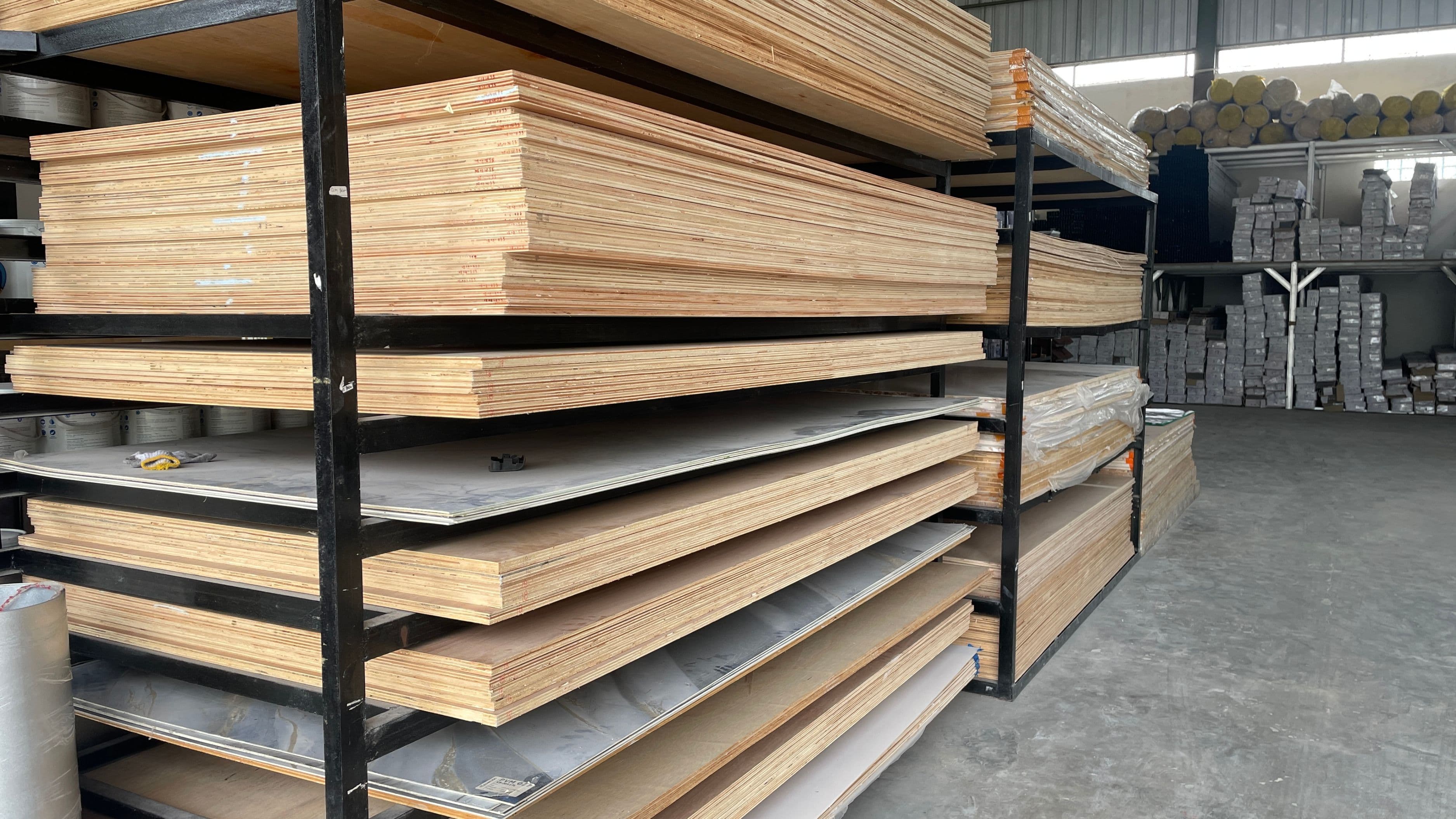
Consider the typical early project list for a homeowner: building a deck, framing a wall, cutting down shelving, trimming a door, breaking down plywood for a workbench or storage project. All of these tasks either require or strongly benefit from a circular saw. Plywood and OSB – sheet goods that show up in nearly every structural project – simply cannot be handled by a miter saw. You cannot fit a 4x8 sheet against a miter saw fence. A circular saw with a straightedge clamp or a homemade guide rail cuts sheet goods accurately and safely, which immediately makes it more useful on a wider range of projects.
Circular saws are also significantly cheaper at the entry level. A solid corded model from a reputable brand – DeWalt, Makita, Skilsaw – runs $60–$120. A comparable cordless model with battery is $120–$200. A decent compound miter saw starts around $150 for a basic 10-inch model but quickly climbs to $250–$400 for a sliding compound version that handles wider stock. If budget is a factor, the circular saw gives you more capability per dollar, especially early on.
The portability advantage is real and often underestimated. You can take a circular saw to the material – out to the yard, into a room during a renovation, up on a roof deck. A miter saw is a shop tool. It lives on a bench or a stand, and the material has to come to it. For someone working in varied locations around their property, mobility matters more than people realize until they're mid-project.
The main honest downside of the circular saw is that accurate cuts take practice and technique. You're guiding a moving blade by hand, and without a guide, perfectly straight crosscuts take skill to develop. A miter saw gives you a fence, a positive stop, and a consistent cut angle right out of the box – which is genuinely easier for beginners making repetitive cuts on dimensional lumber. This is worth acknowledging, but it's not a reason to skip the circular saw. A $10 speed square and a clamped straightedge close most of that accuracy gap quickly.
The Case for the Miter Saw First
There are real scenarios where a miter saw is the smarter first buy, and it's worth being honest about them rather than dismissing the tool.
If your primary project type involves finish carpentry – installing baseboards, crown molding, door casing, chair rails, or window trim – a miter saw is not just useful, it's almost essential. Trim work lives or dies on clean, accurate miter cuts. A circular saw can technically make a 45-degree cut with an adjustable base, but getting it accurate enough for visible interior trim takes significantly more setup time and skill than simply positioning a board against a miter saw fence and bringing the blade down. For trim-focused projects, the miter saw delivers better results faster with far less frustration.
Similarly, if you're frequently cutting dimensional lumber to length – building a fence, framing closets, making furniture from 2x stock – the miter saw's speed and precision on repetitive cuts is a genuine efficiency advantage. Making twenty identical 24-inch cuts for a shelving project is quick and accurate with a miter saw and much more tedious with a circular saw, even with a guide.
Miter saws also have a safety advantage for certain beginners. Because the workpiece sits stationary against the fence and the blade travels a fixed arc, there's less chance of the saw binding or kicking back unexpectedly compared to guiding a circular saw freehand. Circular saw kickback is real and can be serious if you don't understand how to prevent it – a pinched cut, a dull blade, or a poorly supported workpiece are all it takes. If you're building your confidence with power tools, the miter saw's controlled stroke can feel more manageable at first.
The core limitation remains the same regardless of use case: a miter saw will not cut sheet goods, and it can't rip lumber. If any of your projects involve plywood, OSB, or MDF panels – and most do eventually – you'll need another solution. Owning only a miter saw leaves a significant gap in your cutting capability.
Where They Overlap and Where They Don't
Being specific about the jobs each saw can and can't handle helps you understand exactly what gap you'd have with a one-saw collection.
A circular saw can do most of what a miter saw does for basic crosscuts and miters, with more manual setup involved. It cuts 2x lumber, plywood, OSB, MDF, and other sheet goods. It makes bevel cuts with an adjustable base plate. It's mobile and works anywhere you have power. What it doesn't do as easily: precise, repeatable miter cuts on trim pieces, fast repetitive crosscuts without a jig, or consistently clean finish cuts without a quality blade and deliberate technique.
A miter saw makes crosscuts, miters, and bevel cuts on dimensional lumber and trim with excellent accuracy and speed. A sliding model handles boards up to 12 inches wide. What it cannot do at all: rip cuts, sheet goods of any kind, or any cut that requires taking the tool to the work.
The key asymmetry is this: the circular saw's accuracy gap is fillable with technique and inexpensive accessories. The miter saw's sheet goods gap requires an entirely different tool. That's the practical reason most experienced DIYers recommend the circular saw as the first purchase.
What to Look for When Buying
If the circular saw is your choice, a few buying details are worth getting right from the start.
Blade quality matters more than most beginners realize. The saw itself is largely a commodity at the entry level – any well-reviewed 15-amp corded circular saw from a major brand will perform reliably. But the blade it ships with is often mediocre. A 40-tooth carbide-tipped blade from Diablo or Freud runs $20–$30 and noticeably improves cut quality and longevity. For cutting plywood cleanly, a 60-tooth blade is worth having as a second option.
Corded vs. cordless comes down to your situation. A corded saw gives you consistent power and never runs out mid-project, which is a real advantage for longer cutting sessions. If you're already invested in a cordless battery platform like DeWalt 20V, Milwaukee M18, or Makita 18V, a matching cordless circular saw makes sense for convenience – just get one with at least a 6.5-inch blade and a high-capacity battery (5.0 Ah or above) for sustained use.
A speed square ($10–$15) and a straightedge guide or aluminum guide rail will immediately improve your cut accuracy. A speed square used as a crosscut fence produces reliable 90-degree cuts. A clamped straightedge turns your circular saw into a guided rip saw for sheet goods. These accessories do more for cut quality than upgrading the saw itself.
If the miter saw is your first buy, the 10-inch sliding compound miter saw is the version worth the extra money. The sliding mechanism lets the blade cross boards up to 12 inches wide – covering dimensional lumber, wide trim, and most hardwood board stock. A non-sliding 10-inch model limits you to around 5.5 inches of crosscut capacity, which is fine for 2x4s and standard trim but becomes restrictive as your projects grow. In the $200–$350 range, DeWalt, Ridgid, and Metabo HPT all have strong track records.
Safety Notes Worth Knowing
A few reminders that apply specifically to beginners picking up these tools for the first time.
Always wear eye and ear protection with both saws. Both generate significant noise and throw debris, and neither is forgiving of skipped safety gear.
Let the blade reach full speed before contacting the material. Starting a cut with a blade that's still spinning up causes binding and is a common cause of kickback.
With a circular saw, support the workpiece correctly on both sides. The piece being cut off needs to fall freely – if it's pinched as the cut finishes, the blade will bind. Setting the workpiece on two sawhorses with a sacrificial piece of foam insulation underneath is a practical setup for plywood sheets that prevents binding and protects the floor or sawhorses from the blade.
With a miter saw, keep your hands well clear of the blade path and allow the blade to come to a complete stop before raising it back to the home position. Use the workpiece clamp when one is provided. Never reach under or behind the blade guard while the saw is running or coasting down.
The Bottom Line
For most homeowners and beginner to intermediate DIYers: buy the circular saw first. It handles more project types, deals with sheet goods that a miter saw simply can't touch, costs less at entry level, and builds more transferable skill across a wider range of work. Once your projects involve significant trim or high-volume repetitive cuts on dimensional lumber, add the miter saw – by that point you'll know exactly what you need it for.
If your first real projects are finish carpentry – trim, molding, furniture from boards – then start with the miter saw and borrow or rent a circular saw for sheet work until you're ready to add it. That's a reasonable path. But for the majority of homeowners tackling general repairs and improvement projects, the circular saw is the more useful first tool.
FAQ
Can a circular saw replace a miter saw entirely? For rough work, framing, and sheet goods – yes. For precision trim and molding work, it's a meaningful step down in accuracy and speed. Most DIYers who do a variety of projects end up owning both. The circular saw just makes more sense as the first purchase because its range is broader.
What blade size should I get for a circular saw? 7-1/4 inches is the standard size for full-size circular saws and the right choice for most homeowners. It handles framing lumber, plywood, and the full range of common cutting tasks. Smaller 6.5-inch saws are fine for lighter work but can struggle with thick or dense stock.
Is a cordless circular saw as powerful as a corded one? Modern brushless cordless saws on high-capacity batteries (5.0 Ah and above) come very close to corded performance for most homeowner tasks. For extended cutting sessions or very dense material, a corded saw still has the edge. For project-based use – not all-day production cutting – a quality cordless saw is more than capable.
How accurate can a circular saw realistically get? With a guide – a speed square for crosscuts, a clamped straightedge for rips – a circular saw is accurate enough for framing, shelving, and most general carpentry. For precision joinery or finish cuts on visible trim, a miter saw or table saw will produce cleaner, more repeatable results. The accuracy gap for common tasks closes quickly once you get comfortable using guides.
What's a reasonable budget for a first circular saw? $80–$150 gets you a solid corded circular saw from a reputable brand. $150–$250 covers a capable cordless saw in a major battery platform. Spending more than that as a beginner is rarely necessary – skill development matters far more than tool upgrades at this stage.
📚 Sources
Fine Homebuilding – Circular Saw Buying Guide: https://www.finehomebuilding.com/2021/02/10/circular-saw-buying-guide
This Old House – How to Use a Circular Saw: https://www.thisoldhouse.com/tools/21015208/how-to-use-a-circular-saw
Family Handyman – Miter Saw Buying Guide: https://www.familyhandyman.com/article/miter-saw-buyers-guide/
Popular Mechanics – Best Circular Saws Tested and Reviewed: https://www.popularmechanics.com/home/tools/a32697904/best-circular-saws/
Wood Magazine – Understanding Miter Saw Types: https://www.woodmagazine.com/tools-supplies/power-tools/saws/miter-saw-types