
This guide walks you through the safest, most practical method for cleaning gutters by hand – the approach that professionals actually use on most residential jobs.
What You'll Need
Before you get on the ladder, get everything together on the ground. Making multiple trips up and down because you forgot something is how fatigue-related accidents happen.
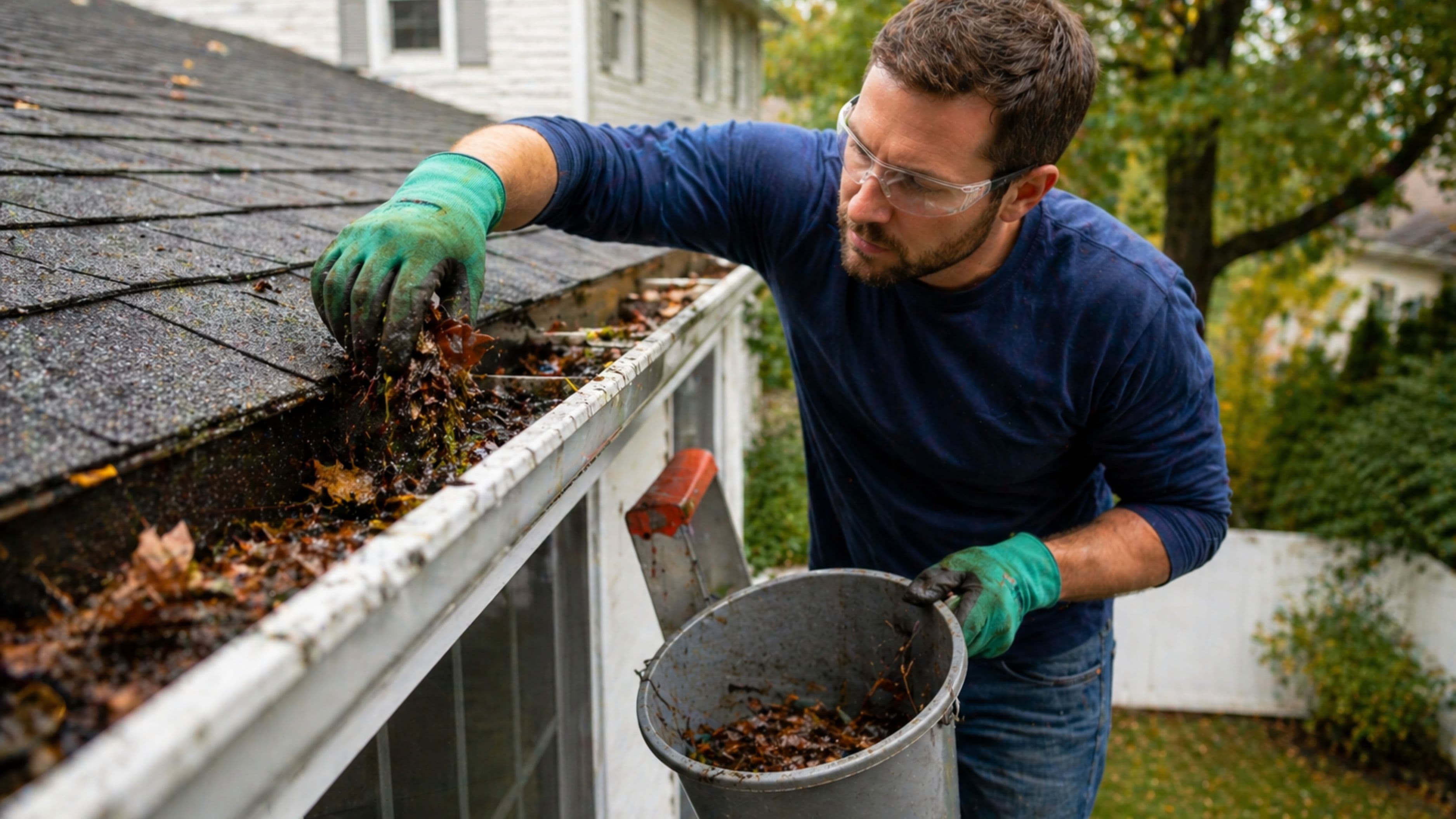
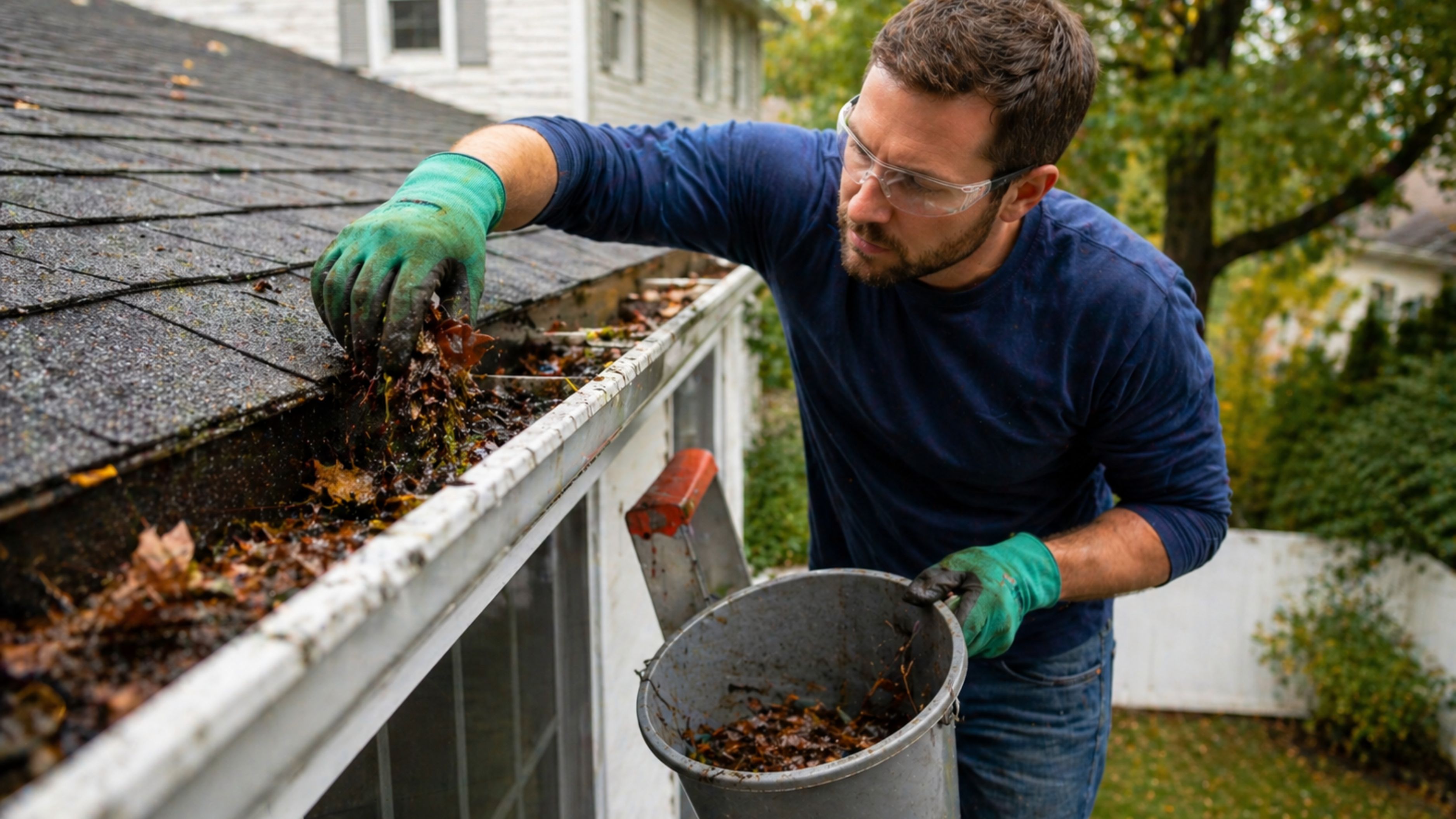
You'll need a sturdy extension ladder rated for your weight plus gear (check the duty rating on the label – 250 lbs minimum for most adults with tools), a ladder stabilizer or standoff to keep the ladder away from the gutter itself (leaning directly against the gutter deforms aluminum fast), work gloves (gutters have sharp edges and whatever's inside them has usually been decomposing), safety glasses, a plastic gutter scoop or garden trowel, a bucket with a hook to hang on the ladder, a garden hose with a spray nozzle, and a tarp or drop cloth on the ground below your work area to catch debris.
Optional but useful: a gutter cleaning wand attachment for your garden hose, which lets you flush sections of gutter from the ground and reduces ladder time significantly. These cost around $15–$30 at any hardware store and are worth having for the annual maintenance routine.
Safety First: Ladder Setup Matters More Than Anything
Most gutter-cleaning injuries are ladder falls, and most ladder falls are preventable. A few minutes of proper setup eliminates the majority of the risk.
Set the ladder on firm, level ground. If your ground is soft or uneven, use a ladder leveling device or board under the feet – never prop one side up with a rock or block. The ladder angle should follow the 4-to-1 rule: for every four feet of height, the base should sit one foot out from the wall. Too steep and the ladder can kick backward; too shallow and it can slide out from under you. With a stabilizer attachment, position the arms against the roof decking or wall, not against the gutters themselves.
Never overreach to either side while on the ladder. Move the ladder frequently rather than stretching. The moment you feel your hips moving past the ladder's side rail, you've overreached. Climb down and reposition. It takes an extra three minutes and it's worth every second.
Wear shoes with grip. Flip-flops and smooth-soled sneakers on a ladder are genuinely dangerous. Work boots or rubber-soled shoes with ankle support are the right choice for this job.
Step 1: Remove the Bulk of the Debris by Hand
Start at the downspout end of each gutter run and work your way toward the other end. This prevents you from pushing debris toward the downspout and potentially compacting it into a clog that's harder to clear than the original loose debris.
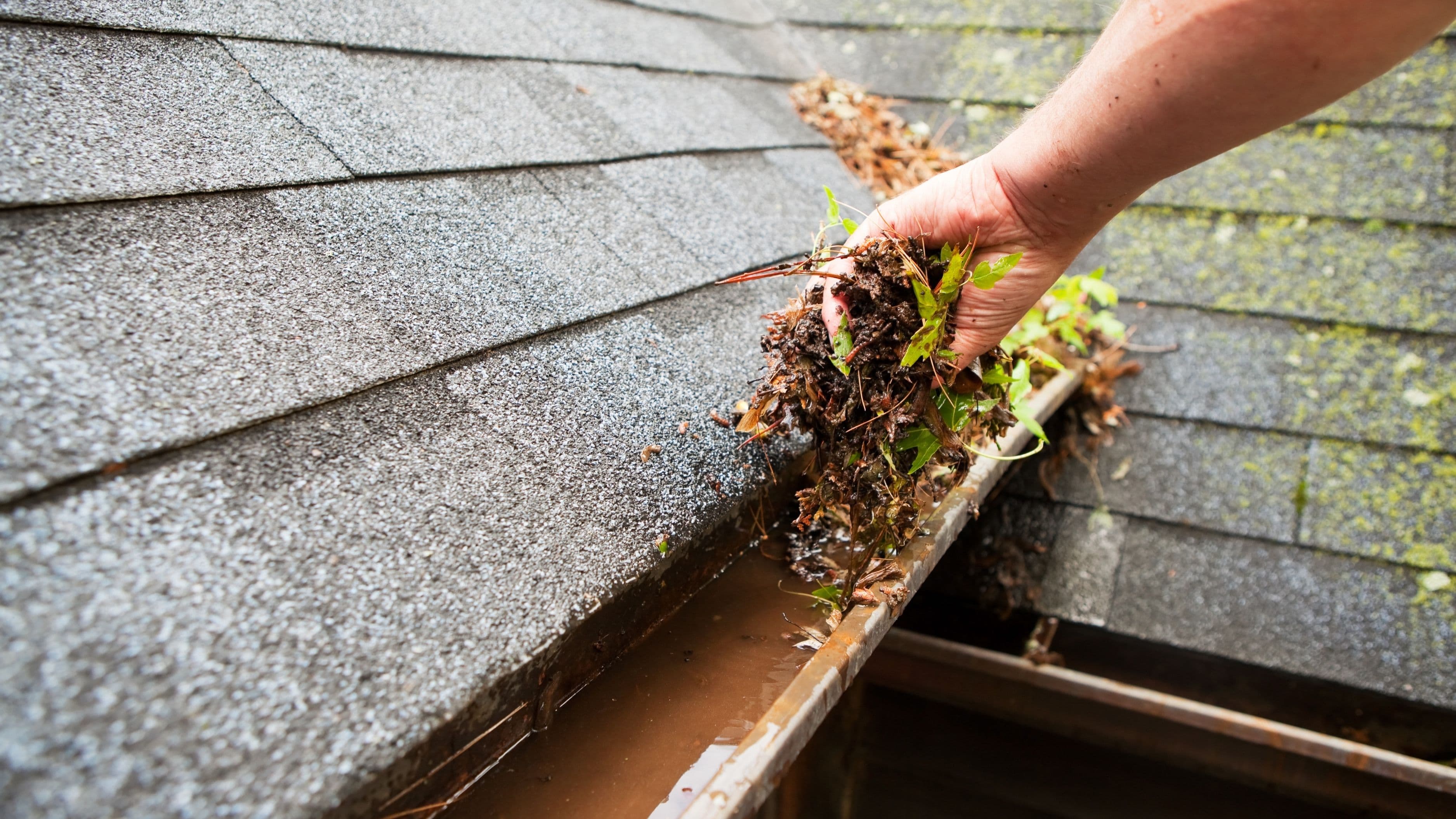
Put on your gloves and scoop out the accumulated leaves, shingle grit, dirt, and whatever else has built up in the channel. Use the gutter scoop or trowel to get into the corners and along the bottom. Dump the debris into your hanging bucket rather than dropping it into the garden beds below – wet debris on plants can cause fungal issues, and cleaning it off hardscaping afterward doubles your work.
The debris in older gutters is often compacted and damp. It scoops out in chunks rather than loose material, which is actually easier to handle than dry powdery debris that blows around. Work methodically along each section, repositioning the ladder every 2–3 feet rather than reaching. This step takes most of the time but it's the most important part of the job – no amount of water flushing replaces getting the bulk material out by hand first.
Step 2: Flush the Gutter Channels With a Hose
Once the bulk debris is out, use your garden hose with the spray nozzle set to a firm stream to flush each section toward the downspout. Start at the end farthest from the downspout and work toward it, so the water is always moving the loosened material in the right direction.
This step reveals two important things: how well the gutter is pitched toward the downspout, and whether any sections have minor standing water that doesn't drain. If you see water pooling rather than flowing, the gutter sag or pitch issue will need to be addressed separately. A properly pitched gutter should drain completely with no standing water remaining after flushing.
If you have a gutter cleaning wand, you can handle much of this step from the ground, which is a meaningful safety benefit. Position the curved end in the gutter channel and work along the run with the hose open. It won't replace hand-scooping for heavy debris, but for lighter accumulation and the final flush, it's effective and efficient.
Step 3: Clear the Downspouts
Downspout clogs are the most common source of overflow problems, and they're easy to miss if you only clean the gutter channels. After flushing the gutters, put your hose directly into the top of the downspout and run the water at full pressure. You should hear the water moving freely down and out at the bottom.
If the water backs up or drains slowly, there's a blockage in the downspout. Start by trying water pressure from the top – often a soft clog will clear with sustained flow. If that doesn't work, a plumber's snake or gutter downspout cleaning tool (a long flexible rod with an auger tip) will usually break up the obstruction from above. As a last resort, disconnecting the bottom elbow of the downspout and pushing the clog out from the bottom with the hose nozzle typically clears even stubborn debris balls.
Once the downspout is running freely, give the whole channel a final flush from top to bottom to confirm clear flow all the way through.
Step 4: Inspect While You're Up There
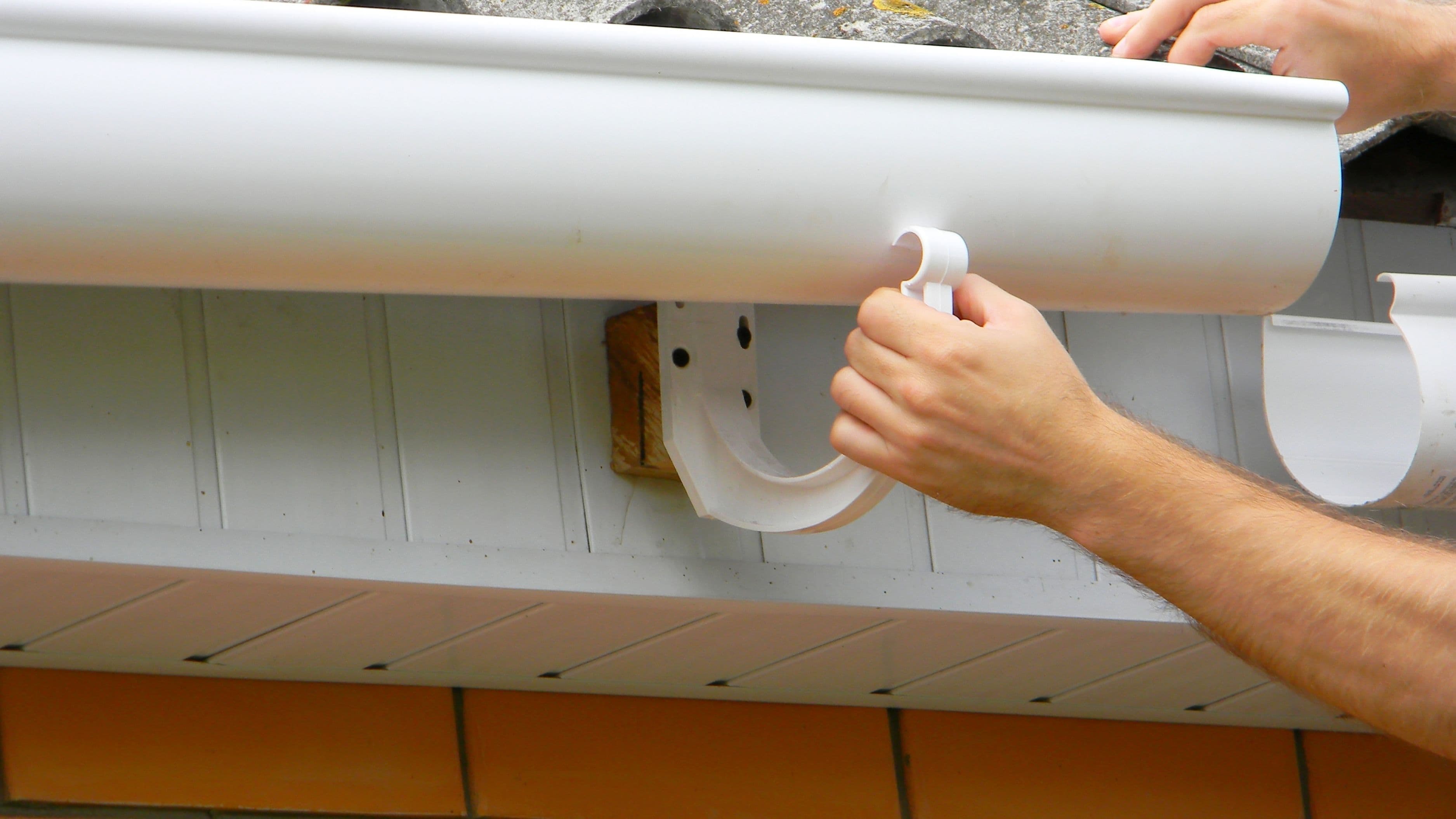
You're already on the ladder – take five extra minutes to look at what's in front of you. Check the gutter hangers or spikes holding the gutter to the fascia. If any are pulling loose, the fascia board may be rotting underneath, which is worth catching now before the gutter pulls away entirely in a heavy rain. Loose hangers that are still in solid wood can be re-secured with hex head gutter screws, which hold dramatically better than the original spikes in most older installations.
Look at the seams and end caps for rust staining, separation, or visible gaps. Minor leaks at seams can be sealed from inside with gutter sealant when the gutter is dry – a $6 tube of silicone-based gutter sealant and ten minutes of work can fix a leak that would otherwise damage the fascia below it over the next several seasons.
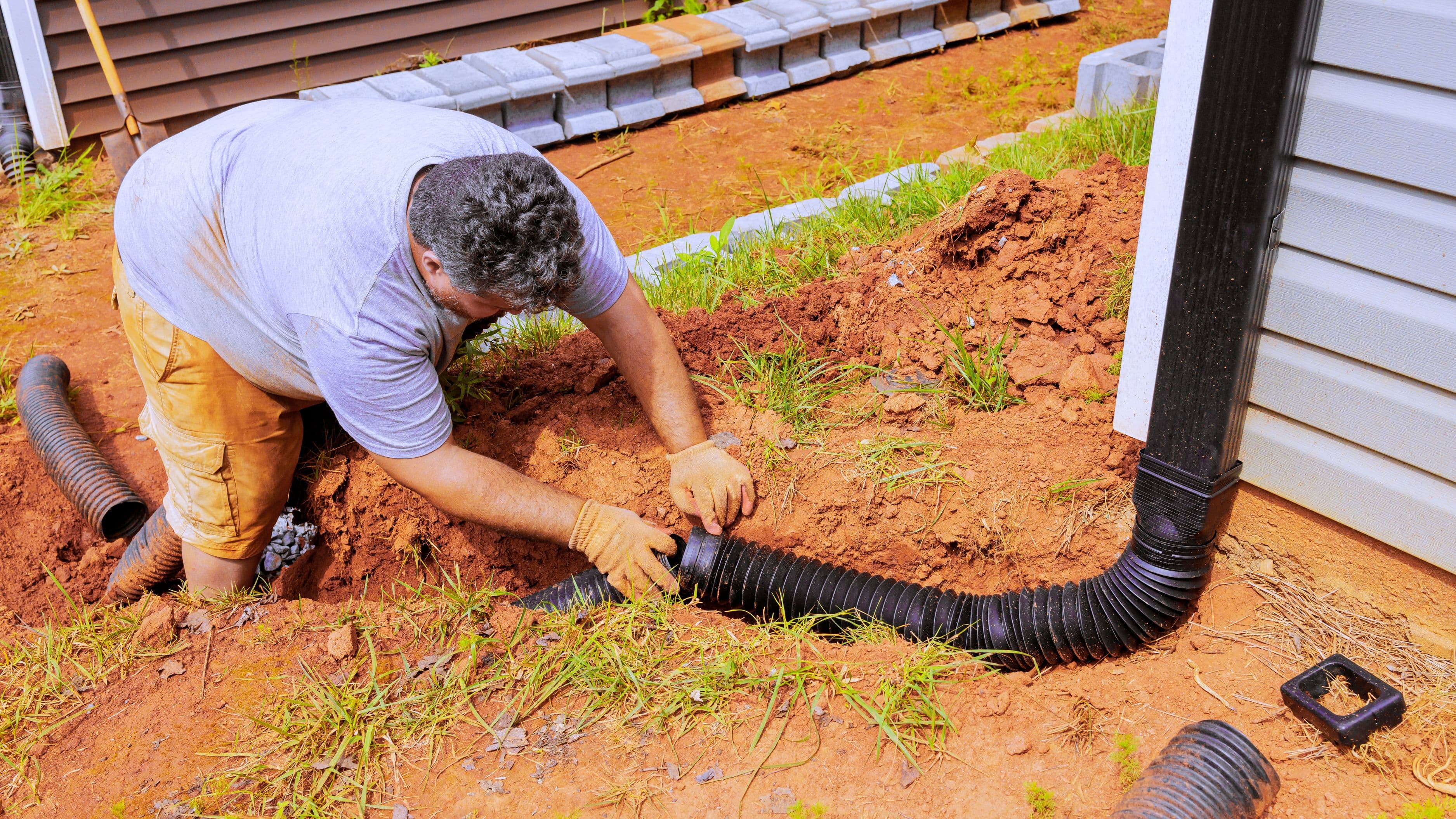
Check the downspout extensions at the bottom are directing water away from the foundation – ideally at least four feet out from the house. Splash blocks help but extensions are more reliable, and flexible accordion-style extensions cost under $10 each.
Common Mistakes to Avoid
Leaning the ladder directly against the gutter is the most widespread mistake homeowners make. Aluminum gutters are not structural – even moderate ladder pressure will dent or deform them, sometimes badly enough to create low spots that hold standing water permanently. Always use a stabilizer.
Flushing before scooping is a close second. If you hit a gutter full of compacted debris with a hose first, you create wet, heavy sludge that is significantly harder to remove than the dry debris you started with and can compact further toward the downspout. Scoop first, flush second.
Skipping the downspout check is how people end up calling a gutter company two weeks later wondering why water is pouring over the front of their gutters during the next rain. The channels can be perfectly clean and the whole system will still overflow if the downspout is blocked.
Finally, doing this job in wet conditions. Wet ladder rungs and wet roof surfaces are genuinely hazardous. Pick a dry day and wait until morning dew has dried before you start. The gutters will still be there tomorrow.
When to Call a Professional
Two-story homes and rooflines above 20 feet are where DIY gutter cleaning transitions from manageable to risky for most homeowners. If you're not comfortable at that height, or if your roof pitch requires setting the ladder at a steep angle that feels unstable, hiring a gutter cleaning service for $100–$200 per visit is money well spent. They have the equipment and experience for those situations.
If you find significant fascia rot while you're up there, or if gutters are pulling away from the roofline at multiple points, a gutter contractor or carpenter should assess the situation before it gets worse. The cleaning itself is always DIY-appropriate, but structural repairs to fascia or soffit are a different category of work.
How Often Should You Do This?
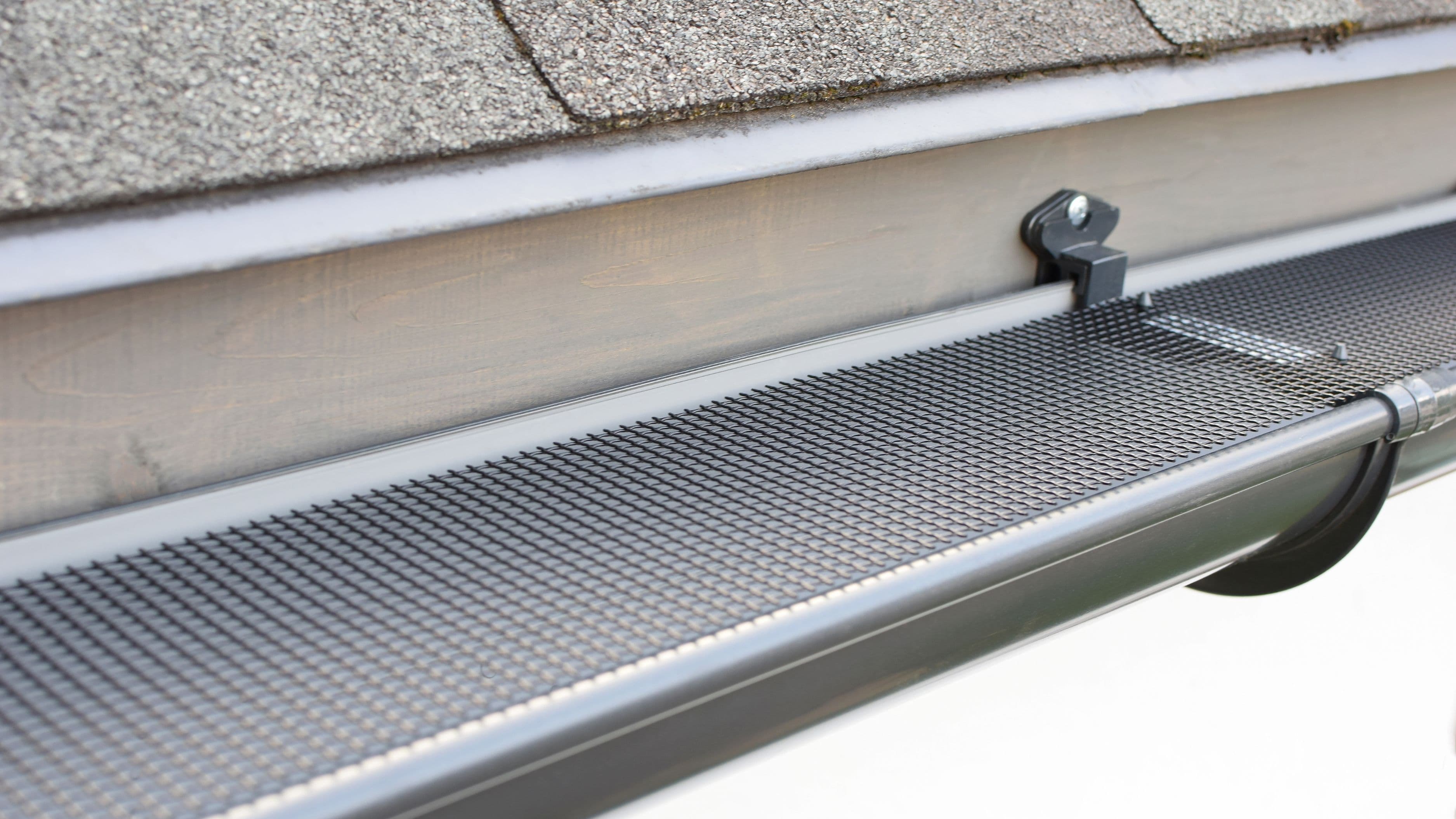
Twice a year is the standard recommendation – once in late spring after any seed and helicopter debris has settled, and once in late fall after the last leaves have dropped. Homes with heavy tree coverage overhead, particularly pine trees (which shed needles year-round), may need three or four cleanings annually. If you have gutter guards installed, they still need periodic inspection and cleaning – they reduce debris accumulation but don't eliminate it entirely.
FAQ
How do I know if my gutters need cleaning? Water spilling over the edges during rain when downspouts seem clear is the most obvious sign. Other indicators include visible plants growing in the gutters, sagging sections due to debris weight, staining on the exterior siding below gutter seams, and birds or pests frequenting the gutter line.
Can I clean gutters from the ground without a ladder? Partially. Gutter cleaning wand attachments and wet/dry vacuum gutter kits allow you to remove debris and flush gutters from ground level on single-story homes. The results are less thorough than hand-scooping from the ladder, but for light maintenance cleaning between full cleans, they work reasonably well.
Will gutter guards eliminate the need to clean gutters? They reduce cleaning frequency significantly but don't eliminate it. Fine debris, shingle grit, and seeds can still accumulate on or inside most guard systems over time. Expect to inspect and do light cleaning once a year even with guards installed.
How long does gutter cleaning take? On a typical single-story home with 150–200 linear feet of gutter, plan for 2–3 hours including setup and cleanup. A two-story home with more gutter runs can take 4–5 hours or more depending on debris load.
What's the best time of day to clean gutters? Mid-morning after dew has dried and before afternoon heat peaks. Avoid evening cleaning when light is fading – the combination of reduced visibility and fatigue from the day increases the risk of ladder accidents.
Clean gutters protect a lot of things you don't think about until they're damaged – fascia boards, soffits, siding, foundation waterproofing, and basements. The job takes a few hours twice a year and costs nothing beyond basic tools you likely already own. Set a reminder for late November and again in late May, follow the steps above, and this is one maintenance task that will never catch you off guard.
📚 Sources
American Ladder Institute – Ladder Safety Guidelines: https://www.laddersafetyinstitute.org/ladder-safety-information
This Old House – How to Clean Gutters: https://www.thisoldhouse.com/gutters/21015668/how-to-clean-gutters
University of Minnesota Extension – Protecting Your Home's Foundation from Water Damage: https://extension.umn.edu/protecting-your-home/water-and-your-home
Family Handyman – Gutter Cleaning and Maintenance Guide: https://www.familyhandyman.com/project/gutter-cleaning/
National Safety Council – Ladder Safety at Home: https://www.nsc.org/home-safety/tools-resources/seasonal-safety/summer/ladder-safety
Bob Vila – How to Repair Gutter Seams and Leaks: https://www.bobvila.com/articles/how-to-fix-a-leaky-gutter/