The good news is that streak-free panels are completely doable with the right water and a little patience. This guide walks you through a safe, beginner-friendly method, what it costs, and the mistakes that can quietly damage your panels or void your warranty.
Difficulty: Easy to moderate (ground-level or low-pitch panels)
Time: 30 to 90 minutes for a typical residential array
Cost: $0 to $60 for basic supplies; $150 to $400+ for a pure-water filtration system
Why Hard Water Leaves Streaks
Hard water carries dissolved minerals, mostly calcium and magnesium. When it dries on a smooth surface like solar glass, the water leaves but the minerals don't, creating white spots and chalky streaks. Over time, those deposits can build into a film that's harder to remove.
This matters for more than looks. Mineral film can scatter sunlight and slightly reduce how much light reaches the cells, and baked-on deposits are tougher to clean the longer they sit. Using the wrong water can also create more work every single time you clean.
Tools and Materials Needed
Distilled or deionized water (the key to a streak-free finish)
A soft, non-abrasive brush with an extension pole
A clean microfiber cloth or soft sponge
A rubber squeegee on an extension pole
A bucket
Mild, pH-neutral soap (only if your manufacturer allows it)
Optional: a water-fed pole with an inline deionization filter
Safety Notes Before You Start
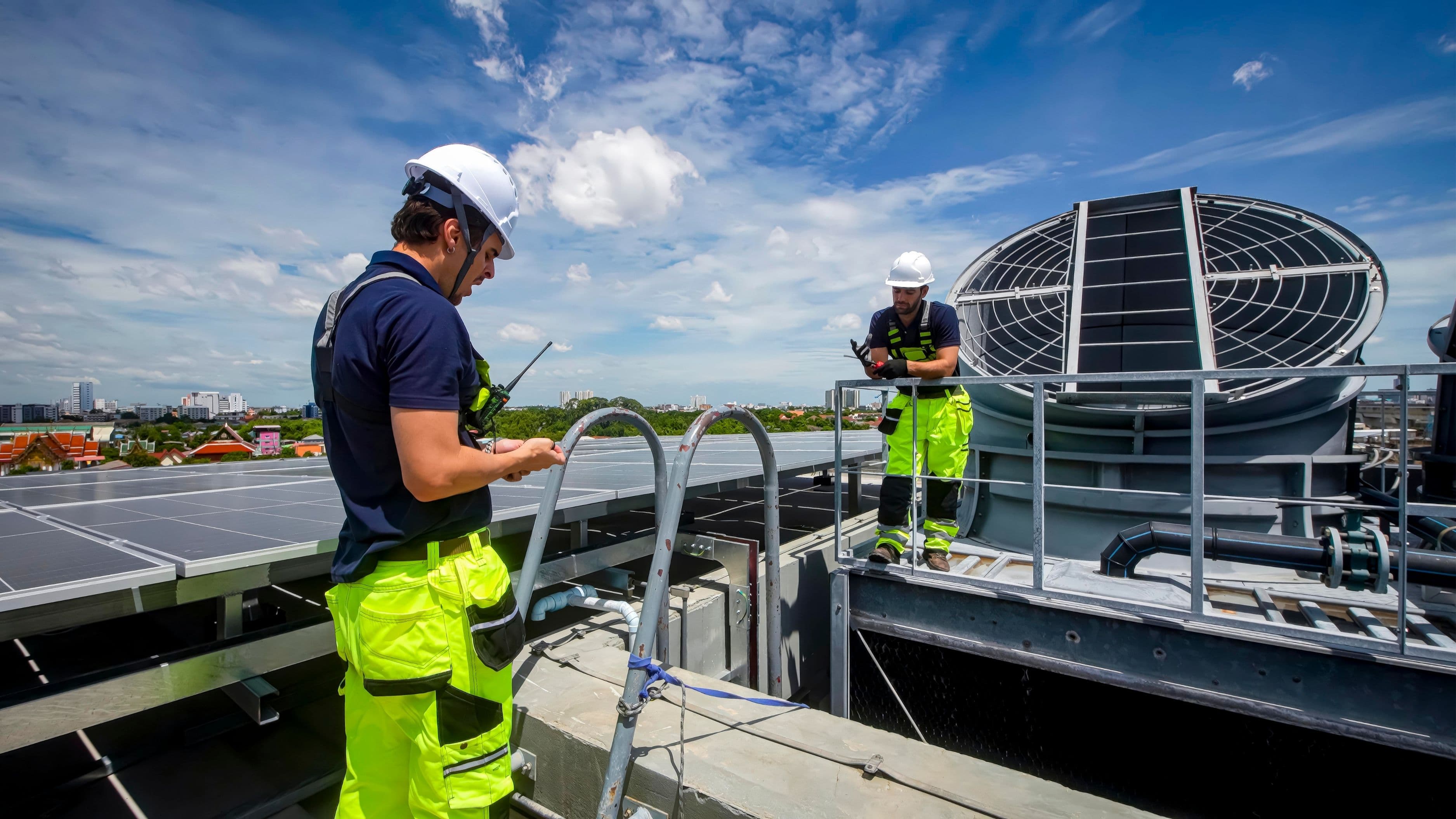
Solar panels are electrical equipment, and roofs are dangerous. Please take these seriously.
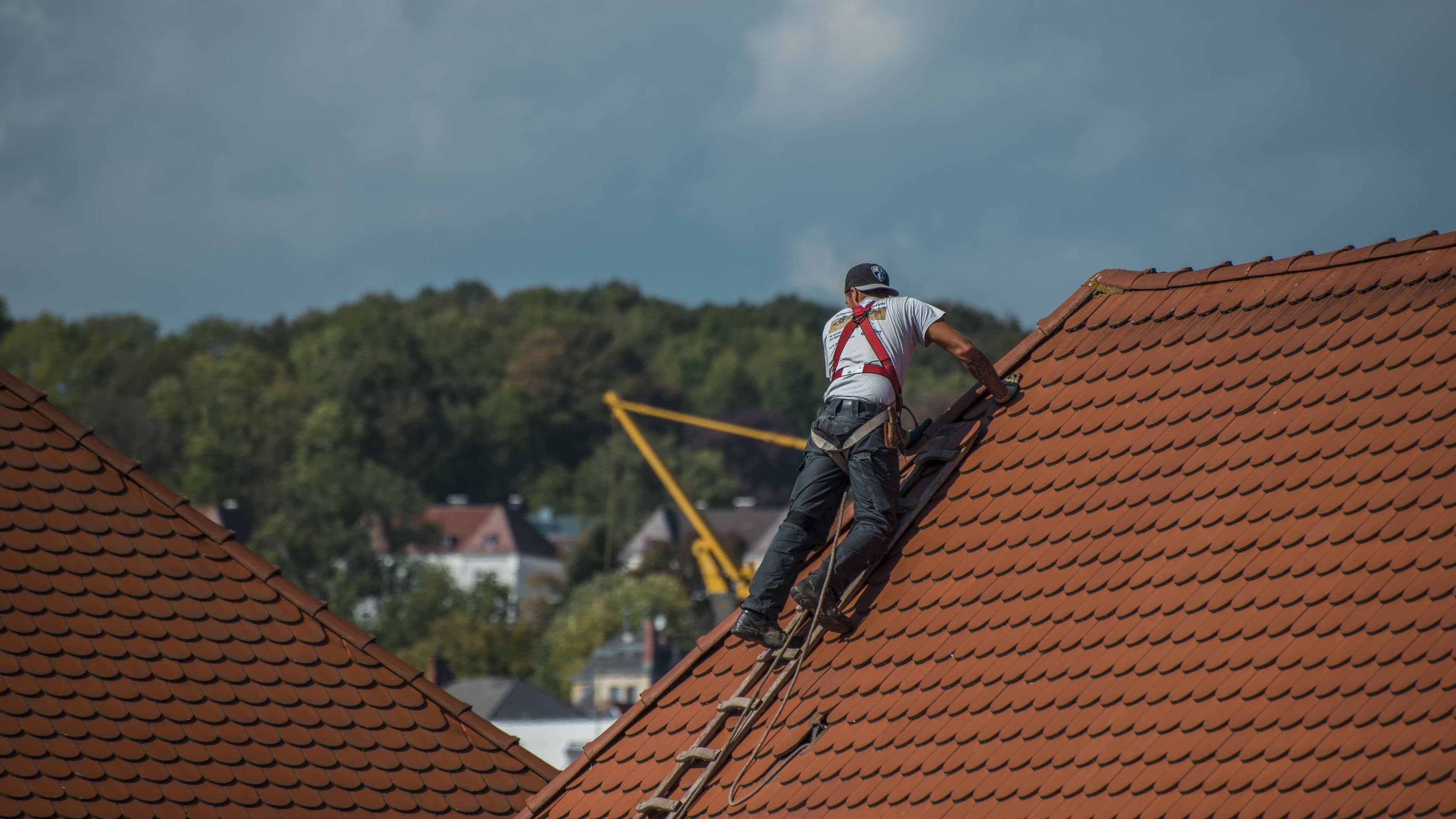
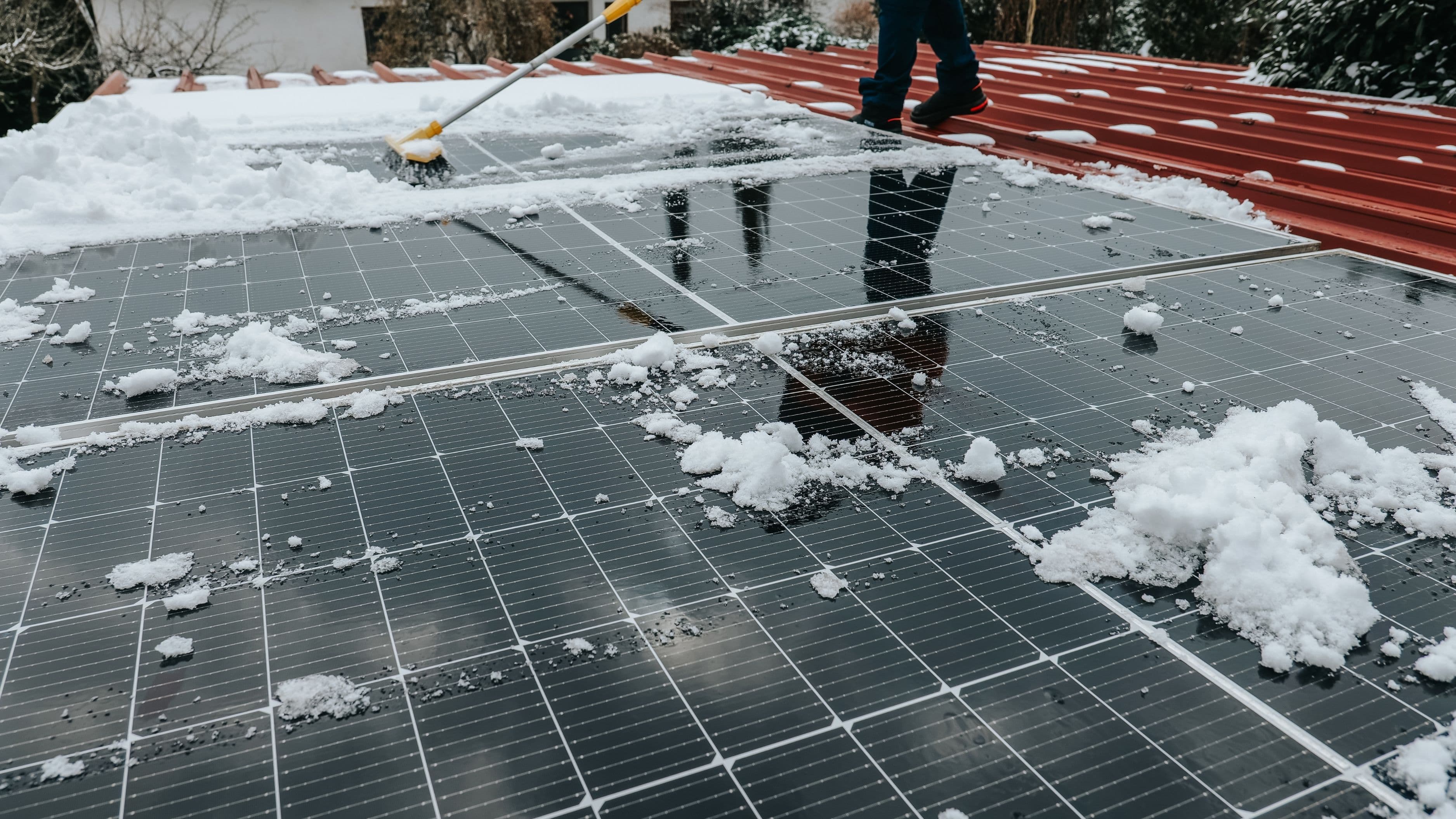
Stay on the ground whenever possible. Use extension poles rather than climbing. If your panels are only reachable from a steep or high roof, hire a professional cleaner.
Shut the system down if your manufacturer recommends it. Many installers and panel makers advise turning off the system before cleaning. Follow your specific system's shutdown instructions.
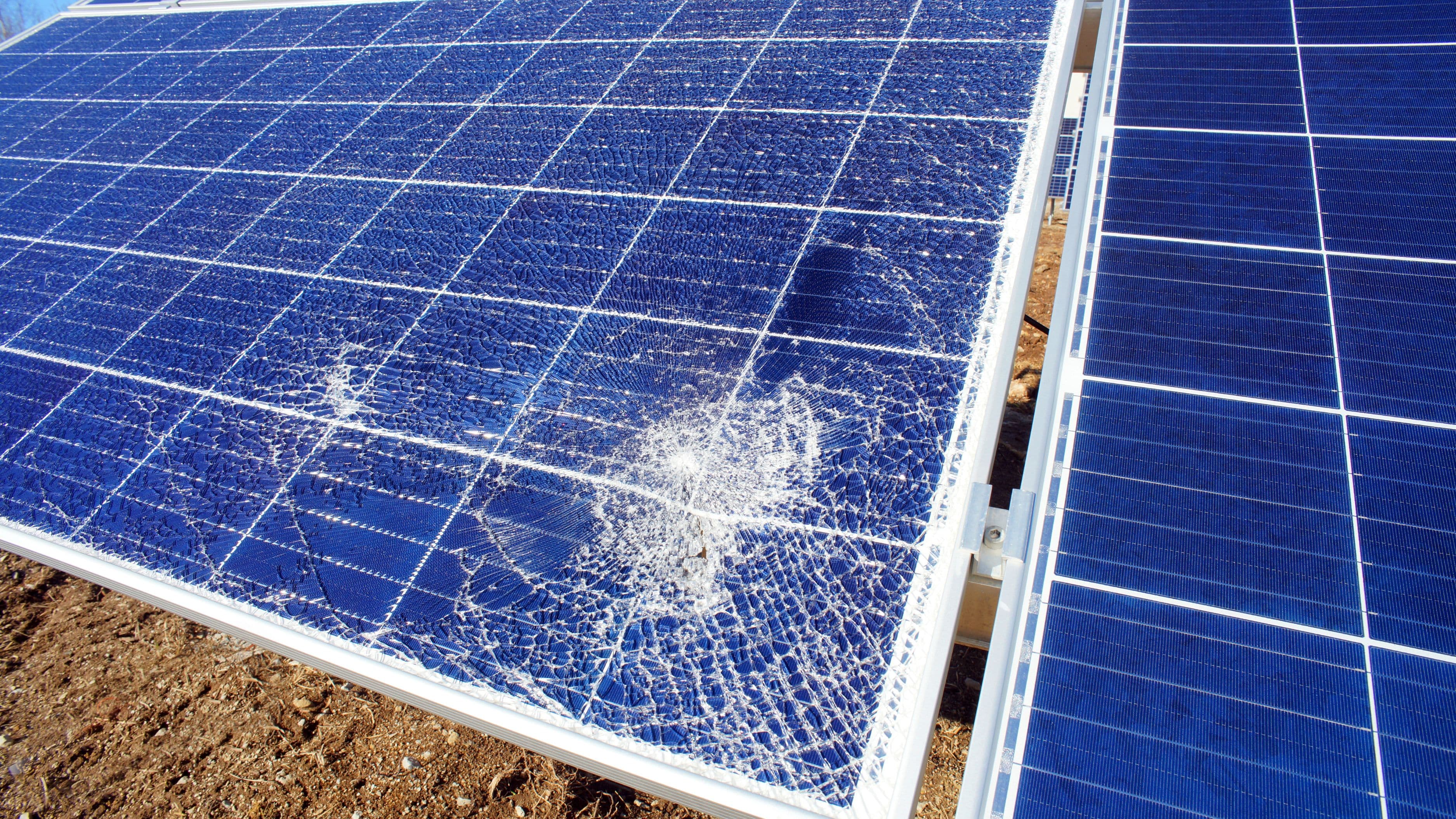
Never clean damaged panels. If you see cracked glass or exposed wiring, stop and call your installer.
Check your warranty first. Some manufacturers specify approved cleaning methods, and using harsh chemicals or high pressure may void coverage.
Step-by-Step: Cleaning Without Streaks
Step 1: Pick the right time of day
Clean early in the morning, late in the afternoon, or on an overcast day. Hot panels in direct sun evaporate water almost instantly, which leaves mineral spots before you can wipe them away. Cool glass also protects you from sudden temperature changes that can stress the panel surface.
Step 2: Dry-brush loose debris
Start by gently brushing away dust, leaves, and bird droppings with your soft brush. Removing loose grit first keeps you from dragging it across the glass and causing fine scratches. For stuck-on droppings, soak them with a little distilled water for a few minutes before brushing.
Step 3: Wash with pure water
Fill your bucket with distilled or deionized water. If your panels are grimy and your manufacturer permits it, add a small amount of mild, pH-neutral soap. Work the soft brush or sponge across the glass in gentle, overlapping strokes.
This is where hard-water areas get the biggest win. Because distilled and deionized water contain almost no dissolved minerals, there's nothing left behind to form spots when it dries.
Step 4: Rinse with pure water, not the hose
If you used soap, rinse with more distilled or deionized water. Rinsing with hard tap water at this stage undoes all your work, since the final water that touches the panel is what determines whether it streaks.
Step 5: Squeegee or let it air-dry
With pure water, you can often just let the panels air-dry spot-free. If you want extra insurance, pull a rubber squeegee down the glass in smooth, slightly overlapping passes, wiping the blade on a clean cloth between strokes.
Tips for Better Results
Consider a pure-water system for larger arrays
Hauling jugs of distilled water gets old fast if you have a big array. A water-fed pole with an inline deionization filter connects to your garden hose and strips out minerals as you clean. It's the same method many professional window and solar cleaners use, and it lets you clean from the ground with no final wipe-down needed.
Tackling existing mineral buildup
If your panels already have a mineral film, repeated gentle washes with pure water may lift light deposits. For stubborn buildup, check your manufacturer's guidance before using anything stronger. Some cleaners use a heavily diluted vinegar solution on light scale, but acids aren't approved by every manufacturer, so confirm first. When in doubt, a professional solar cleaning service is the safest option.
How often to clean
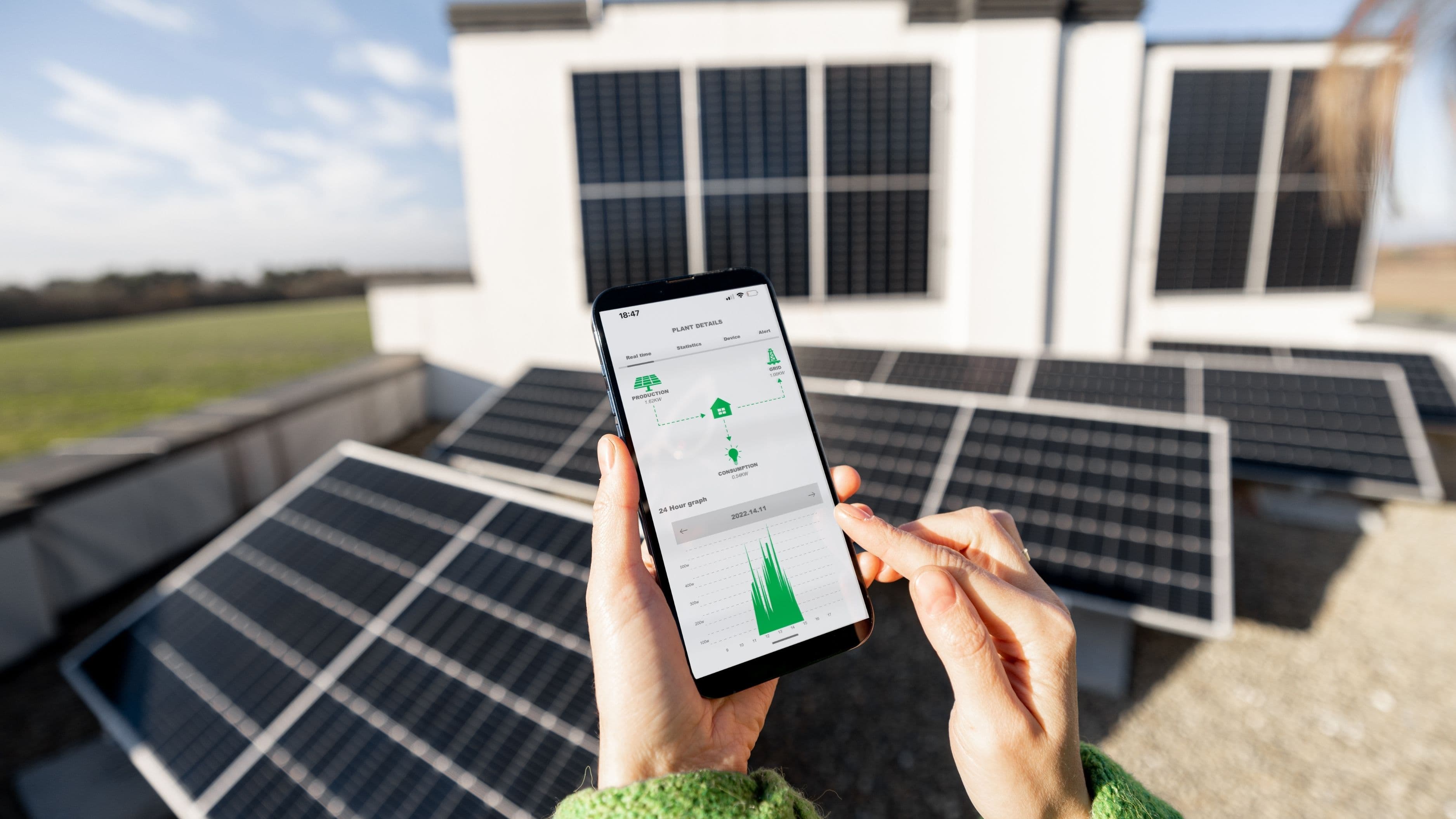
Many homes only need cleaning once or twice a year, and rain handles a lot of the work in some regions. Dusty, dry, or agricultural areas, and homes near busy roads, may need it more often. Watching your production numbers in your monitoring app is the best guide, since a noticeable drop on sunny days can signal it's time.
Common Mistakes to Avoid
Using a pressure washer. High pressure can damage panel seals and frames and may void your warranty.
Rinsing with hard tap water. This is the number one cause of streaks in hard-water areas.
Cleaning in full midday sun. Water evaporates too fast and leaves spots behind.
Scrubbing with abrasive tools. Steel wool, stiff brushes, and scouring pads can scratch the glass and its anti-reflective coating.
Using harsh chemicals. Bleach, ammonia-heavy cleaners, and solvents can damage coatings and seals.
Walking on panels. Stepping on them can cause micro-cracks you won't see but that can reduce performance.
When to Call a Professional
Hire a professional if your panels are on a steep or second-story roof, if you're uncomfortable using a ladder, if there's heavy mineral buildup that gentle washing won't lift, or if you notice any damage. Professional cleaning typically costs somewhere around $100 to $300 per visit depending on system size and location. It's a reasonable trade for staying off the roof.
FAQ
Can I clean solar panels with tap water?
You can, but in hard-water areas, tap water often leaves mineral spots and streaks as it dries. Distilled or deionized water gives a much cleaner finish.
Is vinegar safe for solar panels?
Some people use heavily diluted vinegar for light mineral deposits, but not all manufacturers approve acidic cleaners. Check your panel's cleaning guidelines before using it.
Does cleaning solar panels really improve output?
It can, especially in dusty areas or after long dry spells. The improvement varies, so compare your production data before and after cleaning to see what difference it makes for your system.
How do I know my water is hard?
Signs include white scale on faucets and showerheads and spotty dishes. Your local water utility often publishes hardness data, or you can buy an inexpensive test strip kit.
Wrapping Up
Streaky solar panels in hard-water areas come down to one thing: the minerals in your final rinse. Switch to distilled or deionized water, clean when the panels are cool, skip the pressure washer, and stay on the ground whenever you can. Do that once or twice a year and your panels will look clean and keep doing their job without the chalky film.
📚 Sources
U.S. Geological Survey – "Hardness of Water": https://www.usgs.gov/special-topics/water-science-school/science/hardness-water
U.S. Department of Energy – "Solar Panel Maintenance": https://www.energy.gov/energysaver/articles/solar-panel-maintenance
National Renewable Energy Laboratory – "Best Practices for Operation and Maintenance of Photovoltaic and Energy Storage Systems": https://www.nrel.gov/docs/fy19osti/73822.pdf
OSHA – Fall Protection: https://www.osha.gov/fall-protection