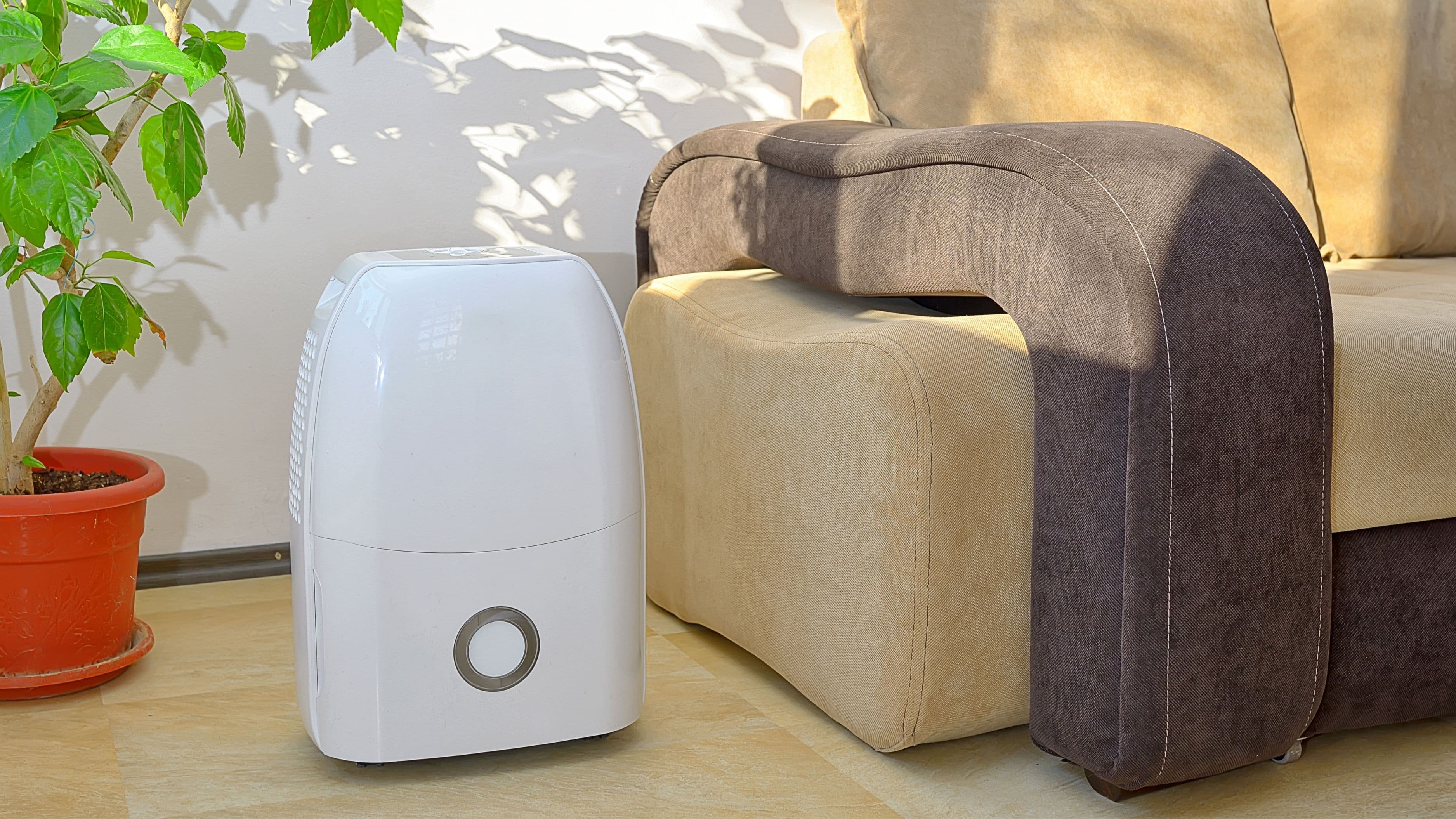

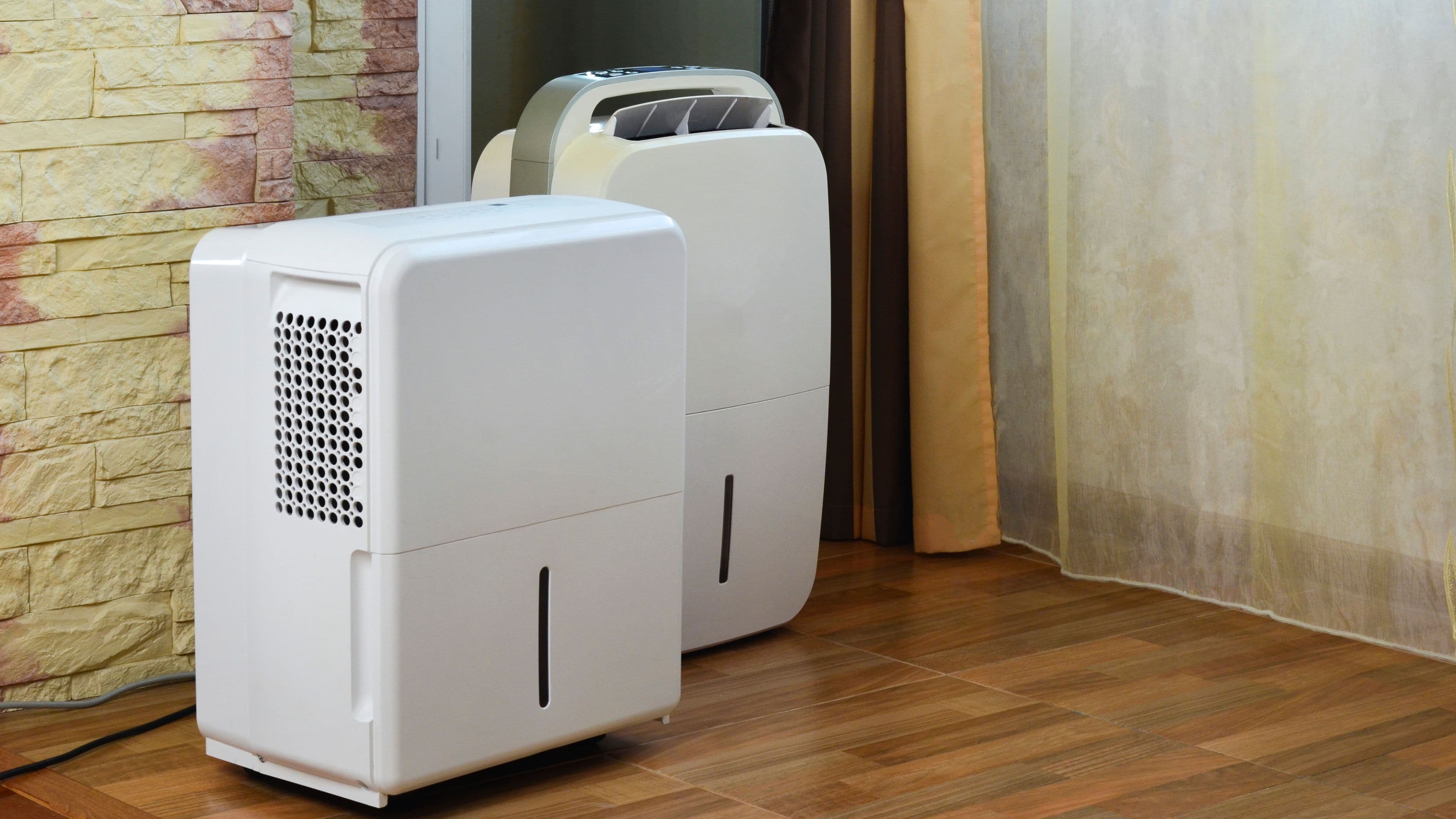
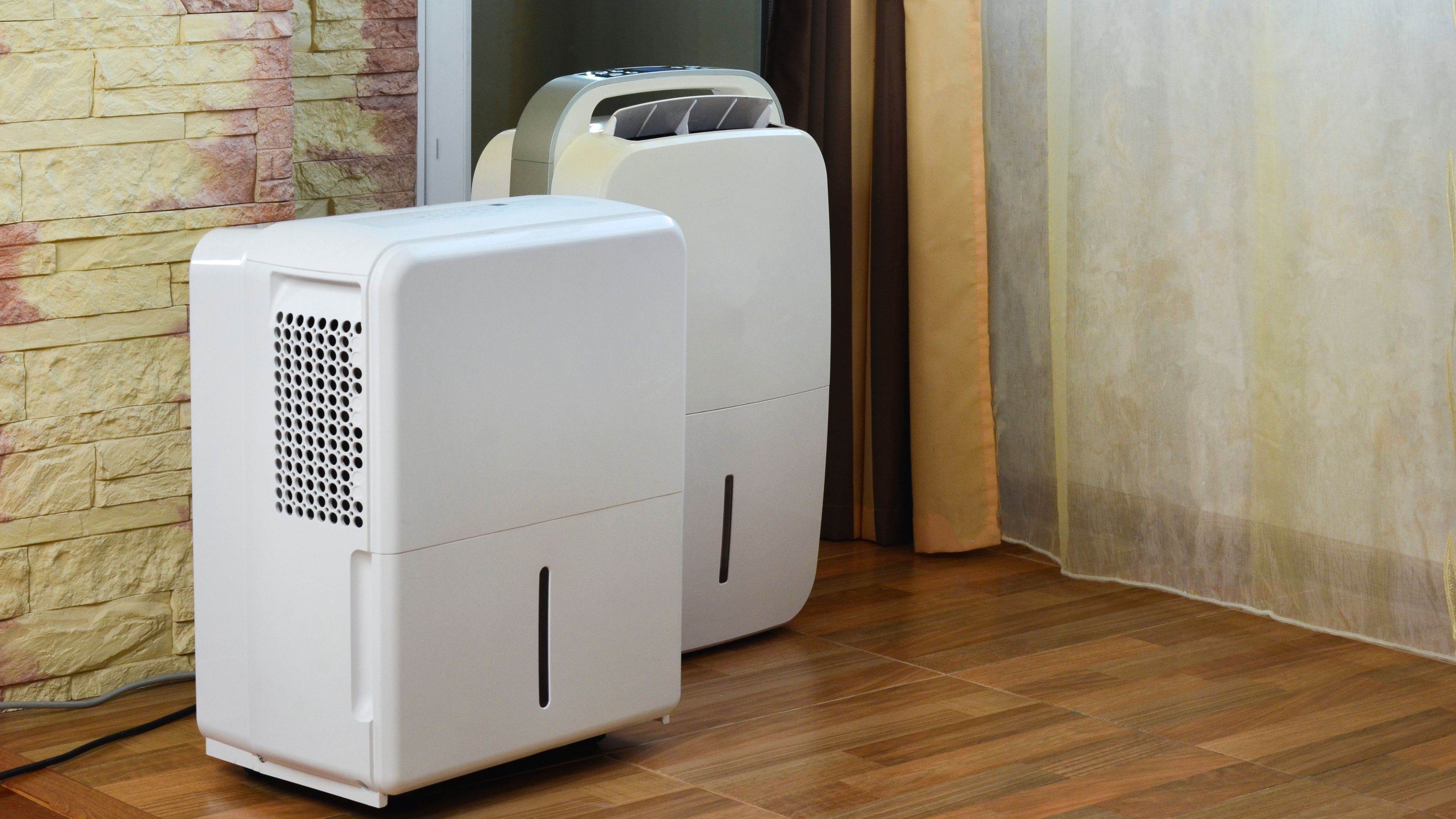
Here's exactly how often to clean your filter, how to tell if it needs attention sooner, and what happens if you let it go too long.
Why Filter Maintenance Matters More Than People Expect
Your dehumidifier pulls air across a coil to condense and remove moisture, and the filter's job is to catch dust and debris before that air reaches the coil. When the filter gets clogged, airflow drops, forcing the unit to work harder to pull the same amount of moisture from the air, which means higher energy use, more wear on the internal components, and often disappointing results even though the unit is running non-stop.
Left unaddressed long enough, a severely clogged filter can lead to ice forming on the coil or, in more serious cases, contribute to premature compressor failure, turning a simple cleaning task into a costly repair or full replacement.
Recommended Cleaning Schedule
For most whole-house dehumidifiers, plan to check and clean the filter every 30 days during periods of heavy use, typically the humid summer months, and roughly every 60 days during lower-demand seasons like fall and winter. This general guideline works well for average households, though your specific schedule may need adjusting based on a few factors.
Homes with pets, higher indoor dust levels, or ongoing construction or renovation work nearby should check filters more frequently, potentially every two to three weeks during heavy-use periods, since these factors accelerate how quickly a filter accumulates debris.
How to Tell If Your Filter Needs Attention Sooner
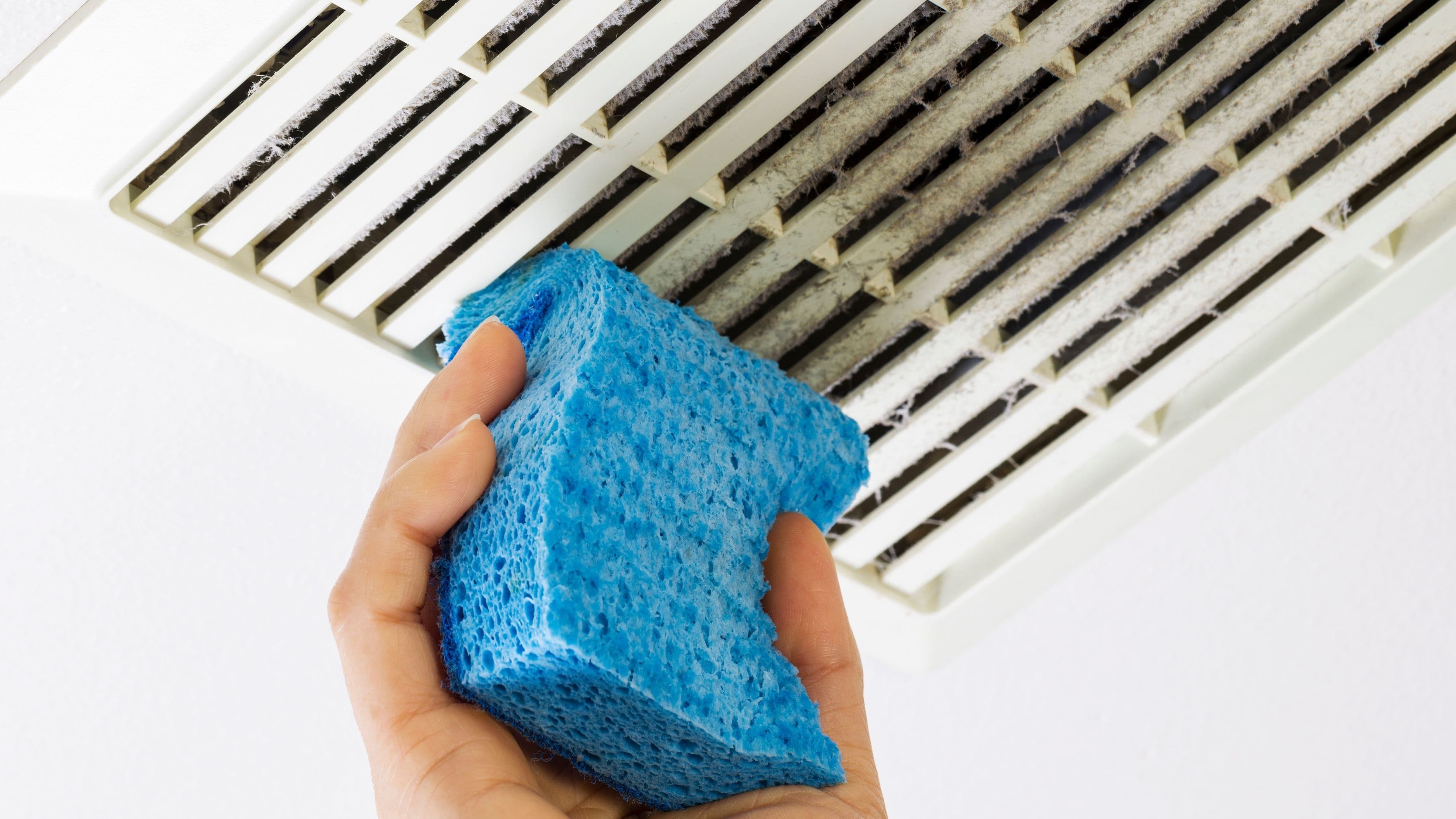
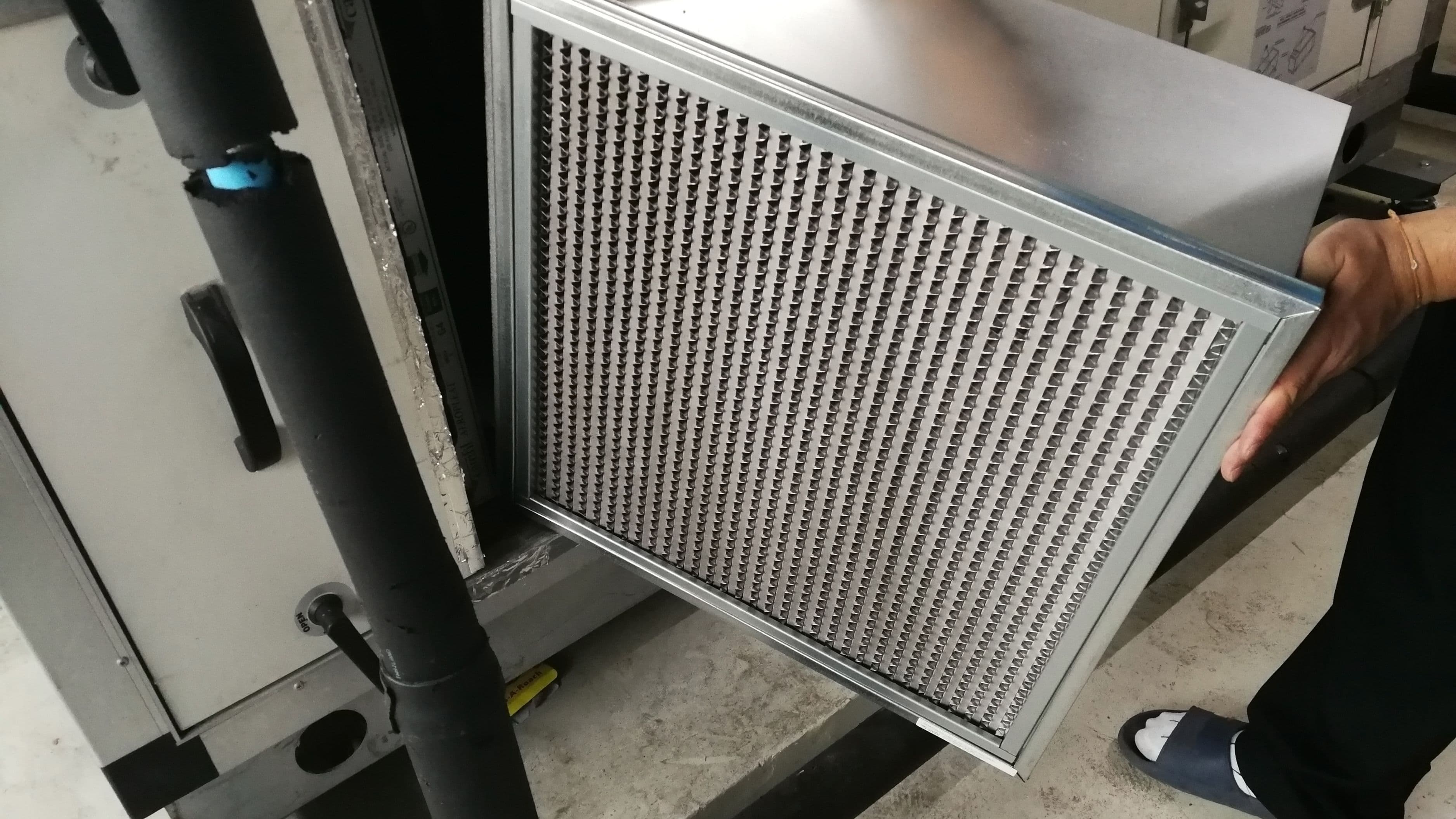
Beyond a fixed schedule, watch for a few practical signs that your filter needs cleaning regardless of how recently you last checked it. A visible buildup of dust or lint across the filter's surface is the most obvious sign, and if you can't easily see through a section of the filter when held up to light, it's overdue for cleaning.
A noticeable drop in how effectively the unit is managing humidity, even though it seems to be running constantly, is another strong indicator, since restricted airflow directly reduces the system's moisture-removal capacity. If you notice musty smells returning despite the unit running regularly, check the filter before assuming there's a bigger mechanical issue.
How to Clean the Filter Properly
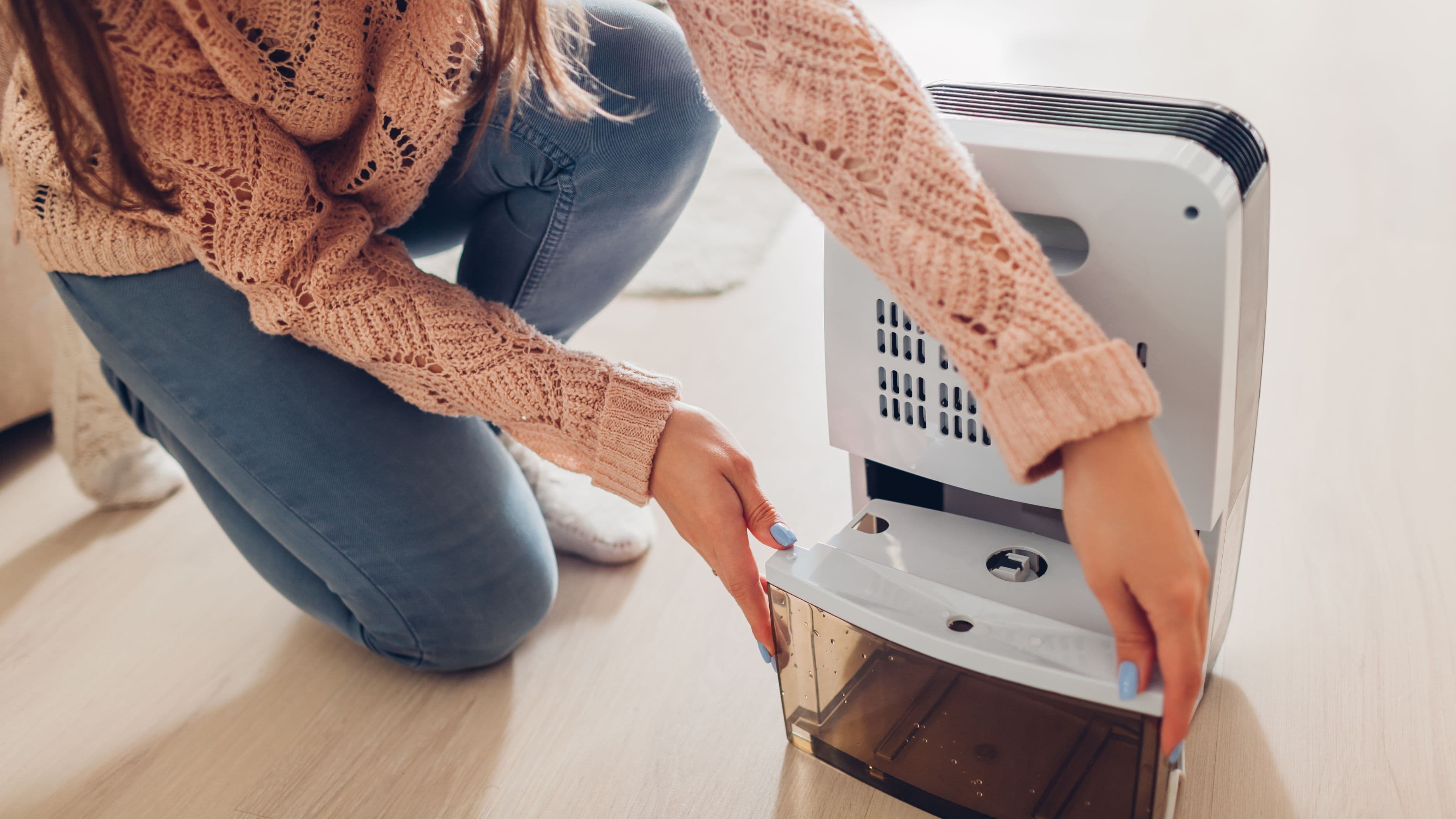
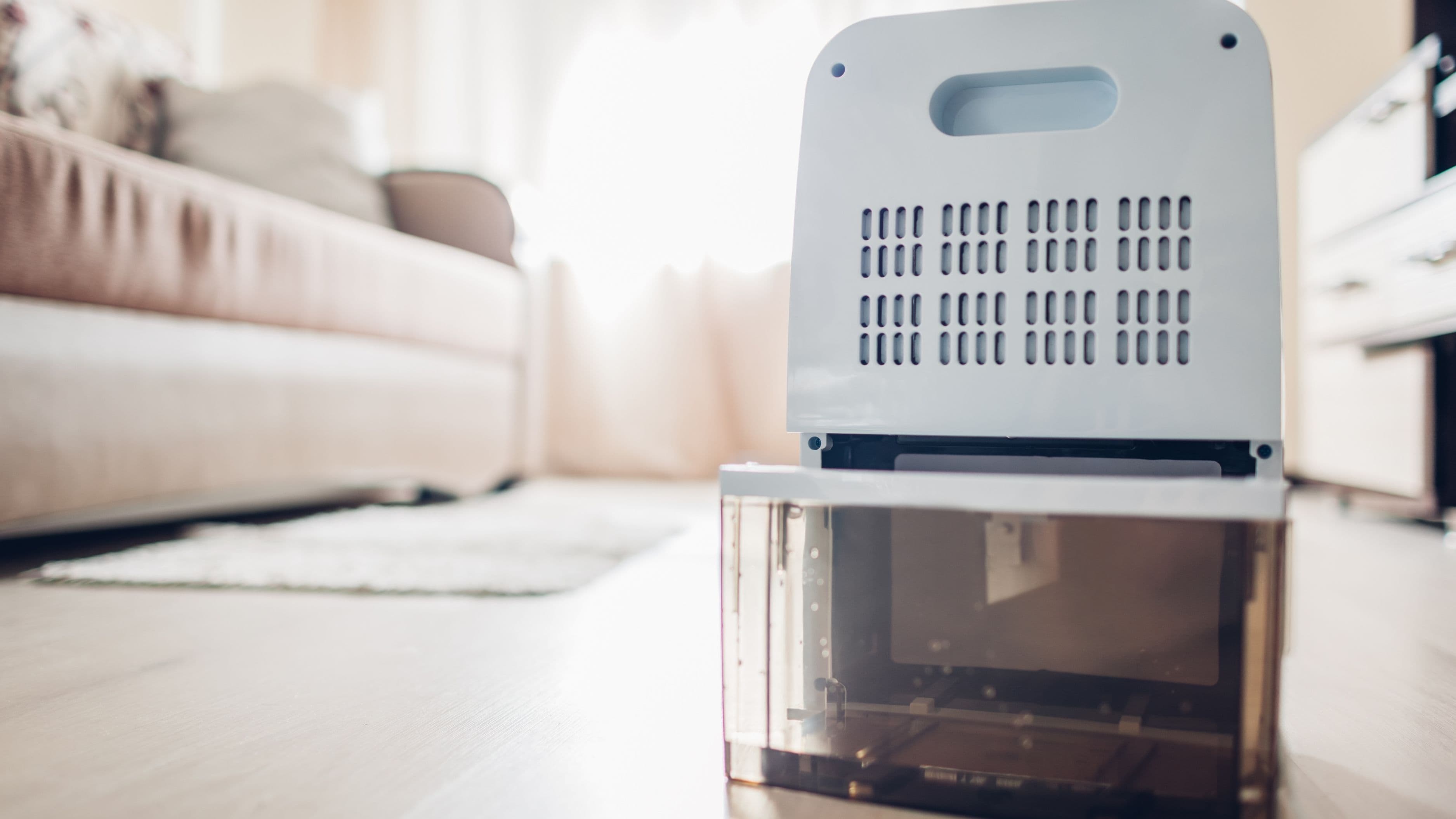
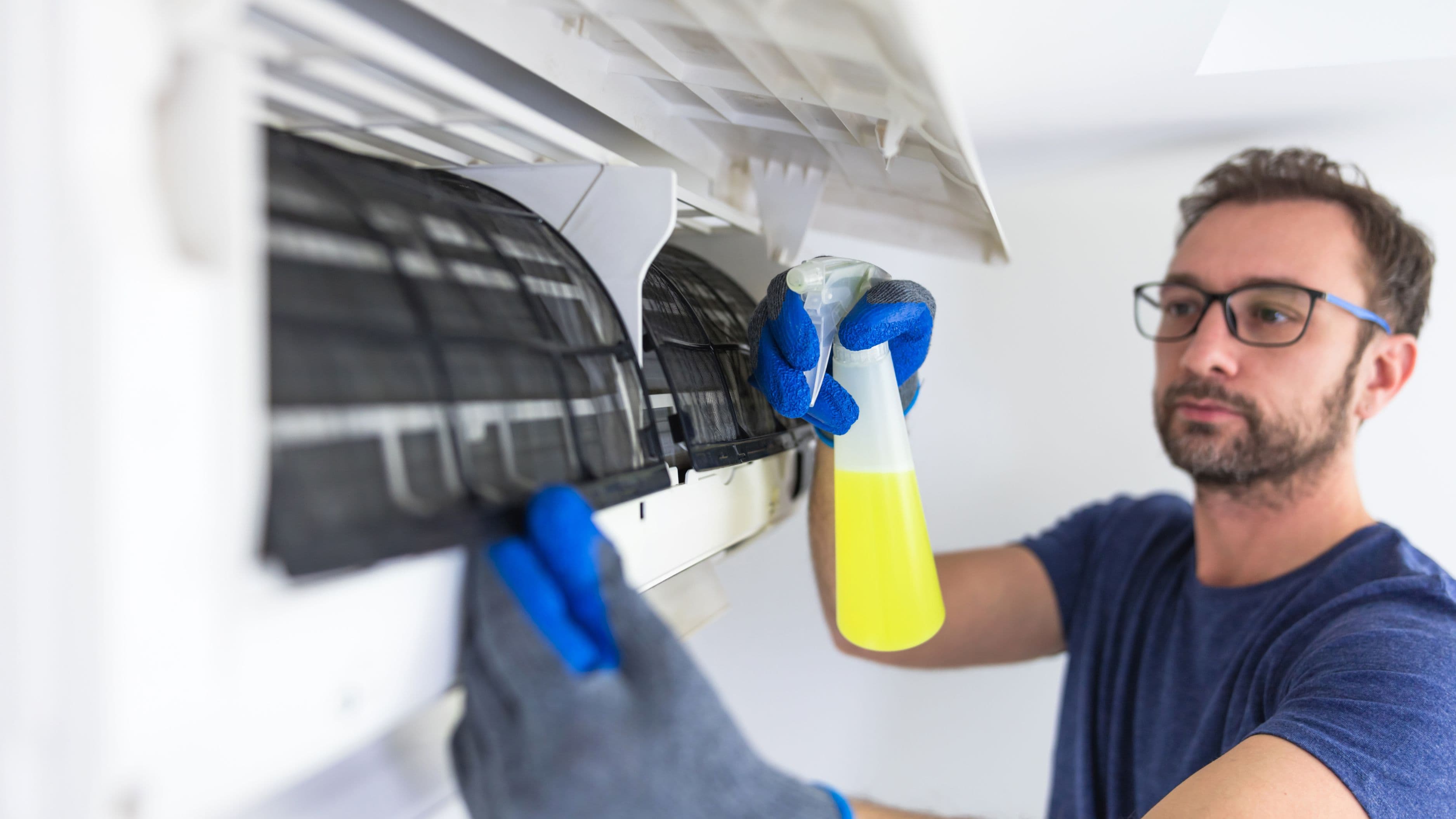
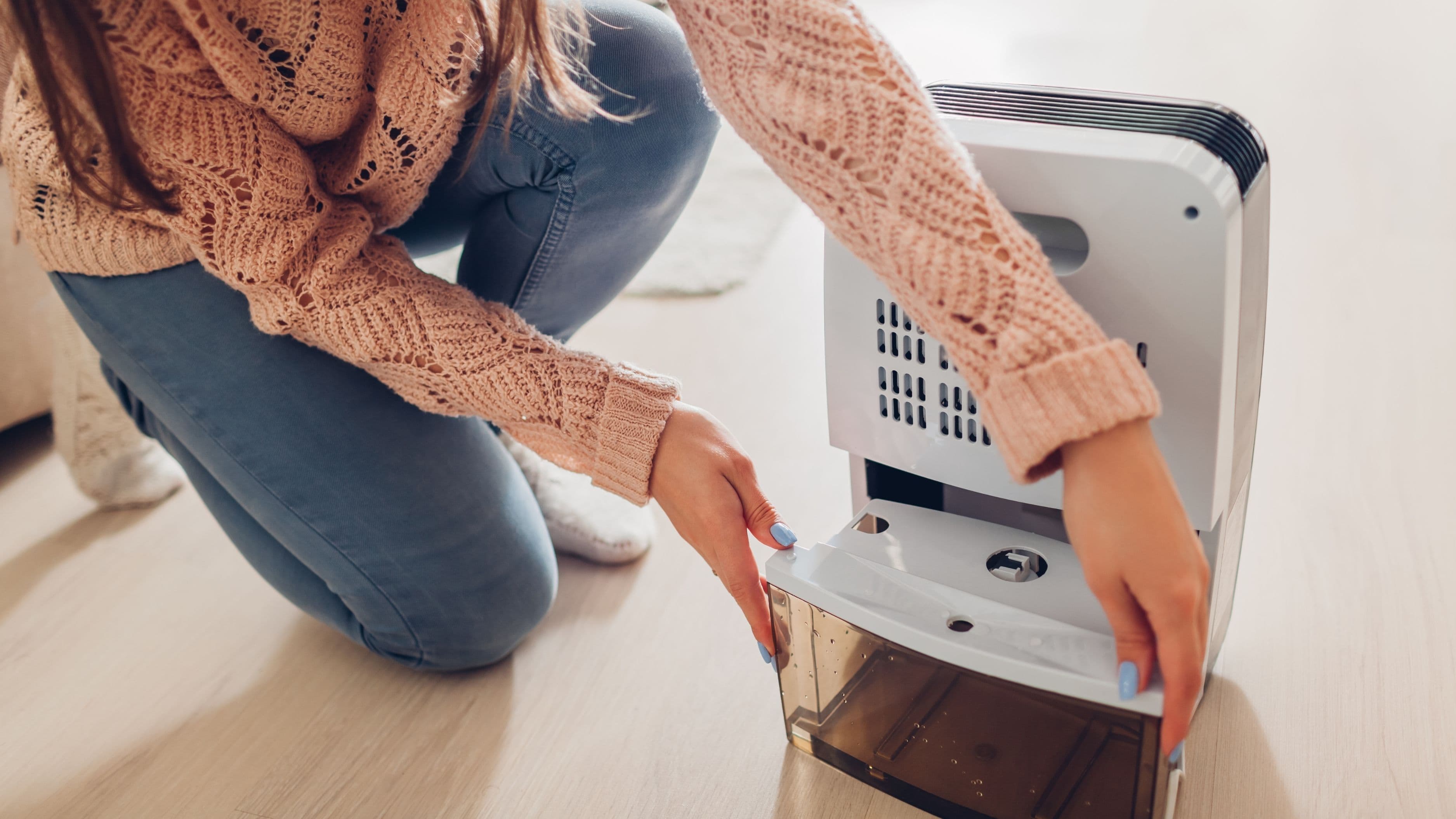
Start by turning off the unit and locating the filter access panel, which is typically found on the front or side of the unit depending on your specific model. Most whole-house dehumidifier filters are washable rather than disposable, so check your unit's manual to confirm before attempting to wash a filter designed for one-time use.
For washable filters, rinse gently with lukewarm water and a mild detergent if needed, avoiding hot water or harsh chemicals that can damage the filter material. Let the filter air dry completely before reinstalling it, since reinserting a damp filter can encourage mold growth inside the unit rather than solving the humidity problem you're trying to fix.
What to Avoid
Avoid using a vacuum with strong suction directly on the filter material, since this can tear or warp certain filter types, particularly the pleated varieties common in whole-house systems. A gentle rinse or a soft brush works better for most filter materials without risking damage.
Don't skip the drying step to save time by reinstalling a damp filter, since trapped moisture inside the unit creates exactly the kind of environment that encourages mold and mildew growth, working directly against the purpose of the dehumidifier itself.
Avoid ignoring manufacturer-specific guidance in favor of a generic schedule, since some units have unique filter types or manufacturer recommendations that differ from general best practices, and following your specific unit's manual will always give you the most accurate maintenance schedule.
When to Call a Professional
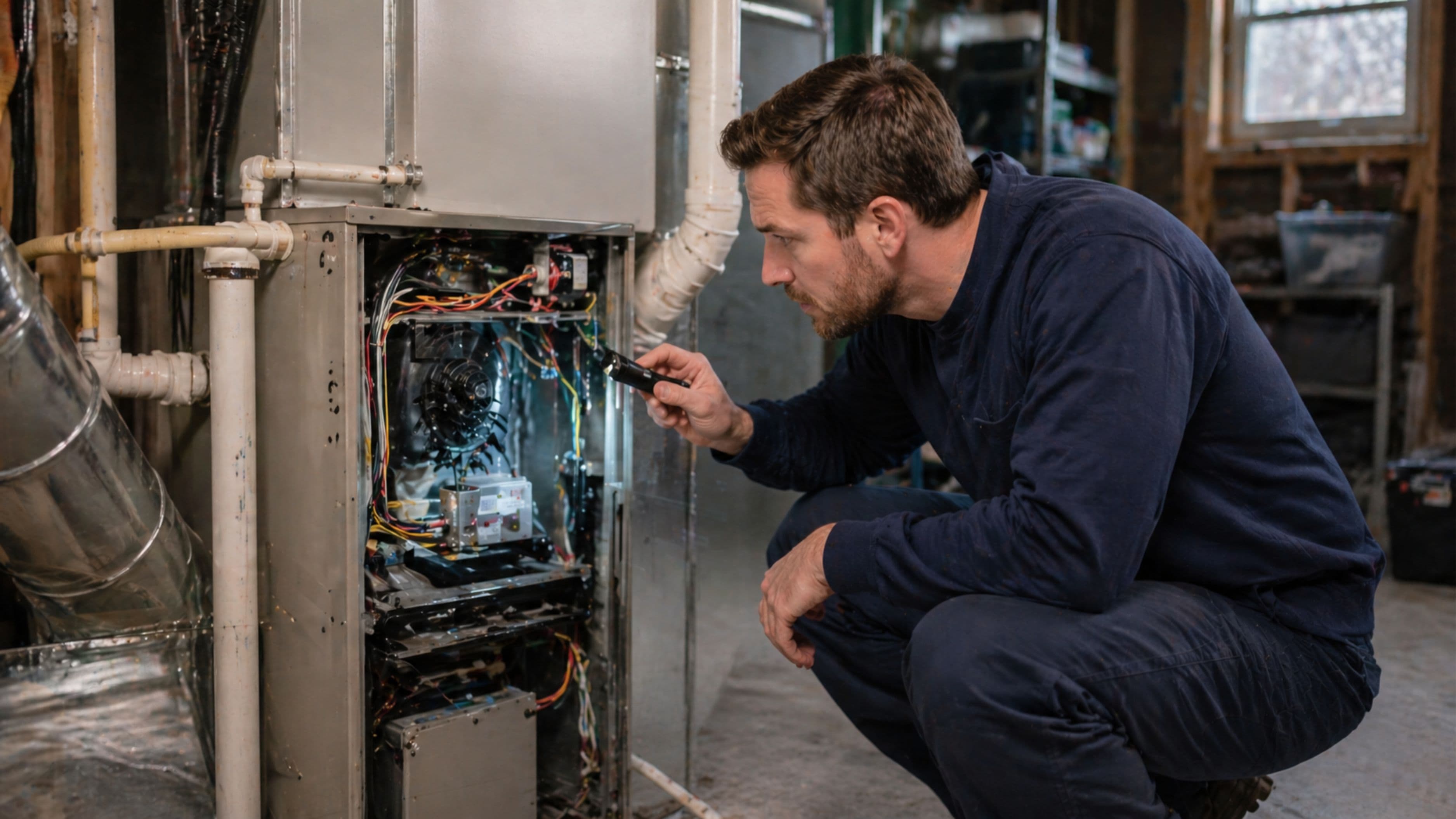
If you've cleaned the filter and the unit still isn't managing humidity effectively, or if you notice ice buildup on internal coils, unusual noises, or a persistent burning smell, these are signs of a mechanical issue beyond routine filter maintenance and worth having a licensed HVAC technician take a look. Continuing to run a unit with these symptoms risks turning a moderate repair into a full system replacement.
Realistic Expectations
Staying on top of filter cleaning is a small, recurring task, typically taking under 15 minutes once you know your unit's setup, but skipping it consistently is one of the most common reasons whole-house dehumidifiers underperform or fail earlier than their expected lifespan. Treat it the same way you would an HVAC air filter: a simple habit that meaningfully extends the life and effectiveness of a bigger investment.
Frequently Asked Questions
Can I just replace the filter instead of cleaning it? Some models use disposable filters designed for replacement rather than washing, so check your specific unit's manual, since using the wrong maintenance method for your filter type can shorten its effective lifespan.
Does filter maintenance affect my energy bill? Yes, a clogged filter forces the unit to work harder for the same result, which does increase energy use, making regular cleaning a simple way to keep operating costs in check.
How do I know if my filter is washable or disposable? Check your unit's manual or look for a manufacturer label on the filter itself, since attempting to wash a filter designed for disposal can damage its material and reduce its effectiveness.
A quick monthly check during peak humidity season, tapering to every couple of months in the off-season, is generally all it takes to keep a whole-house dehumidifier running efficiently for years. It's a small habit that pays off in lower energy costs and fewer unexpected repairs.
📚 Sources
Energy Star, HVAC and Dehumidifier Maintenance Guide – https://www.energystar.gov
Air Conditioning Contractors of America, Maintenance Standards – https://www.acca.org