Know Your Roof's Baseline
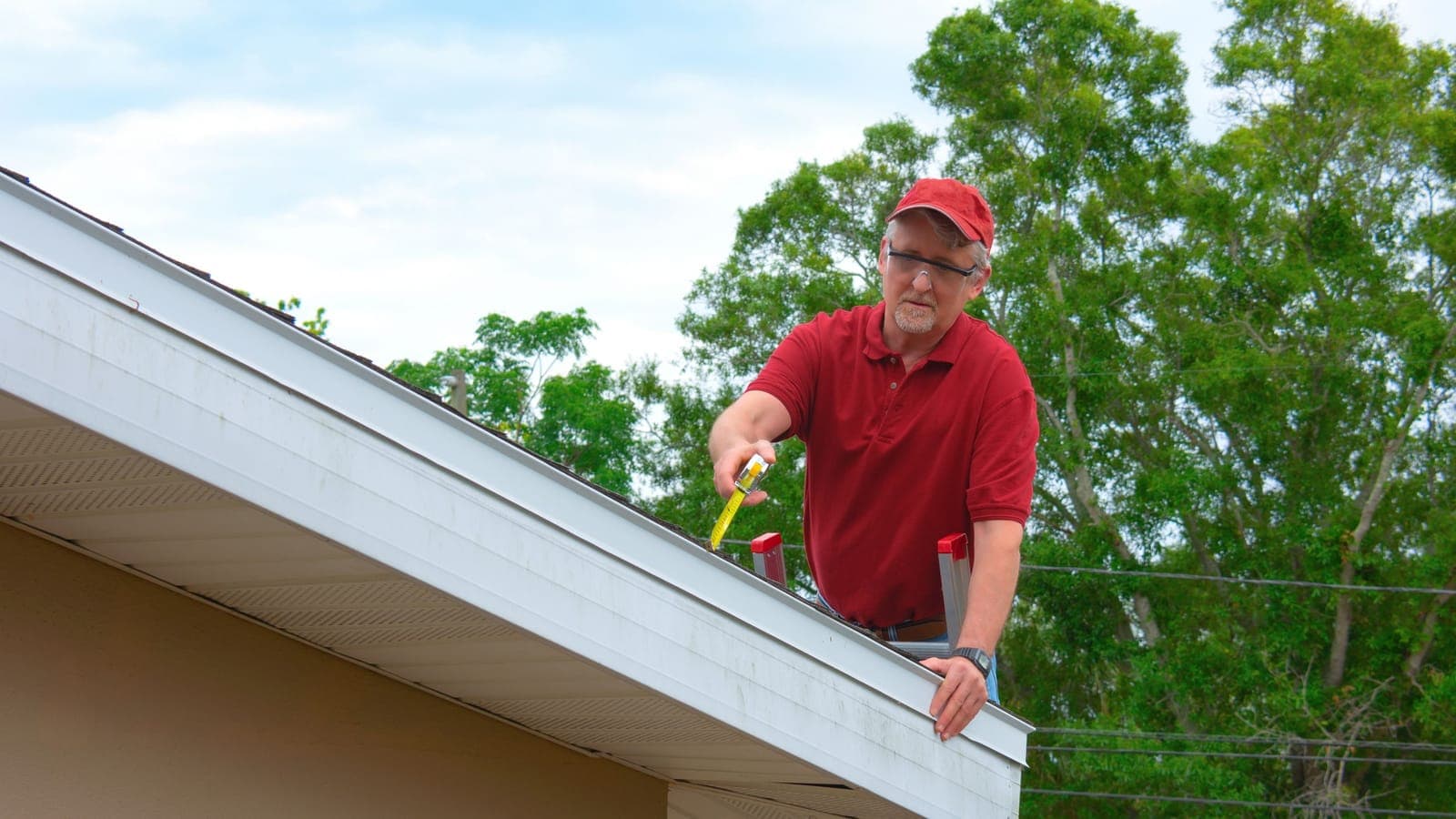
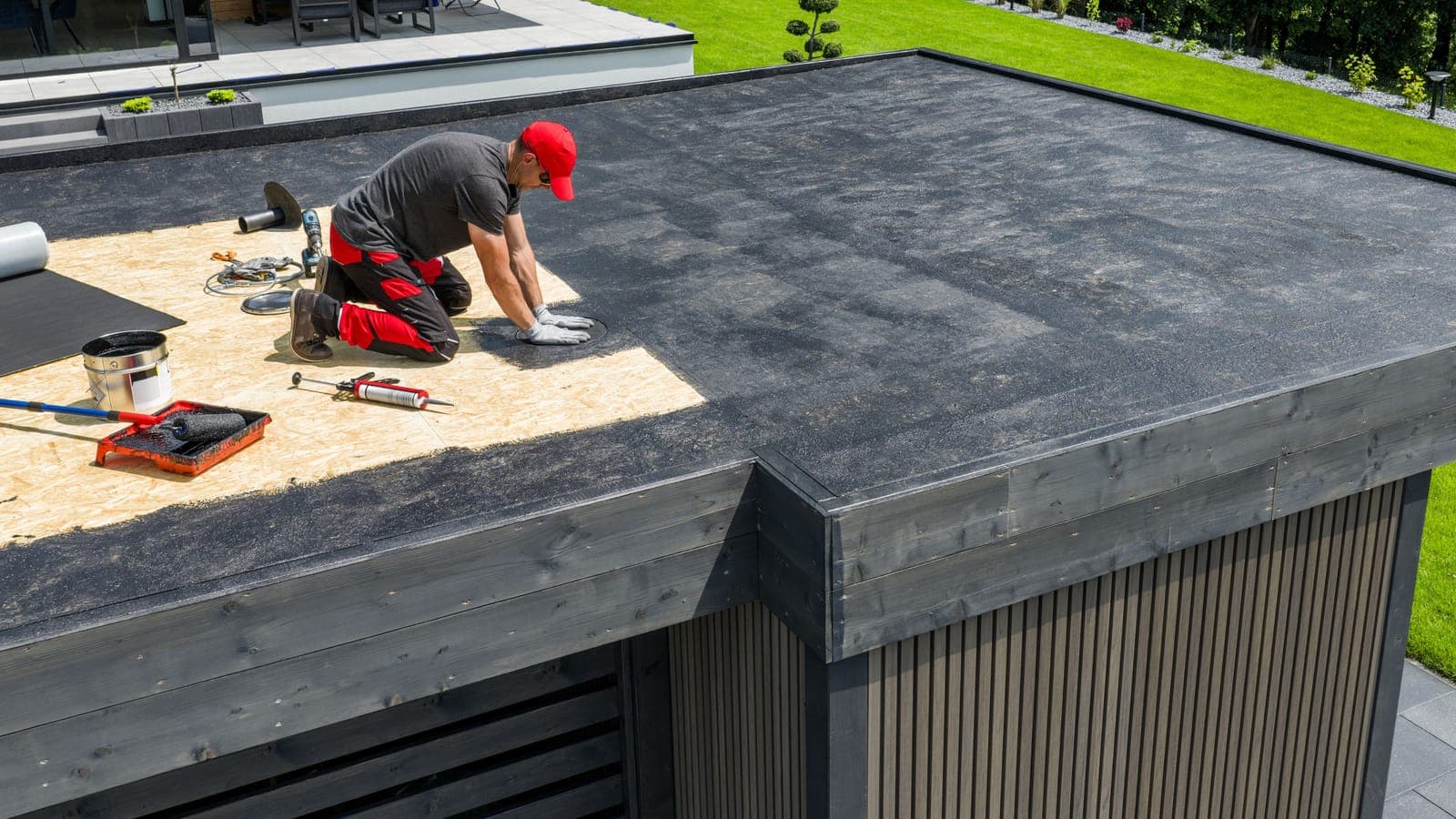
Start by gathering key information: roof type, age, square footage, installation contractor, and warranty terms. Commission a baseline inspection to document the current condition, including any wet insulation, open seams, or drainage issues. This baseline helps you track changes over time and prioritize repairs.
Build a Roof Care Calendar
Twice-Yearly Inspections
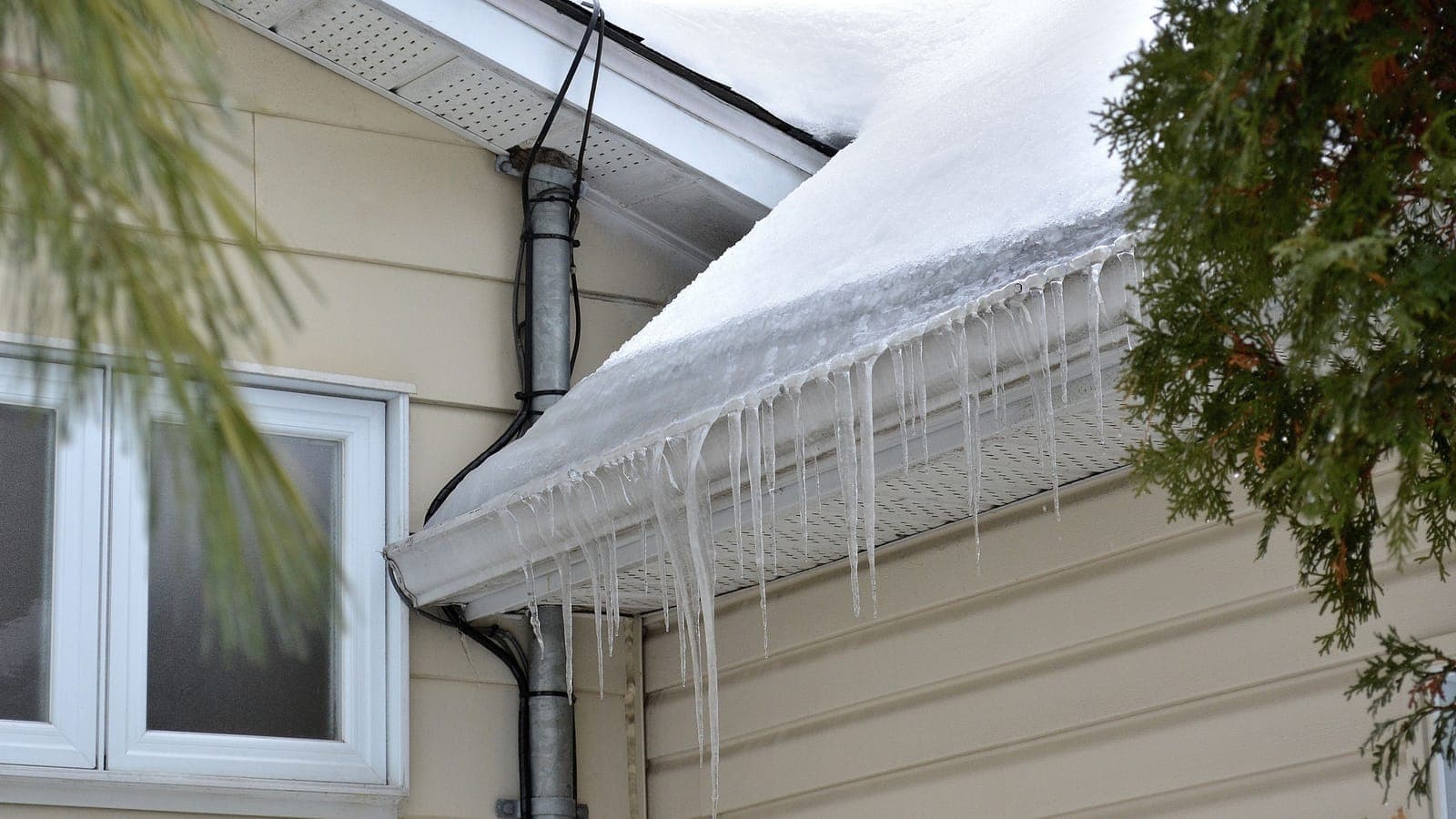
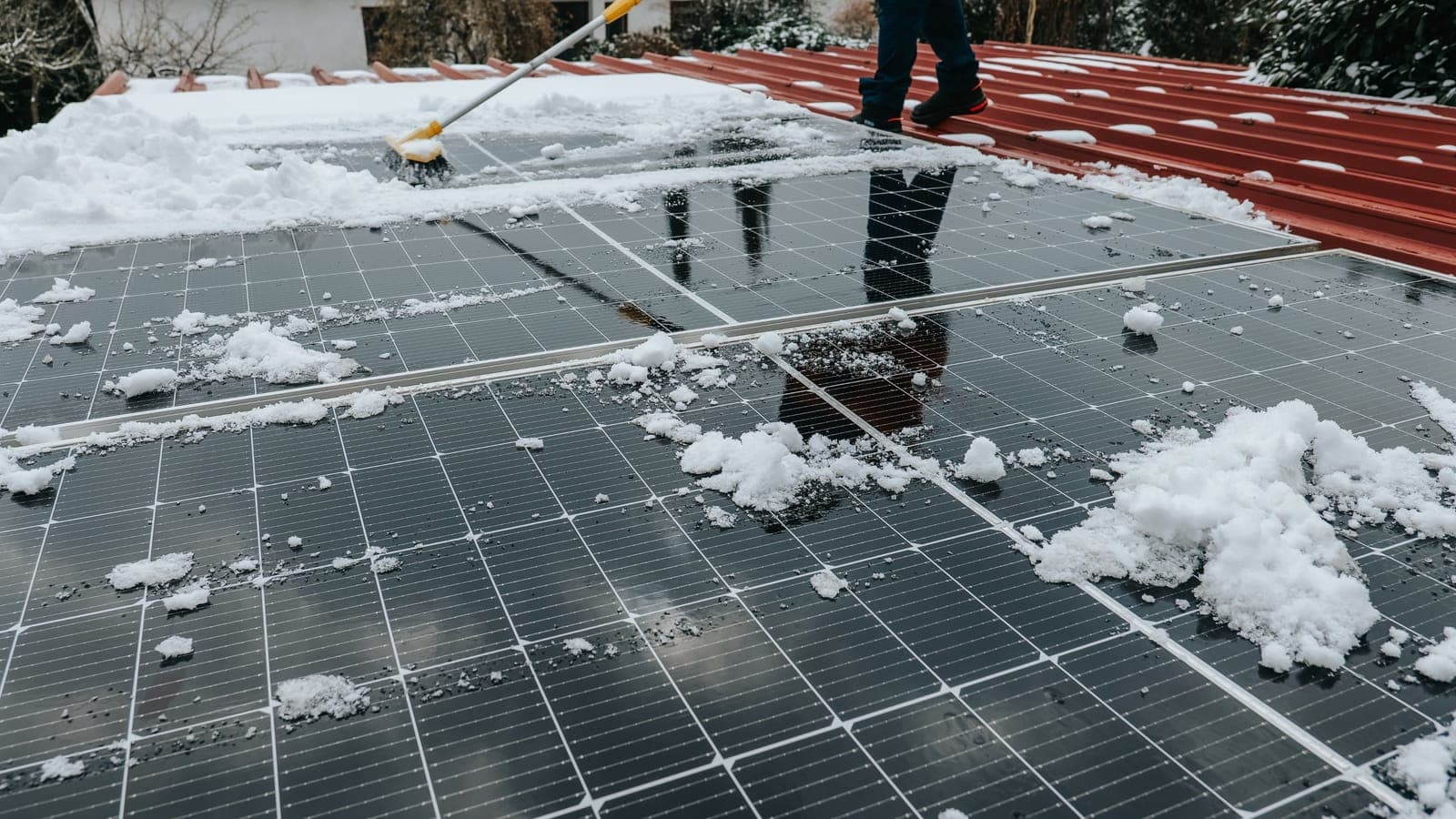
Schedule professional inspections in spring and fall. Spring inspections catch winter damage from snow and ice, while fall inspections prepare the roof for harsher weather.
Storm Checks
After hail, high winds, or heavy storms, have the roof checked quickly. Documenting damage promptly can matter for insurance claims.
Routine Housekeeping
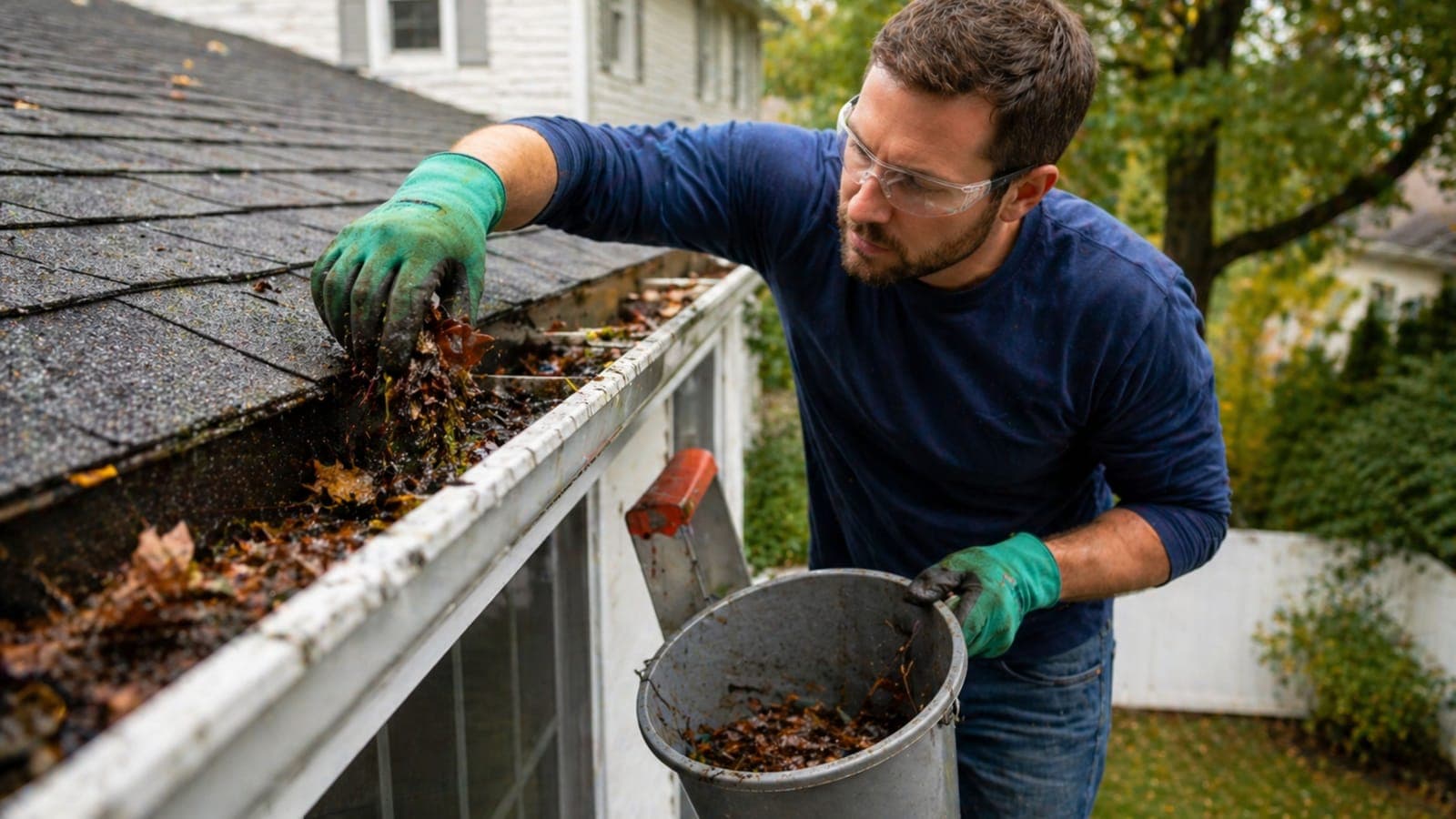
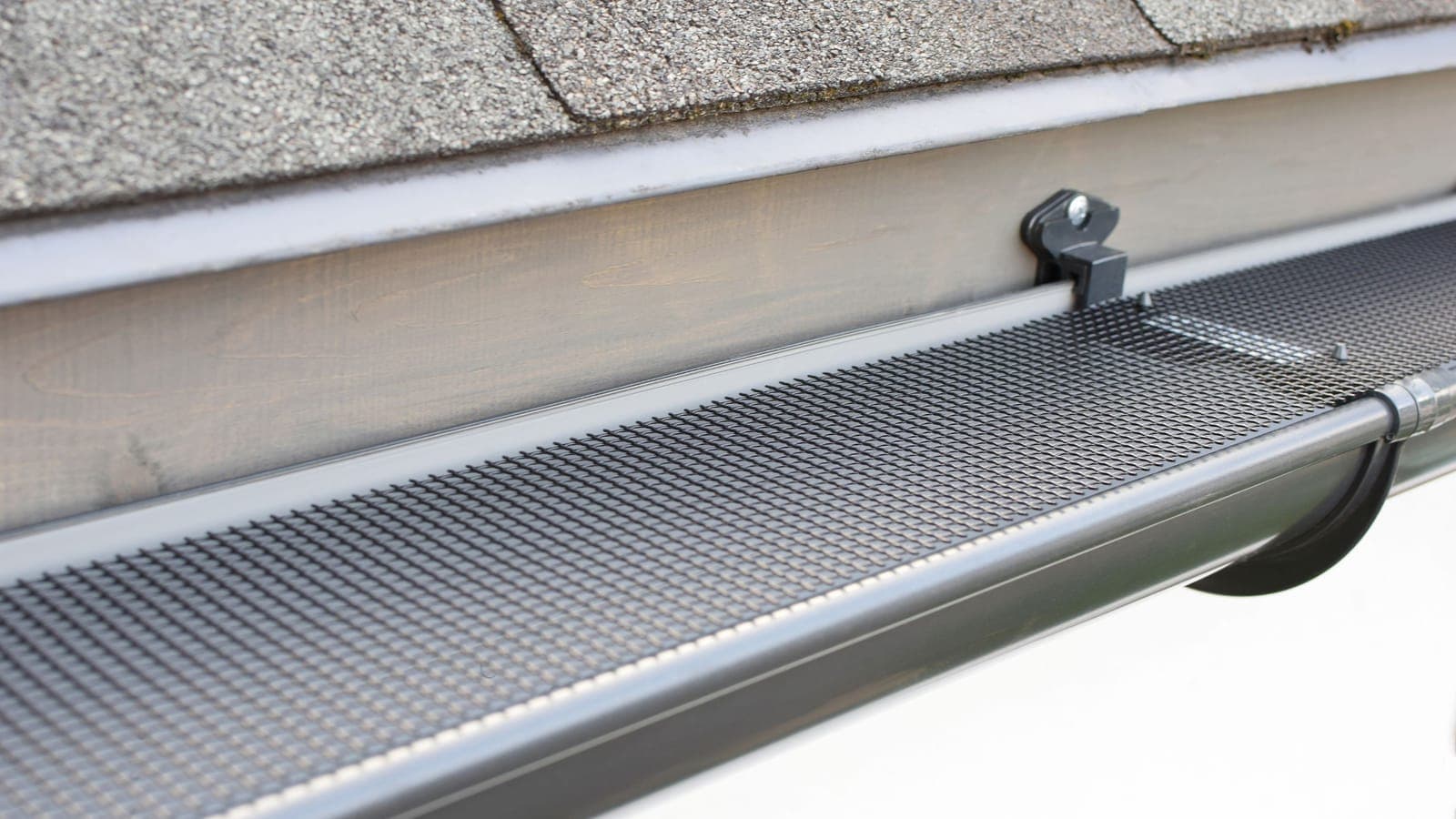
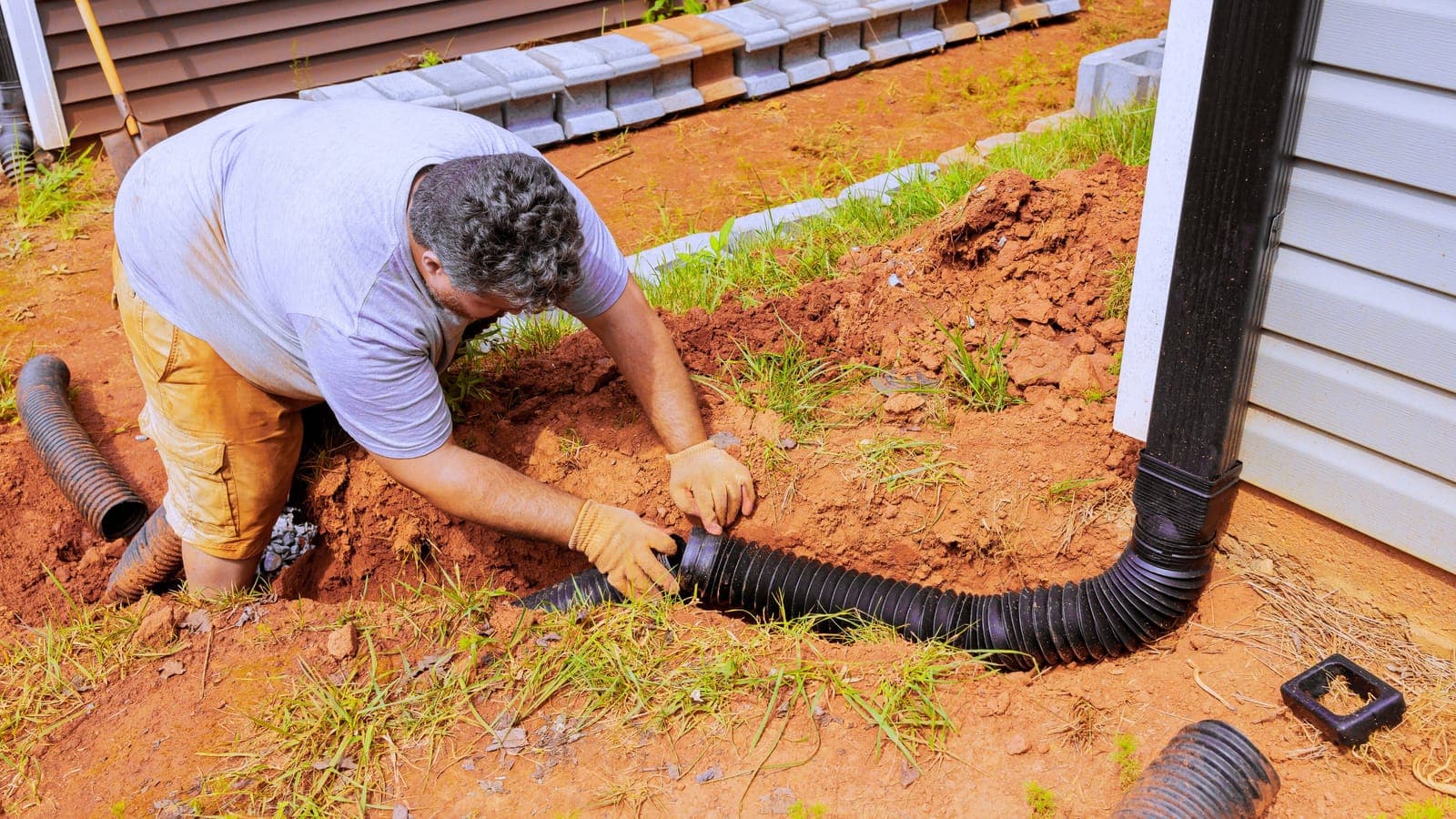
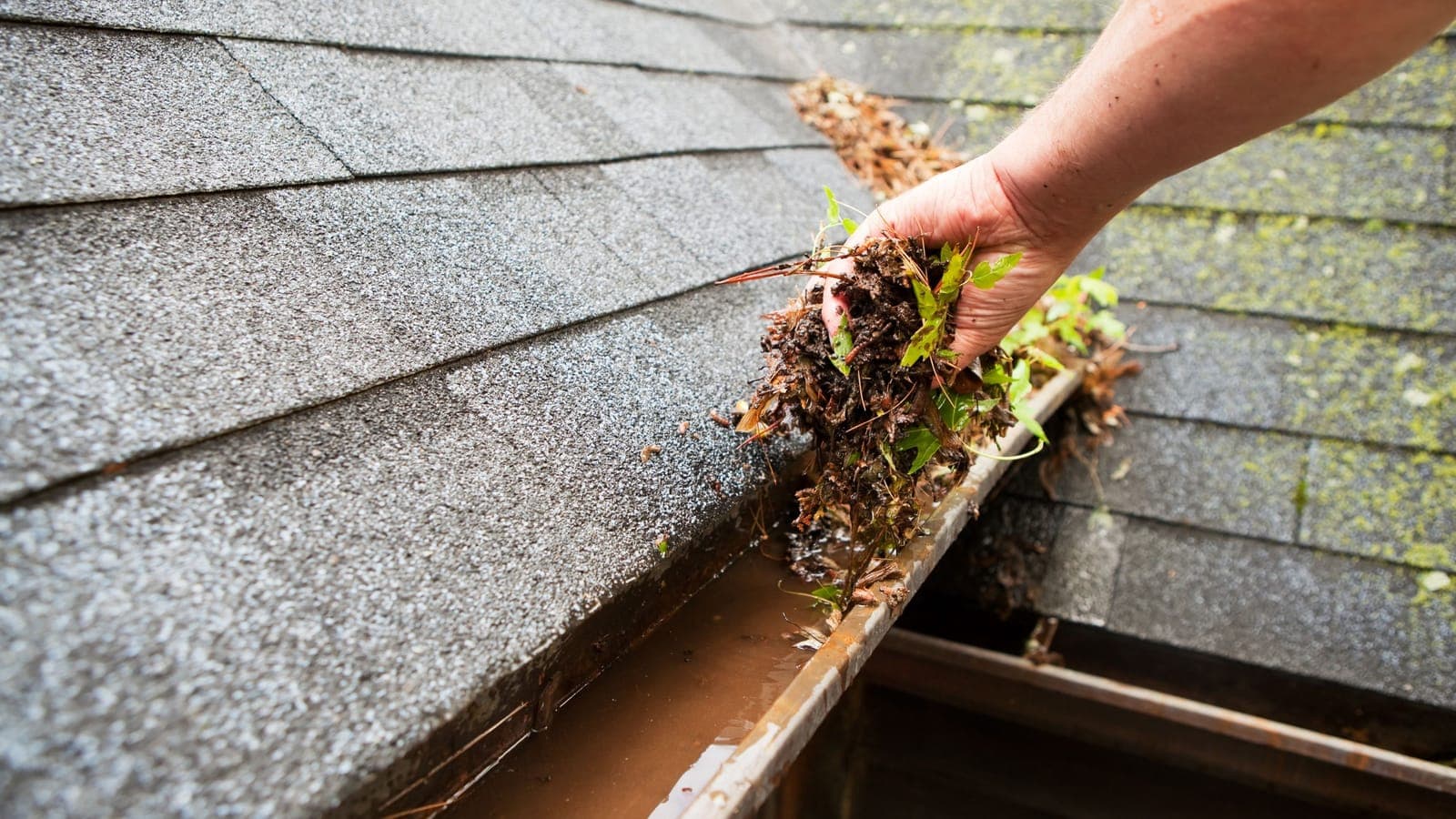
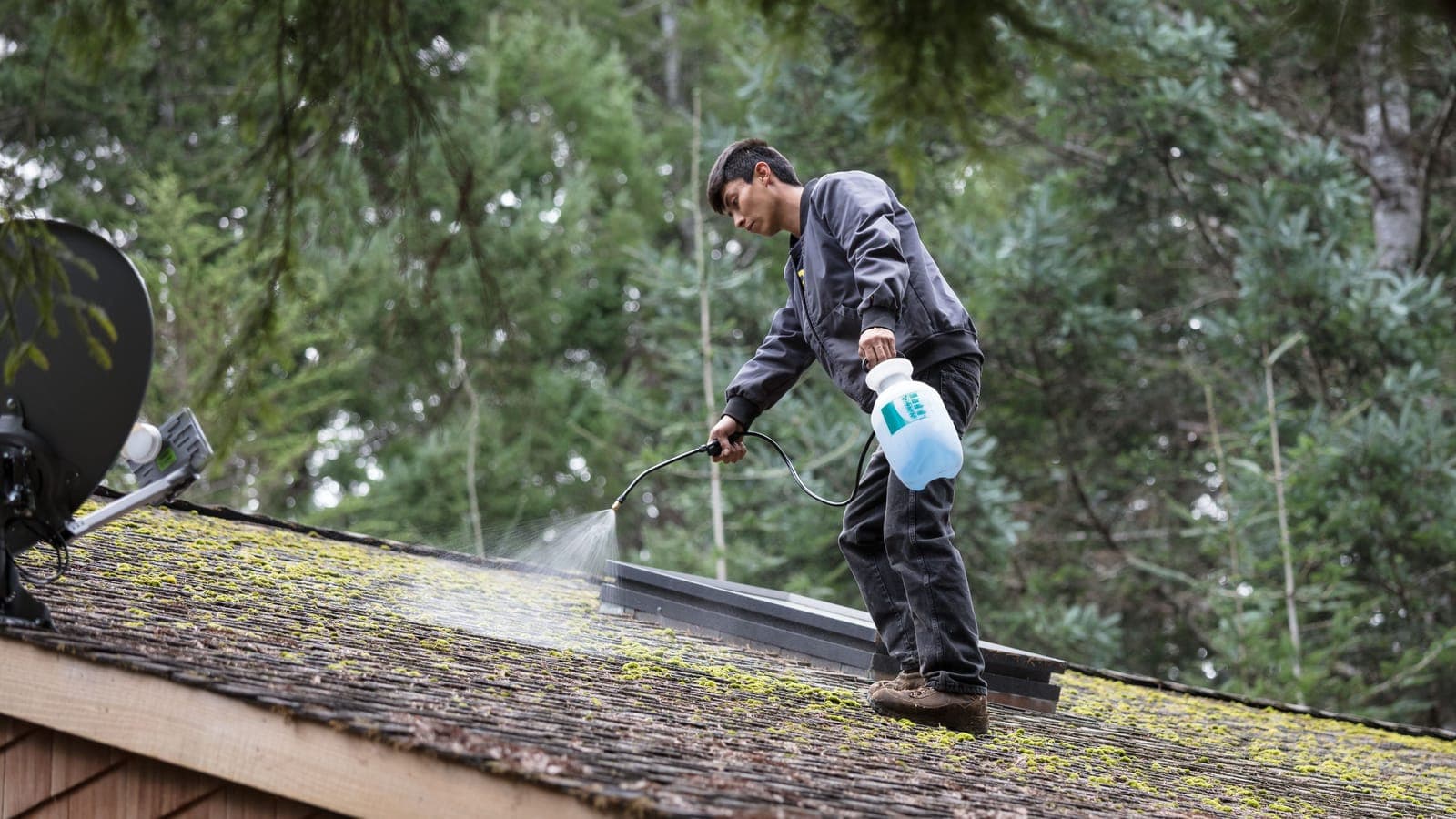
Remove debris, leaves, and trash that collect near drains and equipment. Clear drains, scuppers, and gutters so water doesn't pond. Even a small blockage can lead to standing water that stresses the membrane and the structure.
Warning Signs That Need Prompt Repair
Water stains on ceiling tiles or walls
Ponding water lasting more than a day or two after rain
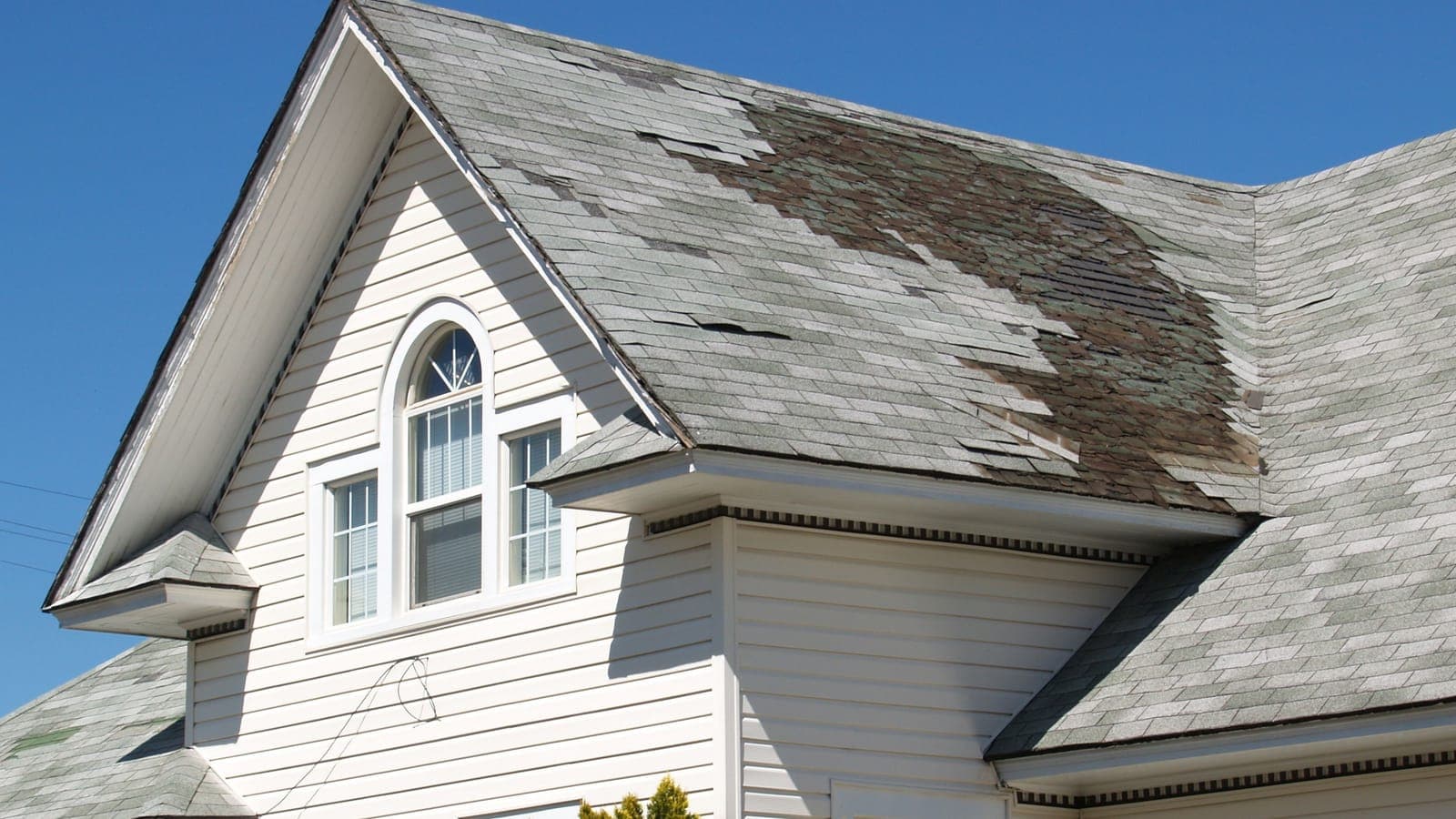
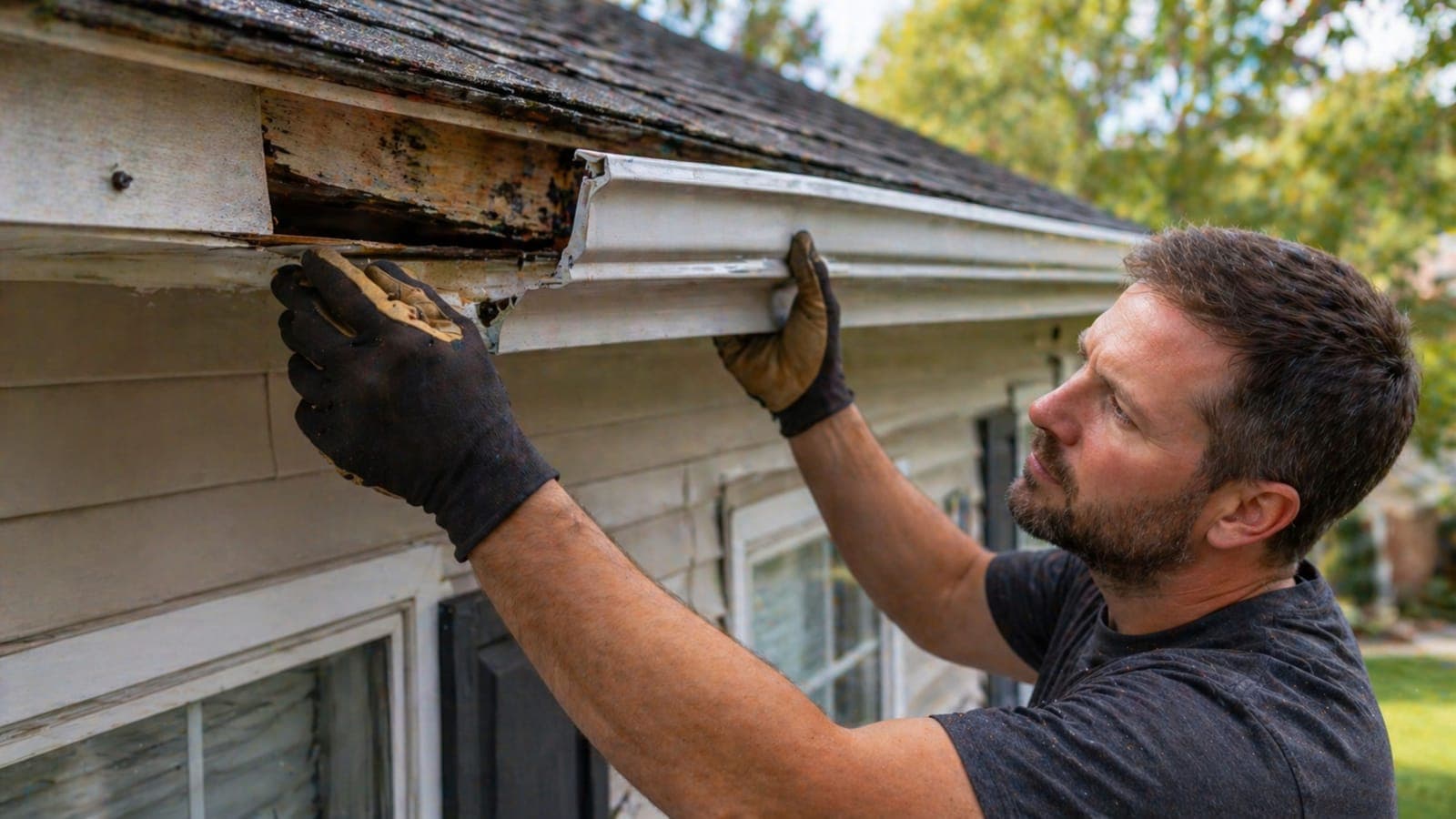
Blisters, cracks, or shrinking in the membrane
Loose or separated flashing at walls and penetrations
Rust or loose fasteners on metal roofs
Unexplained increases in energy costs, which may point to wet insulation
Address these quickly. Water that enters the roof system can spread through insulation well beyond the visible leak point.
Managing Rooftop Activity
HVAC technicians, electricians, and other trades often work on commercial roofs. Dropped tools, sharp debris, and heavy equipment can puncture membranes. Set clear rules for rooftop access, require contractors to sign in, install walkway pads on common routes, and inspect the roof after major equipment work.
Budgeting for Repairs and Replacement
Plan for routine maintenance as an annual operating expense, and set aside capital reserves for eventual restoration or replacement. A roof assessment can estimate remaining service life, helping you schedule larger projects during slower business periods rather than during an emergency. Restoration coatings may extend service life on sound roofs at a lower cost than replacement.
Choosing the Right Roofing Partner
Look for contractors experienced with your specific roof system and building type. Ask about manufacturer certifications, safety programs, insurance, emergency response times, and whether they offer maintenance agreements with regular reporting and photos.
Use Technology to Spot Hidden Problems
Visual inspections can miss moisture trapped beneath the membrane. Infrared scans, electrical capacitance testing, and core samples can locate wet insulation before it causes leaks or structural damage. Drone inspections are also useful for large or hard-to-access roofs, providing detailed photos without putting people at risk. Adding these tools to your maintenance plan every few years helps you target repairs precisely and avoid replacing sections that are still in good condition.
Mistakes to Avoid
Running the roof without a baseline inspection
Allowing unrestricted rooftop access
Delaying small repairs to save money
Failing to budget for long-term replacement
Missing maintenance required under the warranty
Final Thoughts
Keeping a commercial or industrial roof sound comes down to consistency. Know your roof's condition, follow a regular care calendar, control rooftop activity, and plan financially for the future. A well-maintained roof protects your building, your operations, and your bottom line.