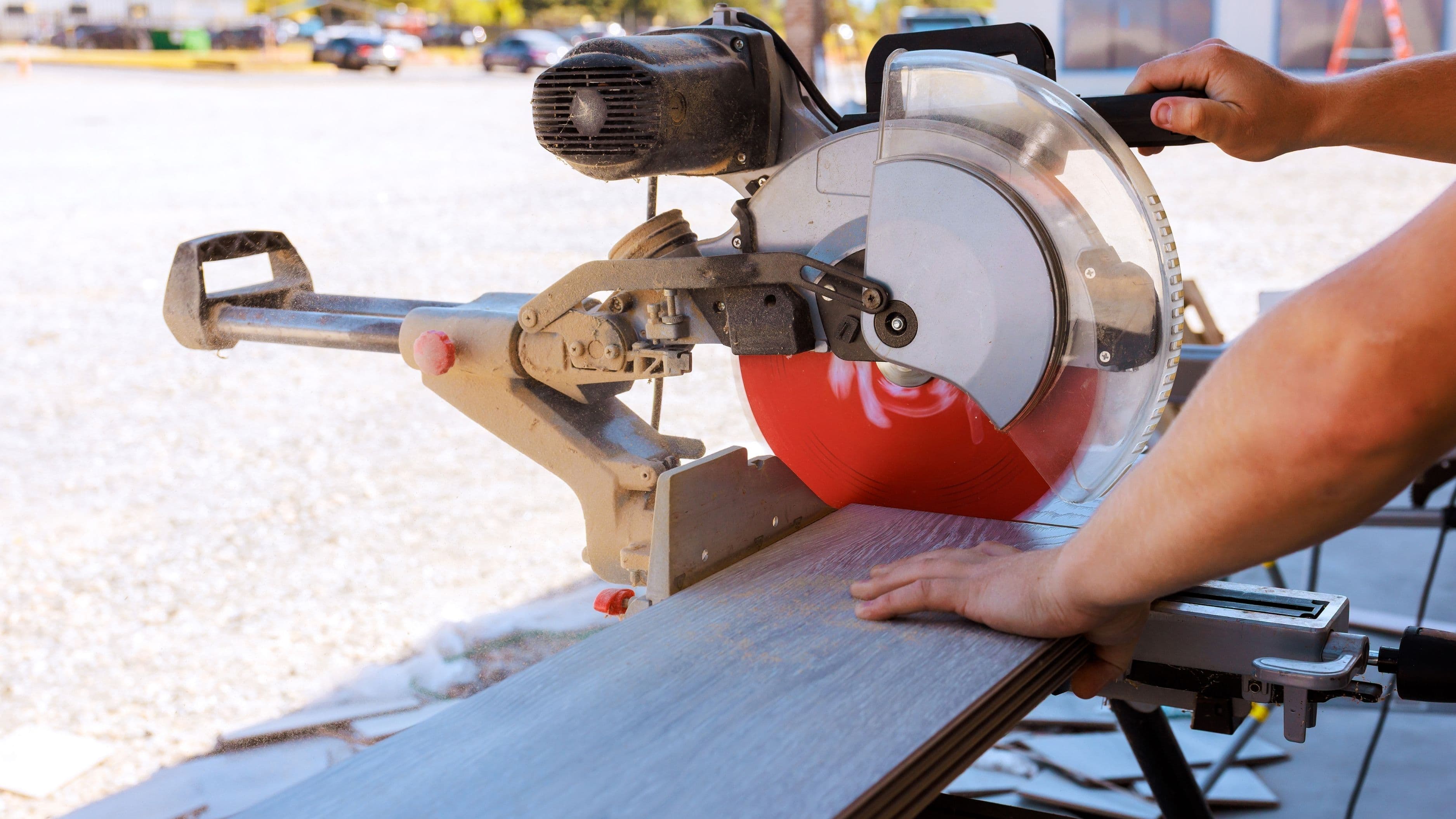



Here's a straightforward breakdown to help you pick the one that fits your garage, not just the one with the flashiest reviews.
Quick Answer
For most home DIYers doing occasional projects around the house, a cordless circular saw is the better fit – the convenience and safety of no cord usually outweighs the extra runtime you'd get from corded power. If you're doing frequent, heavy cutting (framing a whole addition, cutting stacks of plywood for cabinetry), a corded saw's unlimited runtime and consistent power start to matter more.
Corded Circular Saws: The Case For
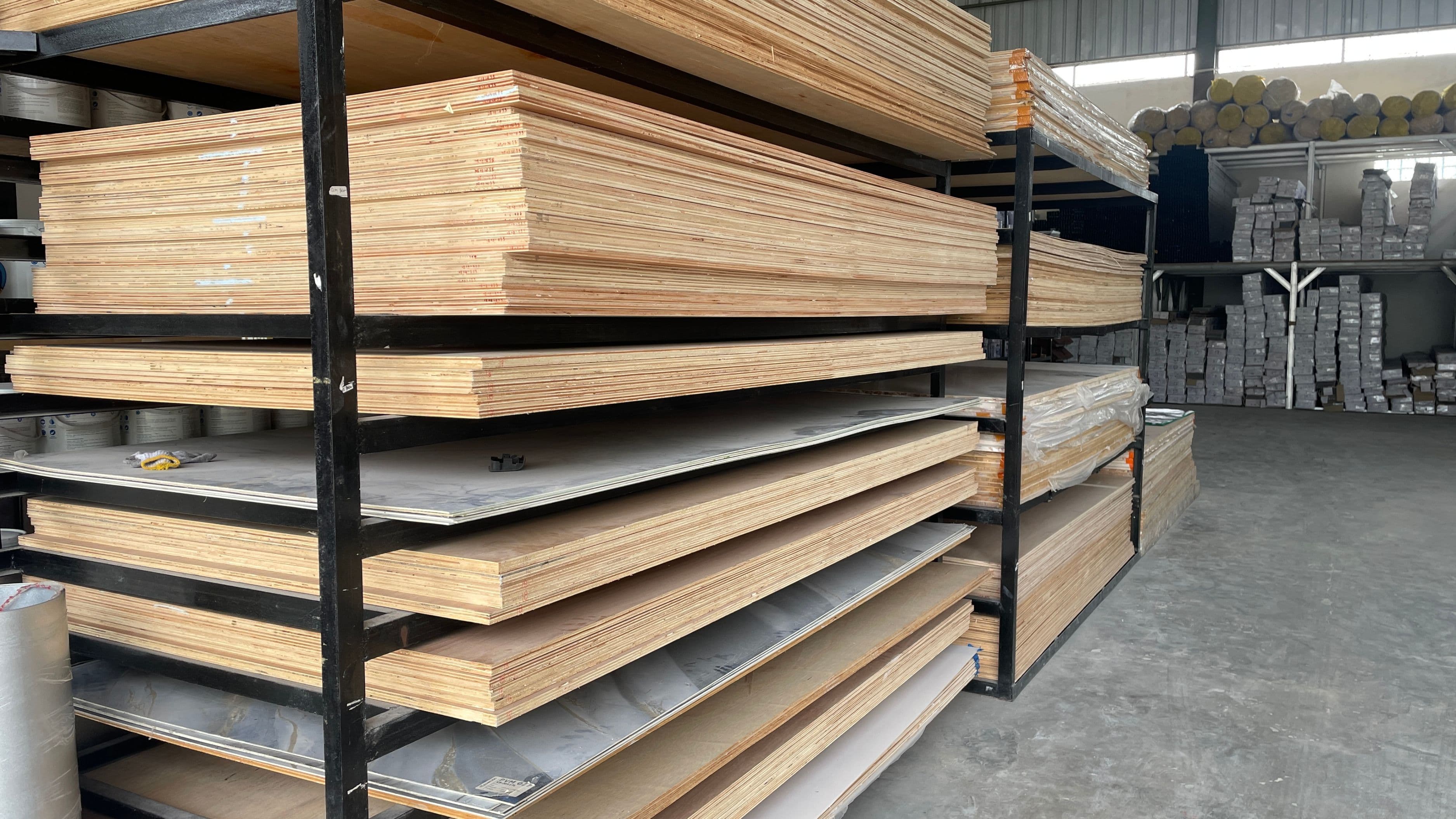
A corded saw gives you power the moment you pull the trigger, and that power doesn't fade no matter how long you're cutting. If you're ripping through a stack of plywood sheets or framing lumber for an afternoon, that consistency matters – you're not stopping mid-project to swap or charge a battery.
Corded saws also tend to be lighter than their cordless counterparts, since there's no battery pack adding weight to the tool. For overhead cuts or extended use, that lighter weight reduces arm fatigue, which is a real consideration if you're not used to handling power tools for long stretches.
Cost is another point in favor of corded models. Without a battery and charger to include, corded saws are usually less expensive upfront, making them a sensible choice if you're on a budget and don't already own a battery ecosystem from other cordless tools.
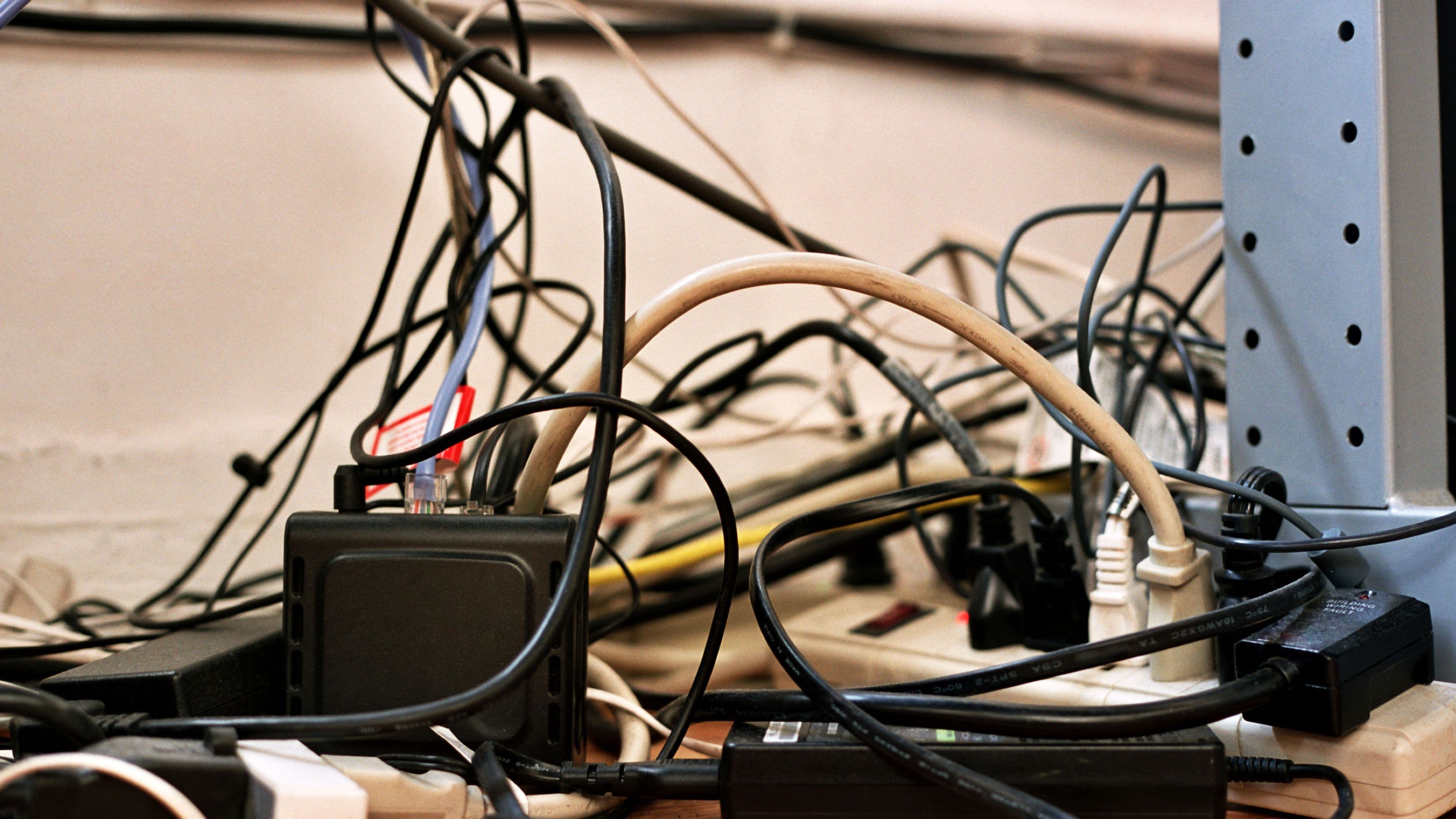
The tradeoff, of course, is the cord itself. You're limited to wherever you can run an extension cord safely, which becomes a real hassle on a ladder, in a cramped crawlspace, or anywhere outside near water. Managing a cord while operating a spinning blade also adds a layer of physical awareness you don't have to think about with a cordless model.
Cordless Circular Saws: The Case For
Cordless saws have improved dramatically over the past several years, and modern models – especially higher-voltage ones (18V/20V and up) – have enough power for the vast majority of home DIY cutting tasks, from framing to trim work to cutting down plywood for a shelving project.
The biggest advantage is freedom of movement. No cord means no tripping hazard, no untangling, and no worrying about outlet access when you're working outside, on a ladder, or in a tight space like a crawlspace or attic. For most homeowners doing occasional projects, that convenience alone makes cordless the more practical everyday choice.
If you already own other cordless tools from the same brand, a cordless circular saw often lets you share batteries across your existing tool collection, which can offset the higher upfront cost of the saw itself. Many manufacturers sell "bare tool" versions specifically for this reason, letting you skip paying for a battery and charger you already have.
The real limitation is runtime and power consistency. As the battery drains, cutting power can taper off slightly, and if you're in the middle of a big project, you'll eventually need to stop and swap in a charged battery. For light-to-moderate DIY work, this is rarely a problem – but if you're planning to cut through a large volume of material in one sitting, it's worth having a spare battery charged and ready.
Which One Should You Actually Buy?
Choose cordless if: you're doing occasional home projects, need to work in tight or awkward spaces, value convenience over raw runtime, or already own cordless tools from the same brand ecosystem.
Choose corded if: you're taking on a bigger, sustained project like framing an addition or cutting a large volume of plywood in one session, you want to avoid battery costs and charging downtime, or you're working somewhere with reliable outlet access and don't need to move around much.
For the average homeowner tackling weekend projects, cordless is genuinely the better fit for most situations – the flexibility outweighs the modest power tradeoff for the kind of cutting most DIYers actually do. Reach for corded specifically when you know a project involves heavy, continuous cutting where stopping to charge a battery would slow you down significantly.
Safety Notes
Whichever type you choose, a few safety basics apply across the board. Always check that the blade guard moves freely before cutting, and never remove or wedge it open. Keep both hands on the saw during cuts, and make sure your material is properly supported and clamped so it can't shift or pinch the blade mid-cut, which is one of the most common causes of kickback.
With a corded saw, keep the cord positioned behind you as you cut, and never let it drape across your cutting path. With a cordless saw, don't let the battery weight change your grip habits – it's easy to underestimate the added weight on longer cuts, so take breaks if your grip starts to fatigue.
Common Mistakes to Avoid
A common misstep is buying based on price alone without checking the battery voltage or amp-hour rating on a cordless model – lower-voltage saws (12V, for example) are fine for light trim work but will struggle and drain quickly on thicker lumber. Another mistake is assuming any extension cord works for a corded saw; using an undersized or overly long cord can cause voltage drop, which reduces power and can strain the motor over time.
It's also worth avoiding the temptation to buy the cheapest blade that comes with the saw and stick with it indefinitely. A dull or low-quality blade makes both corded and cordless saws work harder, produces rougher cuts, and increases the risk of kickback – swapping to a sharp, appropriate blade for your material makes a noticeable difference regardless of which saw you own.
When to Call a Pro
If your project involves structural framing decisions – load-bearing walls, roof modifications, or anything affecting your home's structural integrity – it's worth consulting a licensed contractor before cutting into anything, regardless of which saw you're using. A circular saw is a capable tool for straightforward cuts, but structural judgment calls go beyond what the tool itself can tell you.
FAQ
Can a cordless circular saw cut through thick lumber like a corded one? Yes, as long as you choose a higher-voltage model (18V/20V or higher) with a sufficient amp-hour battery. Lower-voltage or older cordless saws may struggle with thick or dense lumber.
How long does a cordless saw battery typically last during a project? This varies by battery size and material being cut, but a mid-size battery on a higher-voltage saw generally handles a few dozen cuts through standard lumber before needing a recharge. Having a spare battery on hand avoids downtime.
Is a corded saw actually more powerful than cordless? Corded saws maintain consistent power throughout use, while cordless models can taper slightly as the battery drains – but for most home DIY tasks, a quality cordless saw provides more than enough power to get the job done.
📚 Sources
"Circular Saw Safety" – Occupational Safety and Health Administration (OSHA), osha.gov
"How to Choose a Circular Saw" – This Old House, thisoldhouse.com
"Power Tool Battery Voltage Explained" – Family Handyman, familyhandyman.com