
What You're Actually Deciding Between
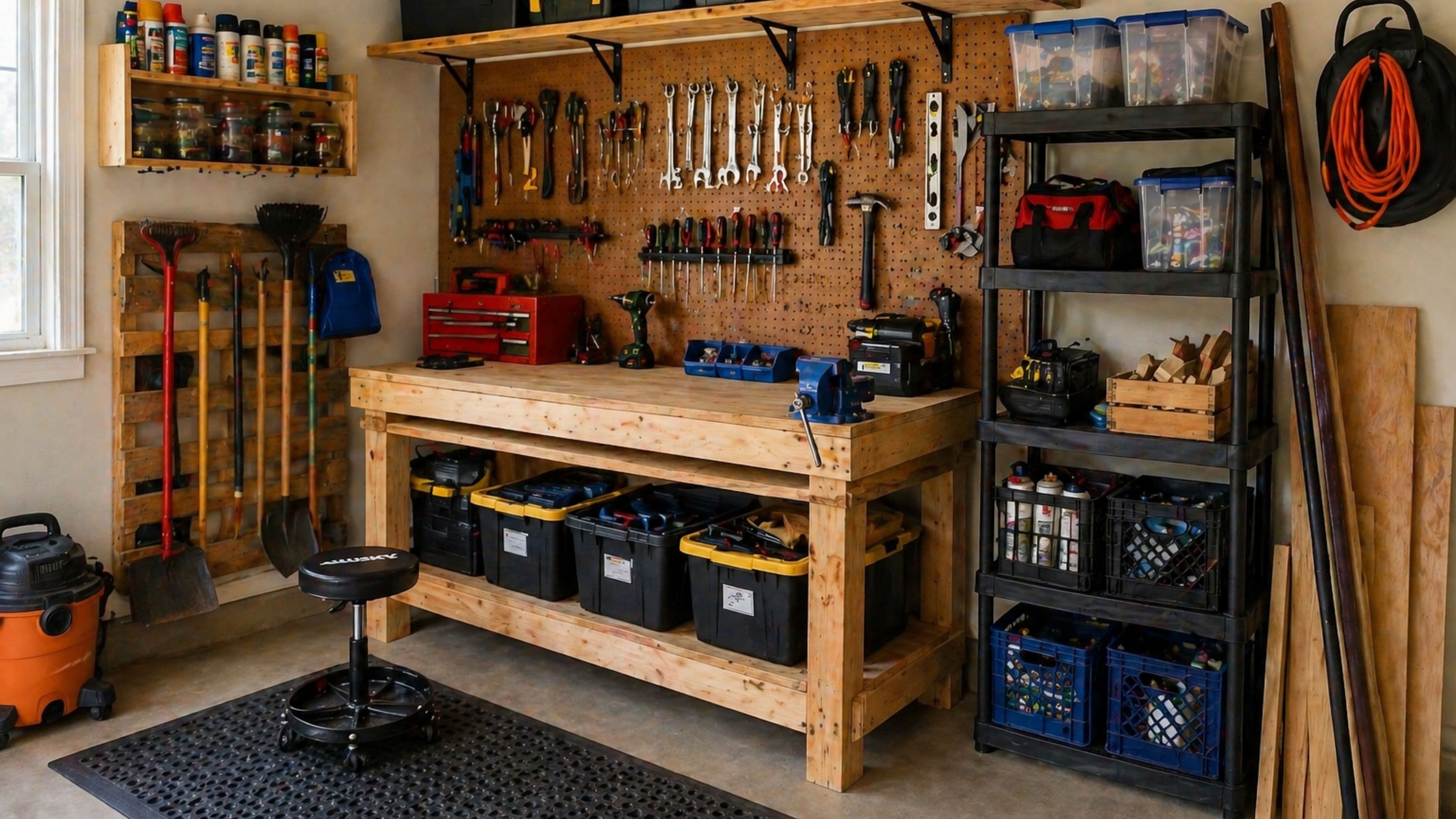
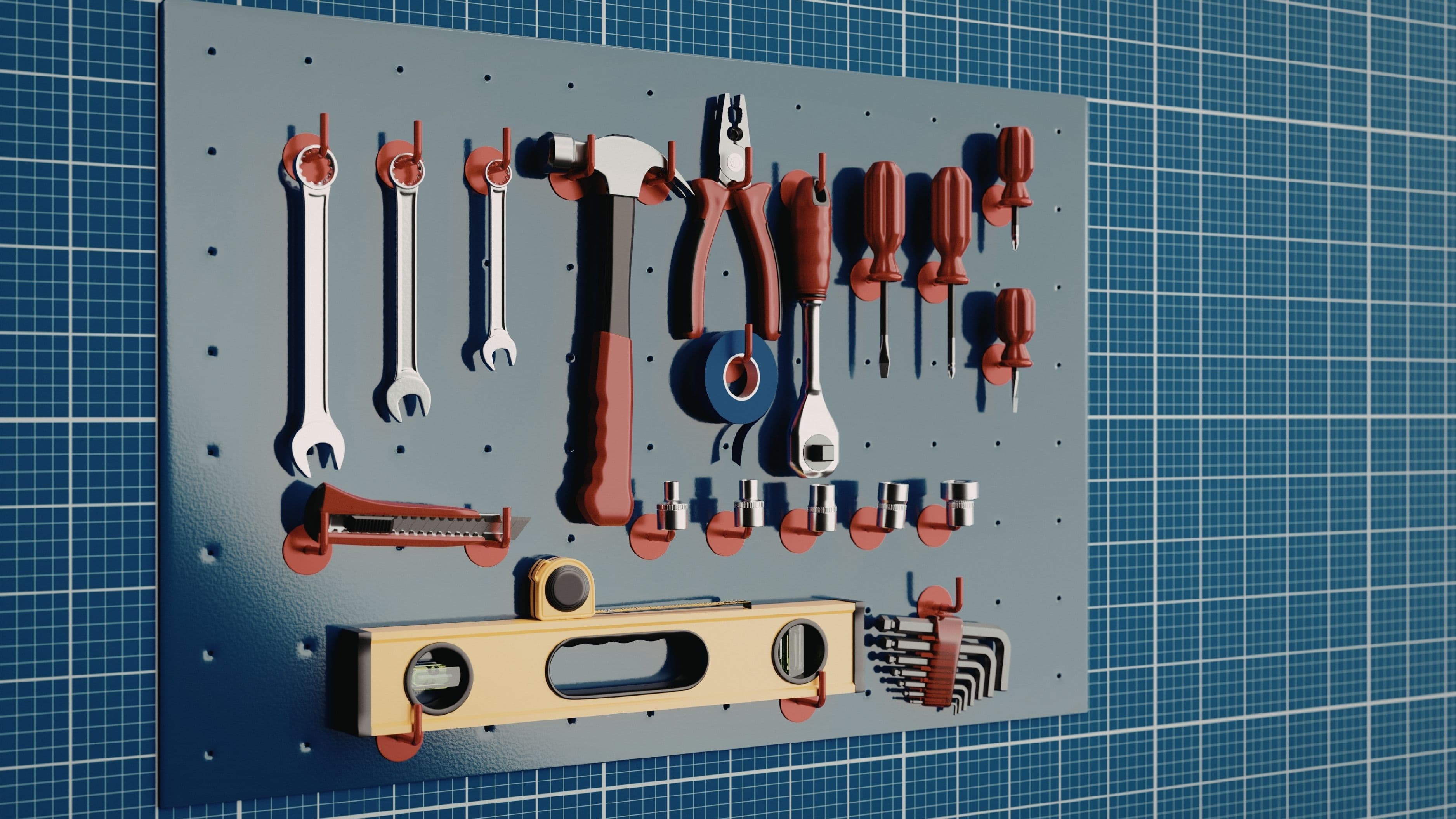
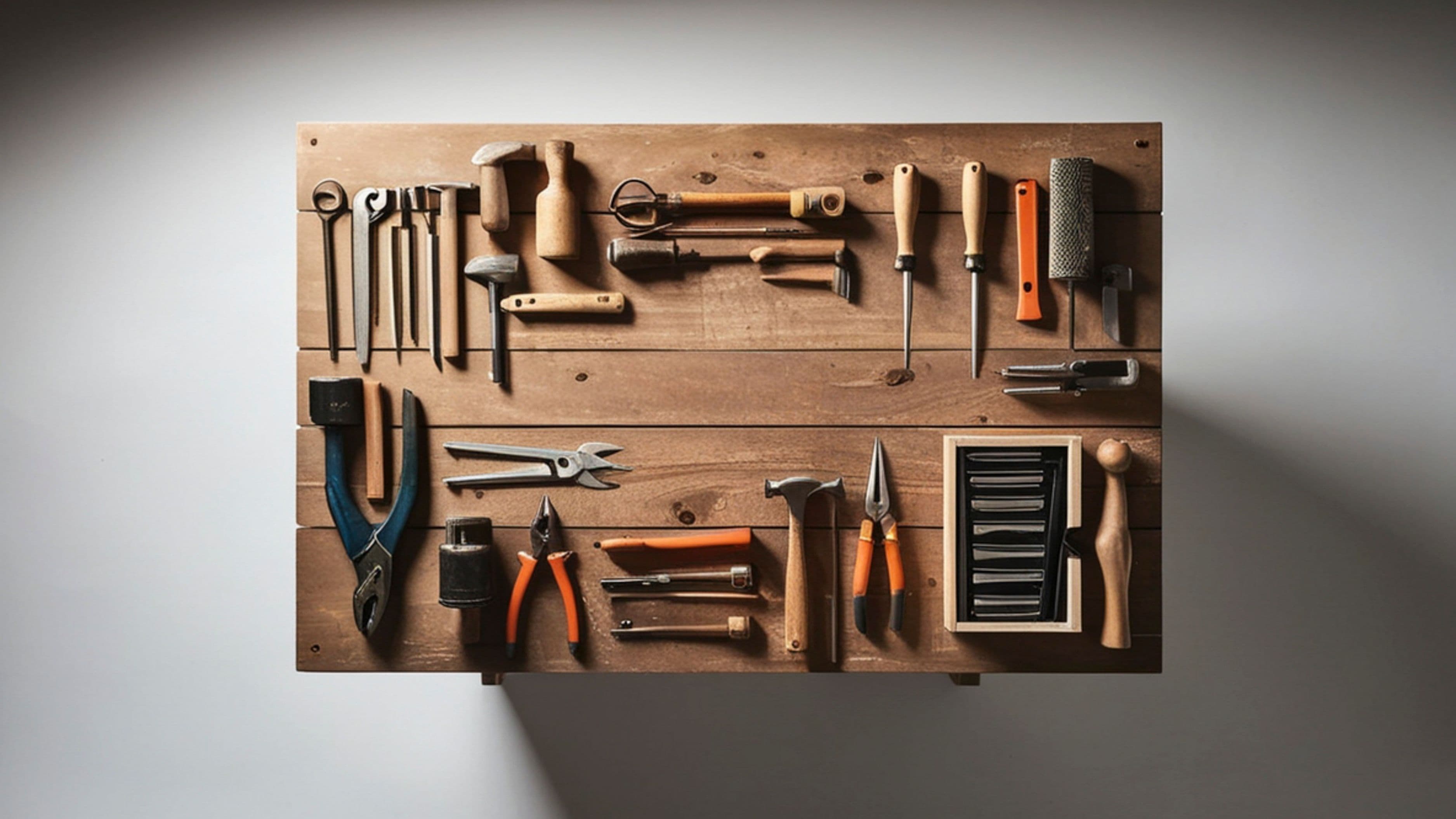
The real comparison here isn't "drawers versus no storage" – it's custom-built drawers versus buying pre-made storage like rolling tool chests, stackable bins, or wall-mounted pegboard systems. Each solves the clutter problem differently, and the right call depends on your bench setup, your budget, and how much you value having storage built exactly to your tools rather than generic compartments.
The Case for Building Custom Drawers
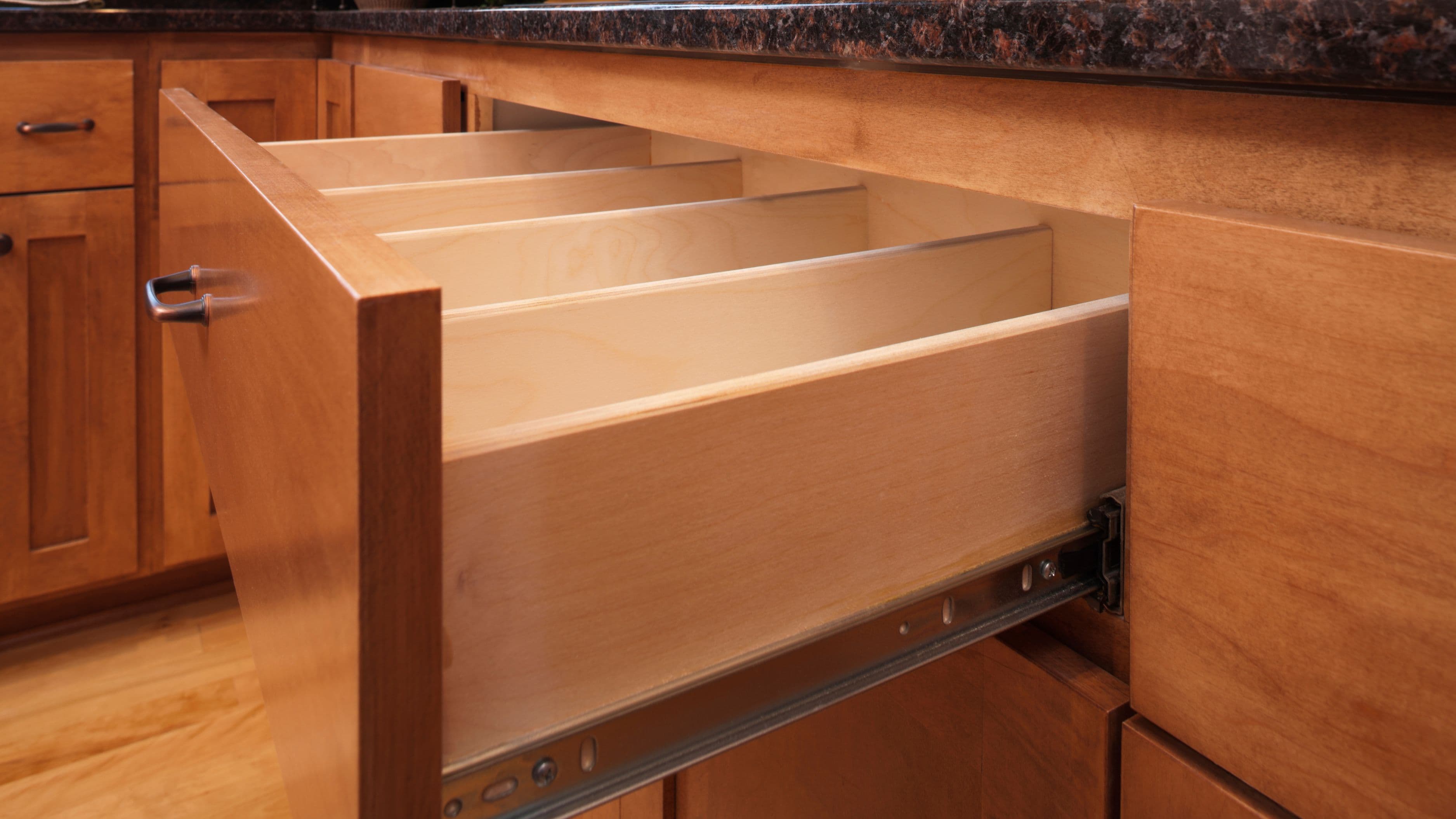
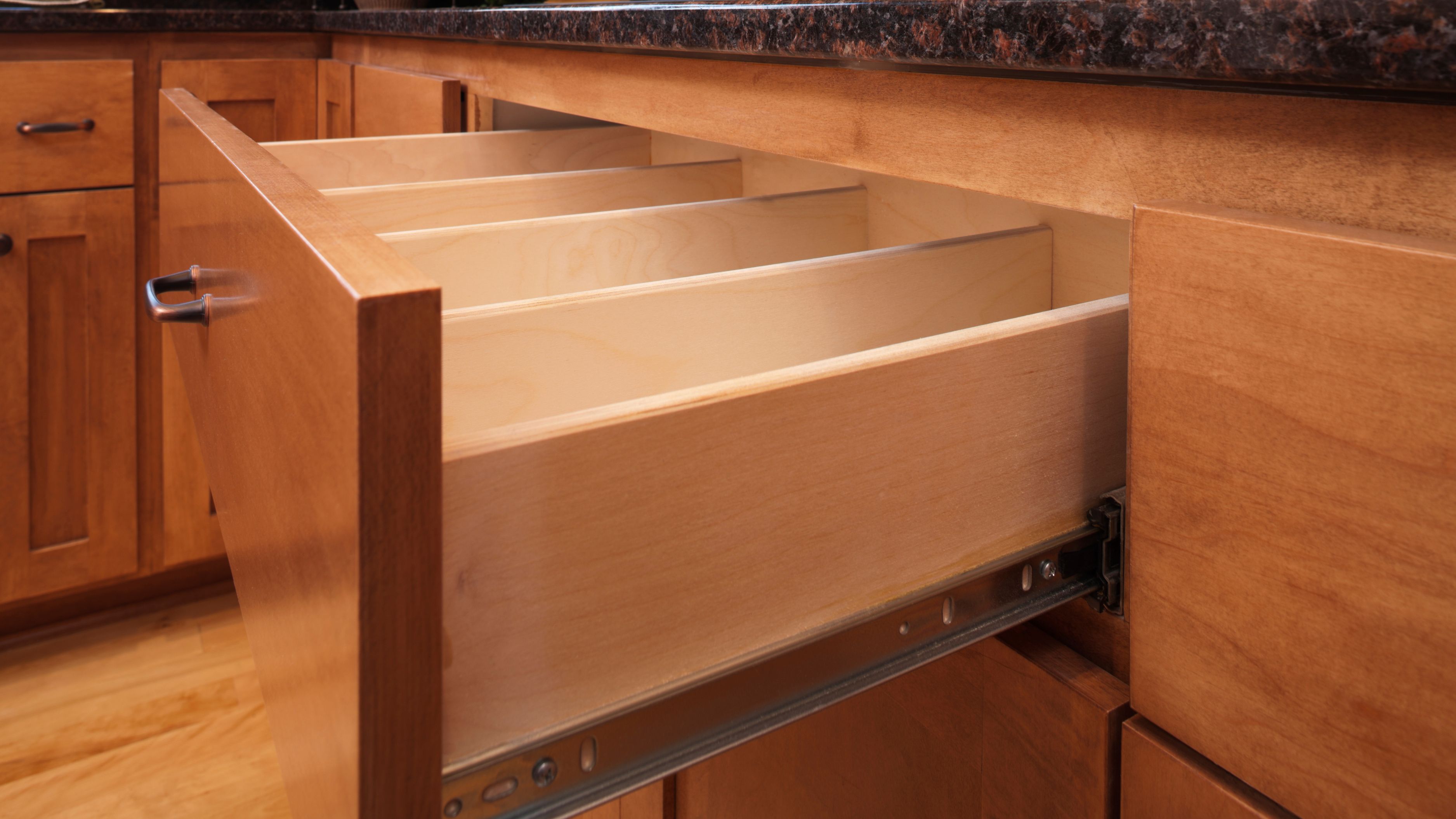
They use space that's otherwise wasted. Most workbenches have a large open cavity underneath doing nothing but collecting dust or becoming a dumping ground for random items. Custom drawers turn that dead space into usable, organized storage without adding a single square foot to your shop's footprint.
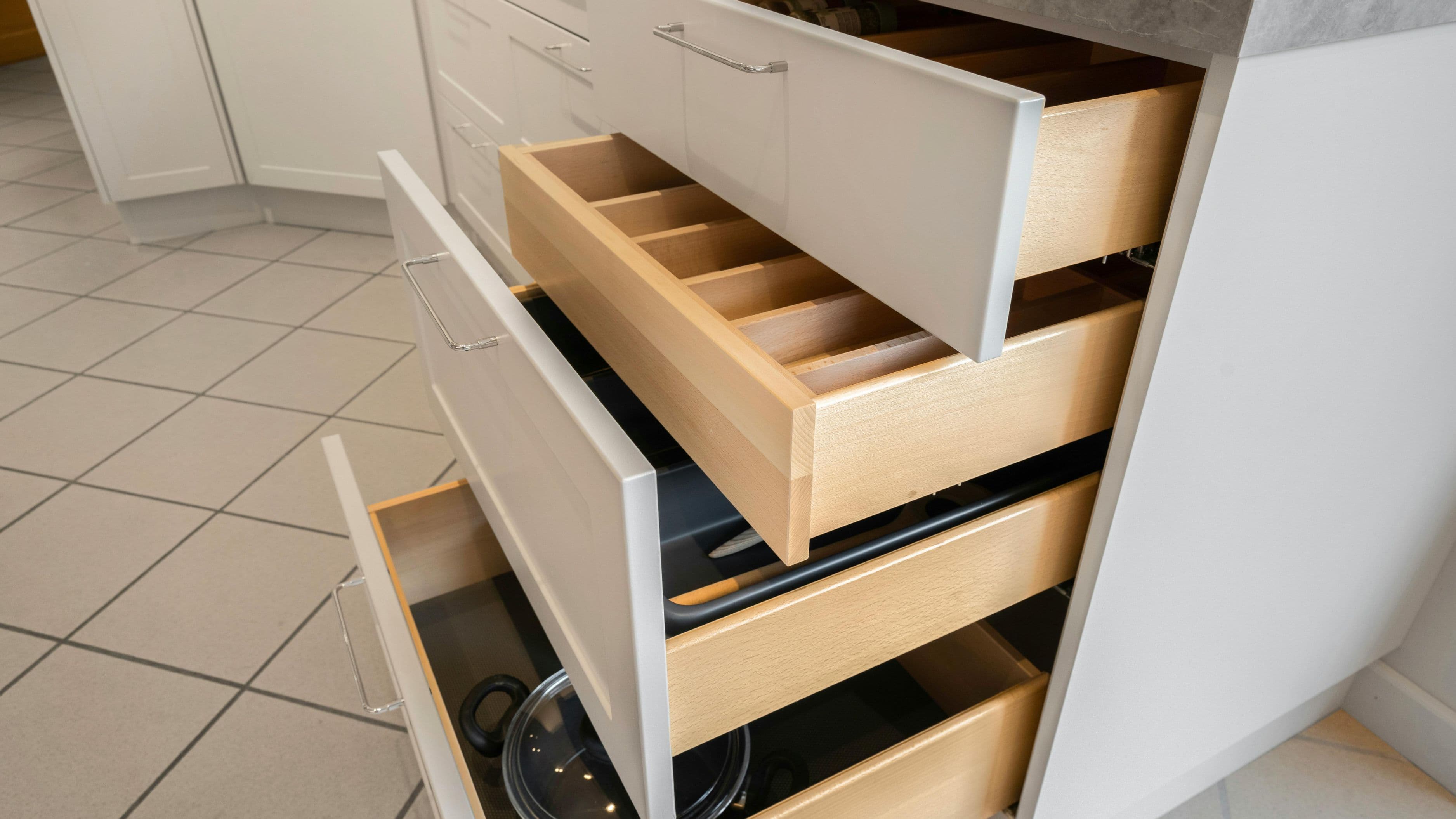
They're built to your actual tools, not a generic layout. Pre-made storage units come with fixed compartment sizes that rarely match what you actually own. When you build your own, you can size drawers specifically for your driver bits, your clamp collection, your sandpaper sheets – whatever your workshop's actual inventory looks like.
They add real value to a bench you're keeping long-term. If your workbench is a permanent fixture you're not planning to replace, drawers are effectively a one-time investment that keeps paying off every time you reach for a tool instead of digging through a bin.
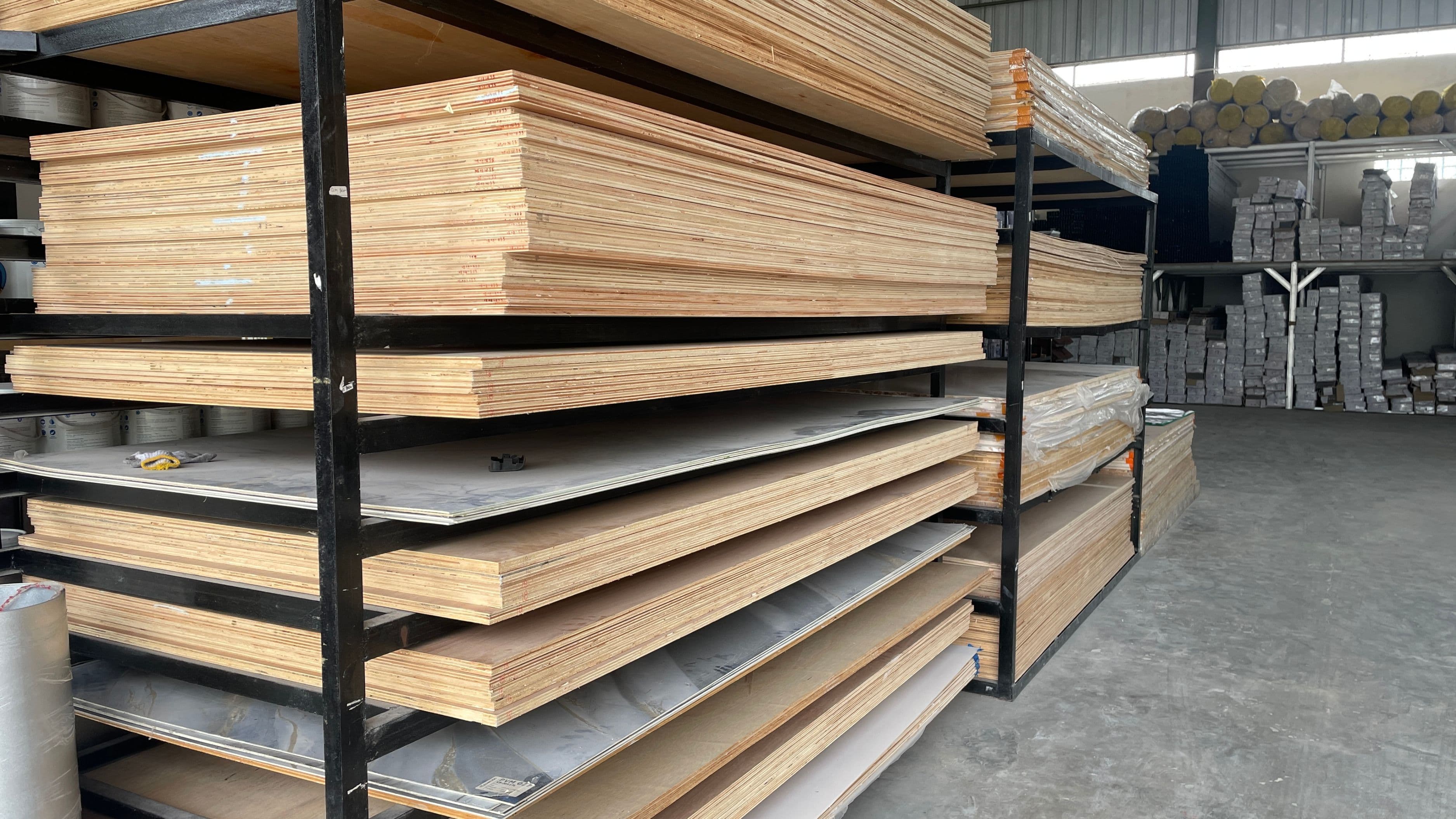
Cost is often lower than buying equivalent storage. A rolling tool chest with a similar drawer capacity to what you could build yourself often costs more than the plywood, drawer slides, and hardware needed for a DIY version, especially if you're using material you already have on hand.
The Case Against
Time investment is real, not trivial. A well-built set of drawers with proper slides, dividers, and a clean fit under your bench is realistically a full weekend project for most beginner to intermediate DIYers, more if you're building multiple drawer sizes or adding face frames for a finished look.
Drawer slides and hardware aren't free. Quality drawer slides that won't sag or bind under tool weight typically run several dollars per pair and up, and a multi-drawer build adds up faster than people expect once you account for slides, screws, and finishing materials.
If you're likely to move or upgrade your bench soon, it's a sunk investment. Custom drawers are typically built to fit one specific bench. If you're planning to replace your workbench in the next year or two, that labor and material investment won't transfer over.
Cost and Time Reality
For a basic three-drawer setup under a standard workbench, expect to spend somewhere in the range of a modest hardware store trip for plywood, drawer slides, and basic hardware, plus a weekend of actual build time if you're comfortable with basic woodworking. Adding finished faces, soft-close slides, or built-in dividers pushes both the cost and time higher, but also meaningfully improves the day-to-day experience of using them.
How to Decide
If your workbench is a long-term fixture, your storage needs are specific to tools you already own and aren't likely to change dramatically, and you enjoy a weekend project, building custom drawers is very likely worth it. The cost tends to be reasonable relative to buying comparable pre-made storage, and the fit-to-your-tools advantage is hard to replicate with anything off the shelf.
If you're short on time, not confident in basic woodworking joinery, or your bench setup is likely to change in the near future, a rolling tool chest or modular bin system gets you 80% of the organizational benefit with a fraction of the time investment, and it moves with you if your shop setup changes.
Common Mistakes to Avoid
Don't skip measuring your actual tool inventory before sizing drawers – it's a common mistake to build compartments based on a rough guess, only to find your most-used items don't fit cleanly. Take twenty minutes to lay out what you actually plan to store before cutting anything.
Avoid cheap drawer slides if you're planning to store heavier items like power tools or hardware bins. Underrated slides sag, bind, or fail prematurely under real workshop use, which undermines the whole point of building something sturdier than a flimsy plastic bin.
Also avoid building drawers so deep or tall that they interfere with your knee or leg space while working at the bench – comfort at the actual working height matters more than maximizing storage volume.
FAQ
What's a reasonable drawer slide weight rating for shop use? Look for slides rated at least 75-100 lbs per pair for general tool storage, and higher if you're planning to store heavier items like a corded drill set or hardware assortments.
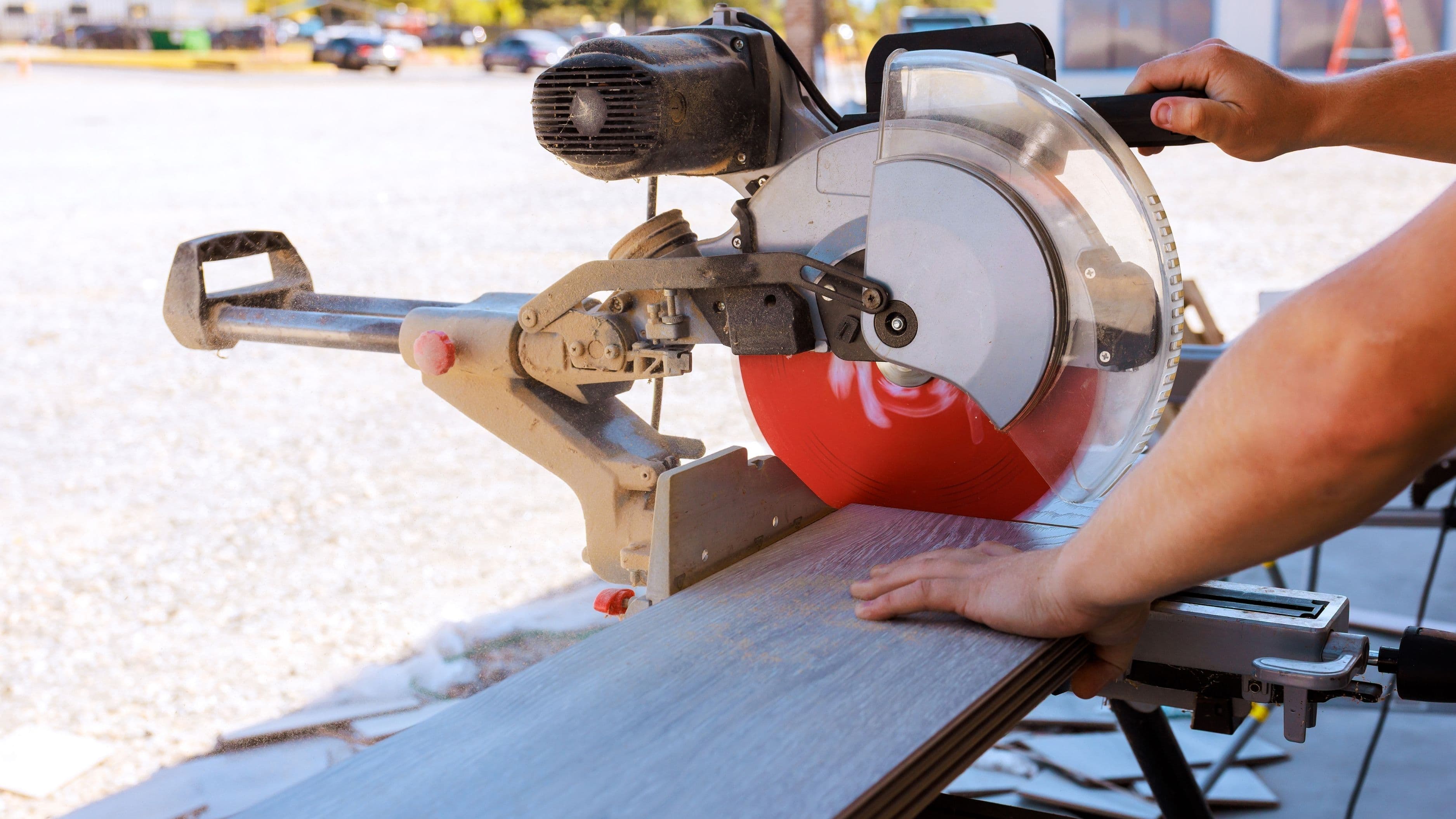
Can I build drawers without a table saw? Yes, though it's more time-consuming. A circular saw with a straightedge guide can handle most of the cuts, and many hardware stores will cut plywood sheets to size for a small fee if you don't have the tools to do it cleanly at home.
Is it worth adding drawer liners or dividers? For small hardware and hand tools, yes – simple foam or wood dividers keep things from sliding around and make finding specific items much faster.
Bottom Line
For most home workshop setups where the bench is a permanent fixture, building custom drawers is a genuinely worthwhile investment – the cost is reasonable, the payoff in daily usability is real, and the ability to size everything to your actual tools beats generic pre-made storage. If your setup or tools are likely to change soon, or you're short on time, a rolling cart or modular bin system is the more practical shortcut without giving up much organizational benefit.
📚 Sources
This Old House – Workbench Storage Solutions. thisoldhouse.com
Family Handyman – How to Build Workbench Drawers. familyhandyman.com