
The decision isn't complicated once you know what to weigh. Here's how to think through it clearly.
Step One: Know What the Appliance Is Worth New
Before any other calculation makes sense, you need a realistic number for what a comparable replacement would cost. Not the premium model with all the features – a comparable replacement, meaning similar size, configuration, and basic functionality to what you currently own.
Spend ten minutes on this before calling anyone. Check current prices at Home Depot, Lowe's, or Best Buy. If your appliance is a standard size and category – 30-inch freestanding range, top-load washing machine, 24-inch dishwasher – you'll find plenty of options in the $500–$900 range for reliable mid-tier models. Higher-end or built-in appliances will cost more, but the principle is the same: get a real number, not a rough guess.
This matters because every other calculation in this process is relative to that replacement cost. Without it, you're evaluating repair estimates in a vacuum.
Step Two: Apply the 50% Rule
The most practical guideline in appliance repair is this: if the repair cost exceeds 50% of the replacement cost, replacement is almost always the smarter financial decision. If the repair comes in under 25–30% of replacement cost, it's usually worth doing. The middle range is where judgment comes in.
The logic behind the rule is straightforward. A repair doesn't reset the appliance to new condition – it fixes the specific broken part while everything else continues aging. Spending $400 to repair a $700 appliance leaves you with a repaired-but-aging machine that may need another repair in 12–18 months. At that point, you've spent more than the replacement cost and still have an old appliance.
The rule gets stricter as the appliance ages. On a two-year-old appliance, a $400 repair on a $700 machine might still be worth it – you have years of useful life ahead of you. On an eight-year-old appliance with the same numbers, the calculation looks different. Age shifts the threshold.
Step Three: Factor In the Age
Every appliance category has a realistic lifespan range, and where your appliance sits within that range should directly influence how much you're willing to spend on a repair.
As a general reference, here's what most appliances can reasonably be expected to last:
A refrigerator typically runs 10–15 years, with top-freezer models often reaching the longer end and side-by-side models running shorter. A washing machine averages 10–13 years. A dryer is similar, around 10–13 years. A dishwasher typically lasts 9–12 years. A range or oven – gas or electric – usually has a lifespan of 13–17 years. A microwave is typically 9–10 years for a countertop model, longer for over-the-range units that are used less intensively.
These aren't hard expiration dates. A well-maintained appliance can outlast these ranges; a poorly maintained or heavily used one might not reach them. But they give you a reference point. An appliance at 80% of its expected lifespan has a different repair calculus than one at 40%.
A practical adjustment to the 50% rule: for appliances in the last third of their expected lifespan, tighten the threshold to 30–35%. You're investing in a machine that's already approaching retirement, and the repair is unlikely to be the last one it needs.
Step Four: Get a Real Repair Estimate
This step sounds obvious, but a lot of people skip it – either guessing at repair costs based on internet searches or deciding to replace before getting any actual numbers. Don't do either.
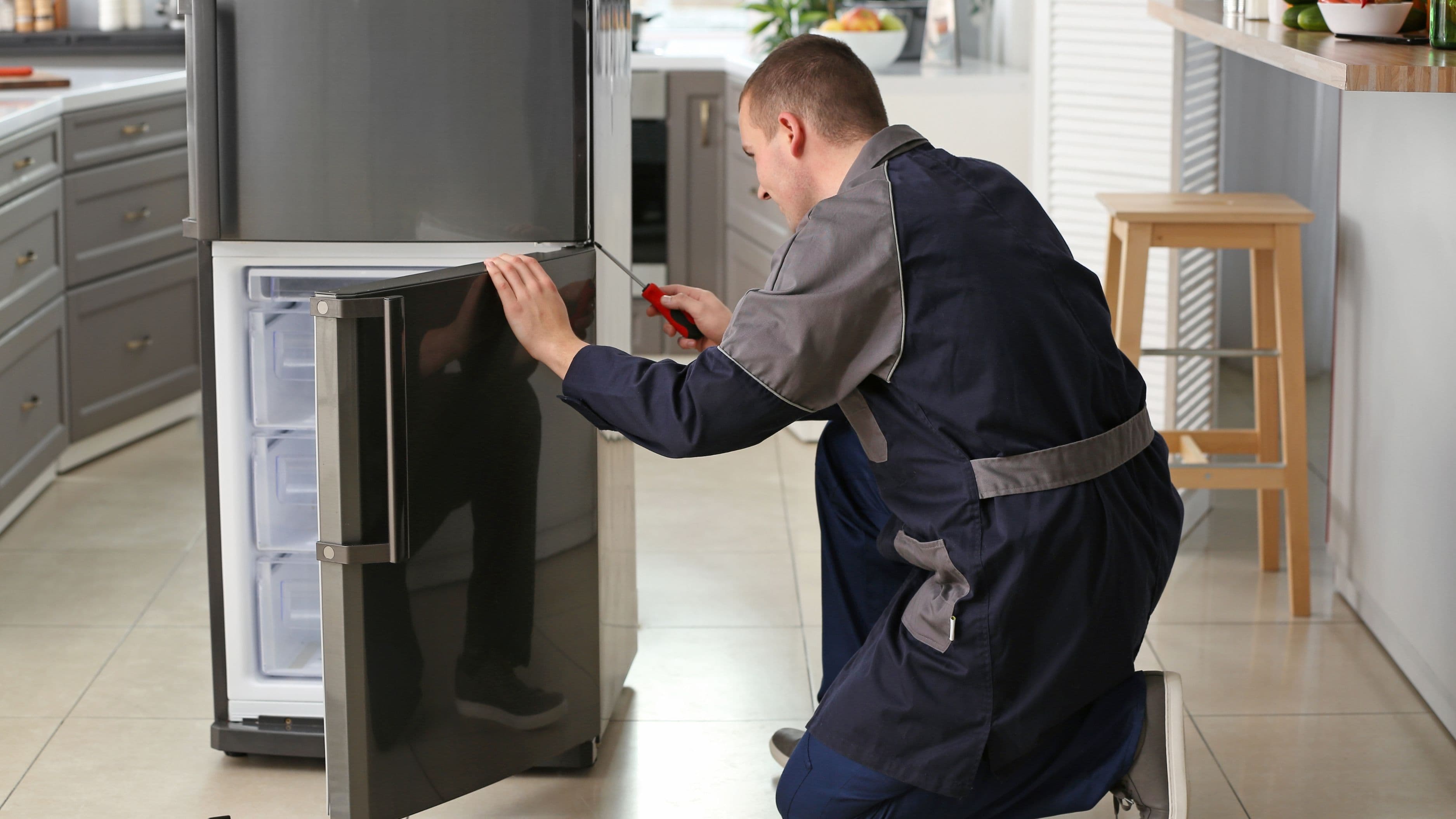
Call a licensed appliance technician and schedule a diagnostic. Most charge a flat fee of $75–$100 to diagnose the problem and provide a written estimate. That fee is usually worth paying even if you ultimately decide not to repair, because it replaces guesswork with a specific dollar figure and a clear diagnosis. Some repair companies waive the diagnostic fee if you proceed with the repair.
When the technician gives you an estimate, ask two follow-up questions. First: are there any other components likely to fail in the near future that aren't part of this repair? A good technician who's looked at your appliance closely will have a feel for its overall condition and can tell you whether the machine looks generally sound or whether it's showing signs of broader wear. Second: in your experience, is this repair worth doing on an appliance this age? They see these decisions every day and their candid answer is genuinely useful.
If you get a repair estimate over the phone without a diagnostic, treat it as a rough ballpark, not a final number. Actual costs often differ once someone has opened the appliance and assessed the full scope of the problem.
Step Five: Check Parts Availability
For newer appliances from major brands – GE, Whirlpool, LG, Samsung, Bosch – parts are generally available and reasonably priced. For older appliances, discontinued models, or certain international brands, parts can be difficult to source, expensive when found, or simply unavailable.
Parts availability is worth checking before committing to a repair, especially on older units. Your technician will typically know whether the part is readily available, but you can also check yourself: search for the model number along with the specific part name on sites like RepairClinic, AppliancePartsPros, or PartSelect. If you find the part listed with a delivery time of several weeks or flagged as backordered with no clear timeline, that's a meaningful risk factor.
An appliance that needs a $150 part is a different proposition if that part is in stock and shipping tomorrow versus backordered for six weeks. Long lead times on parts mean your appliance is out of service for an extended period, which may push you toward replacement simply for the sake of not going without.
The Repair-or-Replace Decision by Appliance
Different appliances carry different repair logic based on their mechanics, typical failure modes, and replacement costs.
Washing Machine
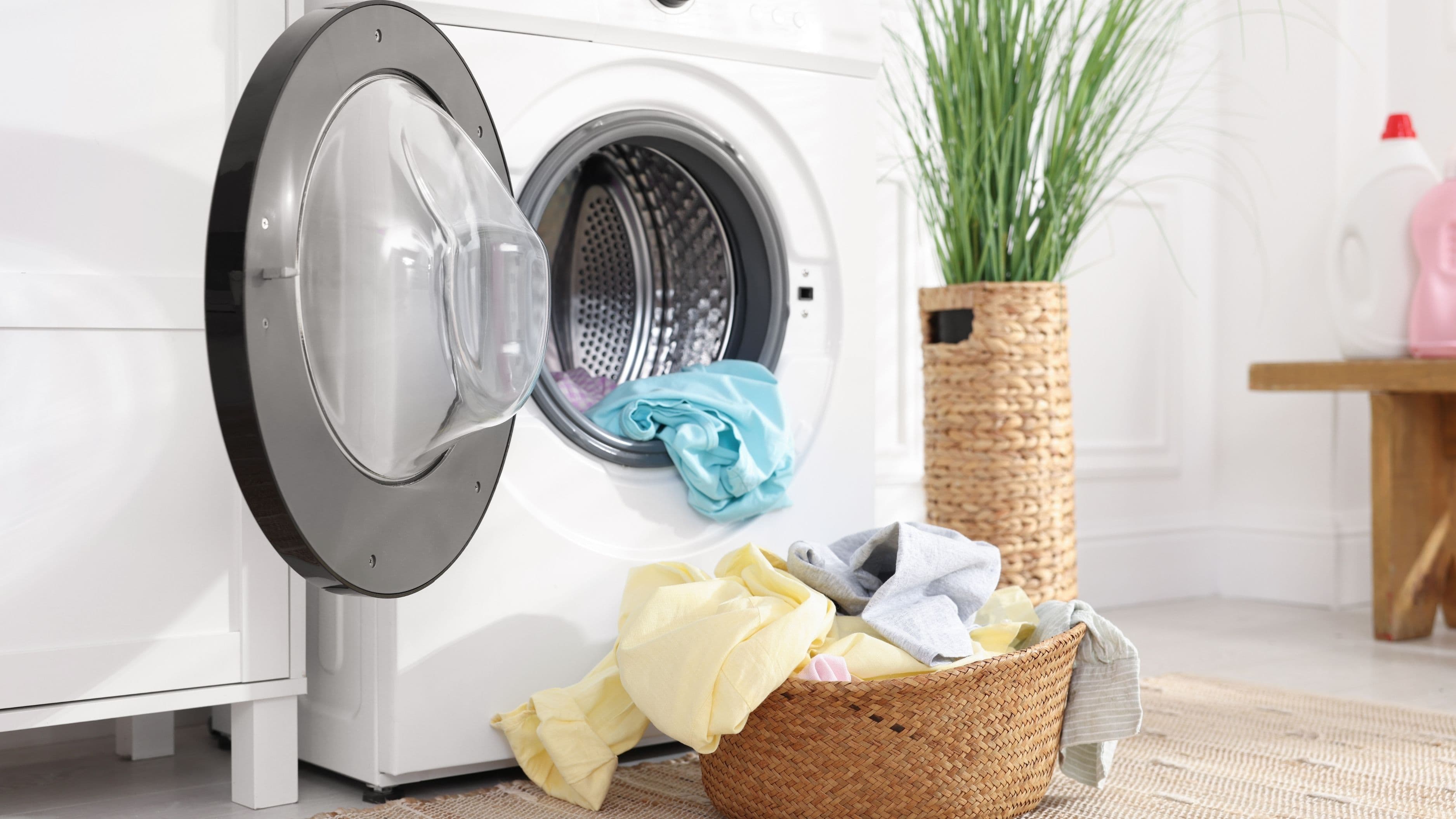
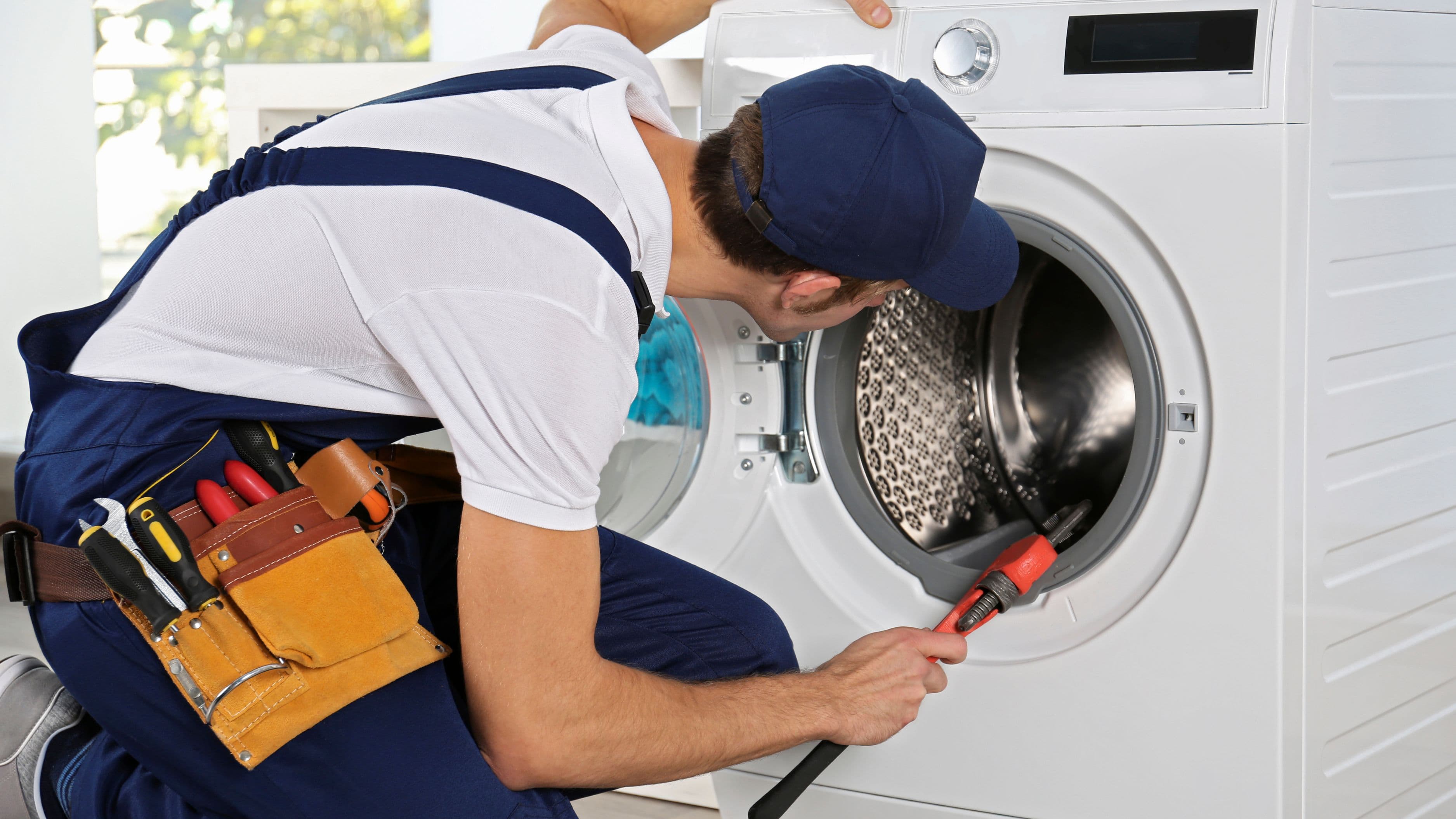
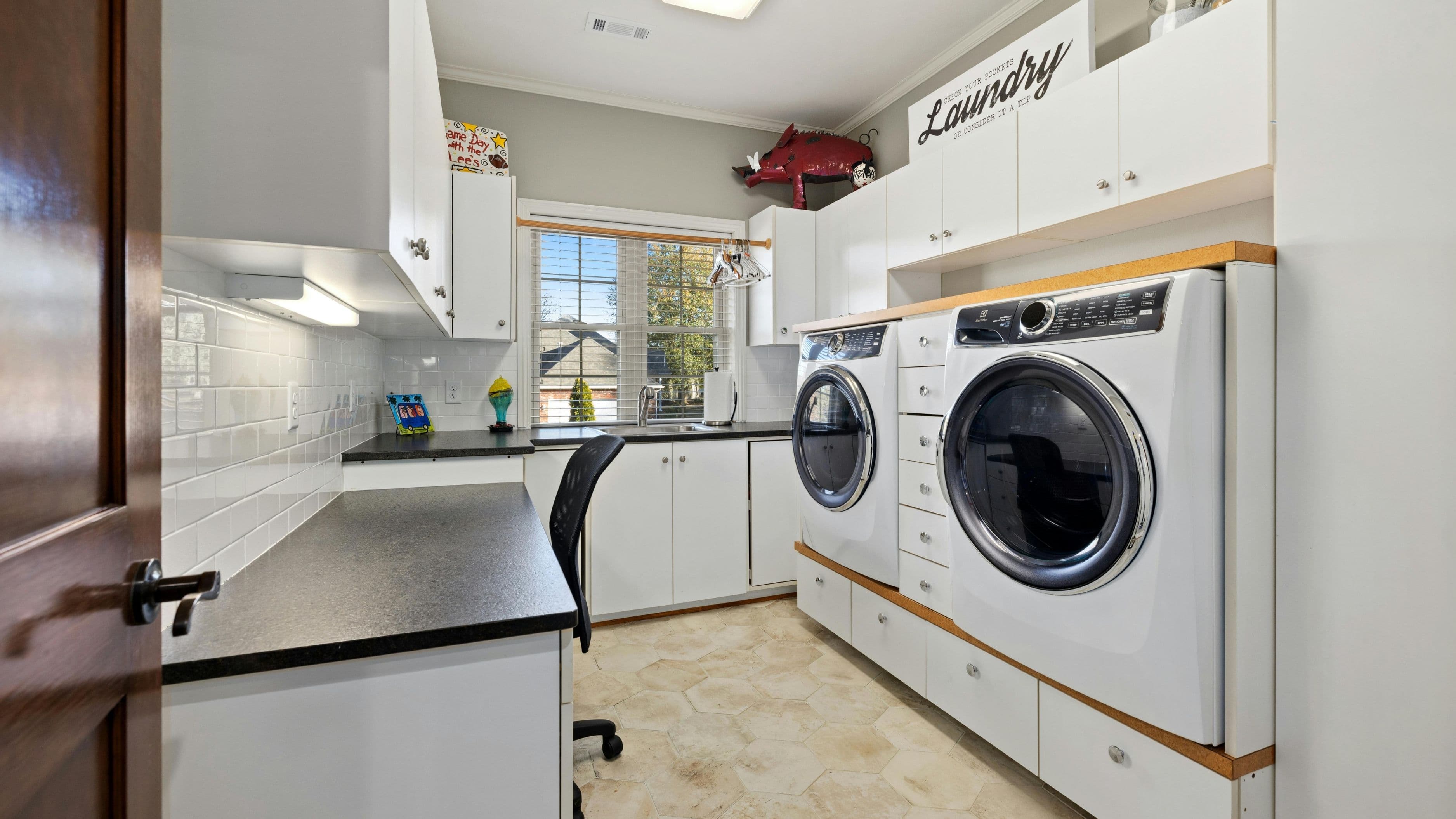
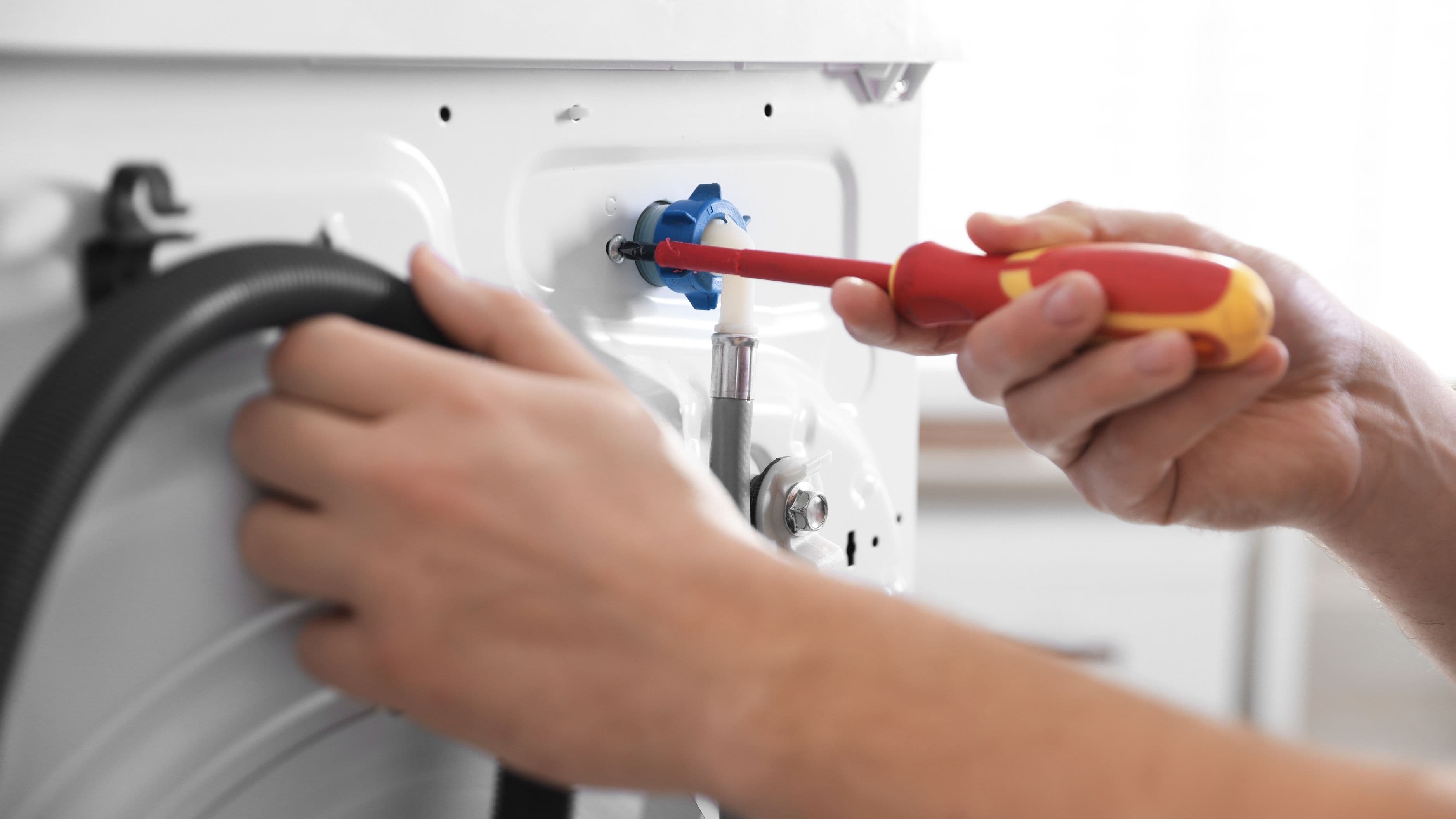
A washing machine is one of the better candidates for repair among major appliances, because many common failure modes – door latches, lid switches, pump assemblies, control boards – are relatively affordable to fix. If the drum bearings fail on a front-load machine, however, the repair is labor-intensive and often approaches or exceeds the 50% threshold on mid-tier models. Motor failure is similar. These are the repairs to evaluate carefully against replacement cost and age.
Dryer
Dryers are mechanically simpler than washing machines, which makes many repairs genuinely affordable. A broken heating element is one of the most common dryer failures and typically costs $100–$200 in parts and labor. Drum belt replacement is similar. Dryers rarely need to be replaced due to mechanical failure alone if they're under 10 years old – most problems can be addressed at reasonable cost. The exception is the motor, which is expensive to replace and usually signals that the dryer has reached the end of its practical life.
Dishwasher
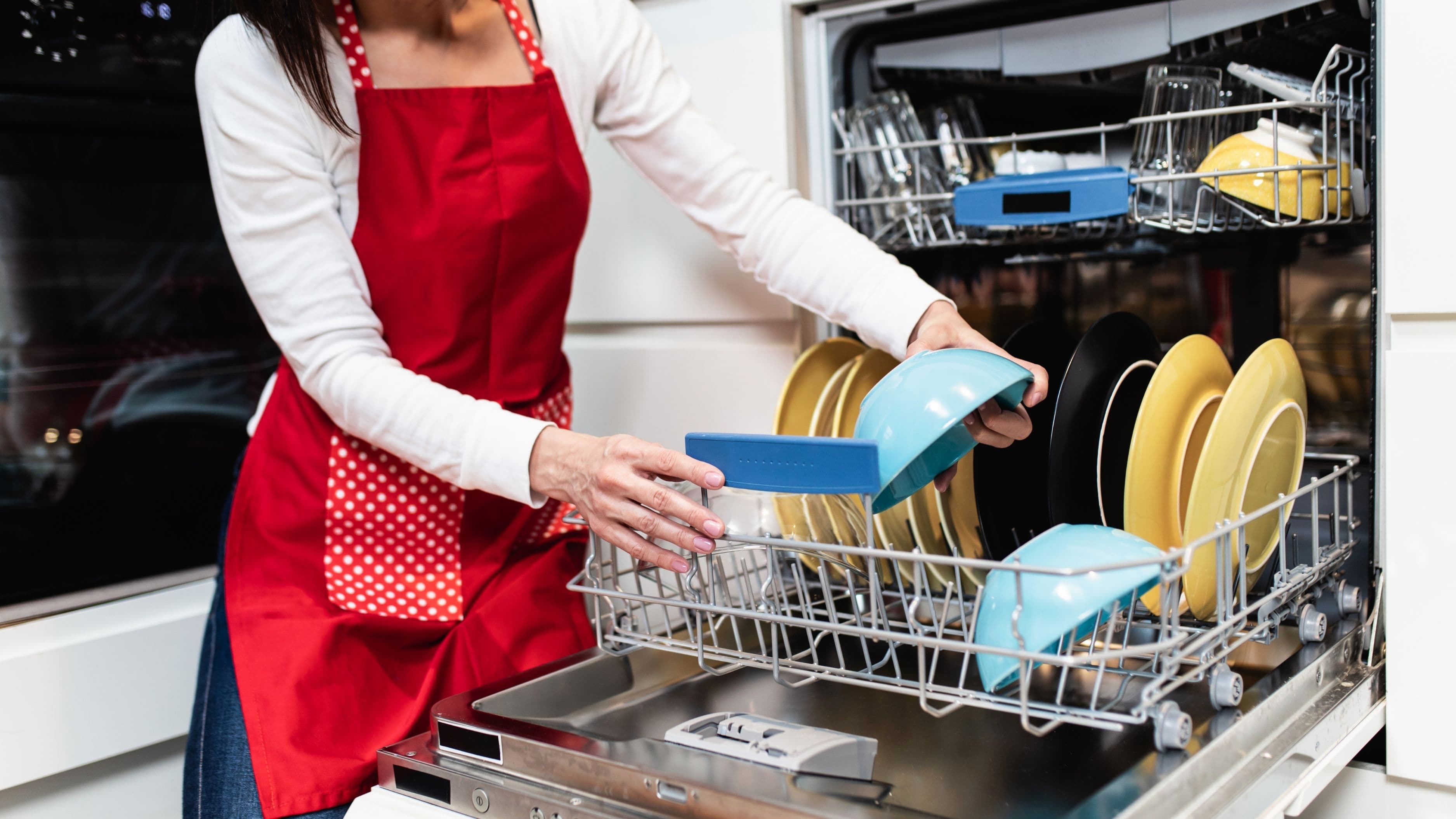
Dishwashers have a shorter average lifespan than other major appliances and are replaced relatively inexpensively. Because entry-level dishwashers start around $400–$500, the 50% rule applies tightly here – a $250 repair on a ten-year-old dishwasher is almost never worth it. The most common repairable problems are pump failures, door latch issues, and spray arm clogs, all of which are low-to-moderate cost. Control board failures on older dishwashers are usually a replacement signal.
Range and Oven
Ranges and ovens tend to have long lifespans and relatively affordable repair costs for common problems. A broken igniter on a gas range is a classic DIY repair – parts cost $20–$50 and installation is straightforward for a handy homeowner. Oven element replacement on an electric range is similar. Where ranges get expensive is in control board or electronic display failures on modern units with complex digital interfaces. These repairs can run $300–$500 and often aren't worth it on a unit over 10–12 years old.
Refrigerator
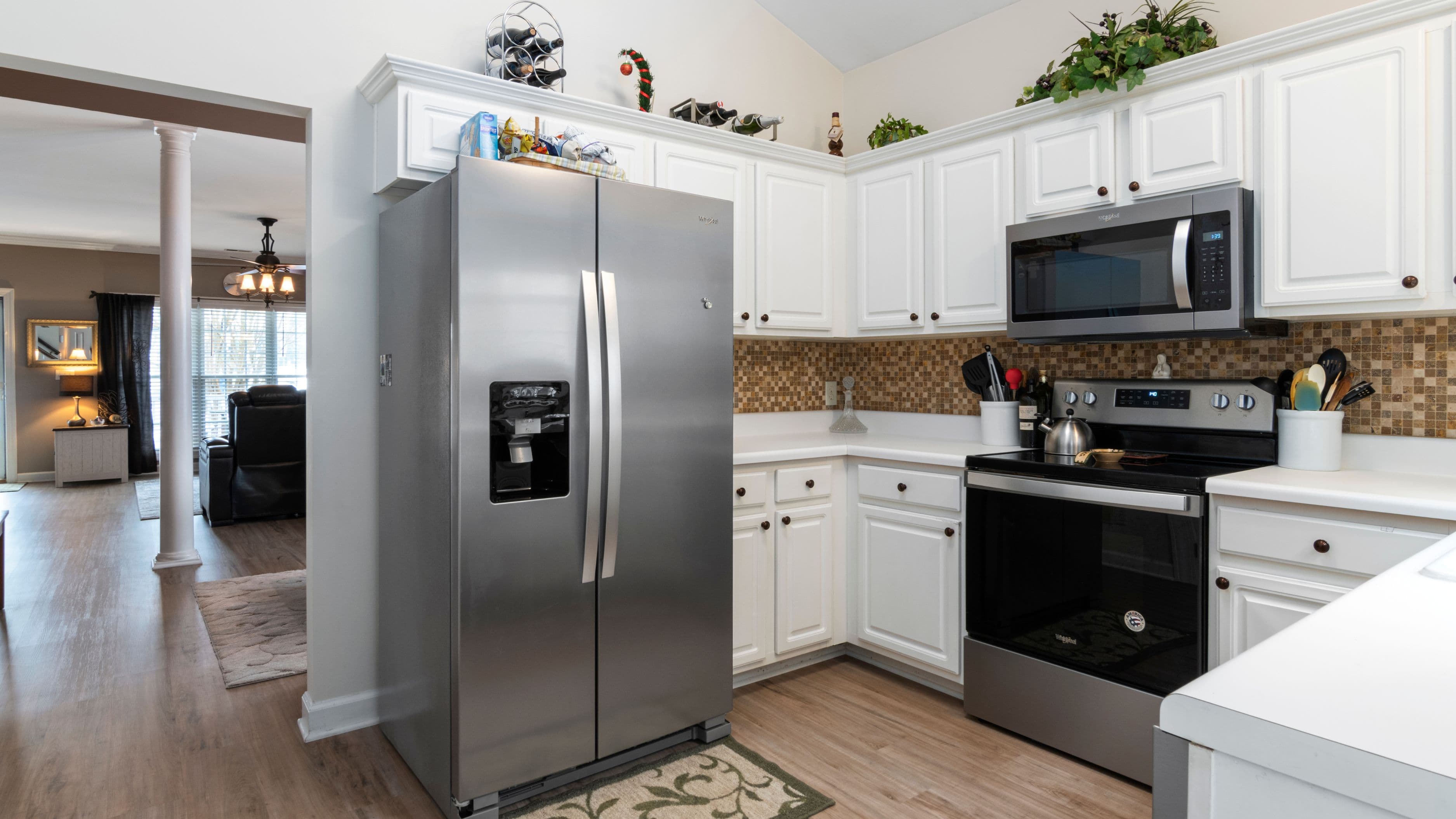
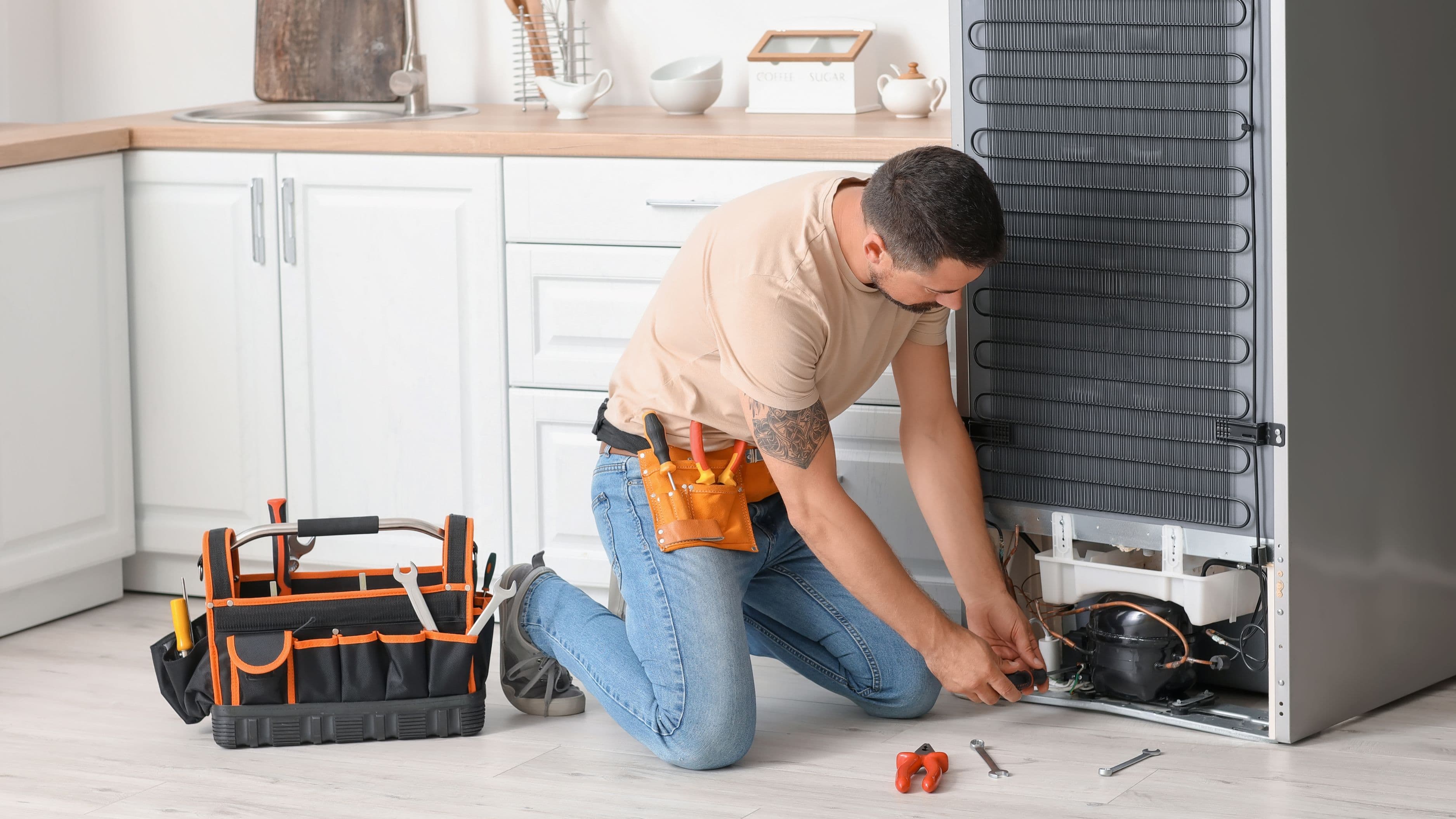
The refrigerator has its own repair logic because of the compressor. Most refrigerator repairs are reasonable – thermostats, fans, ice makers, door seals are all affordable fixes. Compressor failure is different: it's typically the most expensive single repair on a refrigerator and almost never worth doing on a unit over 10 years old. Refrigerant leaks fall in the same category. If your refrigerator's main problem is the compressor or a sealed system issue, it's almost certainly time to replace it.
Microwave
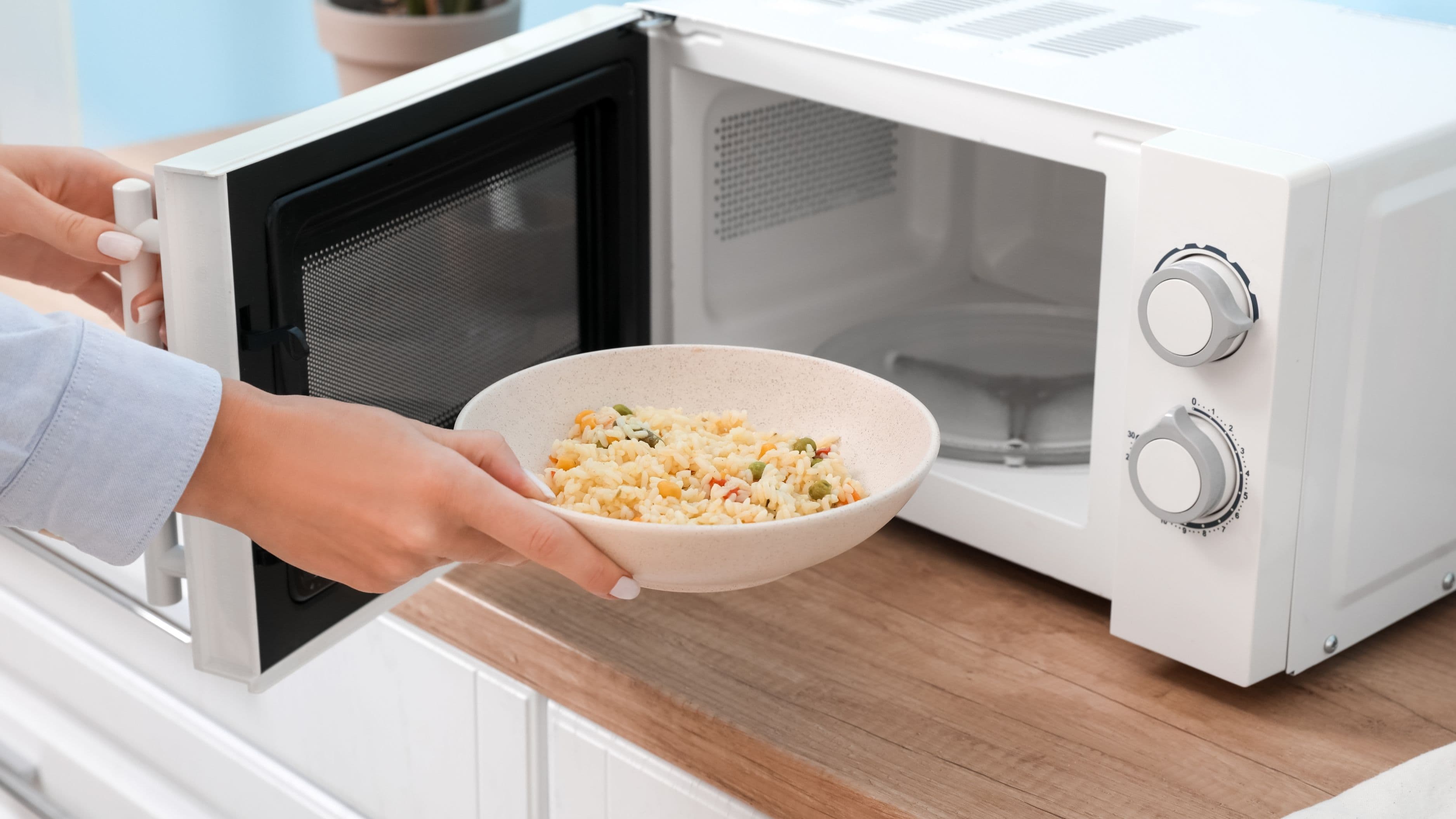
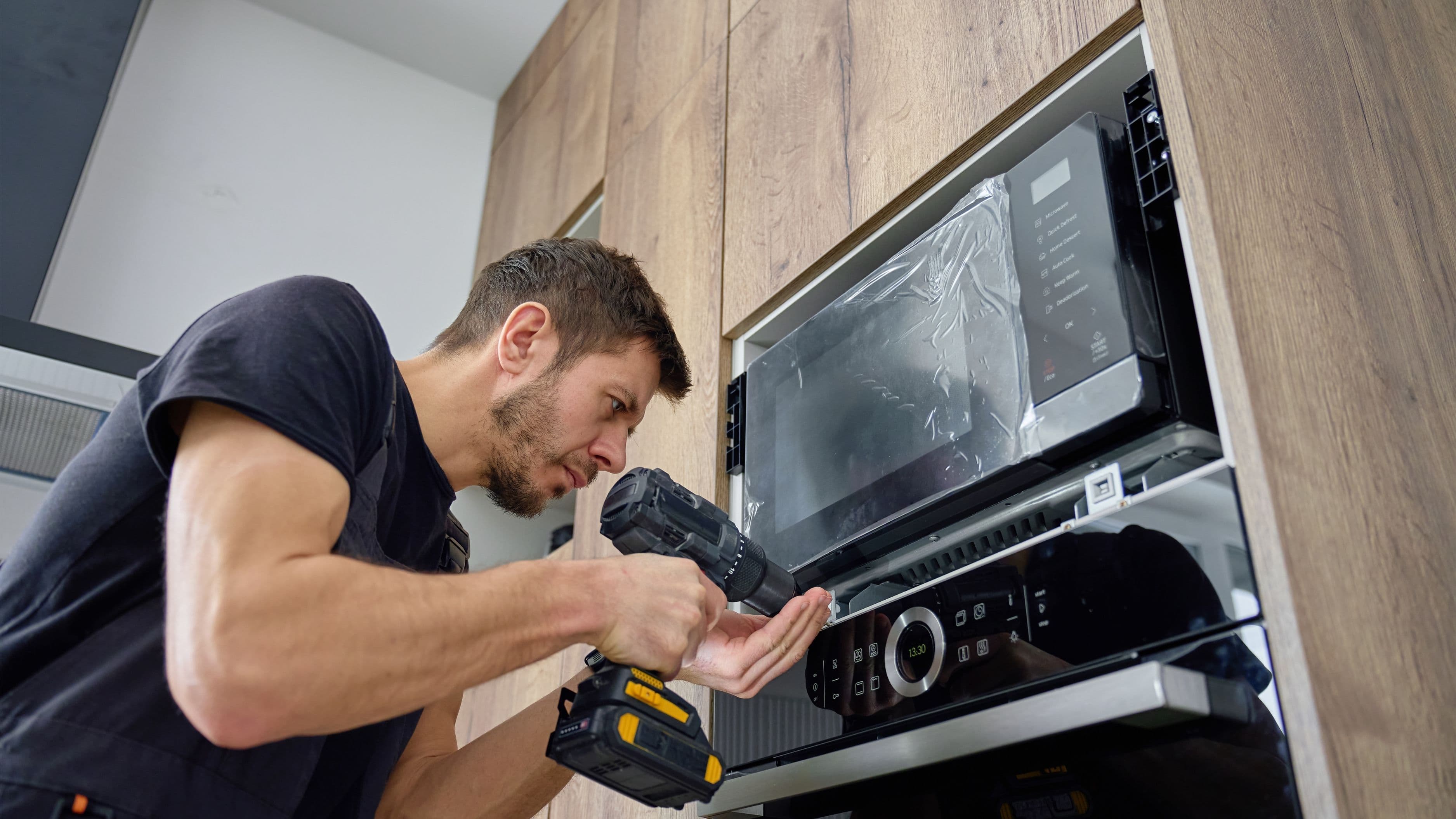
Microwaves are the one appliance where repair rarely makes financial sense for a standard countertop model. Countertop microwaves are inexpensive enough that most repairs approach or exceed replacement cost quickly. Over-the-range microwaves are a different story because replacement involves installation labor and sometimes cabinetry work – the higher effective replacement cost makes repair more viable up to a certain age and repair cost.
Repairs You Can Reasonably Do Yourself
Some common appliance repairs are well within reach for a homeowner with basic tools and a willingness to follow instructions. Handling these yourself removes labor cost from the equation and often makes the repair clearly worthwhile.
Replacing a refrigerator door gasket is one of the more accessible DIY repairs – parts cost $30–$80, and installation involves removing the old gasket and pressing the new one into the door channel. Cleaning refrigerator condenser coils costs nothing and resolves a surprising number of cooling issues. Replacing a gas oven igniter requires unplugging the oven, removing the burner cover, and swapping the igniter – a job that takes 30 minutes and requires no special tools. Replacing a dryer heating element is similarly approachable.
Before assuming a repair requires a service call, search for your specific model number and the symptom on YouTube. The appliance repair community produces genuinely useful step-by-step videos for most common failures on popular models, and you may find that a repair you assumed was expensive is something you can handle on a weekend morning.
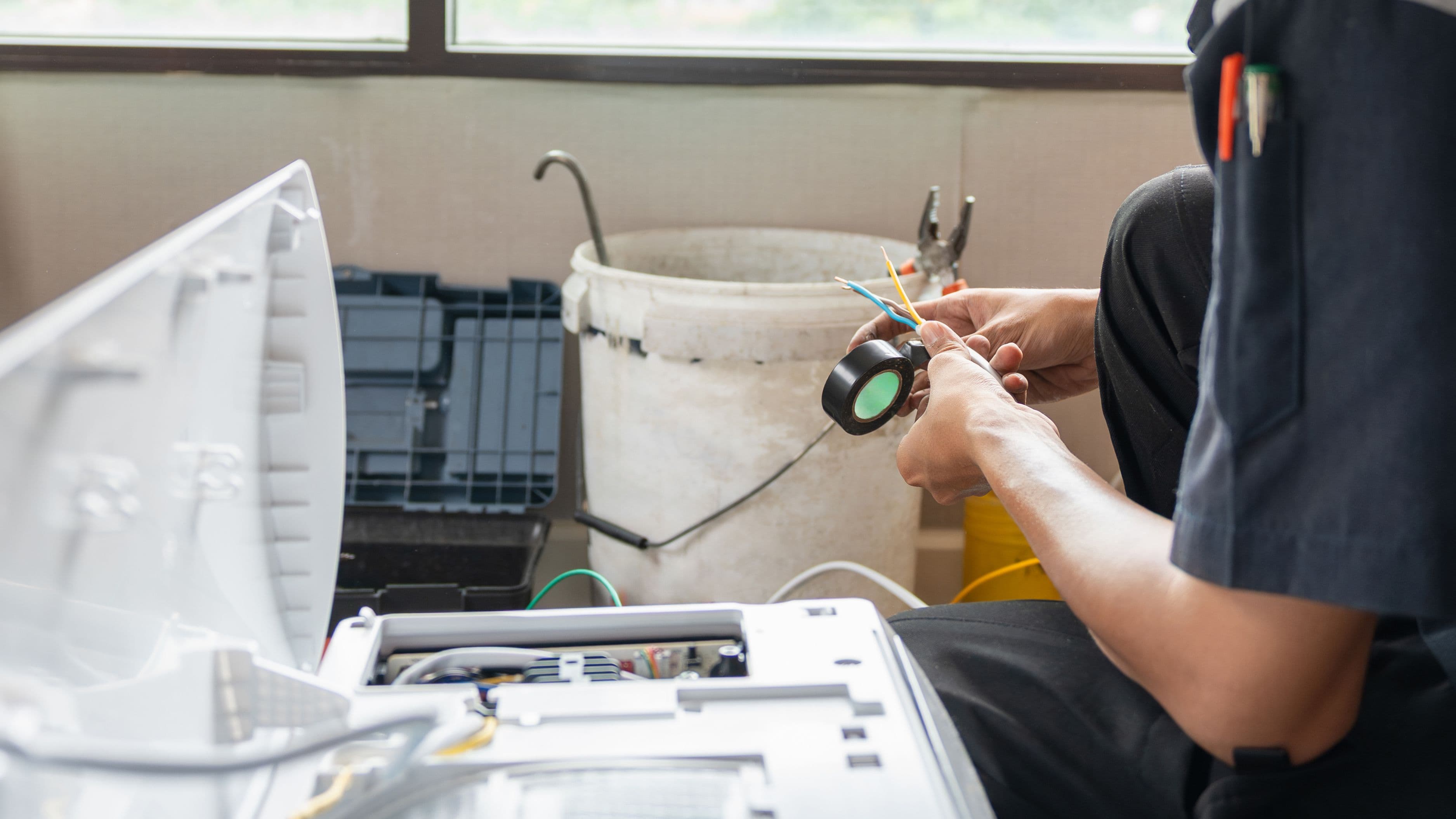
When a repair does require a professional, the categories are clear: anything involving refrigerant requires an EPA-certified technician, anything involving gas connections should be handled by someone licensed for gas work, and any electrical repair inside an appliance panel beyond simple element or igniter swaps should be left to a qualified technician.
What to Avoid When Making This Decision
The most common mistake homeowners make is deciding to replace without getting a diagnosis. It feels like the practical, forward-looking choice, but it often means spending $700–$1,200 on a new appliance when a $150 repair would have resolved the problem. Get the diagnostic before you shop.
The opposite mistake is also common: replacing a broken part on an appliance that's showing multiple signs of broader failure, then facing another repair six months later. If your technician identifies the specific broken part but also mentions worn drum bearings, a struggling motor, or a compressor that sounds strained, weigh those observations seriously. A single repair is sometimes a short-term solution to a longer-term deterioration.
Finally, don't let the inconvenience of being without an appliance push you into a hasty decision. It's frustrating to be without a dishwasher or washing machine for a week, but that temporary discomfort shouldn't be the deciding factor between a sensible repair and an unnecessary replacement.
FAQ
What if the repair estimate seems too high – should I get a second opinion? Yes, if the estimate surprises you or seems out of line, a second opinion from another licensed technician is worth the additional diagnostic fee. Repair estimates can vary, and for significant repairs it's reasonable to confirm the diagnosis and pricing with a second source before committing.
Does it matter if the appliance is still under manufacturer's warranty? Significantly. If your appliance is within the manufacturer's warranty period, the repair may be covered at no cost. Check your documentation or the manufacturer's website before calling an independent technician – using an unauthorized repair service can void an active warranty.
Is it worth buying an extended warranty on an appliance after a repair? Extended warranties from manufacturers (not retailer add-on plans) can be worth considering on major appliances after a significant repair, particularly if the appliance is otherwise in good condition and has remaining useful life. Read the terms carefully – deductibles, exclusions, and coverage limits vary widely and can significantly affect the actual value.
What should I do with an appliance I've decided to replace? Check whether the retailer or manufacturer offers a haul-away service for the old unit – many do at no extra charge when delivering a new appliance. Some utility companies offer rebate programs for recycling old Energy Star-eligible appliances. Scrap metal recyclers also accept old appliances, sometimes with free pickup.
The Clearest Summary
Get a real repair estimate first. Apply the 50% rule against a realistic replacement cost. Adjust for the appliance's age and remaining lifespan. Check parts availability. Ask the technician for their candid assessment. Then make the call.
Most of the time, this process takes less than an afternoon and saves you from either paying for a repair that won't hold or replacing an appliance that had several good years left in it. Neither outcome serves your budget – and a little bit of process prevents both.
📚 Sources
Consumer Reports. (2023). How long do appliances last? – https://www.consumerreports.org/appliances/how-long-do-appliances-last-a1047460139/
U.S. Department of Energy. Energy efficient appliances. – https://www.energy.gov/energysaver/appliances-and-electronics
International Association of Certified Home Inspectors. Appliance life expectancy. – https://www.nachi.org/life-expectancy.htm
U.S. Environmental Protection Agency. Section 608 technician certification (refrigerant handling). – https://www.epa.gov/section608
ENERGY STAR. Certified appliances. U.S. Environmental Protection Agency – https://www.energystar.gov/productfinder