
There are several common causes, ranging from simple loading mistakes to a clogged filter or a failing spray arm. Working through them systematically will get your dishes coming out clean again, usually in under an hour and for little to no money.
What to Check First
Before diving into the mechanical components, it helps to rule out the easy stuff. A surprising number of dishwasher complaints come down to how the machine is being used rather than anything broken inside it. Start with these quick checks before pulling anything apart.
Is the filter clean? Modern dishwashers have a manual filter at the bottom of the tub that catches food debris. If it hasn't been cleaned in months – or if you didn't know it existed – a clogged filter is the most likely culprit. This is the single most common cause of poor cleaning performance and takes about five minutes to fix.
Are dishes blocking the spray arms? Long utensils, large pots, or pans positioned the wrong way can physically block the spray arms from spinning. If the water can't reach all the dishes, some of them won't get clean.
Are you using the right detergent and the right amount? Too little detergent means insufficient cleaning power. Too much can cause residue buildup on dishes. Old or clumped detergent also loses effectiveness. These are easy variables to rule out before looking deeper.
Cause 1 – Clogged or Dirty Filter
This is where to start. The filter sits at the bottom of the dishwasher, usually beneath the lower spray arm, and it catches food particles so they don't recirculate onto your dishes. When the filter gets heavily clogged, water can't drain and circulate properly, and food debris ends up back on your dishes.
How to fix it:
Remove the lower rack and locate the filter assembly – it's usually a cylindrical mesh piece that twists out, sometimes with a flat filter beneath it. Twist and lift it out according to your model's instructions (check your manual if you're unsure how yours unlocks). Rinse it under warm running water and use an old toothbrush to scrub away any buildup, particularly in the mesh. For heavier grease or debris, let it soak in warm soapy water for 10 minutes before scrubbing. Reinstall it by lining up the tabs and twisting back into place.
Difficulty: Very easy. No tools needed.
Cost: Free.
How often to clean it: Once a month if you run the dishwasher regularly, or whenever you notice cleaning performance drop.
Cause 2 – Blocked or Clogged Spray Arms
The spray arms – one at the bottom, usually one in the middle, and sometimes a small one at the top – are what actually push water onto your dishes. Each arm has small holes (jets) that can get plugged with hard water mineral deposits, small food bits, or broken glass. When enough jets are blocked, water pressure drops and dishes come out dirty.
How to fix it:
Remove the lower rack and unclip or unscrew the lower spray arm – most snap off or have a single nut in the center. Hold it up to the light and look through the jets. If you can see blockages, use a toothpick or a thin wire to clear each hole. Rinse the arm thoroughly under running water, shaking it to flush out loosened debris. For mineral deposits, soak the arm in a bowl of white vinegar for 20–30 minutes, then rinse and clear the jets again. Repeat the process for the middle and upper spray arms. Before reinstalling, spin each arm by hand – it should rotate freely with no resistance.
Difficulty: Easy.
Cost: Free, or a few dollars for white vinegar if you don't have it on hand.
Time: About 20–30 minutes including soaking time.
Cause 3 – Incorrect Loading
This one is easy to overlook because the machine sounds like it's running fine. But if dishes are nested together, facing the wrong direction, or blocking the spray arms from spinning, water simply can't reach every surface.
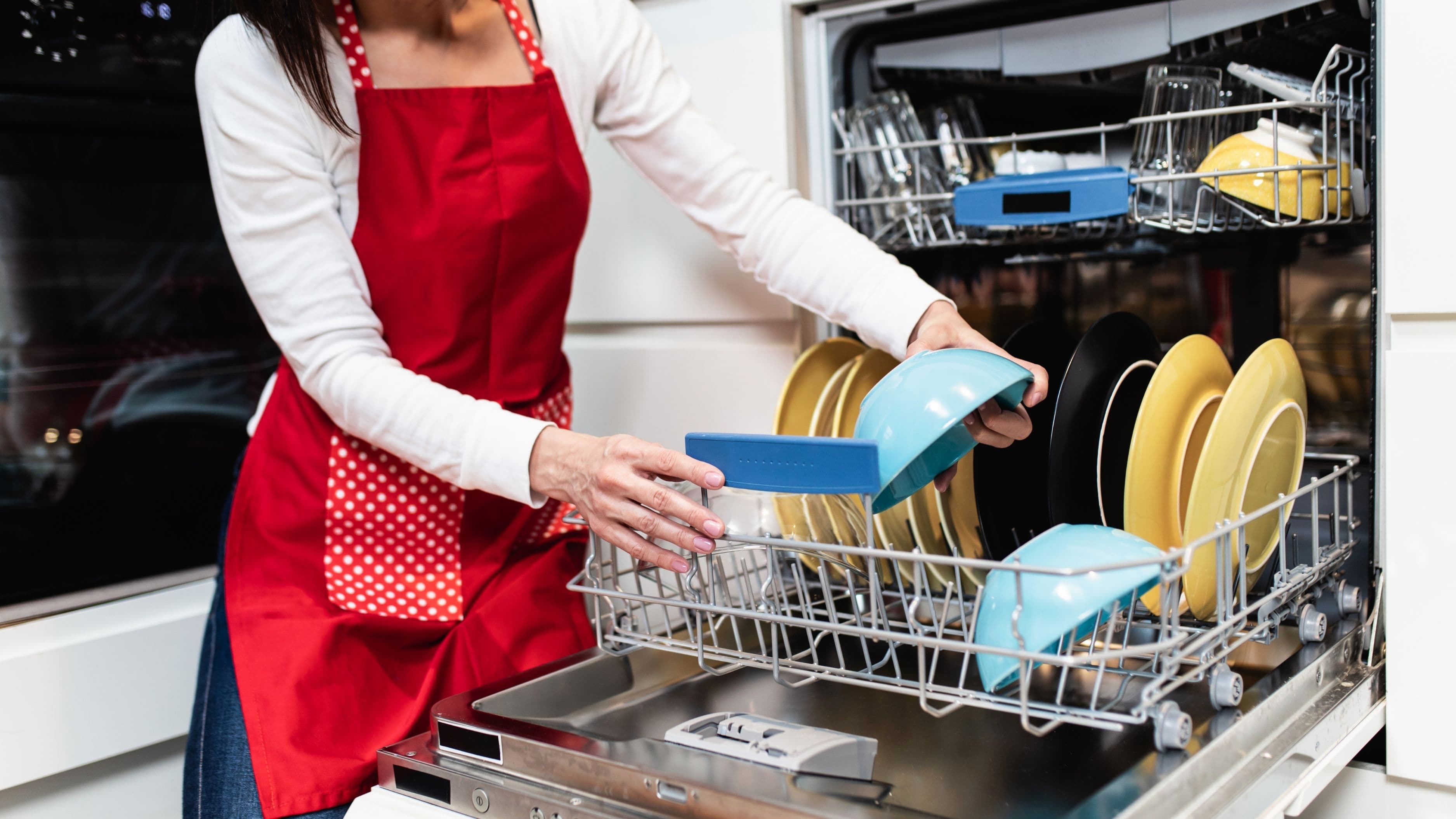
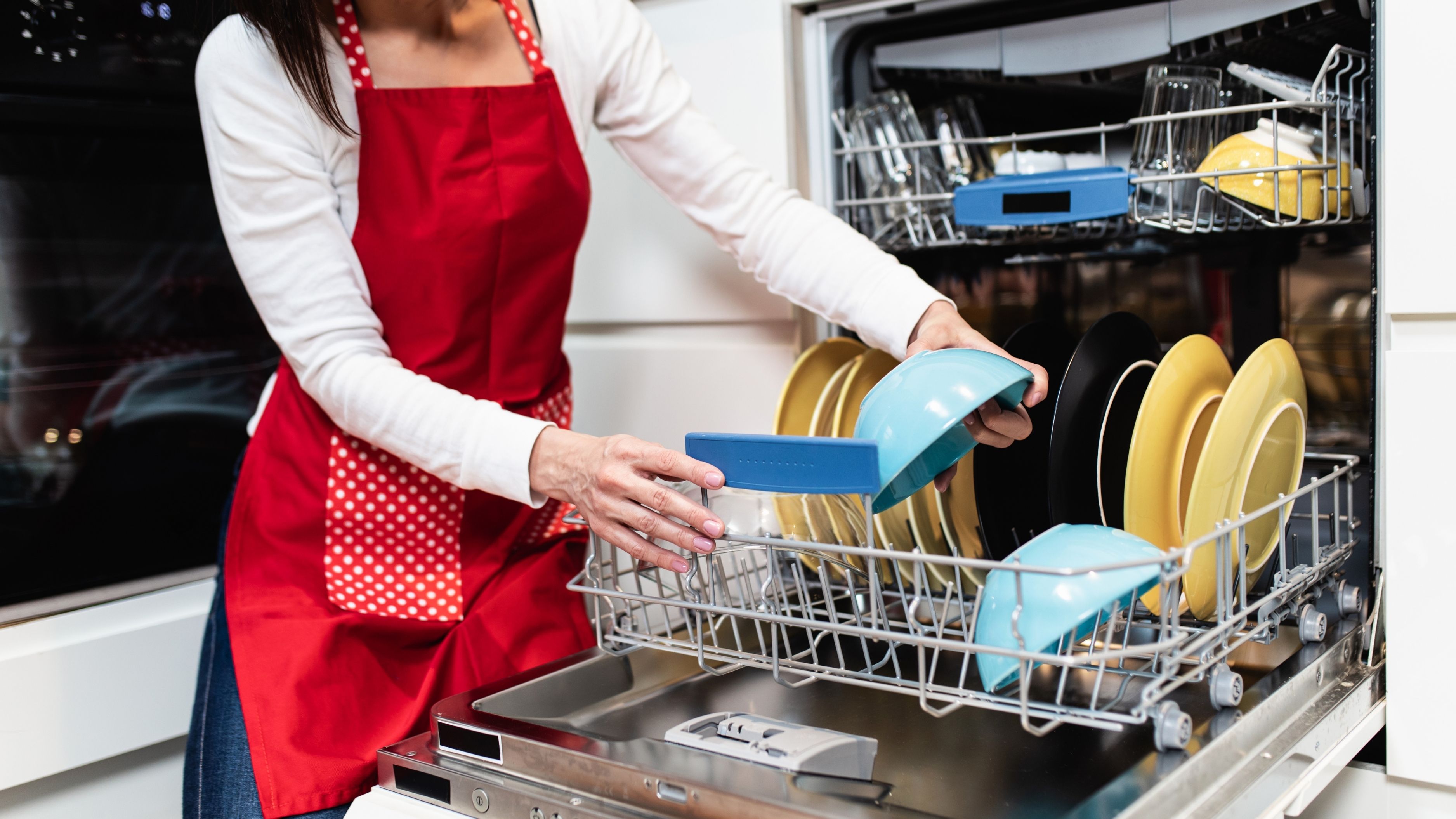
The basics of good loading make a real difference. Plates and bowls should face inward toward the center, where the spray is strongest. Cups and bowls go upside down on the top rack so water drains out instead of pooling in them. Nothing should be laying flat in a way that creates a surface for water to sit on rather than drain off. Tall items like cutting boards and baking sheets go along the sides or back so they don't block the spray arms. Check that the arms can rotate freely after loading by giving them a quick spin before starting the cycle.
Difficulty: No effort at all – just a habit adjustment.
Cost: Free.
Cause 4 – Detergent Issues
Detergent problems show up in a few different ways. Using too little means there's not enough cleaning power for a full load. Using too much can leave a white, filmy residue on dishes that looks like it could be food. Old detergent – especially powder or gel that's been open for months – clumps and loses its effectiveness.
Dishwasher pods are the most foolproof option because they're pre-measured. If you use powder or gel, measure carefully and follow the recommendation on the packaging for your water hardness and load size. Store detergent in a cool, dry place with the container sealed, and replace powder or gel after about three months if it's been opened. Also check that the detergent dispenser door opens properly during the cycle – if the door is stuck or the spring is weak, the detergent may not be releasing at the right time.
Difficulty: Easy.
Cost: The price of fresh detergent if yours has gone bad – typically $10–$20.
Cause 5 – Hard Water Mineral Buildup
If you live in an area with hard water – water with high calcium and magnesium content – mineral deposits can build up inside the dishwasher over time, on the spray arm jets, on heating elements, and on your dishes. The result is often a white chalky film on glassware and dishes that can look like food residue but is actually mineral scale.
The fix involves two things: a descaling treatment to clear existing buildup, and a rinse aid to prevent it from coming back. For descaling, run an empty dishwasher on the hottest cycle with two cups of white vinegar placed in a bowl on the bottom rack. Alternatively, use a commercial dishwasher cleaner like Affresh, which is designed specifically for this. Do this once a month if hard water is a recurring issue in your home.
Rinse aid is important for hard water situations. It reduces surface tension in the rinse water so it sheets off dishes cleanly, which prevents spots and mineral film from forming. Fill the rinse aid dispenser and keep it topped up – the dispenser window will show when it's low.
Difficulty: Easy. Cost: $3–$10 for vinegar or a dishwasher cleaner tablet.
Cause 6 – Water Temperature Is Too Low
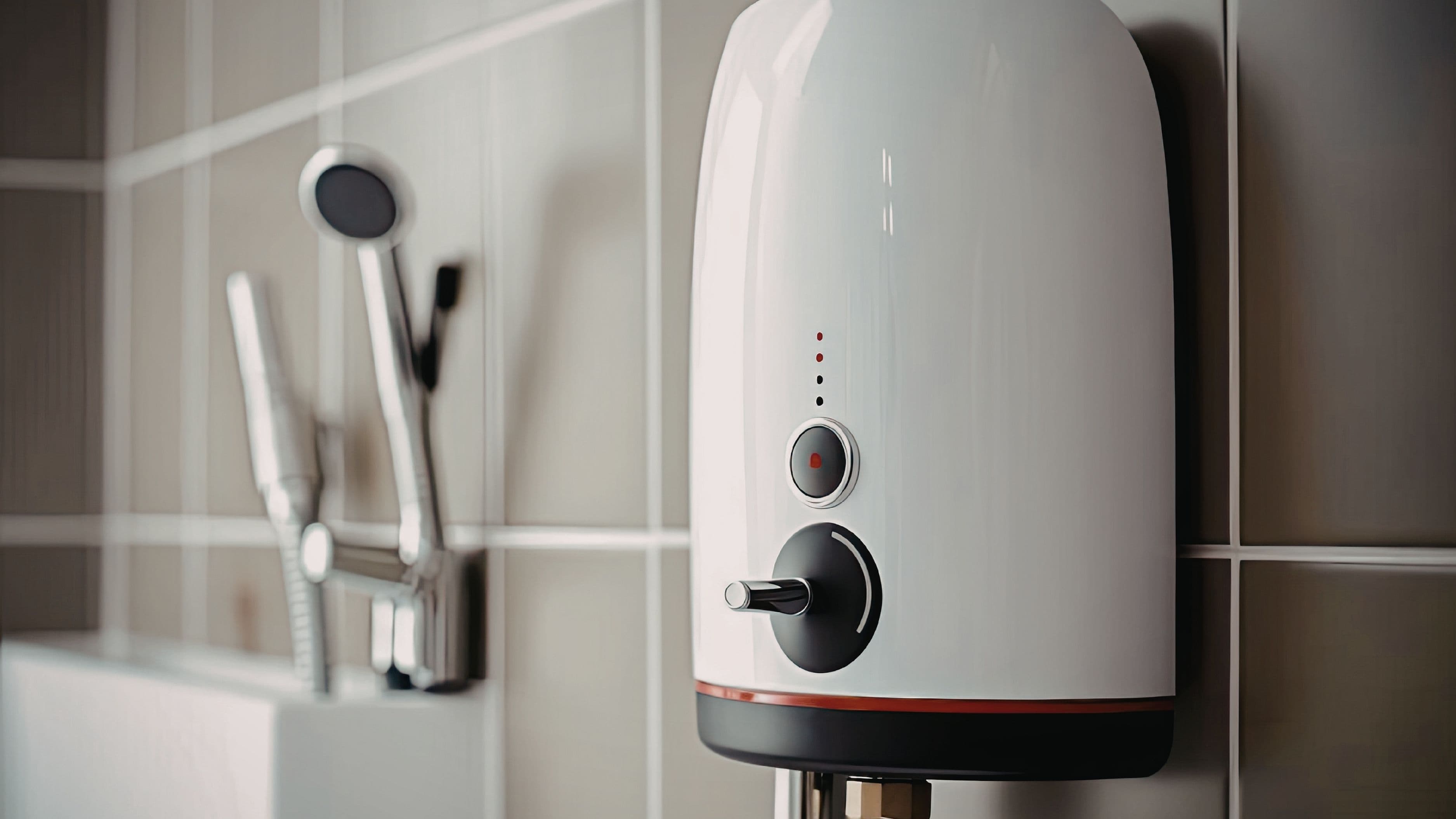
Dishwashers need hot water to dissolve detergent properly and to break down grease and food. If your water heater is set below 120°F, or if the dishwasher starts its cycle before the hot water has had a chance to reach it from the heater, the first part of the wash runs on lukewarm water and cleaning suffers.
You can check your water temperature easily. Run the hot water tap nearest to the dishwasher for about a minute, then hold a meat or candy thermometer under the stream. If it reads below 120°F, the issue may be your water heater setting. Adjusting the heater thermostat to 120°F is a simple fix – most water heaters have an accessible dial or digital control on the unit itself. You can also run the hot water at the kitchen sink for a minute before starting the dishwasher, which brings hot water closer to the machine before the cycle begins.
Difficulty: Easy check; straightforward fix.
Cost: Free if it's just a setting adjustment.
Cause 7 – Worn or Damaged Door Gasket
The rubber seal that runs around the dishwasher door keeps water inside the tub during the cycle. If this gasket is cracked, torn, or pulling away from the frame in spots, water can escape or the seal can be incomplete enough to affect wash pressure inside. You might also notice water pooling on the floor in front of the dishwasher if the gasket is significantly worn.
Inspect the gasket by running your fingers along the full length of it, feeling for cracks, stiff sections, or spots where it's pulling away. Look for visible tears or mold buildup that might indicate a seal problem. A deteriorated gasket can sometimes be cleaned and temporarily restored, but if it's cracked or torn, it needs to be replaced.
Replacement gaskets are model-specific and can be ordered by your dishwasher's model number, which is usually printed on a sticker inside the door frame. Installation involves pulling the old gasket out of its channel and pressing the new one in – it doesn't require tools and typically takes 20–30 minutes.
Difficulty: Moderate.
Cost: $20–$60 for a replacement gasket, depending on the model.
Cause 8 – Failing Wash Pump or Water Inlet Valve
If you've worked through everything above and dishes are still coming out dirty, the problem may be mechanical. The wash pump drives water pressure through the spray arms, and if it's failing, spray pressure will be noticeably weak. The water inlet valve controls how much water enters the machine during the fill cycle – a partially blocked or failing valve means the tub may not be filling adequately.
Signs that the pump may be the issue include unusually quiet operation, weak spray that doesn't reach all the dishes, or water that doesn't seem to be circulating normally. A failing inlet valve may cause the tub to fill to a low level, which you can sometimes see by pausing the cycle early and checking the water level through the door.
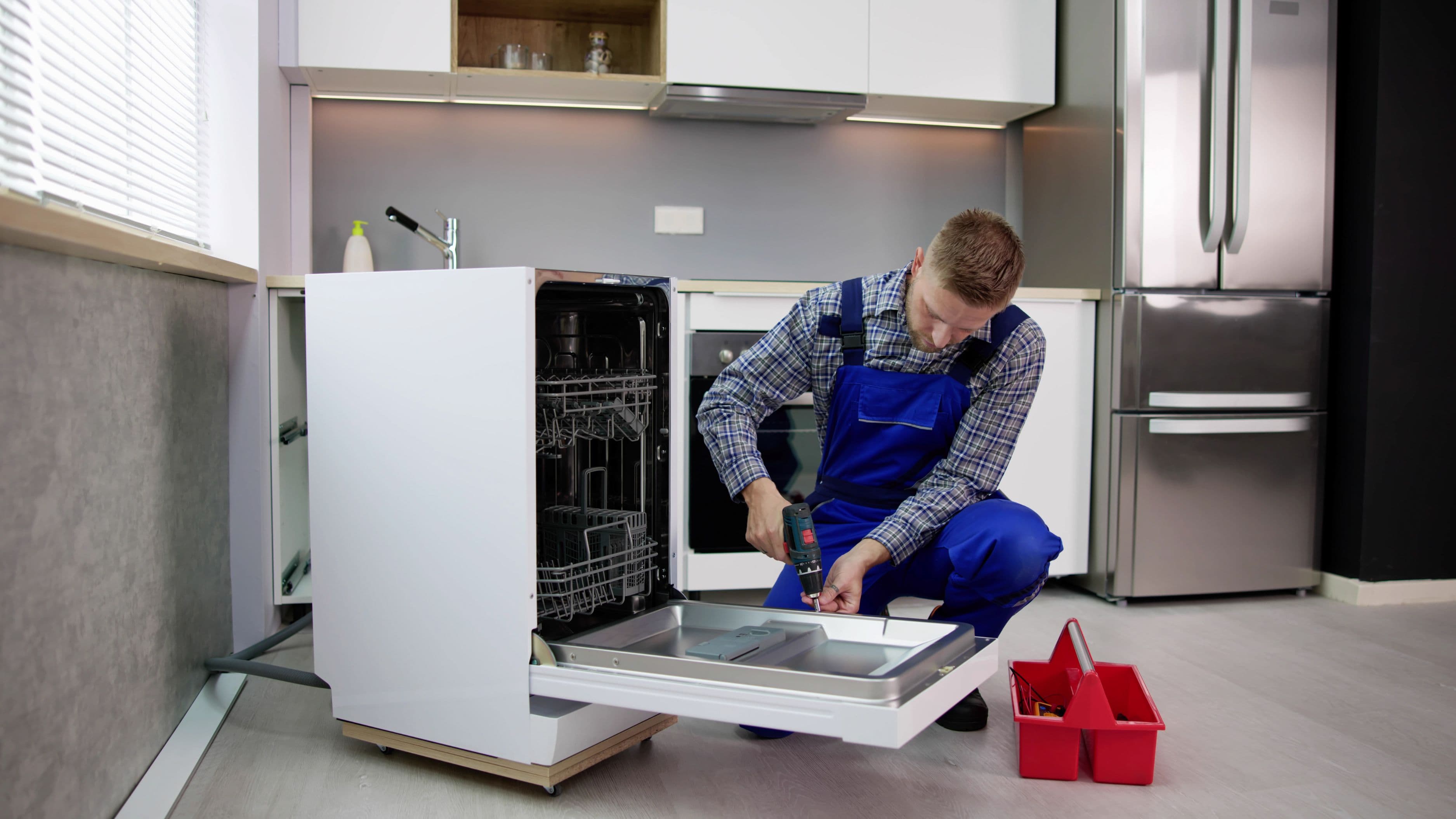
These are components you can replace as a reasonably confident DIYer – parts are available by model number through appliance parts suppliers, and video guides for most major brands walk through the process in detail. That said, if you're not comfortable working inside appliances and the dishwasher is more than 10 years old, it may be worth getting a repair quote before investing in parts, since older machines can have multiple compounding issues.
Difficulty: Moderate to difficult depending on the model.
Cost: $30–$150 in parts; $100–$200+ if you hire a technician.
When to Call a Professional
Most dirty dish problems are DIY-fixable, but there are situations where calling a technician makes more sense. If the control board is showing error codes, if the machine is making grinding or loud humming sounds during the wash cycle, or if multiple components seem to be failing at the same time, a professional diagnosis will save you time and the cost of replacing the wrong parts. Likewise, if the dishwasher is more than 12–15 years old and the issue is a major component like the pump motor, it's worth comparing the repair cost against a replacement unit before committing.
What to Avoid
Don't use regular dish soap in a dishwasher – it produces excessive foam that can overflow the machine and damage the pump. Always use detergent specifically labeled for automatic dishwashers.
Don't skip pre-cleaning spray arms if you've had a hard water issue. Running the machine on a descaling cycle without clearing the jets first means minerals are loosened but may not fully flush out.
Don't overload the machine hoping it will clean more in one run. A packed dishwasher almost always cleans worse than a properly loaded one. Run two cycles if you have a large load.
And don't neglect the filter for months at a time – a clean filter is the single easiest thing you can do to keep your dishwasher performing well, and it takes less time than washing two pans by hand.
FAQ
How often should I clean my dishwasher filter? Once a month is a good baseline for regular use. If you run your dishwasher daily or cook a lot of high-residue foods like rice, pasta, or meat, every two to three weeks is better. You'll notice cleaning performance decline noticeably when the filter needs attention.
Does pre-rinsing dishes actually help? Lightly scraping food scraps off dishes before loading is enough – full pre-rinsing isn't necessary and can actually reduce cleaning effectiveness in modern machines, because many detergents are formulated to work on some food soil. Leave some light residue for the detergent to act on, but remove large chunks that would clog the filter.
My dishwasher smells bad and leaves residue – are these related? Yes, usually. Both symptoms point to the same root cause: a clogged filter or buildup inside the tub from food debris, grease, and hard water deposits. Clean the filter, run a descaling cycle with vinegar or a dishwasher cleaner, and wipe down the door gasket and tub interior with a damp cloth. Both problems typically clear up together.
What's the best rinse aid for preventing food and mineral residue? Finish Jet-Dry and Cascade Platinum Power Dry are both well-regarded and widely available. If you have hard water, look for a rinse aid specifically formulated for hard water conditions. Keep the dispenser full – it makes a noticeable difference in how clean and streak-free dishes come out.
Could the problem be with the dishwasher cycle I'm selecting? Yes. A quick or eco cycle uses less water and lower temperatures, which can leave residue on heavily soiled loads. Reserve shorter cycles for lightly used dishes and use a normal or heavy cycle for everyday loads with food residue. If you've been defaulting to the shortest cycle available, switching to a standard wash cycle may solve the problem entirely.
The Bottom Line
A dishwasher leaving food residue on dishes is one of the more solvable appliance problems around the house. In the majority of cases, the fix is a clean filter, cleared spray arms, or a quick adjustment to how dishes are loaded or what detergent is being used. Work through the causes above from simplest to most complex, and most people find the answer before they get past cause three or four.
Give it a go before calling anyone. The parts are cheap, the fixes are straightforward, and your next load of dishes will likely come out exactly as they should.
📚 Sources
Whirlpool – "Why Is My Dishwasher Not Cleaning Dishes?": https://www.whirlpool.com/blog/kitchen/dishwasher-not-cleaning-dishes.html
GE Appliances – "Dishwasher Cleaning Problems": https://www.geappliances.com/ge/service-and-support/dishwasher-cleaning-problems.htm
University of Wisconsin Extension – "Hard Water and Water Softening": https://learningstore.extension.wisc.edu/products/hard-water-and-water-softening
U.S. Department of Energy – "Water Heating – Temperature Recommendations": https://www.energy.gov/energysaver/heat-and-cool/water-heating
Consumer Reports – "How to Clean Your Dishwasher": https://www.consumerreports.org/dishwashers/how-to-clean-your-dishwasher/
🔍 Explore Related Topics
Best dishwasher cleaners and descalers compared