
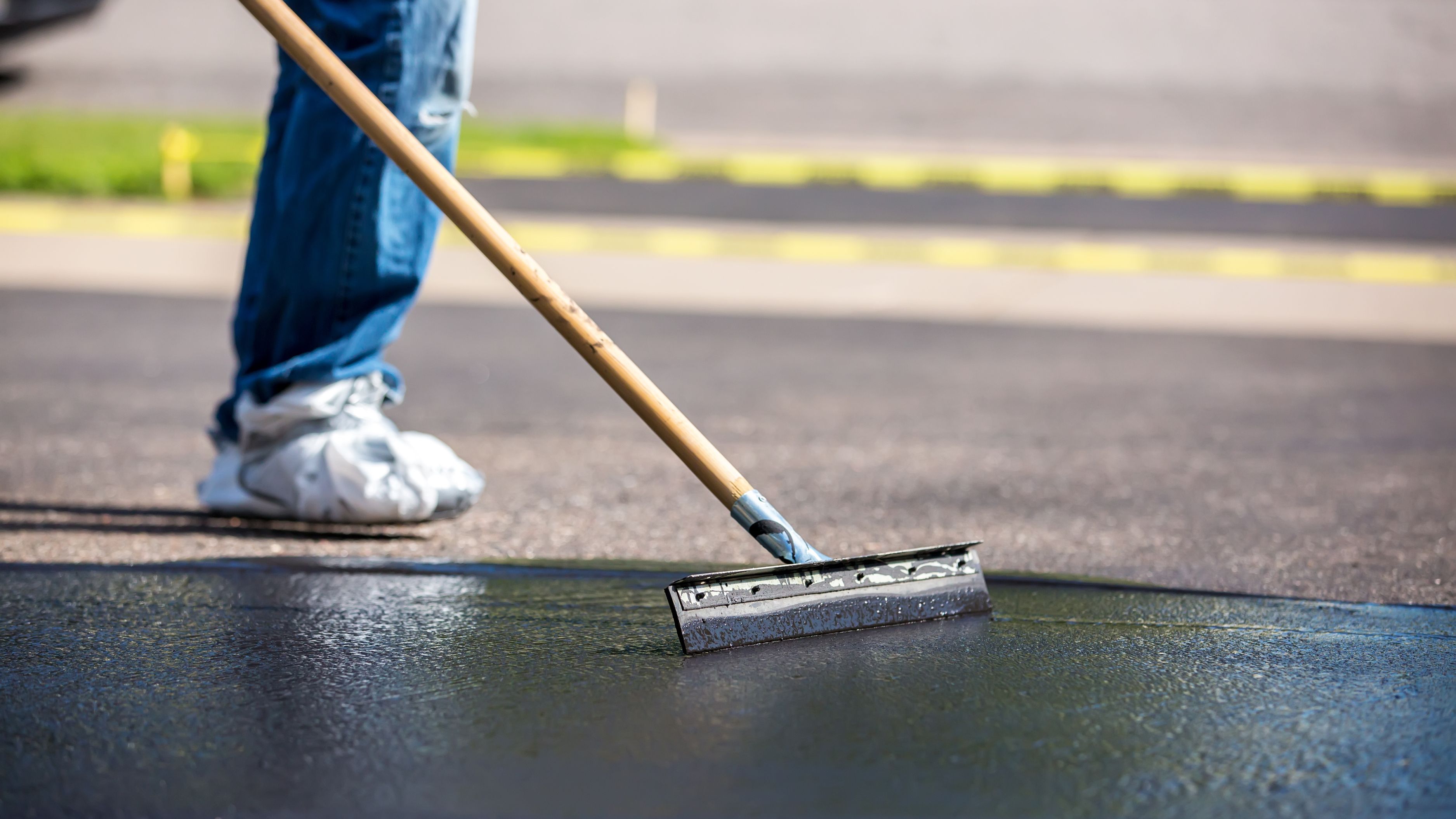
What Resurfacing Actually Involves
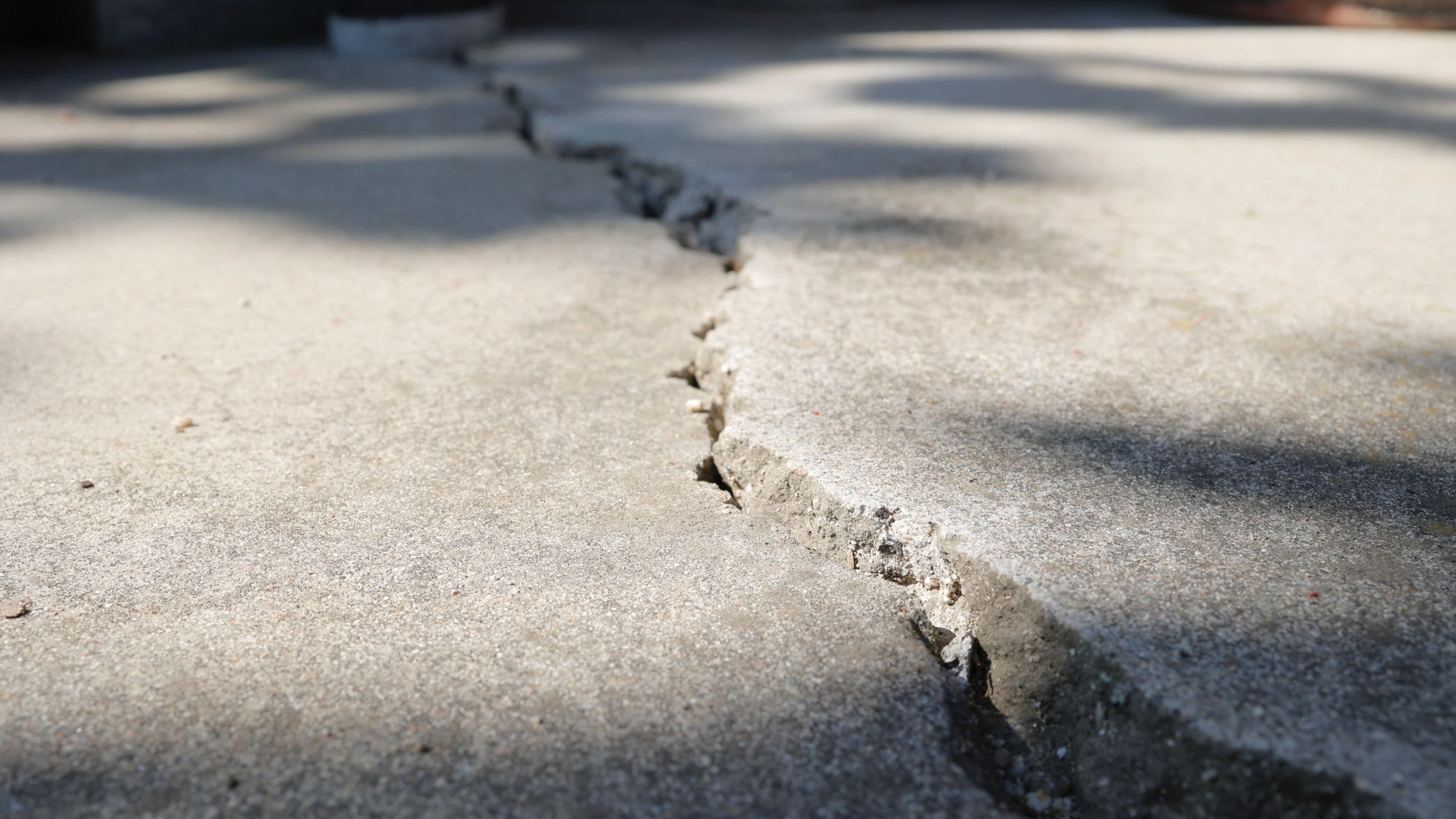
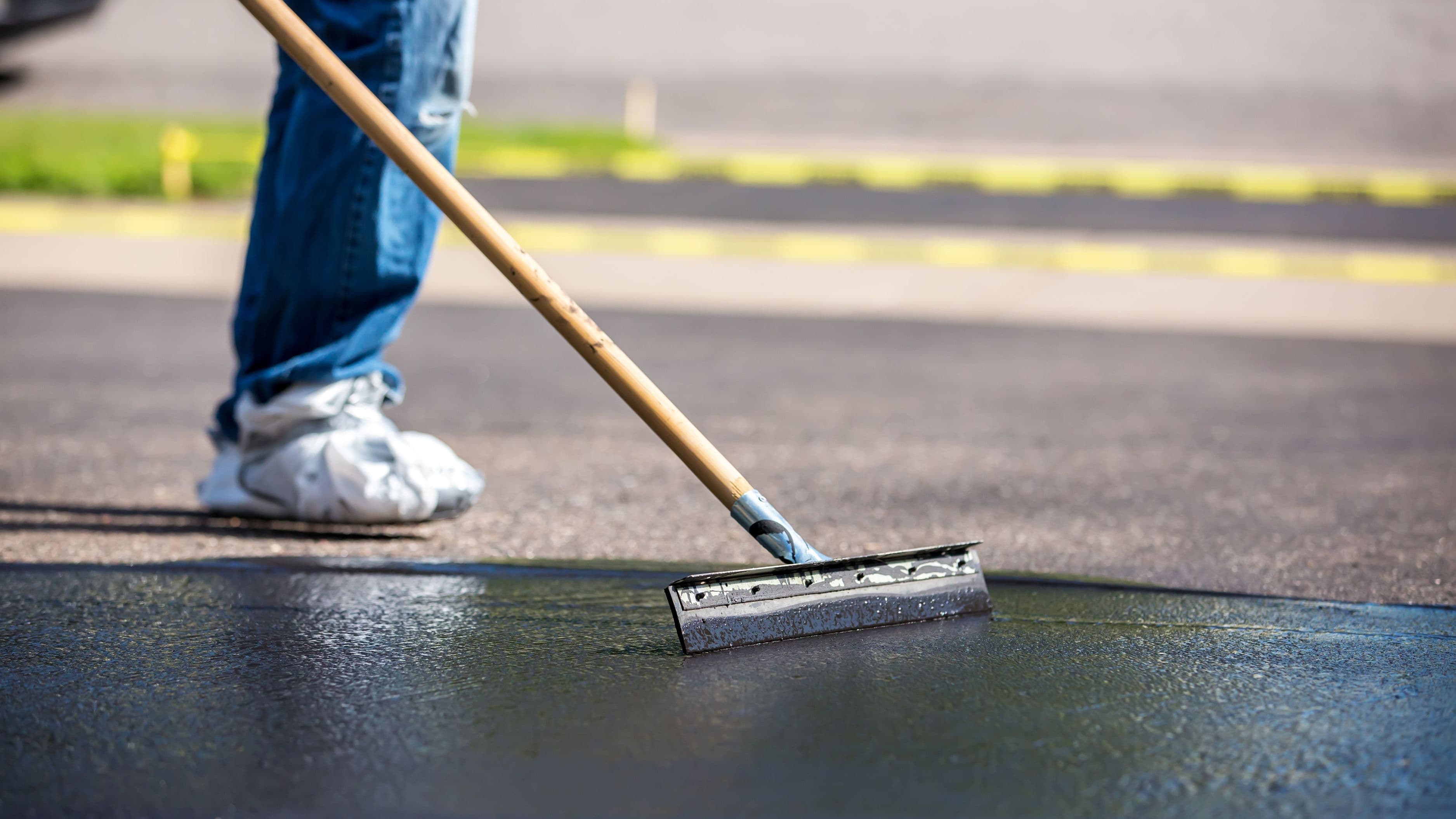
Resurfacing means applying a new layer of asphalt or a bonding overlay on top of an existing driveway, rather than tearing it out and starting over. It's meant for driveways with surface-level wear – fading, minor cracking, shallow potholes – where the base underneath is still structurally sound. This is the key distinction that determines whether resurfacing is even the right approach: it fixes what's on top, not what's underneath.
Full replacement, by contrast, involves removing the old asphalt entirely and rebuilding the base layer before laying new asphalt. If your driveway's problems are coming from below the surface, resurfacing over them is a cosmetic fix that won't hold.
Realistic Difficulty for a DIY Project
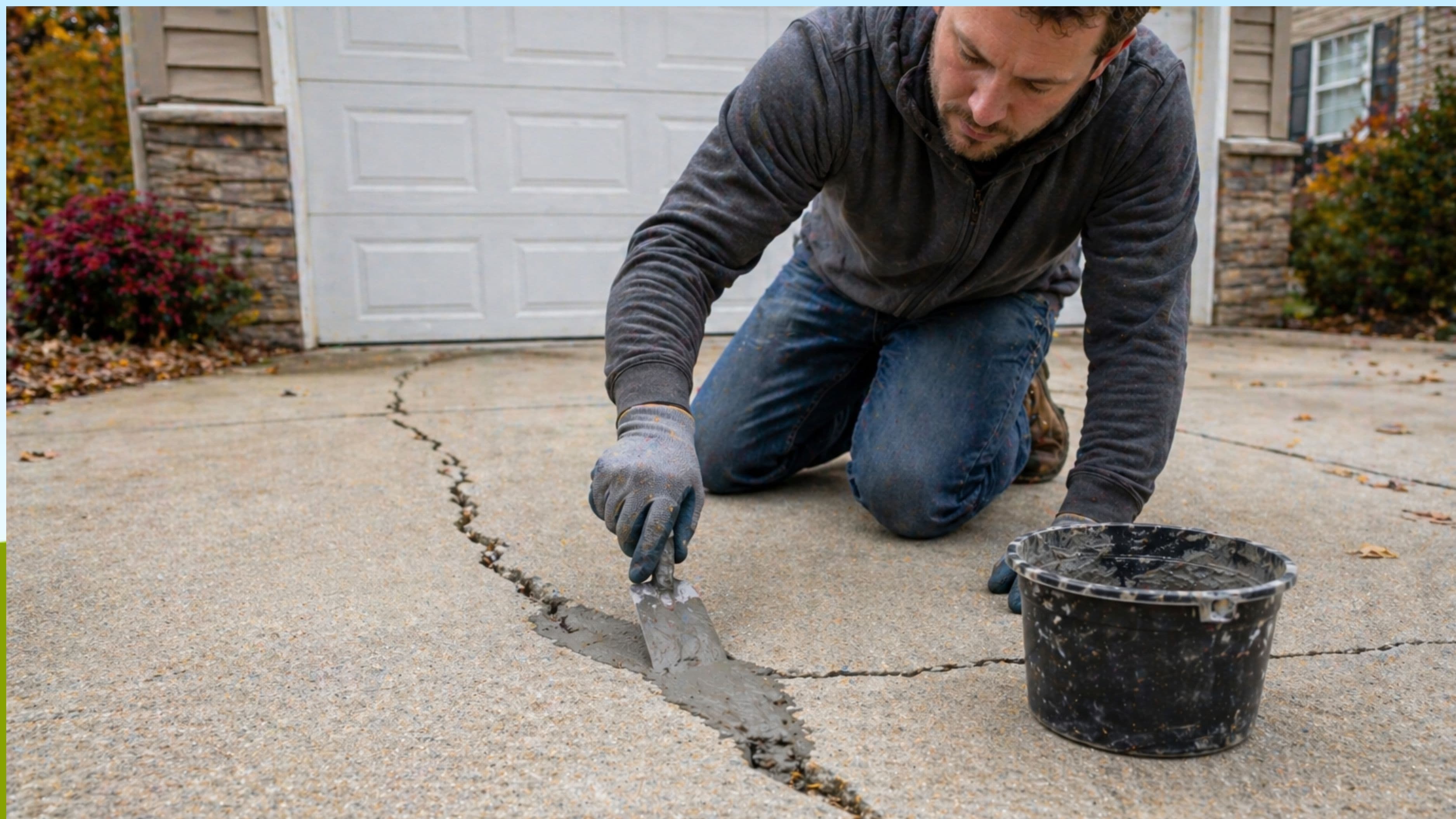
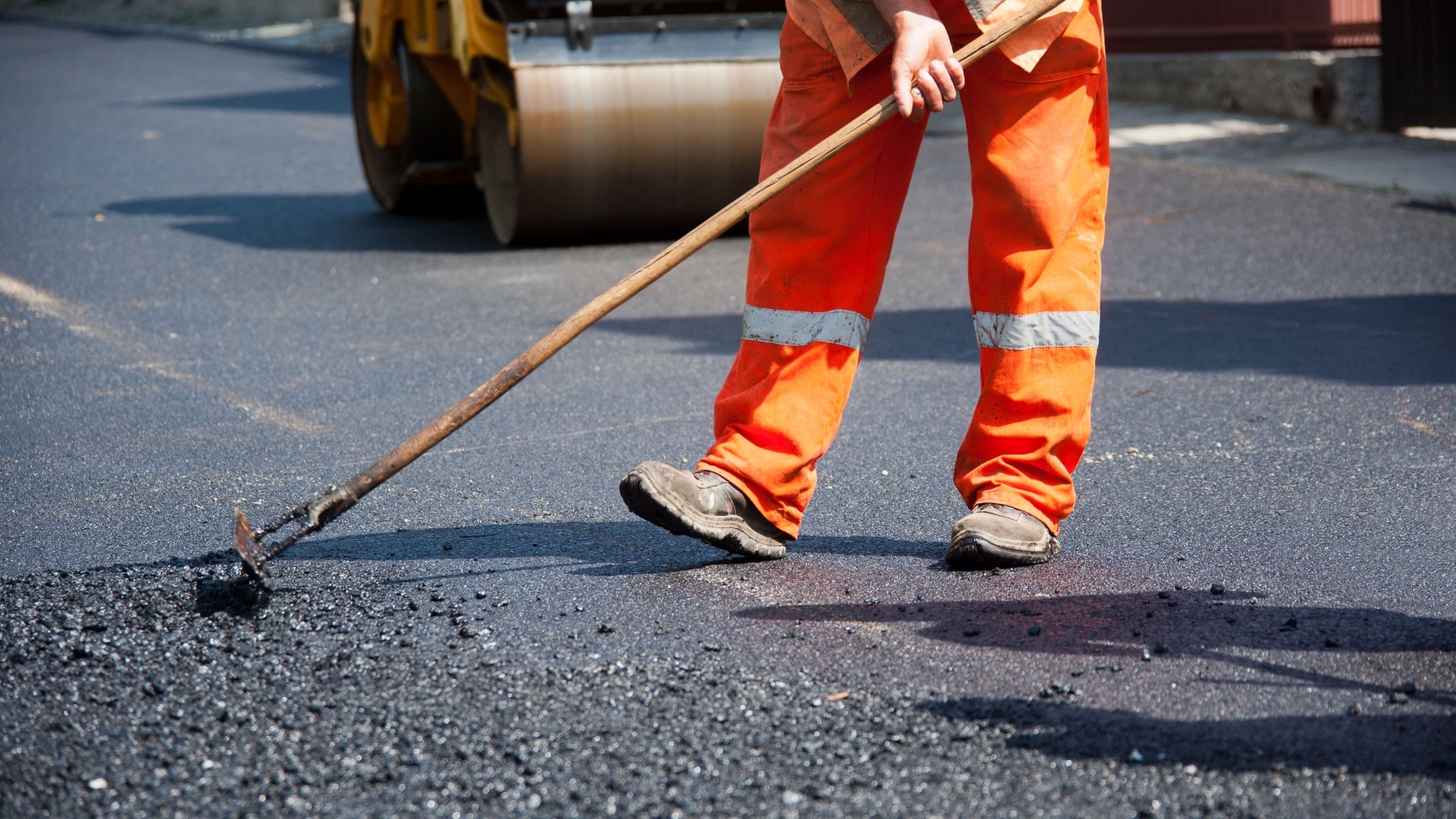
Resurfacing a full driveway is a considerably bigger undertaking than filling a pothole or sealing cracks. It requires renting or buying an asphalt overlay product or hot-mix material, achieving even application across the whole surface, and compacting it properly with equipment most homeowners don't already own, like a plate compactor or roller. Getting an even, properly bonded surface across a large area is harder than it looks in tutorial videos, and an uneven job doesn't just look bad – it creates new low spots where water pools and the same freeze-thaw damage starts over again.
For a single-car driveway with only minor surface issues, a motivated DIYer with the right tools and a weekend can produce an acceptable result. For anything larger, or for a driveway with more than superficial damage, the margin for error grows quickly, and mistakes are expensive to fix once cured asphalt has set improperly.
Time and Cost Comparison
DIY resurfacing materials, including asphalt overlay products and rental equipment like a plate compactor, typically run $800 to $2,000 for an average single-car driveway, depending on size and material choice. A professional resurfacing job for the same driveway commonly costs $2,500 to $6,000, since that price includes labor, professional-grade equipment, and typically a longer-lasting hot-mix asphalt application rather than a cold-applied product.
The time investment tells a similar story. A professional crew can usually complete a driveway resurfacing in a single day. A DIY project realistically takes a full weekend, factoring in surface prep, application, and curing time before the driveway can handle vehicle weight again – and that's assuming no surprises turn up once you start working.
Where DIY Resurfacing Tends to Fall Short
The biggest gap between DIY and professional results comes down to equipment and material grade. Professional crews use hot-mix asphalt applied at high temperatures, which bonds more thoroughly and cures into a denser, longer-lasting surface. Most DIY overlay products are cold-applied, and while they've improved significantly in recent years, they generally don't match the durability of a properly installed hot-mix job – expect a DIY resurfacing to last roughly 3 to 5 years compared to 8 to 12 years for a professional hot-mix resurfacing done correctly.
Compaction is the other major gap. Professional-grade rollers achieve a density that a rented plate compactor, while helpful, often can't fully replicate on a large surface. Under-compacted asphalt is more prone to cracking and rutting under vehicle weight, which shortens the life of the resurfacing regardless of how good the material itself was.
Signs You Should Skip DIY and Call a Professional
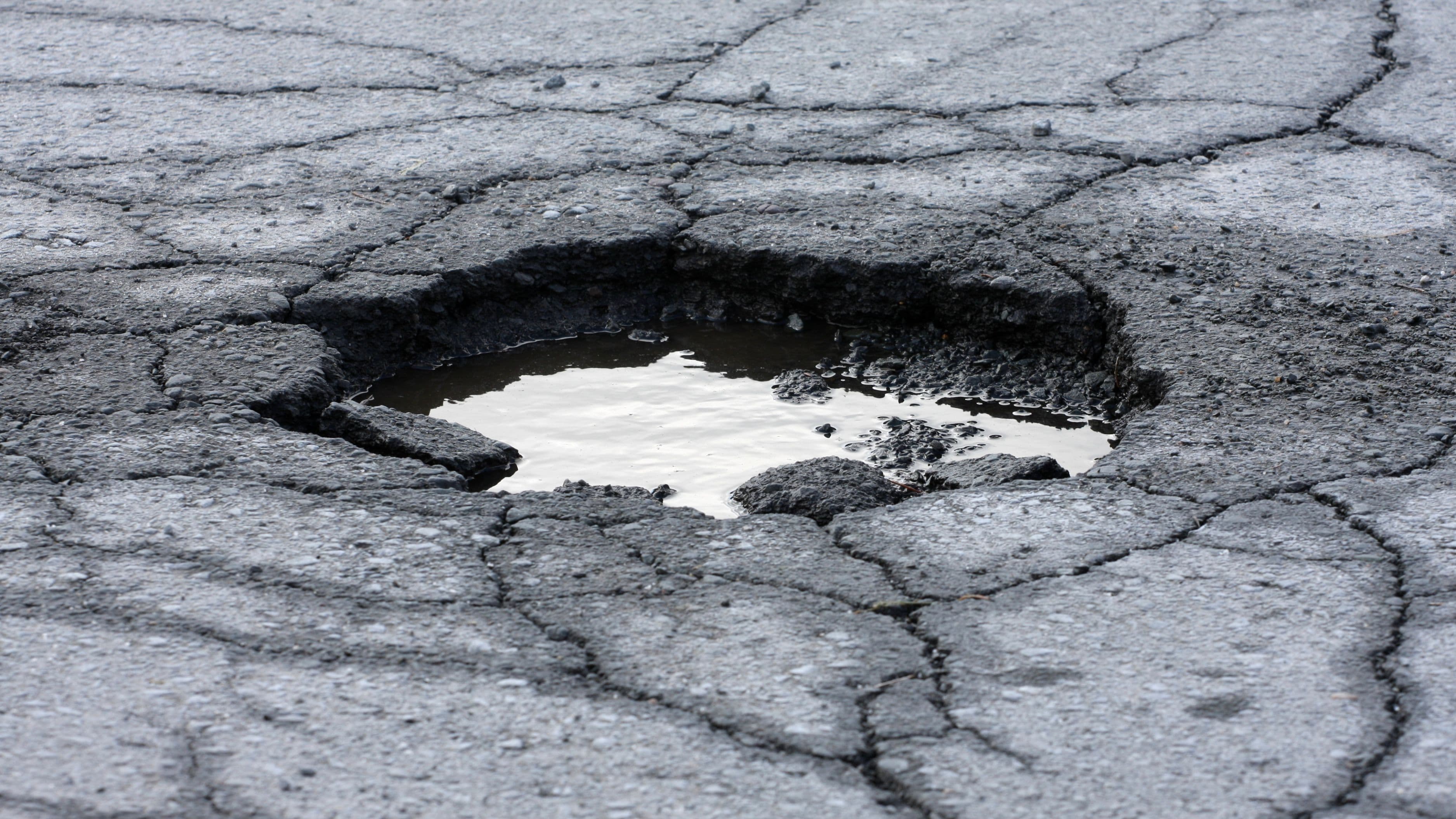
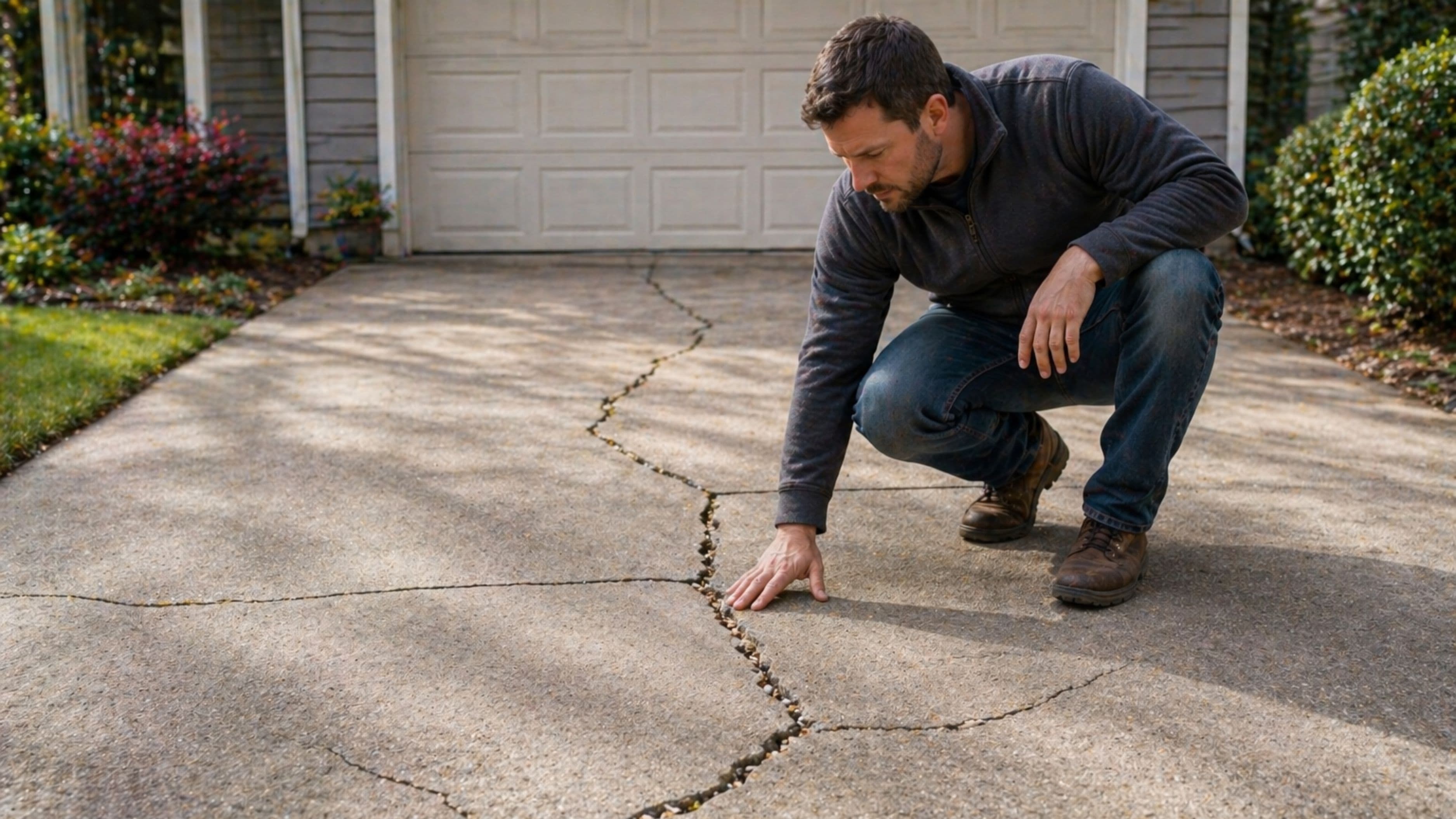
If your driveway shows widespread alligator cracking across more than a small section, multiple potholes rather than isolated ones, or noticeable dips where water consistently pools, that points to base failure rather than surface wear – and resurfacing over base damage, DIY or professional, won't solve the underlying problem. In that case, a professional assessment to determine whether you need base repair or full replacement will save you from spending money on a resurfacing job that fails within a year or two.
Driveways larger than a standard single-car width also tip the scale toward hiring a professional, simply because the equipment and labor gap becomes harder to compensate for with more square footage to cover evenly.
What to Avoid
Don't resurface over a driveway with underlying base problems and expect the new surface to hold – this is the most common and costly DIY mistake, since it means paying for materials and labor twice within a couple of years. Avoid working in temperatures below the material manufacturer's recommended range, since asphalt overlay products bond poorly and cure improperly in cold weather. And don't skip a thorough cleaning and crack-filling step before applying the new layer, since debris and unfilled cracks compromise the bond of the new surface from day one.
Frequently Asked Questions
How long does DIY driveway resurfacing last? Typically 3 to 5 years with proper application, compared to 8 to 12 years for professional hot-mix resurfacing.
Can I resurface my own driveway in one day? For a small, single-car driveway with only surface wear, yes – but plan for a full day of work plus curing time before using it.
Is resurfacing cheaper than replacement? Yes, resurfacing costs significantly less than full replacement, but only makes sense if the base beneath your driveway is still structurally sound.
📚 Sources
Asphalt Institute – "Pavement Maintenance Guide" – https://www.asphaltinstitute.org/
National Asphalt Pavement Association – "Homeowner Resources" – https://www.asphaltpavement.org/