
1. The Money Math Actually Works (Sometimes)
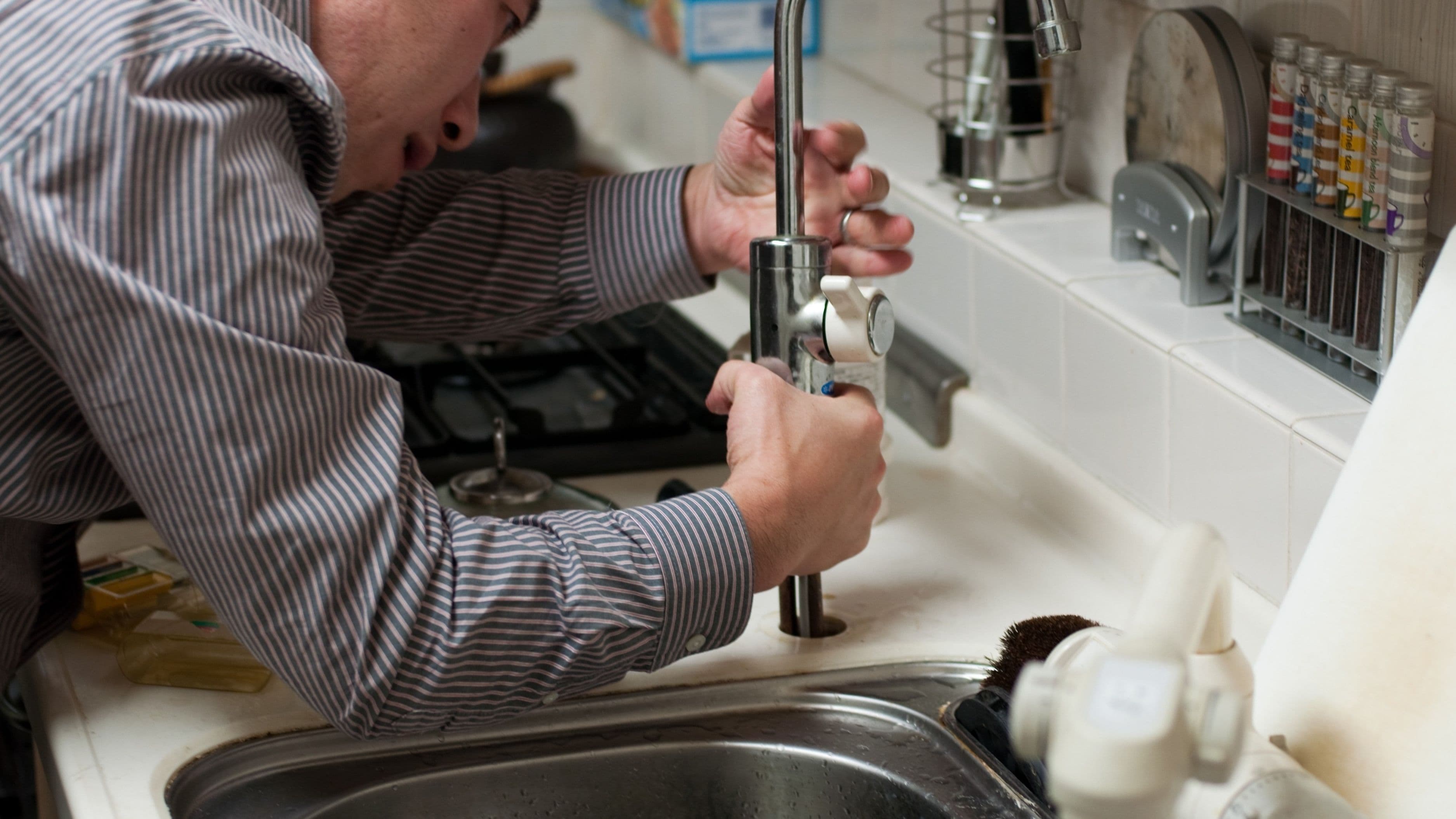
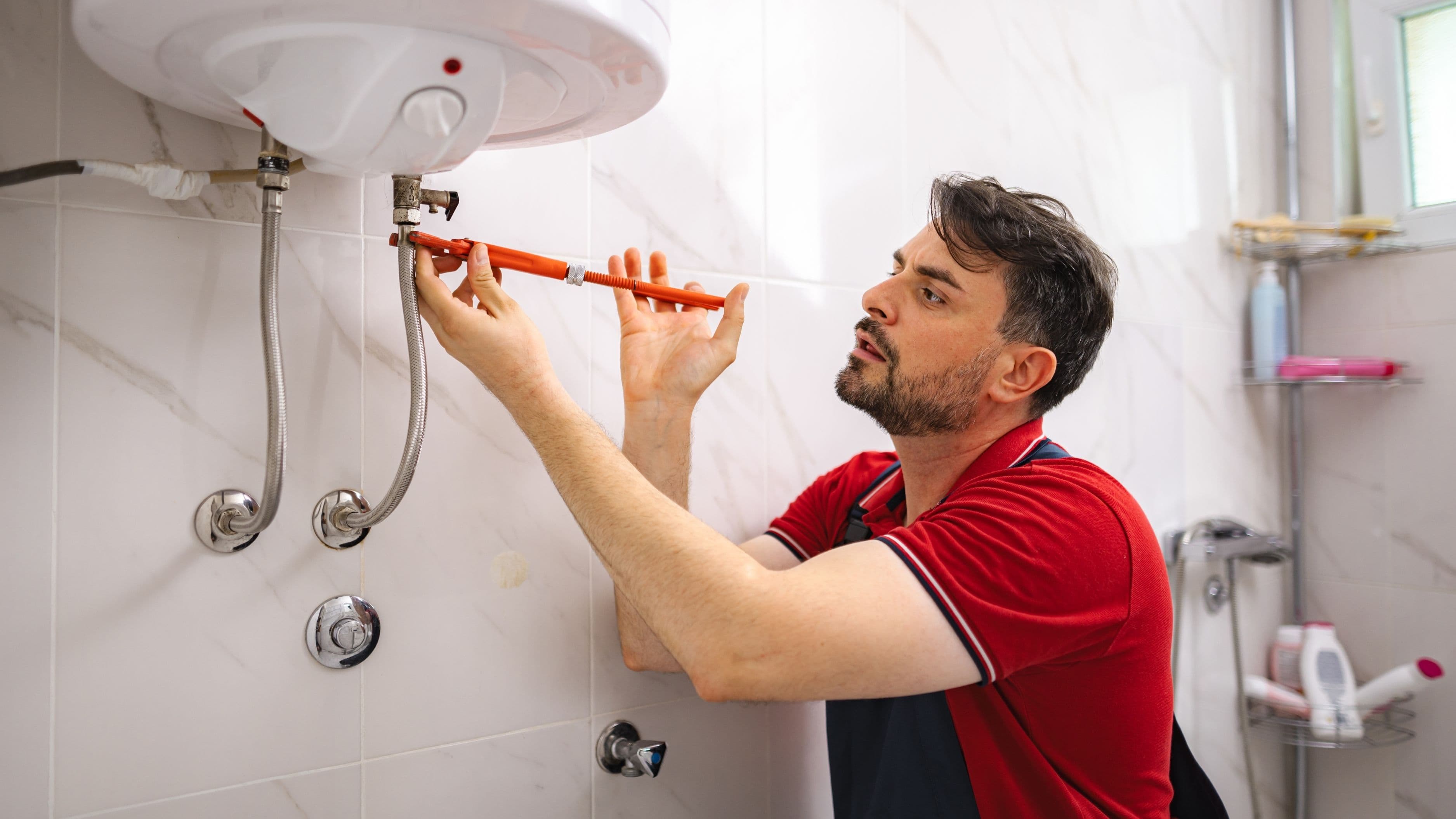
Let's talk cold, hard cash first, because that's probably why you're here. When you call a plumber to fix a leaky faucet, you're not just paying for the fifteen minutes it takes to replace a washer—you're covering their truck, insurance, licensing fees, and the expertise they've built over years. That $150 service call stings, especially when the actual part costs $3.47 at the hardware store.
But here's where it gets interesting. If you own multiple rental units, those savings compound fast. Replace five faucet washers yourself instead of calling in the pros, and you've just pocketed $700. Patch three small drywall holes, repaint a bedroom, or fix a running toilet, and suddenly you're looking at thousands in annual savings. The National Association of Residential Property Managers estimates that maintenance typically eats up 1-2% of a property's value annually, so on a $300,000 rental, that's potentially $3,000-$6,000 you could partially offset with your own two hands.
However—and this is crucial—time is money too. If you're spending your Saturday afternoons unclogging drains when you could be working on expanding your portfolio or, you know, actually enjoying life, the math shifts dramatically. Calculate your hourly rate honestly, factor in drive time to the property and the hardware store, and suddenly that "savings" might not look so impressive.
2. Tenant Relationships Hinge on Response Time
Picture this: It's 9 PM on a Tuesday, and your tenant texts you about water pooling under the kitchen sink. Your DIY skills could absolutely handle this repair, but can you get there tonight? Tomorrow morning? Next weekend when you're free?
Speed matters enormously in rental maintenance. A minor issue left unattended morphs into a major problem—that small leak becomes water damage, mold growth, and a tenant who's updating their apartment search bookmarks. Professional maintenance services offer something you can't always provide: immediate availability and guaranteed response times. They've got teams, backup technicians, and the infrastructure to handle multiple emergencies simultaneously.
That said, DIY maintenance shines for preventative care and non-urgent fixes. Scheduling routine tasks like HVAC filter changes, gutter cleaning, or seasonal yard work on your own timeline keeps properties in top shape without the urgency pressure. You can knock out a weekend of maintenance across multiple properties, creating your own efficiency rather than coordinating multiple contractor schedules. The sweet spot? Handle the predictable stuff yourself and keep reliable professionals on speed-dial for genuine emergencies.
3. Liability Isn't Something to Wing
Here's the unsexy truth that rookie landlords often discover the hard way: when something goes wrong, everyone looks at the property owner. Install that ceiling fan incorrectly and it falls on someone? That's on you. Repair electrical wiring without proper knowledge and cause a fire? Your insurance company will have some pointed questions.
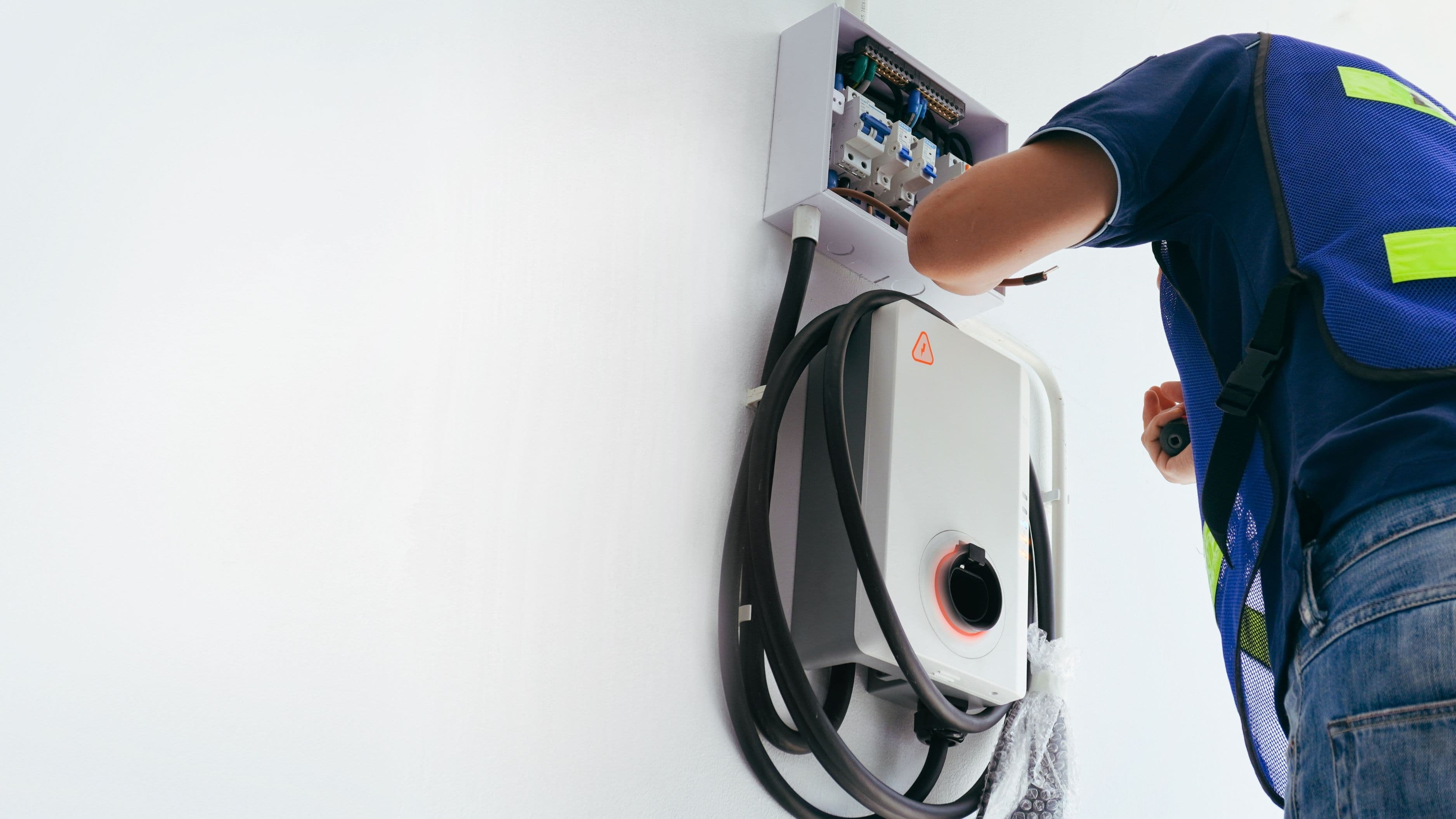
Professional contractors carry liability insurance and proper licensing for a reason. Their work comes with warranties, insurance coverage, and legal protection that your YouTube education simply can't match. Certain repairs—anything involving gas lines, major electrical work, structural modifications, or HVAC systems—shouldn't be DIY projects unless you hold the appropriate certifications. The risk simply outweighs any potential savings.
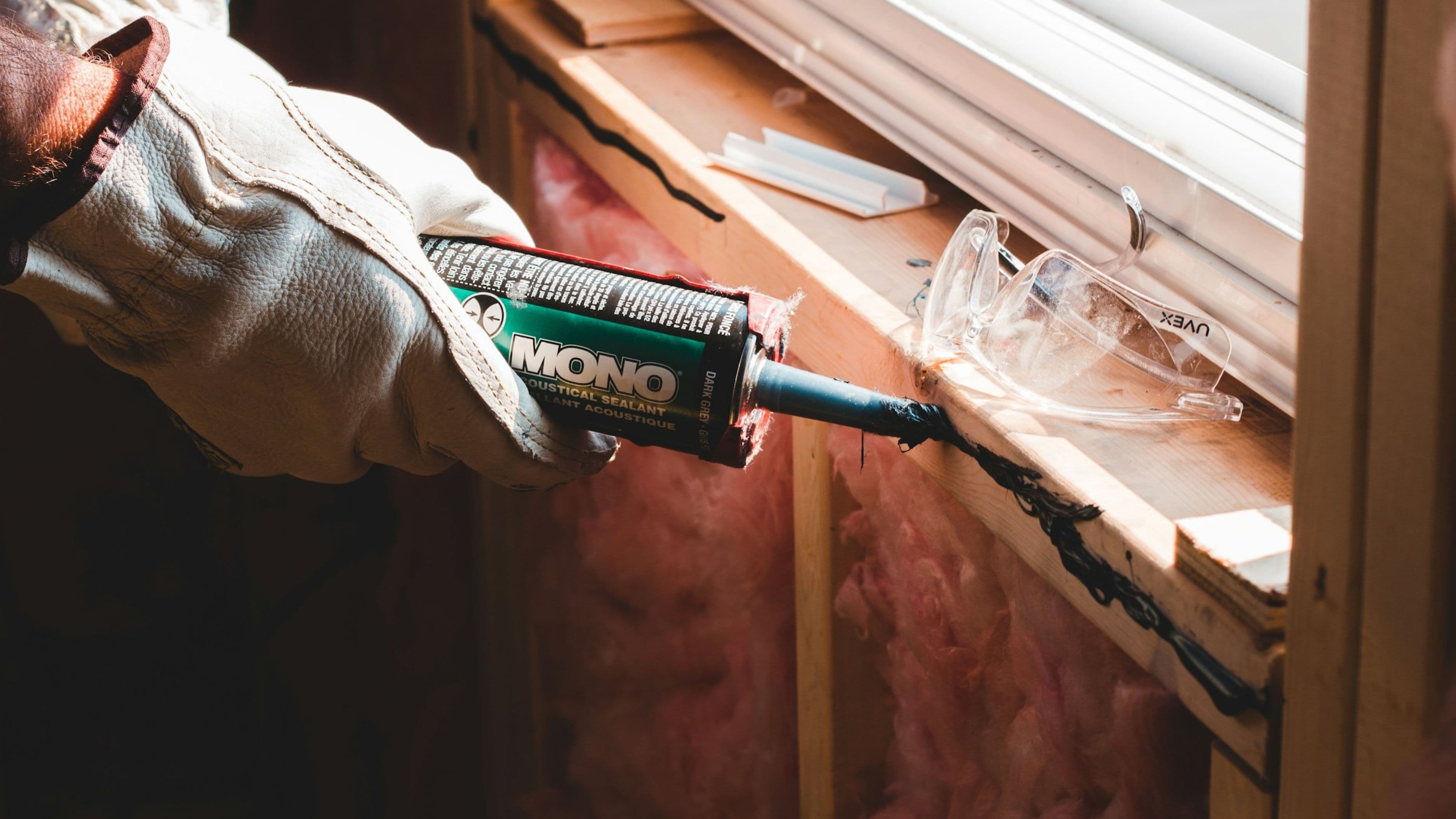
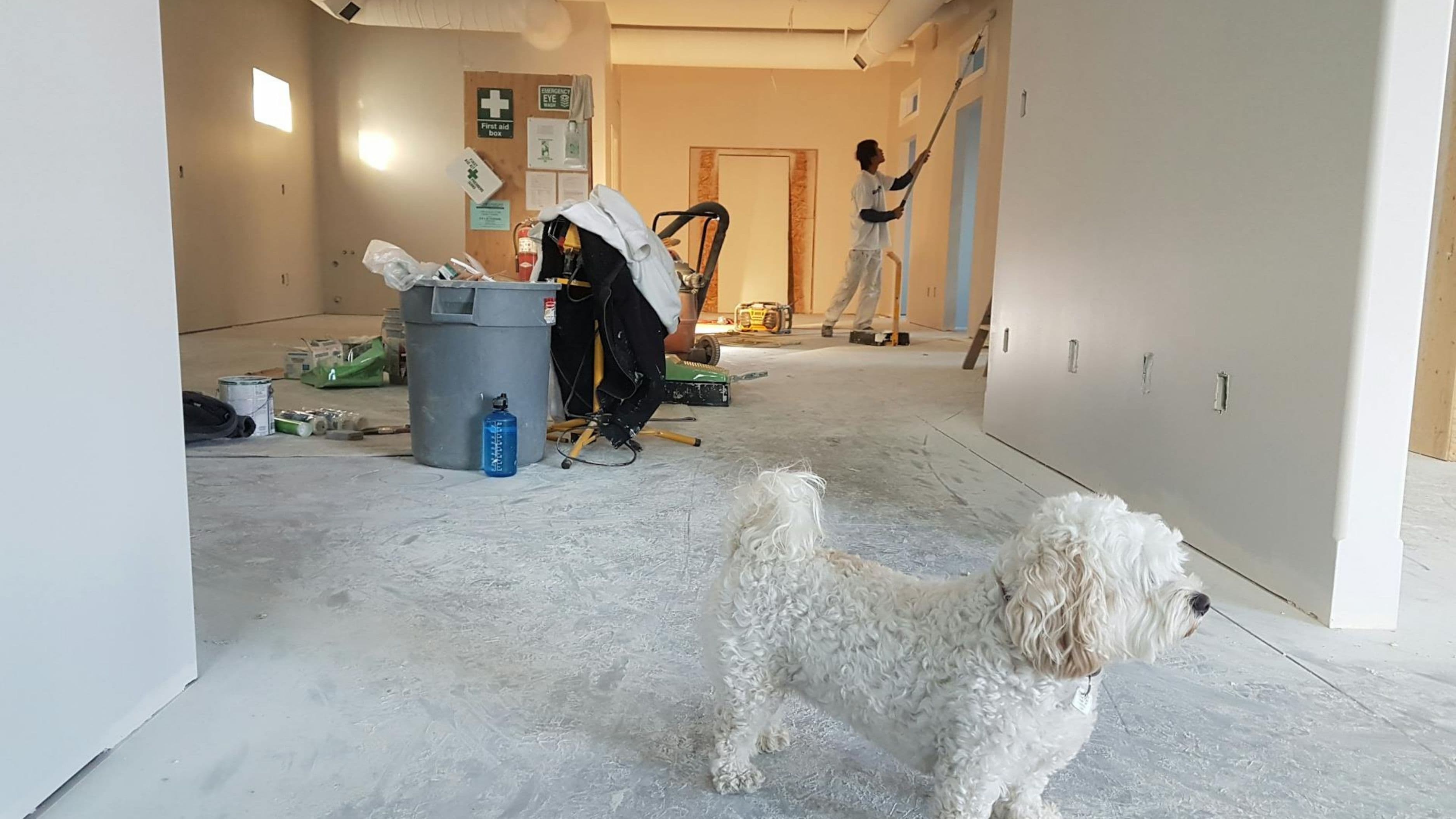
But let's not swing too far the other way. You absolutely can handle cosmetic updates, basic plumbing repairs, painting, landscaping, and minor appliance maintenance without exposing yourself to significant liability. The key is knowing your limits and understanding local building codes. Many jurisdictions allow property owners to perform their own repairs but require permits and inspections for specific work. Familiarize yourself with these requirements before you start any project, no matter how simple it seems.
4. Your Skill Set Determines Your Savings
Be brutally honest with yourself: are you actually handy, or do you just think you are? There's a massive difference between someone who grew up helping dad renovate houses and someone whose most complex repair involved changing lightbulbs. Your genuine skill level directly correlates with whether DIY maintenance saves or costs you money.
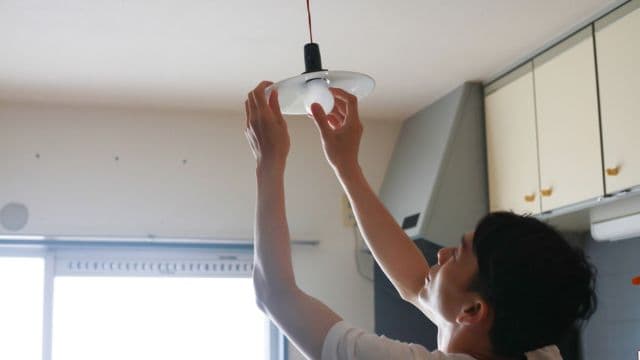
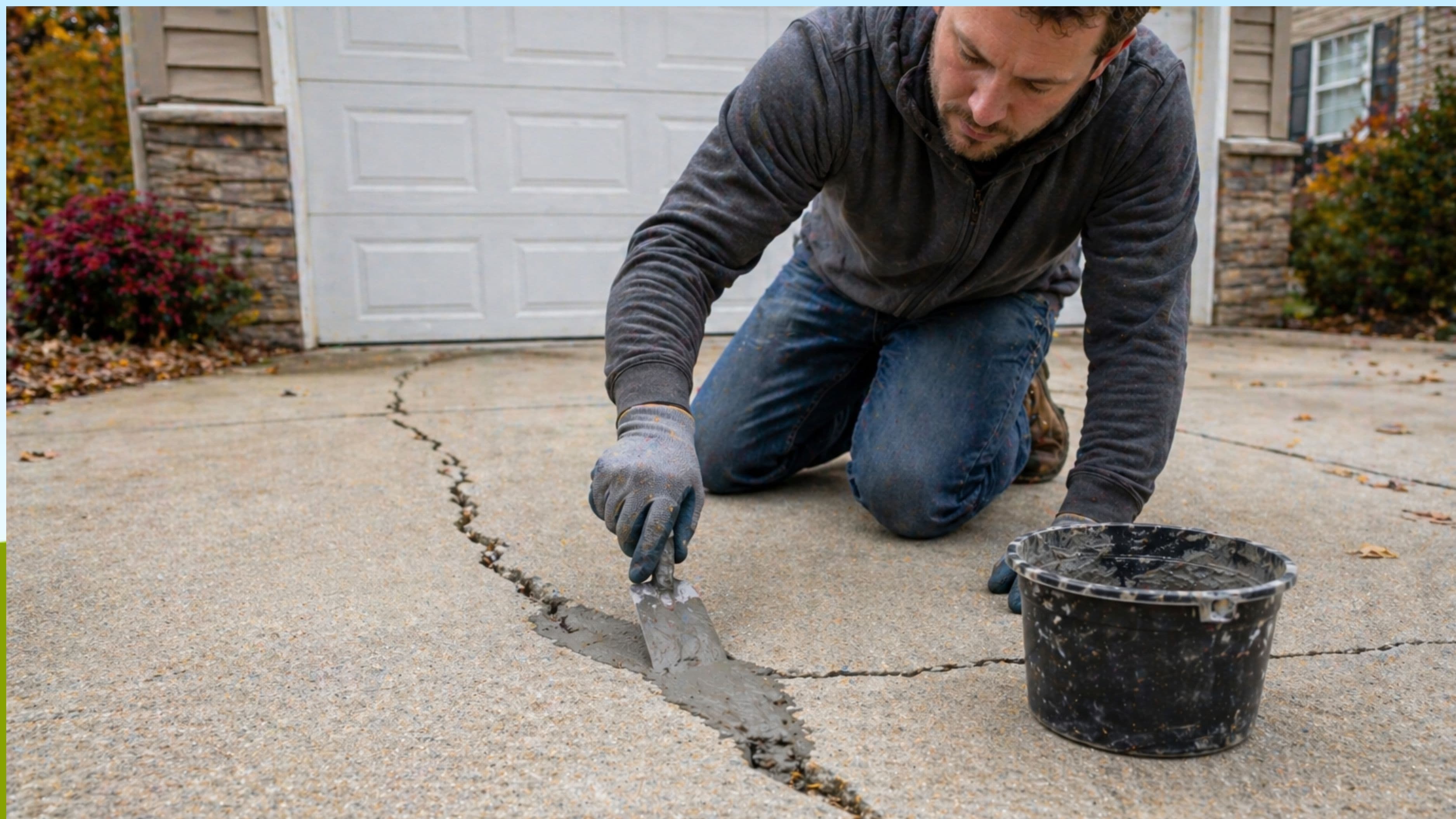
Start with the absolute basics if you're new to property maintenance: replacing air filters, patching small holes, basic painting, cleaning gutters, and simple fixture replacements. These tasks require minimal tools, forgive mistakes easily, and deliver immediate satisfaction. As you build confidence, graduate to slightly more complex projects like installing new faucets, replacing toilet internals, or basic appliance troubleshooting. Each successful repair expands your capability and your savings potential.
The trap many landlords fall into is overestimating their abilities and creating problems that cost more to fix than the original issue. That "simple" tile repair that requires removing and replacing six surrounding tiles because you didn't have the right tools? The attempted electrical outlet replacement that trips the breaker repeatedly? These DIY disasters end up costing double when you finally call in a professional to undo your handiwork and do it properly. Know when you're out of your depth, and don't let ego override common sense.
5. Tool Investment Requires Strategic Thinking
Walk into any professional tradesperson's truck and you'll see thousands of dollars worth of specialized tools. That reality check hits different when you're considering DIY maintenance. A quality cordless drill might run $150, a proper ladder another $200, basic plumbing tools add up to $100, and suddenly you've spent $500 before fixing anything.
However, unlike professional contractors who need top-tier equipment for daily use, landlords can get by with mid-range tools that'll handle occasional repairs across multiple properties. Think of your tool collection as a long-term investment that pays dividends over years, not months. Buy quality versions of frequently-used items—a good drill, reliable screwdrivers, a sturdy toolbox—and rent specialized equipment for rare projects. No sense dropping $300 on a tile saw you'll use once every three years.
Create a strategic acquisition plan rather than panic-buying tools for each emergency. Start with an essential kit: screwdrivers, hammer, pliers, wrench set, drill with bits, utility knife, tape measure, level, and flashlight. This core collection handles probably 70% of routine maintenance issues. Then add specialized tools as needs arise and patterns emerge. If you consistently deal with plumbing issues across properties, invest in quality pipe wrenches and drain snakes. Multiple properties with hardwood? A floor repair kit makes sense. Let your actual maintenance patterns guide purchases rather than buying everything upfront.
6. Knowledge Acquisition Has Real Value
Every YouTube tutorial you watch, every home improvement book you read, and every technique you master represents education that stays with you forever. Unlike hiring contractors where knowledge walks out the door with them, DIY maintenance builds your capabilities permanently. This learning curve pays unexpected dividends beyond immediate cost savings.
Understanding how systems work transforms you from a reactive property owner to a proactive one. When you know that slow drains often indicate venting problems rather than just clogs, you spot issues earlier. Recognizing the early warning signs of water heater failure means replacing it on your schedule rather than dealing with an emergency flood. This deeper understanding of property systems helps you communicate more effectively with contractors when you do hire them, ask better questions during inspections, and make smarter purchasing decisions when buying new rental properties.
The internet has democratized home repair knowledge in unprecedented ways. Quality tutorials, step-by-step guides, and vibrant DIY communities mean you're never truly alone when tackling a new project. Leverage these resources aggressively. Watch multiple videos before attempting repairs, read reviews of different techniques, and don't hesitate to ask questions in online forums. The collective wisdom of experienced DIYers and professional contractors is literally at your fingertips—use it.
7. Tenant Perception Shapes Your Reputation
Here's something that doesn't show up on spreadsheets but matters enormously: what message does your maintenance approach send to tenants? A landlord who shows up personally to handle repairs can signal either "I care about this property and your comfort" or "I'm too cheap to hire professionals." The difference lies entirely in execution.
Done right, DIY maintenance builds incredibly strong tenant relationships. Showing up promptly, working efficiently, and delivering quality repairs demonstrates genuine investment in the property and respect for tenants' living spaces. Tenants appreciate seeing their landlord get hands dirty and taking pride in the property's condition. This positive perception translates into longer tenancies, better property care from renters, and fewer contentious disputes. Good tenants stay longer when they feel valued, and nothing says "I value you" quite like immediate, competent attention to maintenance issues.
Done poorly—showing up late, taking days to complete simple tasks, leaving messes, or producing shoddy work—DIY maintenance destroys tenant goodwill faster than almost anything else. Tenants don't care that you saved $100 if they had to live with a broken AC for a week while you figured it out. They remember the inconvenience, the disruption, and the subpar results. Professional contractors provide not just technical skill but also efficiency and minimal intrusion into tenants' lives.
8. Hybrid Approaches Often Win
Why does it have to be all or nothing? The smartest rental property owners adopt hybrid maintenance strategies that leverage their own skills while recognizing their limitations. This balanced approach maximizes savings without sacrificing quality or tenant satisfaction.
Develop relationships with reliable contractors for specialized work while handling routine maintenance yourself. Keep a trusted plumber for major installations but replace faucet aerators independently. Call electricians for panel work but swap out light fixtures on your own. Contract out full remodels between tenants but handle painting and minor repairs during occupancy. This strategy gives you the best of both worlds: cost savings on volume tasks you can handle efficiently and professional expertise when stakes are high.
Consider the property type too. Single-family rentals often make sense for more extensive DIY involvement since you're dealing with one tenant relationship and can schedule work more flexibly. Multi-unit buildings typically benefit from professional management and maintenance because coordinating repairs across multiple tenants gets complicated fast. The more properties you own, the more this calculation shifts toward professional help simply because your time becomes more valuable and you can't physically be everywhere at once.
9. Seasonal Planning Multiplies Efficiency
Rental property maintenance follows predictable seasonal patterns, and smart landlords leverage this predictability. Rather than reacting to issues as they arise, batch similar tasks across properties and knock them out systematically. This approach transforms DIY maintenance from a series of inconvenient interruptions into efficient, productive work sessions.
Spring means HVAC servicing before summer heat, gutter cleaning after winter debris, and exterior painting while weather cooperates. Fall requires weatherization, heating system checks, and yard preparation for winter. Creating a seasonal maintenance calendar lets you purchase materials in bulk, develop efficient routines, and prevent most emergency calls. When you're already at a property changing AC filters, checking smoke detectors takes two extra minutes. While you've got painting supplies out for one unit, touching up trim at another property happens efficiently.
This systematic approach also helps you spot developing problems before they become expensive disasters. Annual walkthroughs with a maintenance checklist catch minor issues—small leaks, worn weatherstripping, developing cracks—while they're still cheap and easy to fix. Prevention beats emergency repairs every single time, both financially and in terms of tenant satisfaction.
10. The Hidden Cost of Your Time
Let's circle back to something we touched on earlier but deserves deeper examination: your time has value, even if you're not billing yourself hourly. Every Saturday spent repainting a bedroom is a Saturday not spent finding your next investment property, not spent with family, not spent recharging. This opportunity cost is real and compounds over time.
Calculate honestly what your time is worth. If you're a high-earning professional who can generate $200/hour in your day job, spending four hours to save $150 on a repair makes zero financial sense. You'd be better off working two extra billable hours and hiring it out. Conversely, if you're between jobs, enjoy hands-on work, or find DIY maintenance genuinely satisfying, that time calculation changes dramatically. The money you save represents actual income, and the skills you build create long-term value.
There's also the mental load to consider. Managing rental properties already requires juggling tenant communications, financial tracking, legal compliance, and strategic planning. Adding hands-on maintenance to that mix increases cognitive burden and stress levels. Some landlords thrive on being fully involved in every aspect of their properties; others find it overwhelming and prefer delegating maintenance to focus on acquisition and management. Neither approach is wrong—it's about knowing yourself and structuring your business accordingly.
The Verdict: It Depends (But Smart DIY Wins)
So is DIY maintenance a smart investment for rental properties? The frustratingly accurate answer is: it depends on your skills, time availability, property portfolio size, and personal preferences. But here's what consistently proves true across successful rental property owners: strategic, selective DIY maintenance absolutely adds value when done thoughtfully.
The winning formula looks something like this: handle routine maintenance and simple repairs yourself, build relationships with reliable professionals for complex work, create systems that maximize efficiency, and continuously educate yourself without overestimating your capabilities. Start conservative, build skills gradually, and expand your DIY scope as confidence and competence grow. Track your actual time and costs honestly to ensure your approach truly saves money rather than just feeling productive.
Think of DIY maintenance not as an all-or-nothing decision but as a skill set you develop over time. Each repair you master adds to your rental property toolkit, reducing future costs and increasing your operational flexibility. The question isn't whether you should do everything yourself—you shouldn't. It's about finding your optimal balance between sweat equity and professional expertise, then executing that balance consistently. Your rental properties, your tenants, and your bank account will all benefit from that thoughtful approach.
📚 Sources
1. National Association of Residential Property Managers (NARPM). "Maintenance Cost Benchmarks for Rental Properties." Industry Standards Report, 2024.
2. The Appraisal Journal, "Operating Expense Ratios for Investment Properties." American Society of Appraisers, Vol. 89, No. 3, 2023.