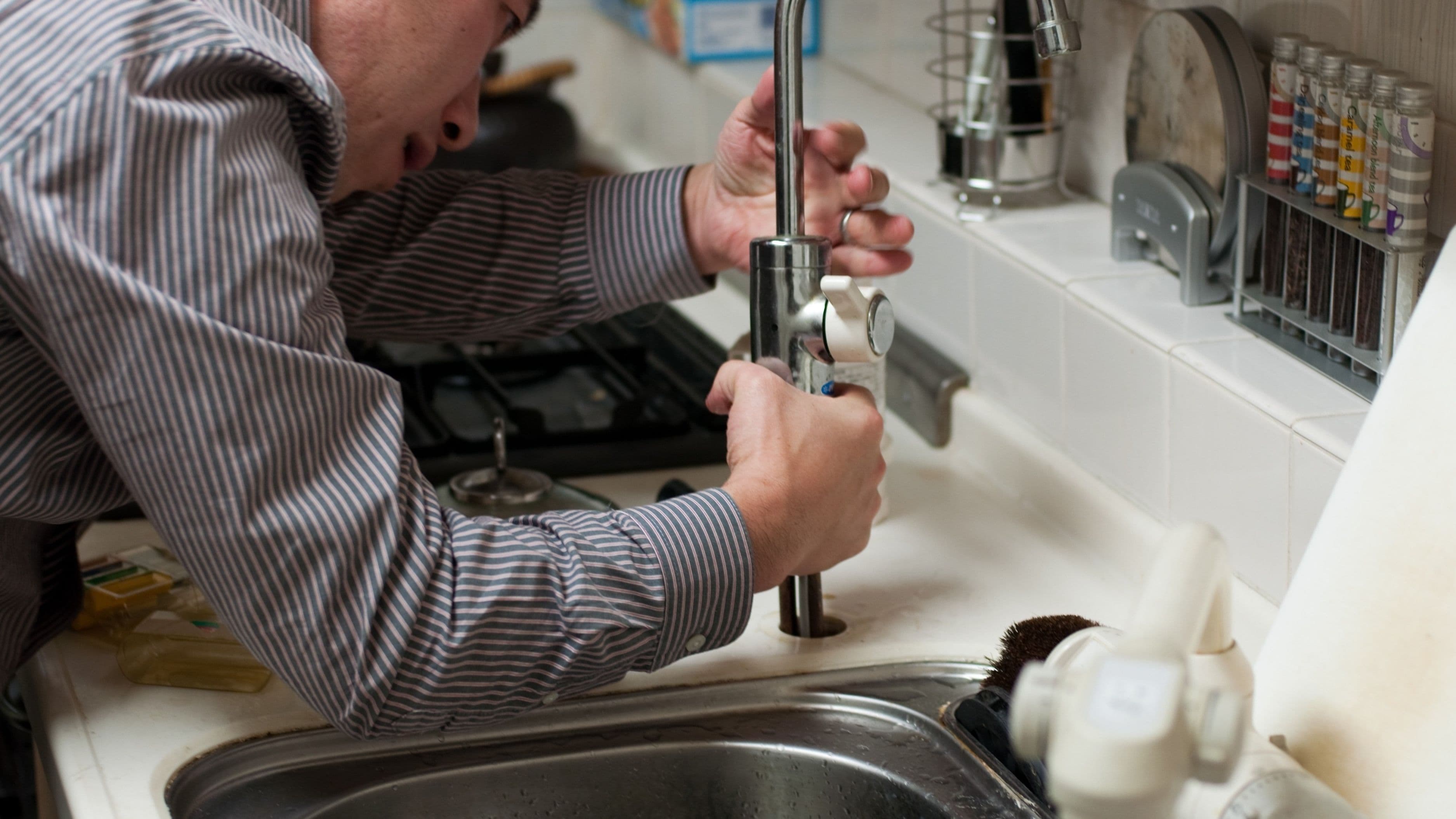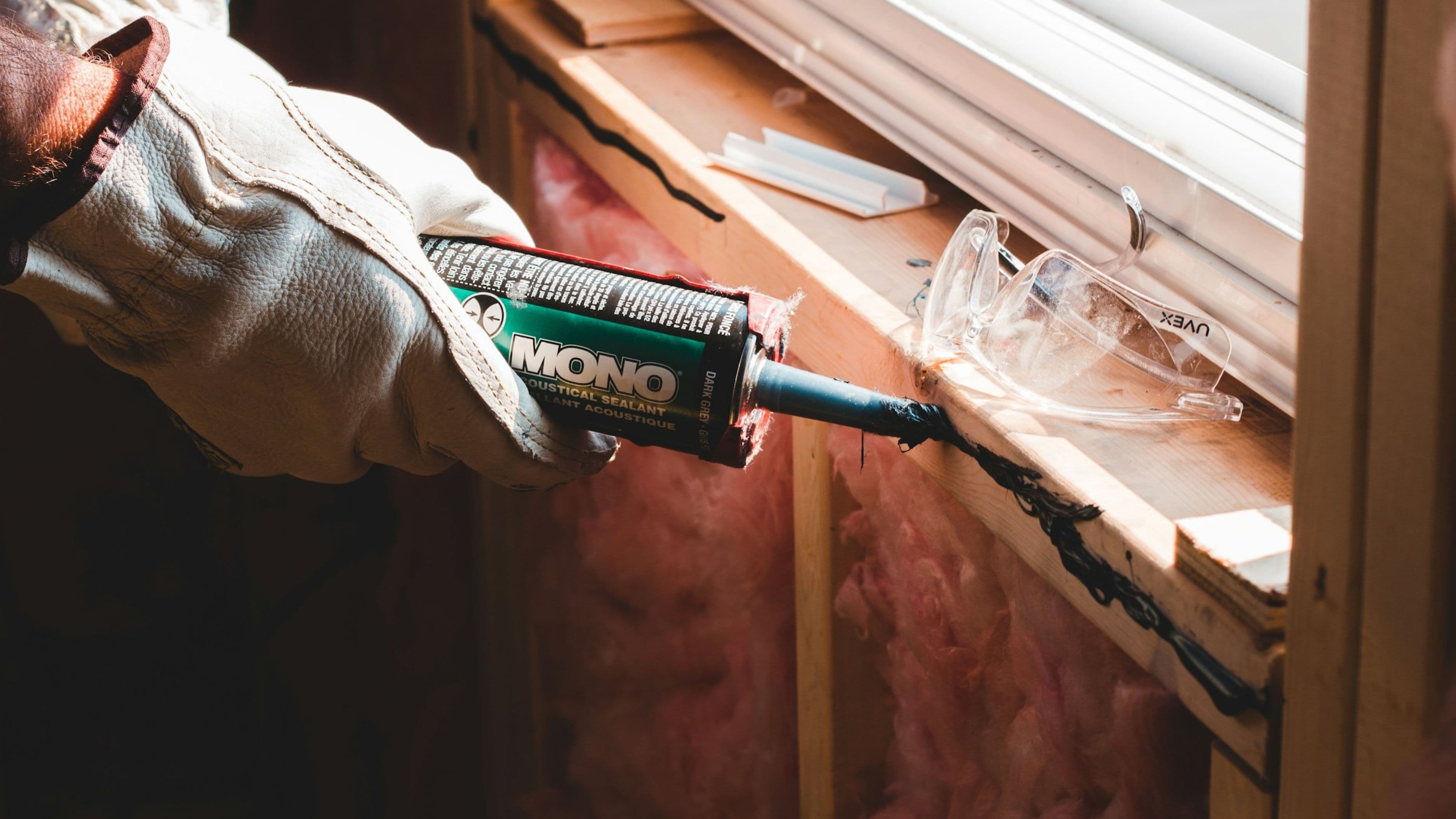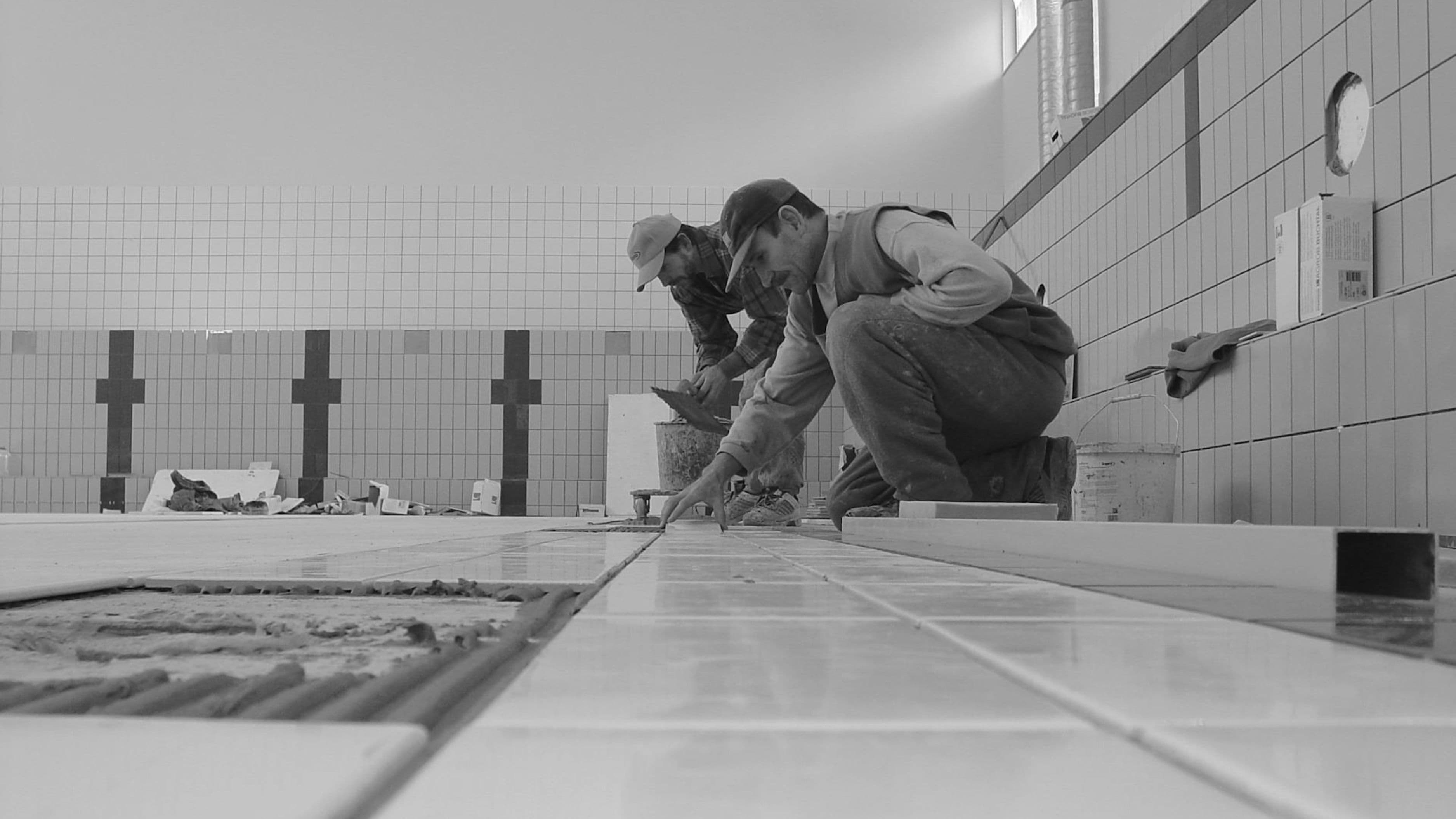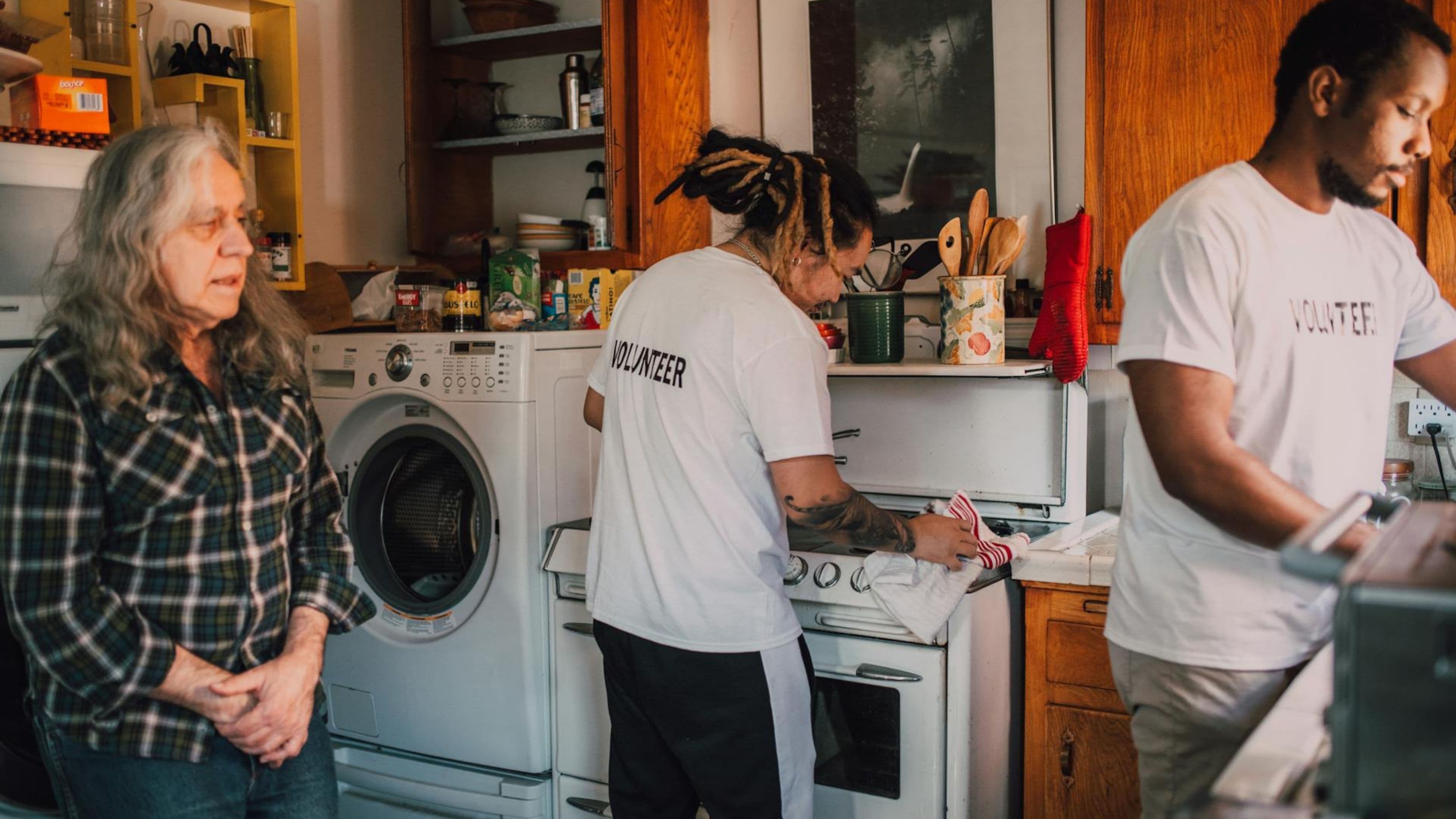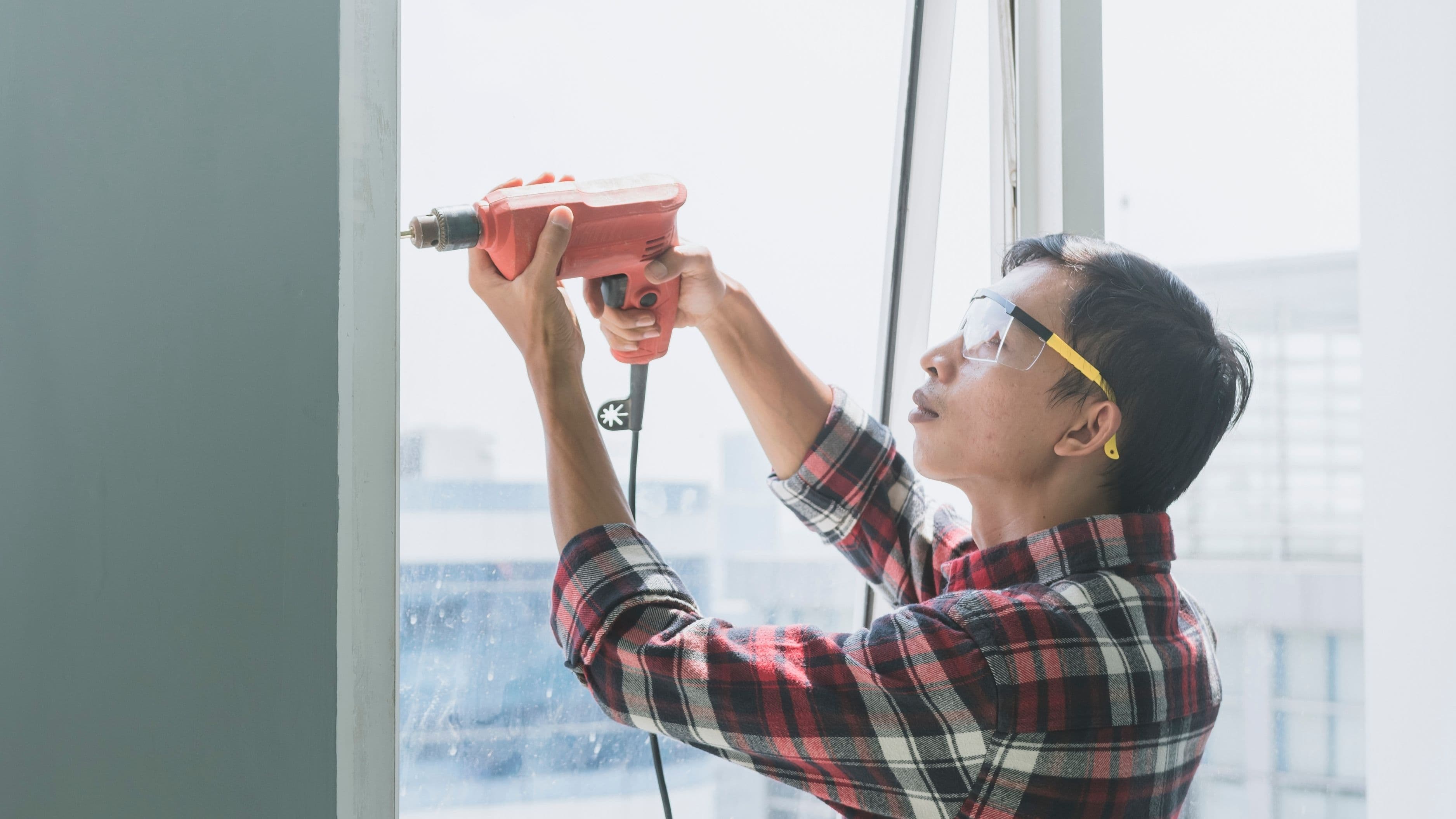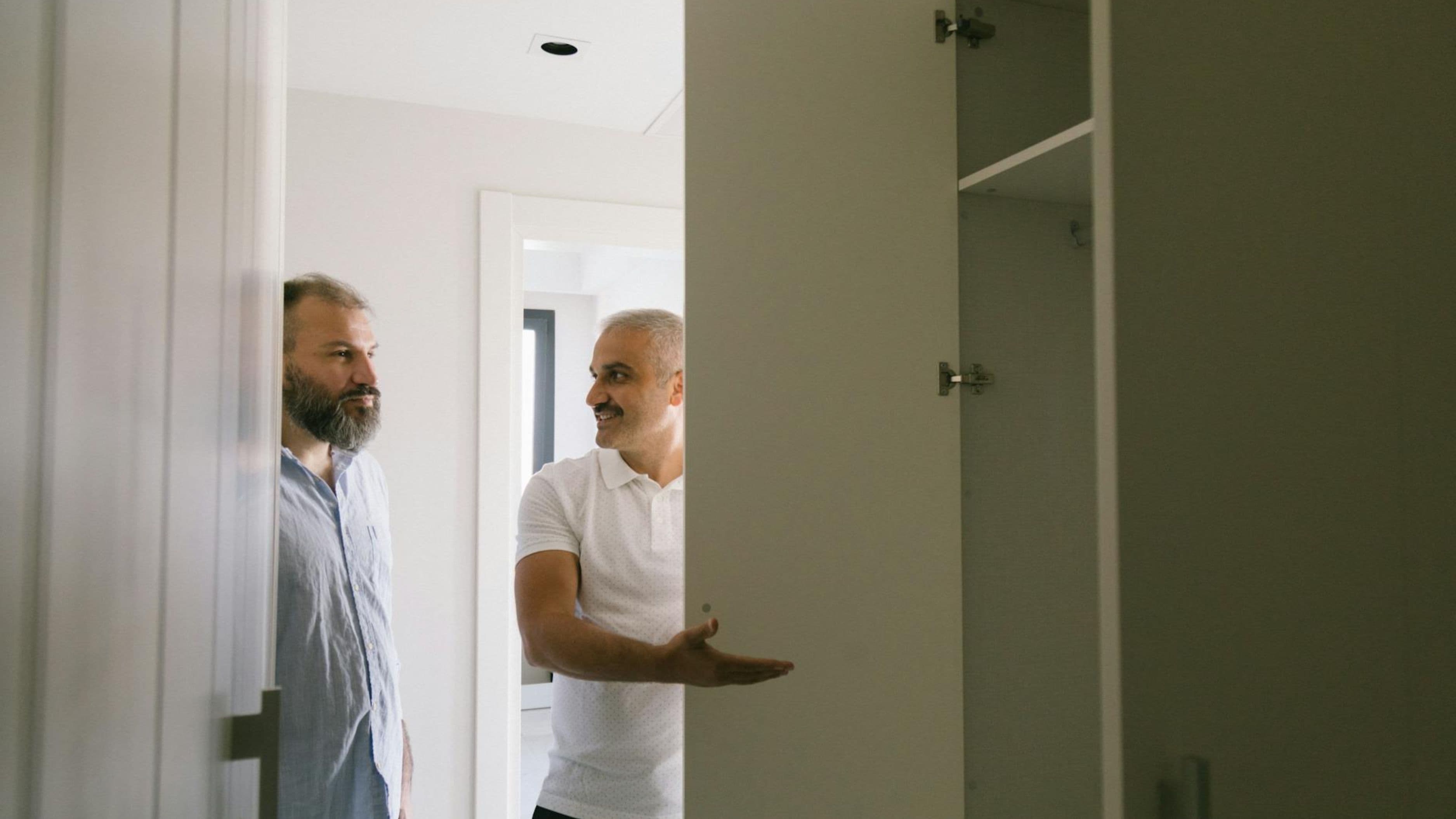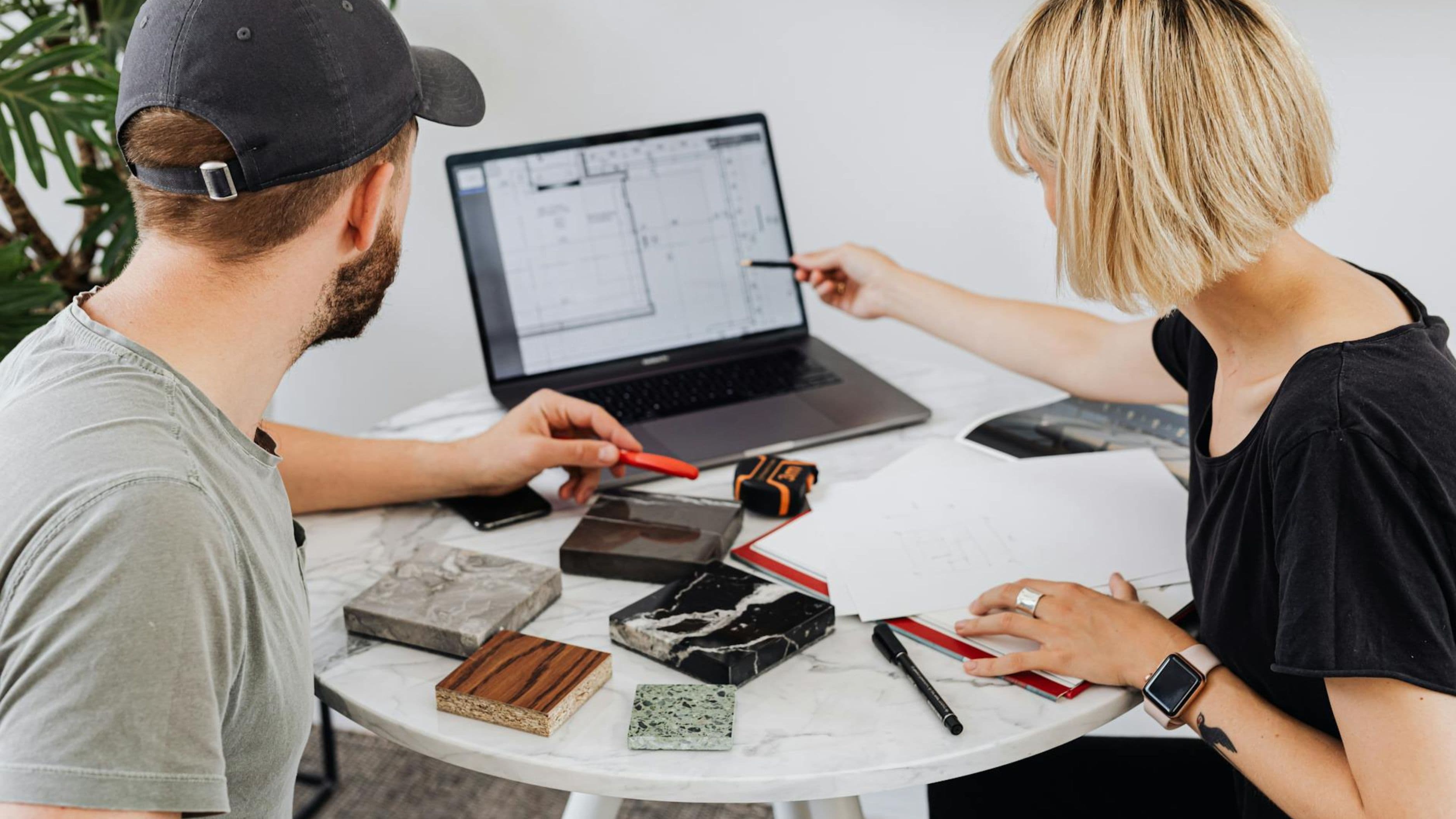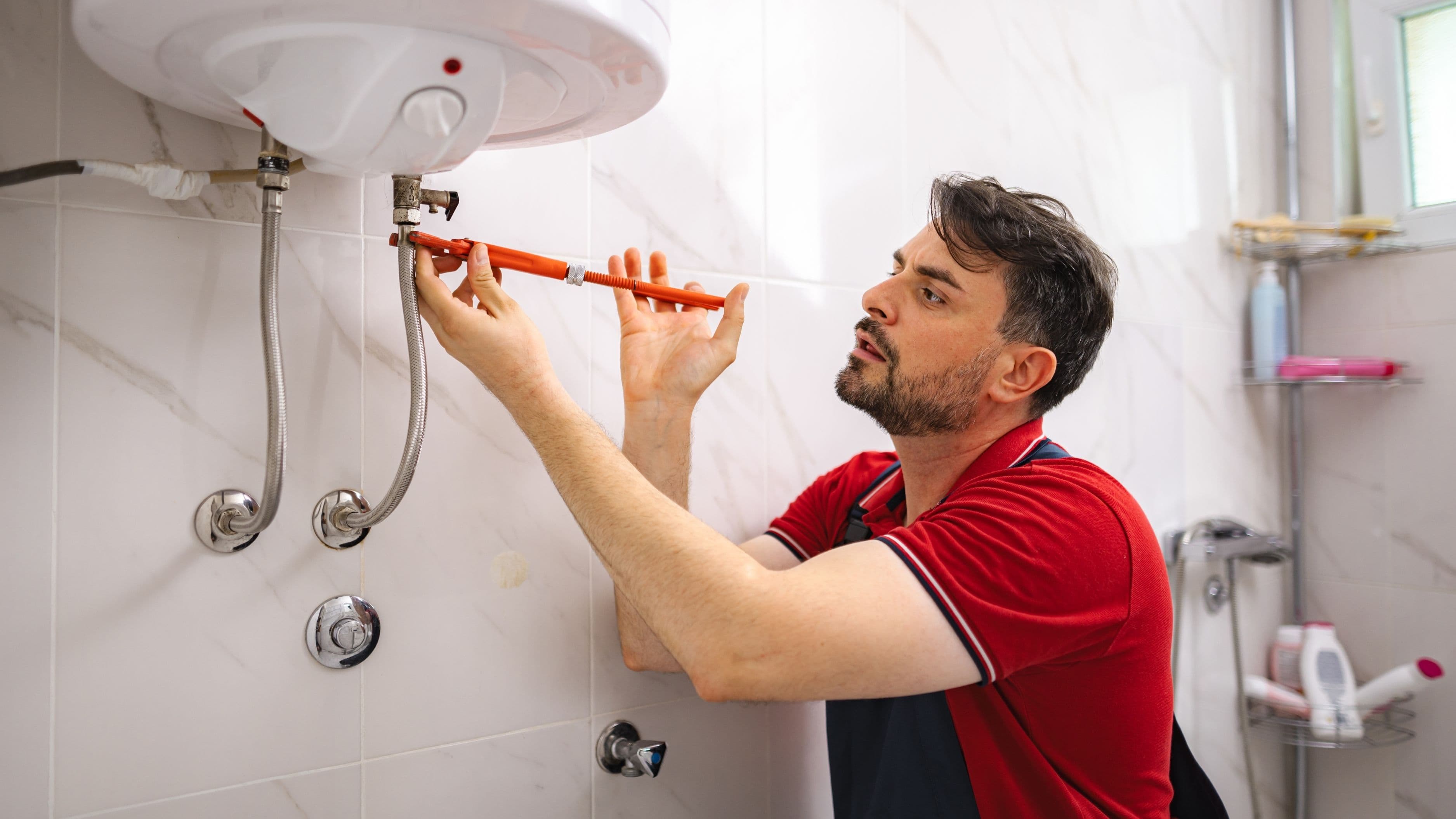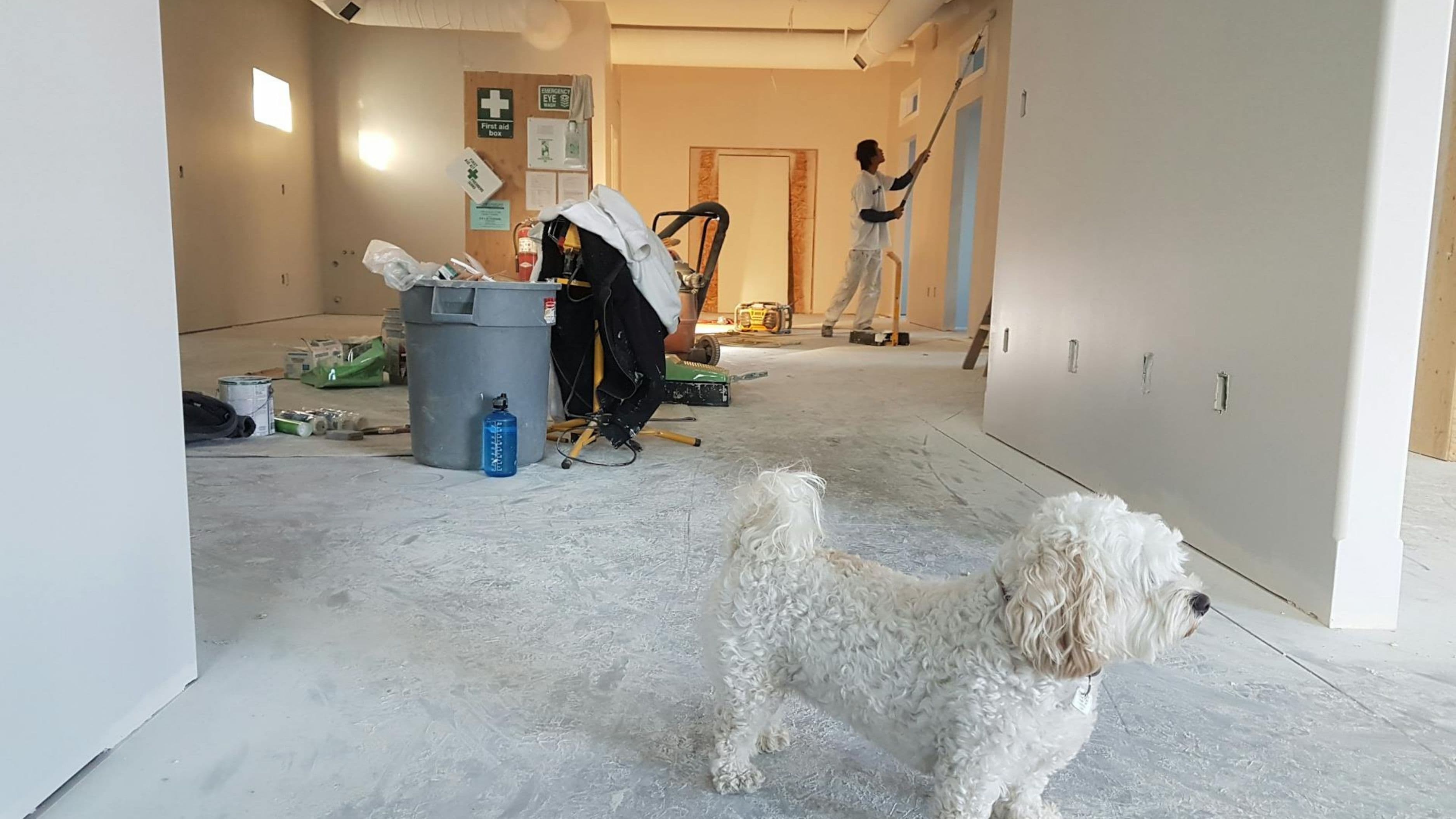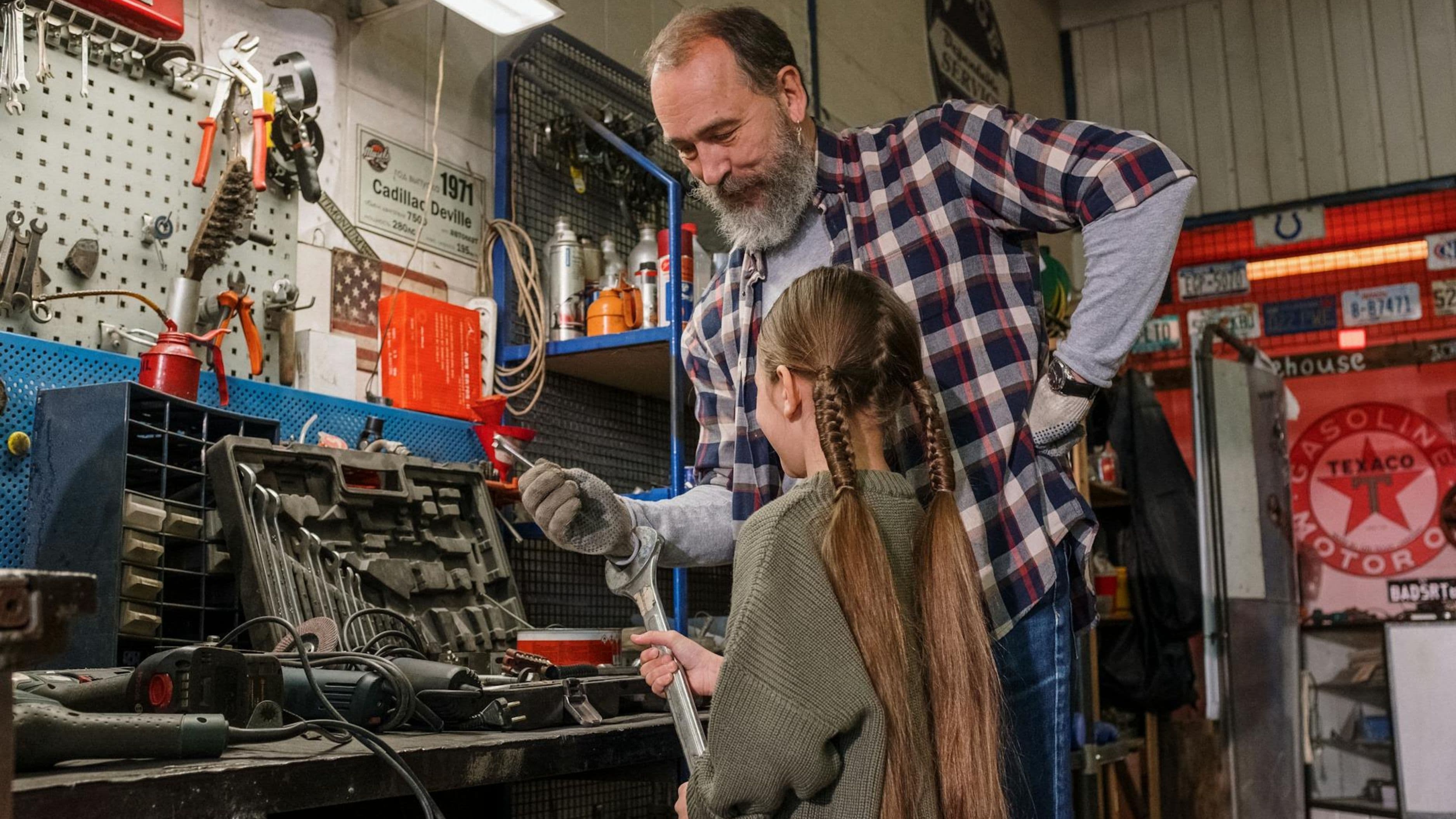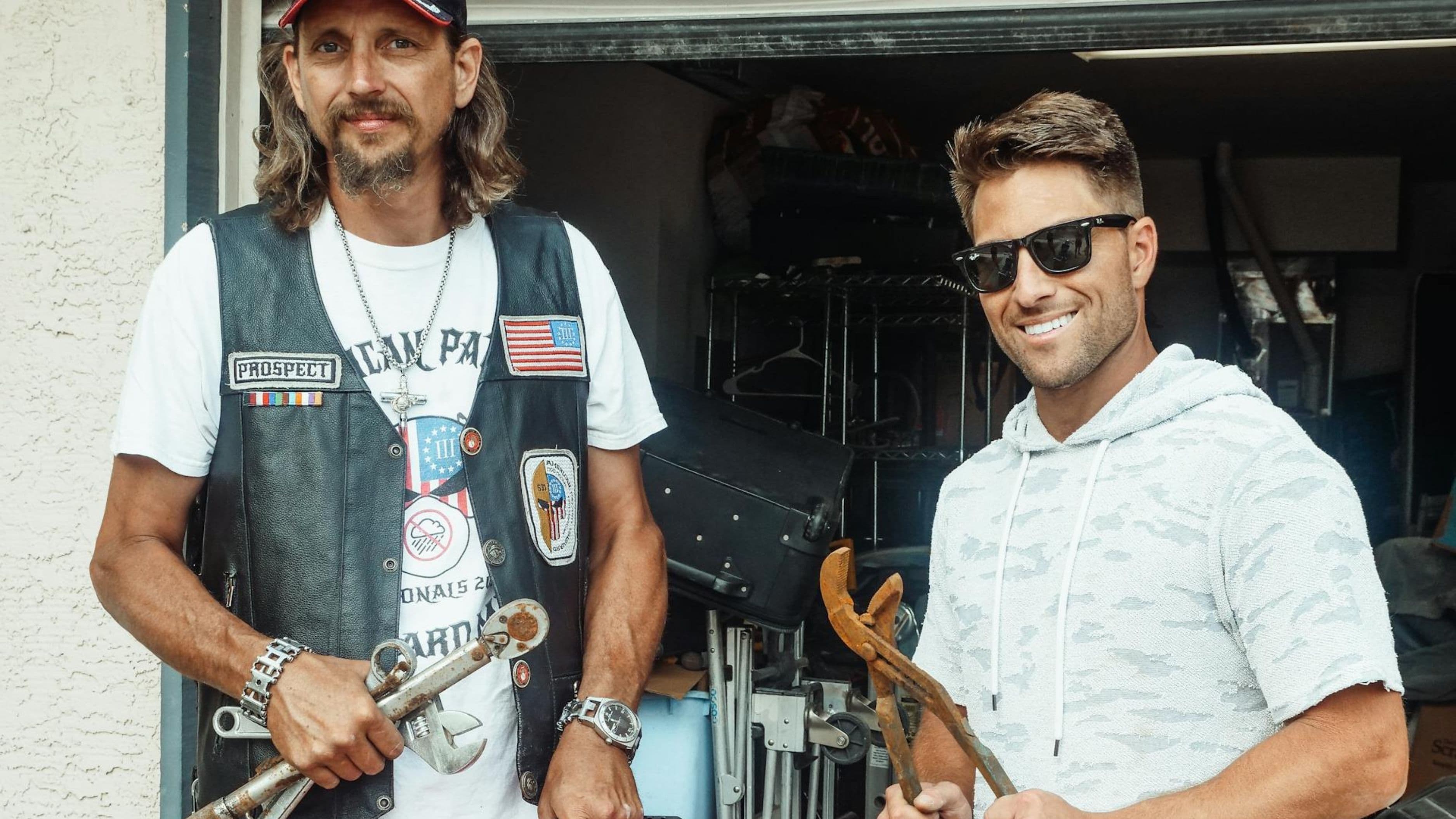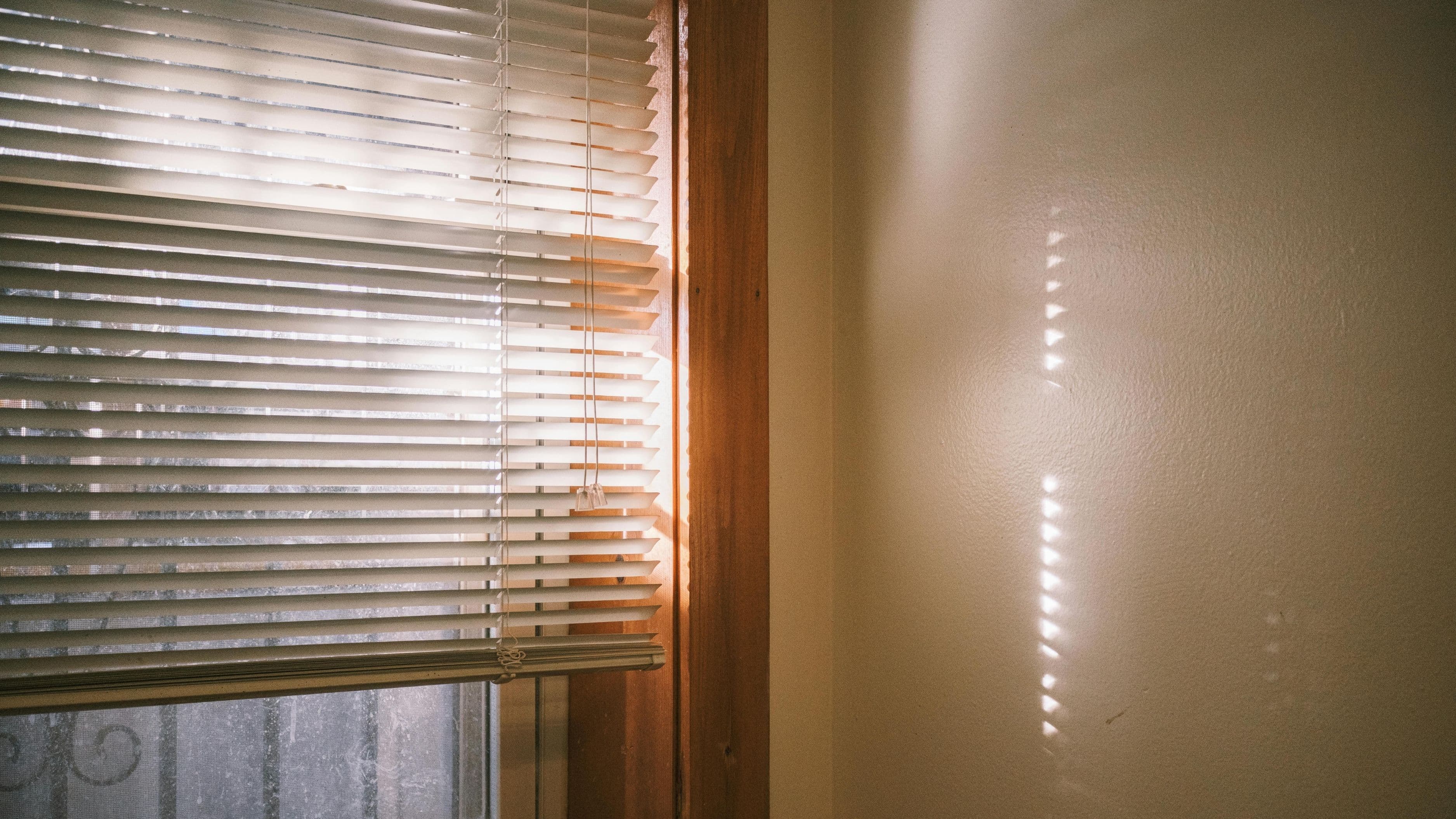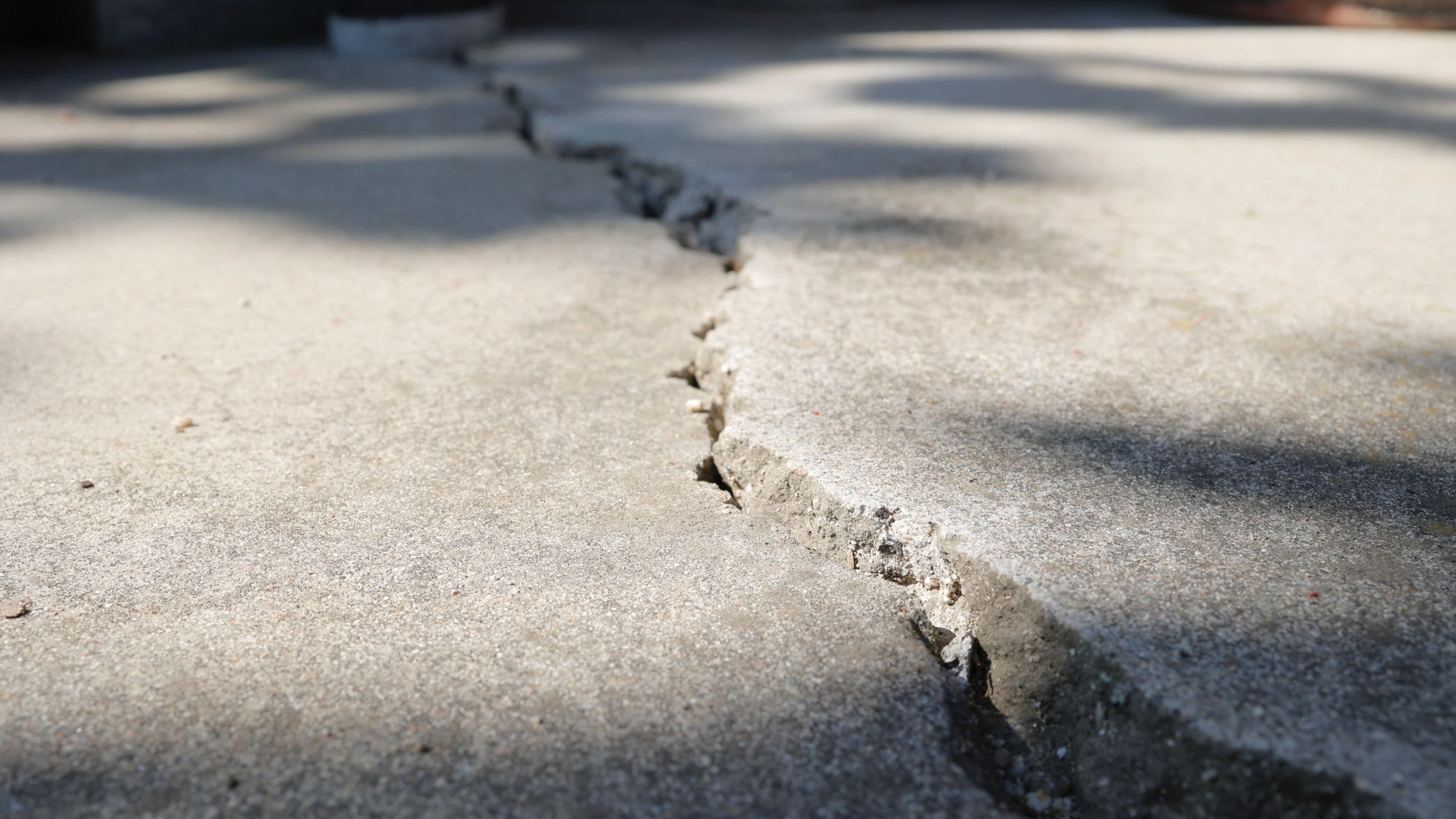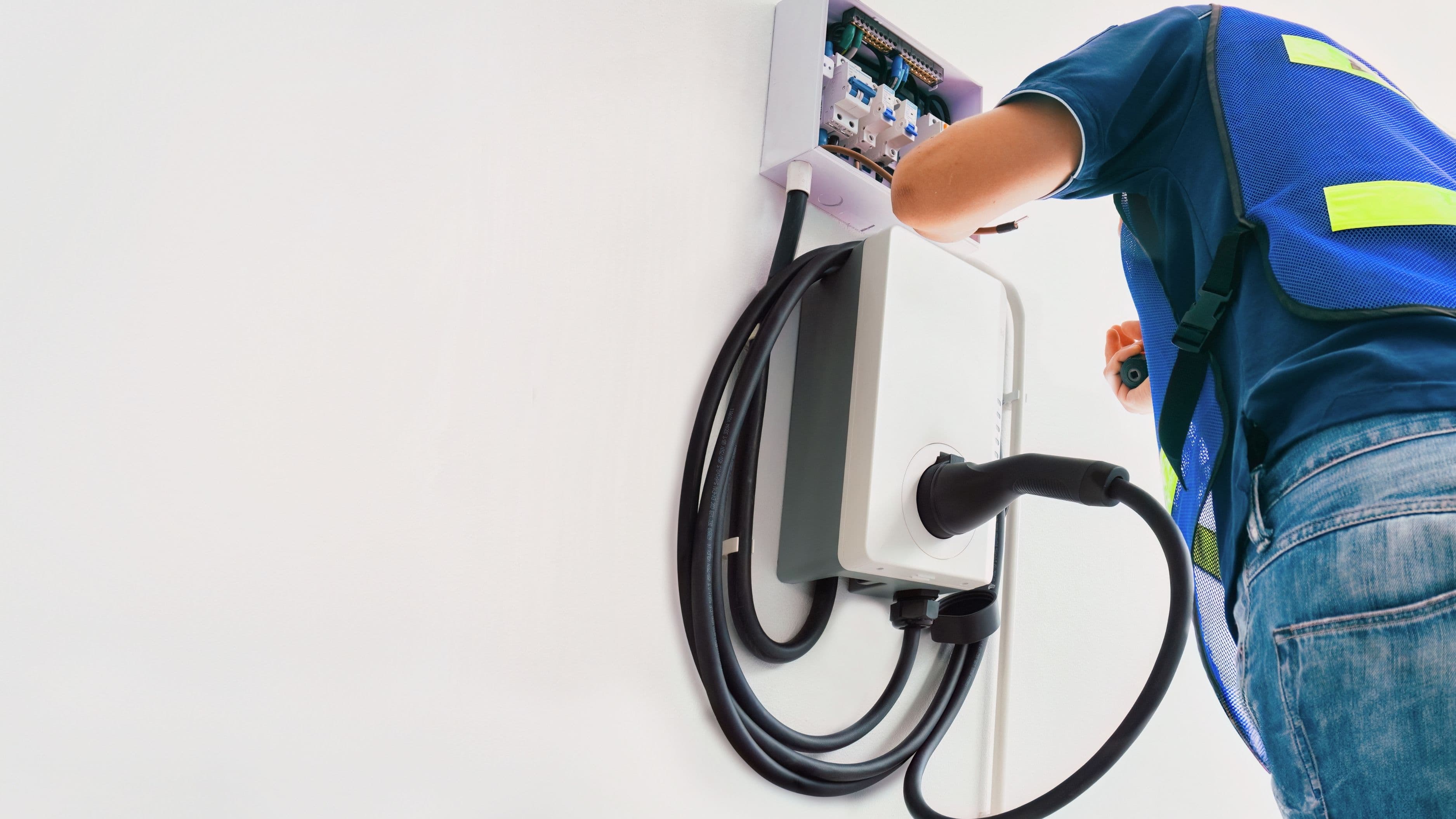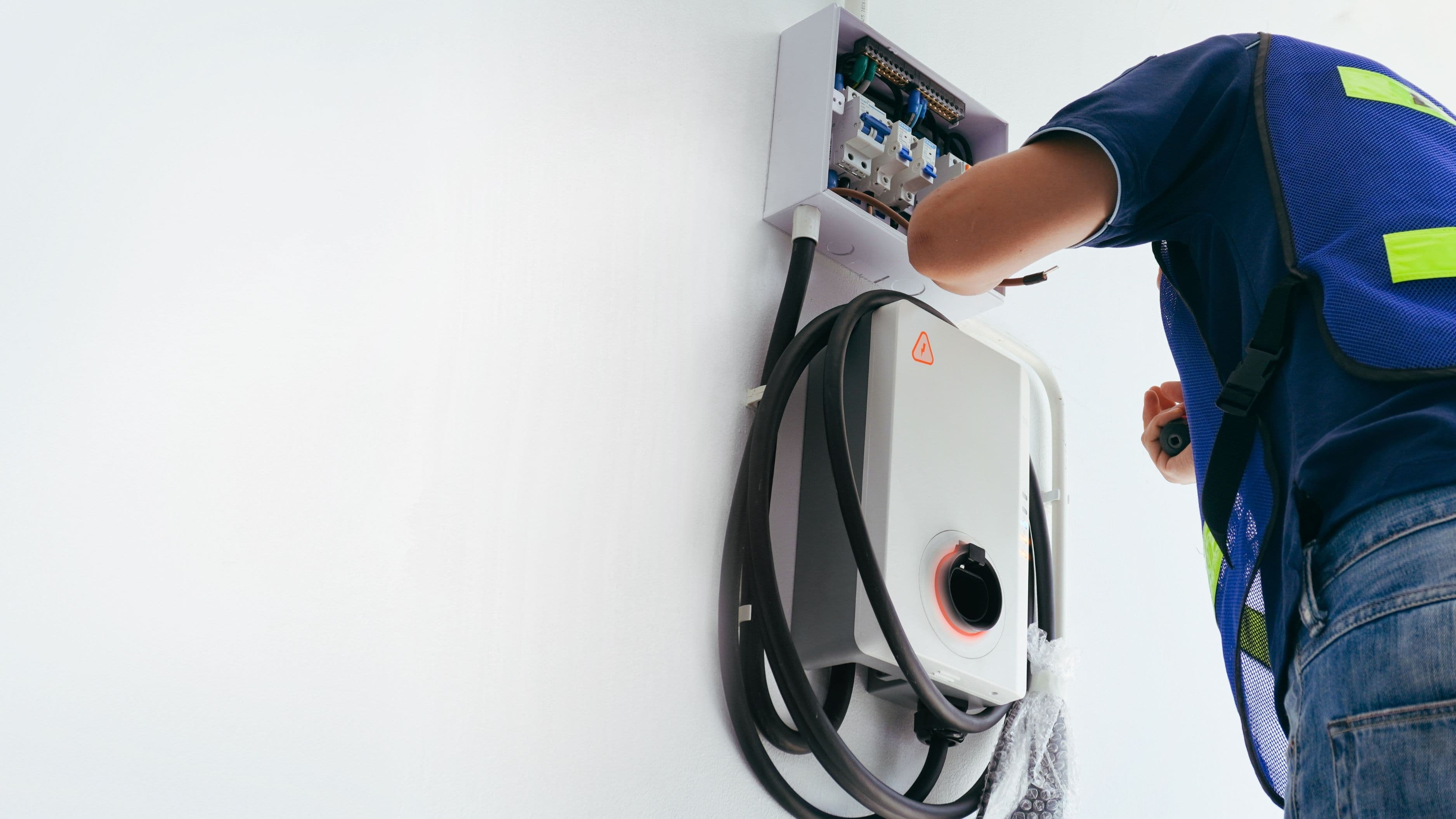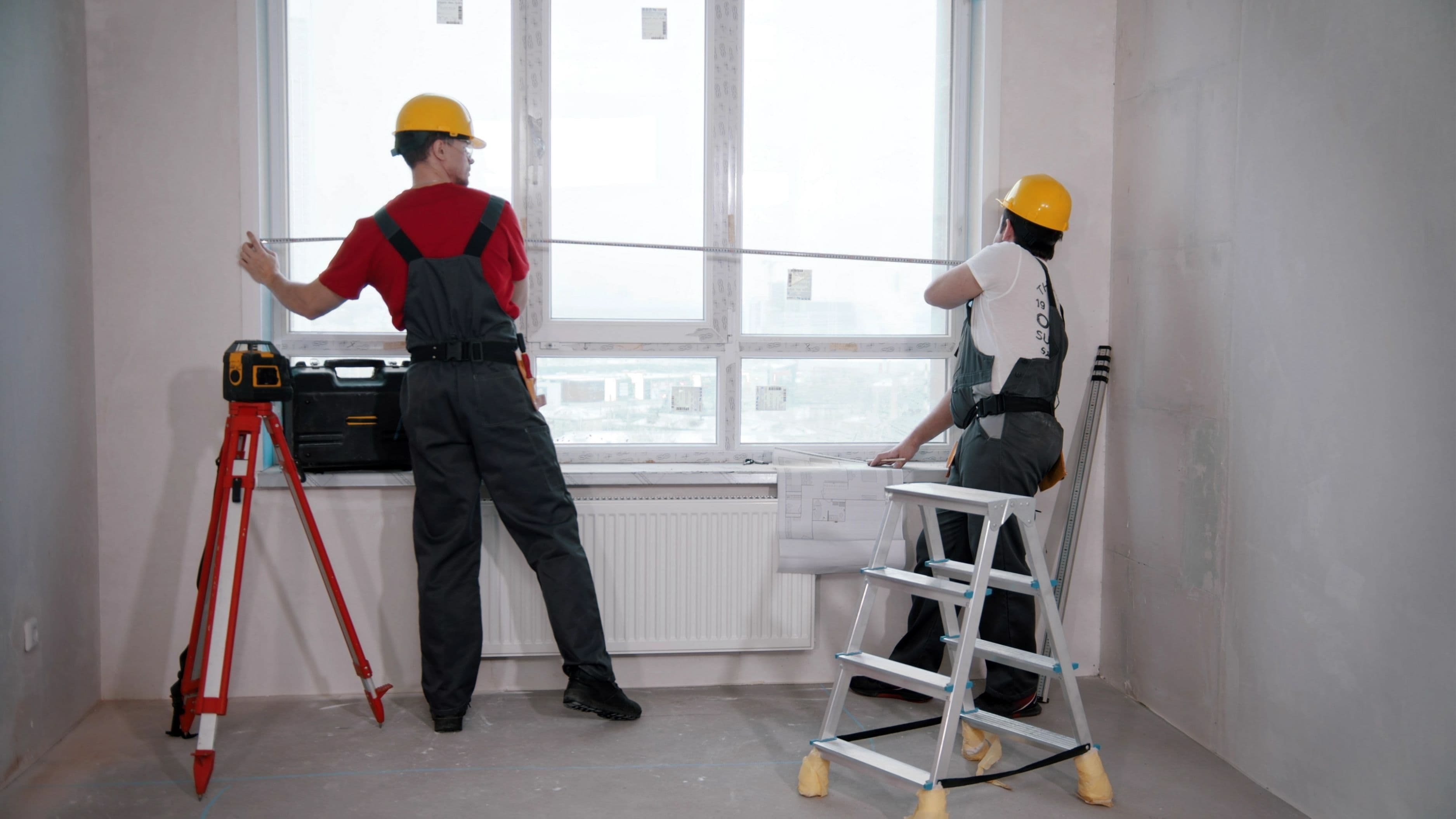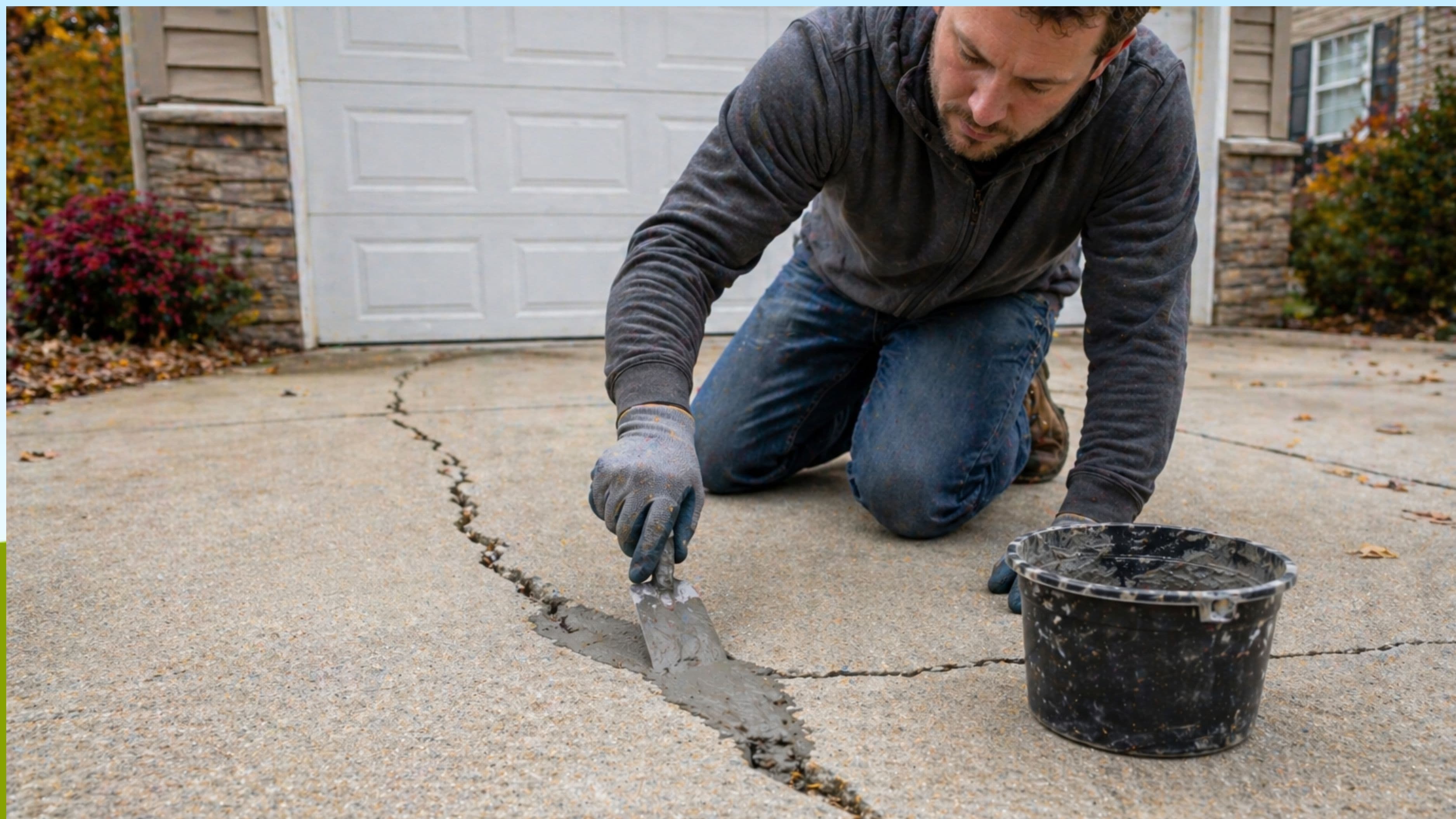

Here's the beautiful truth: somewhere in your neighborhood right now, there's a elderly veteran who can't reach their broken ceiling fan, a single parent staring at a leaky faucet they can't afford to fix, or a disabled homeowner whose front steps have become an obstacle course. Your ability to swing a hammer, patch drywall, or install a grab bar isn't just a party trick—it's a superpower waiting to be unleashed. Let's explore how you can transform your weekend warrior skills into genuine, life-changing community impact.
The Silver-Haired Set Needs Your Steady Hands
Aging in place sounds romantic until the gutters overflow and the steps become slippery death traps. Organizations like Rebuilding Together and Christmas in April (yes, even though it happens year-round now) specifically target elderly homeowners who've lived in their homes for decades but can no longer maintain them. You'll find yourself doing everything from replacing rotted porch boards to installing handrails that prevent falls—the leading cause of injury among seniors.
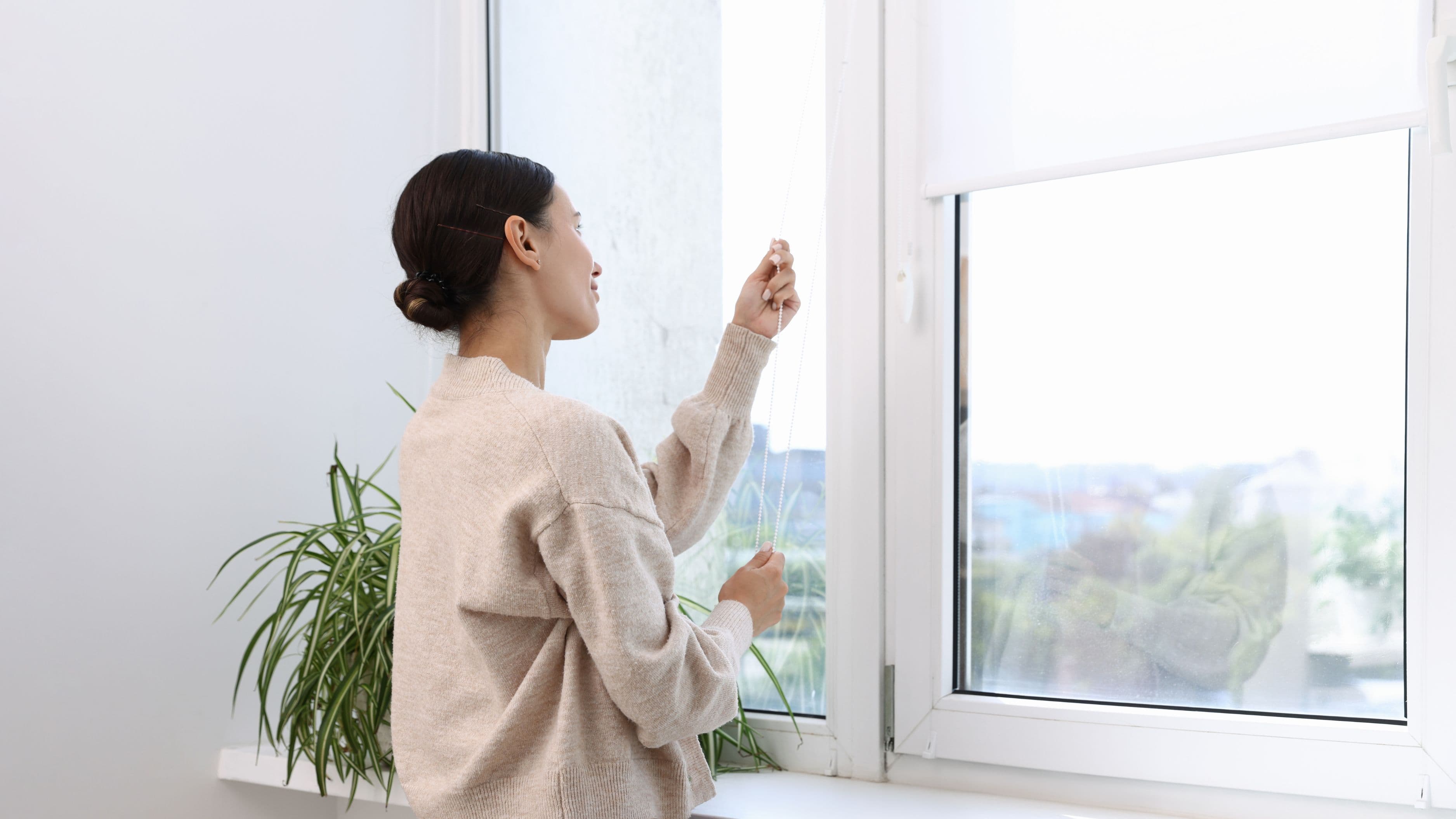
The work isn't glamorous, but the gratitude is overwhelming. Imagine fixing a stuck window for someone who hasn't felt fresh air in months because they couldn't afford a handyman. These projects typically happen on designated community work days, making them perfect for people who can't commit to weekly volunteering. You show up, get assigned a task matching your skill level, and leave knowing someone will sleep safer that night. Many volunteers report that the homemade cookies and heartfelt thank-yous make this more rewarding than any paid side gig.
Habitat for Humanity: Where Sweat Becomes Equity
You've probably heard of Habitat for Humanity, but you might not realize they need skilled volunteers as desperately as they need money. While enthusiastic beginners show up ready to paint, experienced DIYers are the backbone of actually getting homes built. If you can frame a wall, install electrical outlets (with proper supervision), or handle finish carpentry, you're basically construction site royalty.
What makes Habitat unique is the ripple effect of your work. You're not just fixing a problem; you're building someone's first home from the ground up. These are families who've been living in cars, cramped apartments, or unsafe conditions, and your weekend afternoons literally construct their future. The organization provides training, tools, and supervision, so even if your skills are intermediate, you can level up while making a difference. Plus, you'll meet people from all walks of life united by the simple goal of creating shelter—it's team-building without the trust falls.
Veterans Need Mission-Ready Repair Crews
Military veterans gave years of service, and many return home to face unique housing challenges, from mobility issues requiring home modifications to financial struggles that make basic repairs impossible. Organizations like Homes For Our Troops and the Gary Sinise Foundation connect skilled volunteers with veterans who need wheelchair ramps, widened doorways, or bathroom adaptations.
These projects demand precision and planning, making them ideal for detail-oriented DIYers. You might spend a Saturday installing a roll-in shower that transforms daily hygiene from an ordeal into a dignified routine. The emotional weight is real—you're restoring independence to someone who sacrificed for their country. Many volunteers describe an unexpected benefit: veterans often have incredible stories and perspectives that shift how you see both service and gratitude. It's not unusual to arrive planning to help and leave feeling like you received more than you gave.
Disaster Relief: When Chaos Needs Your Calm Competence
When hurricanes, floods, or tornadoes rip through communities, the news cycle moves on, but the rebuilding takes months or years. Organizations like Team Rubicon blend veteran skills with civilian volunteers to provide disaster relief that includes everything from mucking out flooded homes to complete rebuilds. If you've ever thought, "I wish I could help, but I'm not a first responder," this is your answer.
Disaster relief work is intense but incredibly purposeful. You might spend a week in a affected area, working alongside homeowners who are simultaneously grieving their losses and clinging to hope. Your ability to repair water damage, replace drywall, or restore electrical systems becomes a tangible lifeline. The camaraderie among volunteers creates bonds that last long after the work ends, and you'll develop skills under pressure that no YouTube tutorial could teach. Just be prepared: this work will change you, usually for the better.
Faith-Based Groups: Bringing Good Works to Life
Churches, synagogues, mosques, and other religious communities often run low-key home repair ministries that fly under the radar but accomplish tremendous good. These programs typically serve their immediate neighborhoods, helping members and non-members alike with projects ranging from minor fixes to major renovations. The beauty of faith-based volunteering is the built-in community and consistent need.
You don't need to share the faith to participate—most programs welcome anyone willing to serve. The projects tend to be flexible, ranging from a few hours on a weeknight to full weekend builds. You might find yourself weatherproofing windows for a struggling family on Tuesday evening, then returning to your regular life. The personal connections formed through smaller, regular projects create ongoing relationships where you see the long-term impact of your work. One volunteer described fixing a furnace that allowed a family to finally heat their home properly, then getting invited to the kids' school graduations years later.
Teaching DIY Skills: The Gift That Multiplies
Some opportunities focus less on doing repairs yourself and more on teaching others to fish, so to speak. Organizations like Community Tool Banks and DIY Workshops for Women offer classes where experienced DIYers teach basic home maintenance skills to people who never learned them. You might spend Saturday mornings showing single parents how to unclog drains, patch holes, or change air filters.
The empowerment factor here is off the charts. You're not just fixing one problem; you're equipping someone with knowledge that saves them money and stress for life. Students often arrive intimidated by tools and leave confident they can tackle basic repairs independently. If you've ever explained something and watched someone's face light up with understanding, you'll get addicted to this. Plus, teaching reinforces your own knowledge and occasionally reveals creative problem-solving approaches you hadn't considered.
Corporate Volunteer Days: Bringing Your Office to the Worksite
Many companies now offer paid volunteer days, and home repair projects make ideal team activities. Organizations love corporate groups because they bring multiple volunteers with various skills simultaneously. You can coordinate with your employer to organize a day where your coworkers help build a wheelchair ramp, paint a community center, or winterize homes for low-income families.
These events satisfy your volunteering itch while strengthening workplace relationships in actually meaningful ways—unlike trust falls or escape rooms. Companies often match the experience with donations, doubling your impact. The shared experience of physical work toward a concrete goal creates stories and bonds that translate back to the office in unexpected ways. Plus, your boss will appreciate the positive PR and team morale boost, potentially making future volunteer days easier to arrange.
Individual Connections: The Neighborhood Network
Sometimes the most effective volunteering happens through informal networks rather than organizations. That elderly neighbor who needs help replacing storm windows, the single parent down the street who can't afford a plumber, or the disabled veteran at your church who needs a ramp—these individual connections often go unmet because there's no formal structure.
Creating a personal volunteering practice means staying alert to needs in your immediate community. You might let neighbors know you're willing to help with small projects, or coordinate with local social workers who know which families are struggling. These one-off projects take less time than organizational volunteering but create deep community bonds. You become known as the person who helps, which sounds like pressure but actually feels amazing. Just set clear boundaries about what you will and won't tackle, and don't hesitate to say when something requires a licensed professional.
Skills You Didn't Know Were Useful
You might think you need master carpenter credentials to volunteer, but organizations desperately need people with partial skill sets too. Can you paint neatly? Strip wallpaper? Clean gutters? Landscape? These "unskilled" tasks free up experienced volunteers for complex work and are equally valuable. Many projects fail not from lack of expertise but from insufficient hands to complete time-consuming basics.
Even your non-construction skills matter. Organizations need people who can coordinate schedules, manage tools, document work for grants, photograph projects, or provide lunch for volunteers. Your administrative abilities, photography hobby, or knack for organizing could be exactly what a program needs to function smoothly. Don't let imposter syndrome convince you that only master craftspeople can contribute—every skill level advances the mission.
Why Your Time Beats Your Money (Sometimes)
Writing a check to charity feels good and definitely helps, but donating your skilled labor often provides exponentially more value. A handyman might charge $200 for a repair that takes you three hours—meaning your weekend afternoon delivers value far exceeding what most people could afford to donate in cash. Skilled trades represent some of the most expensive services struggling families face, making your expertise incredibly valuable.
Beyond economics, physical presence matters. You witness impact firsthand rather than trusting an organization to spend your money wisely. You create human connections that challenge stereotypes and build empathy. Research from the Corporation for National and Community Service shows that people who volunteer have lower mortality rates and experience less depression than non-volunteers. You're not just helping others; you're literally improving your own wellbeing. It's the rare situation where selfishness and altruism align perfectly.
Your life doesn't need to be perfect—just less focused on your own four walls and more connected to the community around you. Those DIY skills you've been hoarding for your own projects? They're itching for a bigger purpose. Start small with a single volunteer day, and don't be surprised if you find yourself addicted to the particular satisfaction of using your hands to improve someone's daily existence. The world has plenty of problems you can't fix, but leaky roofs, broken steps, and unsafe homes? Those are exactly your size. Now grab your tool belt and go be the hero someone's been waiting for.
📚 Sources
Corporation for National and Community Service. (2018). "The Health Benefits of Volunteering: A Review of Recent Research." National Service Knowledge Network.
Centers for Disease Control and Prevention. (2021). "Important Facts About Falls." CDC Injury Prevention & Control.