
Here's what you actually need to know to figure out the right schedule for your driveway.
Why Sealing Matters in the First Place
Driveways take a beating. Rain, UV rays, motor oil drips, freeze-thaw cycles, and the constant weight of vehicles all gradually break down the surface. Sealing creates a protective barrier that slows that process significantly. For asphalt, sealcoating replenishes the binders that hold the surface together and shields it from oxidation and water penetration. For concrete, sealing prevents water infiltration that causes spalling, staining, and cracking – especially in climates where water freezes and expands inside the slab.
The key thing to understand is that sealing is maintenance, not repair. It protects a driveway that's in reasonably good shape – it doesn't fix one that's already deteriorating. That's why timing matters. Too infrequent and the surface gets ahead of you. Too frequent and you're layering sealant on sealant, which builds up, cracks, and eventually peels worse than bare pavement would.
Asphalt vs. Concrete: The Rules Are Different
Before settling on a schedule, it helps to know that asphalt and concrete driveways have meaningfully different sealing needs.
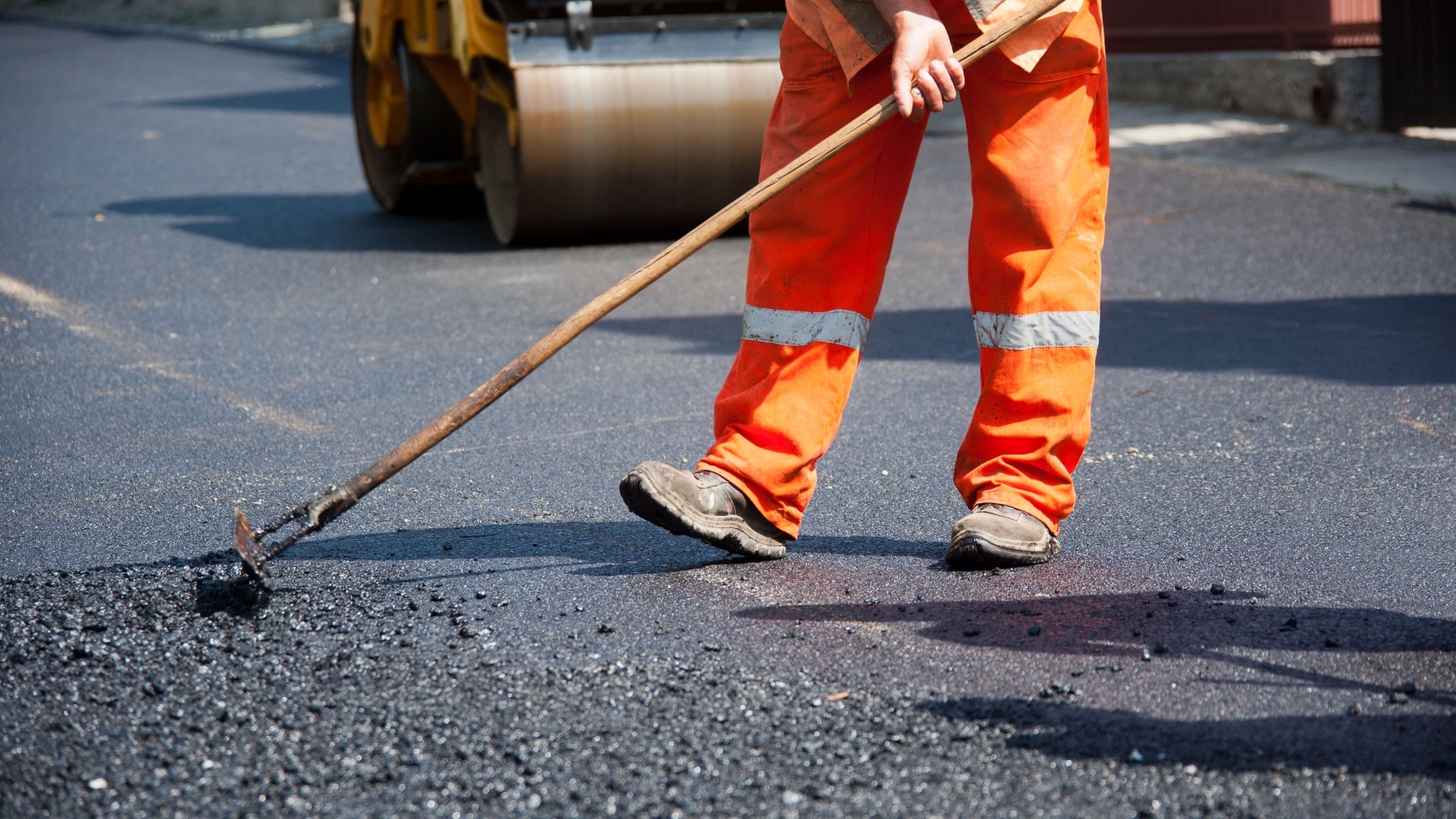
Asphalt driveways are made of aggregate held together by bitumen, a petroleum-based binder that naturally degrades with UV exposure and oxidation. You can see this happening when a black driveway starts turning gray. Sealing an asphalt driveway replenishes the surface and slows that oxidation process. However, asphalt also needs time to cure and harden after it's laid – a brand new asphalt driveway should wait 6–12 months before its first seal coat. After that, every 2–3 years is the general guideline for most climates.
Concrete driveways are denser and harder than asphalt, and they don't need sealing as frequently. A penetrating concrete sealer (silane-siloxane type) can last 3–5 years on a well-maintained surface before needing reapplication. Film-forming acrylic sealers, which sit on the surface rather than penetrating it, may need refreshing every 1–3 years because they wear off with traffic and weather. If you're not sure which type you have, the easiest way to tell is to pour a small amount of water on the surface: if it beads up, the sealer is still active; if it soaks in quickly, it's time to reseal.
The Problem With Sealing Too Often
Over-sealing is a real issue that a lot of homeowners don't hear about because the sealing industry has an obvious incentive to recommend frequent applications. Here's the problem: sealant layers don't bond to each other the same way the first coat bonds to bare pavement. When you apply a new coat before the previous one has fully worn, you're stacking incompatible layers that can peel, bubble, and flake – leaving your driveway looking worse than if you'd done nothing.
For asphalt in particular, excessive sealcoating can cause the surface to become brittle over time. A heavy buildup of coal tar or asphalt-based sealers eventually cracks and flakes in sheets, especially in climates with significant temperature swings. If your asphalt driveway has noticeable peeling or thick buildup at the edges and low spots, that's a sign it's been sealed too frequently. At that point, the fix involves stripping the old buildup before any new coat will adhere properly – which turns a simple maintenance job into a much more involved project.
How to Tell When It's Actually Time to Reseal
Rather than working from a fixed annual calendar, it's more useful to know what to look for on your specific driveway. The water bead test mentioned earlier is the most reliable check for concrete. For asphalt, look at the color: a healthy sealed surface is dark black or very dark gray. As the sealer wears, the driveway fades to a lighter gray. When it starts looking noticeably lighter than it did when last sealed, and especially when you can see the aggregate texture becoming prominent, that's the signal to reseal.
Other signs it's time regardless of how long it's been:
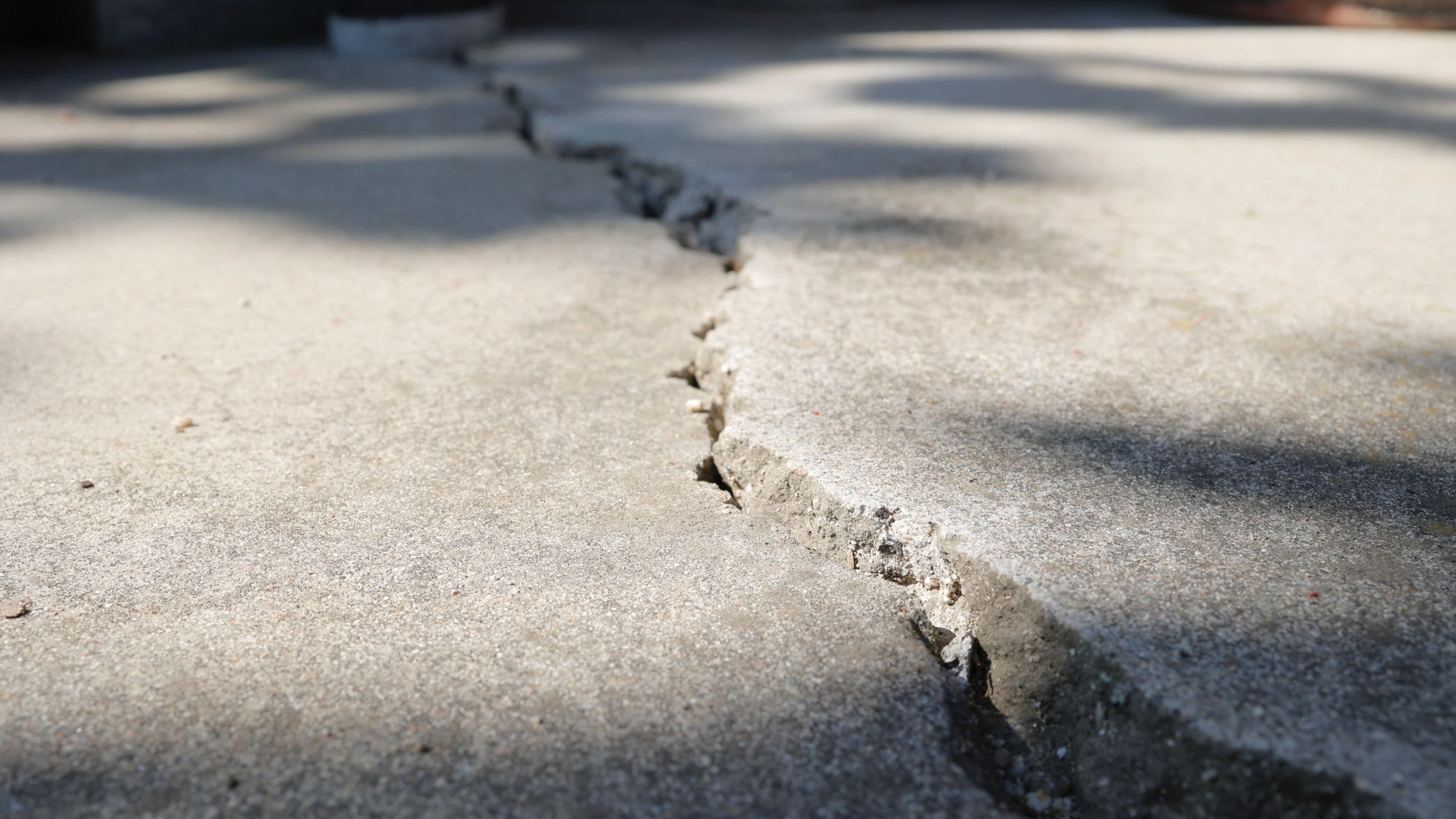
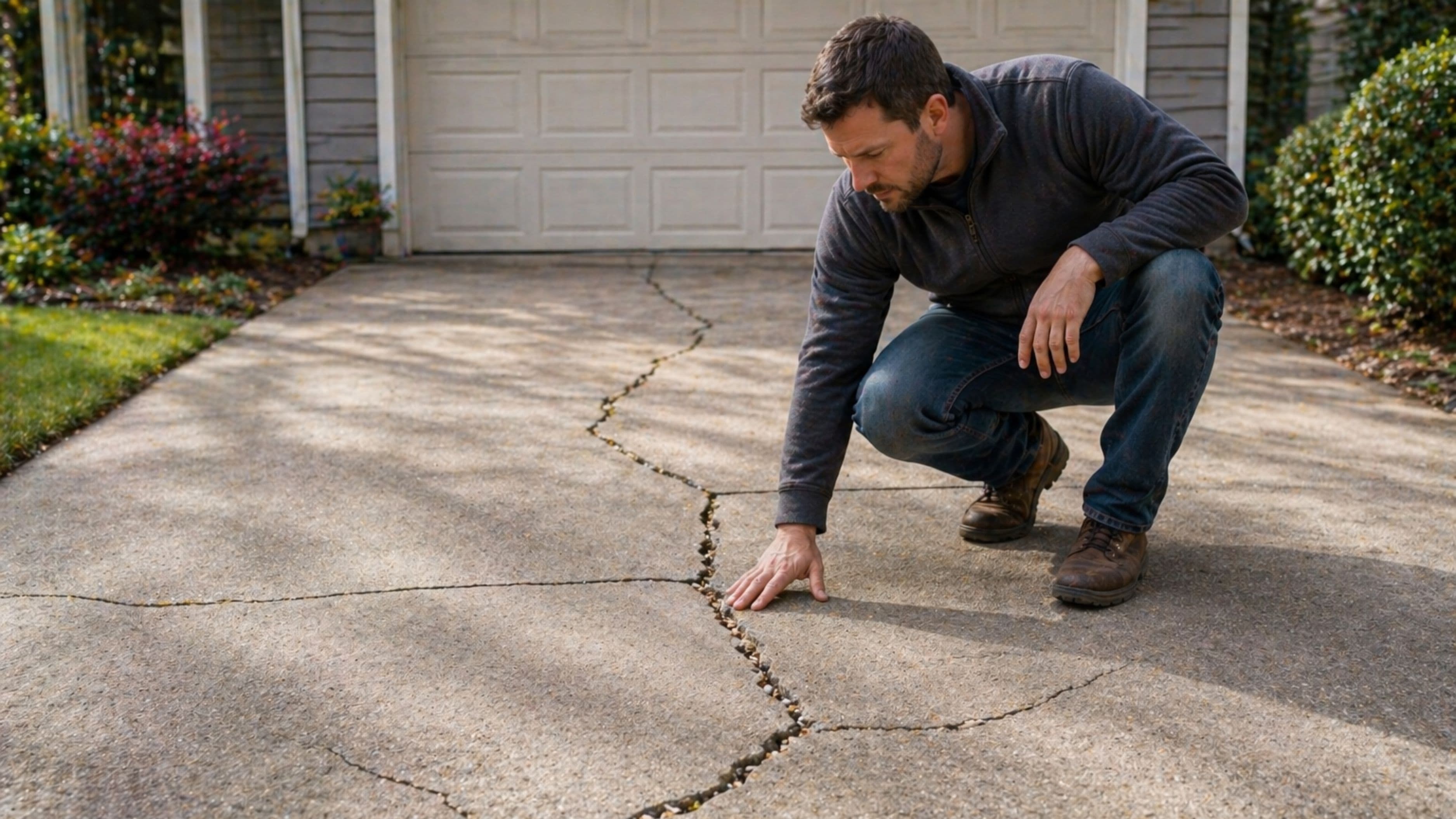
Small surface cracks are appearing (seal before they widen and let water in)
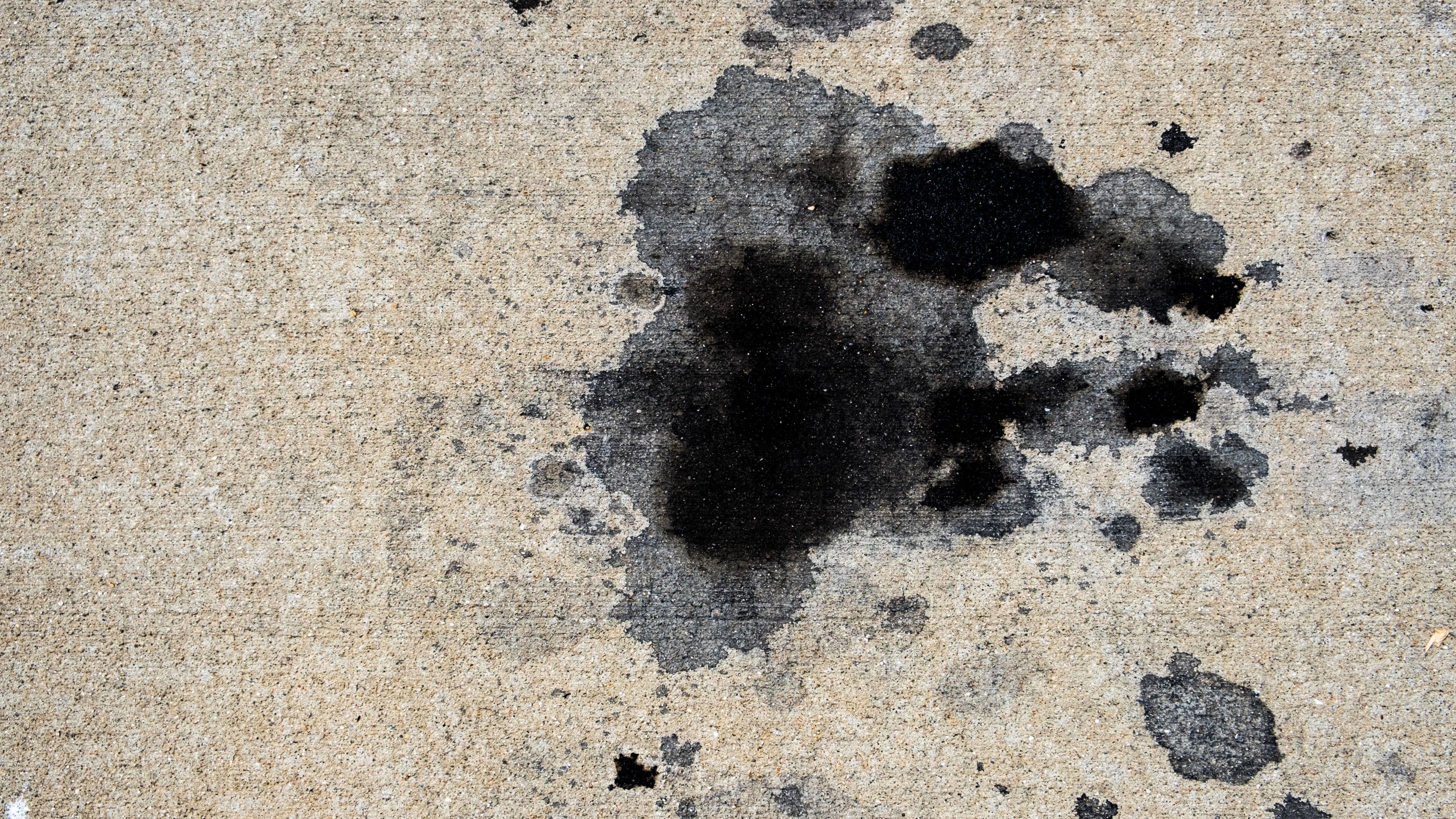
Oil or water stains are soaking in quickly rather than sitting on the surface
The surface feels rough and porous to the touch
You're heading into a harsh winter with no protection on the driveway
Conversely, if the surface still beads water, looks uniformly dark, and shows no significant cracking, you can safely wait another season before sealing – even if it's been a couple of years.
Recommended Sealing Frequency by Driveway Type and Climate
These are practical guidelines rather than hard rules. Local conditions, traffic volume, and the quality of the previous seal job all affect actual timing.
Asphalt driveways:
Mild climates (South, Southeast, Pacific Coast): every 3–5 years
Northern climates with freeze-thaw cycles: every 2–3 years
New driveways: wait 6–12 months before first seal, then follow the schedule above
Concrete driveways with penetrating sealer:
Most climates: every 3–5 years
High-traffic or harsh winter climates: every 2–3 years
Concrete driveways with film-forming (acrylic) sealer:
Most climates: every 1–3 years depending on visible wear
High-traffic areas: check annually with the water bead test
Exposed aggregate or decorative concrete:
Every 2–3 years, or as soon as the surface loses its sheen and starts absorbing water
If you live somewhere with very mild weather and low traffic on your driveway, you may find that every 4–5 years is sufficient for either material. Use the water test to guide you rather than the calendar alone.
Best Time of Year to Seal
Timing within the year matters almost as much as the frequency. Sealant needs moderate temperatures and dry conditions to cure properly. The general rules:
Apply sealer when temperatures are between 50°F and 90°F and expected to stay that way for at least 24–48 hours after application. Most sealers require the surface to be dry and are sensitive to humidity – avoid sealing if rain is in the forecast within 24 hours.
Spring and fall are usually the best windows in most US climates. Spring sealing protects the driveway before summer UV exposure and heat. Fall sealing prepares the surface for the freeze-thaw stress of winter. Avoid sealing in midsummer heat in southern states – extreme surface temperatures cause some sealers to cure unevenly or bubble.
Don't seal in winter or when overnight temperatures are expected to drop below 50°F. Cold temperatures prevent the sealer from bonding and curing correctly, which leads to a weak coat that wears off quickly or peels.
DIY vs. Hiring Out: What Makes Sense
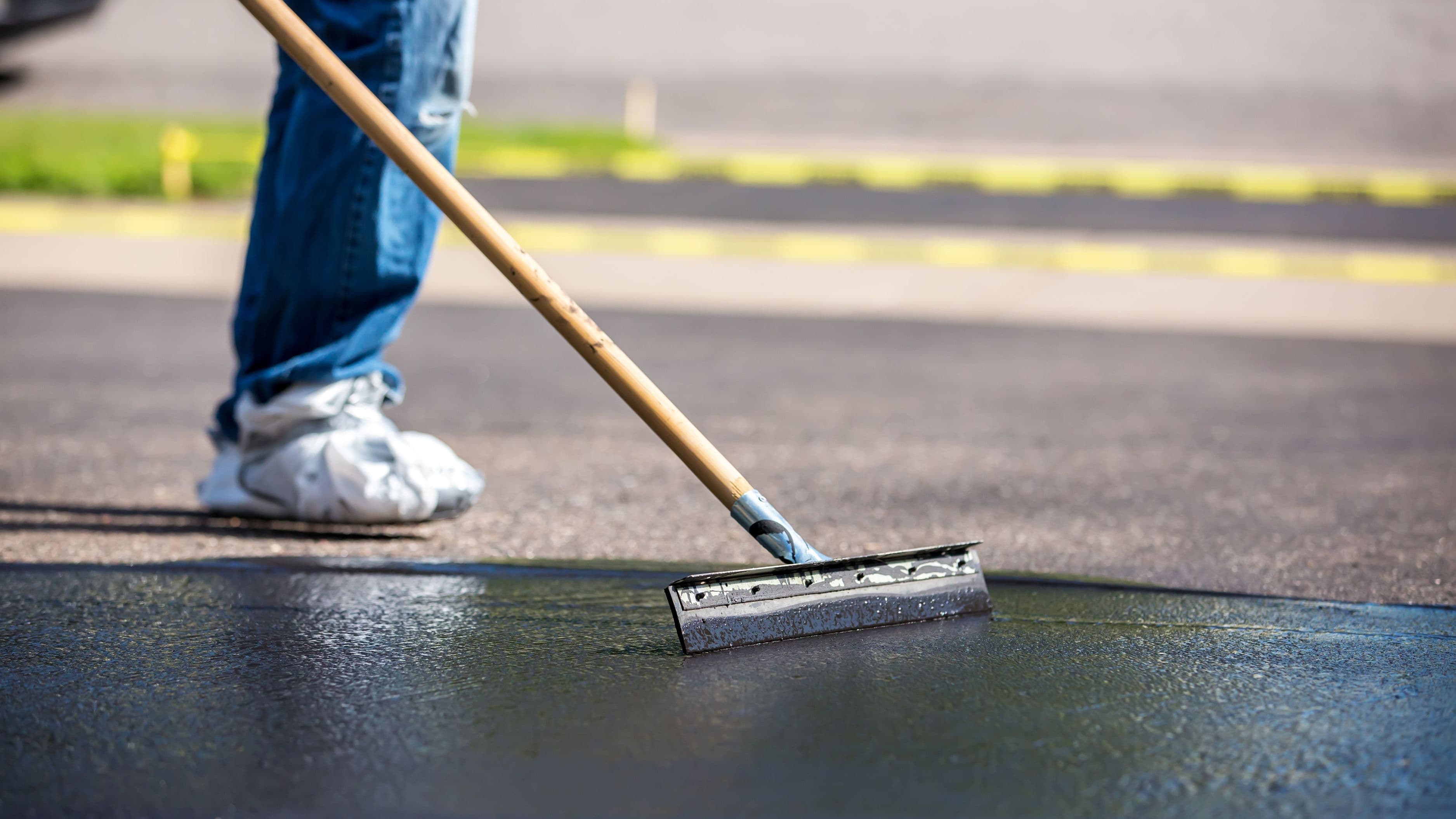
Sealing a driveway is one of the more accessible DIY maintenance tasks for homeowners. The materials are widely available, the tools needed are basic, and the process is straightforward for a standard residential driveway. A typical two-car asphalt driveway can be sealed in a few hours with a roller or squeegee applicator. The main requirements are a clean, dry surface and the right weather window.
DIY cost estimate: $30–$100 for a standard two-car driveway, depending on sealer type and driveway size. Concrete sealers tend to cost more per gallon than asphalt sealers but cover more area.
Professional sealing cost: $100–$400 for a typical residential driveway, depending on size, region, and condition. Professionals often apply two coats with commercial-grade equipment, which produces a more uniform result and may last slightly longer than a single DIY coat.
For most homeowners, DIY sealing is the practical choice given the straightforward process and significant cost savings. Hiring out makes more sense if the driveway is in poor condition, has buildup that needs addressing first, or if you simply don't want to spend a Saturday on it.
Common Mistakes to Avoid
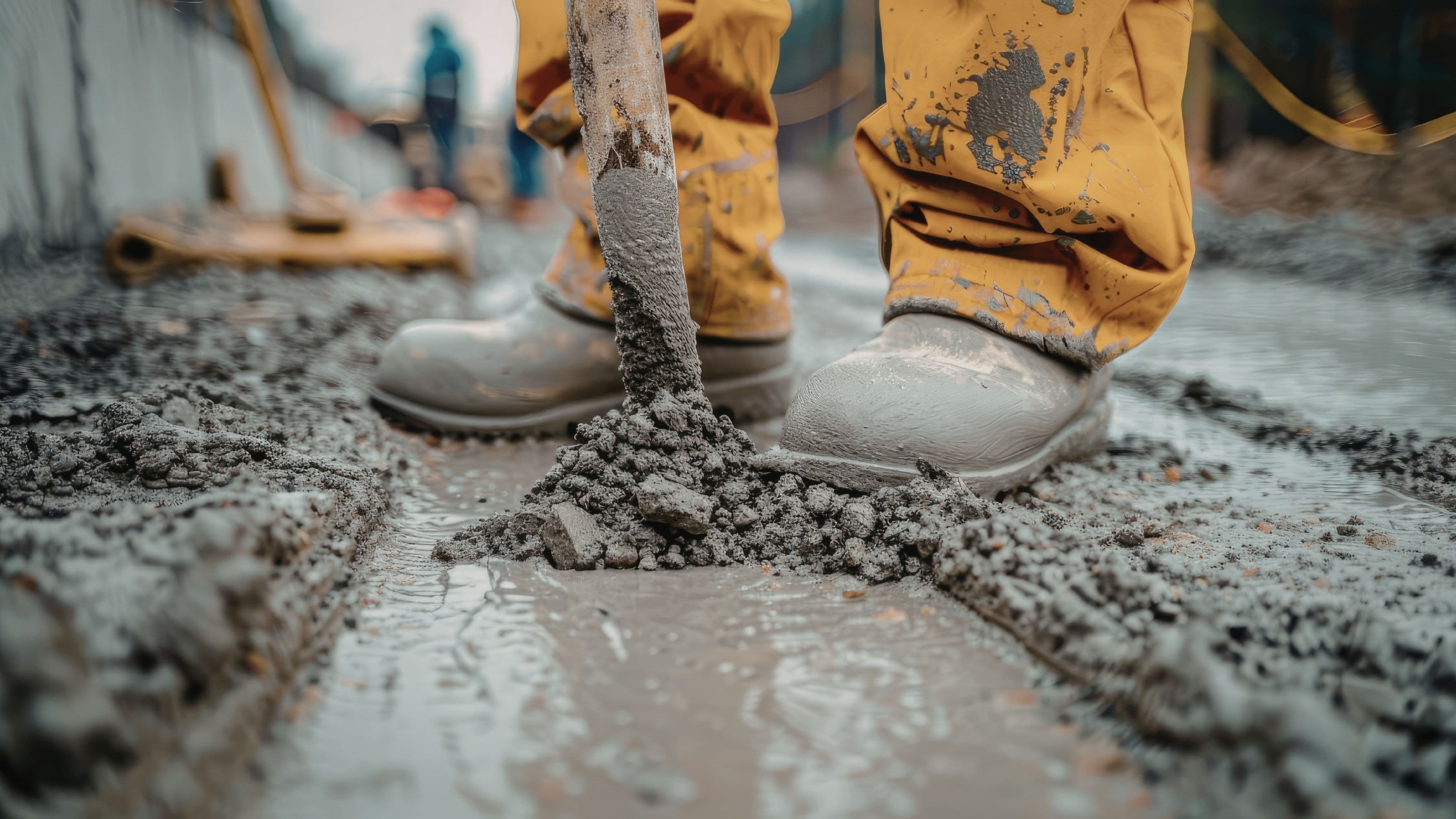
Sealing without cleaning first is the most frequent error. Any dirt, oil, or mold on the surface will be locked in under the sealer, and the coat won't bond properly over contaminated areas. Pressure wash the driveway and let it dry completely before applying anything.
Applying sealer too thick in one coat is another common problem. Thick applications don't cure evenly, tend to stay tacky longer, and are more prone to tracking footprints and tire marks into the house. Thin, even coats – applied in two passes if needed – produce a better result than one heavy application.
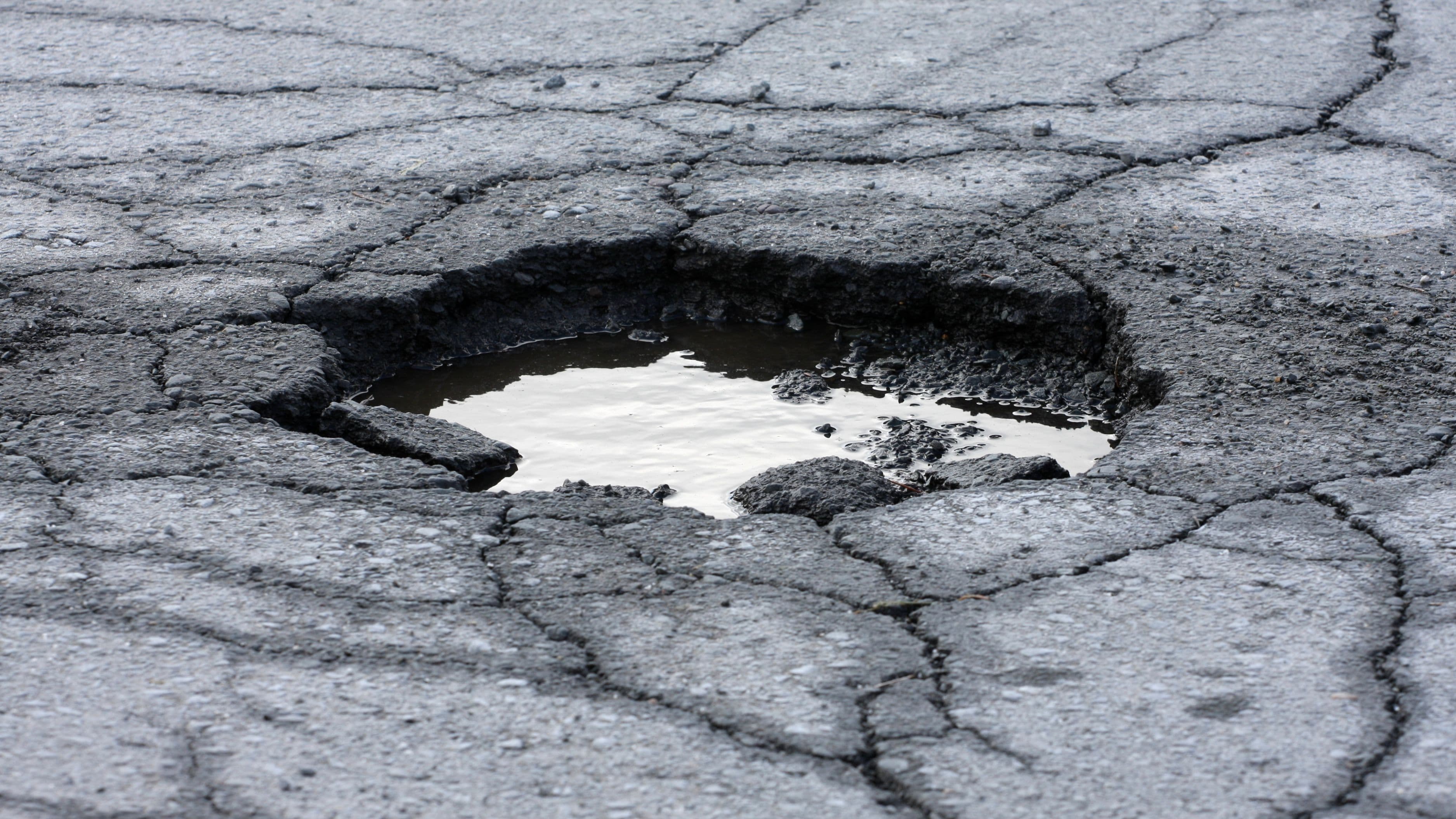
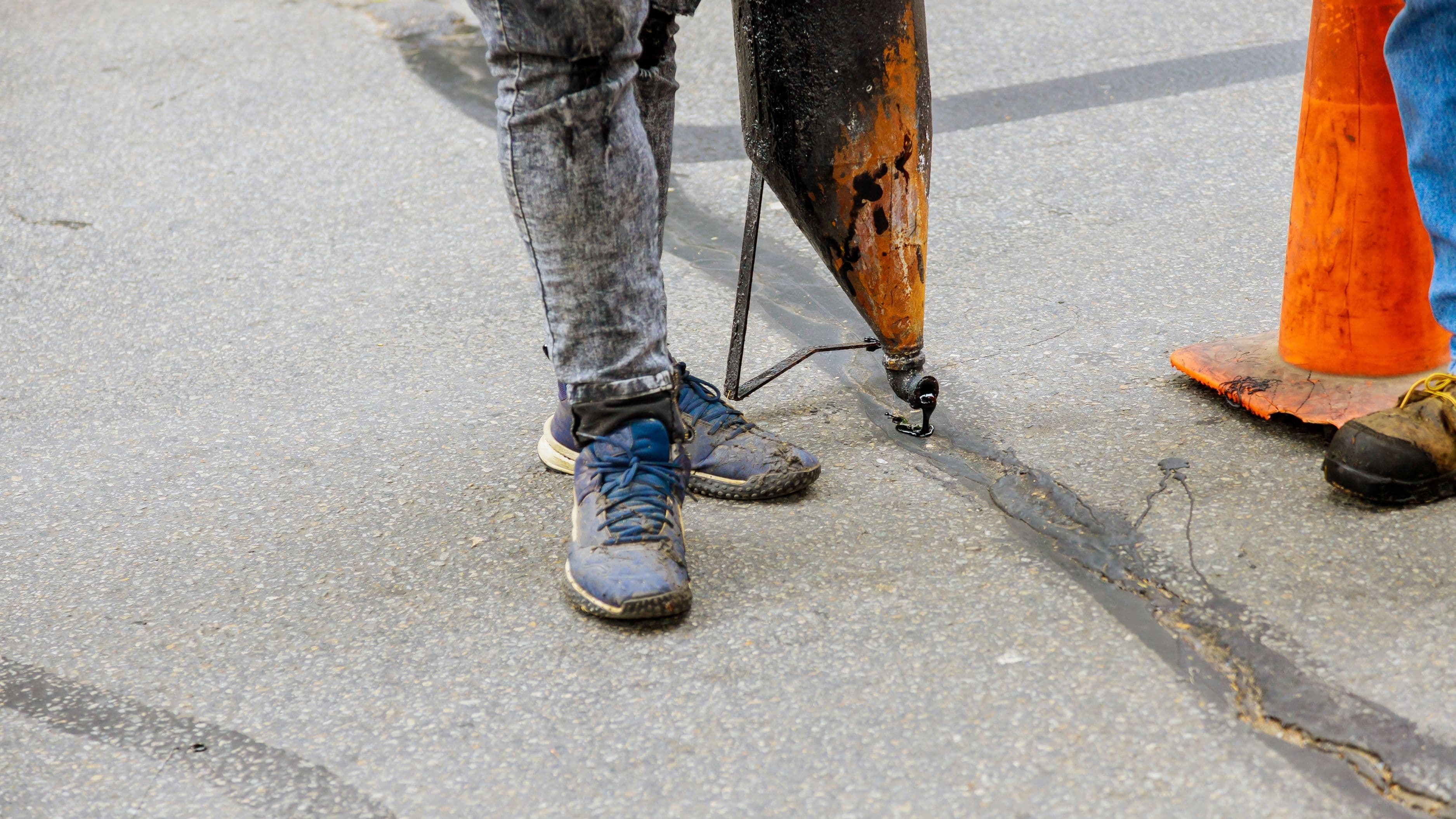
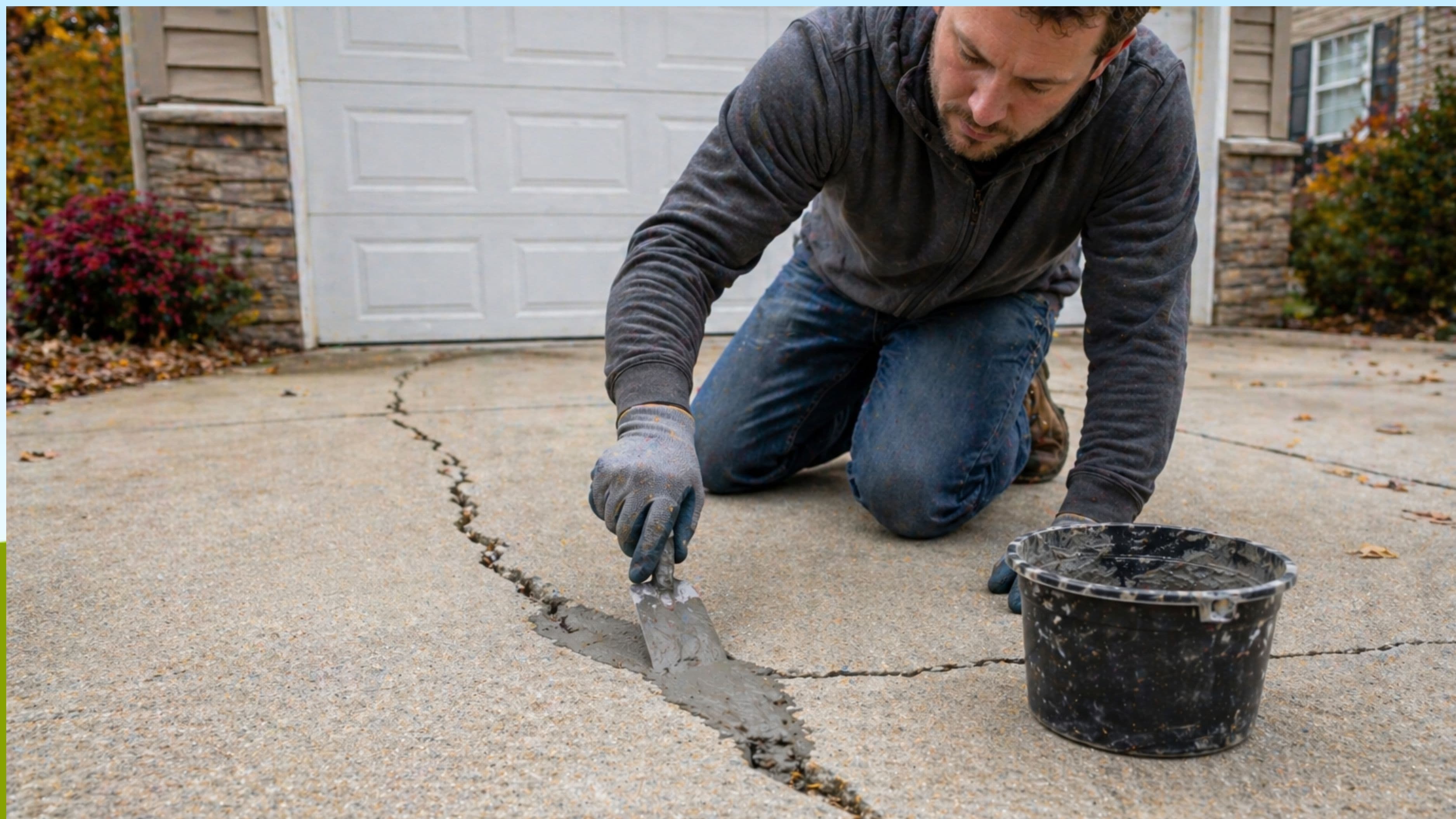
Sealing over existing cracks without filling them first doesn't stop the cracks from growing – it just hides them temporarily. Fill any cracks wider than a hairline with crack filler before sealing, or water will continue to work its way in underneath and worsen them over time.
Finally, walking or driving on the surface before it's fully cured is a quick way to ruin a fresh seal coat. Most sealers need at least 24 hours before foot traffic and 48–72 hours before vehicle traffic, longer in cool or humid conditions. Read the manufacturer's instructions and plan your timing accordingly.
FAQ
Is it bad to seal a driveway every year? For most driveways, yes – annual sealing is too frequent. Applying new coats before the previous one has worn causes buildup that eventually peels and flakes. Every 2–3 years for asphalt and every 3–5 years for concrete is more appropriate for most situations.
Does sealing a driveway actually make it last longer? Yes, when done on a reasonable schedule. Sealing slows oxidation and water damage for asphalt, and prevents moisture infiltration and freeze-thaw damage for concrete. Studies and contractor experience consistently show sealed driveways outlasting unsealed ones by several years.
Can I seal over a cracked driveway? You can seal over hairline cracks, but larger cracks need to be filled first with an appropriate crack filler. Sealing over significant cracks just hides them temporarily – it doesn't stop them from widening.
What's the difference between coal tar sealer and asphalt-based sealer? Coal tar sealers are more durable and resistant to gas and oil spills, but they contain chemicals that some states have restricted due to environmental concerns. Asphalt-based sealers are more widely available and better for the environment, though slightly less resistant to petroleum products. Check whether coal tar sealers are permitted in your area before buying.
How long does driveway sealer last? On asphalt, a well-applied coat typically lasts 2–4 years before reapplication is needed. On concrete with a penetrating sealer, 3–5 years is realistic. Film-forming concrete sealers wear faster, often needing attention every 1–3 years depending on traffic.
Should I seal a brand new driveway right away? Not for asphalt – wait at least 6 months, ideally a full year, to allow it to fully cure and harden before sealing. Sealing too early traps solvents in the asphalt and can soften it. New concrete should also be allowed to cure for at least 30 days before applying sealer.
The Bottom Line
Sealing your driveway on the right schedule is one of the cheapest forms of home maintenance relative to the damage it prevents. The sweet spot for most homeowners is every 2–3 years for asphalt and every 3–5 years for concrete – adjusted based on climate, traffic, and what the water bead test tells you. Use the condition of the surface as your guide more than the calendar, clean thoroughly before every application, and don't skip crack repair. Done right, a good seal coat costs you one afternoon and saves you from a much more expensive repair conversation down the road.
📚 Sources
University of Minnesota Extension – Driveway Maintenance and Sealing: https://extension.umn.edu/concrete-and-masonry/concrete-driveways
This Old House – How and When to Seal an Asphalt Driveway: https://www.thisoldhouse.com/driveways/21017949/how-to-seal-an-asphalt-driveway
Family Handyman – How to Seal a Concrete Driveway: https://www.familyhandyman.com/project/how-to-seal-a-concrete-driveway/
Portland Cement Association – Sealing Concrete Flatwork: https://www.cement.org/learn/concrete-technology/concrete-construction/sealing-concrete
Asphalt Pavement Alliance – Pavement Preservation and Maintenance: https://www.asphaltroads.org/why-asphalt/pavement-preservation/