
The honest answer: it depends on which charger you're installing and what your electrical panel already looks like. Here's how to figure out exactly where you stand.
Level 1 vs Level 2: The Charger Type Changes Everything
There are two types of home EV chargers, and the installation requirements are completely different.
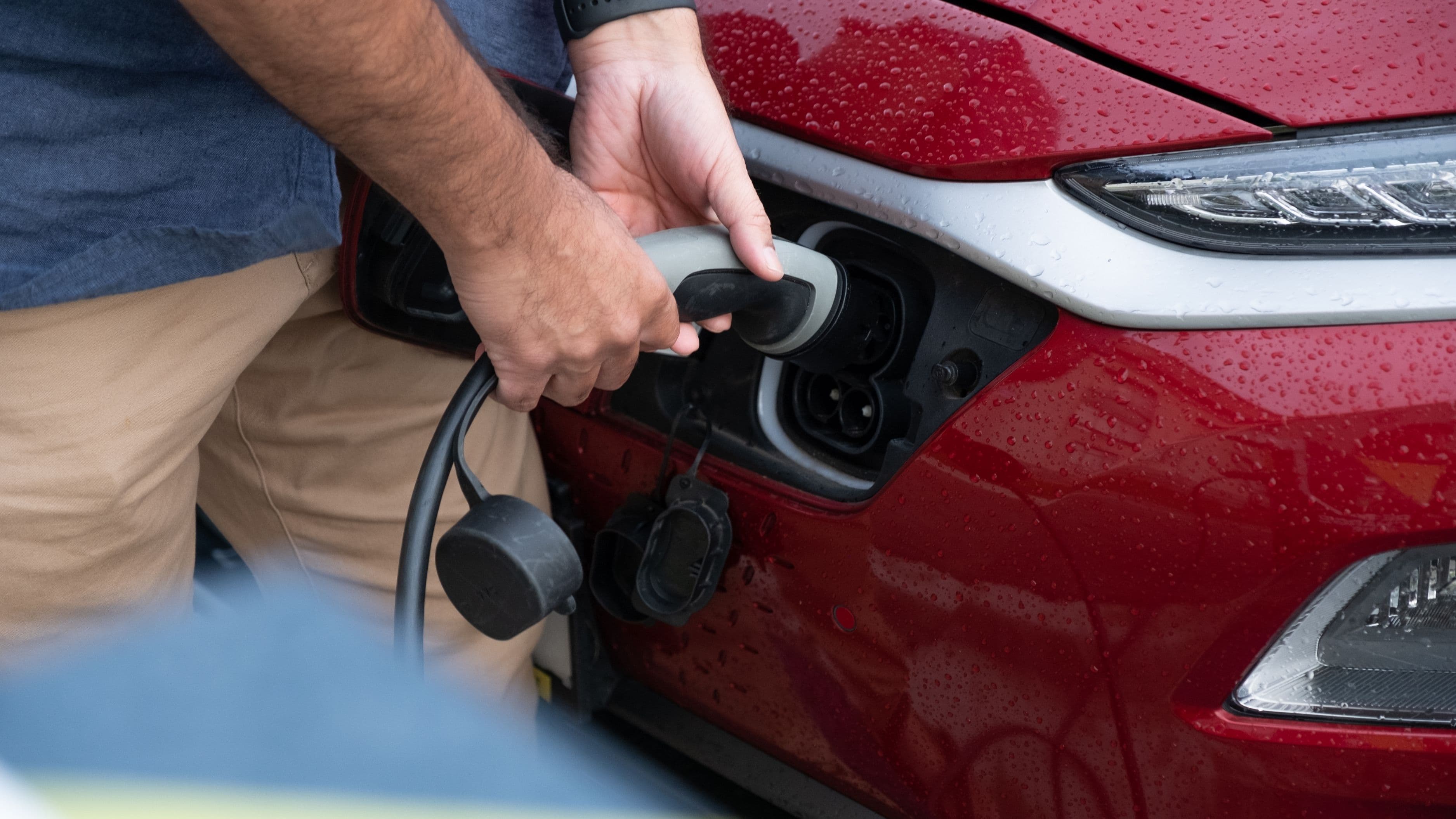
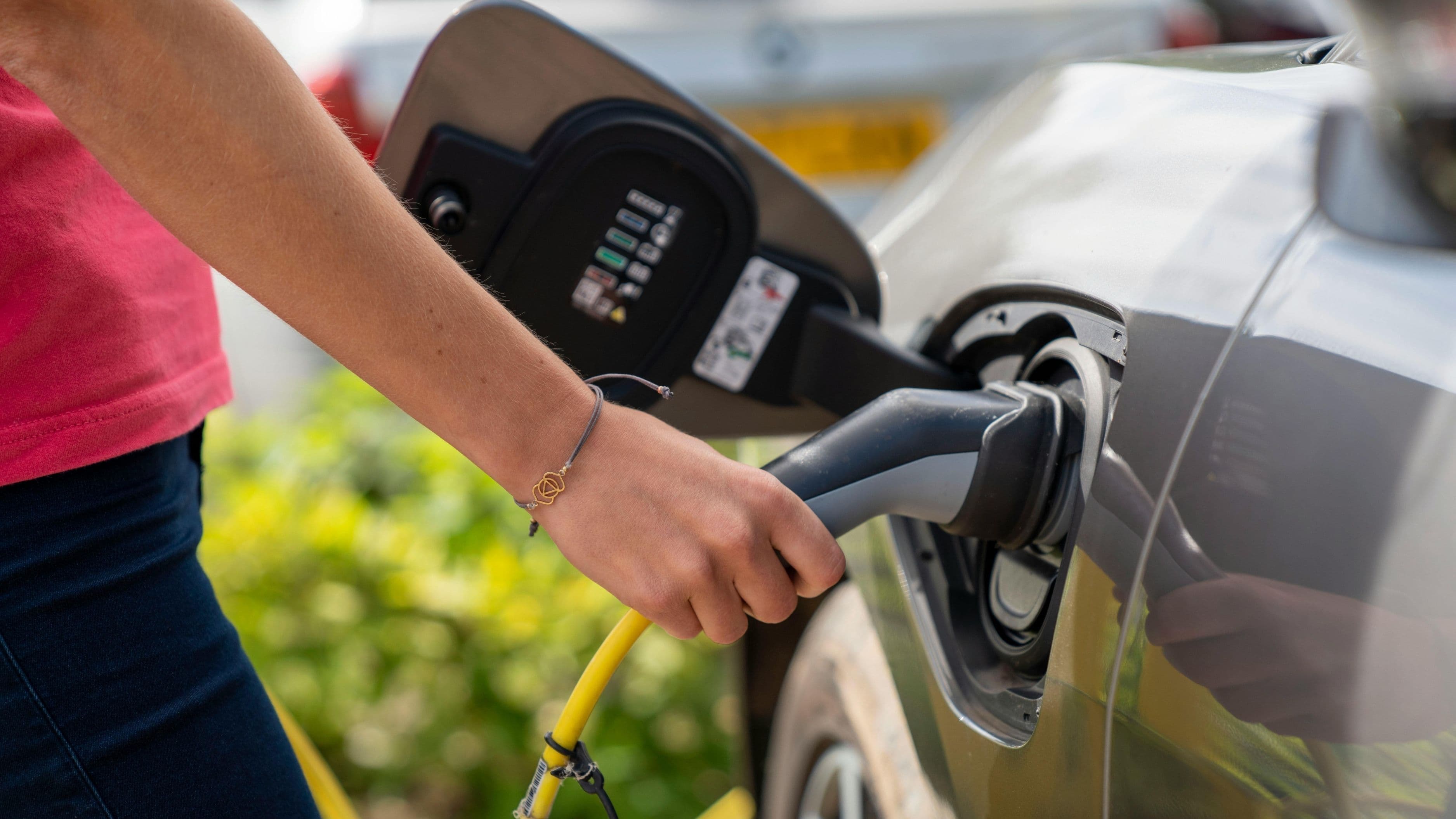
A Level 1 charger uses a standard 120V household outlet – the same three-prong plug your lamp uses. Every electric vehicle comes with a Level 1 cord set included. You plug it in, and your car charges. There is nothing to install. The trade-off is speed: Level 1 delivers about 3–5 miles of range per hour of charging. For someone driving 30–40 miles a day, that's workable. For most EV owners, it's frustratingly slow.
A Level 2 charger uses 240V – the same voltage as your dryer or electric range. It delivers 15–30 miles of range per hour, which means a full charge overnight regardless of your daily driving. Level 2 is the real-world standard for home charging, and it is what most people are actually asking about when they wonder whether they need an electrician. The short answer for Level 2: almost certainly yes, and for good reasons.
Why Level 2 Installation Usually Requires a Licensed Electrician
A Level 2 charger requires a dedicated 240V circuit, typically a 50-amp breaker for a 48-amp charger (the most common residential size) or a 40-amp breaker for a 32-amp charger. If your electrical panel doesn't already have a dedicated 240V circuit available near your garage or parking area, new wiring needs to be run from your panel to the charger location.
This is not like replacing a light switch or installing a ceiling fan. Running a new 240V circuit involves working inside your electrical panel – the main panel that handles all the power in your home. Opening that panel exposes live bus bars that carry enough current to cause fatal injury. Even when the main breaker is off, the lines coming into the top of the panel from the utility remain energized and cannot be shut off without calling your utility company. This is the reason most jurisdictions require a licensed electrician for this work, and it's the right call regardless of how handy you are.
Beyond the physical safety issue, there's a permitting and code compliance dimension. Most cities and counties require a permit for 240V circuit additions, and the permit triggers an inspection before the circuit is put into service. If you're doing the work yourself and you're not a licensed electrician, many jurisdictions won't issue you the permit to pull. And skipping the permit creates real problems: insurance claims related to electrical fires can be denied if unpermitted work is involved, and the issue surfaces during a home sale inspection.
What an Electrician Actually Does During a Level 2 Install
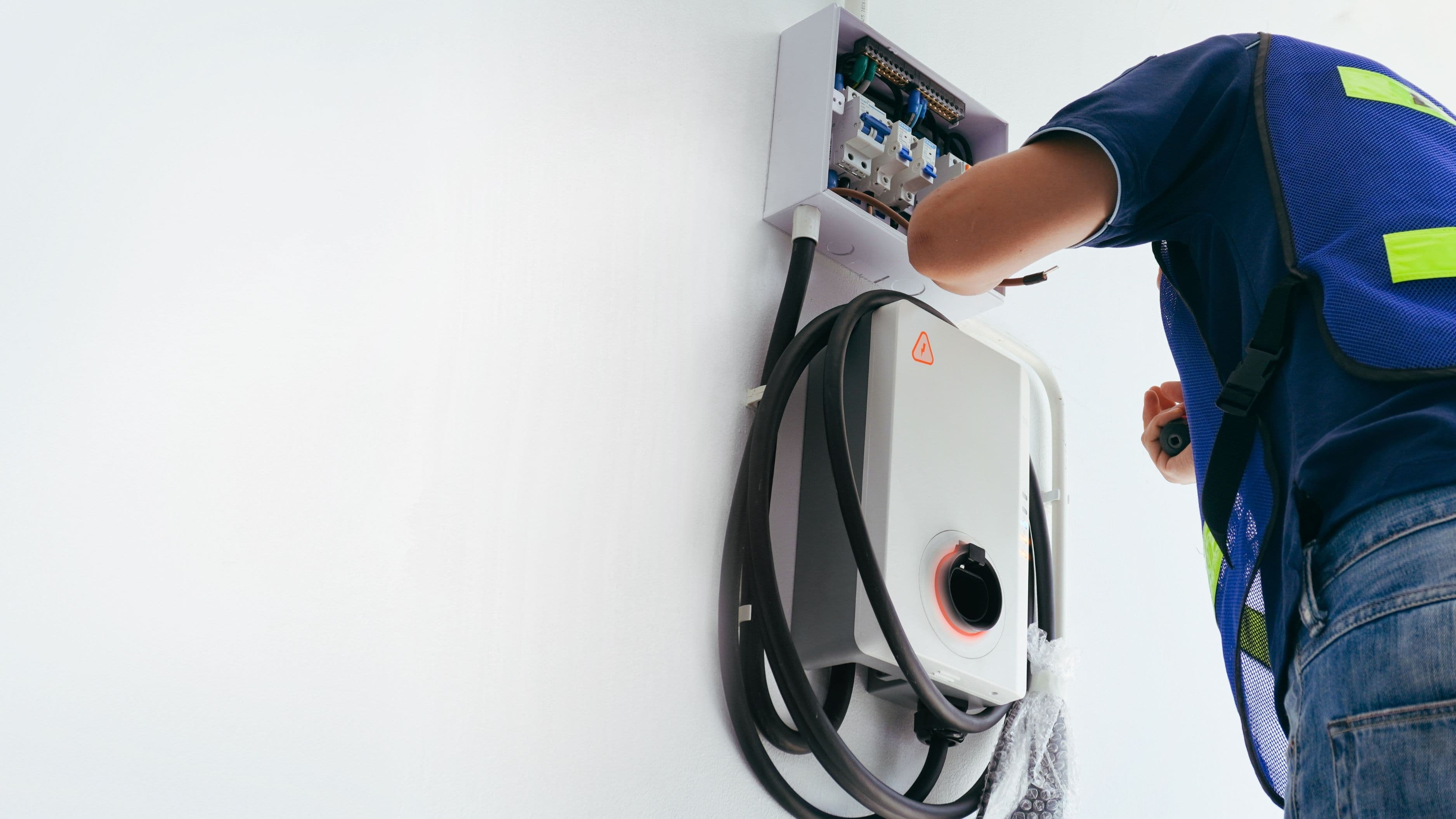
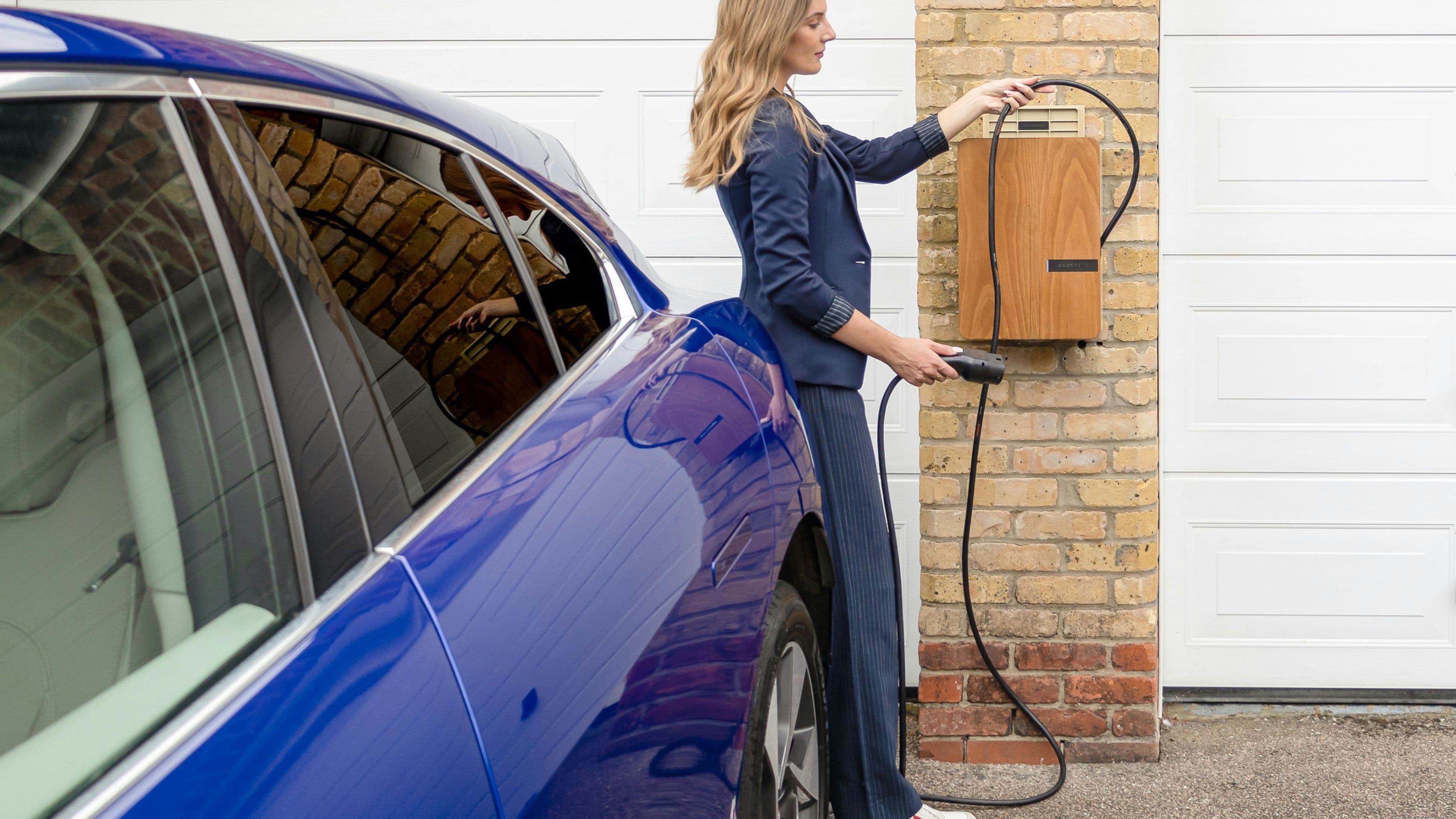
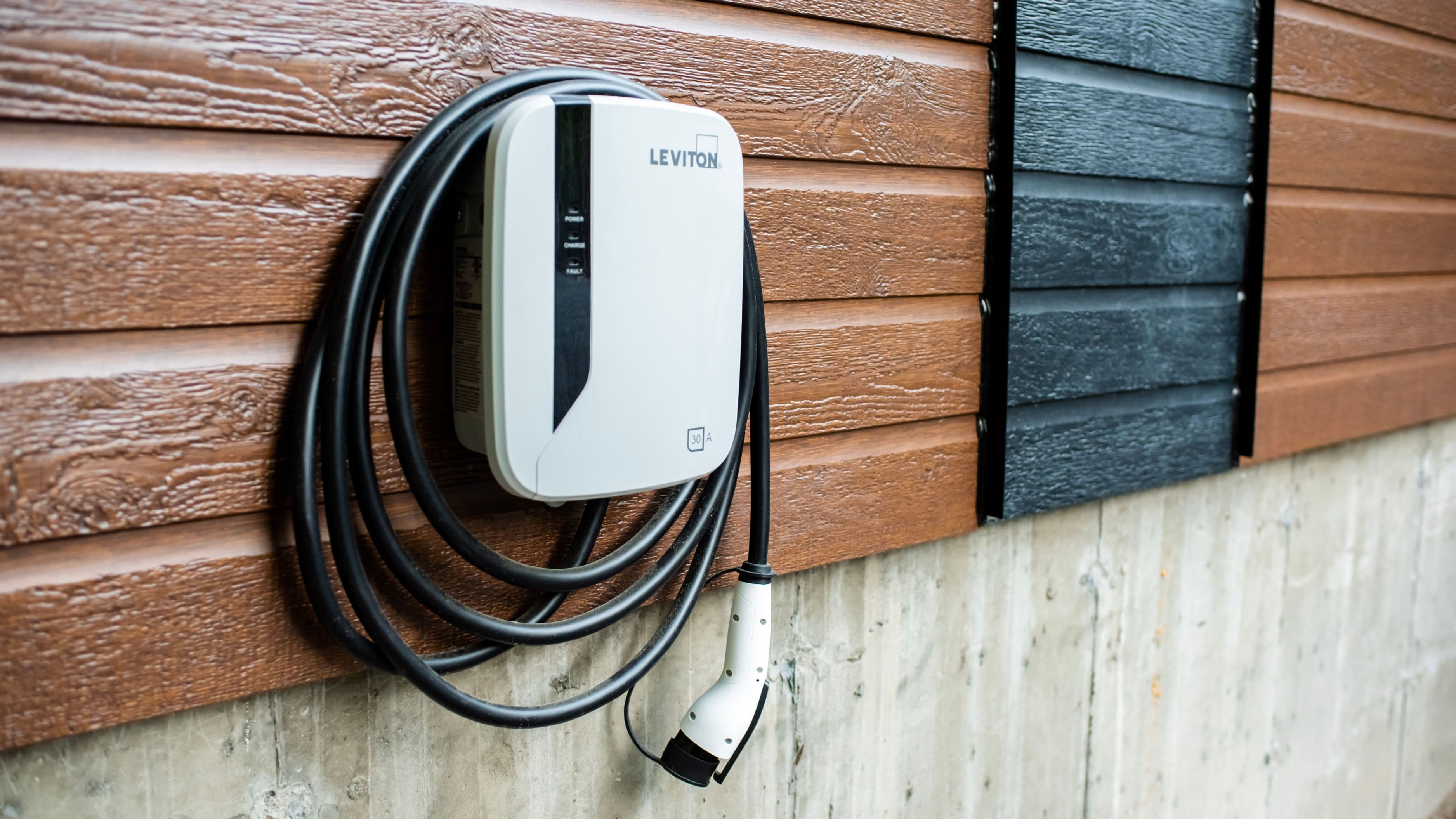
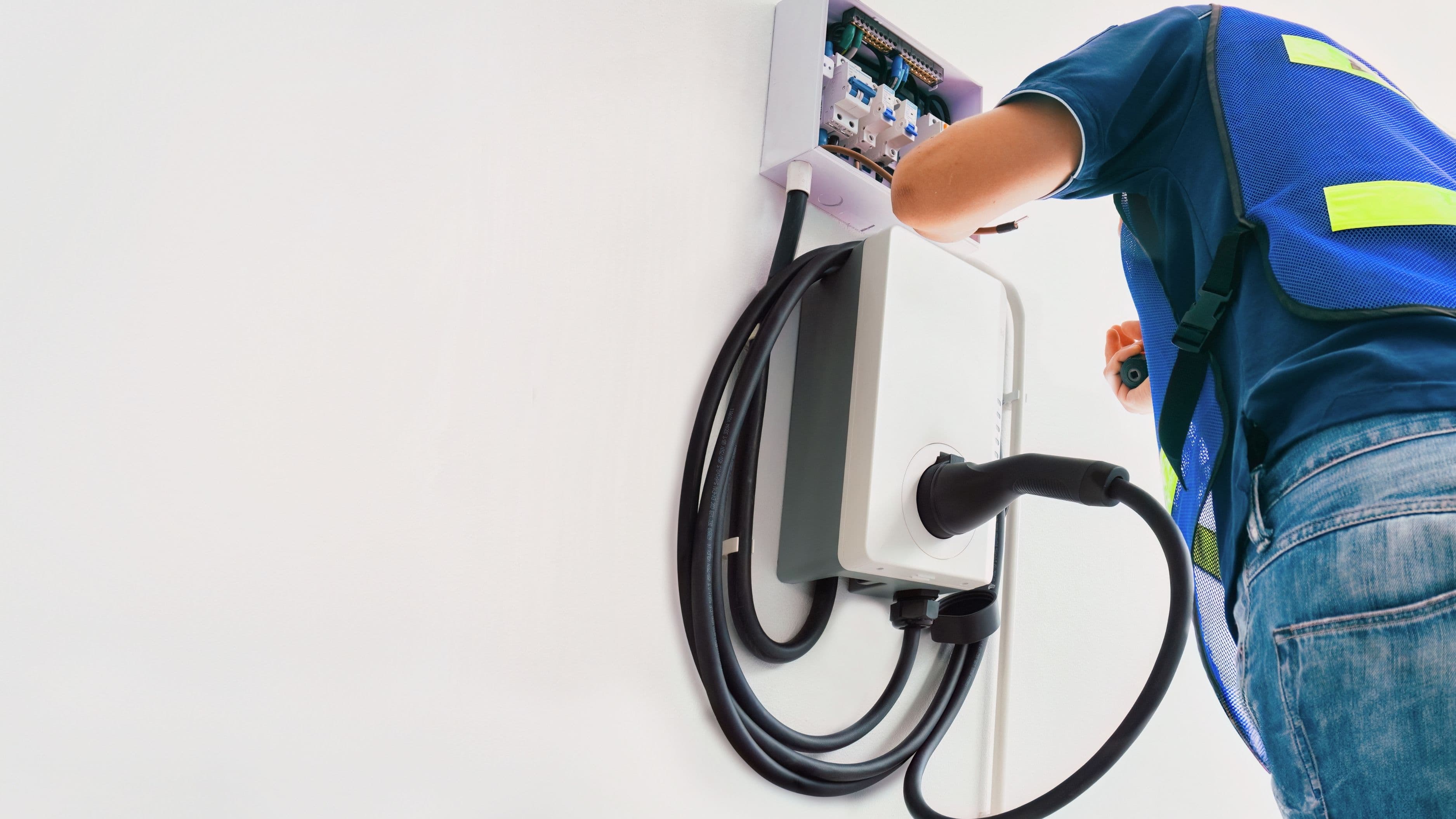
Understanding what the job involves helps you evaluate quotes and know what to expect. A typical Level 2 EV charger installation includes assessing your panel's available capacity, installing a new circuit breaker in the panel, running wire from the panel to the charger location, mounting the charger unit on the wall, and connecting everything per code. The electrician pulls the permit, the work gets inspected, and you end up with a properly installed, inspected, code-compliant charging circuit.
The whole job typically takes 2–4 hours for a straightforward installation – panel in the garage, short wire run, no conduit required through finished walls. More complex runs (panel in the basement, charger in a detached garage, wiring through multiple walls or ceiling spaces) take longer and cost more.
What Does a Level 2 Installation Actually Cost?
Labor and materials combined for a Level 2 EV charger installation typically run $400–$1,200 for a standard job. The range is wide because the cost drivers vary significantly. A short wire run with a panel in an attached garage sits at the low end. A long conduit run to a detached garage or sub-panel upgrade can push toward the high end or beyond.
The charger hardware itself is separate from installation cost. A quality hardwired Level 2 charger (ChargePoint Home Flex, Emporia Vue, Grizzl-E) runs $200–$500. Plug-in chargers that use a NEMA 14-50 outlet (the same type used by some RVs and electric ranges) are slightly less expensive and have the advantage of being removable if you move.
A few cost factors worth understanding before you get quotes:
Panel capacity is the first question your electrician will assess. An older 100-amp panel may not have room for the additional load of an EV charger on top of your existing appliances. In that case, you may need a panel upgrade to 200 amps before the charger circuit can be added – this adds $1,500–$3,500 to the project and is worth knowing upfront.
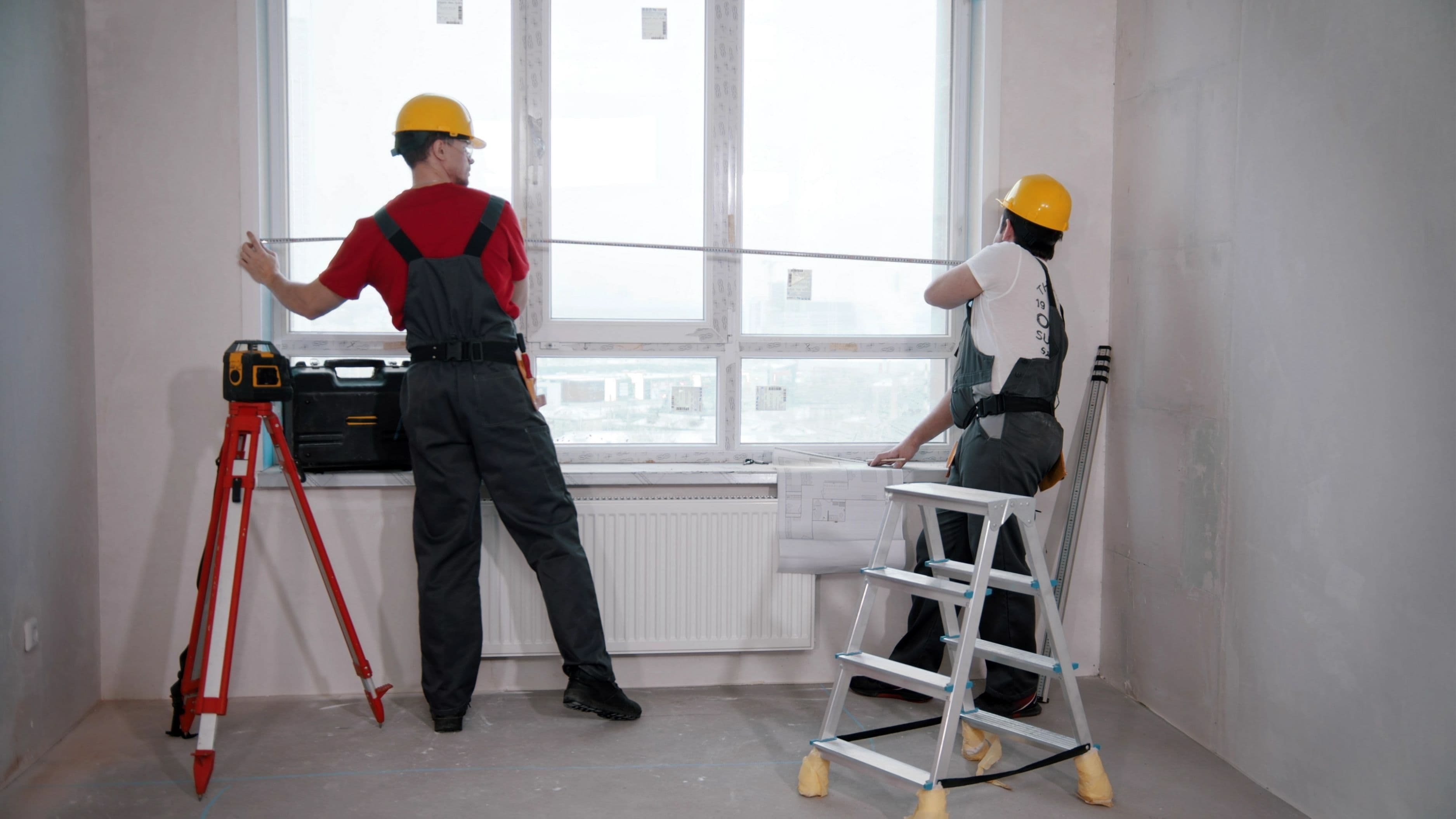
Wire run distance and routing matters. A 10-foot run through drywall costs less than a 60-foot run in conduit across a garage ceiling and down an exterior wall. Get the electrician to walk the space before quoting.
Conduit requirements depend on local code and where the wire is routed. Exposed wire in a garage typically needs conduit protection. Wire run inside finished walls may not.
The One DIY Exception: Plug-In Chargers with an Existing 240V Outlet
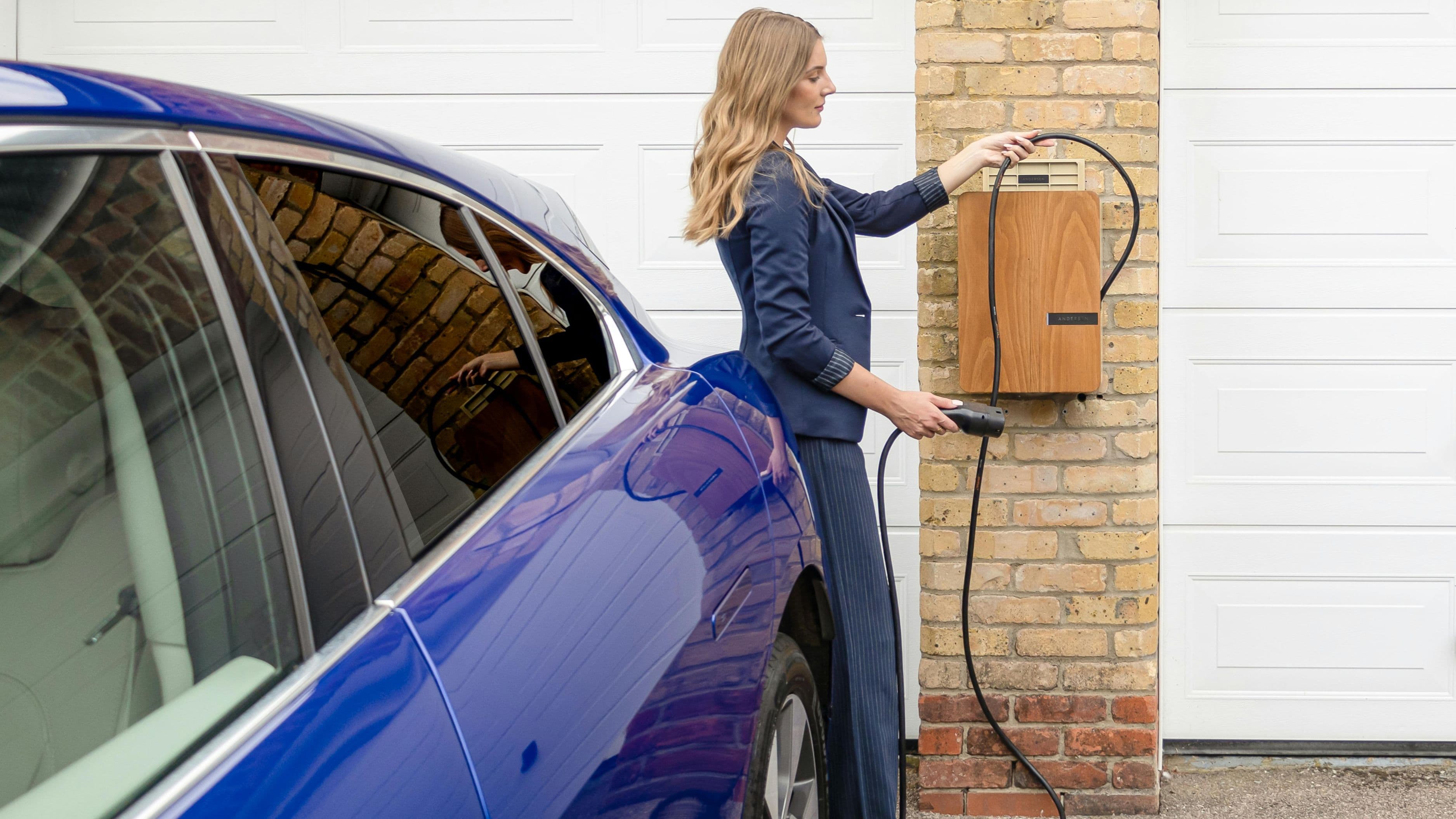
There is a scenario where a licensed electrician may not be required: if your garage already has a NEMA 14-50 outlet (a 240V outlet, the same type used for electric ranges and RV hookups), you can buy a plug-in Level 2 charger that plugs directly into it. No new wiring, no electrician needed for the charger itself.
The catch is that NEMA 14-50 outlets in garages are not common unless someone installed one previously. It's worth checking – pull out your phone and look up what a NEMA 14-50 outlet looks like, then check your garage walls. If one is there, a plug-in charger is a legitimate DIY option. If one isn't, getting that outlet installed still requires an electrician.
Even in this scenario, make sure the outlet was originally installed with a permit and inspection. Using a pre-existing outlet that was DIY'd without a permit to run a high-draw appliance like an EV charger introduces the same insurance and liability considerations as doing unpermitted work yourself.
Federal Tax Credit: Worth Knowing Before You Pay
The Alternative Fuel Vehicle Refueling Property Credit (IRS Form 8911) offers a 30% tax credit on EV charging equipment and installation costs, up to $1,000 for residential installations. This credit is currently available through 2032 under the Inflation Reduction Act. On a $700 installation, that's $210 back at tax time – not nothing. Keep all your receipts and have your tax preparer claim it.
Some utility companies also offer rebates on EV charger installation. Check your utility's website or call them directly before scheduling an electrician – rebates of $100–$500 are not uncommon, and some utilities will subsidize or heavily discount the installation through a program vendor.
How to Find a Good Electrician for This Job
EV charger installation has become a common request, and most licensed electricians are comfortable with it. Get two or three quotes – not just for price comparison, but to make sure each electrician walks the space and gives you a quote based on your actual situation rather than a generic price.
Ask each electrician whether they pull the permit as part of the job. The answer should be yes. If an electrician offers to skip the permit to save money, that's a red flag worth taking seriously. Ask whether the quote includes the charger hardware or just the installation labor – some electricians include it, some don't, and comparing quotes requires knowing which is which.
Verify that the electrician is licensed in your state. Most states have an online lookup tool through the contractor licensing board. It takes two minutes and confirms you're working with someone who's actually certified and insured.
What to Avoid
Don't attempt to add a circuit to your main electrical panel yourself unless you are a licensed electrician. The risk is not just electrocution – it's also improper work that creates a fire hazard and exposes you to liability. The breaker installation alone is not the dangerous part; it's the proximity to live conductors that are always energized at the panel's service entrance.
Don't skip the permit because it feels like an unnecessary step. Permits on electrical work exist because uninspected electrical work is a documented cause of house fires. The inspection process exists to catch problems before they become catastrophes.
Don't buy a charger before consulting your electrician. Some older homes have panel limitations that affect what charger size makes sense. A 40-amp charger on a 50-amp circuit is more appropriate than a 48-amp charger if your panel is near capacity, and your electrician can advise you on this before you spend money on hardware.
FAQ
Can I install a Level 2 EV charger myself? Only if your garage already has a compatible 240V outlet (NEMA 14-50) and you're using a plug-in charger. Adding a new 240V circuit to your panel requires a licensed electrician in virtually every US jurisdiction, and skipping permits creates real insurance and liability exposure.
How long does a Level 2 charger installation take? For a standard job – panel in the garage, short wire run – most electricians complete the installation in 2–4 hours. More complex runs take longer. Permit scheduling can add a week or two to the overall timeline from first call to final inspection.
What if my electrical panel is too old or too small? An electrician will assess this during the quote. If your panel can't handle the additional load, you'll need a panel upgrade before the charger circuit can be added. This is a more expensive project but a necessary one in older homes with 100-amp or smaller panels.
Does the EV charger installation qualify for a tax credit? Yes – the federal Alternative Fuel Vehicle Refueling Property Credit covers 30% of equipment and installation costs, up to $1,000 for residential use. It's available through 2032. Check with your utility for additional rebate programs.
Is a hardwired charger better than a plug-in charger? Hardwired chargers are slightly more reliable over time and are the standard for permanent installations. Plug-in chargers (using a NEMA 14-50 outlet) offer the advantage of portability – you can take the charger with you if you move. Both charge at the same speed given the same amp rating.
📚 Sources
U.S. Department of Energy – Charging at Home overview: https://afdc.energy.gov/fuels/electricity_charging_home.html
IRS – Alternative Fuel Vehicle Refueling Property Credit (Form 8911): https://www.irs.gov/credits-deductions/alternative-fuel-vehicle-refueling-property-credit
National Fire Protection Association – NFPA 70 (NEC) and EV charging requirements: https://www.nfpa.org/codes-and-standards/nfpa-70-standard-for-electrical-wiring/70
U.S. Department of Energy – Inflation Reduction Act EV charger tax credits: https://www.energy.gov/policy/inflation-reduction-act
ChargePoint – Home Flex installation requirements and specs: https://www.chargepoint.com/drivers/home/chargepoint-home-flex/