
What Actually Happens to a Discarded Appliance
Most curbside-collected appliances end up at a recycling facility that strips out valuable metals like steel, copper, and aluminum, since these have resale value on the scrap market. That part sounds reasonably sustainable on its surface. The problem is what doesn't get recycled cleanly: refrigerants in fridges and air conditioners, insulation foam, circuit boards, and plastic components often require specialized handling that not every facility is equipped for, and improperly processed appliances can release harmful substances into soil, water, or air.
A meaningful percentage of discarded appliances also never reach a proper recycling facility at all – they end up in landfills, particularly in areas without accessible appliance recycling programs, where they take up significant space and can leak fluids or materials over time as they break down.
The Hidden Cost of Manufacturing a Replacement
The environmental cost of throwing something away isn't just about disposal – it's also about what it takes to build the replacement. Manufacturing a new appliance requires raw material extraction (mining metals, producing plastics), energy-intensive manufacturing processes, and transportation from factory to warehouse to your home. This entire footprint is often larger than people assume, and it's a cost that gets triggered every single time a repairable appliance gets replaced instead of fixed.
This is sometimes called "embodied carbon" – the total emissions associated with producing an item before it's ever used. A large appliance can carry a substantial embodied carbon footprint, meaning that even an old, less energy-efficient appliance sometimes has a lower total environmental impact than replacing it with a new one, once you factor in the manufacturing cost of the replacement.
Refrigerants: The Most Overlooked Piece
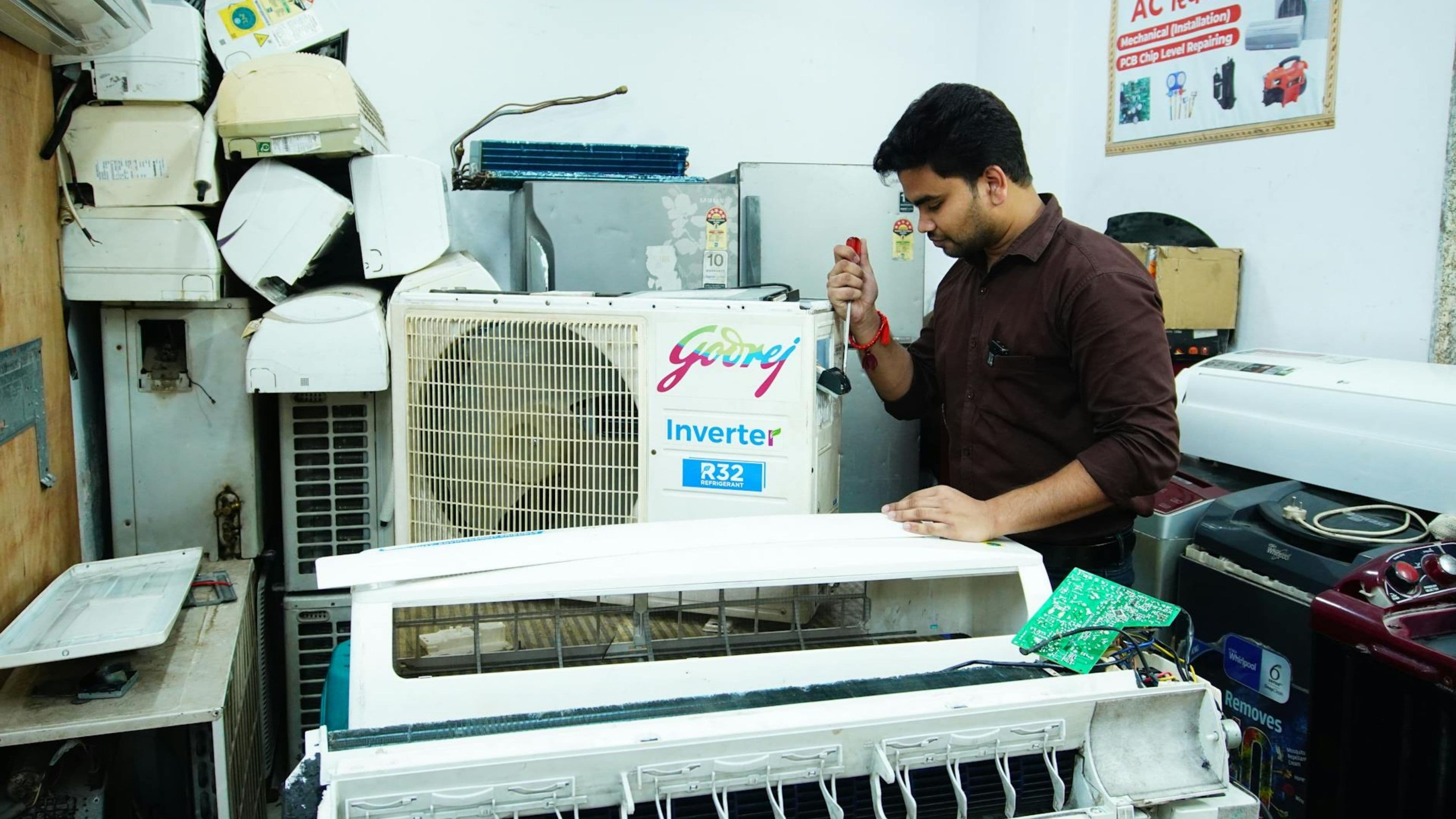
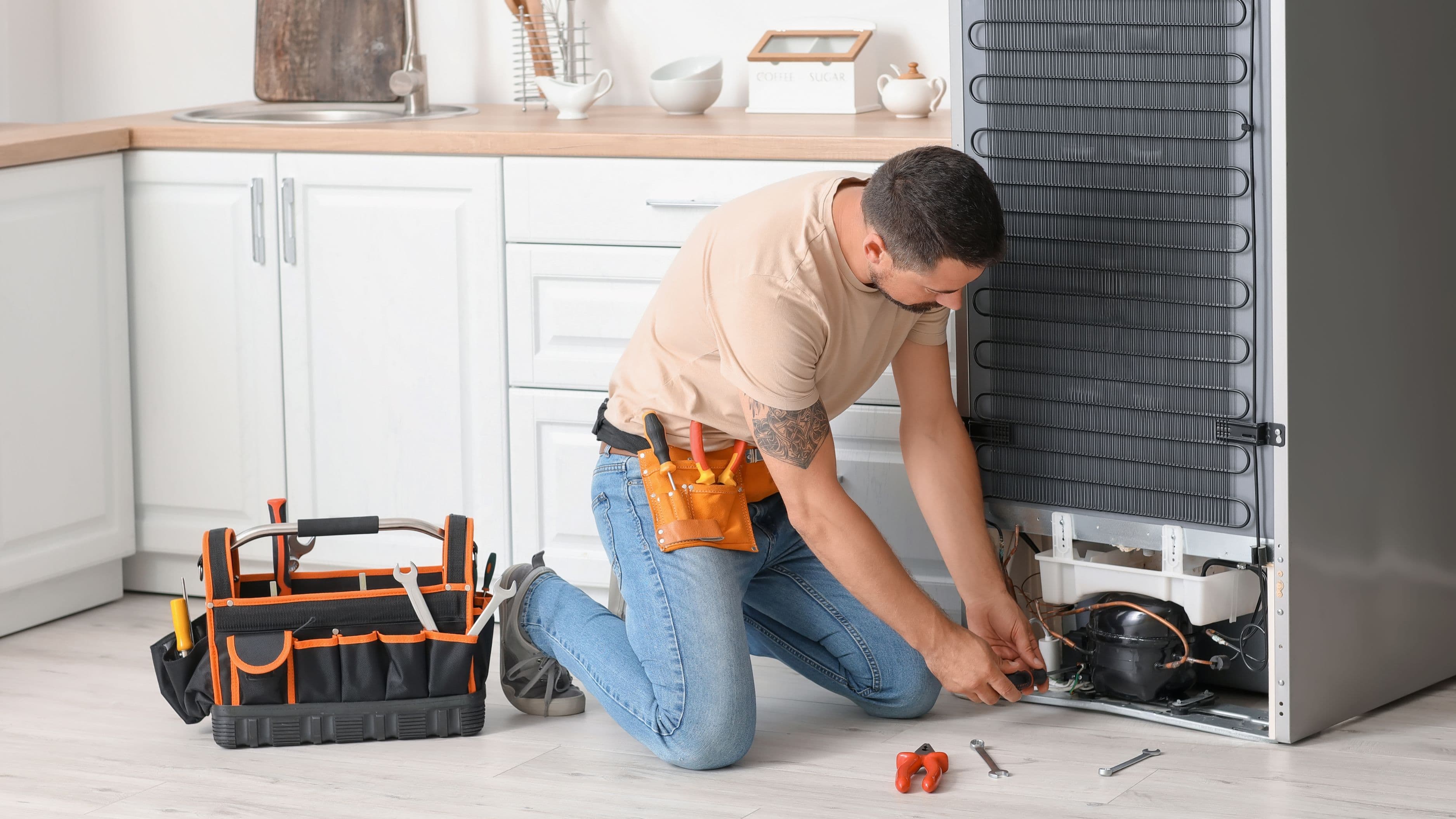
Refrigerators, freezers, and air conditioners contain refrigerants that, if released improperly during disposal, can have a significantly higher global warming potential than carbon dioxide, meaning even small leaks matter disproportionately. Certified recycling programs are required to properly capture and dispose of these refrigerants, but not every disposal pathway – particularly informal hauling or improperly managed drop-off sites – guarantees this happens correctly.
Electronic Waste and Circuit Boards
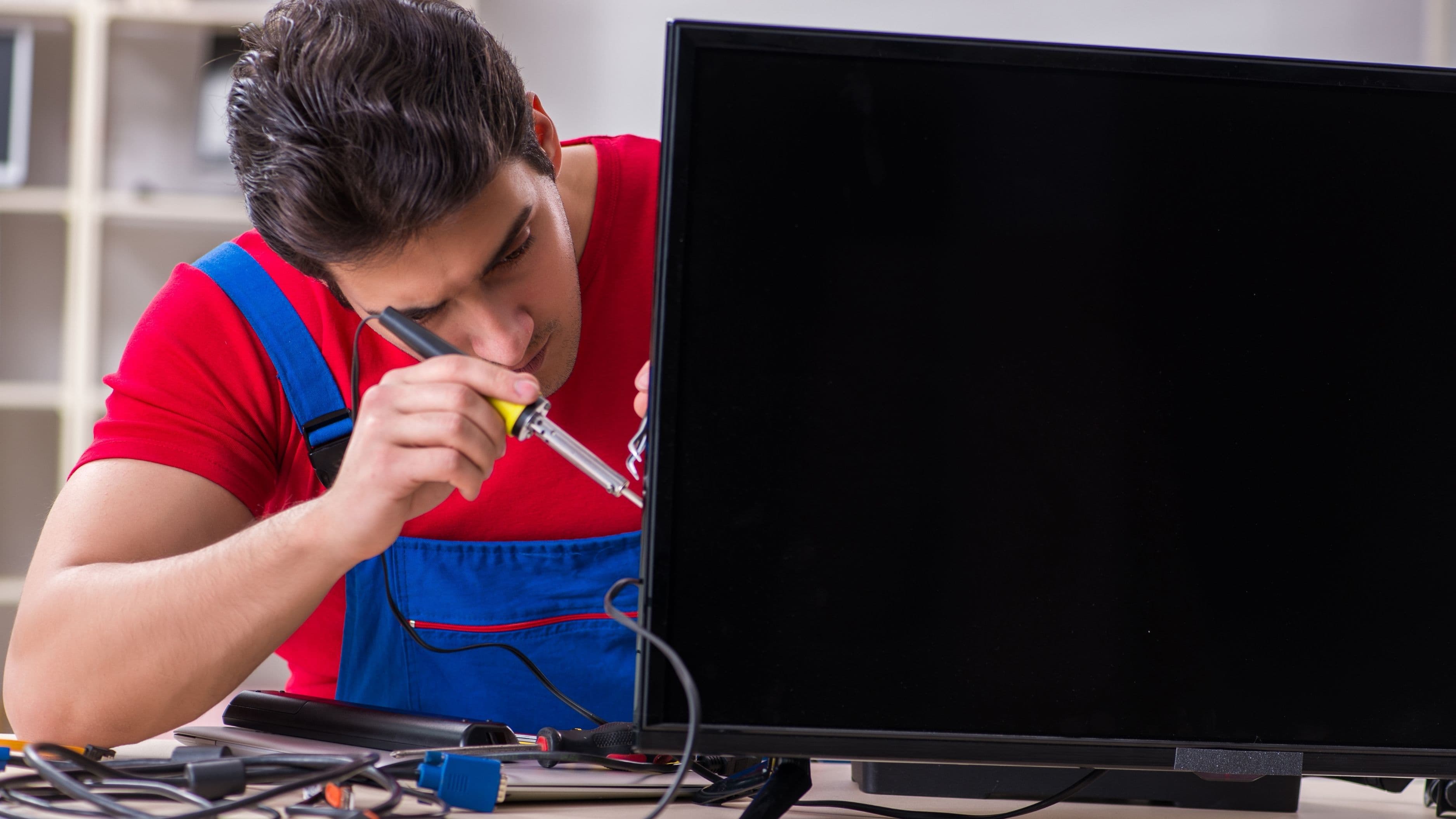
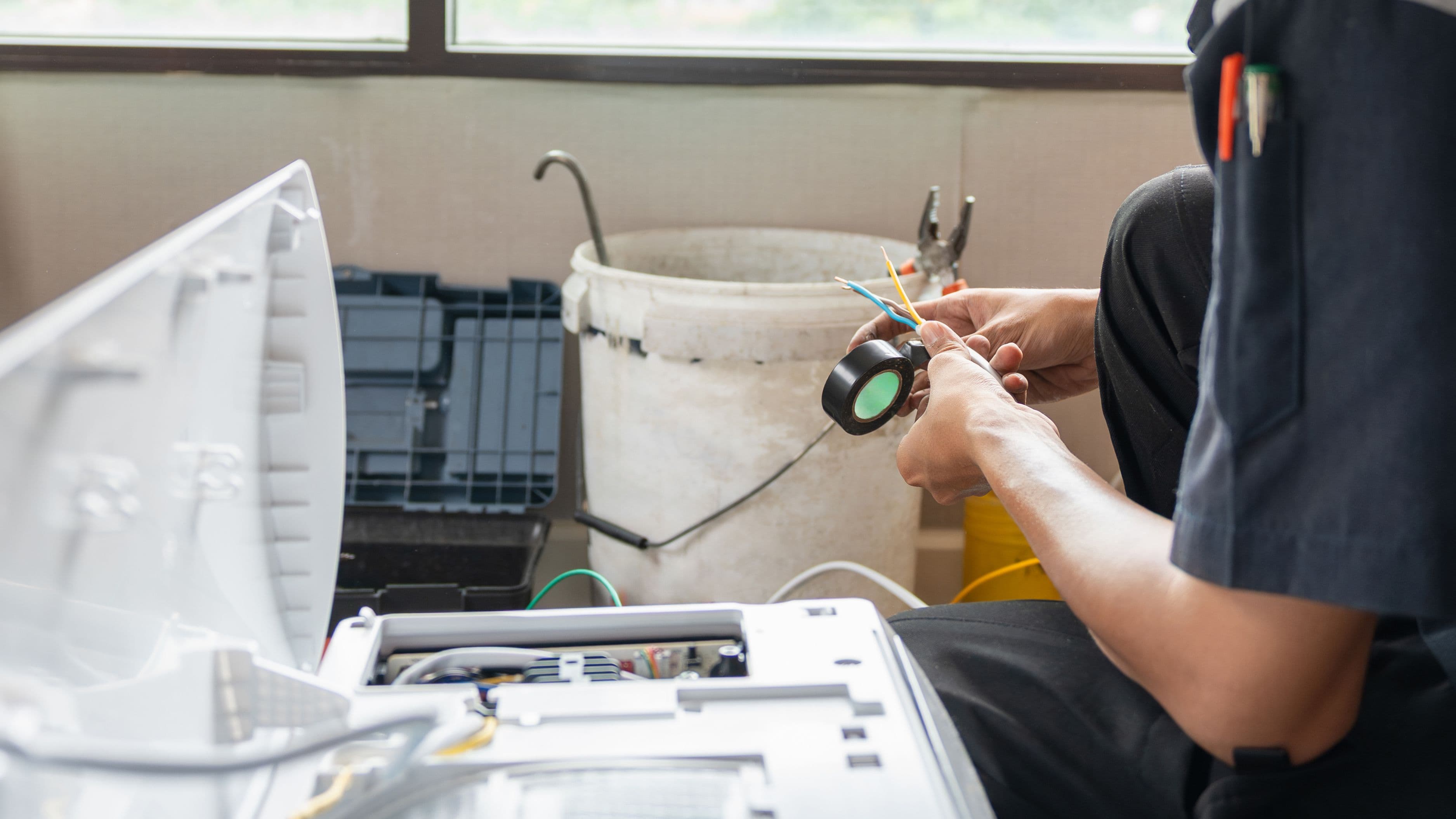
Modern appliances, even simple ones, increasingly include circuit boards and electronic components for features like smart controls and digital displays. These components fall under electronic waste (e-waste) regulations in many areas and require separate handling from the metal recycling process. E-waste that isn't processed correctly can leach heavy metals like lead and mercury into the environment, which is a growing concern as more household appliances include embedded electronics.
When Repair Genuinely Makes More Sense
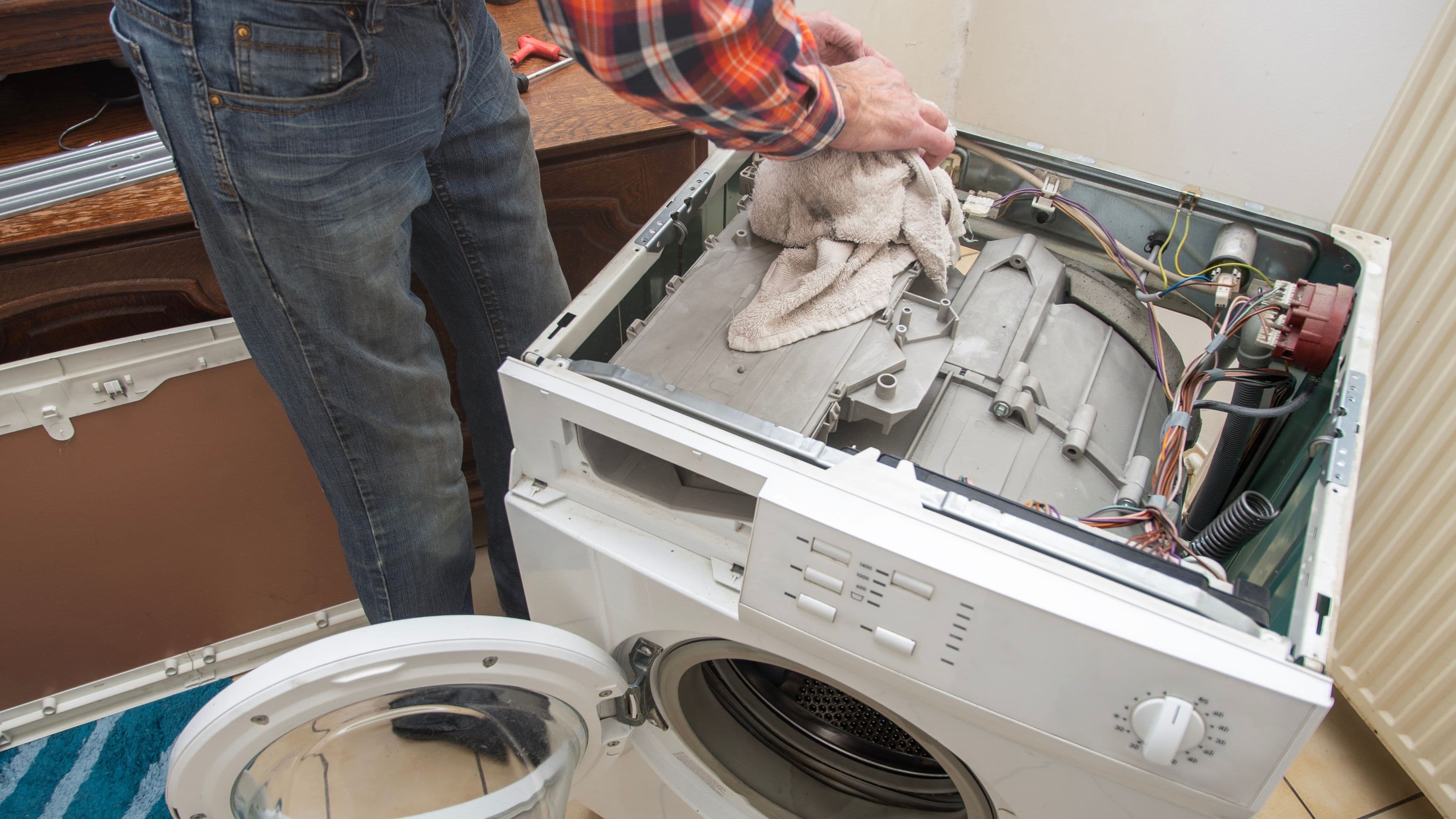
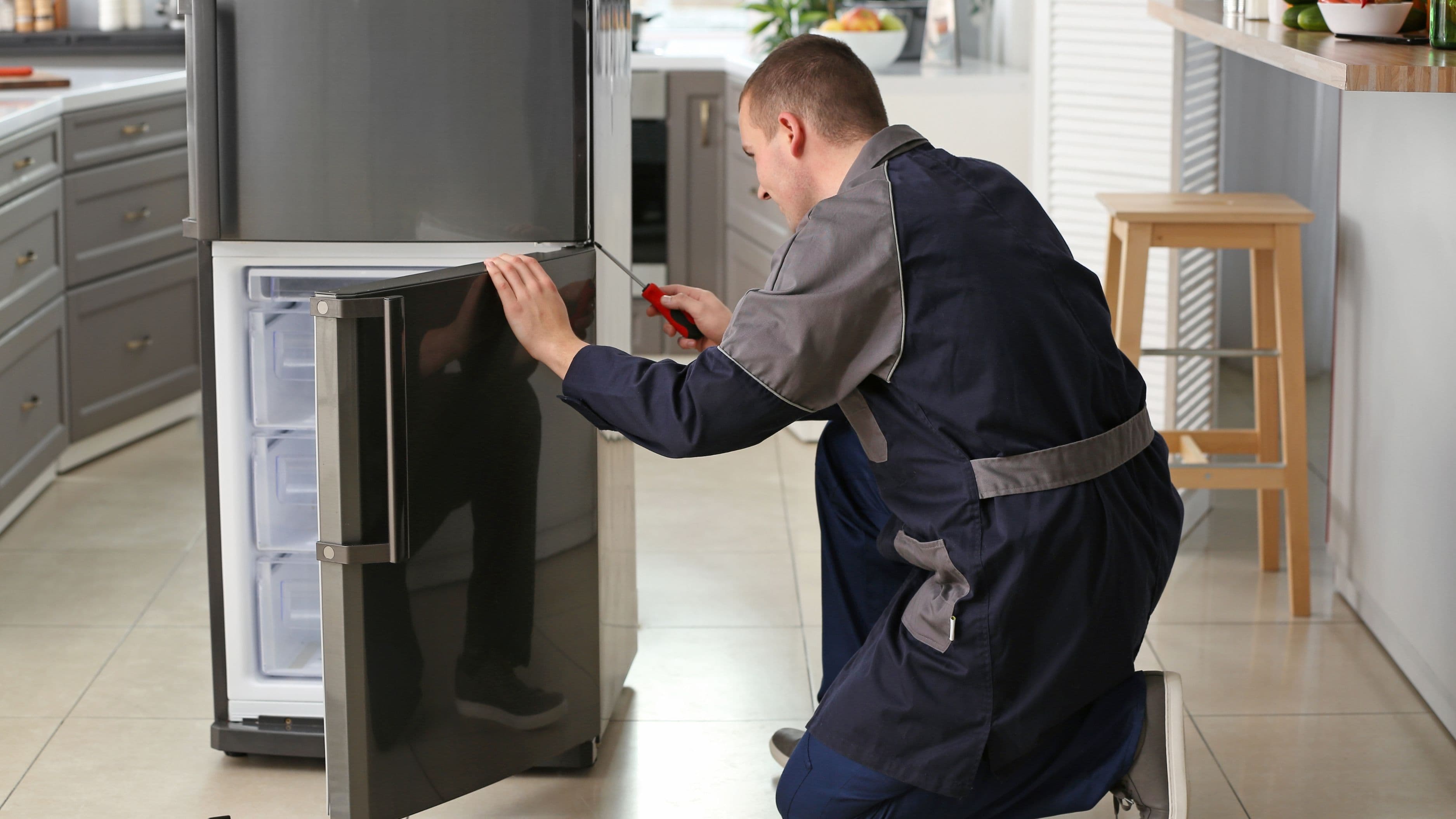
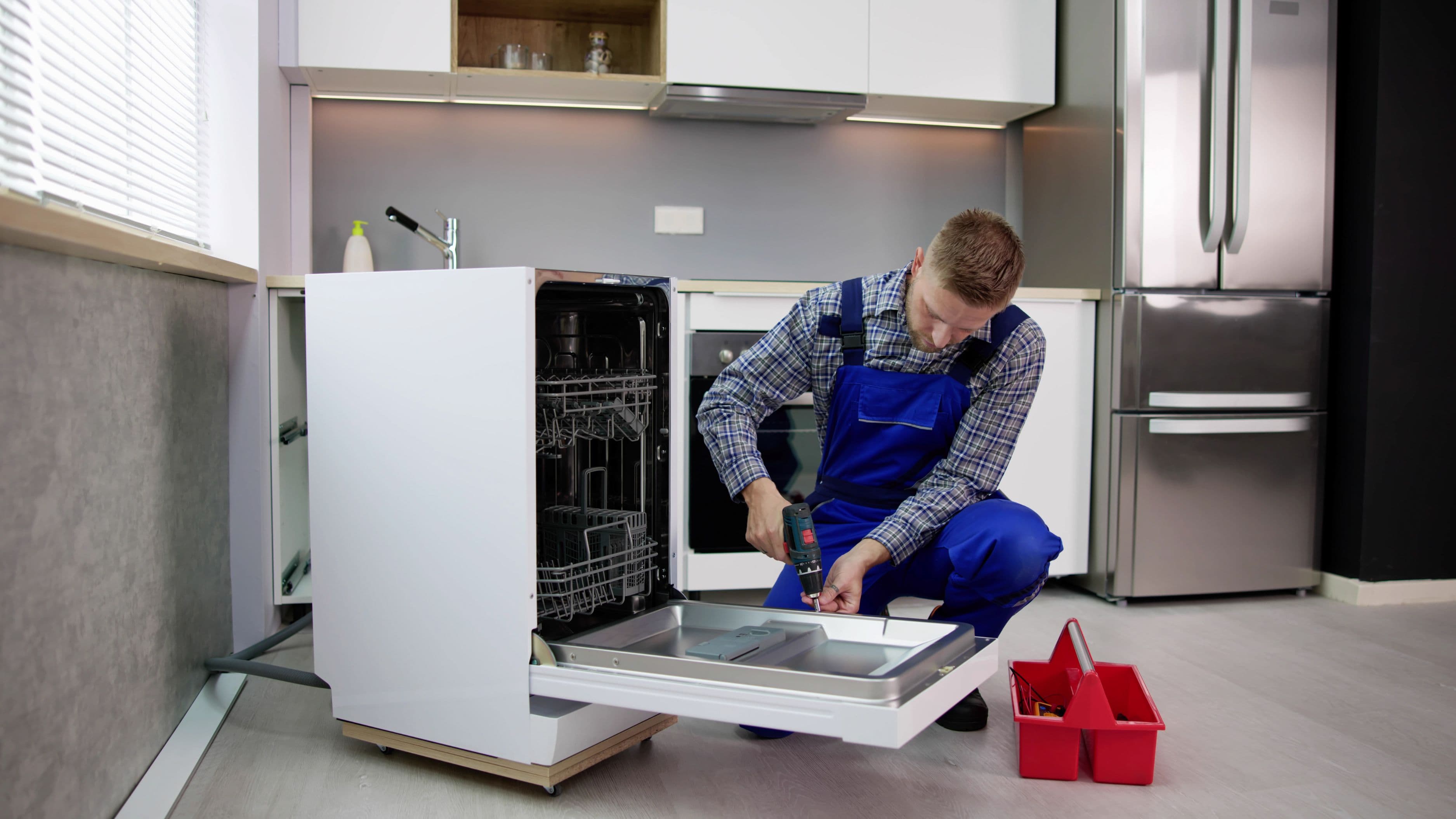
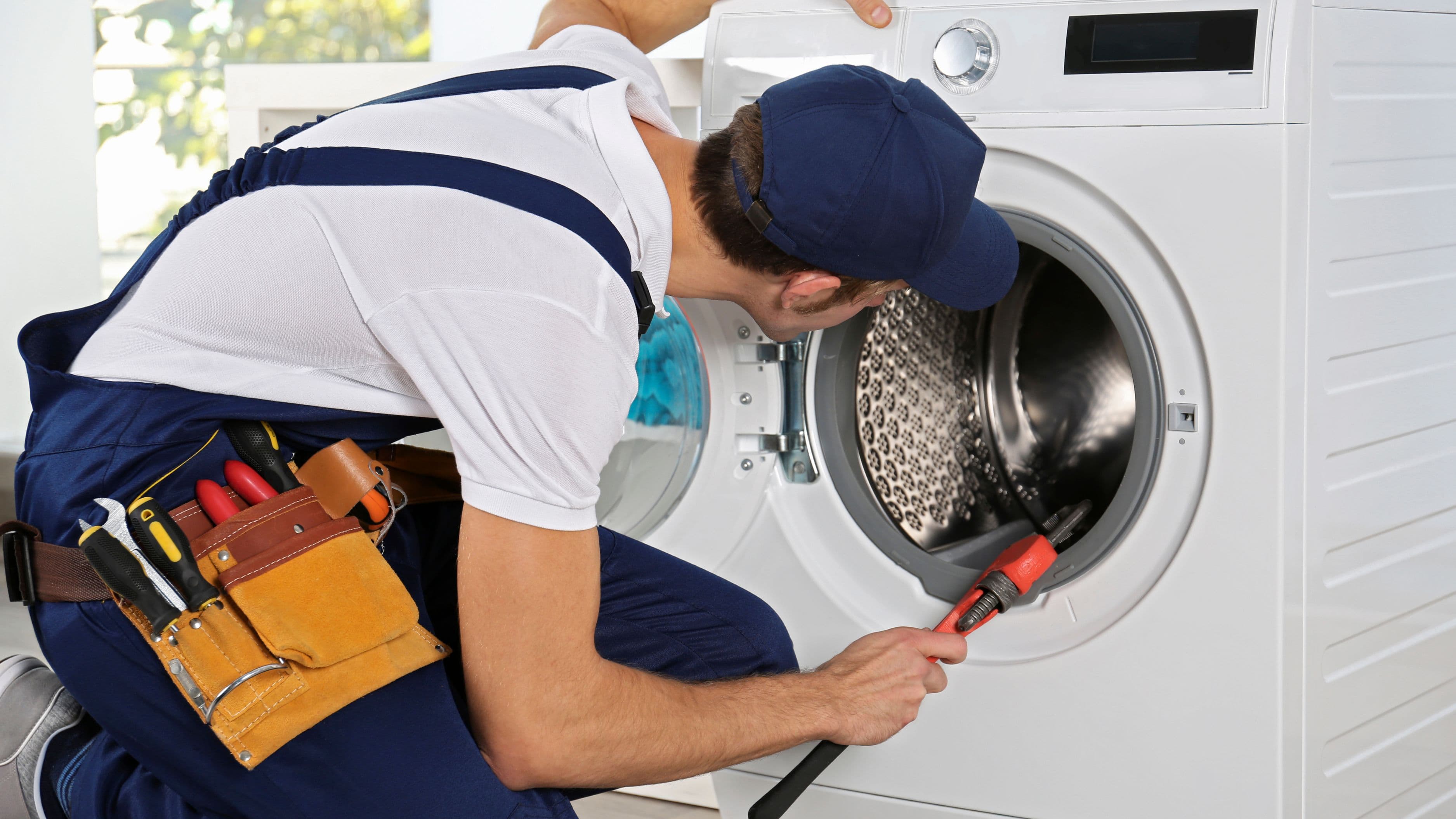
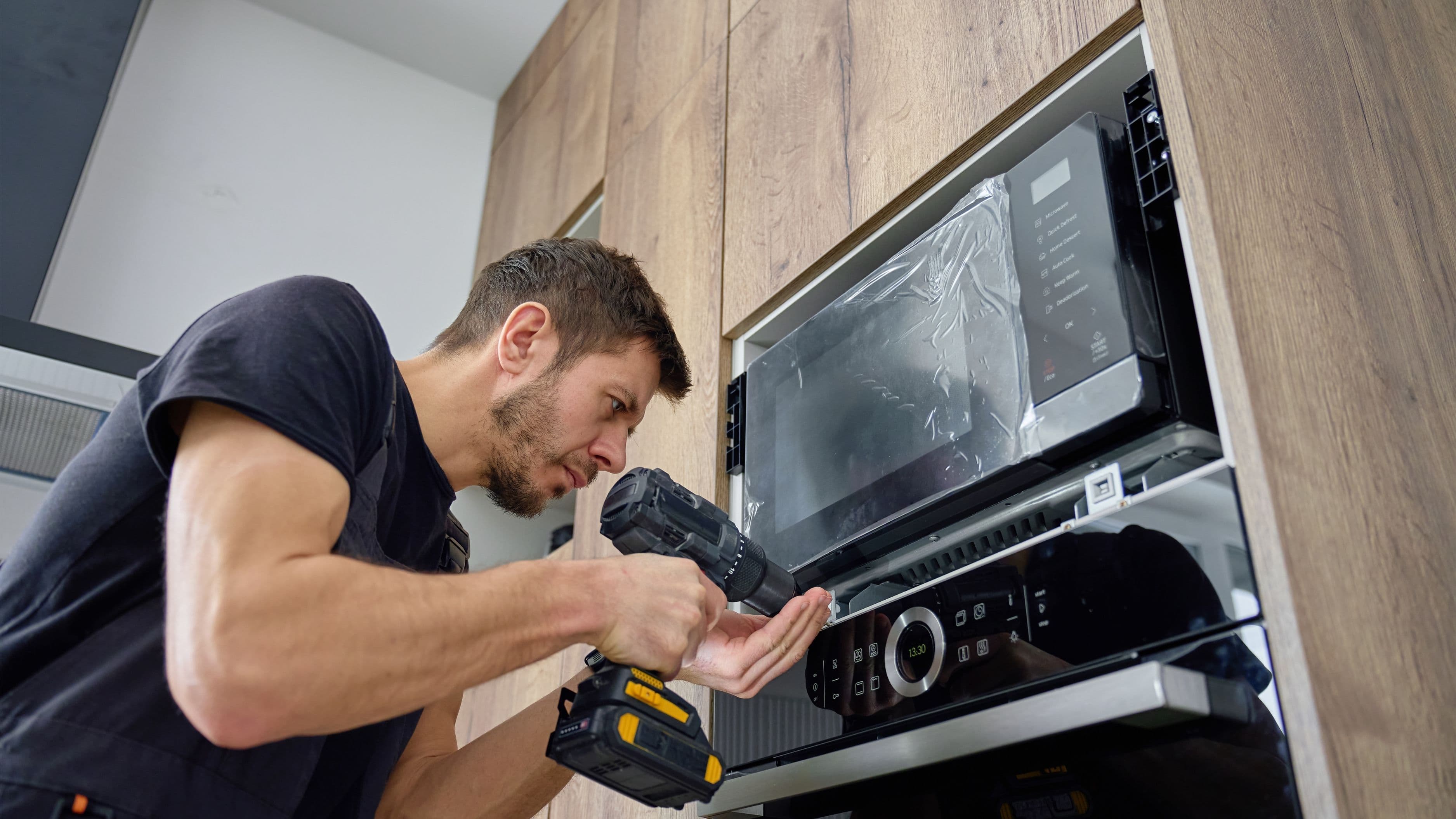
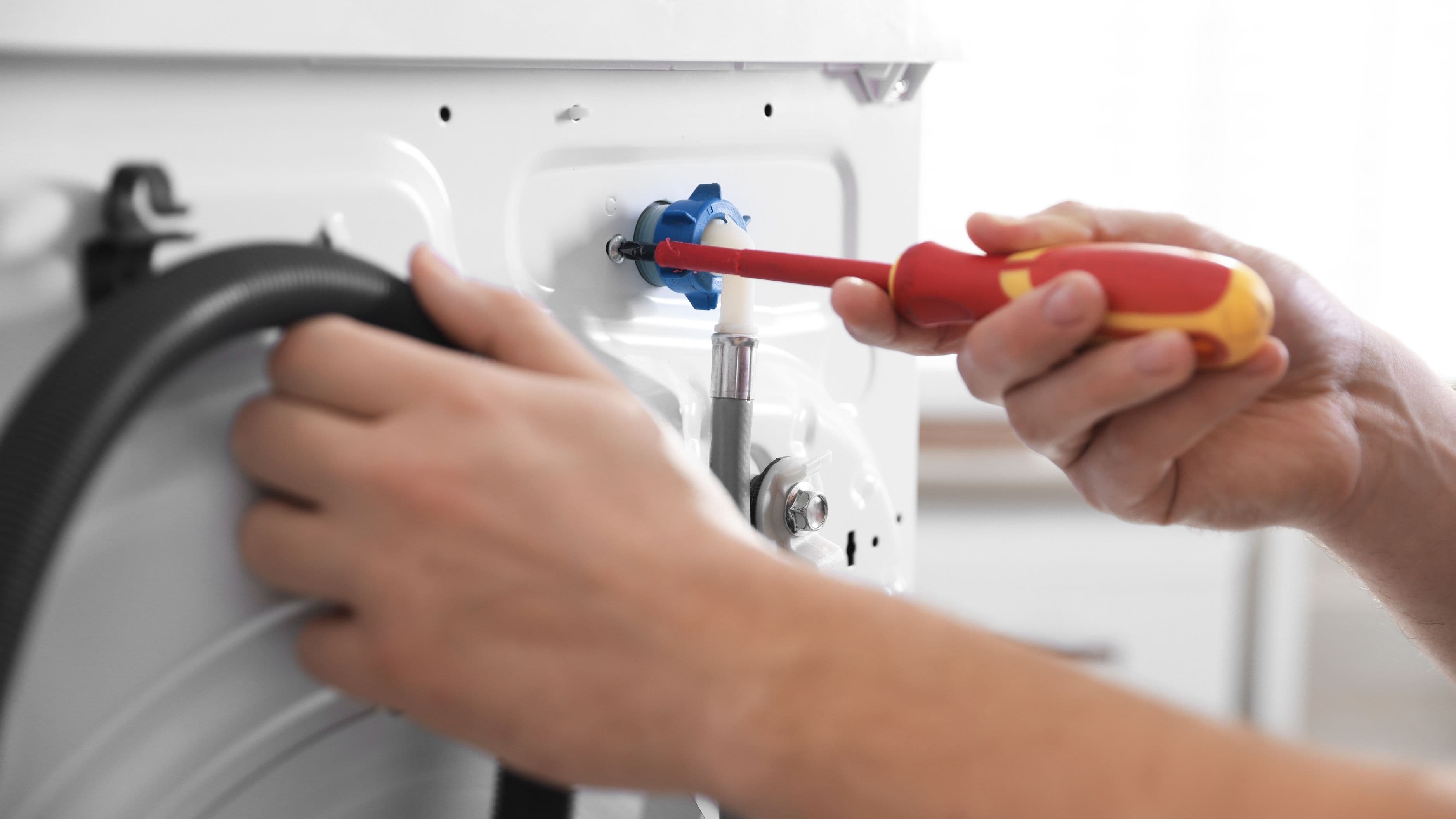
From an environmental standpoint, repairing an appliance is almost always preferable to replacing it, provided the repair cost isn't disproportionate to the appliance's remaining lifespan and value. A few signs repair is the better call:
The issue is a single component failure (a bad motor, a faulty control board, a worn seal) rather than a fundamental structural problem
The appliance is less than half its typical lifespan (most major appliances are designed to last 10–15 years)
Replacement parts are still available and reasonably priced
The repair cost is meaningfully less than half the cost of a comparable new unit
When Replacement Might Actually Be the Better Environmental Choice
This isn't a blanket "always repair" rule. Older appliances – particularly refrigerators and washers more than 15 years old – can be significantly less energy and water efficient than current models, and in some cases the energy savings from a modern replacement can offset its manufacturing footprint over its lifespan. If your appliance is both old and inefficient, and a repair would only buy you a year or two more use, replacement paired with responsible recycling of the old unit is a reasonable call.
How to Dispose of an Appliance Responsibly If Replacement Is the Right Call
Check if your utility company or local municipality offers an appliance recycling or buy-back program, which often includes proper refrigerant handling
Ask appliance retailers about haul-away programs when you purchase a replacement – many partner with certified recyclers
Avoid informal "cash for scrap" pickups unless you've confirmed they follow proper refrigerant and e-waste handling procedures
Look for EPA-certified recycling partners in your area if you're arranging disposal yourself
What to Avoid
Don't leave an old refrigerator or air conditioner on the curb for general trash pickup – refrigerant handling requires certified processes, and improper disposal is both environmentally harmful and, in many areas, against local regulations. Avoid assuming all "recycling" pickup services handle appliances responsibly; ask directly how they process refrigerants and circuit boards before handing off an appliance. And don't replace a functioning appliance purely for a marginal efficiency upgrade – the environmental math often doesn't favor replacing something that isn't actually broken.
FAQ
Is it illegal to throw away a refrigerator with the general trash? In many areas, yes – regulations under the EPA's refrigerant management rules require proper handling, and many municipalities have specific disposal requirements for appliances containing refrigerants.
How do I know if my appliance is worth repairing? As a general guideline, if the repair cost is less than half the price of a comparable new unit and the appliance is under about half its expected lifespan, repair is usually the more sensible choice both financially and environmentally.
Do appliance manufacturers offer take-back or recycling programs? Some do, particularly larger manufacturers and retailers – it's worth asking directly when purchasing a replacement, since many offer haul-away service that includes proper recycling.