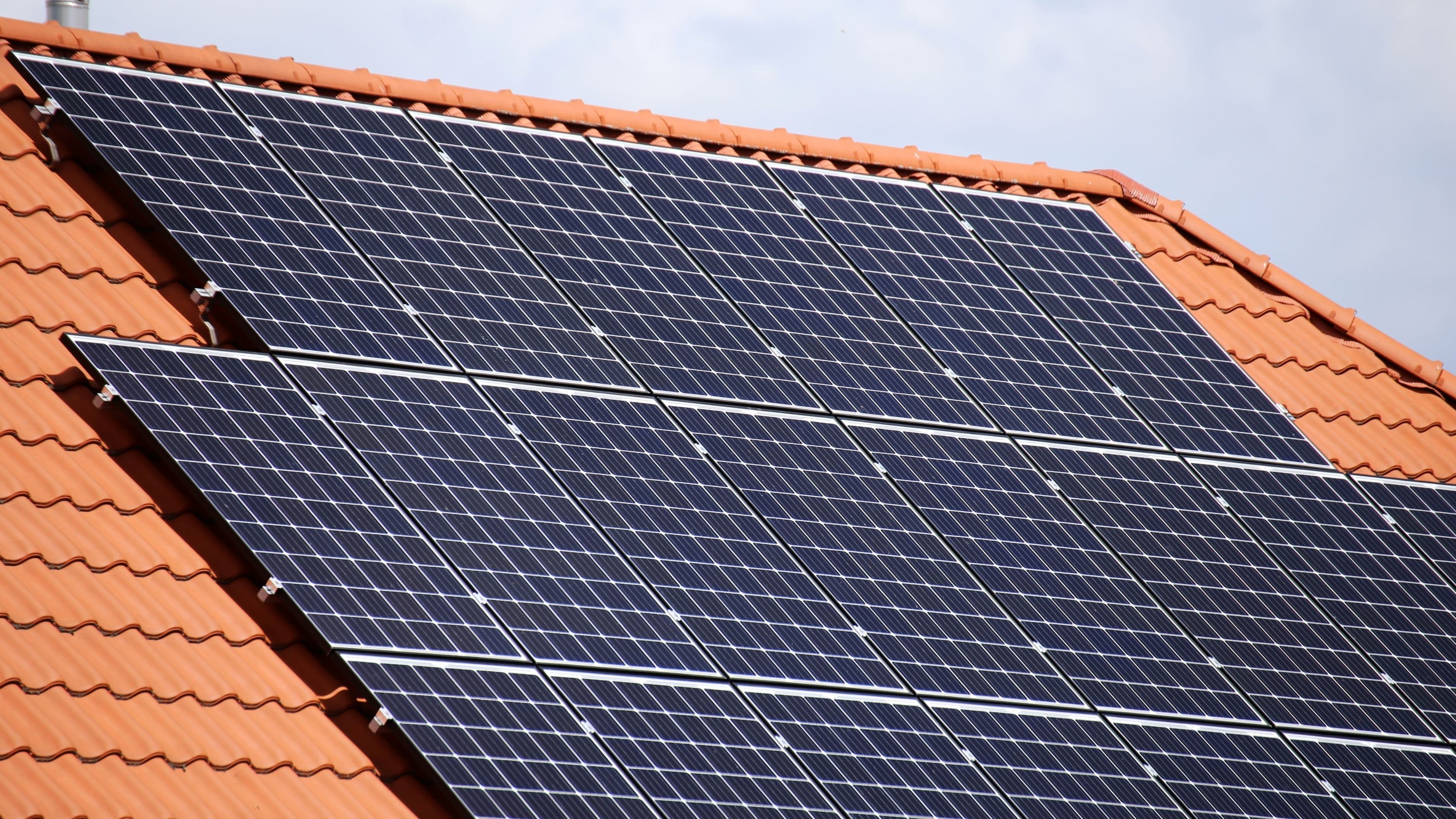
But expanding a solar system is rarely as simple as bolting a few more panels onto the roof. Your inverter, your utility agreement, your warranty, and even your electric panel all have a say. This guide walks you through how to decide whether an expansion makes sense, what it realistically costs, and where most homeowners get tripped up.
Comparison Overview: Your Three Realistic Options
When your energy needs outgrow your system, you generally have three paths. Each one fits a different situation, so it helps to see them side by side before diving into details.
Add panels to your current system. Works best when your inverter has spare capacity and your roof has usable space.
Install a separate new system. A second, independent array with its own inverter, often cleaner when the original equipment is maxed out or outdated.
Improve efficiency instead of adding panels. Cutting consumption can close the gap for less money, especially if the shortfall is small.
Option 1: Adding Panels to Your Existing System
When it makes sense
This is usually the simplest route if your system is relatively new, your inverter isn't already at its limit, and your roof has good sun exposure left over. If you have microinverters, which put a small inverter on each panel, adding panels is often more straightforward because each new panel brings its own inverter.
What to check first
Start with your inverter. A string inverter has a maximum capacity, and if your current panels already use most of it, adding more can cause "clipping," where extra power is simply wasted on sunny afternoons. Your installer can tell you how much headroom you have.
Next, look at panel matching. Panel models change quickly, and your exact panel may no longer be available. Mixing panels with different electrical ratings on the same string can drag down the performance of the whole string, which is less of a concern with microinverters or power optimizers.
Pros and cons
The upside is lower cost per watt than a brand-new system, since you're reusing existing wiring, monitoring, and sometimes the inverter. The downside is that you may be constrained by older equipment and could affect your existing warranty if a different company does the work.
Option 2: Installing a Separate New System
When it makes sense
If your inverter is maxed out, your original panels are hard to match, or your system is more than ten years old, a second independent system can be the cleaner choice. The new array gets its own modern inverter and doesn't depend on the limits of your original setup.
Pros and cons
This approach avoids compatibility headaches and gives you current technology, and it keeps your original installer's warranty intact because you aren't modifying their work. The trade-offs are higher upfront cost, more equipment on your wall, and potentially a larger impact on your electrical panel's capacity.
Option 3: Reducing Usage Before Adding Capacity
Before spending thousands on hardware, it's worth asking whether the gap could be closed more cheaply. If your production covers 85 or 90 percent of your needs, efficiency upgrades may get you the rest of the way.
Common high-value moves include sealing air leaks, adding attic insulation, switching to LED lighting, and scheduling EV charging and heavy appliances during your highest solar production hours. The U.S. Department of Energy notes that improving efficiency first can reduce the size, and cost, of the solar system you need. It's not as exciting as new panels, but it's often the smartest first step.
The Factors That Decide It for You
Your utility's net metering rules
This is the single biggest money question. Many utilities have changed their net metering policies in recent years, and in some areas, expanding your system can move you from an older, more generous rate agreement to a newer one that pays less for exported electricity. California's shift to its newer net billing tariff is a well-known example. Call your utility or check its interconnection page before you commit, and ask specifically whether an expansion affects your current agreement.
Incentives and tax credits
Federal incentives for homeowner-owned solar changed significantly in 2025. Under federal legislation passed that year, the Residential Clean Energy Credit was ended for expenditures made after December 31, 2025, so an expansion installed in 2026 generally won't qualify for that credit. State, local, and utility rebates may still be available, and rules can change, so confirm current details with the IRS, your state energy office, or a tax professional.
Roof space and condition
Adding panels to a roof that will need replacement in a few years is a costly mistake, because you'll pay to remove and reinstall the whole array. If your roof is near the end of its life, it may make sense to replace it before expanding.
Electrical panel capacity
Your main electrical panel has limits on how much solar it can accept. A larger system may require a panel upgrade, which can add significant cost. Your installer should check this during the site visit.
Realistic Costs and Timeline
Costs vary widely by region, equipment, and complexity, but small expansions often cost more per watt than your original system because fixed costs like permits, design, and labor are spread over fewer panels. Expect to budget for panels, possible inverter changes, permits, and utility interconnection fees.
From quote to operation, many expansions take one to three months, largely because of permitting and utility approval. The physical installation itself is often just a day or two.
Safety Notes
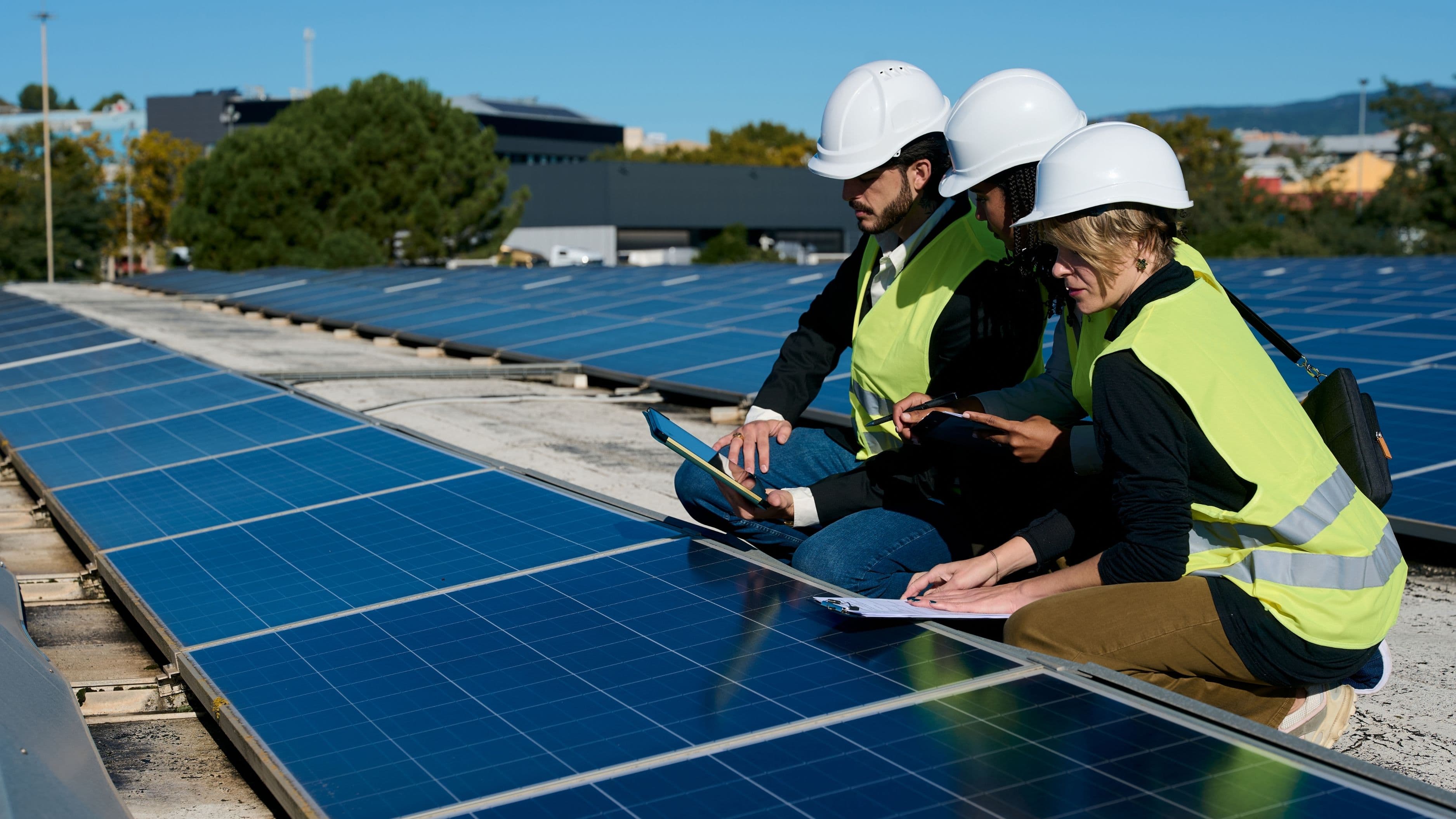
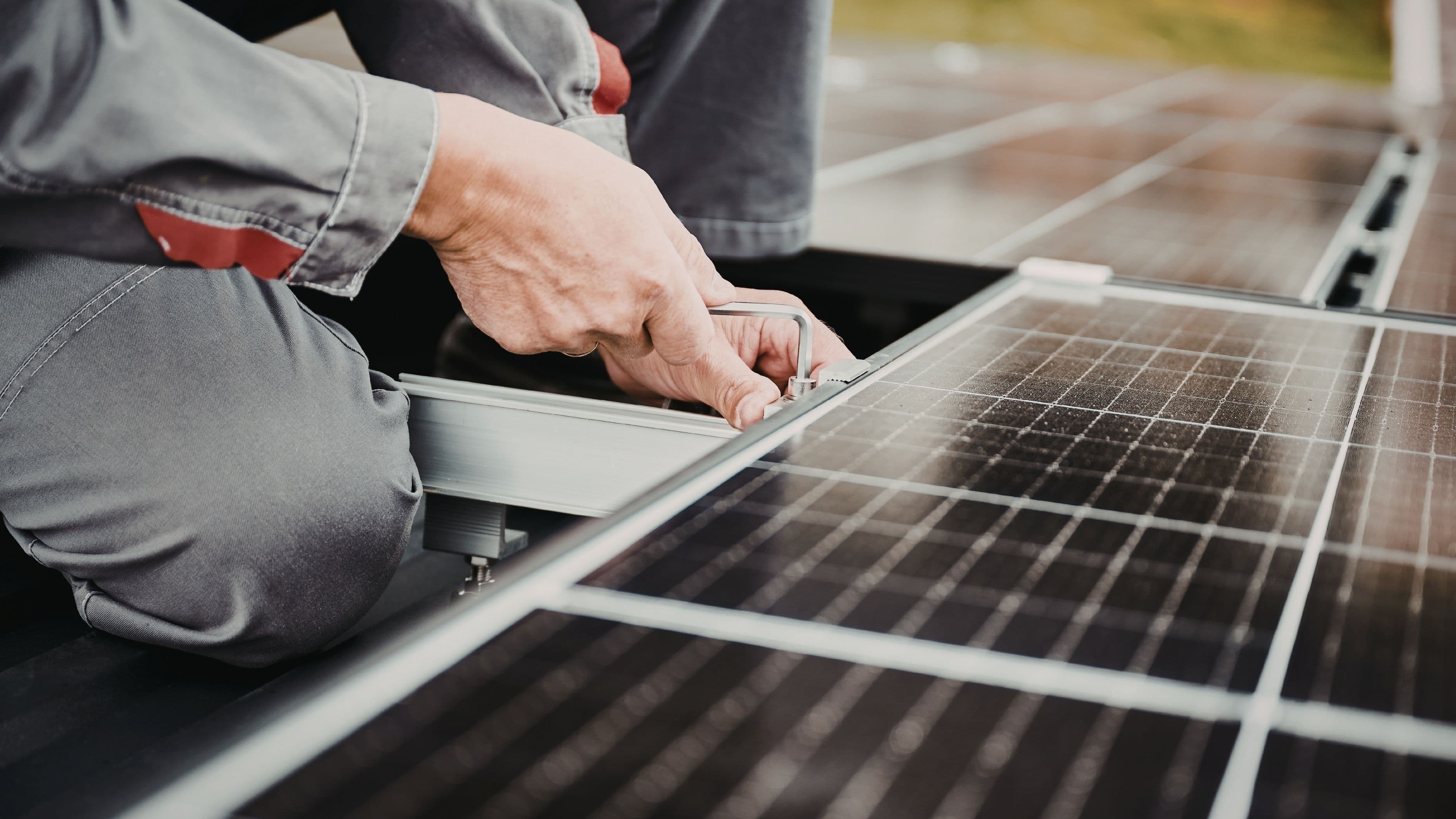
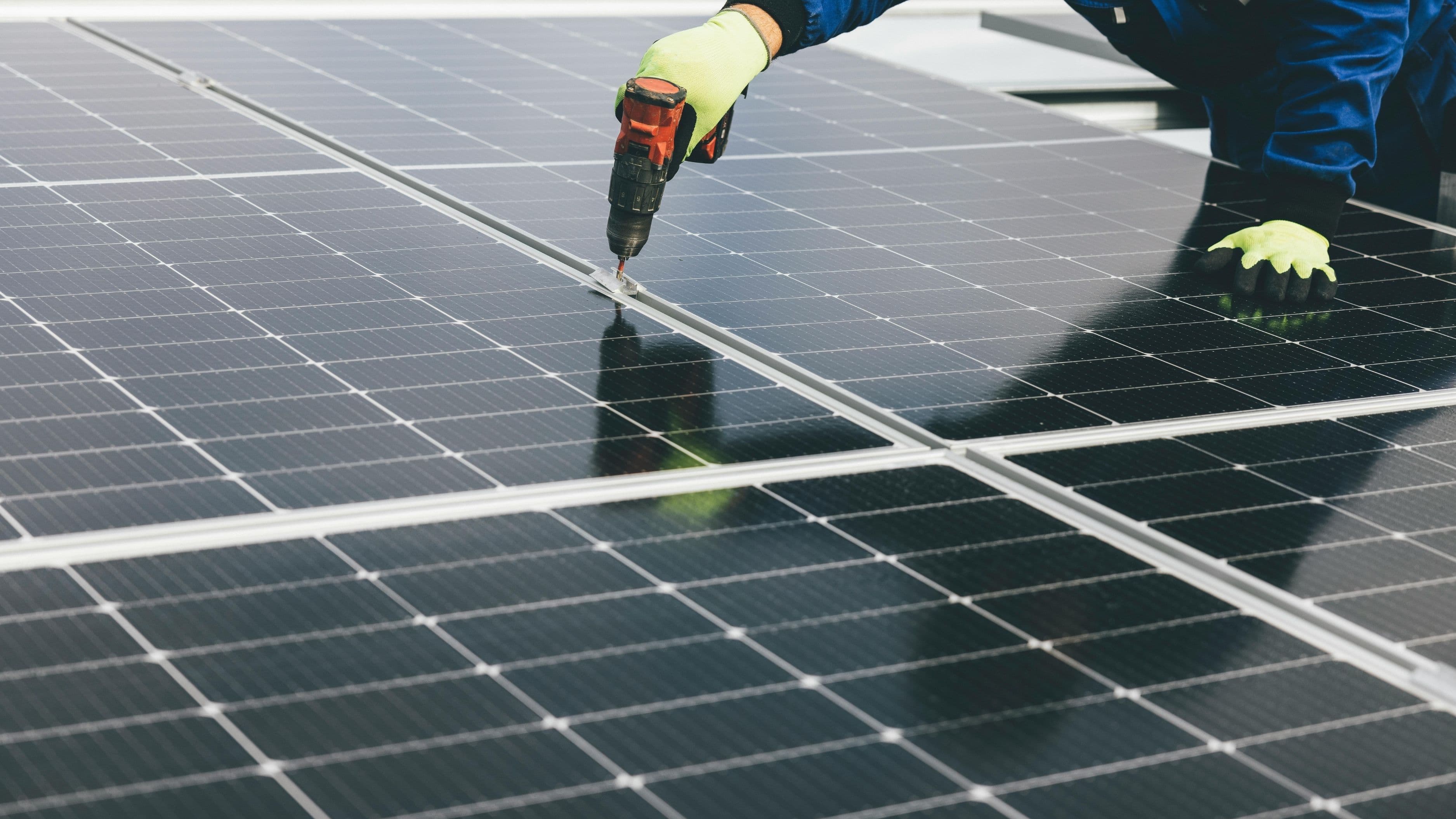
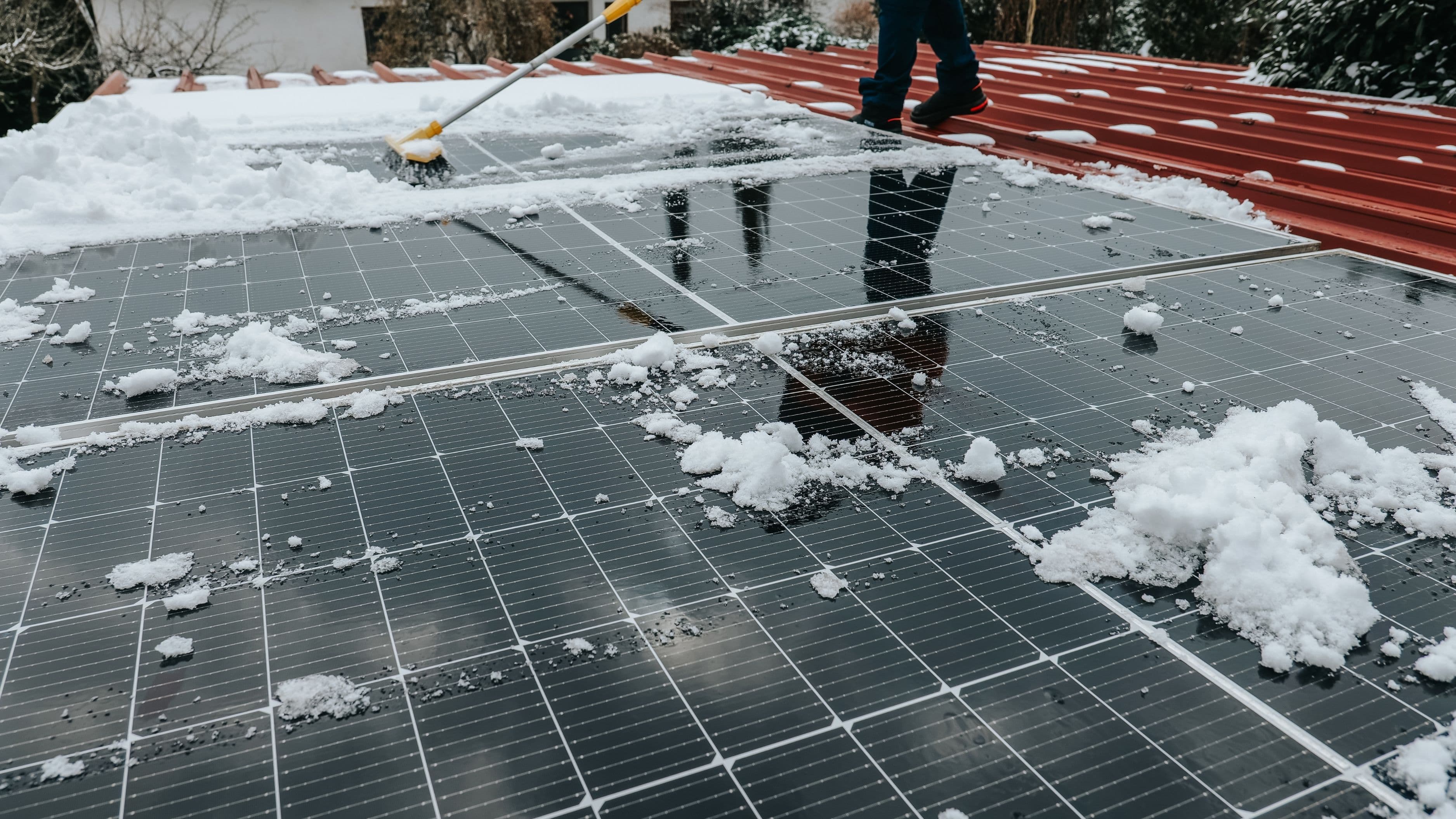
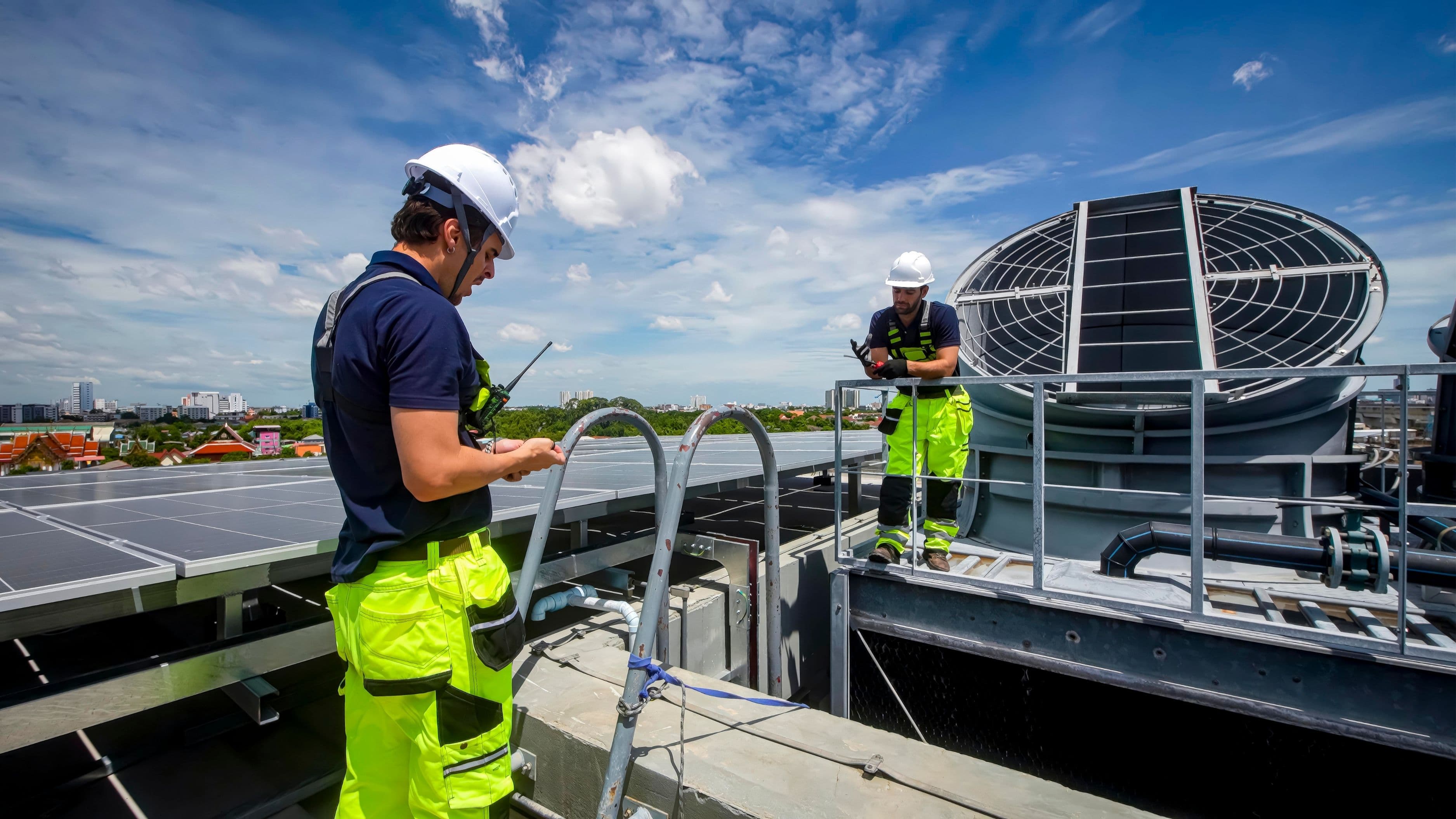
Solar expansion is not a DIY project for most homeowners. Rooftop work carries fall risks, and solar arrays produce high-voltage direct current that remains live whenever the sun is out, even if your main breaker is off. Nearly all jurisdictions require permits and inspections, and utilities require approval before new equipment is connected. Hire a licensed, insured installer, ideally one certified through the North American Board of Certified Energy Practitioners (NABCEP).
Common Mistakes to Avoid
Skipping the net metering check. An expansion that knocks you onto a worse rate plan can erase much of the expected savings.
Ignoring warranty terms. Having a different company modify your original system may void parts of your warranty. Read it first or ask your original installer to quote the work.
Oversizing without a plan. Producing far more than you use may earn little if your utility pays low export rates.
Mismatching panels on a string inverter. This can quietly reduce your whole array's output.
Expanding on an aging roof. Removing and reinstalling panels later is expensive.
FAQ
Can I add solar panels to my existing system?
Usually, yes, but it depends on your inverter's capacity, roof space, panel compatibility, and utility rules. An installer site visit is the best way to know for sure.
Will adding panels void my warranty?
It can, especially if a different company does the work. Check your warranty terms or ask your original installer to handle the expansion.
Is it cheaper to add panels or install a new system?
Adding panels is often cheaper overall if your equipment has capacity, though small expansions can cost more per watt. A separate system costs more upfront but avoids compatibility issues.
Do I need a new inverter to add panels?
Not always. If your string inverter has spare capacity or you use microinverters, you may not. If your inverter is already near its limit, you'll likely need an upgrade or a second inverter.
Recommendation
If your system is fairly new, your inverter has headroom, and your utility won't downgrade your rate plan, adding panels is usually a sensible, cost-effective upgrade. If your equipment is maxed out or aging, a separate system is often the cleaner path. And if your shortfall is small, start with efficiency improvements before touching the roof. Get at least two quotes, ask about net metering impact in writing, and you'll make the right call for your home.
📚 Sources
U.S. Department of Energy – "Planning a Home Solar Electric System": https://www.energy.gov/energysaver/planning-home-solar-electric-system
U.S. Department of Energy – "Homeowner's Guide to Going Solar": https://www.energy.gov/eere/solar/homeowners-guide-going-solar
IRS – Residential Clean Energy Credit: https://www.irs.gov/credits-deductions/residential-clean-energy-credit
California Public Utilities Commission – Net Billing Tariff: https://www.cpuc.ca.gov/industries-and-topics/electrical-energy/demand-side-management/customer-generation/net-billing-tariff
NABCEP – Find a Certified Professional: https://www.nabcep.org/certified-installer-locator/