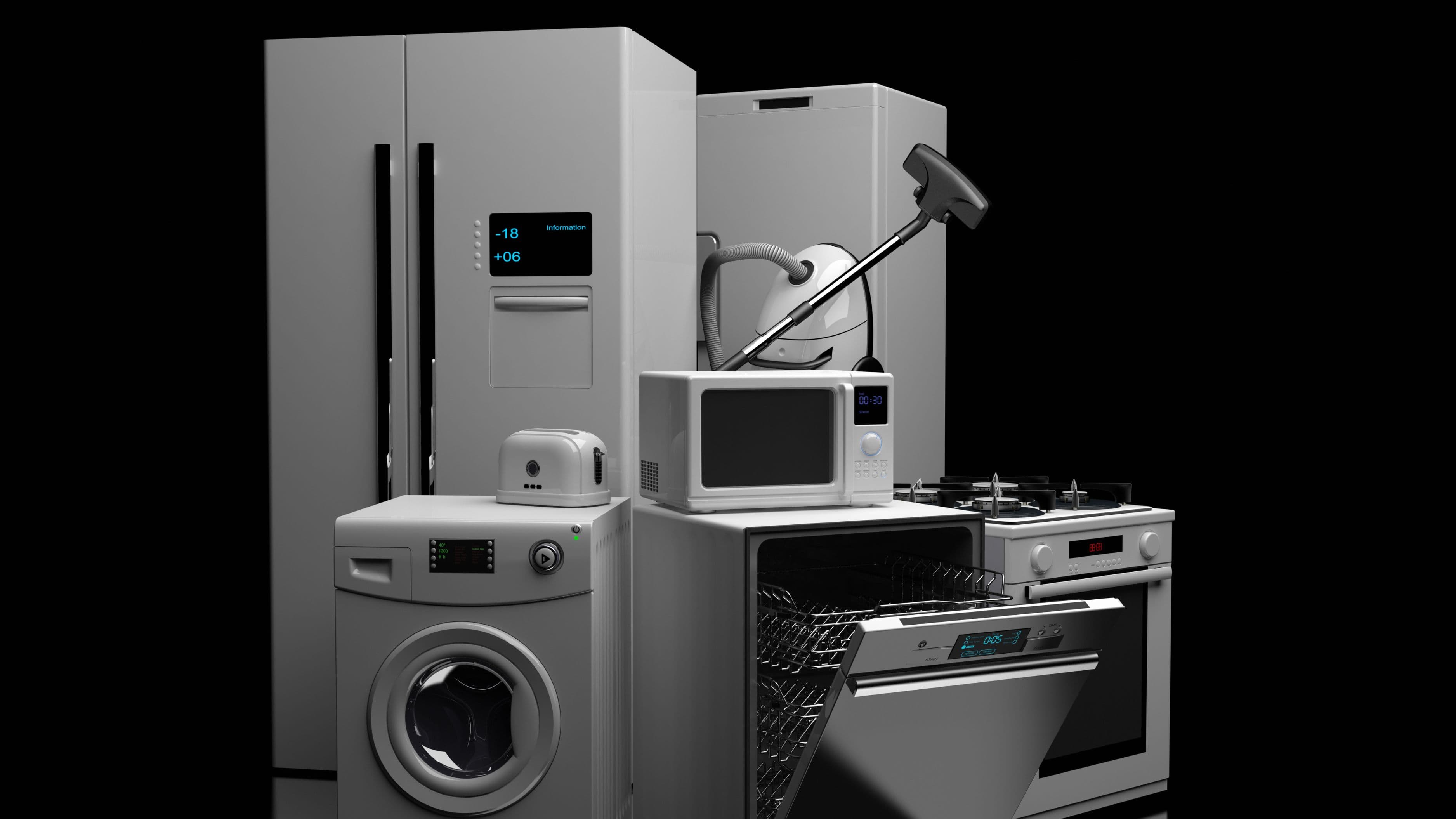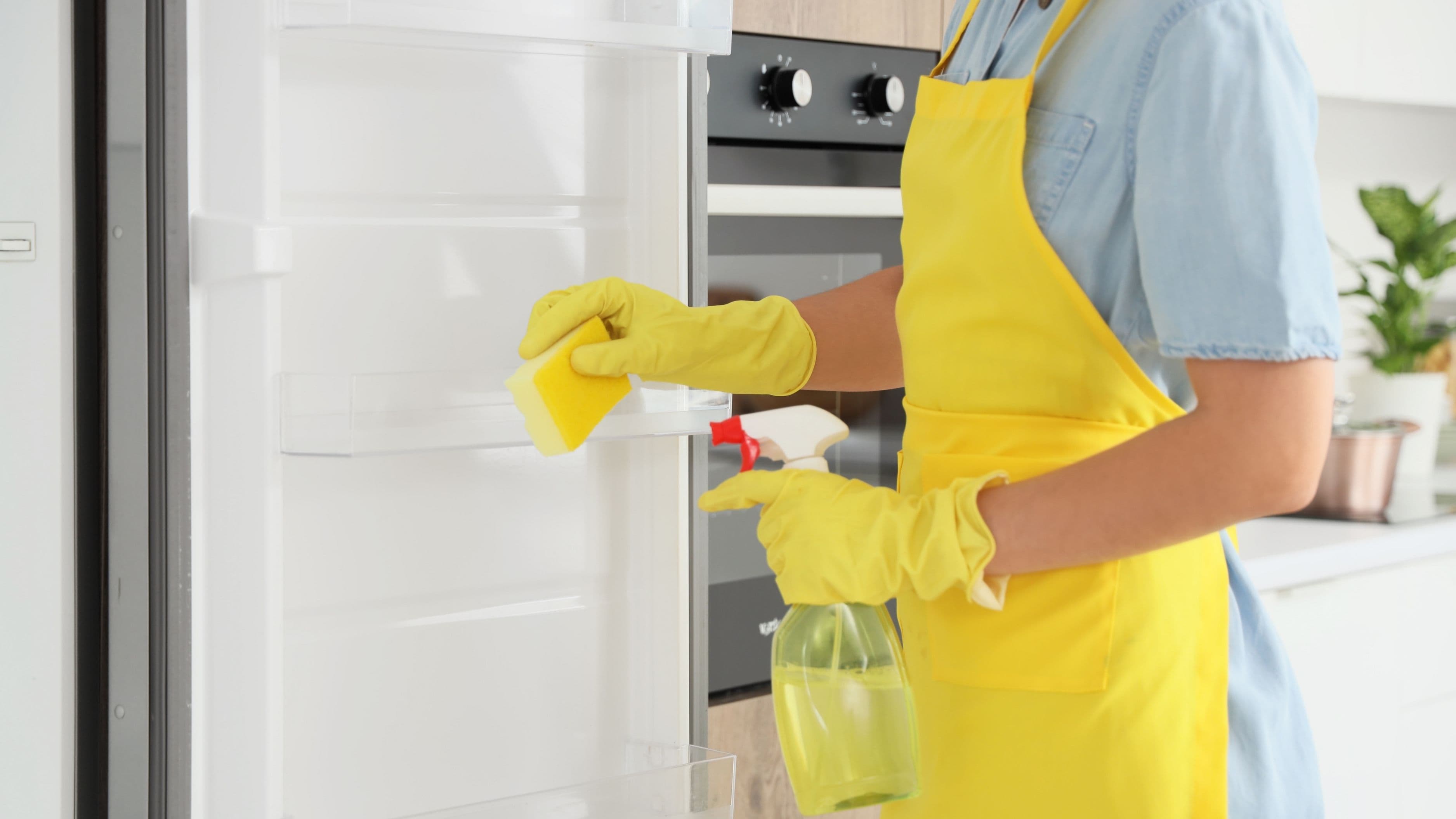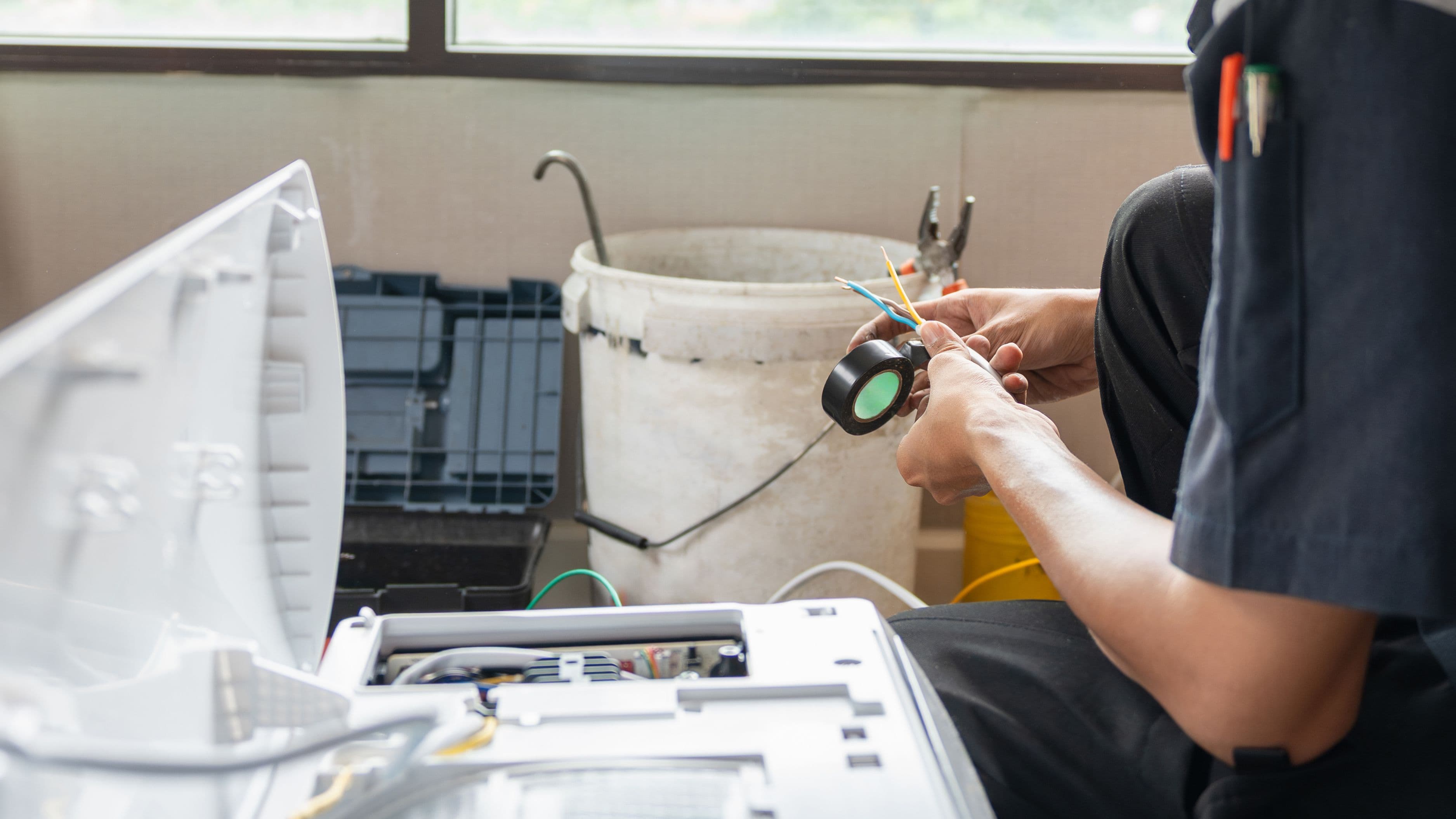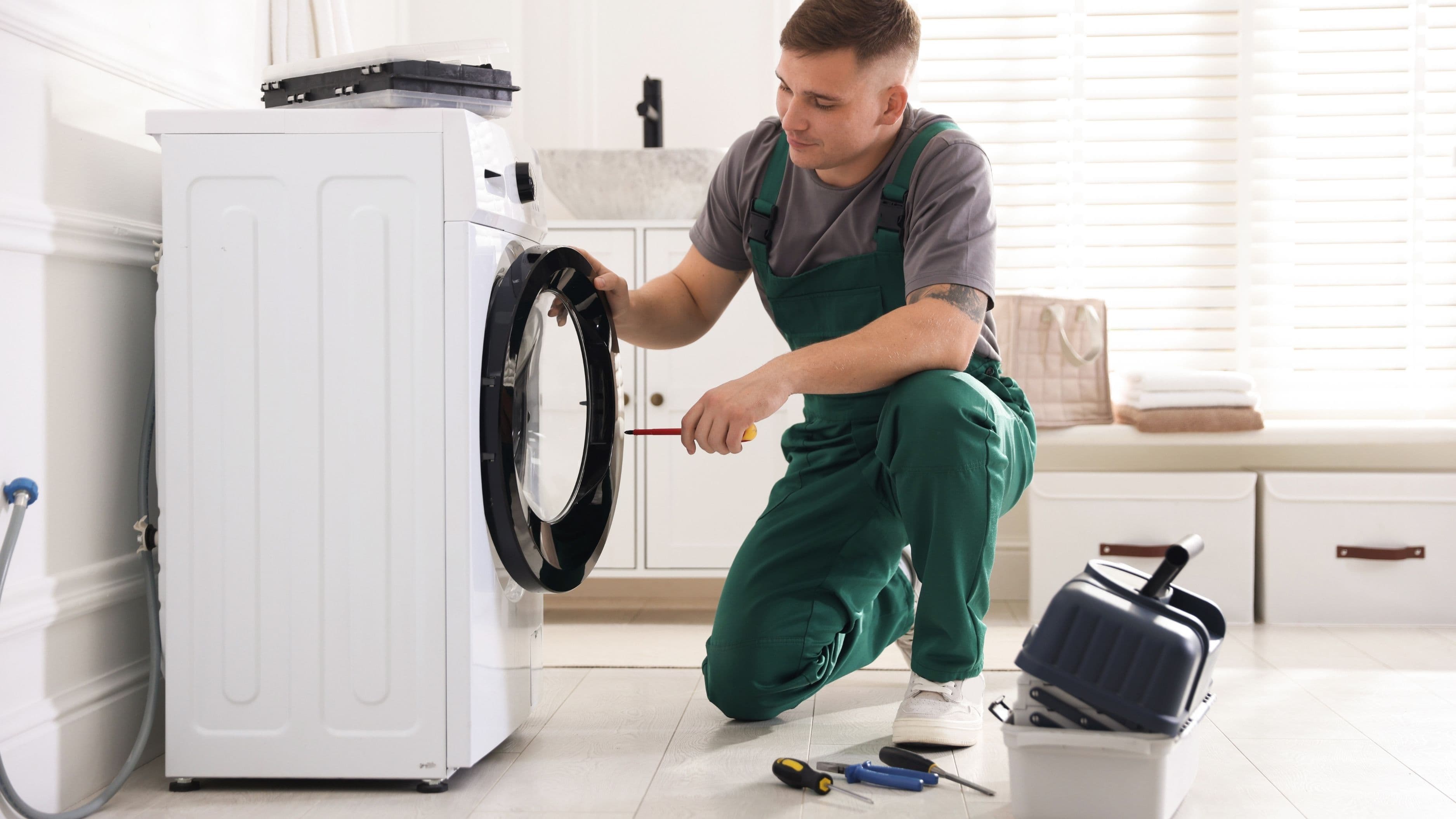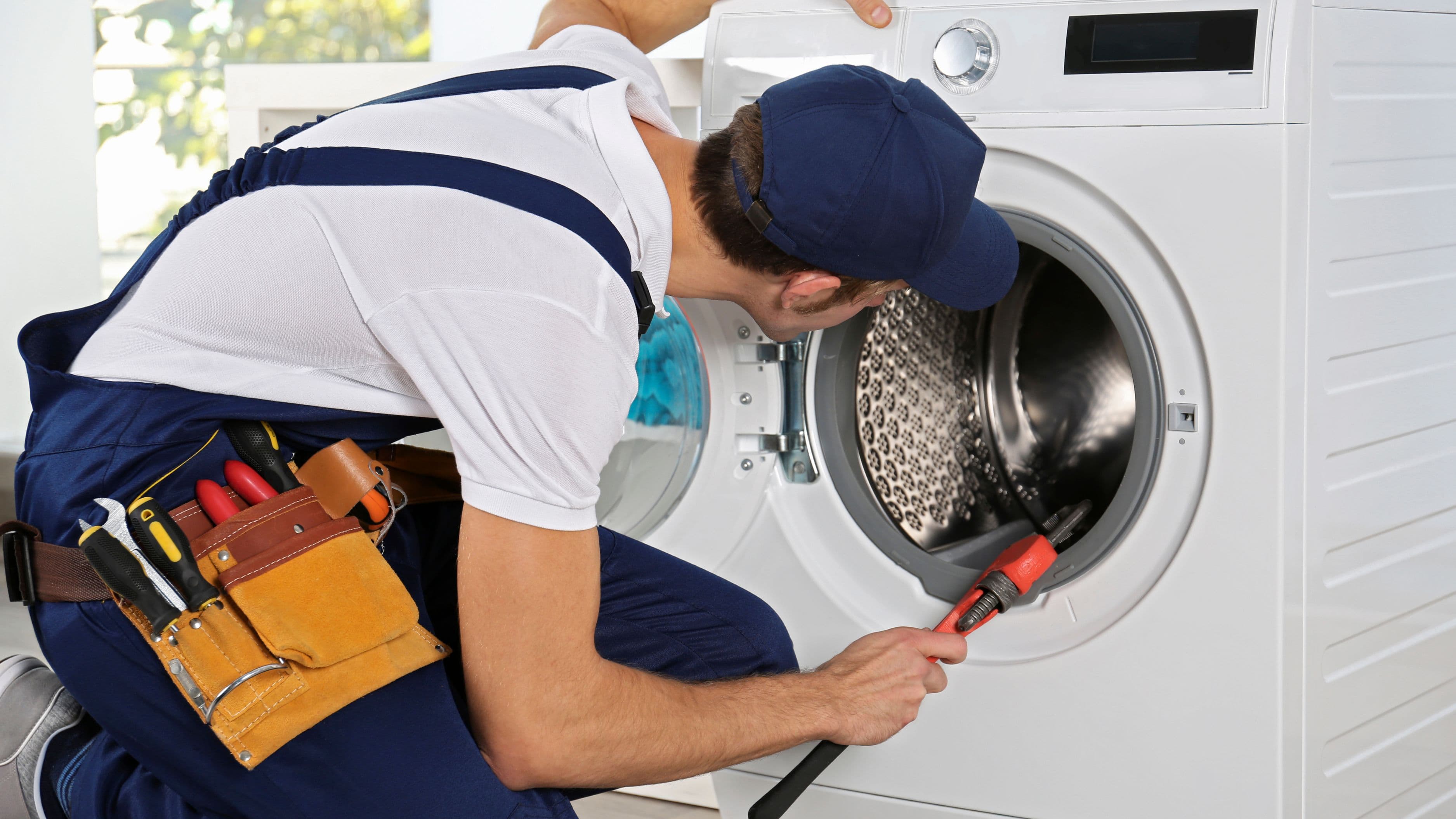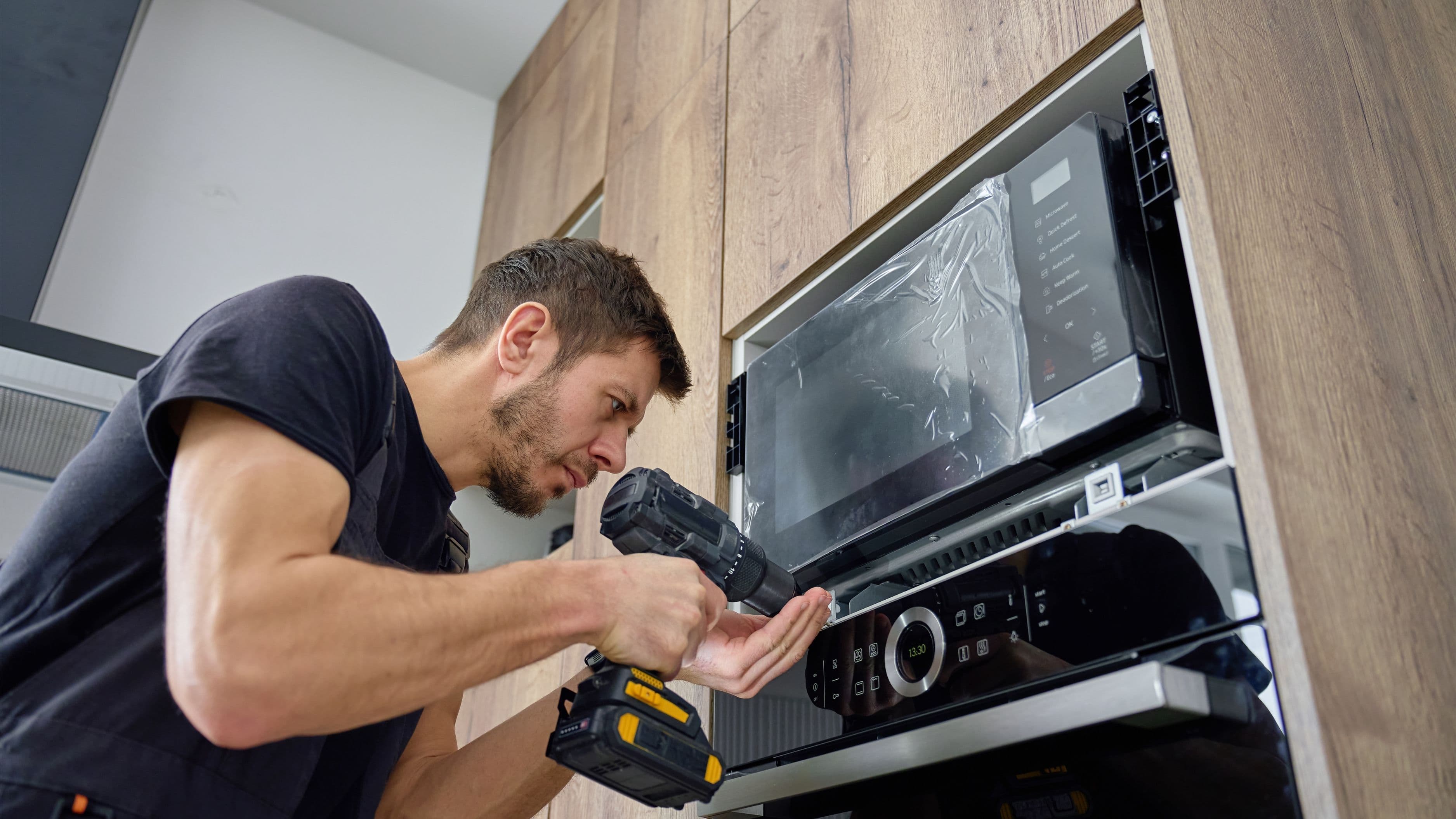

None of this requires special tools or advanced skills. It's mostly about knowing what to check, how often, and catching small issues before they turn into full breakdowns.
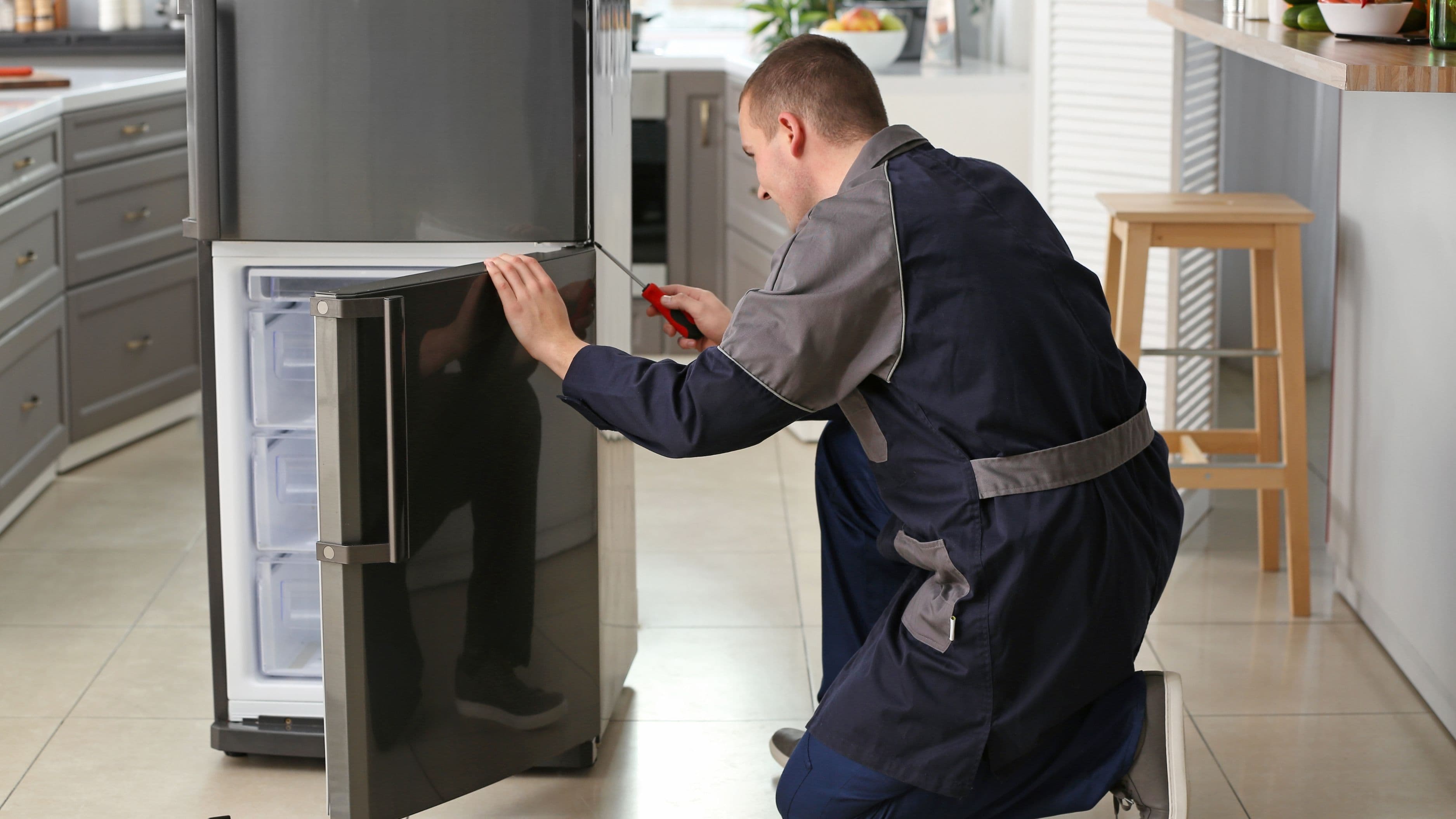
Refrigerator: The Appliance You Can't Live Without
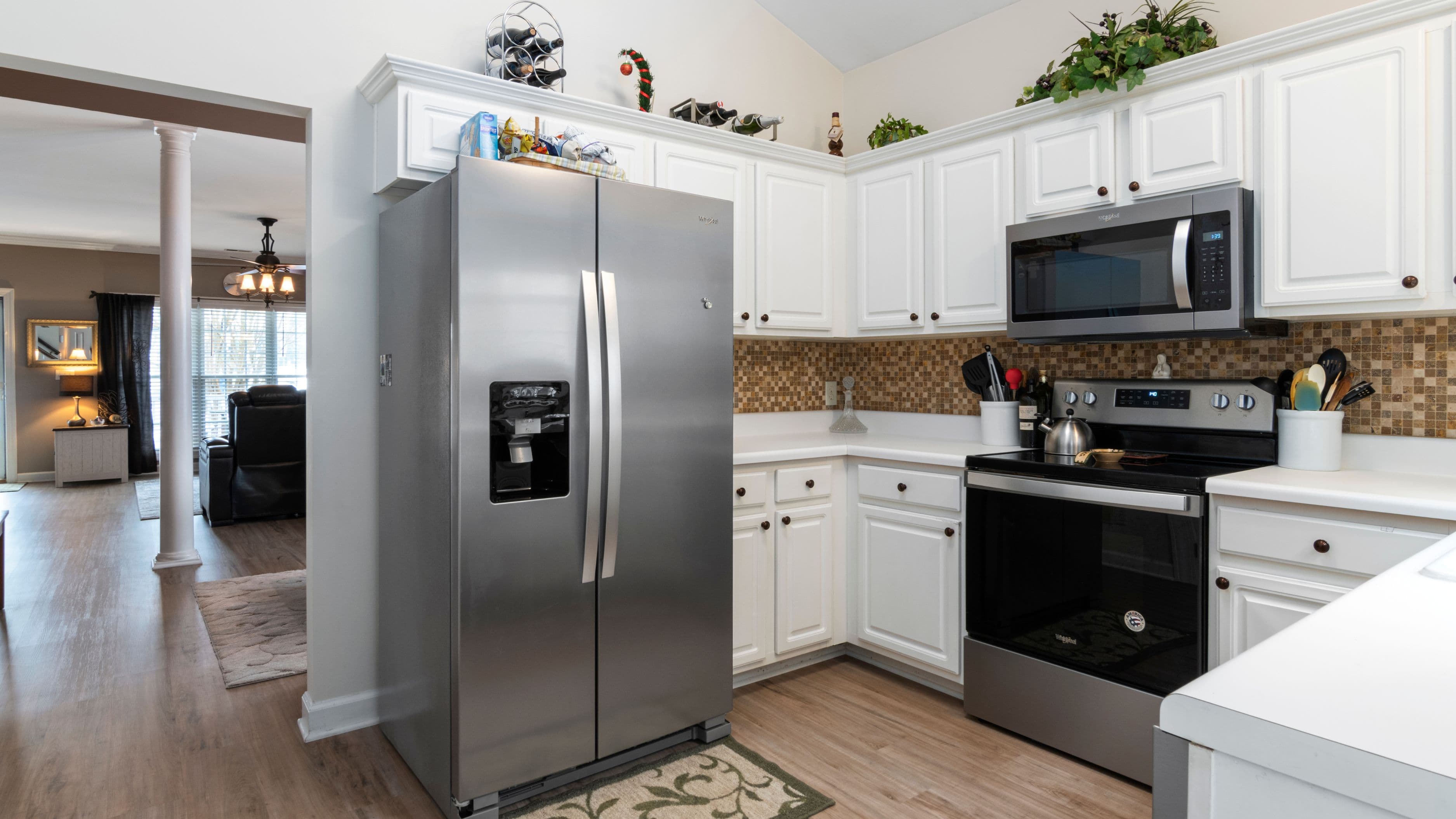
Your fridge runs around the clock, which means small inefficiencies add up fast, both in wear on the compressor and on your electricity bill.
Clean the Condenser Coils Twice a Year
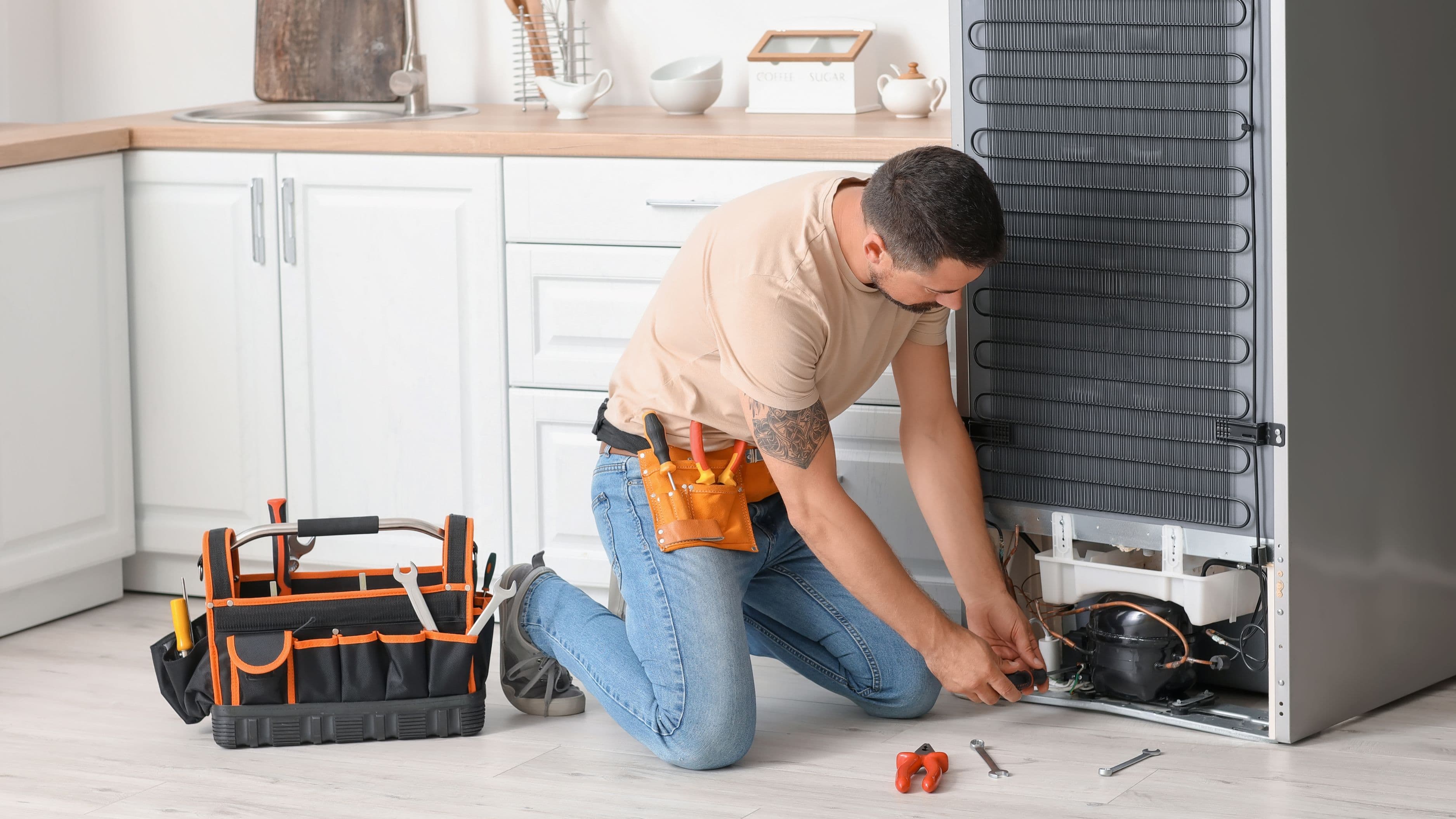
Dust and pet hair build up on the coils at the back or bottom of your fridge, forcing the compressor to work harder to release heat. Unplug the fridge, use a coil brush or vacuum attachment to clear the dust, and you'll reduce strain on one of the most expensive components to replace.
This takes about 15 minutes and costs nothing beyond a basic coil brush, which runs around $10. Skipping this regularly is one of the most common reasons compressors fail early.
Check and Replace the Door Seal
A weak door seal forces your fridge to run longer to maintain temperature, which shortens the compressor's lifespan over time. Test yours by closing the door on a piece of paper; if you can pull the paper out easily, the seal needs attention or replacement.
Replacement seals typically cost $30 to $80 depending on the model and are a straightforward DIY swap for most fridges, usually just a matter of unscrewing the old gasket and snapping in the new one.
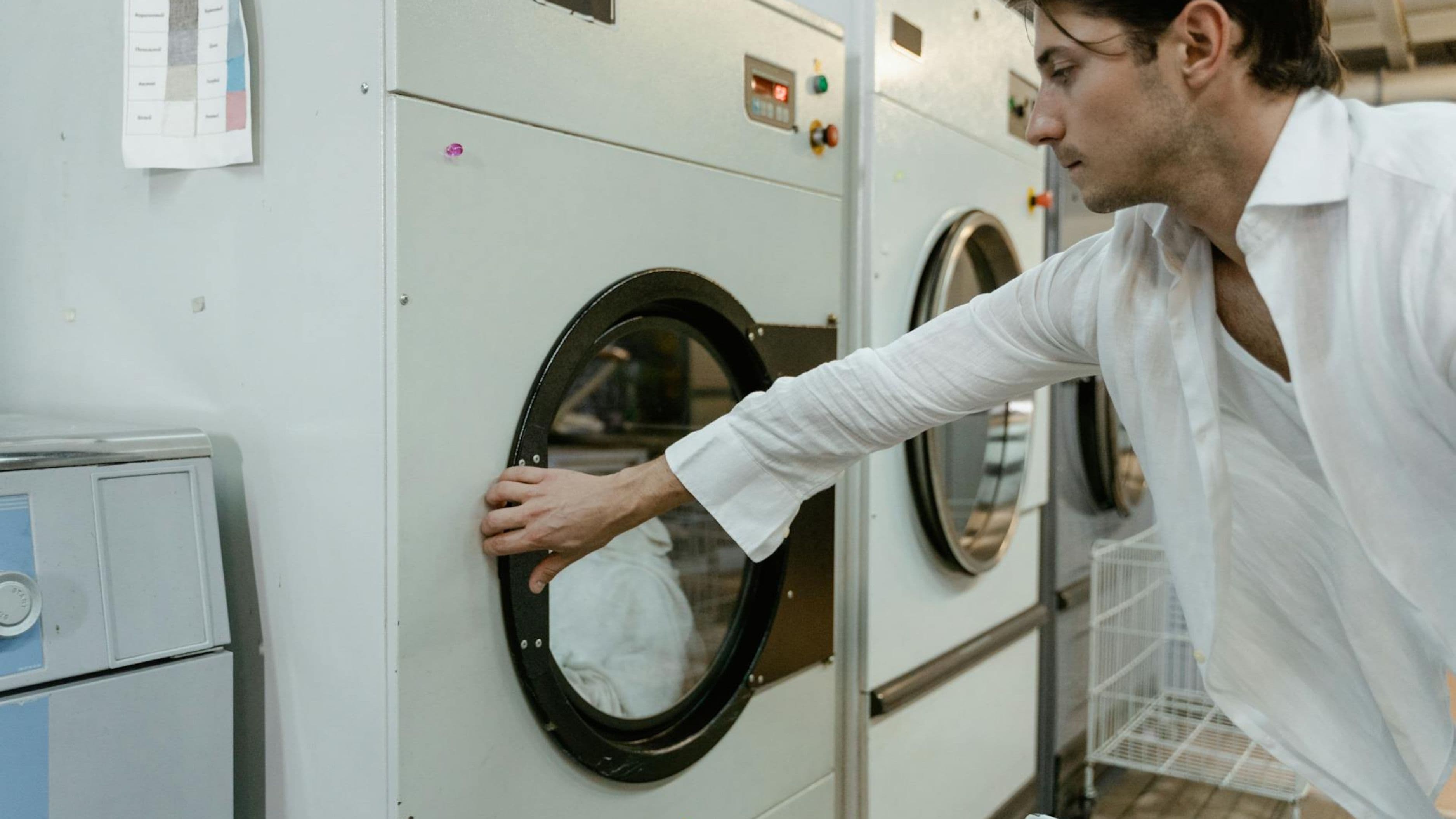
Washing Machine: Small Habits, Big Payoff
Washing machines fail early most often due to overloading and skipped maintenance, both of which are entirely within your control.
Don't Overload It, Even When You're in a Hurry
Overloading strains the motor and bearings with every cycle, and this kind of repeated stress adds up faster than most people expect. If you're cramming clothes in tightly enough that they can't move freely, you're shortening the machine's lifespan for the sake of one fewer load.
Clean the Drum and Detergent Dispenser Monthly
Residue buildup from detergent and fabric softener creates a breeding ground for mold and can clog internal components over time. Run an empty hot cycle with a cup of white vinegar once a month, and wipe down the detergent dispenser drawer to prevent buildup from spreading into the machine's internals.
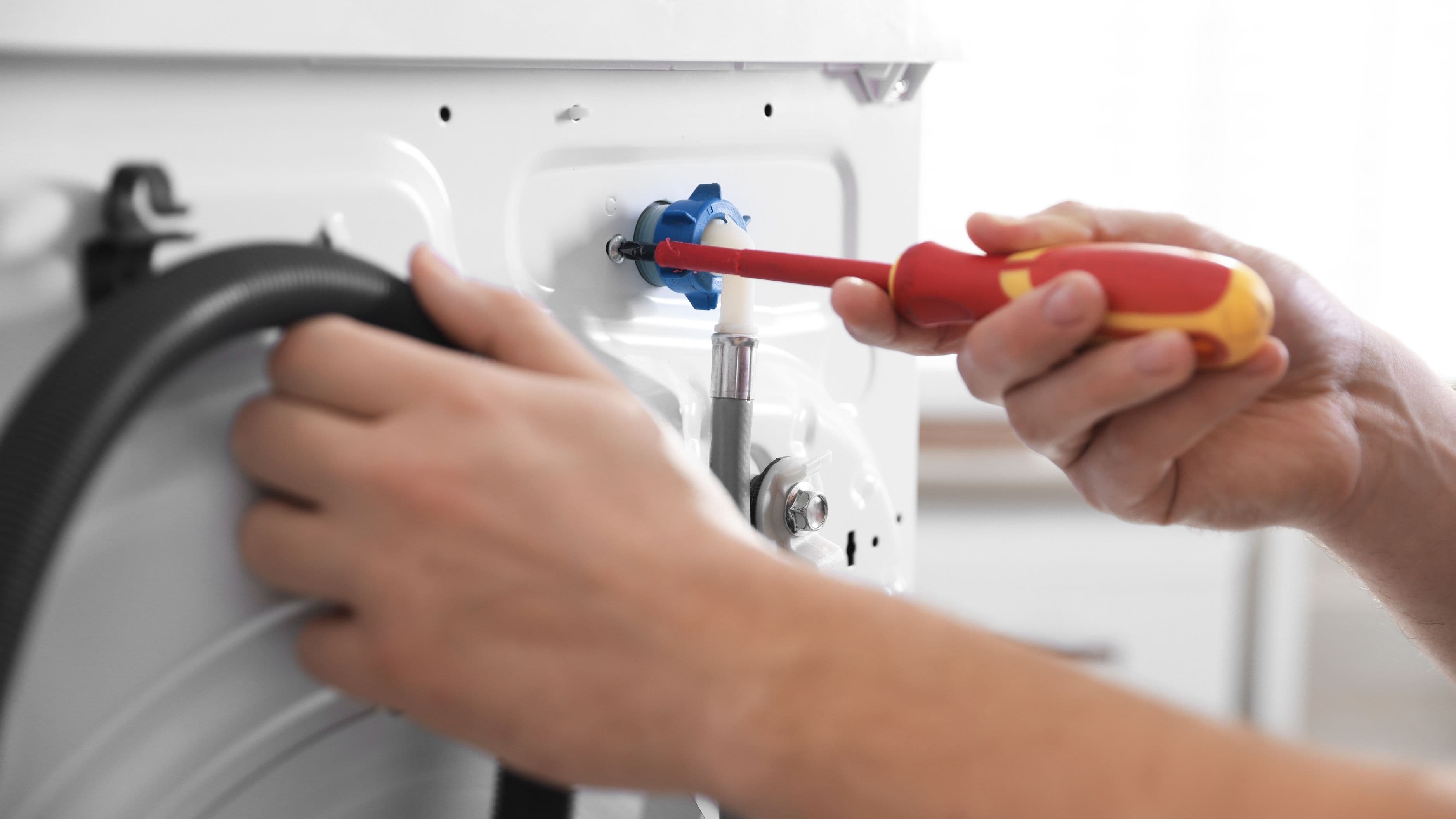
Check Hoses Annually
Rubber water supply hoses degrade over time and are one of the most common causes of water damage when they fail. Inspect yours annually for cracking, bulging, or brittleness, and consider replacing rubber hoses with braided stainless steel ones, which last significantly longer and cost around $15 to $25 per hose.
Dishwasher: Protect the Pump and Spray Arms
Dishwashers tend to fail due to clogs and buildup long before mechanical parts genuinely wear out, which makes this one of the easier appliances to extend meaningfully through basic maintenance.
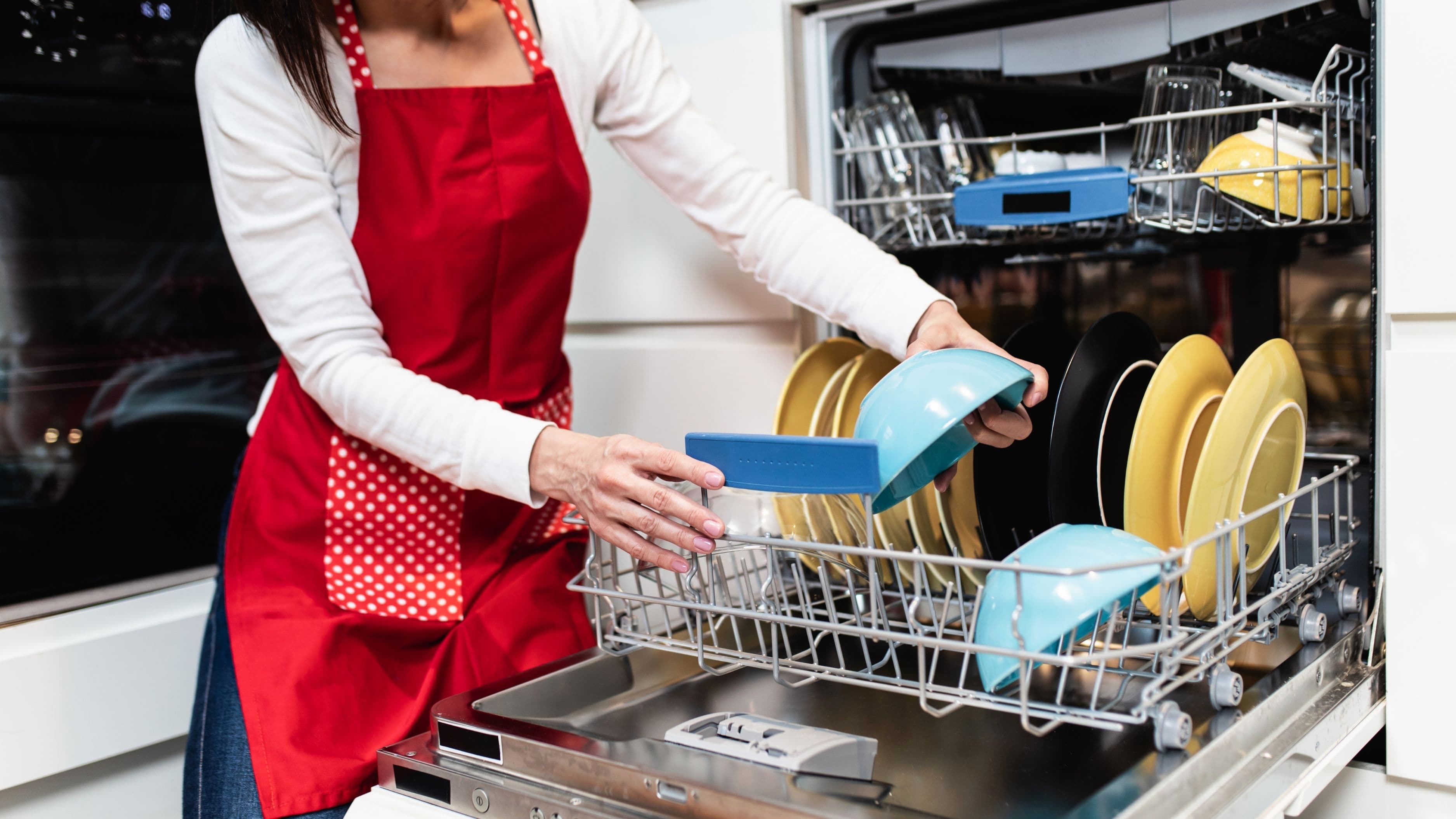
Clean the Filter Every Two to Four Weeks
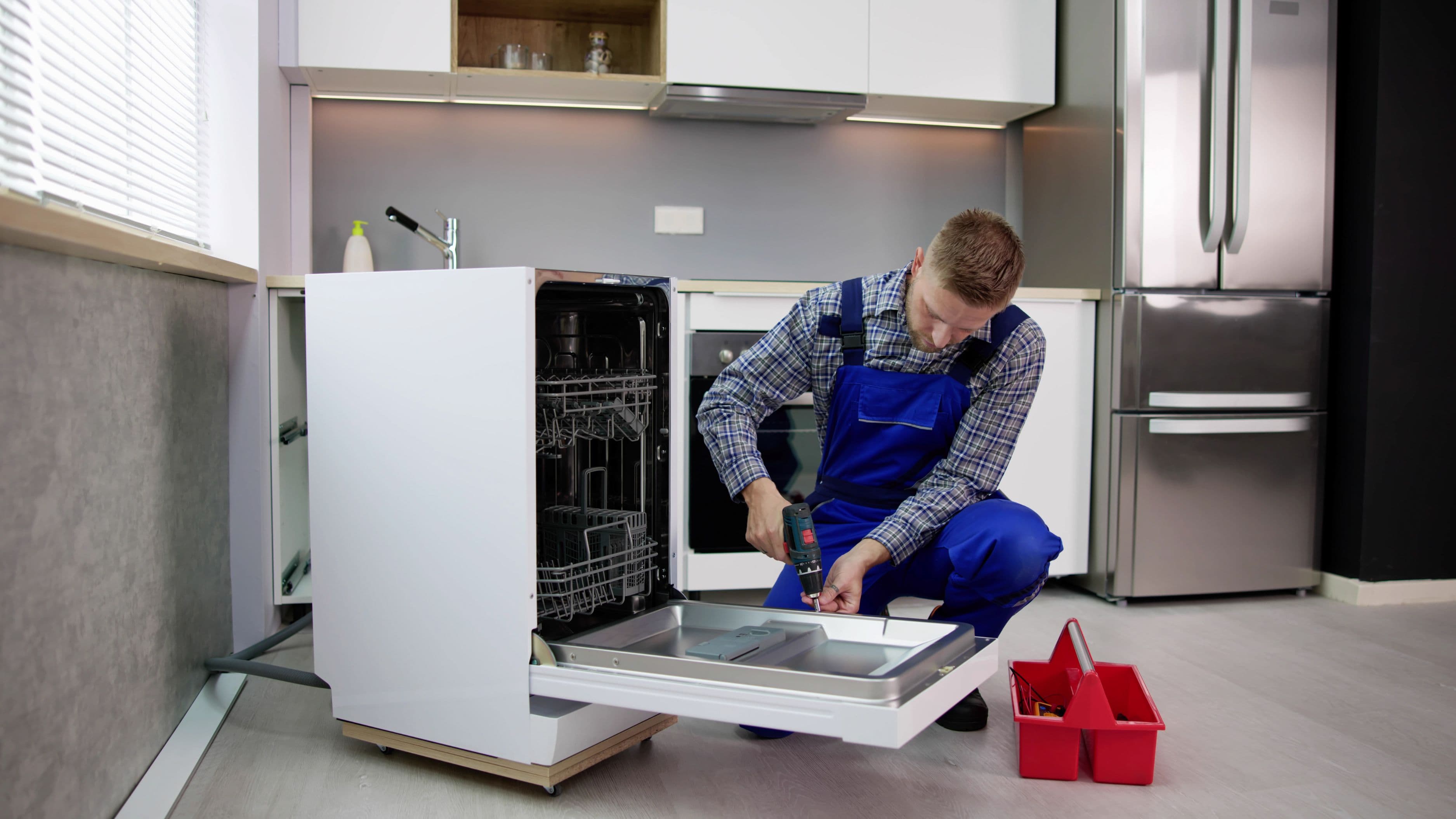
Most dishwashers have a removable filter at the bottom of the tub that traps food particles. A clogged filter forces the pump to work harder and can lead to poor cleaning performance or premature pump failure. Pull it out, rinse it under running water, and reinsert, a task that takes under five minutes.
Run a Monthly Cleaning Cycle
Mineral deposits and grease buildup inside the dishwasher's internal components reduce efficiency over time. A monthly cycle with a dishwasher cleaner, or a bowl of white vinegar placed on the top rack during a hot cycle, helps clear this buildup before it affects performance.
Oven and Range: Prevent the Slow Wear That Adds Up
Ovens generally have long lifespans, but a few habits meaningfully affect how long the heating elements and internal components hold up.
Avoid Using the Self-Clean Cycle Too Often
Self-clean cycles run at extremely high temperatures that can stress heating elements and electronic components over repeated use. Limit self-clean cycles to two or three times a year, and use manual cleaning methods for routine maintenance instead.
Keep the Door Seal Intact
Just like a refrigerator, a damaged oven door seal lets heat escape, forcing the oven to work harder and run longer to maintain temperature. Inspect the seal periodically for tears or gaps, and replace it if you notice heat escaping around the door edges during use.
HVAC System: The Most Expensive Appliance in Your Home
Your HVAC system is likely the single most expensive appliance to replace, which makes routine maintenance especially worthwhile here.
Replace Air Filters Every One to Three Months
A clogged filter restricts airflow, forcing your system to work harder and increasing wear on the blower motor. This is genuinely one of the highest-impact, lowest-effort maintenance tasks in your entire home, and filters typically cost just $10 to $25 each.
Schedule Annual Professional Maintenance
An annual tune-up, checking refrigerant levels, cleaning coils, and inspecting electrical connections, catches small issues before they become expensive failures. This typically costs $100 to $200 but can meaningfully extend the system's lifespan and prevent mid-summer or mid-winter breakdowns.
When It's Time to Call a Professional
Basic maintenance covers a lot of ground, but certain signs mean it's time to bring in a professional rather than continue troubleshooting yourself. Unusual burning smells, sparking, persistent error codes despite basic fixes, or any issue involving gas lines should always go to a licensed technician rather than a DIY attempt.
Attempting repairs beyond your comfort level, particularly anything involving electrical components or gas connections, isn't worth the safety risk to save a service call fee.
What to Avoid
Don't ignore small performance changes, like a fridge running louder than usual or a washer taking longer to complete cycles. These are often early warning signs that are far cheaper to address than waiting until full failure.
Don't skip manufacturer-recommended maintenance schedules found in your appliance manuals. These schedules are based on how the specific components are designed to wear over time, not generic guesses.
Don't attempt DIY repairs involving gas lines or complex electrical systems without proper training. These situations carry real safety risks and are worth the cost of a professional.
FAQ
How often should I clean refrigerator coils? Twice a year is generally sufficient for most households, though homes with pets may benefit from checking every three to four months due to increased pet hair buildup.
Is it worth repairing an old appliance or just replacing it? As a general rule, if a repair costs less than 50% of a replacement's price and the appliance is under 8 to 10 years old, repair is usually the better value.
What's the single most impactful maintenance task for extending appliance life? Regularly cleaning components that trap debris, refrigerator coils, dishwasher filters, HVAC filters, tends to have the biggest impact relative to the time and cost involved.
📚 Sources
"Refrigerator Maintenance Tips" – U.S. Department of Energy – https://www.energy.gov/energysaver/save-electricity-and-fuel
"HVAC Maintenance Checklist" – U.S. Environmental Protection Agency – https://www.epa.gov/indoor-air-quality-iaq/care-your-air-guide-indoor-air-quality
"How to Extend the Life of Your Appliances" – Consumer Reports – https://www.consumerreports.org/appliances/appliance-repair/how-to-extend-the-life-of-your-appliances-a1157934691/