
Why Roofs Age Faster Than They Need To
Most premature roof aging comes down to a handful of preventable issues: trapped moisture, poor attic ventilation, neglected debris buildup, and small damage left unaddressed until it spreads. A roof rated for 20 to 25 years can fail significantly earlier than that if these issues go unmanaged, while the same roof properly maintained can often reach or exceed its rated lifespan.
Understanding this gives you real leverage. Extending roof life isn't about some miracle product; it's about consistently managing the handful of conditions that cause roofs to deteriorate faster than they should.
Tools and Materials Needed
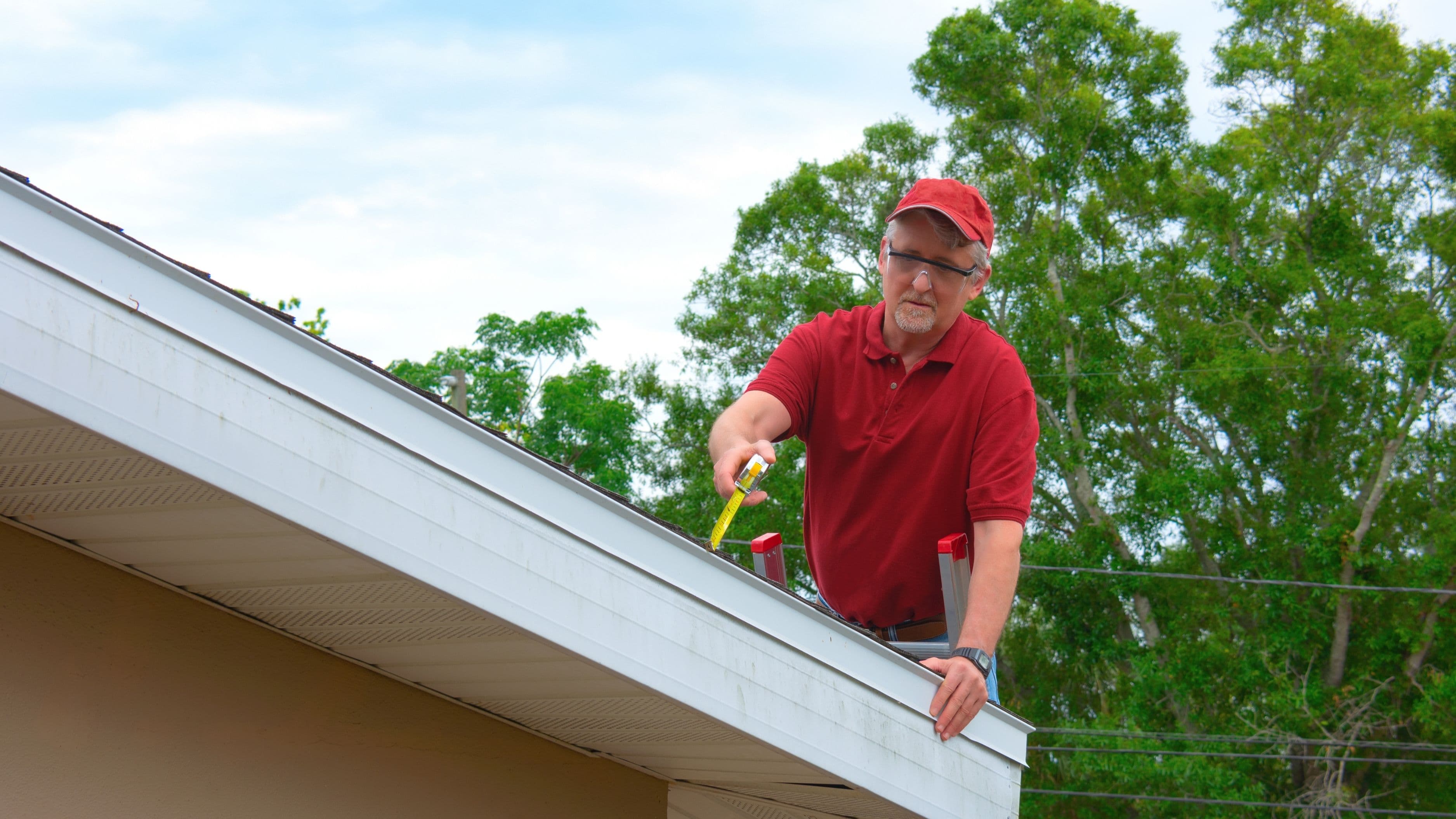
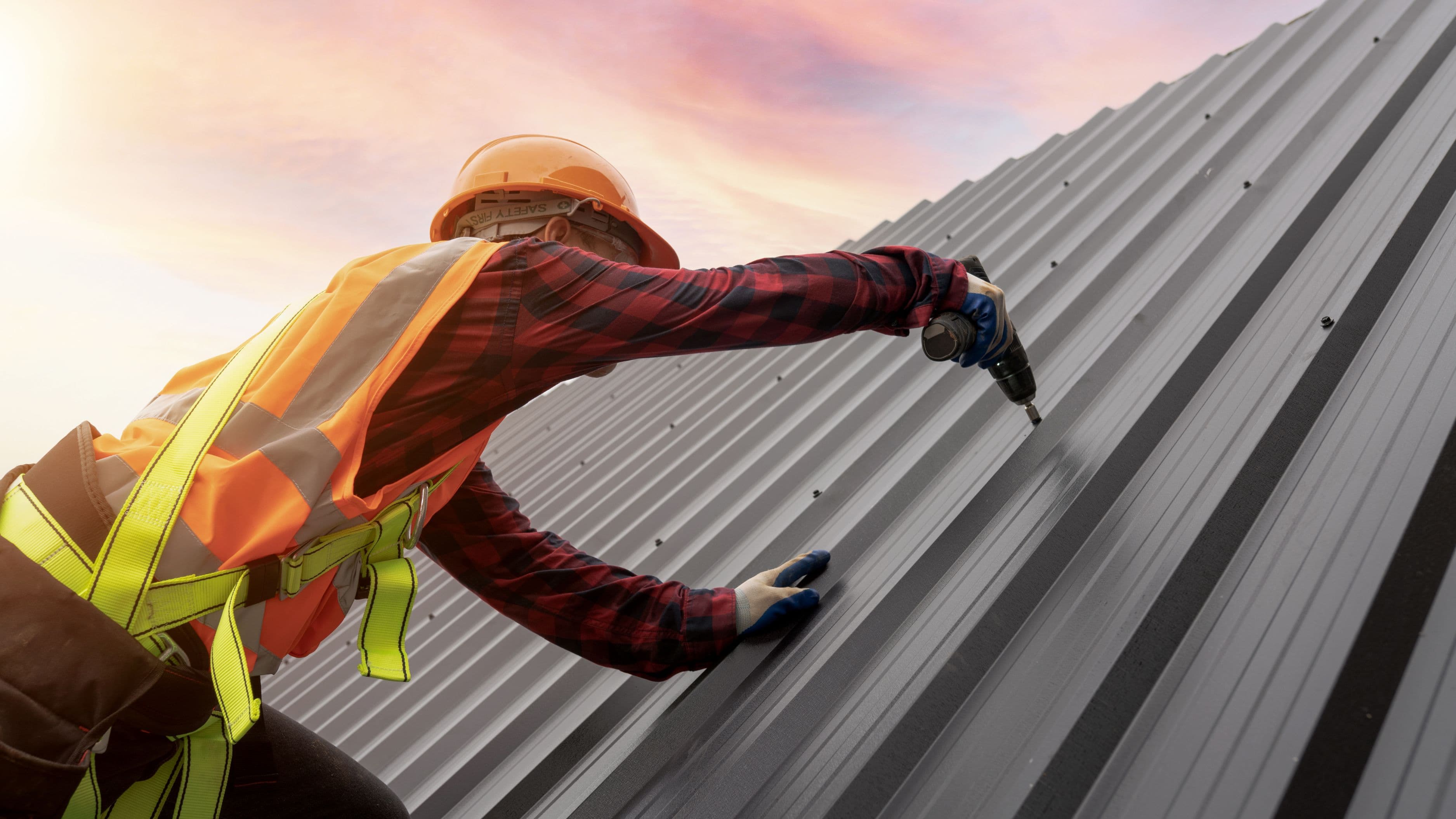
For most of the maintenance tasks covered here, you'll want a sturdy extension ladder, roofing sealant or caulk rated for your roof material, a stiff-bristle broom or roof rake for debris removal, binoculars for ground-level inspection, and basic safety gear including non-slip shoes and a harness if you plan to walk the roof directly. Some tasks are genuinely safe for a reasonably capable homeowner, while others are better handled by a professional, which we'll flag clearly below.
Step 1: Clean Gutters and Downspouts Regularly
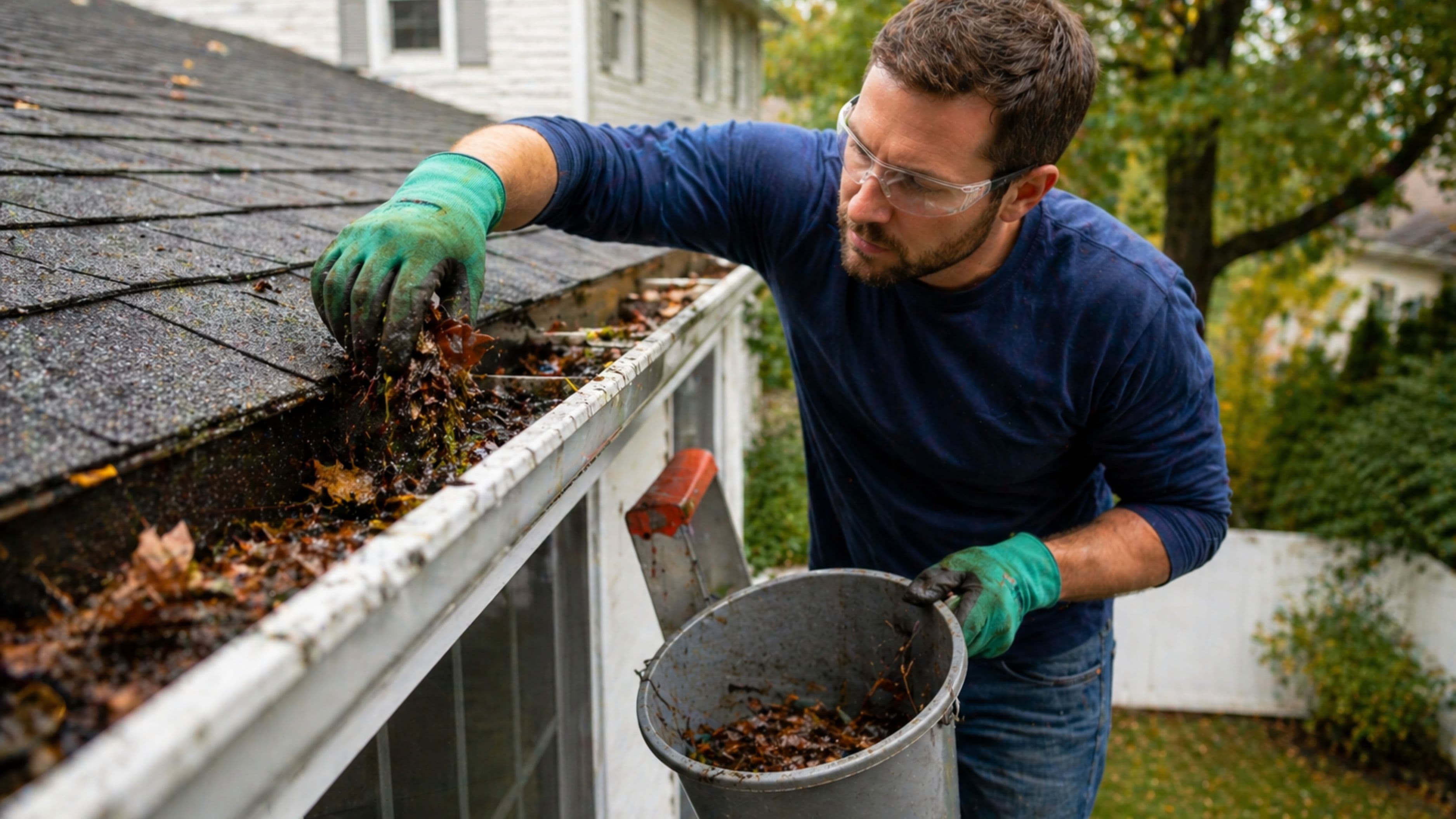
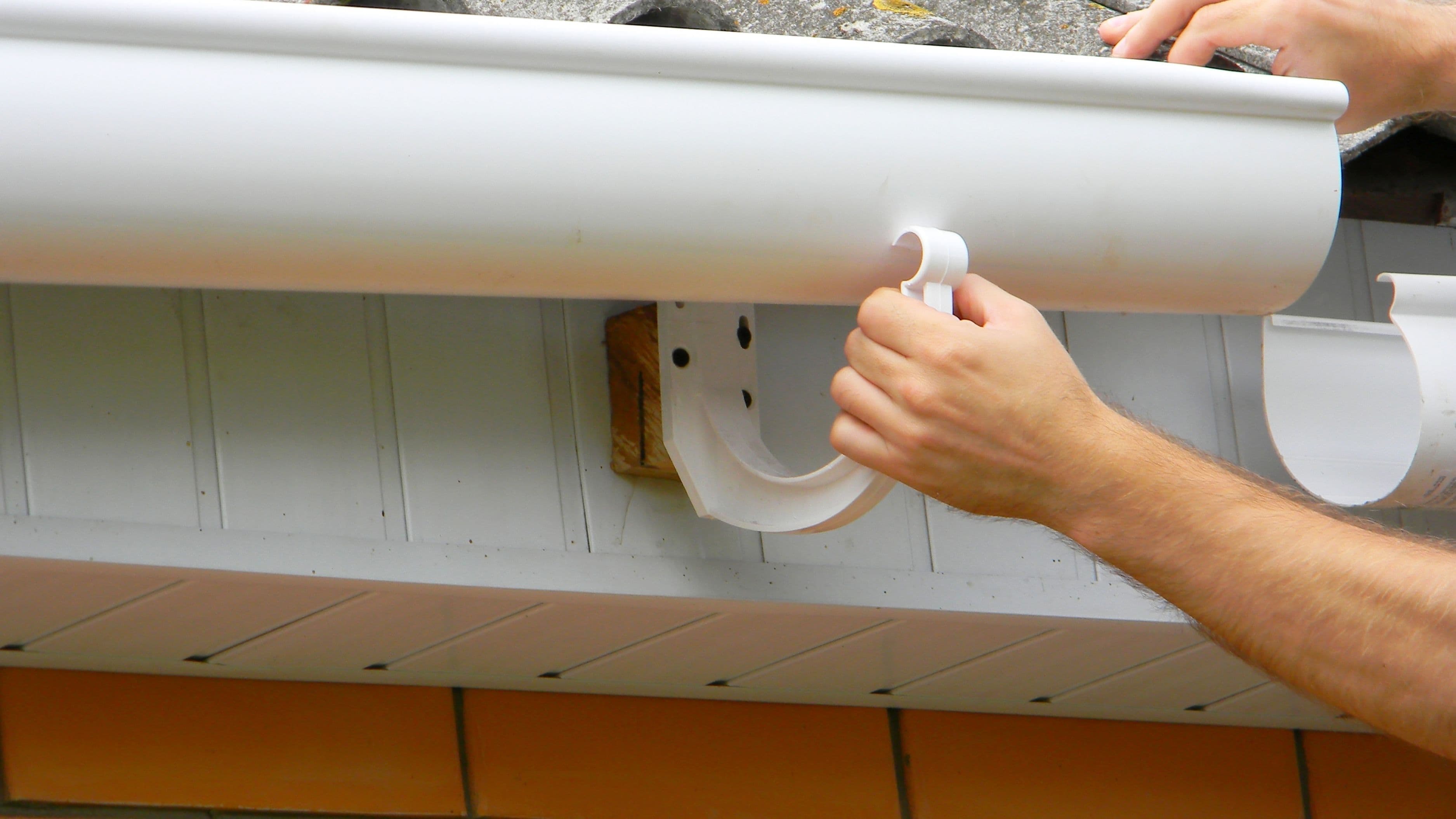
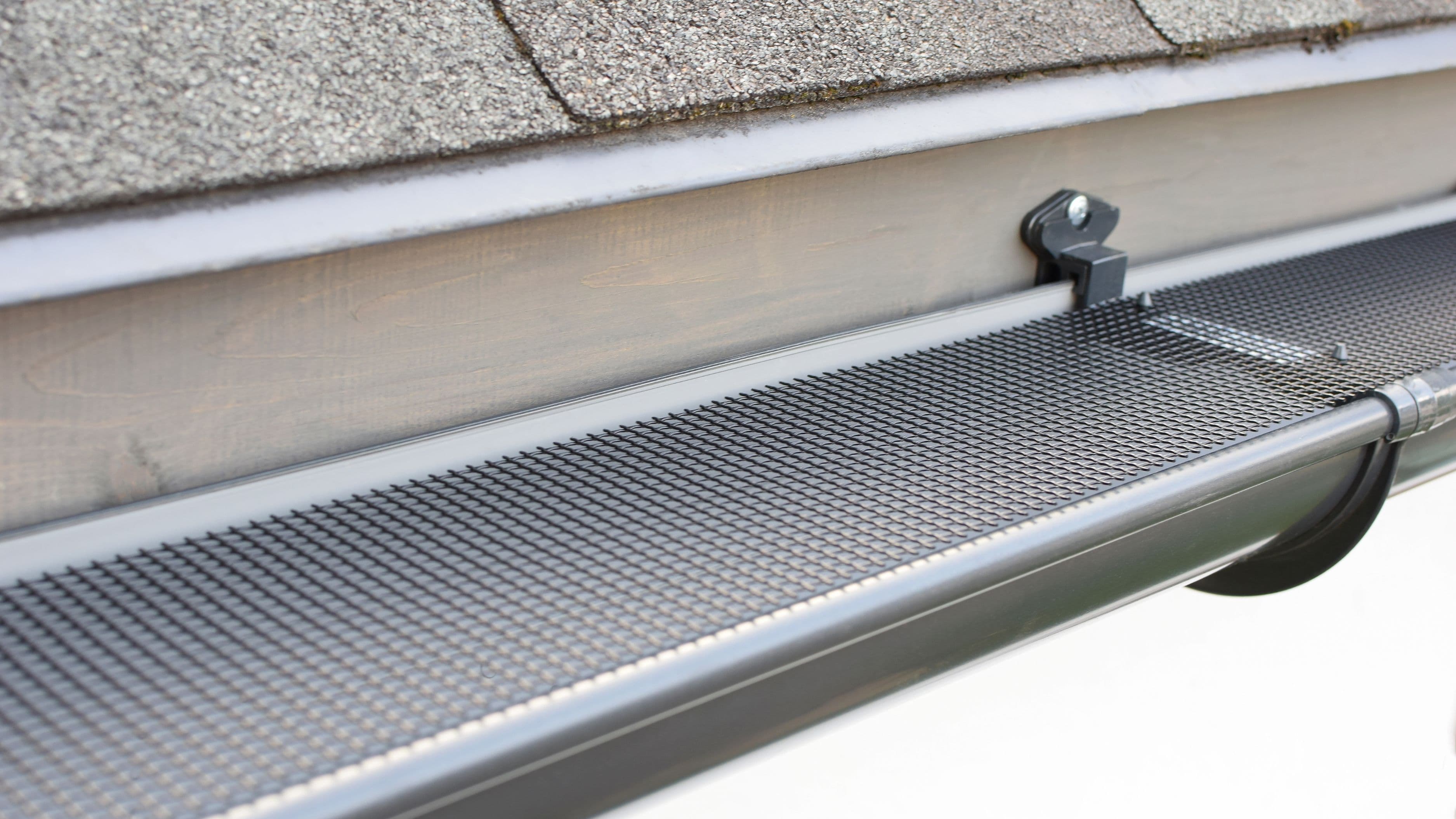
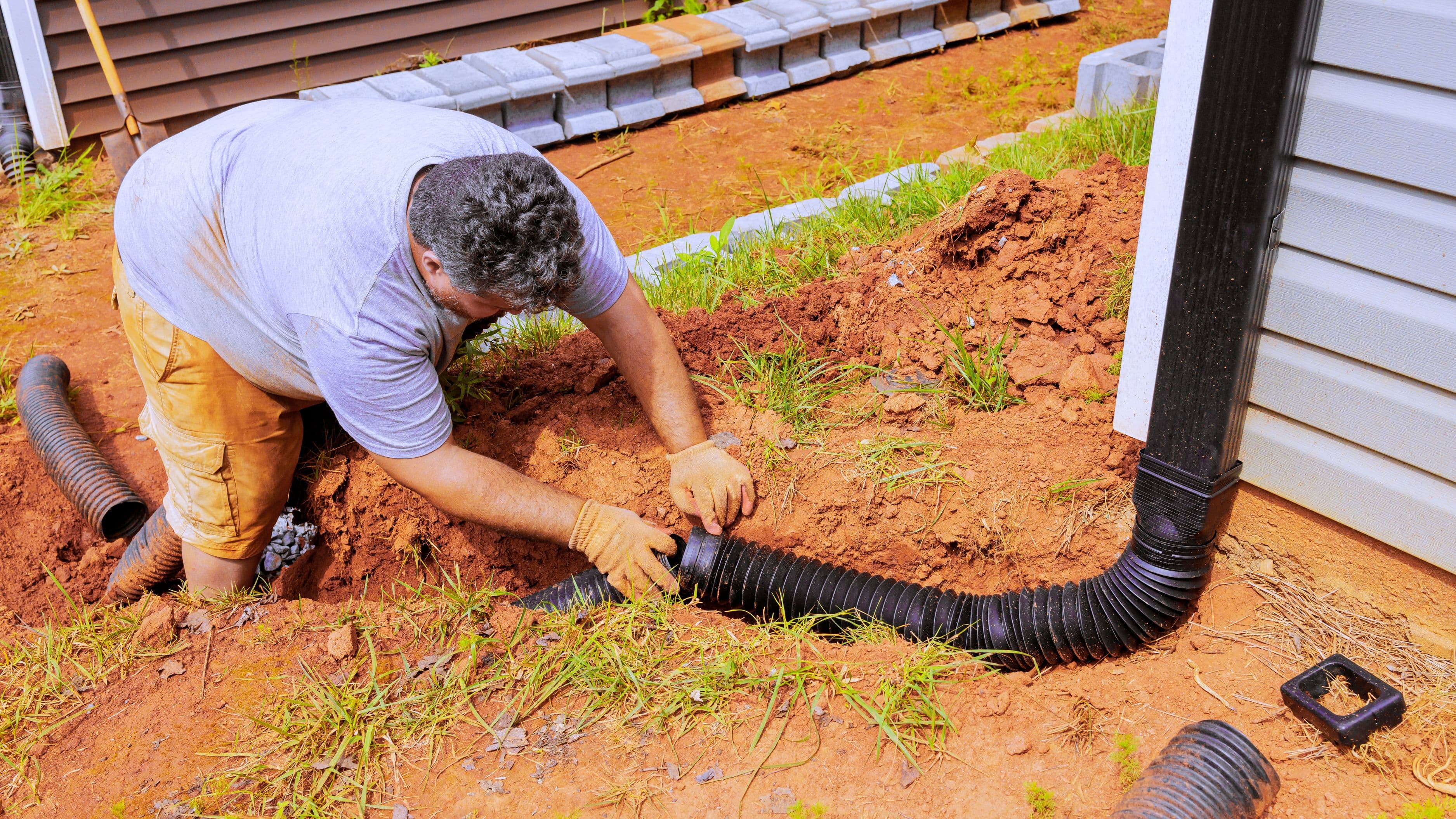
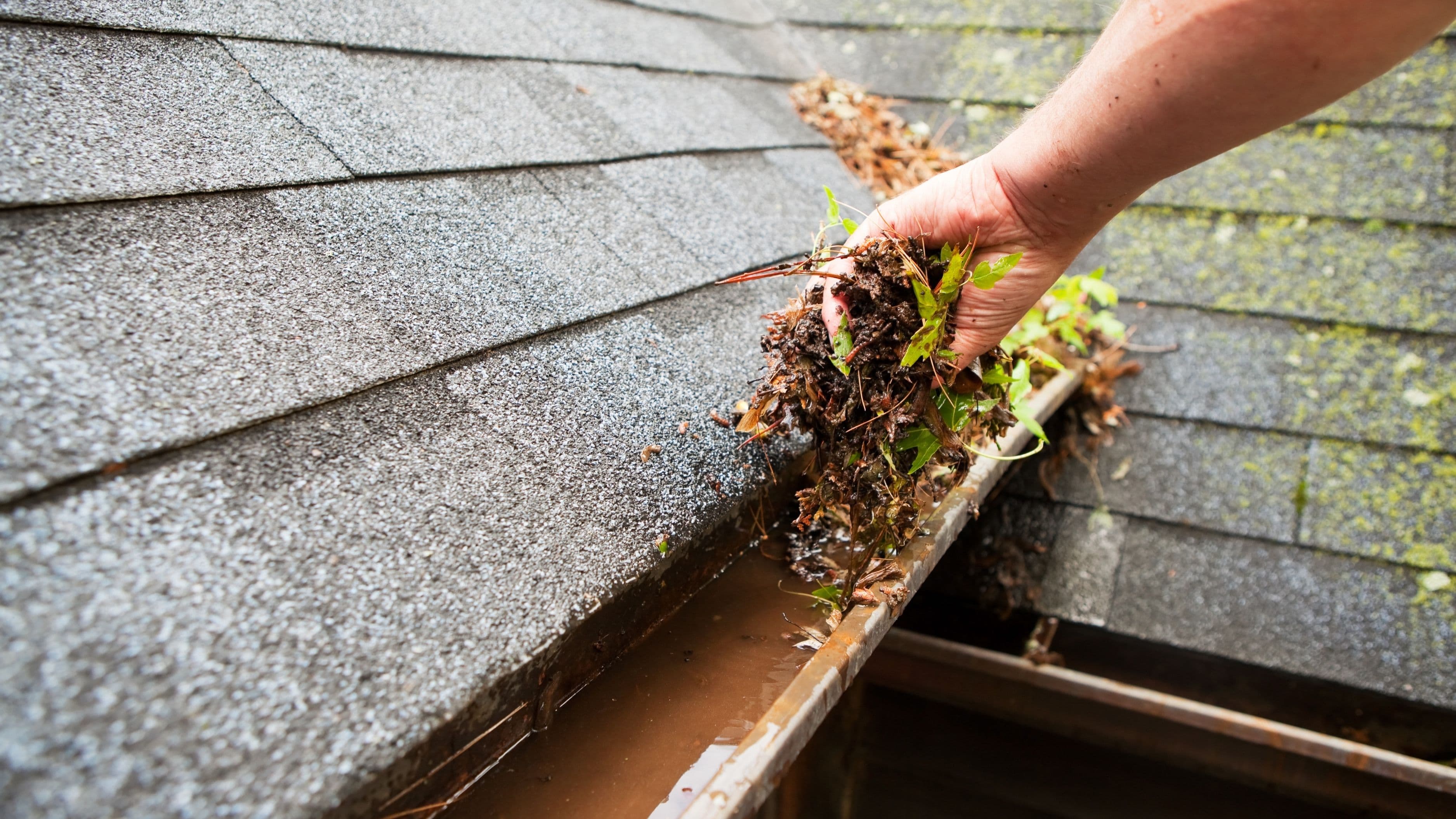
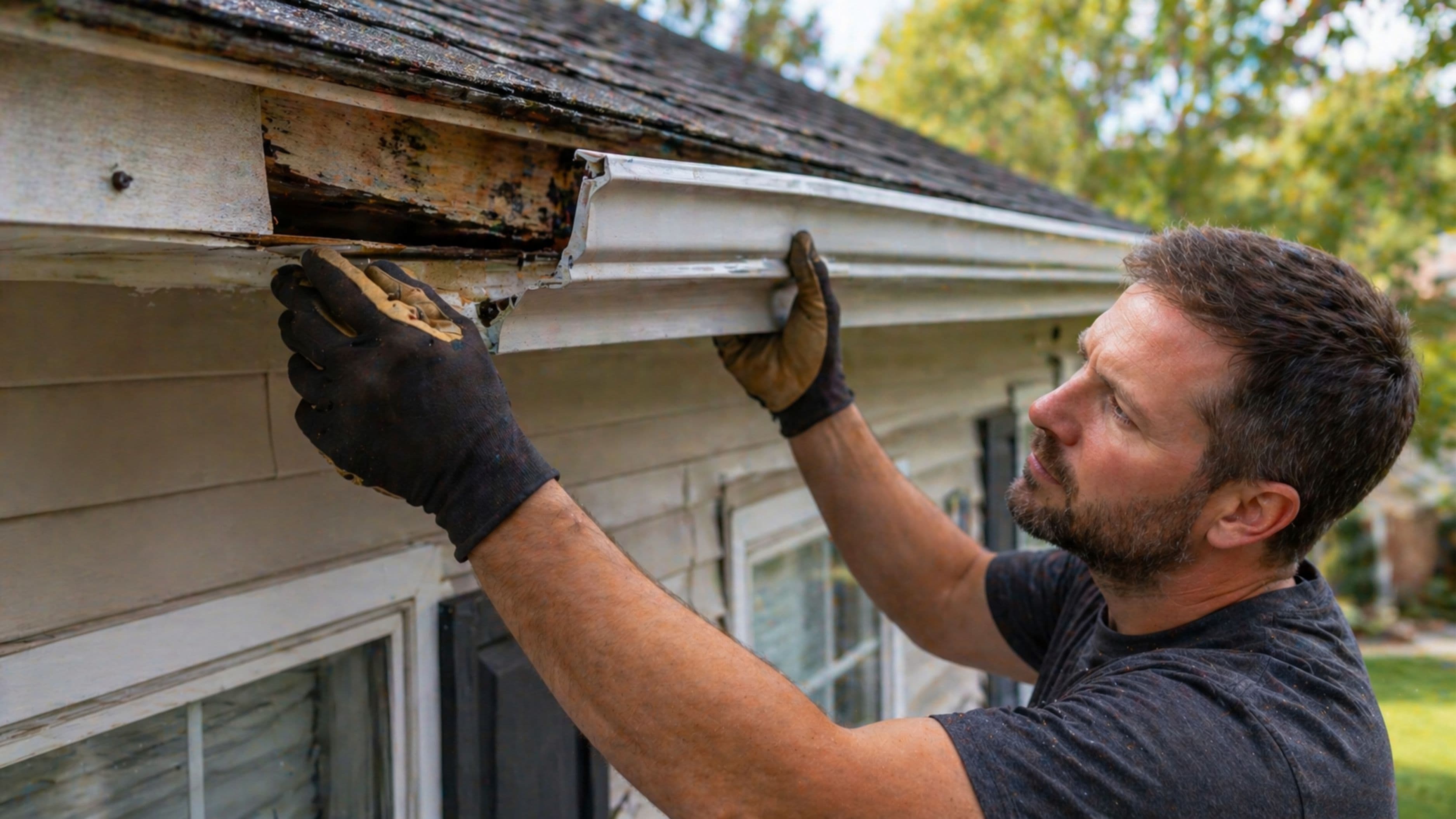
Clogged gutters are one of the most common, and most preventable, causes of accelerated roof damage. When water can't drain properly, it backs up under roofing materials at the edges, leading to rot in the roof deck and fascia over time. This single maintenance task, done twice a year in spring and fall, prevents a surprising amount of downstream damage.
While cleaning gutters, take the opportunity to visually inspect the edge of your roofline for any granule buildup in the gutters, which can indicate your shingles are wearing down faster than expected, or any visible sagging in the gutter line itself.
Step 2: Remove Debris and Overhanging Branches
Leaves, pine needles, and other debris that accumulate on your roof trap moisture against the surface, accelerating wear and creating conditions for moss and algae growth. A roof rake or soft broom, used carefully to avoid damaging shingles, can clear this debris a few times a year, particularly after fall leaf drop.
Overhanging tree branches compound this problem by continuously dropping debris and creating shade that keeps roof sections damp longer after rain. Trimming branches back a reasonable distance from your roofline reduces both debris accumulation and physical damage risk during storms.
Step 3: Address Moss and Algae Growth Early
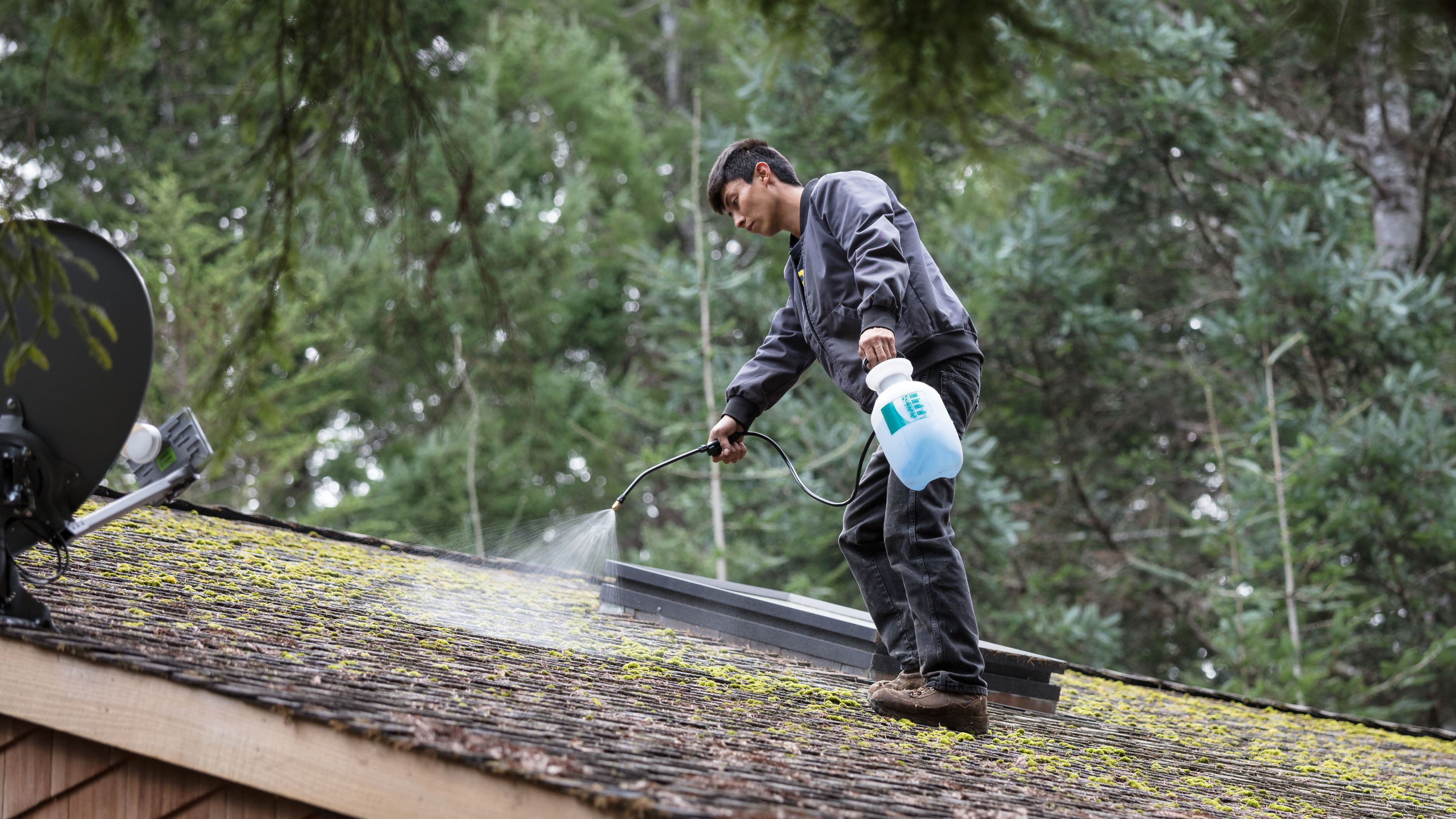
Dark streaking or moss patches on a roof aren't just cosmetic. Moss retains moisture against roofing material, and over time that trapped moisture degrades shingles and can work its way into the roof deck underneath. Algae-resistant shingle treatments and zinc or copper strips installed near the roof ridge can help prevent regrowth once you've addressed an existing problem.
For removal, a gentle approach using a low-pressure sprayer with a manufacturer-approved cleaning solution is safer than aggressive pressure washing, which can strip protective granules from shingles and actually shorten their remaining lifespan.
Step 4: Improve Attic Ventilation
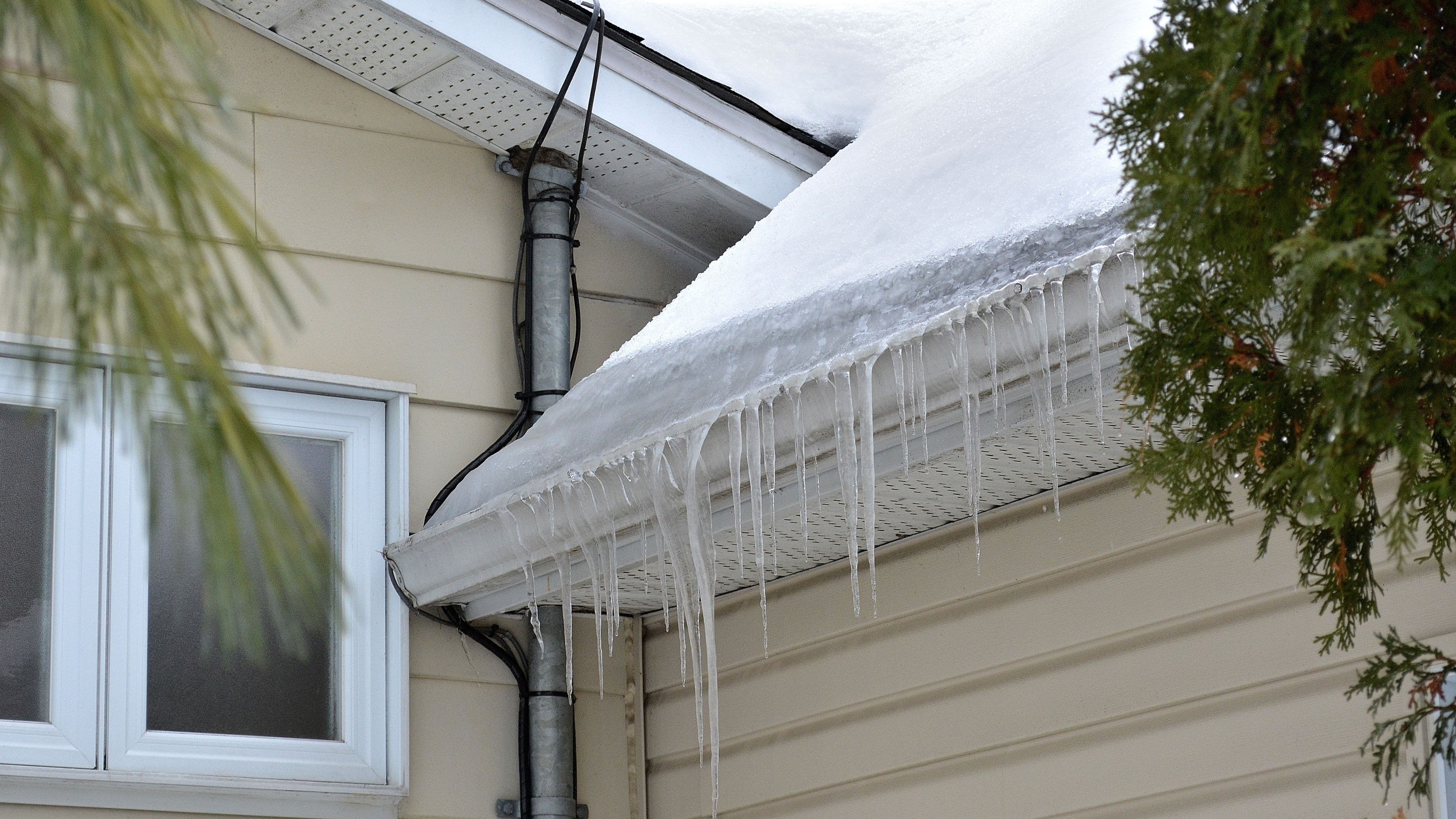
Poor attic ventilation is one of the most underappreciated causes of premature roof failure. Without adequate airflow, heat and moisture build up in the attic space, which can warp roof decking from underneath, accelerate shingle aging from the inside out, and contribute to ice dam formation in colder climates during winter.
Checking that soffit vents aren't blocked by insulation, and that ridge or roof vents are functioning and unobstructed, is a straightforward inspection most homeowners can perform themselves. If your attic feels noticeably hot or humid compared to expected outdoor conditions, that's a signal ventilation improvements are worth investigating further, potentially with a roofing professional's input.
Step 5: Repair Minor Damage Immediately
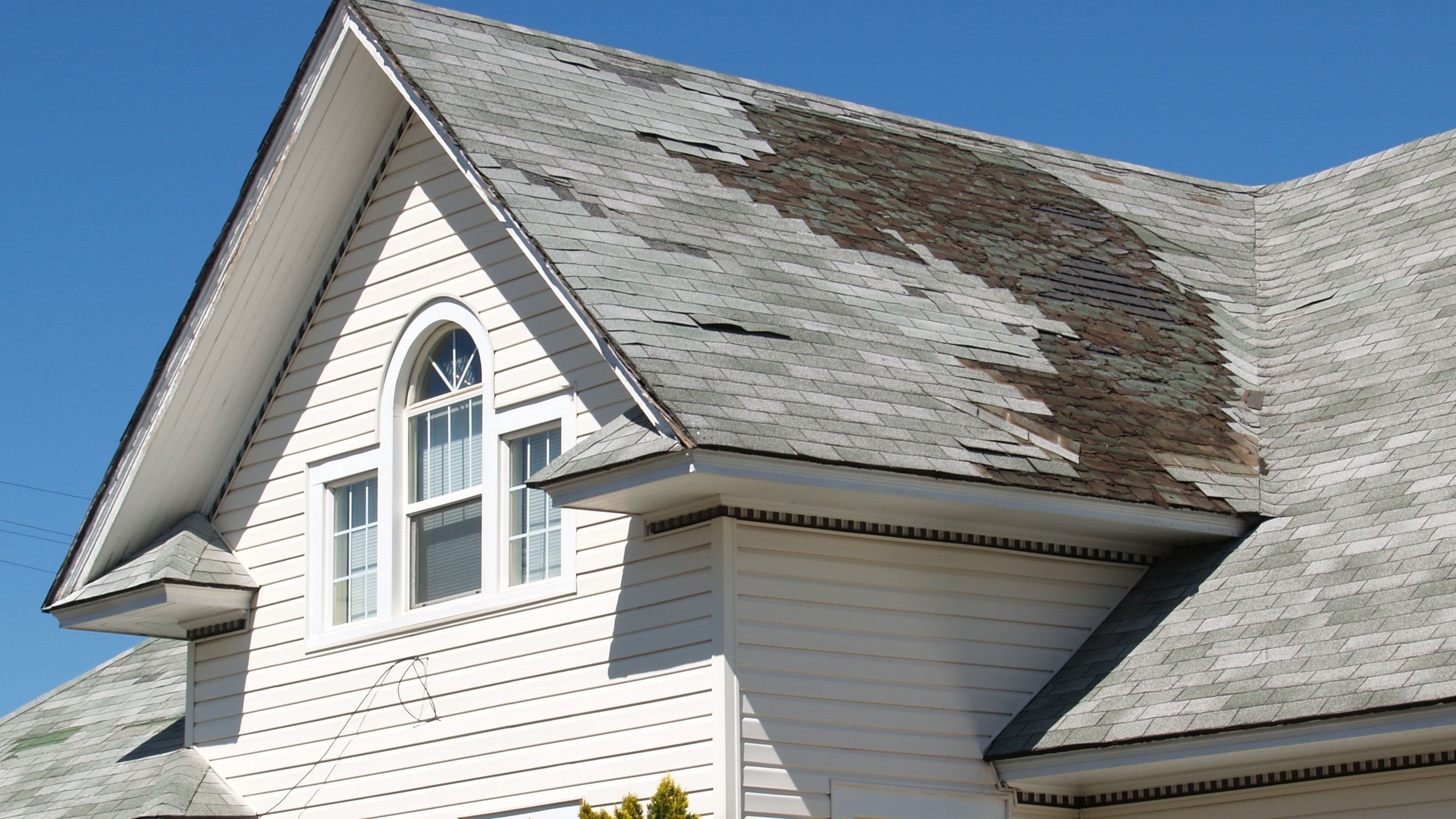
A single missing or damaged shingle, a small area of lifted flashing, or a minor crack in roof sealant might seem too small to worry about, but these small issues are exactly what allows water infiltration to begin. Left unaddressed, a small leak point can lead to rot in the roof deck, damaged insulation, and eventually interior water damage that costs far more to repair than the original small fix would have.
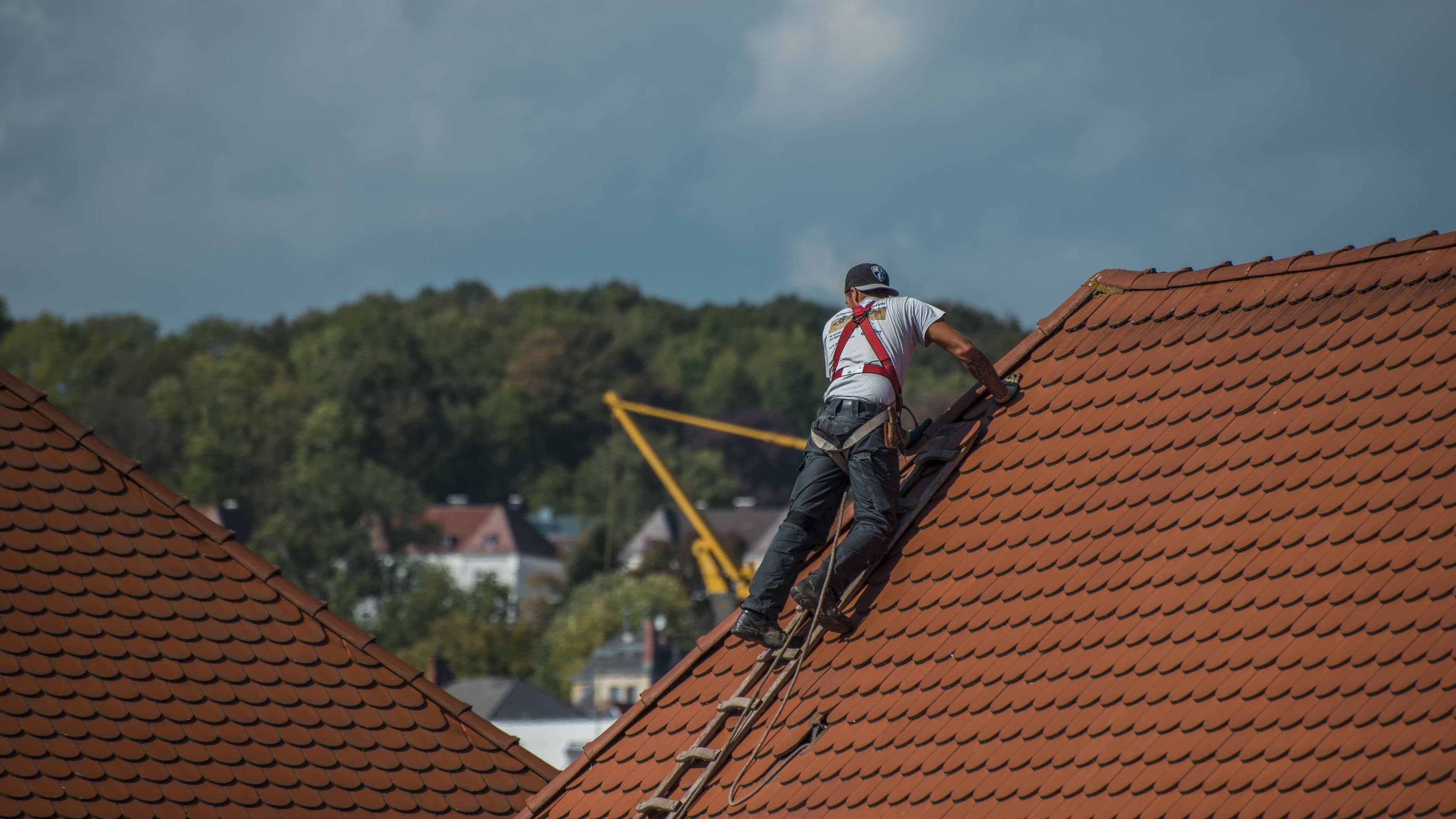
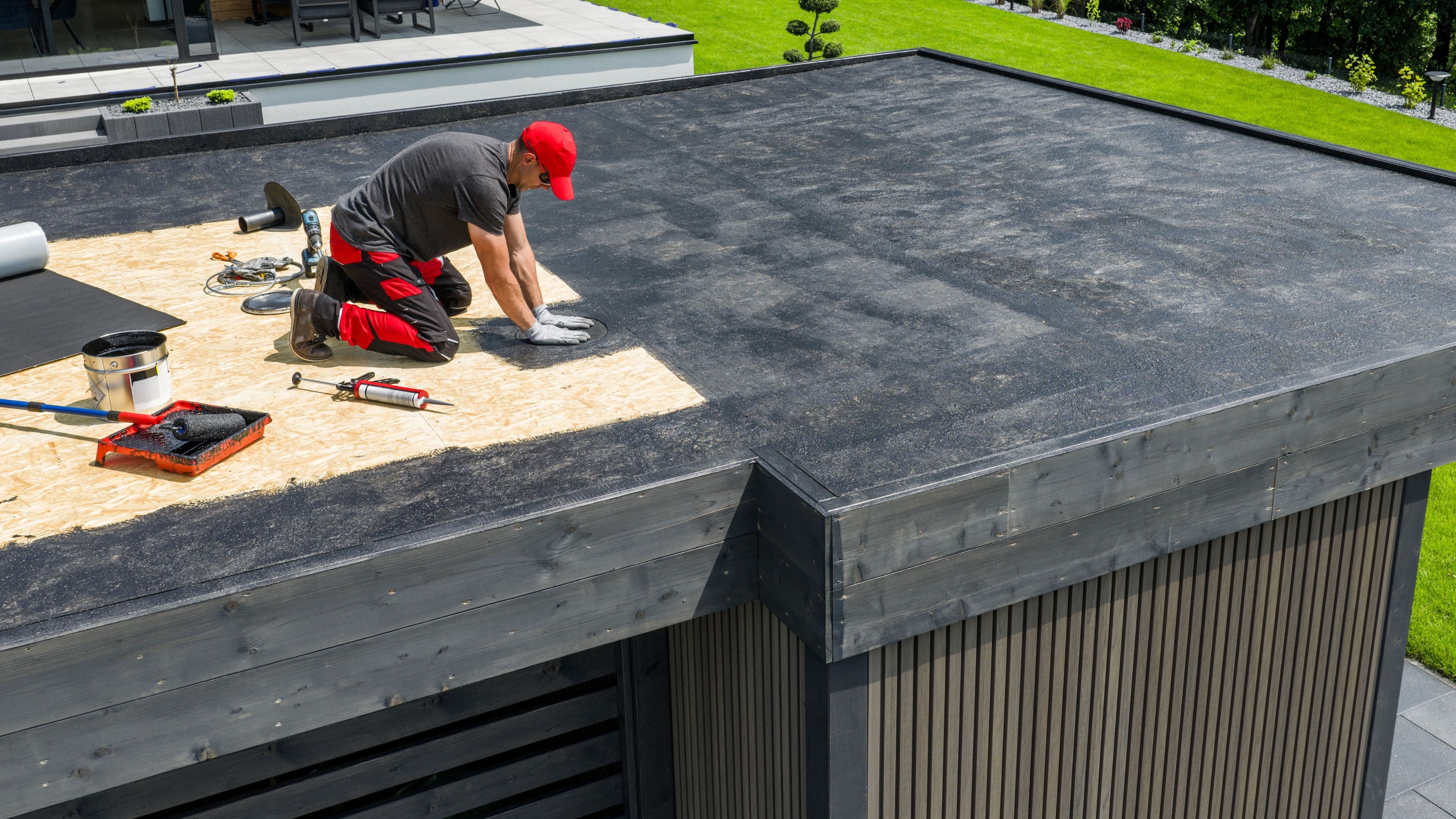
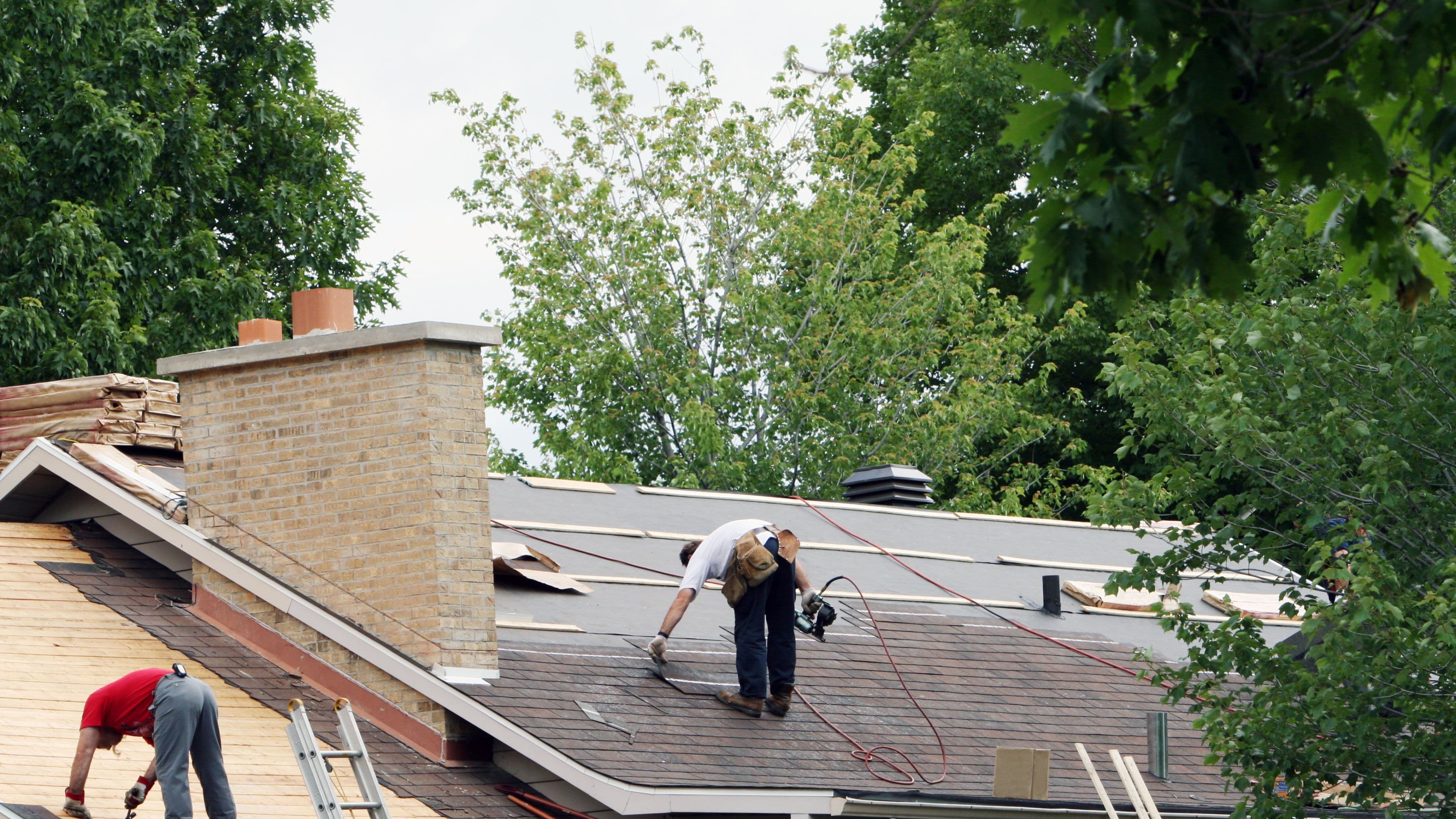
Replacing individual damaged shingles and resealing flashing around chimneys, vents, and skylights are tasks that a reasonably capable homeowner can handle with basic tools, provided they're comfortable and safe working at height. If you're not confident on a ladder or roof surface, this is a task worth hiring out rather than risking a fall.
Step 6: Schedule Professional Inspections Periodically
Even with diligent DIY maintenance, a professional roof inspection every few years catches issues that aren't visible from the ground or even from walking the roof surface yourself, including subtle flashing separation, early-stage deck rot, or granule loss patterns that indicate accelerated shingle aging. Many roofing companies offer inspection services at a modest cost, and catching an issue early through professional inspection is almost always cheaper than discovering it after it's caused interior damage.
Realistic Expectations
Good maintenance can meaningfully extend a roof's functional lifespan, often by several years beyond what neglect would produce, but it can't indefinitely postpone eventual replacement. A well-maintained asphalt shingle roof might reach the higher end of its rated lifespan or slightly beyond, while a neglected one can fail well before that point. Maintenance is about maximizing the value of your existing roof investment, not achieving an unlimited lifespan.
Budget realistically for time as well as money. Gutter cleaning and debris removal take a few hours a couple times a year. Minor repairs might take an afternoon. None of this is a massive time investment relative to the cost savings of avoiding premature replacement.
Common Mistakes
A common mistake is pressure washing a roof surface directly, which strips protective granules and can shorten shingle life rather than extending it. Another is ignoring small leaks because they seem minor, when small leaks are exactly the kind of issue that compounds into major structural damage if left unaddressed. Skipping attic ventilation checks is another frequent oversight, since ventilation problems aren't visible from the roof surface itself but significantly affect how fast a roof ages from underneath.
When to Call a Professional Instead of DIYing
Any work involving structural repair, extensive flashing replacement, or roof sections with a steep pitch beyond what you're comfortable navigating safely should go to a licensed roofing professional. Signs of sagging in the roofline, visible daylight through the roof deck from inside the attic, or widespread granule loss across large sections of the roof all indicate problems significant enough to warrant professional assessment rather than DIY intervention.
FAQ
How often should I inspect my roof myself? A visual inspection from the ground or via binoculars a few times a year, along with gutter cleaning in spring and fall, catches most issues early enough to address before they become serious.
Can I really extend my roof's life significantly through maintenance alone? Yes, meaningfully, though maintenance extends the useful life of an existing roof rather than making it last indefinitely. Neglected roofs commonly fail years earlier than well-maintained ones of the same age and material.
Is it worth hiring a professional inspection if I've been maintaining the roof myself? Yes. Professional inspections catch issues not visible from the ground or roof surface, like early deck rot or flashing separation, and periodic inspections are inexpensive relative to the cost of missed early-stage damage.
What to Avoid
Don't ignore small, visible damage hoping it will hold until your next scheduled maintenance check. Don't use aggressive pressure washing methods on shingle roofs. Don't skip attic ventilation checks just because they're less visible than surface-level roof issues. And don't attempt repairs on steep or unsafe roof sections without proper safety equipment or professional help.
📚 Sources
National Roofing Contractors Association, "Roof Maintenance Tips" – https://www.nrca.net/
U.S. Department of Energy, "Roofing" – https://www.energy.gov/energysaver/roofing