

Think of your appliances like your car. You wouldn't drive 50,000 miles without changing the oil, right? Yet somehow, we expect our hardworking household machines to run flawlessly for years without any care whatsoever. The good news is that most appliance maintenance is laughably simple—no technical expertise required, just a little awareness and a few minutes of your time. Let's dive into the tasks you're probably skipping and how to fix that before your next appliance gives up the ghost.
1. Cleaning Your Refrigerator Coils
When's the last time you looked at the back or bottom of your refrigerator? If you're drawing a blank, you're not alone—and your fridge is working overtime because of it. Those dusty coils hidden behind or beneath your refrigerator are responsible for releasing heat, and when they're clogged with dust, pet hair, and mysterious gunk, your fridge has to work 35% harder to maintain the same temperature. This doesn't just spike your electric bill; it puts enormous strain on the compressor, which is essentially the heart of your refrigerator.
Cleaning these coils is ridiculously easy. Unplug the fridge, locate the coils (usually behind a removable panel at the bottom front or exposed on the back), and use a coil brush or vacuum with a brush attachment to gently remove the buildup. The whole process takes maybe 15 minutes, and doing it twice a year can add 5-10 years to your refrigerator's life. Your energy bill will thank you too—a clean refrigerator uses significantly less electricity, putting actual dollars back in your pocket every month.
2. Replacing Your HVAC Filter Monthly
Here's a maintenance task so simple that skipping it feels almost criminal: changing your HVAC filter. Most people remember to do this maybe twice a year, if that, but your system's filter should actually be checked monthly and replaced every 1-3 months depending on use. A clogged filter forces your heating and cooling system to strain like someone trying to breathe through a pillow, which dramatically shortens its lifespan and can lead to a breakdown that costs thousands to repair.
Walk to your thermostat right now and mark "filter check" on your calendar for the same day every month. When you check it, hold the filter up to a light—if you can't see through it clearly, it's time for a replacement. These filters cost anywhere from $5 to $20, and swapping one out takes literally two minutes. Compare that to replacing an entire HVAC system at $5,000-$10,000, and suddenly that monthly calendar reminder seems pretty valuable.
3. Flushing Your Water Heater Annually
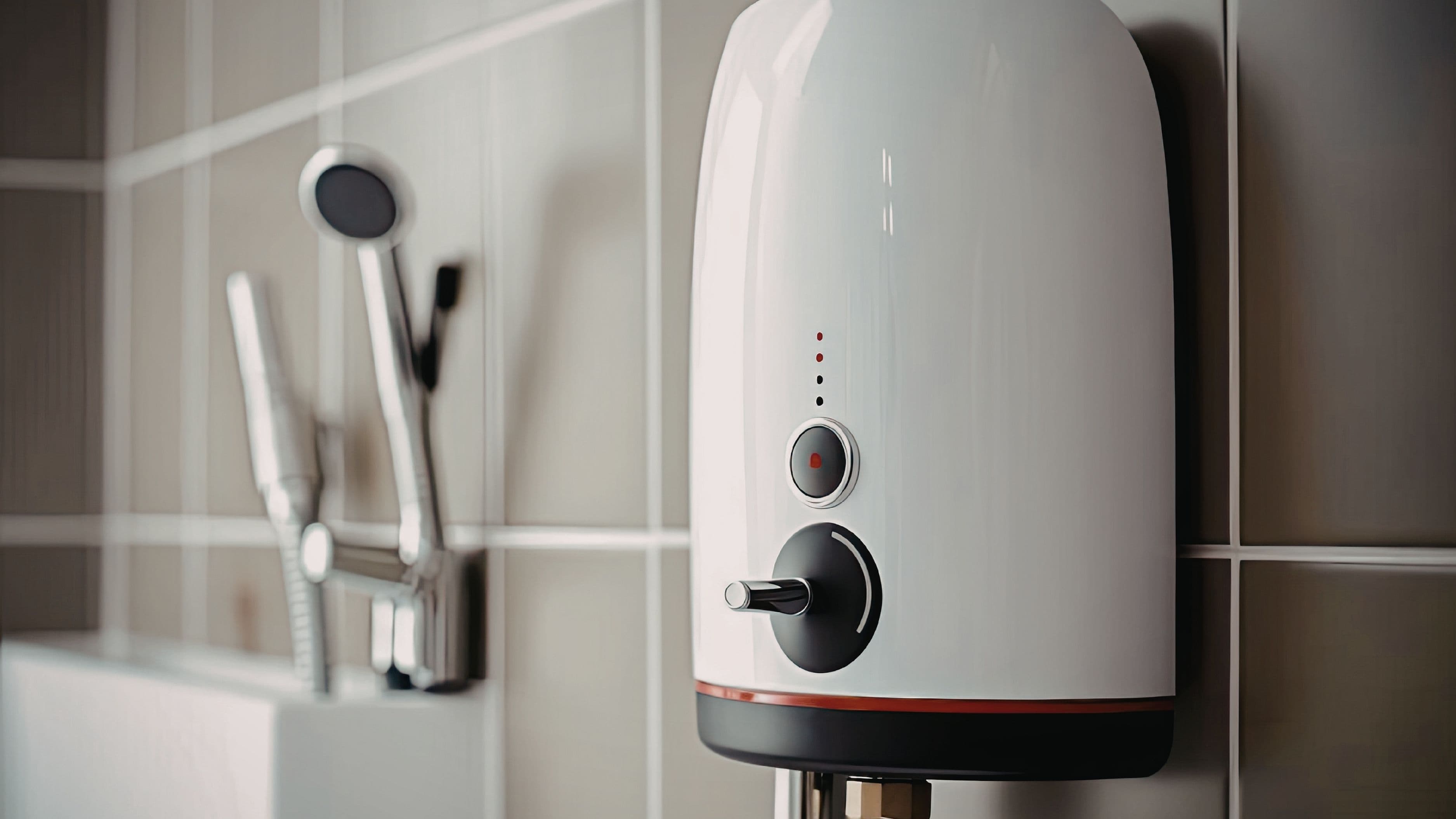
Your water heater is probably the most ignored appliance in your home, quietly doing its job in the basement or garage until the day you wake up to an ice-cold shower. Inside that tank, sediment from your water supply settles at the bottom every single day—minerals like calcium and magnesium that create a crusty layer insulating the heating element from the water. This makes your heater work harder and less efficiently, eventually leading to complete failure or even tank rupture.
Flushing your water heater once a year clears out this sediment and takes about 20 minutes. Turn off the power or gas, connect a garden hose to the drain valve at the bottom of the tank, and let several gallons drain into a bucket or outside until the water runs clear. This simple task can extend your water heater's life from 8-10 years to 15-20 years. That's potentially an extra decade of hot showers from one afternoon of maintenance.
4. Cleaning Your Dishwasher Filter
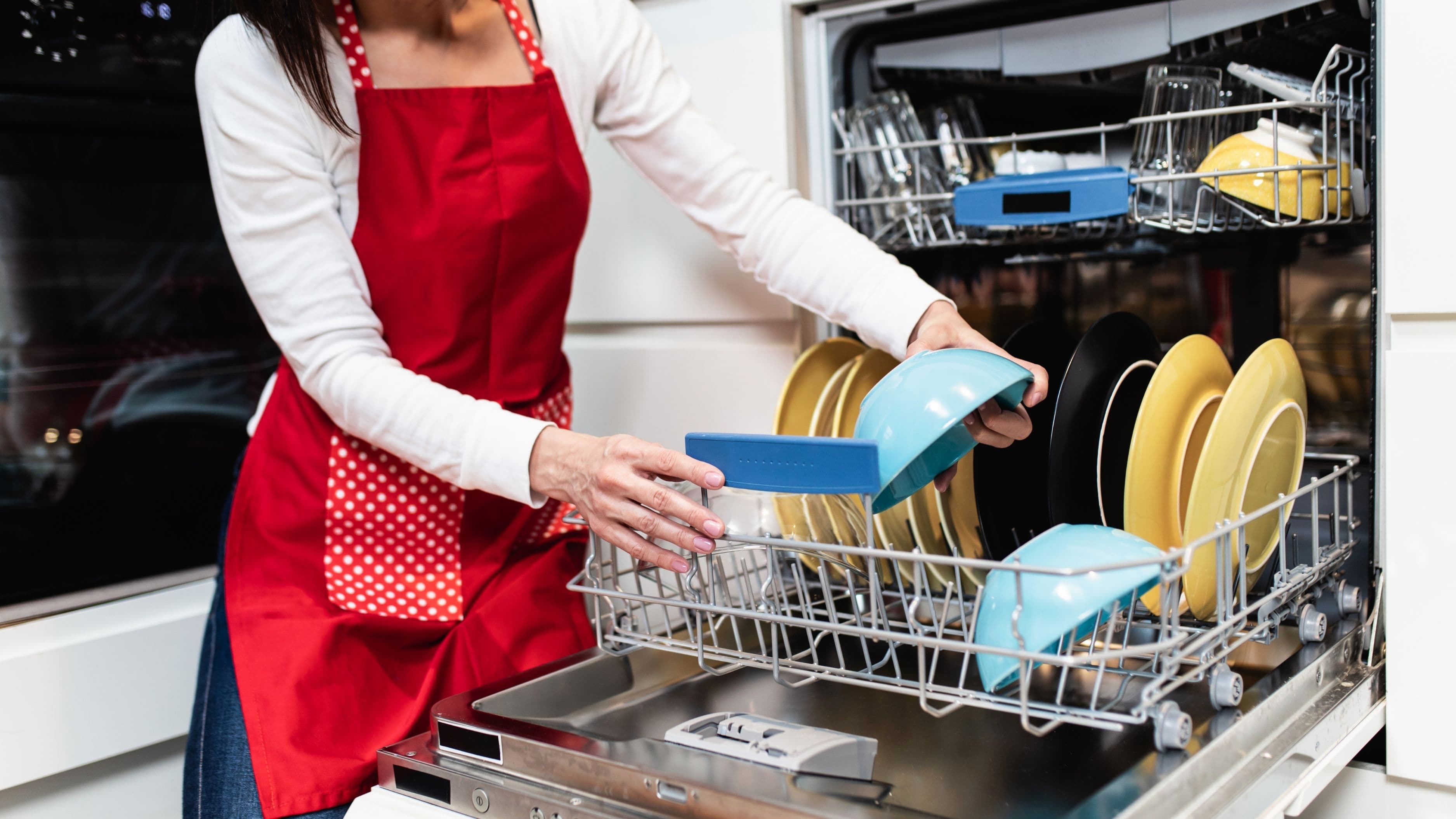
Plot twist: your dishwasher needs cleaning too. Most people don't even know their dishwasher has a filter, let alone that it needs regular cleaning. This filter catches food particles so they don't recirculate onto your "clean" dishes, but when it's clogged, your dishwasher can't drain properly, starts smelling like a swamp, and eventually burns out the drain pump trying to push water through a blockage.
The filter is usually located at the bottom of your dishwasher, and removing it is as simple as twisting and pulling (check your manual for exact instructions). Rinse it under hot water, use a soft brush to remove any stubborn gunk, and pop it back in. Do this monthly, and you'll notice your dishes actually come out clean, your dishwasher stops smelling funky, and the machine runs more quietly. It's shocking how much difference this tiny task makes.
5. Cleaning Your Dryer Vent
Everyone knows to clean the lint trap after each load, but here's what most people miss: that lint trap only catches about 60% of the lint your dryer produces. The rest travels through the exhaust vent, slowly building up until your dryer vent looks like a felt factory exploded inside it. This doesn't just make your dryer inefficient—it's a legitimate fire hazard responsible for nearly 17,000 home fires each year according to the U.S. Fire Administration.
At least once a year, disconnect your dryer, pull it away from the wall, and detach the vent hose from both the dryer and the wall outlet. Use a dryer vent brush (about $15 at any hardware store) or a leaf blower to clear out all the accumulated lint. While you're at it, clean the vent hood outside your house too. Your clothes will dry faster, your energy bill will drop, and you'll significantly reduce your risk of a house fire. That's what we call a maintenance win-win-win.
6. Descaling Your Coffee Maker
If your morning coffee tastes increasingly bitter or your machine takes forever to brew, mineral buildup is probably the culprit. Tap water contains minerals that accumulate inside your coffee maker's internal components, clogging the tubes and heating elements. Over time, this buildup doesn't just affect taste—it can completely kill your machine and leave you facing a sad, coffee-less morning.
Descaling is incredibly simple: run equal parts white vinegar and water through a brewing cycle, let it sit for 30 minutes, then run 2-3 cycles of plain water to rinse. Do this monthly if you have hard water, or every three months for softer water. Your coffee will taste noticeably better, your machine will heat faster, and you'll avoid the premature death of your beloved caffeine dispenser. Some folks swear their coffee maker lasted 10+ years with regular descaling, compared to the typical 3-5 year lifespan of neglected machines.
7. Cleaning Your Washing Machine Gasket and Dispenser
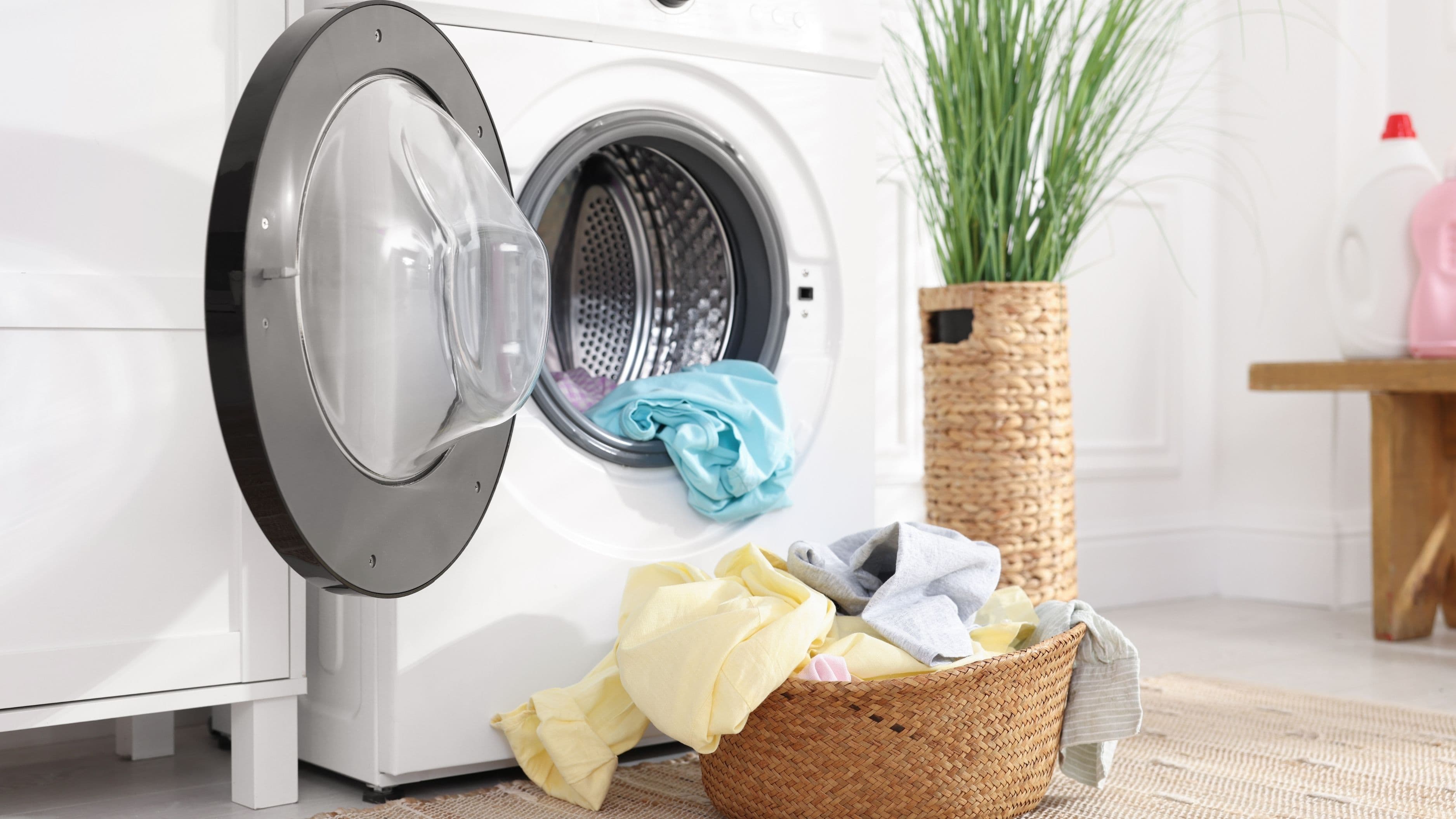
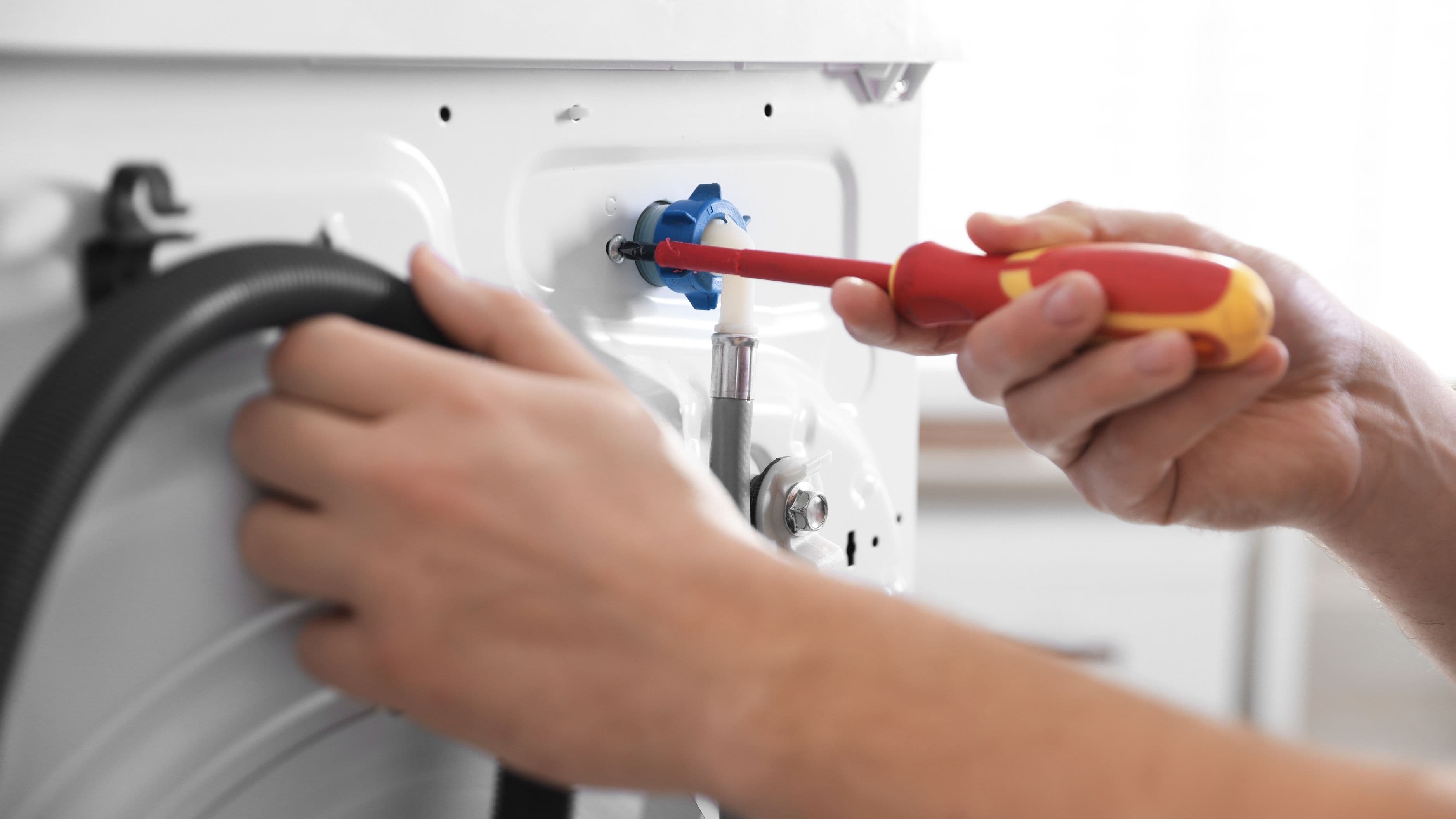
Your washing machine cleans your clothes, but what cleans your washing machine? The answer should be you, but most people never think about it. Front-loading washers especially develop disgusting mold and mildew in the rubber gasket around the door, while detergent and fabric softener dispensers become gunky science experiments. This isn't just gross—it can transfer odors and residue back onto your "clean" clothes and eventually damage the machine's components.
After each wash, wipe down the rubber gasket with a clean cloth and leave the door open for a few hours to let everything dry out. Once a month, pull out the detergent dispenser drawer (most are removable) and scrub it thoroughly with hot, soapy water. Run an empty hot water cycle with two cups of white vinegar every month to clean the drum and internal components. These habits prevent mold, eliminate that musty smell many washers develop, and keep all the parts functioning smoothly for years longer than they would otherwise.
8. Checking and Cleaning Garbage Disposal Blades
Your garbage disposal takes a daily beating, grinding up food scraps while you barely give it a second thought. Over time, food residue builds up on the blades and inside the chamber, creating odors and making the disposal work less efficiently. Eventually, this buildup can cause jams, leaks, or motor failure that requires expensive repairs or full replacement.
Here's an easy refresh routine: once a week, grind ice cubes with a handful of coarse salt to scour the blades, followed by citrus peels to freshen things up. Monthly, freeze vinegar in ice cube trays and grind those to clean and deodorize more thoroughly. Never pour grease down your disposal, and always run cold water before, during, and for 15 seconds after using it. These simple habits keep your disposal grinding efficiently and smelling fresh, potentially adding years to its functional life.
9. Vacuuming Under and Behind Large Appliances
When was the last time you moved your refrigerator, stove, or washing machine? The dust bunnies behind these appliances aren't just unsightly—they're actively sabotaging your machines. Dust and debris can clog ventilation systems, cause overheating, and even create fire hazards when they accumulate near heating elements or electrical components.
Twice a year, enlist a helper to carefully pull out your large appliances and vacuum thoroughly underneath and behind them. While you're back there, check for any signs of leaks, frayed cords, or other issues you'd never spot otherwise. This is also a perfect time to clean those refrigerator coils we mentioned earlier. Yes, moving a refrigerator is annoying, but finding a small leak before it becomes a major flood or catching a fire hazard before it becomes an actual fire is worth the effort.
10. Testing Your Appliance Door Seals
Every appliance with a door—your refrigerator, freezer, oven, dishwasher, washing machine—relies on a rubber seal to keep the cold in, the heat in, or the water in. Over time, these seals dry out, crack, or simply lose their grip, making your appliances work harder and waste energy. A compromised refrigerator seal alone can increase your energy consumption by 25%, while a faulty oven seal makes cooking times unpredictable and wastes heat.
Test your seals twice a year using the dollar bill trick: close a dollar bill in the door and try to pull it out. If it slides out easily, the seal needs replacing. For refrigerators and freezers, also check for condensation or frost buildup, which indicates seal problems. Replacing a door seal is usually a simple DIY task costing $50-100, compared to the ongoing energy waste or eventual appliance failure from ignoring the problem. Clean your seals monthly with warm, soapy water to keep the rubber supple and extend their life.
The Bigger Picture
Appliance maintenance isn't glamorous, and nobody's posting Instagram stories about cleaning their dryer vent. But here's what makes it worthwhile: every task on this list represents real money staying in your pocket, whether through lower energy bills, delayed replacements, or avoided repair costs. According to the National Association of Home Builders, regular maintenance can extend appliance life by 50% or more—that's the difference between replacing your refrigerator in 10 years versus 20.
More importantly, there's something deeply satisfying about taking control of your home's systems rather than waiting for things to break. You're not just extending the life of your appliances; you're building competence, saving money, and creating a home that runs more smoothly. These aren't chores—they're investments in your quality of life that pay dividends every single day.
So here's your homework: pick three tasks from this list and schedule them in your calendar right now. Not someday, not when you remember—right now. Your future self, standing in front of a perfectly functioning 15-year-old refrigerator, will definitely thank you. What's the first maintenance task you've been putting off that you'll tackle this weekend?
📚 Sources
1. U.S. Fire Administration. (2020). Clothes Dryer Fires in Residential Buildings (2016-2018). Federal Emergency Management Agency.
2. National Association of Home Builders. (2021). Study of Life Expectancy of Home Components. NAHB Research Center.
3. U.S. Department of Energy. (2023). Energy Saver Guide: Home Appliances. Office of Energy Efficiency & Renewable Energy.