
Shingles That Are Curling, Cracking, or Missing
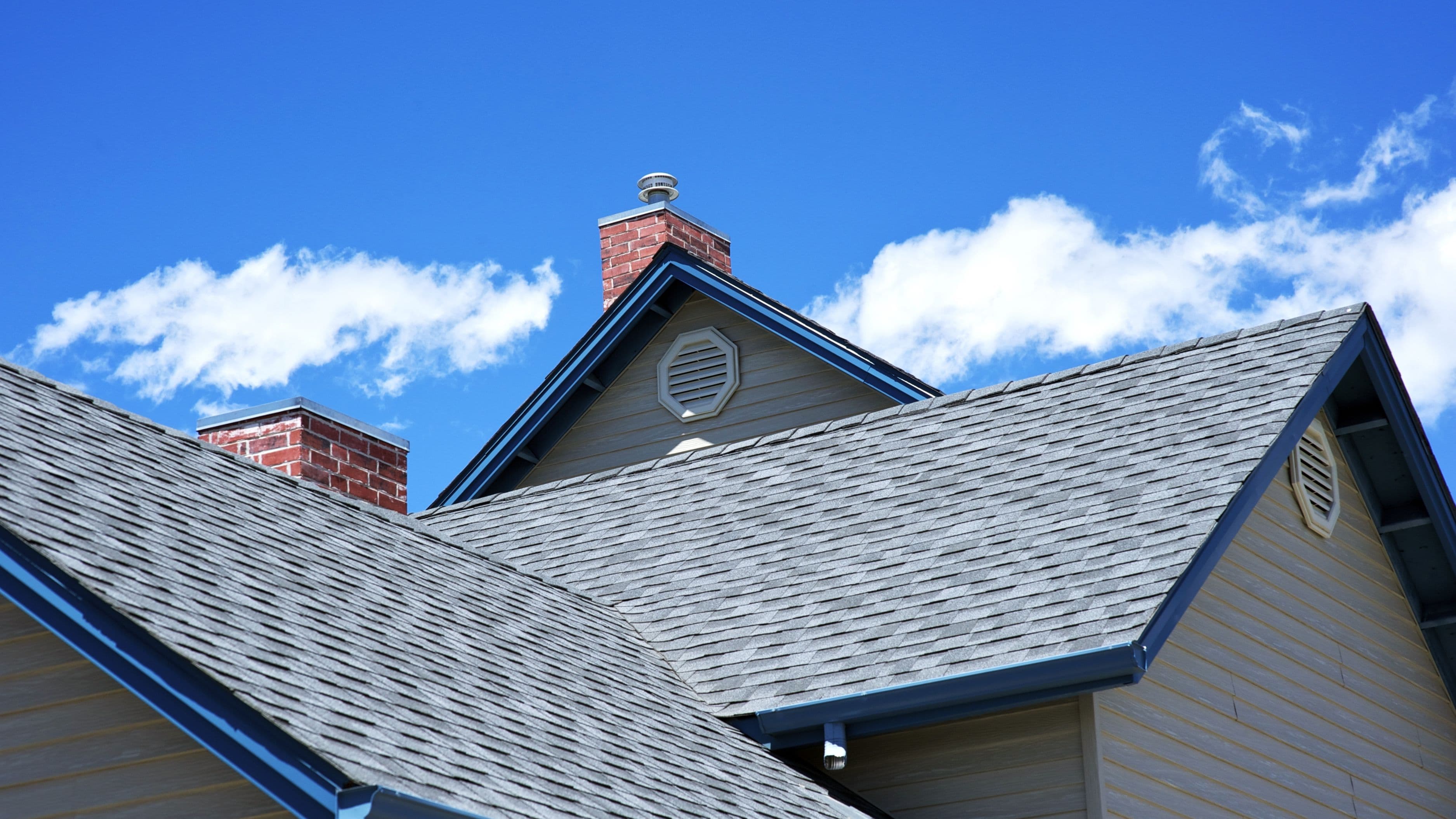
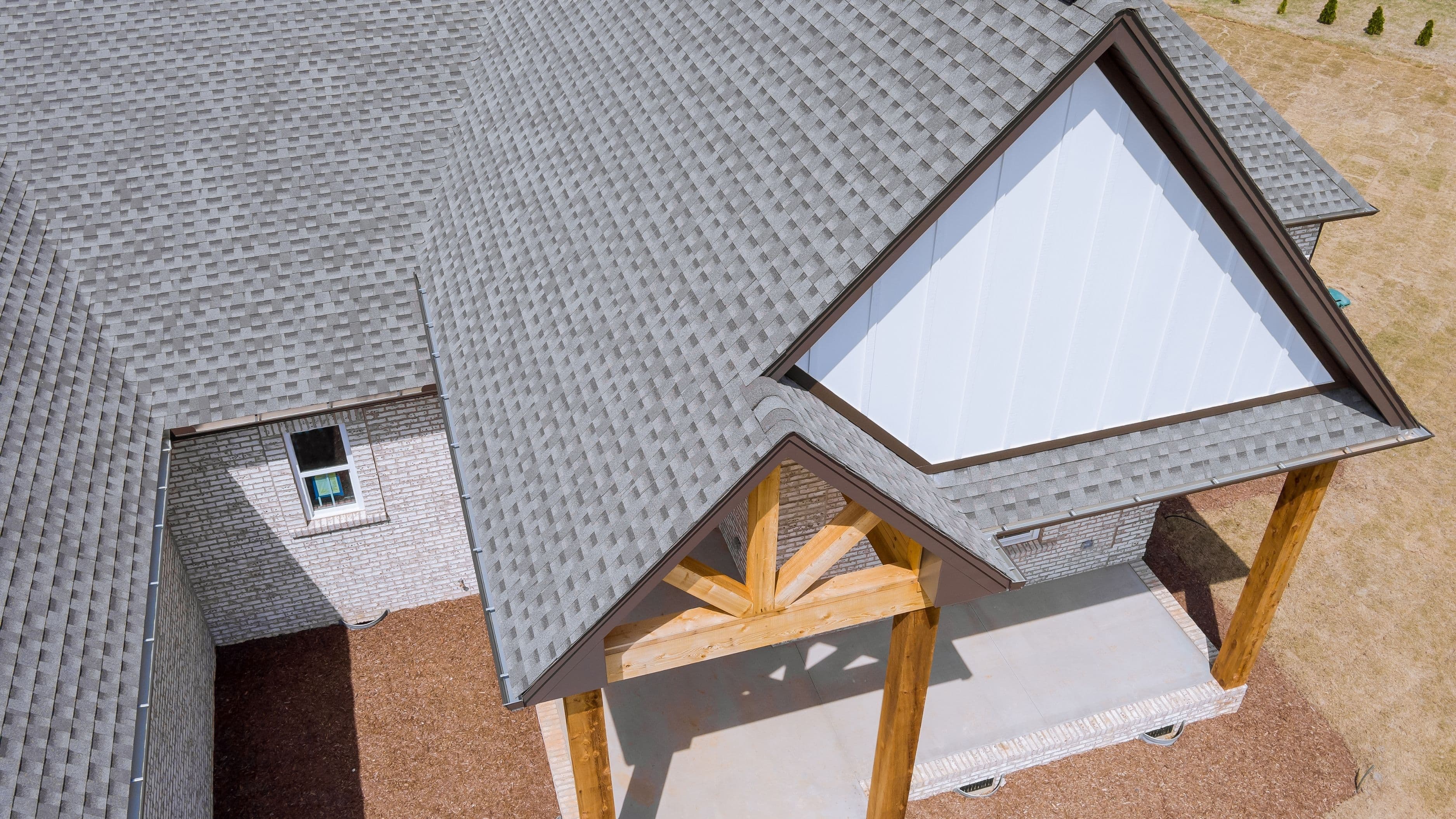
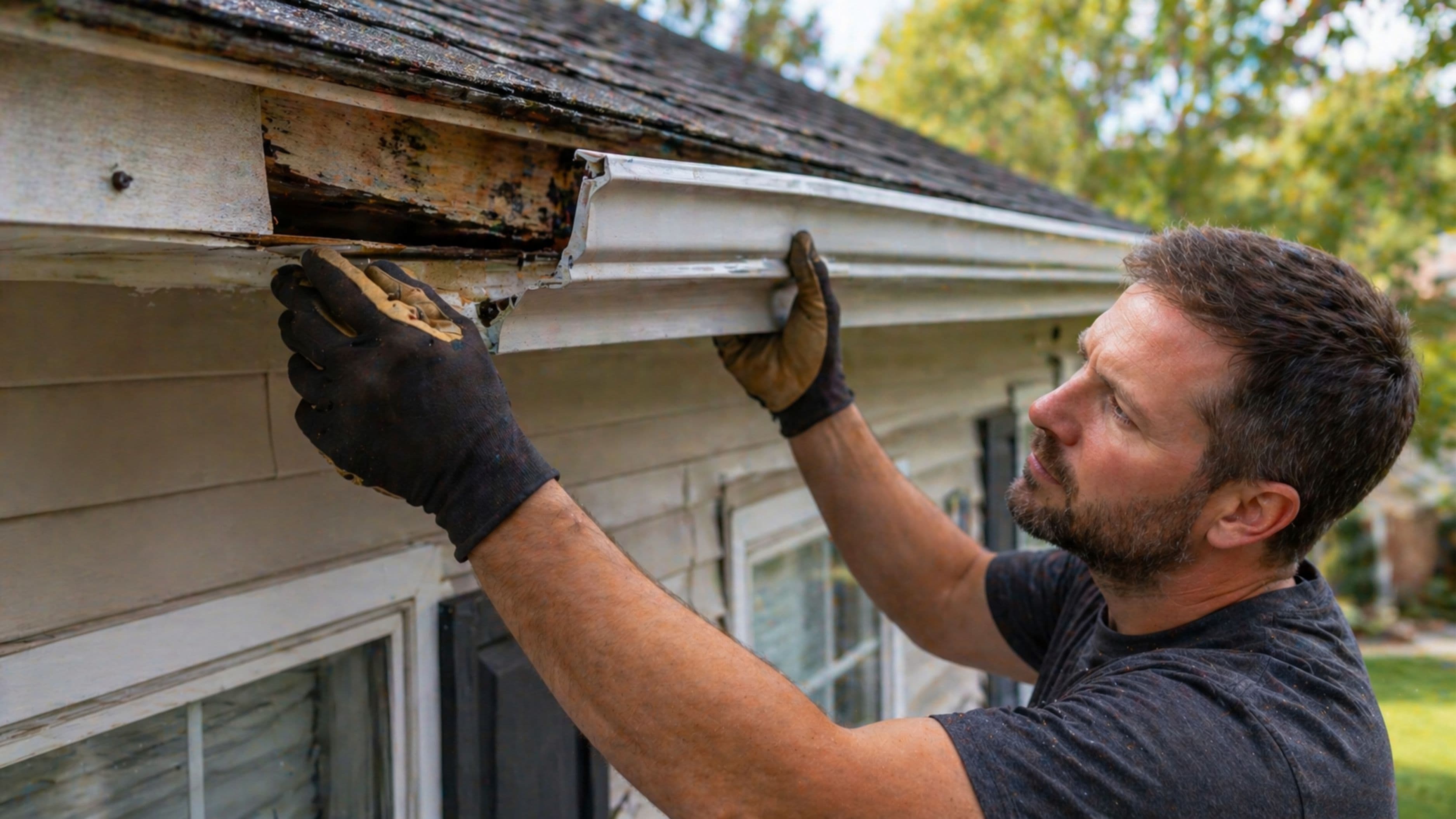
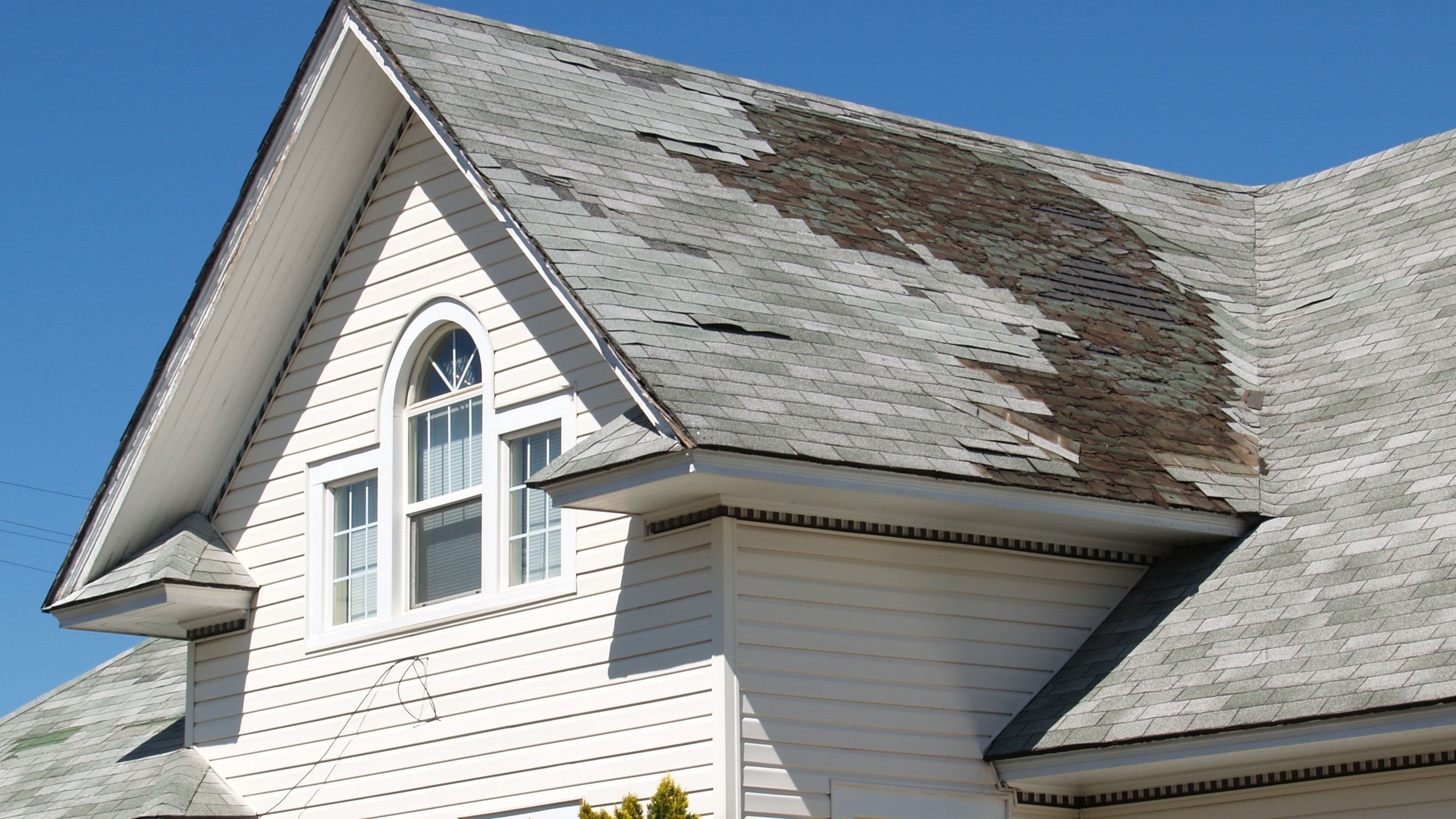
Healthy shingles lie flat against the roof surface. When they start curling at the edges, cracking across their surface, or going missing entirely after a storm, that's a sign the shingle material has aged past its protective lifespan or sustained wind damage. A few isolated missing shingles are a straightforward, inexpensive repair. Widespread curling or cracking across large sections of the roof usually signals the whole roofing system is approaching the end of its usable life.
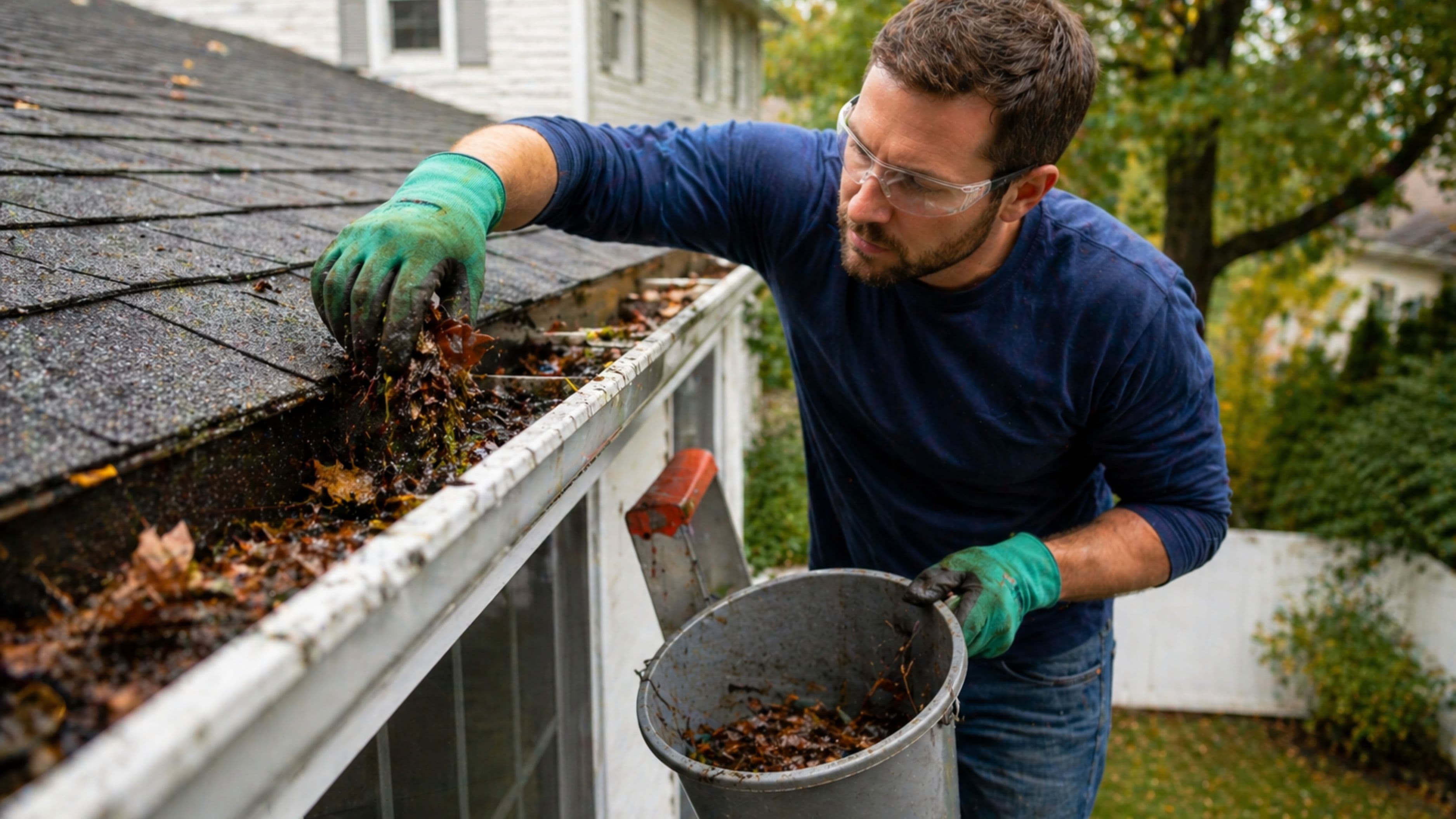
Granules Collecting in Your Gutters
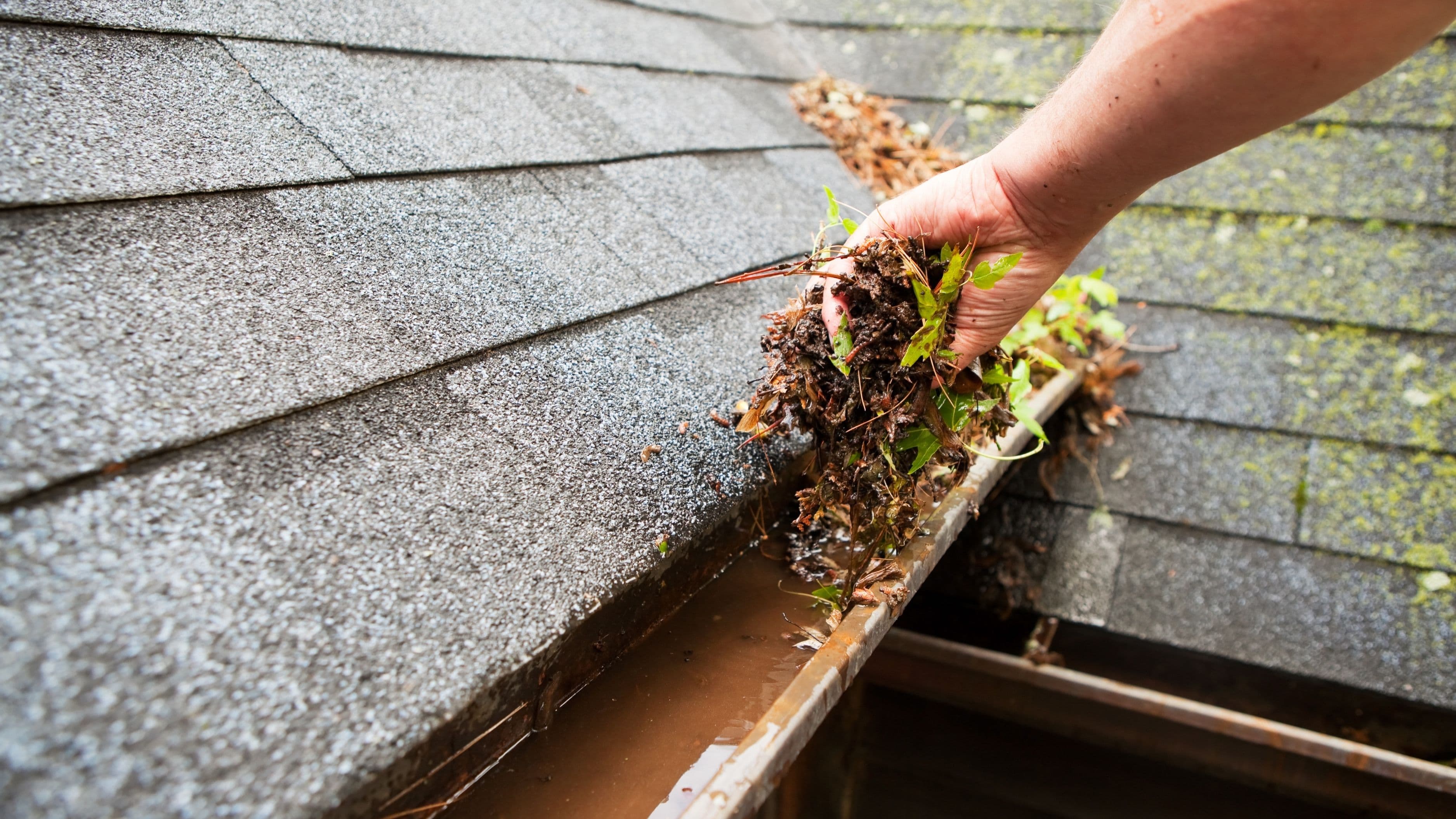
Asphalt shingles are coated with protective granules that shed gradually over time, but a sudden increase in granule buildup in your gutters, especially after a storm, indicates accelerated wear. Check your gutters after a heavy rain; if you're finding what looks like coarse sand accumulating, your shingles are losing their protective layer faster than normal aging would explain.
Daylight Visible Through the Attic Roof Boards
If you can get into your attic during daylight hours, look up at the roof decking. Any visible pinpricks of light coming through indicate gaps or damage in the roof structure that will eventually let water through as well, even if no leak has occurred yet. This is one of the most reliable early indicators precisely because it catches structural gaps before they become active leaks.
Sagging Rooflines
Stand back from your house and look at the roofline from a distance. A roof should present a straight, even line along its ridge and edges. Any visible sagging or dipping, even subtle, often indicates structural damage to the decking or supports underneath, frequently caused by prolonged moisture exposure that has weakened the wood. This is one of the more serious warning signs and typically requires professional assessment sooner rather than later.
Water Stains on Interior Ceilings or Walls
Brown or yellow staining on ceilings, particularly near the top floor of a home, is often the first interior sign homeowners notice, but by this point the roof has usually already been compromised for a while. The absence of a visible active leak doesn't mean the underlying issue has resolved, moisture can travel along framing before dripping becomes visible, meaning the actual damaged area may be some distance from where the stain appears.
Moss or Algae Growth on the Roof Surface
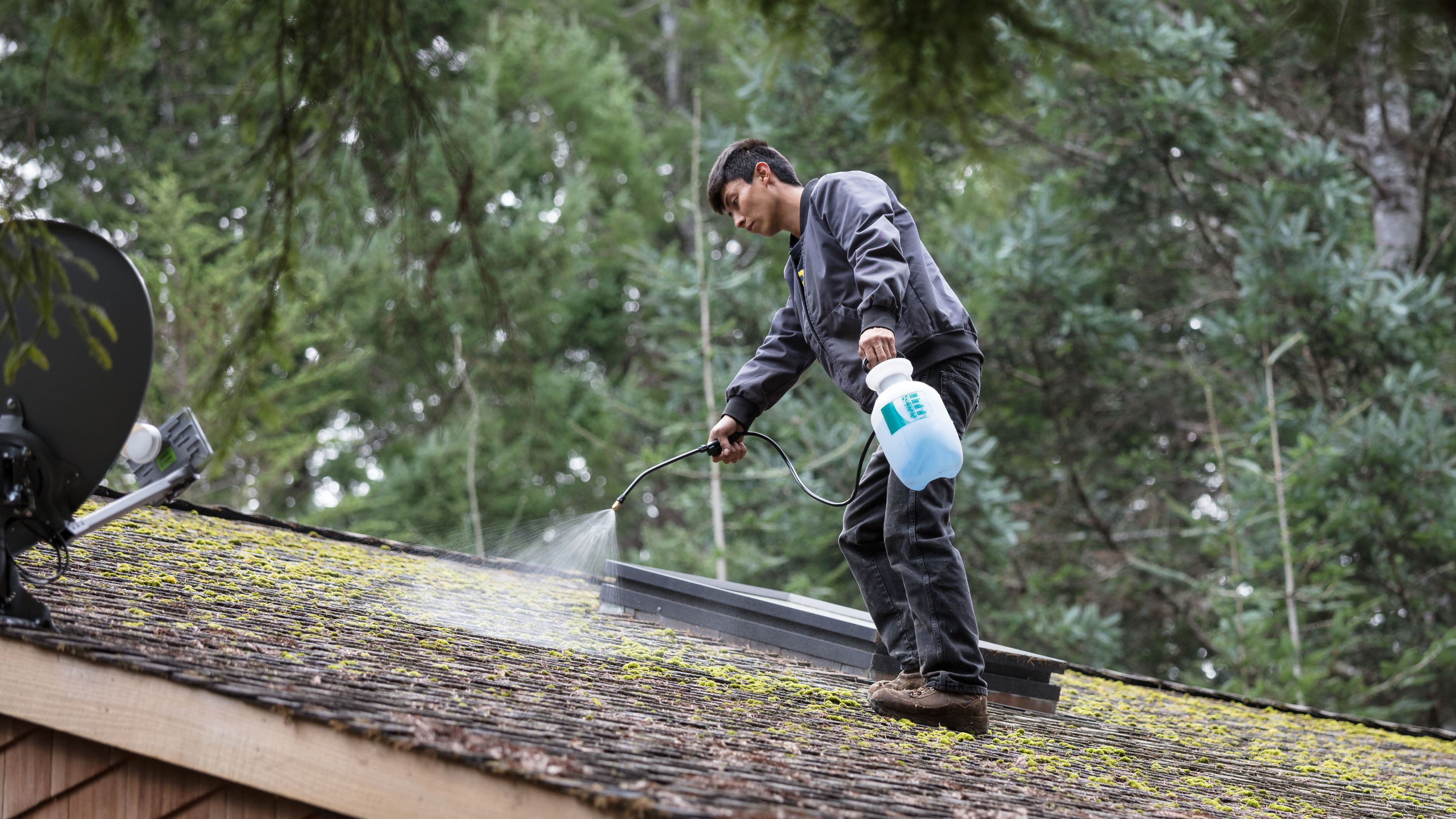
A little algae staining, often appearing as dark streaks, is common and mostly cosmetic. Thick moss growth, however, retains moisture against the shingle surface for extended periods, gradually degrading the material underneath and lifting shingle edges as it grows. Moss-covered roofs, particularly in shaded, damp climates, warrant closer inspection even without other visible damage.
Higher Than Normal Energy Bills
A failing roof often loses its ability to properly insulate and ventilate a home, which shows up as an unexplained increase in heating or cooling costs before any visible damage appears. This sign is easy to miss because it doesn't look like a roofing issue at all, but a compromised roof surface and deteriorating ventilation are common, overlooked contributors to rising energy costs.
Roof Age Approaching or Exceeding Its Expected Lifespan
Most asphalt shingle roofs are designed to last between 20 and 25 years, depending on material quality and climate exposure. If you know your roof's approximate installation date and it's approaching or past that range, it's worth a more thorough inspection even without obvious visible damage, since materials degrade gradually and don't always show clear external signs until failure is already underway.
Realistic Expectations
Catching these signs early typically means a repair costing a few hundred to a couple thousand dollars, depending on the extent of the issue. Waiting until interior leaks or sagging appear often escalates the cost significantly, sometimes into full roof replacement territory, since water damage tends to spread to decking, insulation, and interior structures the longer it goes unaddressed.
What to Avoid
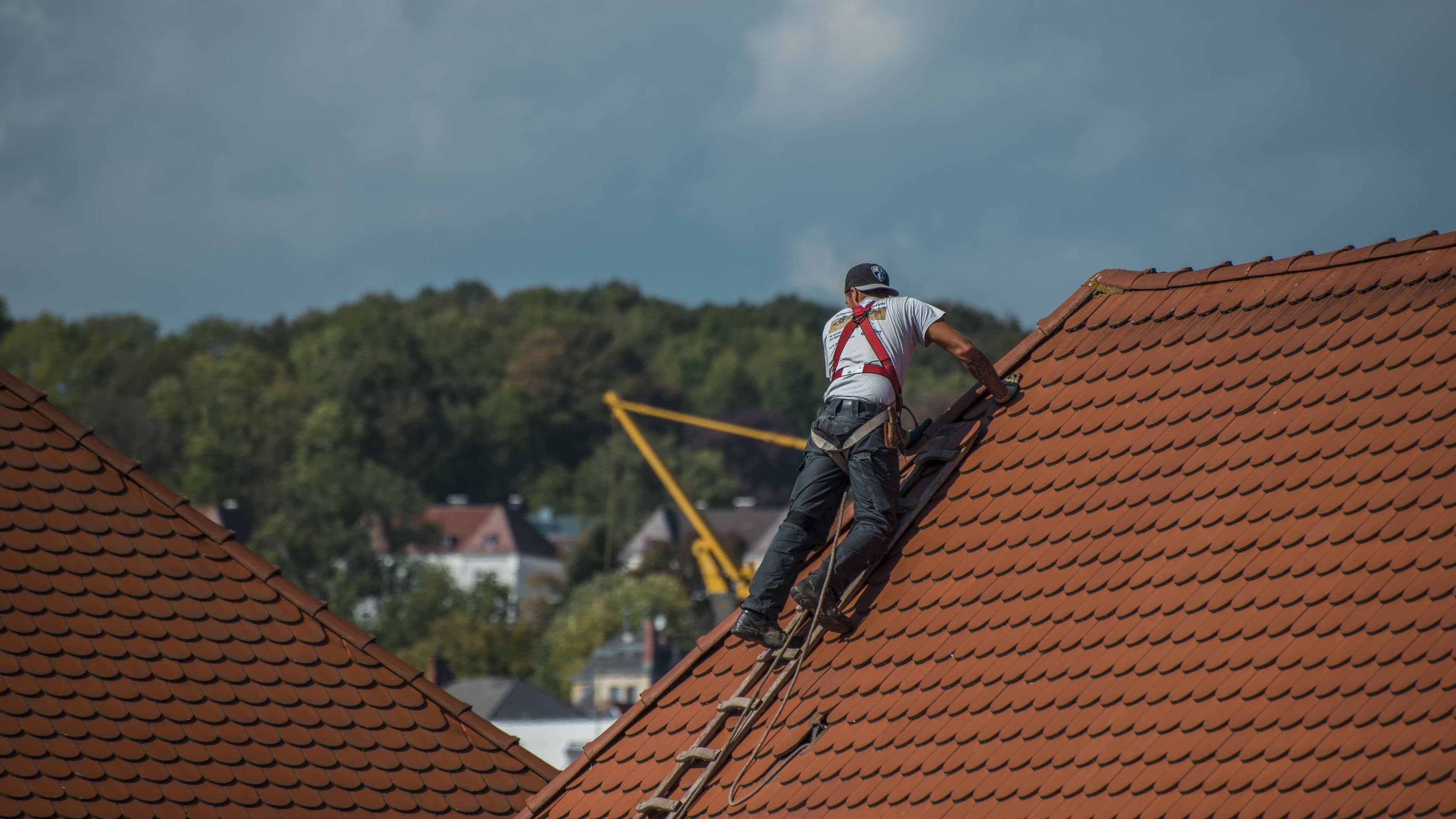
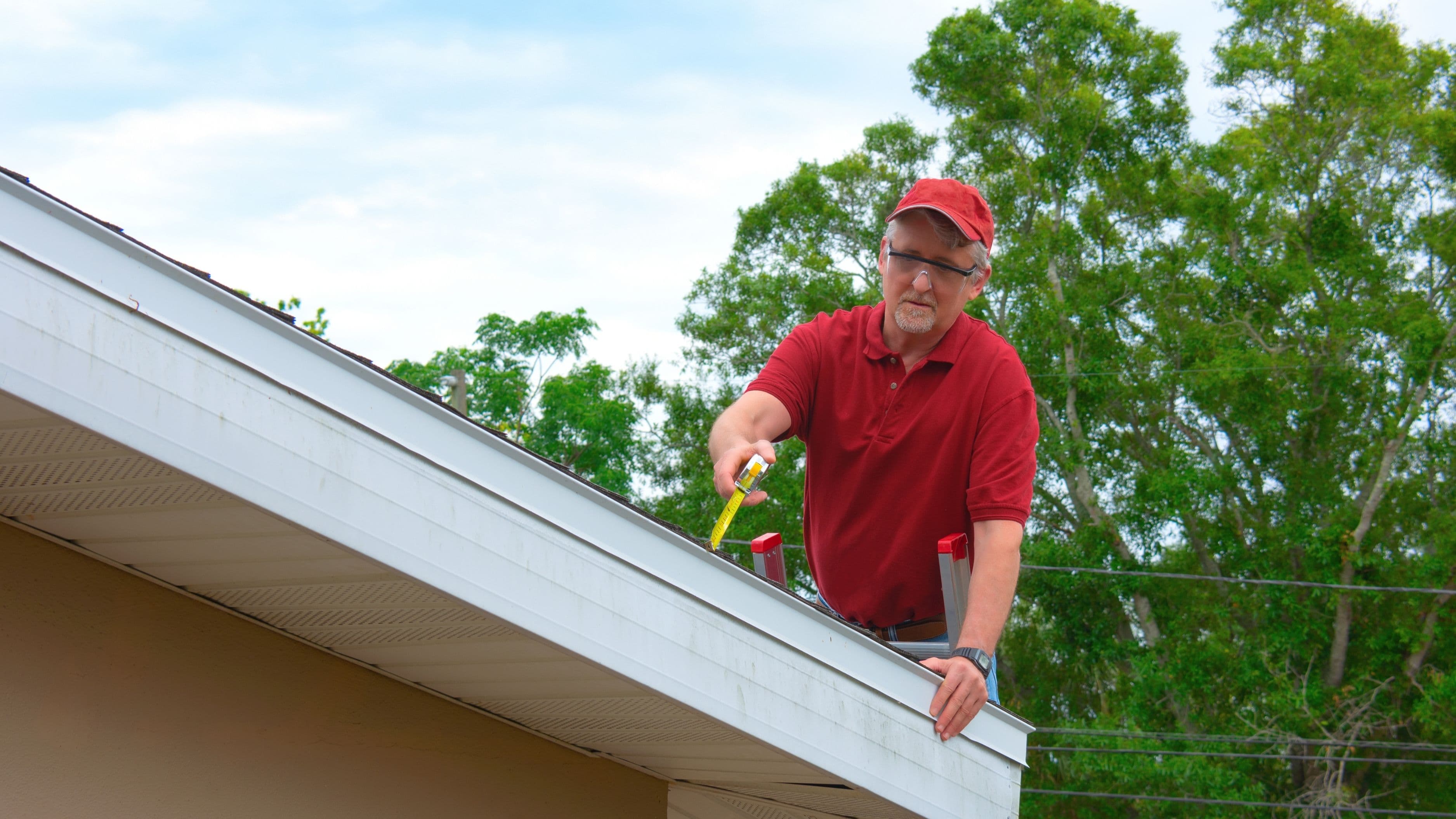
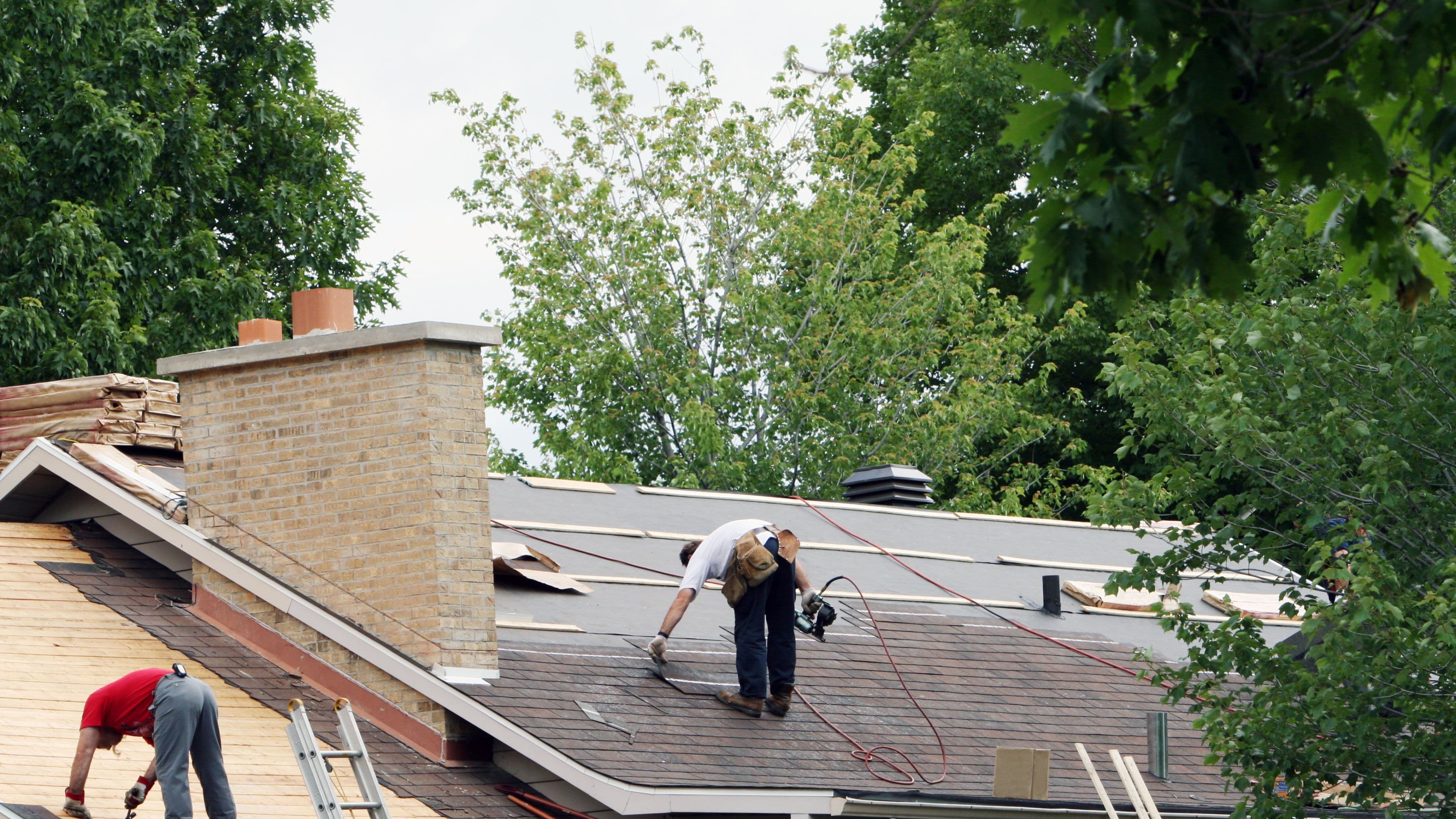
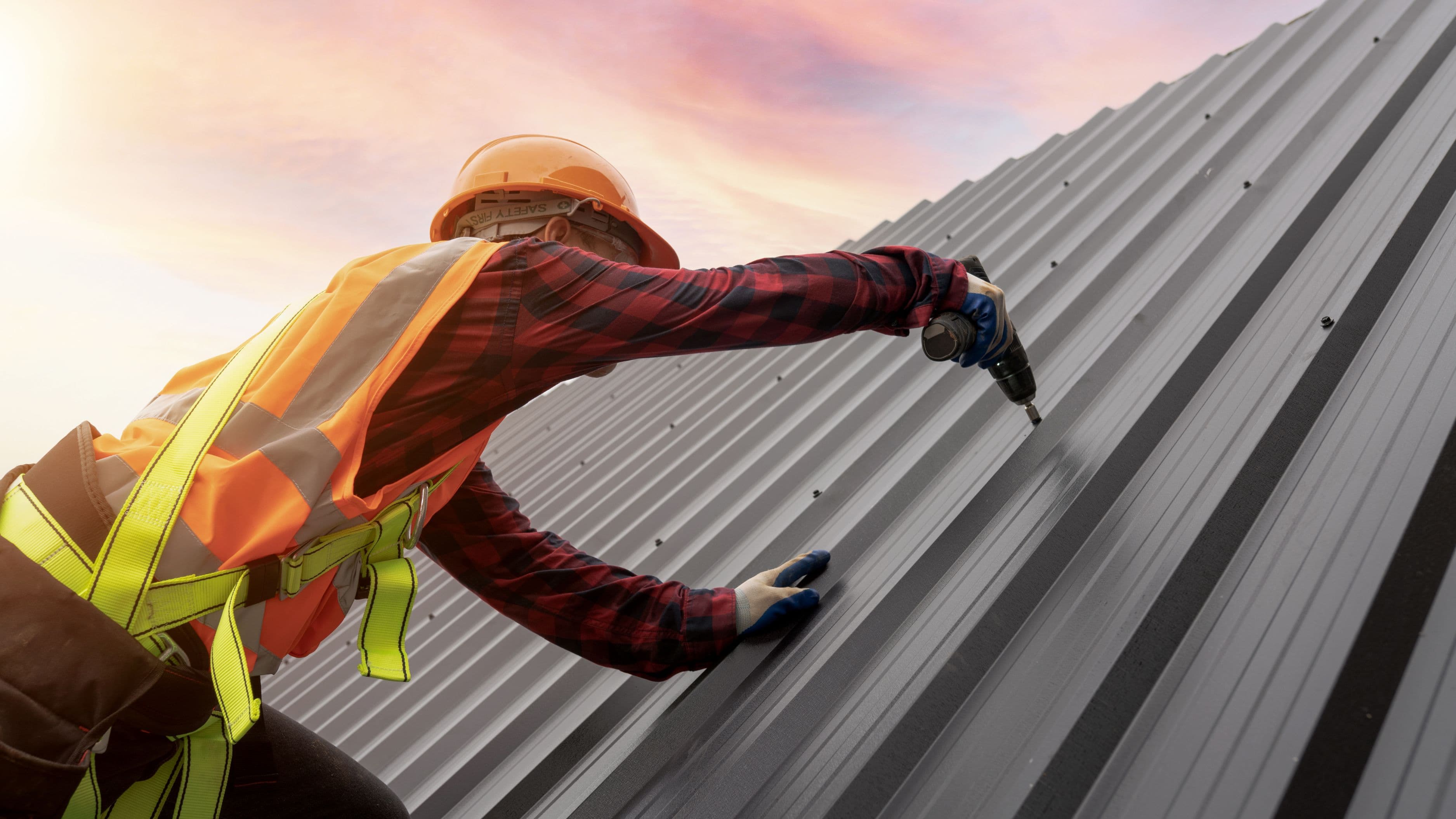
Avoid climbing onto your roof yourself for a close inspection unless you have proper safety equipment and experience, since roof surfaces can be more slippery and unstable than they appear from the ground. Avoid ignoring minor signs like a few curling shingles simply because there's no active leak yet, since these early indicators are exactly the point at which repair is cheapest and most effective. And avoid assuming a roof is fine just because it's not visibly leaking, since several of the signs above develop well before water actually enters your home.
FAQ
How often should I inspect my roof for these signs? A visual check from the ground and a quick attic look twice a year, typically in spring and fall, catches most developing issues before they become urgent.
Can I fix a sagging roofline myself? No, a sagging roofline usually indicates a structural issue that requires professional assessment, since it often involves compromised decking or support framing beneath the visible roof surface.
Is moss growth always a sign of roof damage? Not always, light surface staining is often cosmetic, but thick, established moss growth retains moisture and should be addressed before it causes shingle damage underneath.
Outro
Most roof failures don't happen suddenly, they build slowly through signs that are easy to miss if you're not looking for them. A quick seasonal check for these indicators can catch problems while they're still an affordable fix rather than a costly emergency.
📚 Sources
"Roof Inspection Checklist for Homeowners" – This Old House, thisoldhouse.com
"Asphalt Shingle Lifespan and Maintenance" – National Roofing Contractors Association, nrca.net
"Signs of Roof Damage After a Storm" – State Farm, statefarm.com