


1. A Cordless Drill/Driver Combo
This is genuinely the single most useful tool you can own as a homeowner, and it's the one you'll reach for constantly – hanging pictures, assembling furniture, tightening loose cabinet hardware, and countless other small jobs. Look for an 18V or 20V model from a reputable brand with at least two batteries included, since running out of charge mid-project is a common frustration with single-battery kits.
Expect to spend somewhere between $80 and $150 for a solid combo kit that includes both a drill and driver bits. This is difficulty level: easy, and it's genuinely hard to go wrong here as long as you avoid the very cheapest bargain-bin options, which tend to have weak batteries and underpowered motors.
2. A Stud Finder
Before you drill into any wall to hang something heavy – a TV mount, a shelf, a mirror – you need to know where the studs actually are, since drywall alone can't support significant weight. A basic electronic stud finder costs $15 to $30 and takes the guesswork out of what would otherwise be a frustrating trial-and-error process involving unnecessary holes in your wall.
This is difficulty level: easy, and it's one of those tools that feels unnecessary until the first time you actually need it, at which point it becomes indispensable.
3. A Set of Screwdrivers (Or a Multi-Bit Driver)
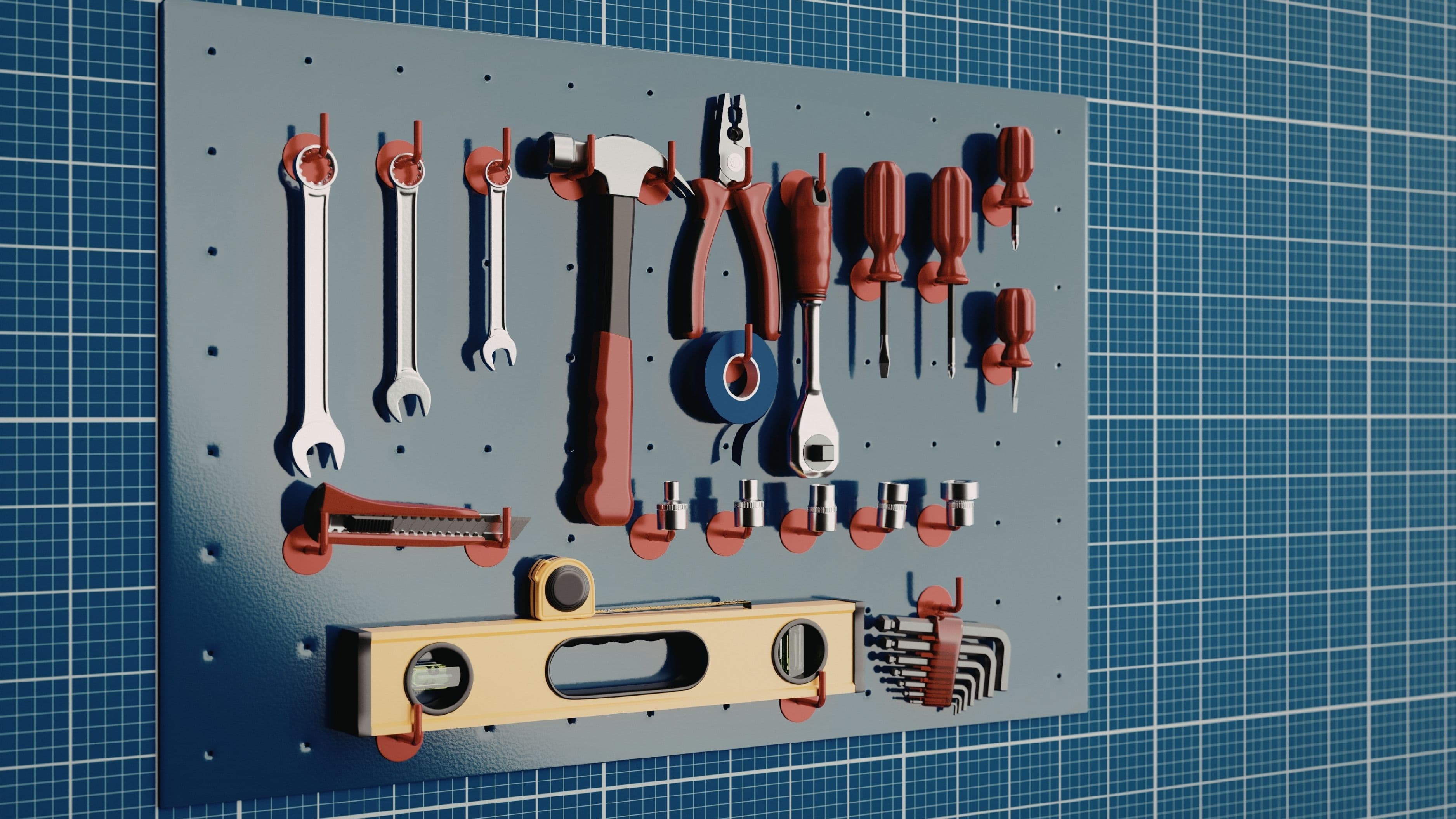
Even with a cordless drill handling most driving tasks, a manual screwdriver set remains essential for delicate work, tight spaces where a drill won't fit, or situations where you need more tactile control than a power tool provides. A multi-bit screwdriver with interchangeable Phillips and flathead tips in various sizes covers most household needs for $15 to $25.
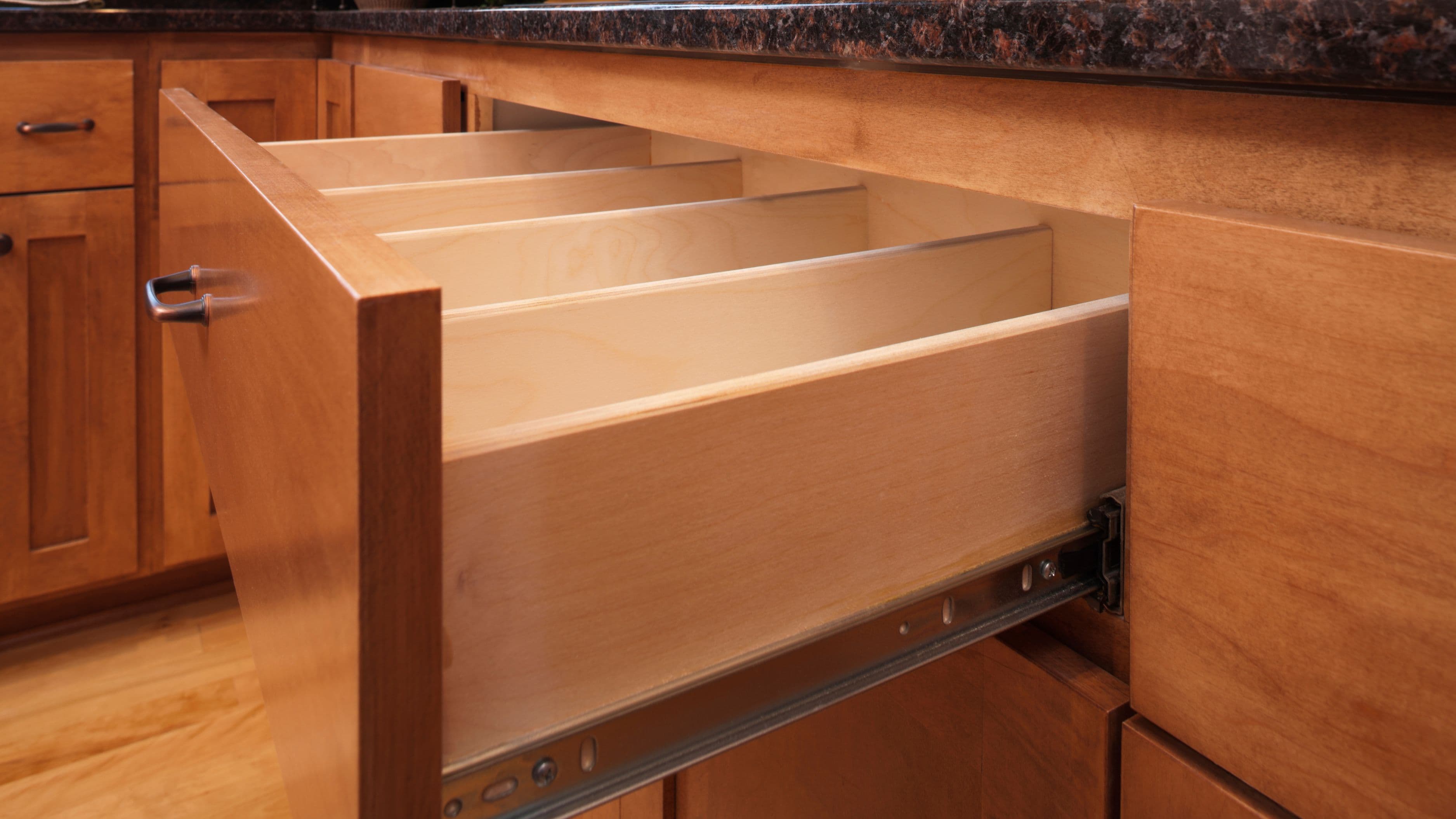
This is difficulty level: easy, and it's worth keeping a set in an accessible spot – a kitchen drawer or entryway closet – rather than buried in a garage toolbox you have to dig through every time.
4. A Reciprocating Saw
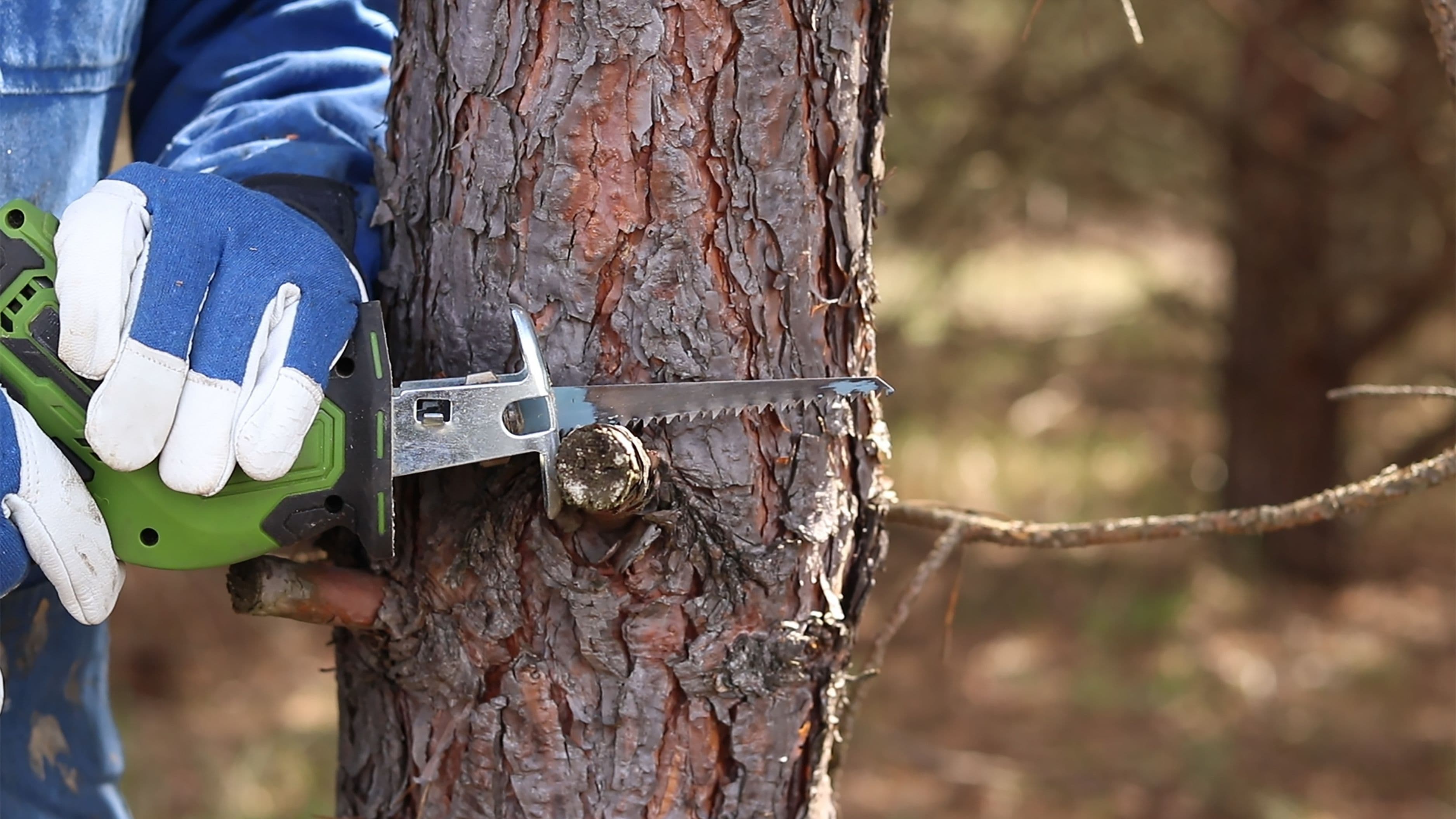
Once you move beyond hanging pictures into actual repair or demolition work – removing old fencing, cutting through pipes, trimming branches, or tearing out old drywall – a reciprocating saw earns its place quickly. These saws handle rough cutting tasks that a standard hand saw would make exhausting and time-consuming.
Budget $60 to $120 for a reliable cordless model, and expect a moderate learning curve around blade selection for different materials. Safety note: always wear eye protection and gloves when operating this tool, and unplug or remove the battery before changing blades.
5. A Shop Vacuum
Home repair projects generate a genuinely surprising amount of dust, debris, and small hardware pieces that a regular household vacuum either can't handle or shouldn't be used for. A shop vac with at least a 5-gallon capacity handles drywall dust, sawdust, and wet spills that come up during renovation work far more effectively.
Expect to spend $50 to $100 for a mid-range model. This is difficulty level: easy to use, though the noise level surprises some first-time buyers – it's genuinely louder than a typical household vacuum.
6. A Level
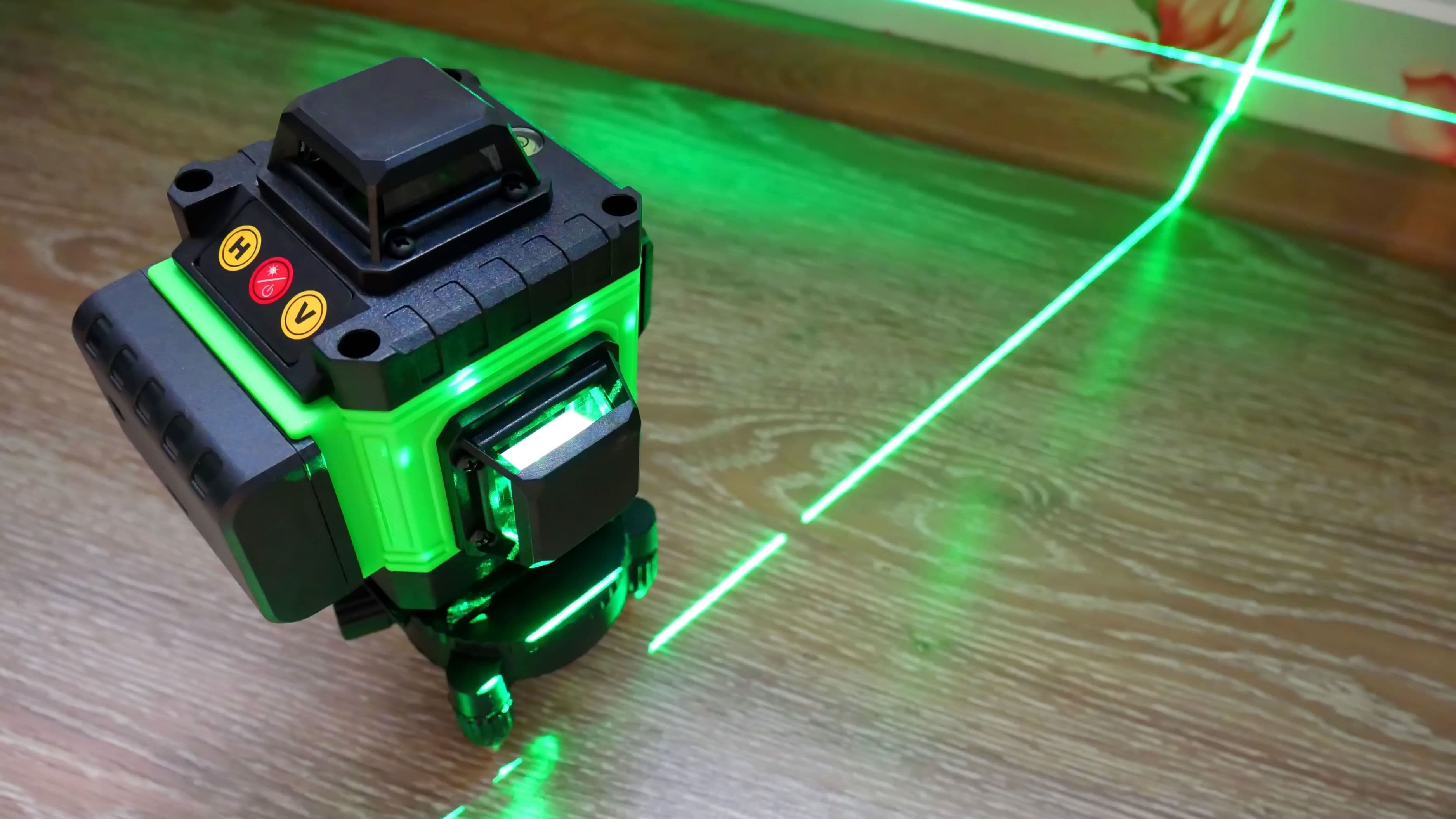
Whether you're hanging shelves, installing curtain rods, or mounting a TV, a level ensures your work doesn't end up crooked in a way that becomes glaringly obvious once you step back and look at it. A basic 24-inch level costs $15 to $25 and covers the vast majority of homeowner needs, though a smaller torpedo level is worth adding for tighter spaces.
This is difficulty level: easy, and it's one of the cheapest tools on this list relative to how often it prevents a frustrating do-over.
7. A Circular Saw
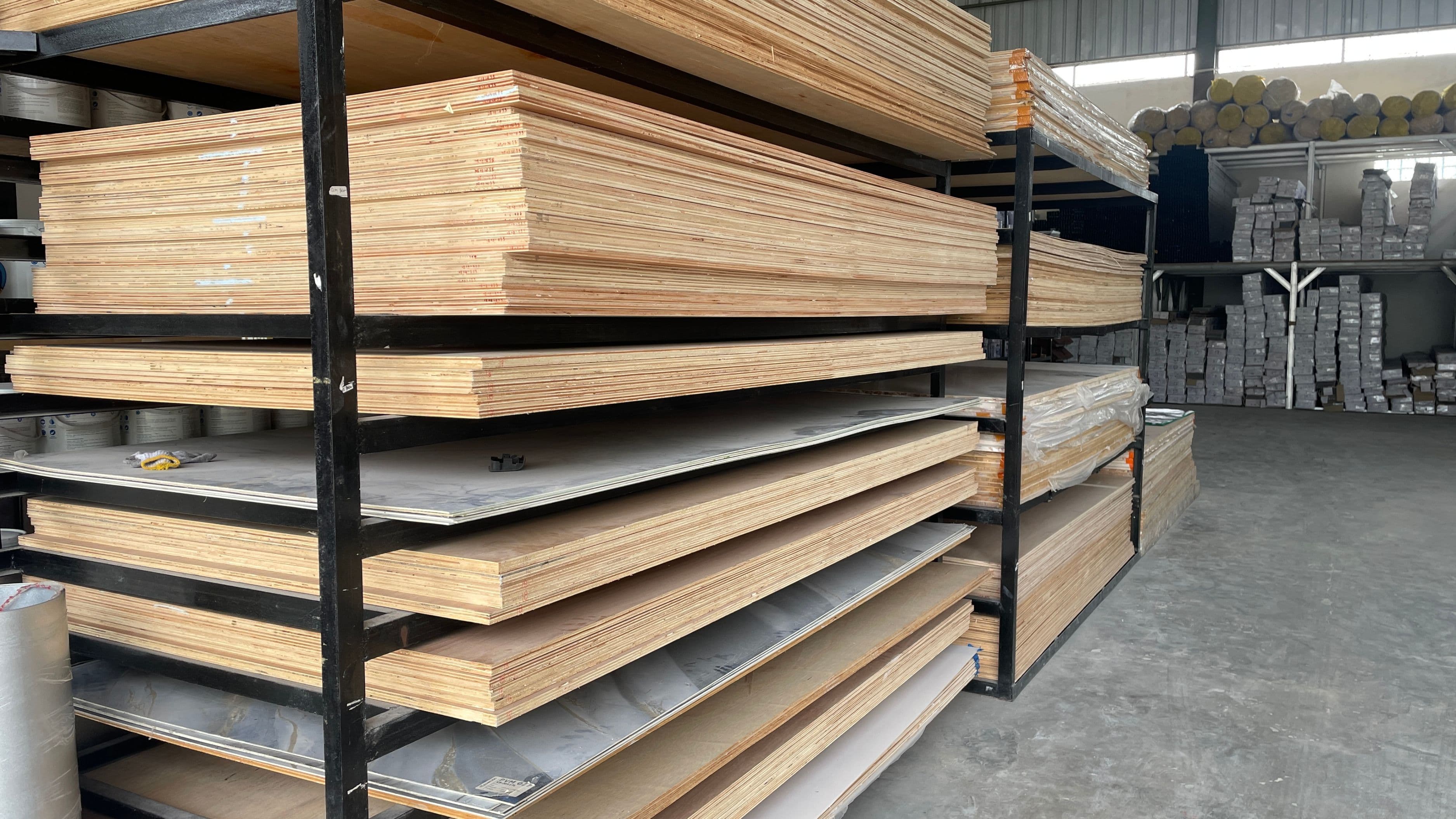
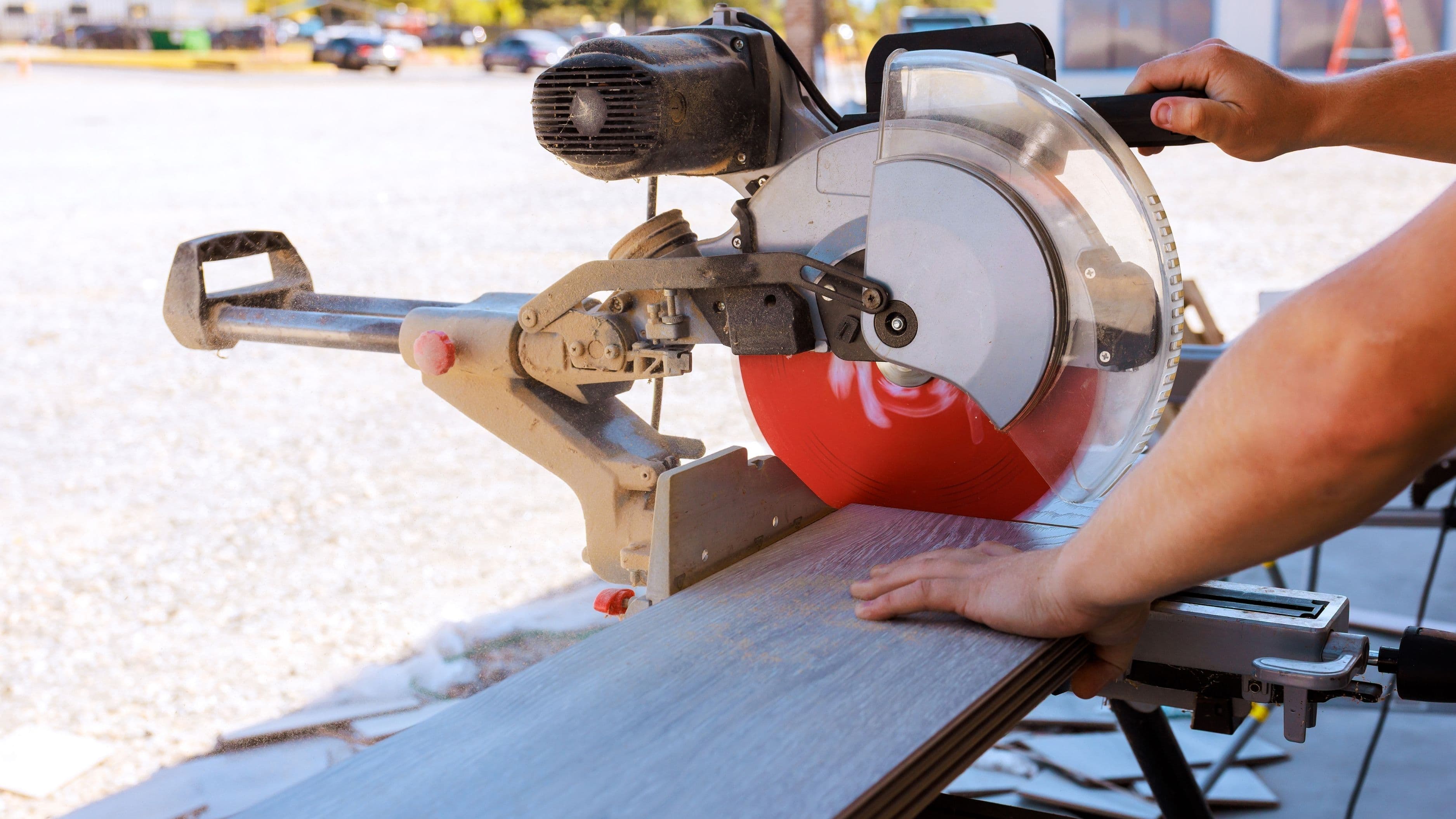
For anyone planning larger projects – building shelving, cutting plywood, or tackling bigger DIY furniture builds – a circular saw handles straight cuts through lumber far more efficiently than a handsaw or reciprocating saw designed for rougher work. This is a step up in both cost and skill requirement from the earlier items on this list.
Budget $70 to $150 for a reliable cordless model. Safety note: this tool carries more risk than most others on this list, so review proper technique thoroughly, always use the blade guard, and keep your free hand well clear of the cutting path.
What to Avoid
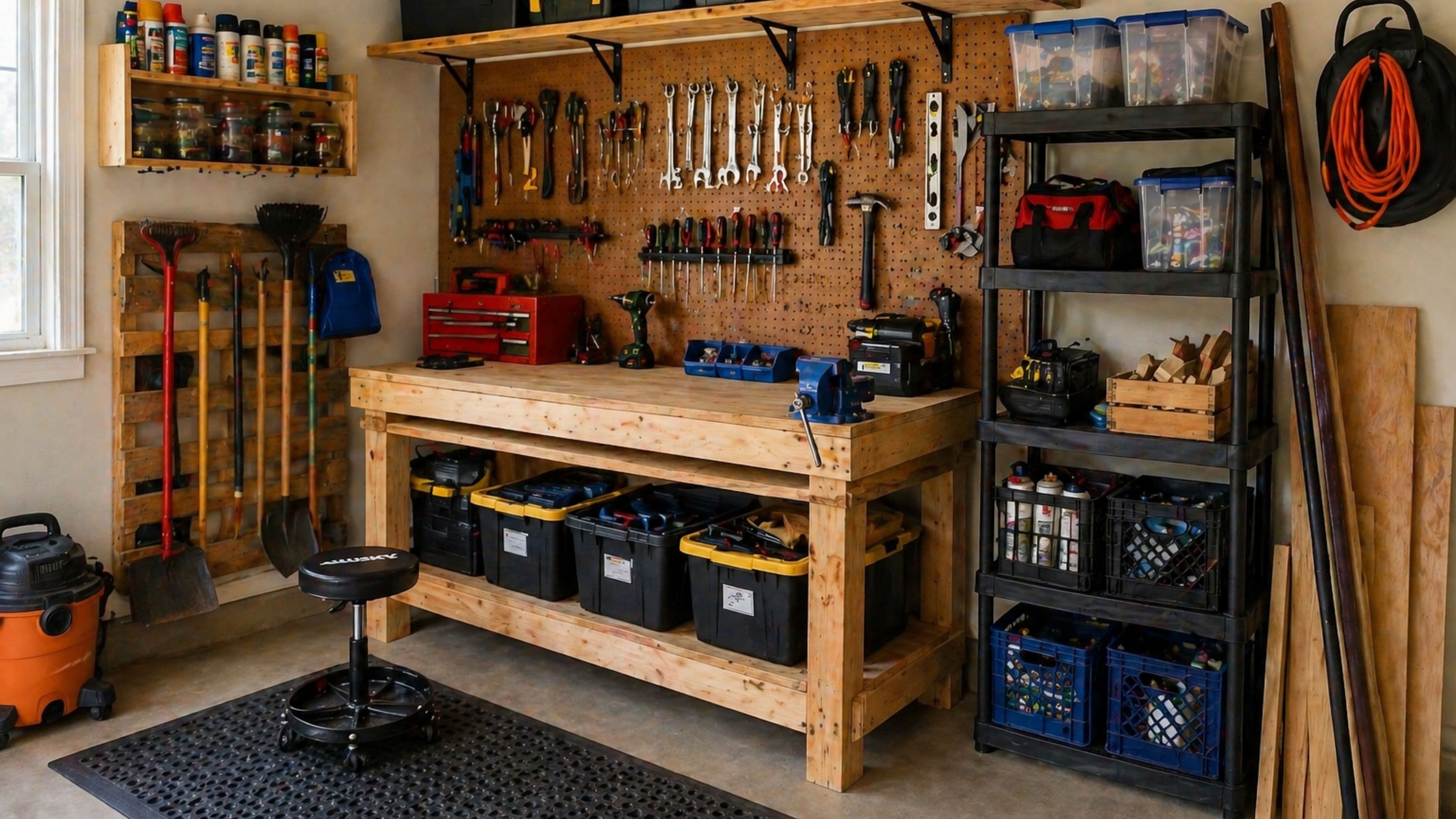
Don't feel pressured to buy an entire tool set or a massive rolling toolbox on day one – most new homeowners never use half the specialty tools that come bundled in those large kits, and the money is better spent on quality versions of the tools you'll actually use regularly. Also avoid buying the absolute cheapest option for tools you'll use often, like your primary drill, since underpowered motors and weak batteries create ongoing frustration that ends up costing more in replacement purchases down the line.
Realistic Expectations
Building out a solid basic tool collection typically costs $300 to $500 total if you buy the first six items on this list gradually rather than all at once, and that's a completely reasonable pace for a new homeowner. You don't need everything in the first month – prioritize the drill, stud finder, and screwdriver set immediately, then add the rest as specific projects come up and justify the purchase.
FAQ
Should I buy tools individually or look for a bundled kit? Bundled combo kits, especially for drills and drivers from the same brand, often provide better value than buying pieces separately, since batteries and chargers are typically interchangeable across that brand's tool line.
Do I need a corded or cordless drill? Cordless is worth the slightly higher cost for most homeowners, since the mobility and convenience outweigh the marginal power difference for typical household tasks.
When should I call a professional instead of tackling a project with these tools? Anything involving electrical wiring, gas lines, structural changes, or major plumbing beyond basic fixture replacement is worth handing to a licensed professional rather than attempting with basic homeowner tools.
Starting with these seven tools covers the overwhelming majority of tasks a new homeowner encounters in the first few years, and building the collection out gradually keeps both the cost and the learning curve manageable.