


Let's walk through what's likely happening, how to check it yourself, and when this crosses from a DIY fix into professional territory.
Why This Happens: The Shared Cooling System
In most refrigerators, a single evaporator coil – usually located in or behind the freezer compartment – produces the cold air for the entire unit. A fan then pulls that cold air through a duct system into the fresh food compartment. When the fridge is warm but the freezer stays cold, it almost always means the freezer's cooling system is working, but the cold air isn't making it to the fridge side properly.
This is genuinely useful diagnostic information. It rules out the compressor and refrigerant system as the likely cause, since those would typically affect both compartments together, and instead points toward something blocking or restricting that internal airflow path.
Symptom 1: Blocked or Frosted Evaporator Fan
The evaporator fan, located behind a panel in the freezer, circulates cold air to the fridge compartment. If this fan fails or gets blocked by ice buildup, cold air stops moving to the fresh food side even though the freezer itself stays properly cold.
To check this, listen closely near the back panel of your freezer. A working fan produces a faint, consistent hum. Silence, or an unusual grinding or clicking noise, suggests the fan motor itself has failed and likely needs replacement – a repair most confident DIYers can handle with the right replacement part matched to your model number.
Symptom 2: A Clogged or Frozen Air Duct
Between the freezer and fridge compartments sits a duct system that channels cold air where it needs to go. Over time, ice buildup from humidity or a faulty door seal can partially or fully block this duct, starving the fridge of cold air while leaving the freezer completely unaffected.
This typically requires a full defrost to resolve. Unplug the unit, remove all food, and leave the doors open for 24-48 hours to let any built-up ice in the duct system melt completely. If the fridge cools normally afterward, ice blockage was the cause, and addressing the root cause – usually a door seal issue – prevents it from recurring.
Symptom 3: A Failing Damper Control (Thermostat)
Many refrigerators use a damper – a small, motorized flap – to control how much cold air flows from the freezer into the fridge compartment, based on the fridge's internal thermostat reading. If this damper motor fails or gets stuck in a partially closed position, the fridge won't receive enough cold air regardless of how well the freezer itself is performing.
This part is usually located near the top of the fridge compartment, behind an interior panel. If you hear a faint clicking or whirring sound when the fridge cycles on and off, but the fridge still runs warm, a stuck or failing damper is a likely explanation worth investigating further.
Symptom 4: Dirty Condenser Coils
While condenser coils typically affect overall cooling rather than causing this specific split symptom, heavily dirty or dust-clogged coils can sometimes create uneven cooling patterns, especially in units where the fridge compartment already runs closer to its cooling capacity limit. This is less common as a sole cause but worth ruling out since it's an easy, low-cost check.
Locate the coils – usually at the back or underneath the unit – and vacuum off any visible dust buildup. This is worth doing as routine maintenance regardless of whether it's your current issue, since it extends the lifespan of your compressor.
How to Diagnose This Yourself
Start with the easiest and least invasive check first: listen for the evaporator fan behind the freezer's back panel. If it's silent, that's your likely culprit, and fan replacement is a moderate-difficulty DIY repair.
If the fan sounds normal, move to a full manual defrost to rule out duct ice blockage, since this costs nothing but time and resolves a significant percentage of these cases on its own. If the fridge remains warm after a complete defrost and the fan is confirmed working, the damper control becomes the next most likely suspect, which usually requires ordering a specific replacement part for your model.
What to Avoid
Don't ignore a consistently warm fridge for too long, even if the freezer seems fine. Food safety matters here – if your fridge compartment is running above 40°F for an extended period, perishable food should be treated with the same caution as if the whole unit had failed.
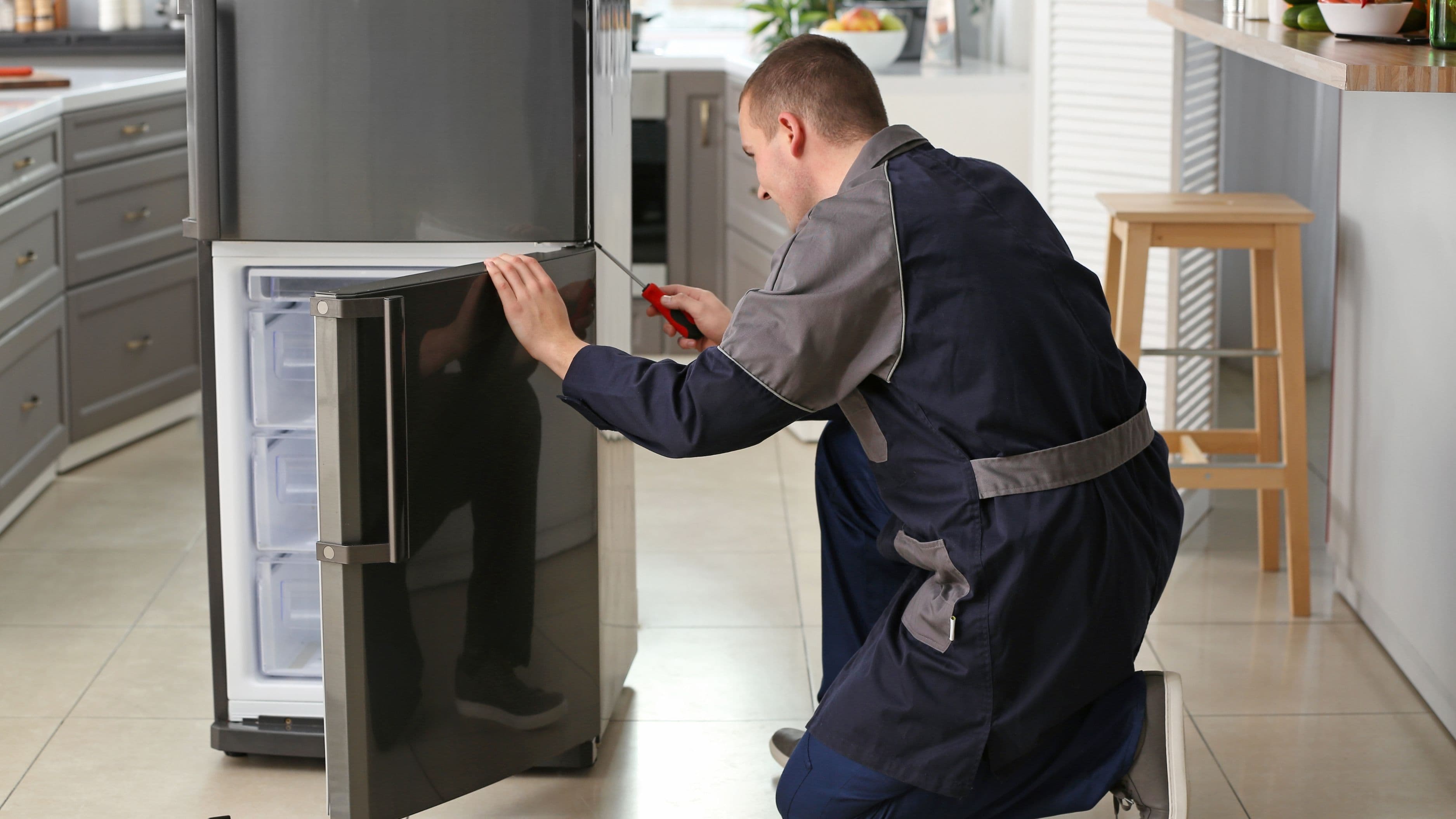
Avoid forcing open or prying at the evaporator fan cover or the damper assembly without first consulting your model's specific service diagram, since panel clips and wiring harnesses vary and can be damaged by forceful, uninformed removal.
Don't assume a full refrigerant recharge is needed based on this symptom alone. This specific pattern – cold freezer, warm fridge – rarely points to a refrigerant issue, so a technician quoting a refrigerant service for this exact symptom description is worth a second opinion.
When to Call a Professional
If you've confirmed the evaporator fan is working, completed a full defrost with no improvement, and suspect the damper control or a wiring issue behind the interior panels, this is a reasonable point to bring in a professional, particularly if you're not comfortable working with the wiring harnesses involved in damper replacement.
Any refrigerator under 8-10 years old showing this specific symptom is usually worth repairing rather than replacing, since the parts involved (fan motor, damper assembly) are relatively inexpensive compared to full appliance replacement.
Realistic Expectations
A DIY evaporator fan replacement typically costs $30-60 in parts and takes about an hour once you've identified the failure. A full manual defrost costs nothing but requires patience – 24-48 hours with the unit unplugged and empty. Damper control replacement, if that's the actual issue, runs a bit higher in parts cost and complexity, and professional service calls for this type of repair typically range from $150-300 depending on your region and the specific part needed.
FAQ
Is it safe to keep food in the fridge while I troubleshoot this? If the fridge section is reading above 40°F for more than two hours, perishable food should be treated as potentially unsafe. Move critical items to a cooler with ice while you diagnose and repair the issue.
Could this be a sign my whole refrigerator is dying? Not necessarily. This specific symptom pattern usually points to a localized, fixable component issue rather than complete system failure, especially in units under 10 years old.
How do I know if it's the fan or the damper without opening anything? Listen carefully during a normal cooling cycle. A completely silent freezer interior often points to the fan, while a working fan combined with a persistently warm fridge more often points to the damper or duct blockage.
A warm fridge next to a properly cold freezer is frustrating, but it's one of the more diagnosable refrigerator problems out there. Working through the fan, duct, and damper in that order will identify the cause in the vast majority of cases without needing to guess your way to an expensive repair.
📚 Sources
Whirlpool Support: Refrigerator Not Cooling But Freezer Is Cold - https://www.whirlpool.com/services/repair-help/refrigerator-not-cooling.html
Repair Clinic: Evaporator Fan Motor Troubleshooting Guide - https://www.repairclinic.com/Repair-Help/Refrigerator-Repair