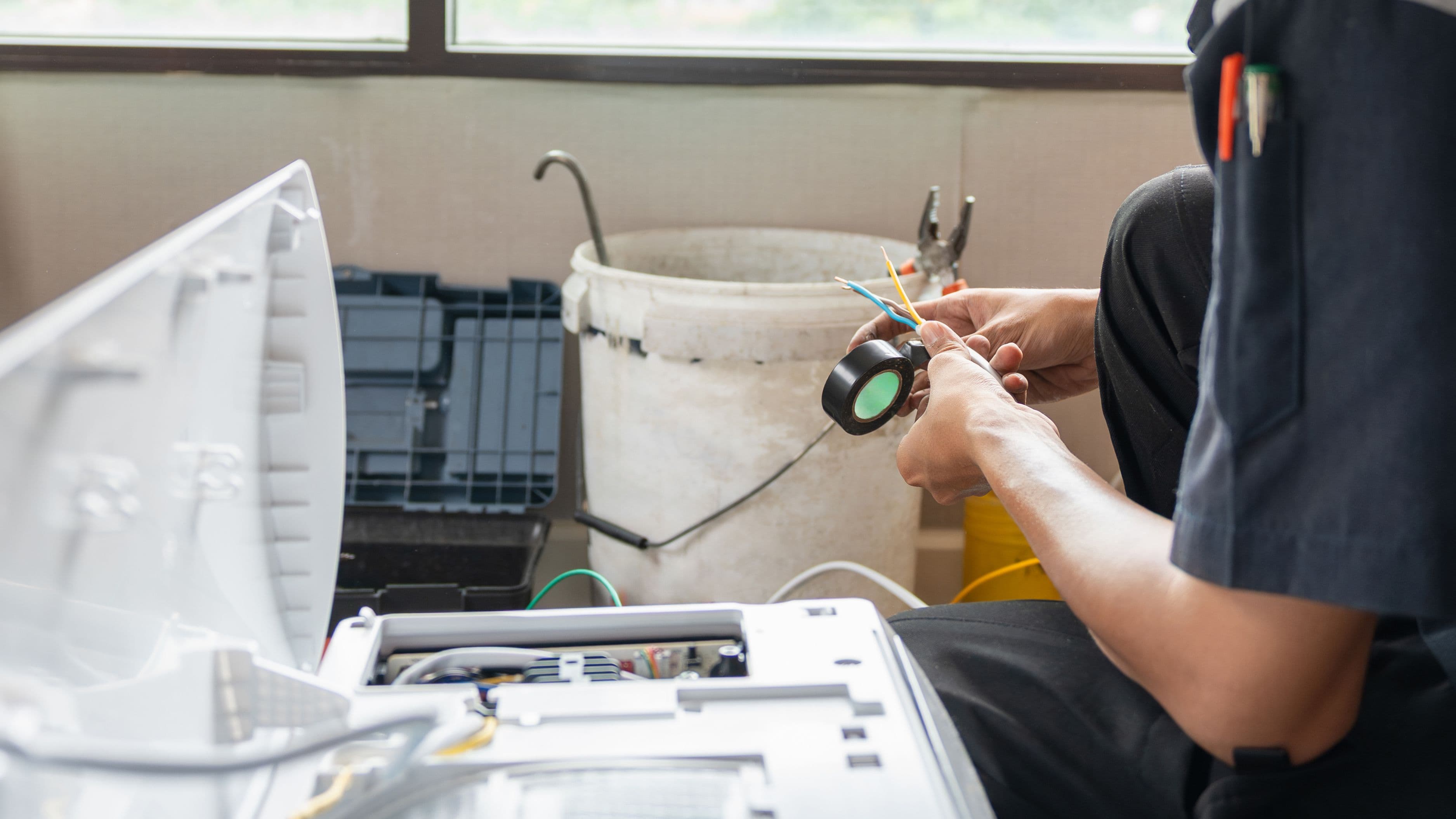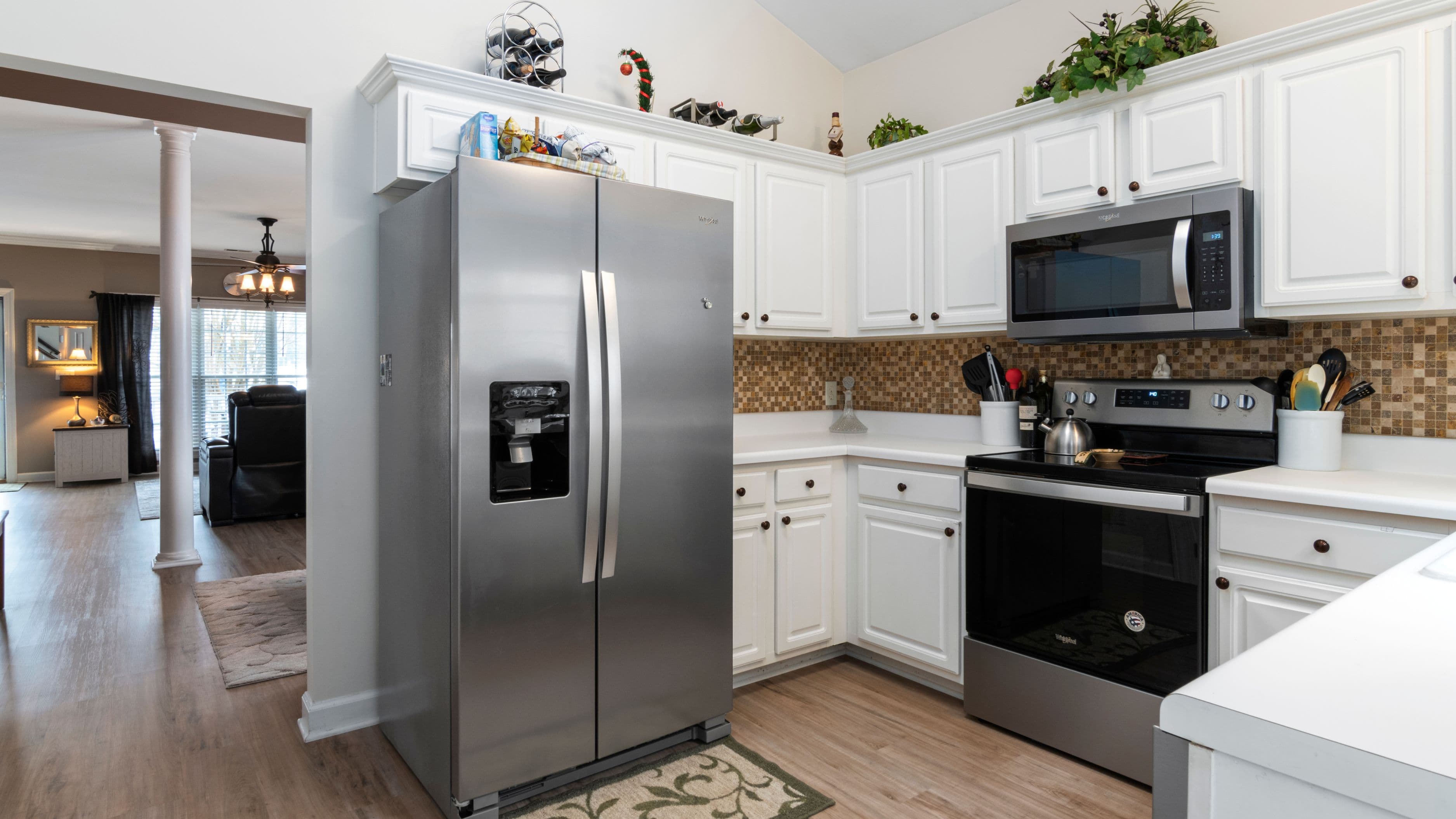



This guide walks through every likely cause, from totally harmless to "time to call someone," so you can diagnose the problem and know exactly what to do next.
Why Noises Seem Louder at Night
Before diving into causes, it's worth understanding why you're only noticing this now. Refrigerators make noise throughout the day – compressors cycling on and off, fans running, ice makers dropping cubes – but daytime background noise masks most of it. At night, when the house is silent and you're trying to sleep, the same sounds that were inaudible at noon suddenly seem like they're coming through the wall. That context matters because it means the noise may not be new at all. It's just finally audible.
Cause 1: The Compressor Cycling On or Off
What it sounds like: A single knock or thump, sometimes followed by a brief vibration, that happens periodically – often every 15 to 30 minutes as the cooling cycle runs.
Why it happens: The compressor is the heart of your refrigerator's cooling system. It compresses refrigerant gas to generate cooling, then shuts off when the target temperature is reached. When it kicks on or shuts down, the sudden change in pressure inside the refrigerant lines can cause a knocking or clicking sound. This is especially common in older refrigerators or in units that have been running for a long time, as the refrigerant lines can develop minor vibrations against their mounting brackets.
Is it a problem? Usually not. A single knock at startup or shutdown is considered normal operation for many refrigerator models. Check your owner's manual – most manufacturers list compressor click and knock as expected sounds.
What to do: If the knock is isolated to startup and shutdown cycles and the fridge is cooling normally, no action is needed. If you want to reduce the vibration, check that the refrigerator is sitting level on the floor (more on that below) and that it's not pushed flush against the wall or cabinets on the sides, which can amplify sound.
Cause 2: The Refrigerator Isn't Level
What it sounds like: A rhythmic or irregular knocking, sometimes accompanied by a rattling or vibrating sound that seems to worsen when the compressor is running.
Why it happens: Refrigerators are designed to sit on a slightly unlevel surface – tilted very slightly backward so the doors swing closed on their own. But if the unit is noticeably unlevel side to side, or resting on an uneven floor, the compressor and internal components can vibrate against the frame or floor in ways they're not supposed to. This turns normal compressor vibration into an amplified knocking or thumping that carries through the floor.
What to do: Pull the fridge away from the wall (unplug it first) and check whether it rocks when you push on the corners. Most refrigerators have adjustable levelling legs at the front bottom – you can raise or lower them by turning them clockwise or counterclockwise by hand, or with a wrench if they're stiff. The goal is for the fridge to sit firmly without rocking, with a very slight backward tilt. A small level placed on top of the unit will confirm when you've got it right. This fix takes about 10 minutes and costs nothing.
Cause 3: The Ice Maker Dropping Ice
What it sounds like: A sudden loud thump or series of knocks, followed by a brief mechanical whirring sound. Typically happens in batches, every few hours.
Why it happens: If your refrigerator has an automatic ice maker, the sound of a full tray of ice cubes dropping into the bin is surprisingly loud – especially at night. The ice also shifts and settles after it drops, which can produce follow-up knocking as cubes settle against each other or against the bin walls. This is one of the most commonly mistaken-for-serious noises in refrigerators.
Is it a problem? Not at all. This is completely normal operation.
What to do: If the noise bothers you, the only real option is to turn the ice maker off overnight using the on/off switch or arm lever inside the freezer compartment. Some people do this routinely and make ice during the day instead. If the knocking sounds different from the normal ice-drop pattern – more mechanical, more frequent, or accompanied by grinding – the ice maker motor or ejector mechanism may need attention, which is worth having a technician look at.
Cause 4: Water Supply Line Vibration
What it sounds like: A knocking or banging sound that happens specifically when the ice maker is refilling with water – usually right after a batch of ice has dropped. Sometimes described as a "water hammer" effect.
Why it happens: When the ice maker's water valve opens and then closes to fill the ice tray, it can create a brief pressure surge in the water supply line. This surge causes the line to vibrate or knock against the back of the refrigerator or the wall behind it. Homes with higher water pressure (above 80 psi) are more prone to this. The water supply line is typically a thin copper or braided steel tube running from a wall valve to the back of the fridge.
What to do: First, check that the water supply line at the back of the fridge isn't kinked or resting against the wall in a way that would cause it to vibrate freely. If the line is loose, you can secure it with a small cable clip or zip tie to reduce movement. If the knocking is more pronounced and you suspect high water pressure, a licensed plumber can install a water hammer arrestor on the supply line – a simple device that absorbs the pressure surge. This is a $10–$30 part with a straightforward installation if you're comfortable with basic plumbing.
Cause 5: The Evaporator Fan or Condenser Fan
What it sounds like: A rhythmic knocking or ticking that happens continuously while the fridge is running, rather than just at startup or shutdown. May change in pitch or frequency as you open and close the doors.
Why it happens: Your refrigerator has one or two fans – an evaporator fan inside the freezer compartment that circulates cold air, and a condenser fan near the compressor at the back or bottom of the unit. If either fan blade is obstructed by frost buildup, a piece of packaging that's fallen behind a shelf, or debris around the condenser, it will knock against the obstruction every rotation. Fan blades can also become slightly warped or loose over time, causing an imbalanced spin that produces a rhythmic knocking sound.
What to do: For the evaporator fan (inside the freezer), empty the freezer contents and look for any items that may have shifted toward the back wall where the fan is located. Frost buildup around the fan is common in older refrigerators or those with a failing defrost system – if you see significant frost accumulation, a manual defrost (unplugging the fridge for 24–48 hours with the doors open) may resolve the obstruction. For the condenser fan (at the back or bottom), pull the fridge away from the wall, unplug it, and look for dust buildup or debris around the fan blades. Cleaning the condenser area with a vacuum and a soft brush is a good annual maintenance task regardless. If the fan blade itself appears bent or broken, replacement fans are inexpensive ($15–$40) and reasonably DIY-friendly on most models.
Cause 6: Loose Drain Pan or Internal Components
What it sounds like: A rattling or knocking sound that seems to come from the bottom of the fridge, particularly when the compressor is running.
Why it happens: At the base of most refrigerators sits a drain pan – a shallow tray that collects water from the defrost cycle and allows it to evaporate. If this pan has shifted out of position or accumulated enough water to slosh, it can knock against the frame during compressor vibration. Loose shelves, improperly seated crisper drawers, or items stored on top of the fridge that vibrate sympathetically with the compressor can produce the same type of sound.
What to do: Pull the fridge forward, remove the front kick plate (usually just clips off), and check that the drain pan is seated correctly in its bracket and isn't overfull. A correctly positioned drain pan shouldn't move or rattle. While you're at it, check that all shelves and drawers inside the fridge are fully seated and not vibrating loose. This is a quick check that takes under five minutes.
When to Call a Professional
Most knocking refrigerator noises fall into the normal or easy-fix category. But there are a few scenarios where it's worth getting a technician involved rather than attempting a DIY repair:
A loud, persistent knocking that sounds mechanical and doesn't match any of the patterns described above – particularly if it's accompanied by the fridge failing to cool properly – can indicate a failing compressor. Compressor replacement is expensive (often $300–$600 in parts and labour) and requires refrigerant handling certification, so it's not a DIY job.
A knocking sound combined with water pooling under or inside the fridge may indicate a blocked defrost drain or a failing water inlet valve, both of which can be fixed by a technician relatively cheaply if caught early.
If your refrigerator is more than 10–15 years old and the compressor is failing, the repair cost calculation often tips toward replacement rather than repair, depending on the model and its overall condition.
FAQ
Is it normal for a refrigerator to make noise at night? Yes – most of what you hear at night is the same normal operation that happens during the day, just more audible in the quiet. Compressor cycling, ice making, and defrost cycles all produce sounds that are easy to miss during the day. If the noise is new, notably louder than before, or accompanied by a change in cooling performance, that's when it's worth investigating further.
How do I know if the knocking is serious? The clearest warning signs are: cooling performance has dropped, the freezer isn't freezing properly, the noise is continuous rather than intermittent, or there's water pooling inside or under the unit. Any of these alongside the knocking means you're looking at a repair issue rather than normal operation.
My fridge just started making this noise – could something have shifted inside? Absolutely. Items stored in the fridge or freezer can shift against the back wall near a fan, or a shelf can become slightly unseated after being removed and replaced. Always check the simple things first before assuming a mechanical problem.
How much does a refrigerator repair typically cost? Minor repairs – levelling, drain pan repositioning, fan cleaning – cost nothing or just the price of a part ($15–$40). Fan replacement runs $50–$150 including a technician visit. Compressor replacement is the most expensive common repair, typically $300–$600 or more depending on the model and local labour rates.
📚 Sources
GE Appliances – Refrigerator Noises and What They Mean: https://www.geappliances.com/ge/service-and-support/refrigerator-noise.htm
Samsung – Normal Sounds From Your Refrigerator: https://www.samsung.com/us/support/answer/ANS00045992/
Family Handyman – How to Fix a Noisy Refrigerator: https://www.familyhandyman.com/appliance-repair/refrigerator-repair/how-to-fix-a-noisy-refrigerator/
Energy Star – Refrigerator Maintenance Tips: https://www.energystar.gov/products/appliances/refrigerators/refrigerator_tips
Consumer Reports – Refrigerator Reliability and Repair Guide: https://www.consumerreports.org/appliances/refrigerators/refrigerator-repair-or-replace-a1103963855/