


Here's what's actually causing that smell and exactly how to get rid of it for good.
Why Front-Load Washers Are More Prone to This Than Top-Loaders
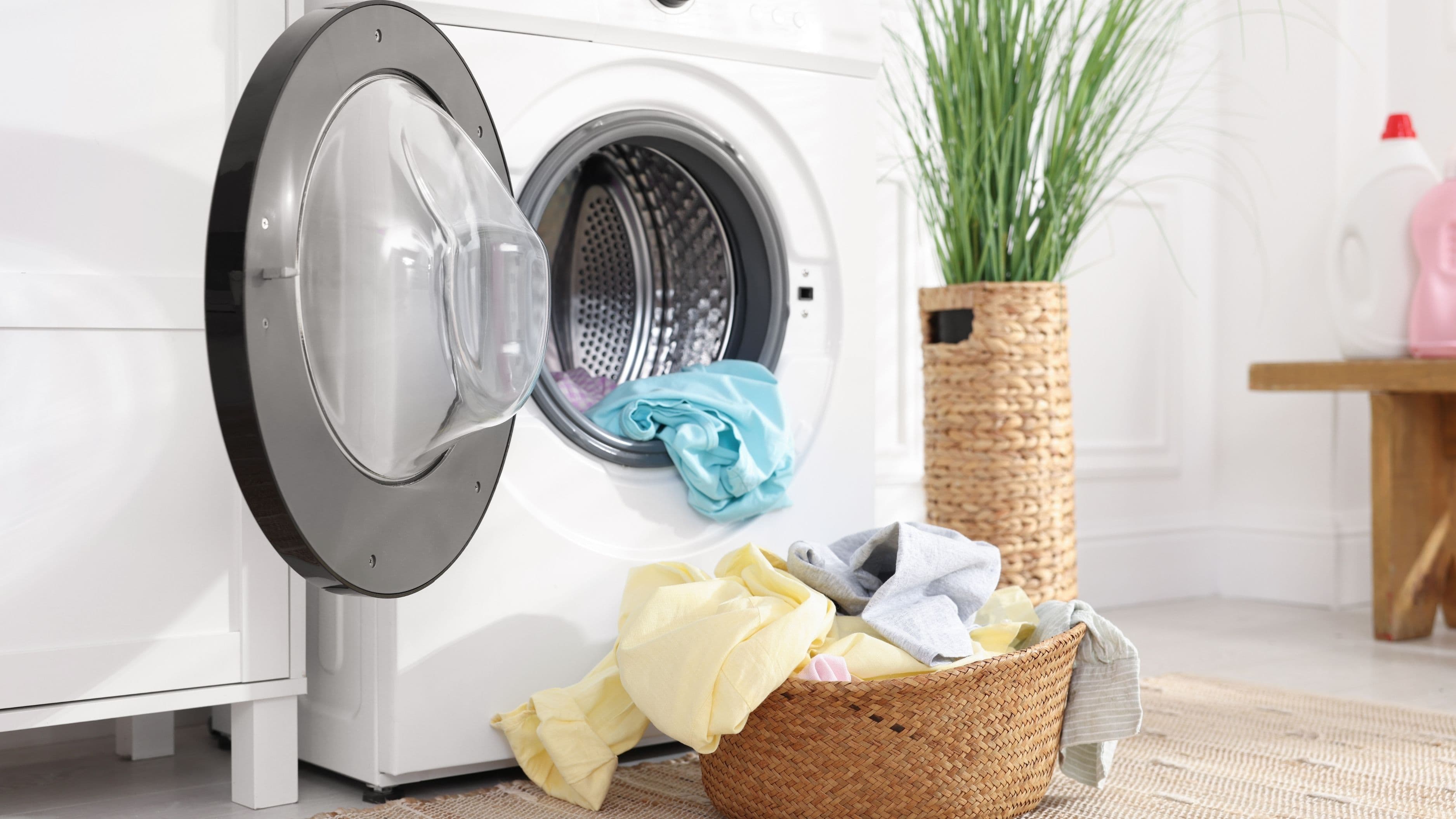
Front-load washers use a rubber door gasket to create a watertight seal, and that gasket has folds and crevices where water, detergent residue, and lint can collect and never fully dry out. Combine that with the fact that front-load doors are typically kept closed between washes, and you've got a dark, damp environment that's basically ideal for mold and mildew growth.
Top-load washers don't have this same sealed-door design, so they naturally air out better between cycles. This isn't a flaw specific to your machine – it's a structural tradeoff that comes with the water and energy efficiency benefits front-load washers otherwise offer.
Cause 1: Mold and Mildew in the Door Gasket
This is by far the most common source of the smell. Water and soap residue collect in the folds of the rubber gasket, and left unaddressed, this creates visible black or pink mold spots along with that unmistakable musty odor.
Fix: Pull back the gasket folds and wipe them down thoroughly with a mixture of equal parts water and white vinegar, or a mild bleach solution if mold is visibly present. Do this every one to two weeks as routine maintenance, and always leave the door slightly open after each wash to let the gasket air dry completely.
Cause 2: Detergent Buildup in the Drum and Dispenser
Using too much detergent, or using a non-HE (high-efficiency) detergent in an HE machine, leaves behind residue that doesn't fully rinse away. This buildup collects in the drum, the detergent dispenser drawer, and internal components, creating a breeding ground for bacteria and mold over time.
Fix: Run an empty hot-water cycle with a washing machine cleaner tablet or a cup of white vinegar once a month. Pull out the detergent dispenser drawer and wash it separately in warm soapy water, since this small compartment is a common hidden source of buildup that's easy to overlook.
Cause 3: Water Sitting in the Drain Hose or Pump Filter
Front-load washers have a small drain pump filter, usually located behind a small panel at the bottom front of the machine, and it's designed to catch lint, coins, and debris. Over time this filter can trap standing water and debris that starts to smell, especially if it hasn't been cleaned in months.
Fix: Check your owner's manual for the exact location of your pump filter access panel. Place a shallow towel or tray underneath, open the filter slowly to release trapped water, then clean out any debris before closing it back up. Do this every two to three months as part of routine maintenance.
Cause 4: Washing Only in Cold Water
Consistently washing exclusively on cold cycles can allow detergent residue and bacteria to build up more easily than hotter cycles, which help break down and rinse away residue more effectively. This is especially common if you primarily wash delicate or cold-only laundry loads.
Fix: Run a hot water cycle at least once every couple of weeks, even if it's just an empty maintenance cycle, to help flush out residue that cold cycles alone tend to leave behind.
Cause 5: Leaving the Door Closed Between Washes
This one seems minor but makes a significant difference. A closed door traps moisture inside the drum and gasket, giving mold and mildew exactly the damp, dark environment they need to thrive between wash cycles.
Fix: Leave the washer door propped open after every load to let the interior air dry fully. If you're worried about the look of an open door in a shared laundry space, even leaving it cracked a few inches makes a meaningful difference compared to closing it completely.
A Simple Monthly Maintenance Routine
Wipe down the door gasket weekly, run a hot water cleaning cycle monthly, clean out the pump filter every two to three months, and leave the door open between every wash. This routine takes only a few minutes total each week and prevents the vast majority of odor issues before they start.
What to Avoid
Don't rely on scented detergent or fabric softener to mask the smell instead of addressing the underlying mold and residue buildup – this only covers the problem temporarily and can actually make buildup worse over time by adding more residue to the mix.
Avoid using regular non-HE detergent in an HE washer, since it produces excess suds that don't rinse away properly and directly contribute to the buildup causing the smell in the first place. And don't ignore visible mold on the gasket, hoping it'll go away on its own – it will only spread further without direct cleaning.
When to Call a Professional
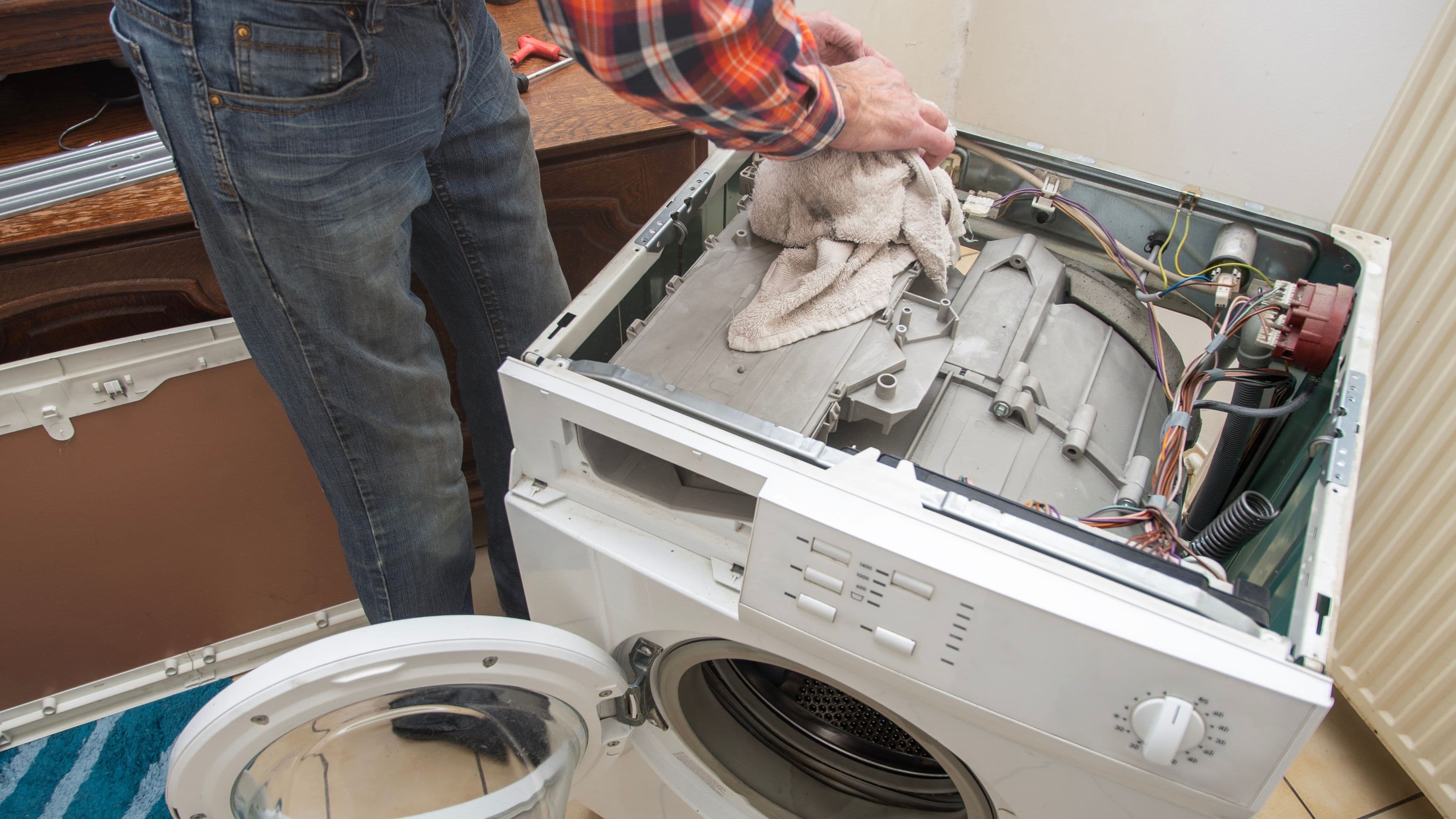
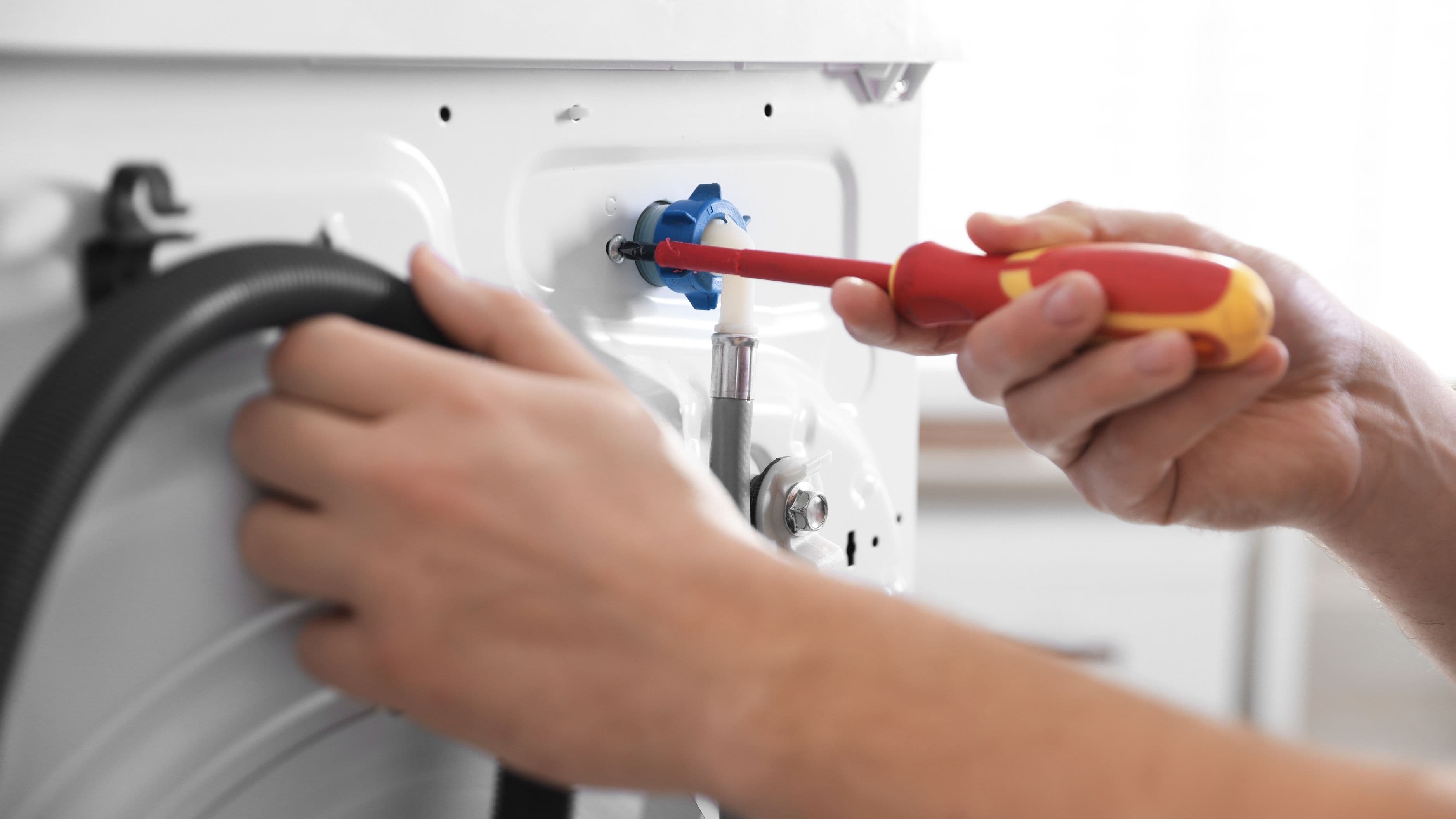
If you've followed this full routine consistently for several weeks and the smell persists, there may be a deeper issue with the drain hose, water inlet valve, or internal components that requires a technician's inspection. Persistent odor despite thorough cleaning can occasionally point to a more serious drainage or ventilation issue inside the machine itself.
FAQ
How often should I clean my front-load washer? Wipe the gasket weekly, and run a full cleaning cycle with vinegar or a washer cleaner tablet once a month for consistent results.
Can I use bleach to clean the gasket? Yes, a diluted bleach solution works well on visible mold, but always rinse thoroughly afterward and ensure good ventilation while cleaning.
Will a washer cleaner tablet from the store actually work? Yes, these are formulated specifically to break down detergent buildup and mineral deposits, and they're a solid addition to your regular maintenance routine.