
The Most Common Cause: Delayed Ignition
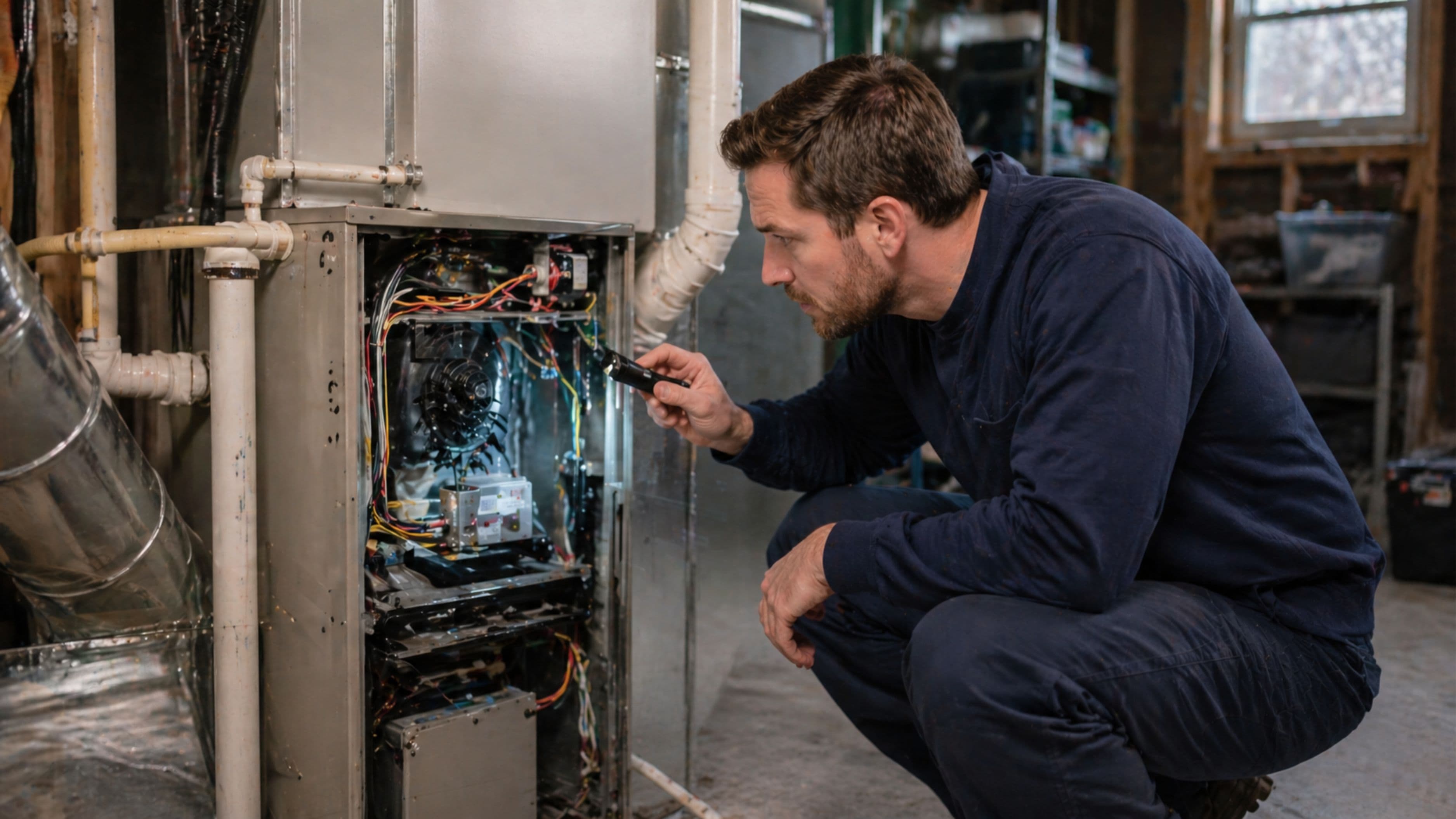
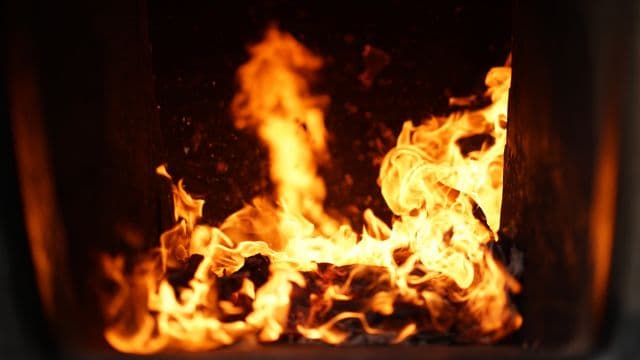
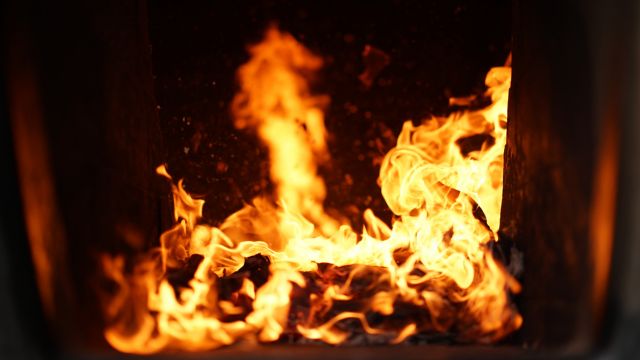
The single most frequent explanation for a startup bang is delayed gas ignition. Here's what's happening: when your furnace calls for heat, gas flows into the burner chamber and should ignite almost instantly. If the igniter is dirty, worn, or misaligned, or if the flame sensor isn't reading correctly, ignition gets delayed by a second or two. In that short window, gas continues to accumulate in the burner chamber. When it finally does ignite, it ignites all at once instead of smoothly, and that small, contained explosion is what you're hearing as a bang.
This is common enough that it has a name in the HVAC world: delayed ignition. It's also worth taking seriously, not because it's usually dangerous in a single instance, but because repeated delayed ignition events stress the heat exchanger over time and can eventually cause cracks.
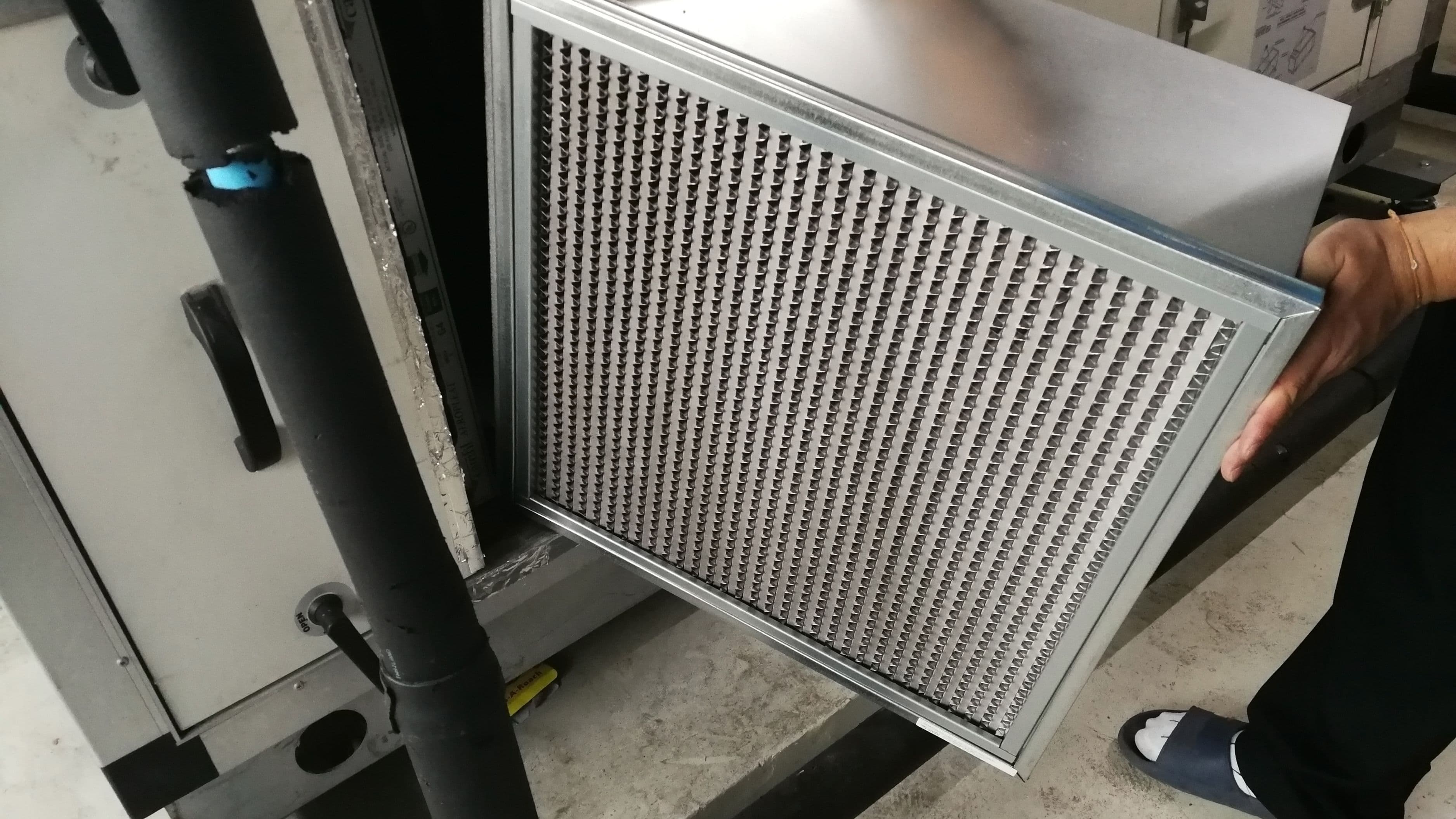
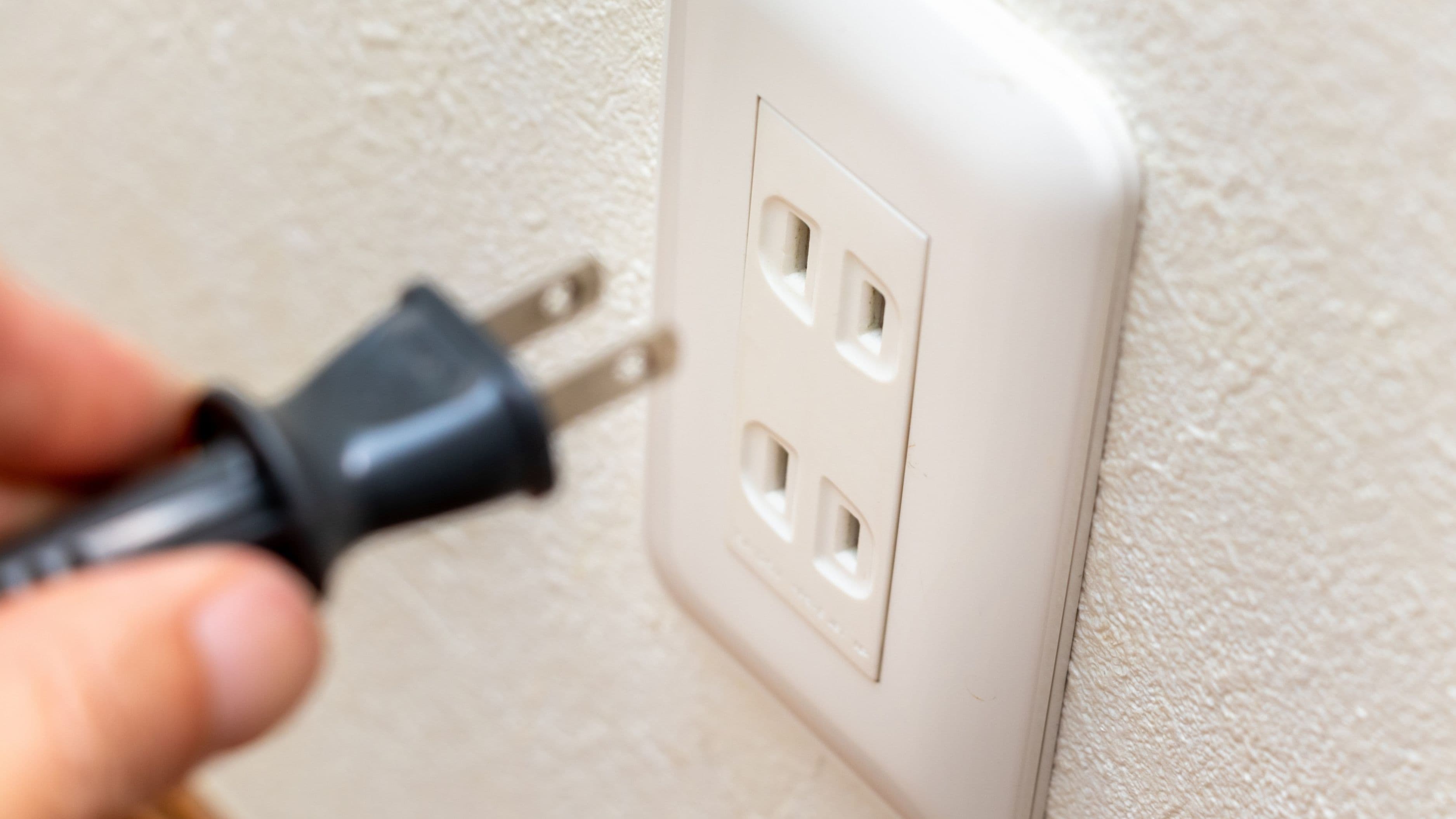
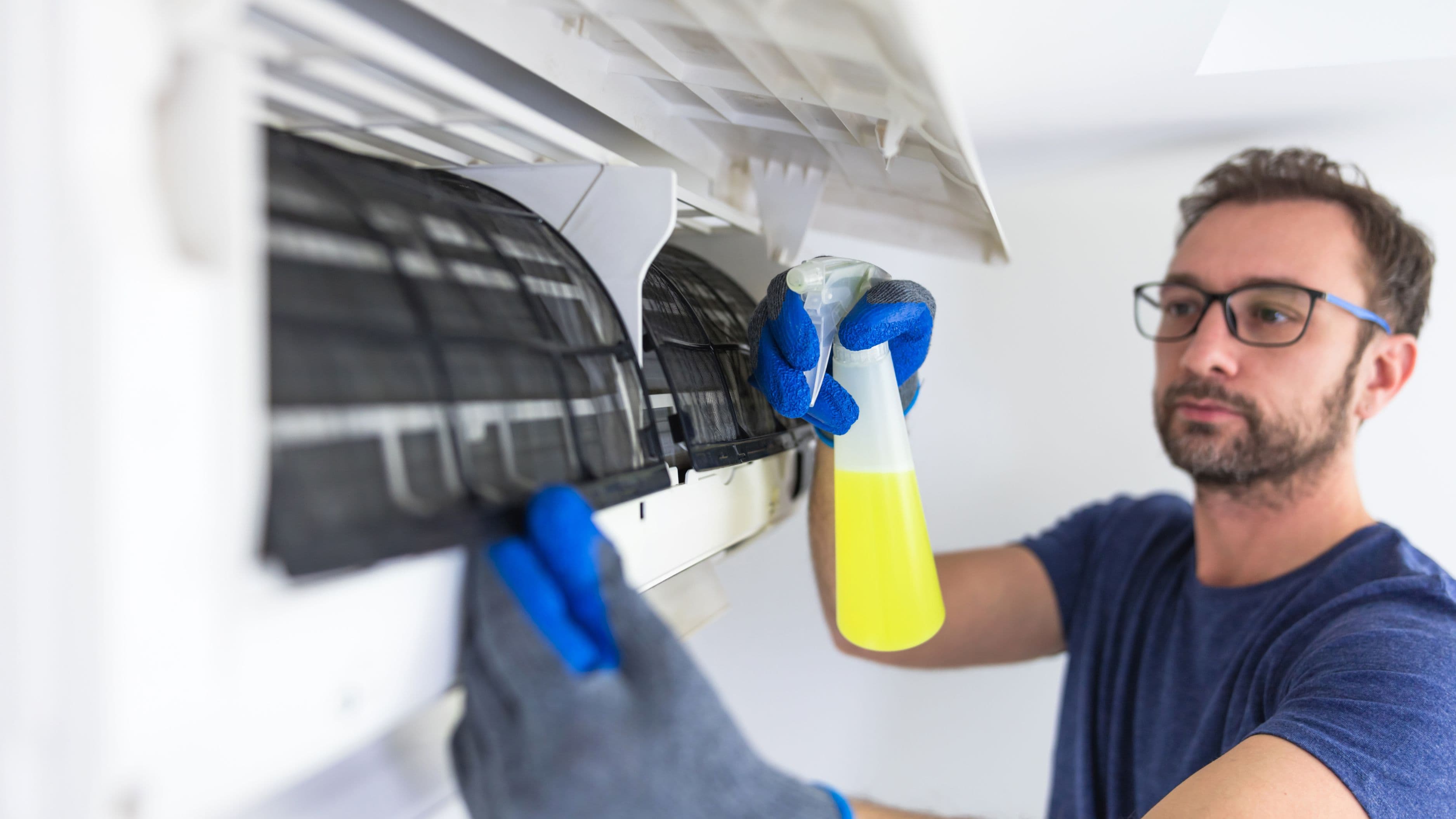
What you can check yourself: Turn off power to the furnace at the switch or breaker, then locate the furnace filter and check whether it's clogged. A dirty filter restricts airflow, which can affect the burner's combustion pattern and contribute to ignition delay. Replacing a filter is inexpensive and takes a few minutes, and it's worth ruling out before assuming a bigger problem.
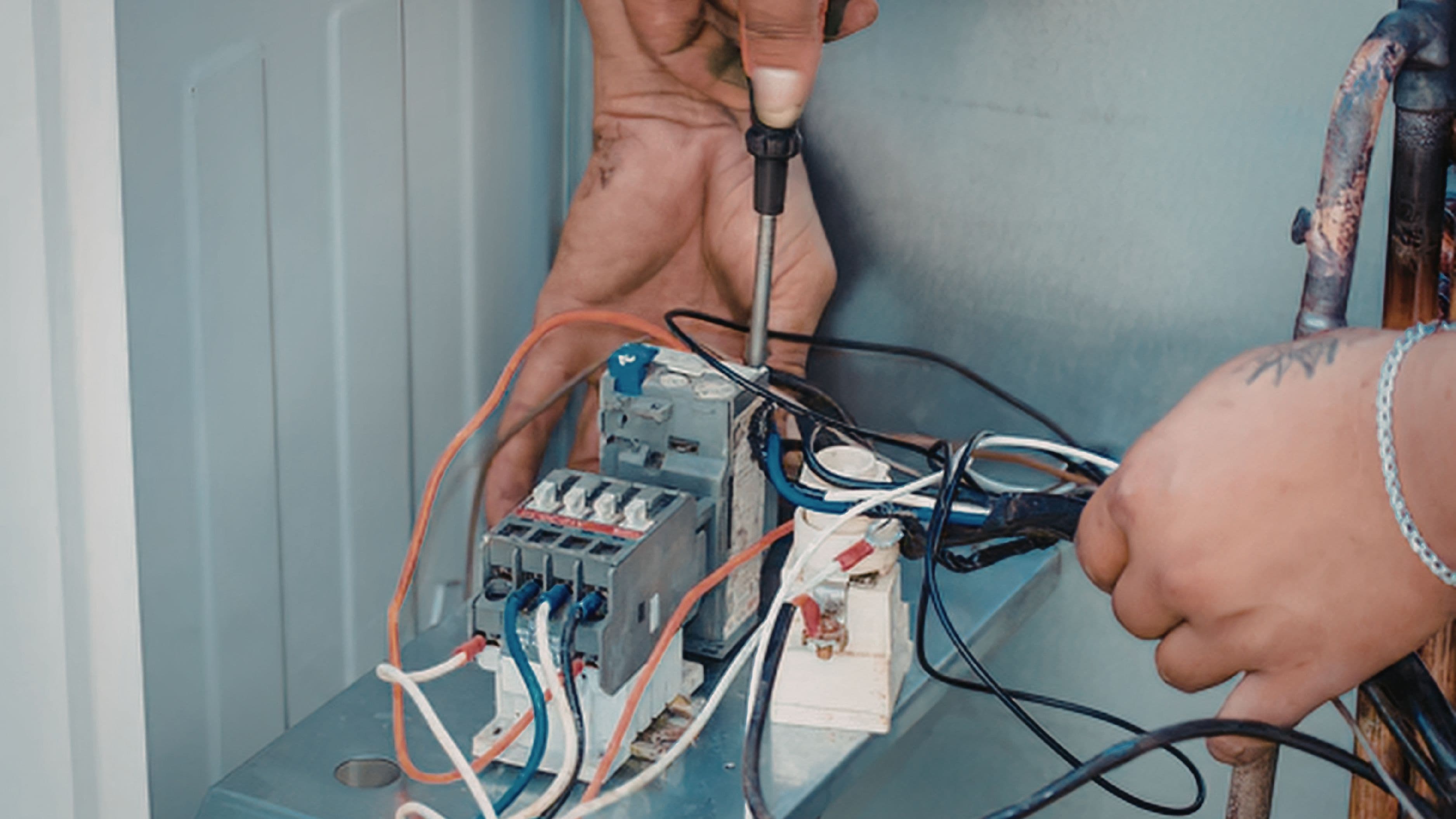
What needs a professional: Cleaning or replacing the igniter, adjusting the burner assembly, and testing the flame sensor all require opening the furnace cabinet and working near the gas line and electrical components. This is squarely a call-a-technician job, both because of the safety considerations and because the parts involved need to be correctly calibrated.
Ductwork Expansion: The Other Common Culprit
Not every bang means a combustion issue. Metal ductwork expands when hot air flows through it and contracts when it cools, and that expansion and contraction can cause thin sheet metal panels to pop or bang, especially in ducts that weren't perfectly secured during installation. This tends to produce a single bang or a few scattered pops rather than one consistent bang every time the furnace starts, which is a useful way to tell it apart from an ignition issue.
What you can check yourself: Walk along accessible ductwork, especially in a basement or attic, and look for sections that seem loose or that visibly flex when you press on them gently. Duct straps and hangers loosen over time, and a section of duct that's not properly supported is more likely to pop as it heats and cools.
What you can do about it: Loose duct sections can sometimes be secured with additional metal duct straps, which are inexpensive and available at most hardware stores. For ducts running through tight spaces, adding a thin layer of duct insulation can also reduce the temperature swing that causes the expansion noise. This is a reasonable DIY fix for someone comfortable working in a crawl space or attic, though tight or hard-to-reach ductwork may be better left to a technician.
Other Less Common Causes Worth Ruling Out
A dirty burner can also cause uneven flame ignition, producing a similar bang to a bad igniter but for a different reason: soot or debris on the burner ports disrupts how evenly the flame spreads when it lights. This tends to show up gradually as furnaces age and haven't had annual maintenance.
A cracked heat exchanger is the cause you want to rule out early rather than late. In addition to noise, watch for a persistent burning smell, visible soot near the furnace, or a carbon monoxide detector alarm. A cracked heat exchanger is not a DIY repair under any circumstances and requires immediate professional evaluation.
Finally, an oversized furnace, one that's too powerful for the space it's heating, can produce a rougher, louder startup even when everything is mechanically fine, simply because it's moving more air and gas than the system was really designed around. This is a less common cause but worth mentioning if the furnace is relatively new and the noise has been present since installation.
When to Call a Professional Immediately
Some signs mean you should skip the DIY troubleshooting entirely and call an HVAC technician right away: a burning or rotten-egg smell alongside the noise, a carbon monoxide alarm going off, visible flames outside the burner chamber, or a bang that's gotten noticeably louder or more frequent over just a few days. These aren't situations to wait out.
Realistic Expectations
A simple filter replacement costs $15 to $30 and takes minutes. A professional cleaning and adjustment of the igniter or burner assembly typically runs $150 to $350 depending on your area and the specific parts involved. A cracked heat exchanger repair or replacement is a significantly larger job, often running into the $1,000 to $2,500 range depending on the furnace, which is why catching ignition delay early matters. Most banging-related repairs, when they're not heat-exchanger related, are resolved in a single service visit.
What to Avoid
Don't ignore a banging furnace hoping it resolves on its own. Ignition delay tends to get worse, not better, as igniters and flame sensors continue to wear. Don't attempt to open the burner compartment or adjust gas components yourself unless you have HVAC training. And don't dismiss a burning smell as "just the furnace warming up" without confirming that, since that assumption is exactly how a real problem gets missed.
📚 Sources
U.S. Department of Energy, "Furnace Maintenance and Troubleshooting" – https://www.energy.gov/energysaver/furnaces-and-boilers
American Society of Home Inspectors (ASHI), Furnace Inspection Guidance – https://www.ashi.org/
Consumer Product Safety Commission, "Carbon Monoxide Safety" – https://www.cpsc.gov/Safety-Education/Safety-Education-Centers/Carbon-Monoxide-Information-Center