
This is called short-cycling, and it's one of the most common furnace problems homeowners deal with. The good news is that the majority of short-cycling issues have simple, DIY-friendly causes that you can diagnose and fix yourself in under an hour. A few require a technician, but even then, knowing what the problem is before you call saves time and helps you avoid being upsold on repairs you don't need.
Here's how to work through it systematically.
What Short-Cycling Actually Means
A furnace is designed to run in full heating cycles – turning on, running long enough to bring your home to the thermostat's set temperature, then shutting off and resting until the temperature drops again. Normal cycles typically last 10–15 minutes depending on outdoor temperature and home size.
Short-cycling is when the furnace turns on and off much faster than that – sometimes after just 1–3 minutes of operation. It almost always means the furnace is shutting itself down as a safety measure, not that the heating system is working normally and finishing a cycle early. Understanding that distinction is important: something is triggering the furnace to cut out before it should, and your job is to find out what.
Step 1: Check and Replace the Air Filter
This is the single most common cause of furnace short-cycling, and it's the first place to look every time. A clogged air filter restricts airflow through the system. When airflow is restricted, heat builds up inside the heat exchanger – the metal chamber where combustion gases heat the air before it's blown into your home. When temperatures inside the heat exchanger get too high, a safety device called the high-limit switch trips and shuts the furnace off to prevent damage or fire.
The furnace then cools down, restarts, the heat exchanger overheats again, and the cycle repeats. You may not even realize the filter is the problem because the furnace does technically turn on – it just can't run for long.
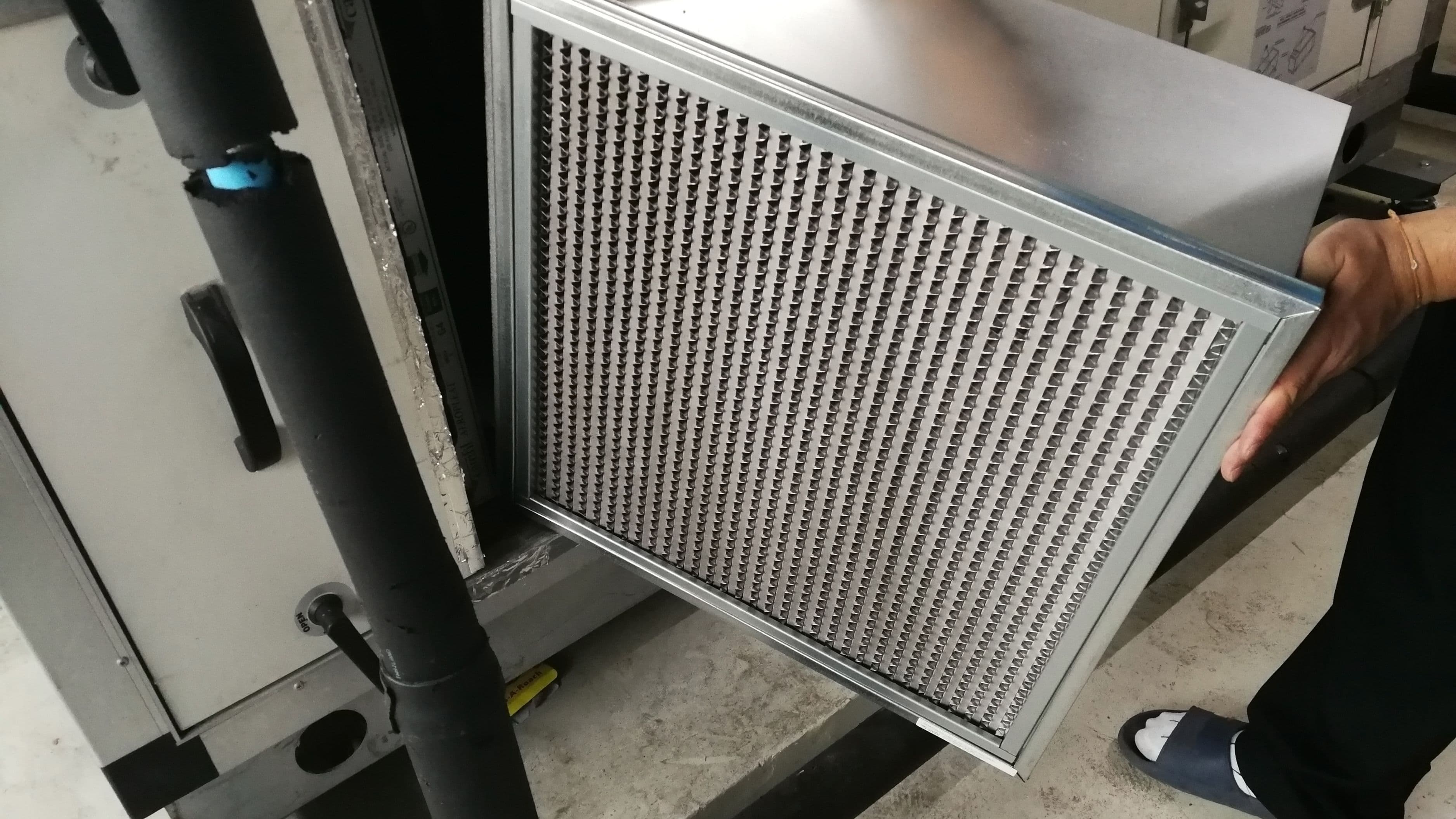
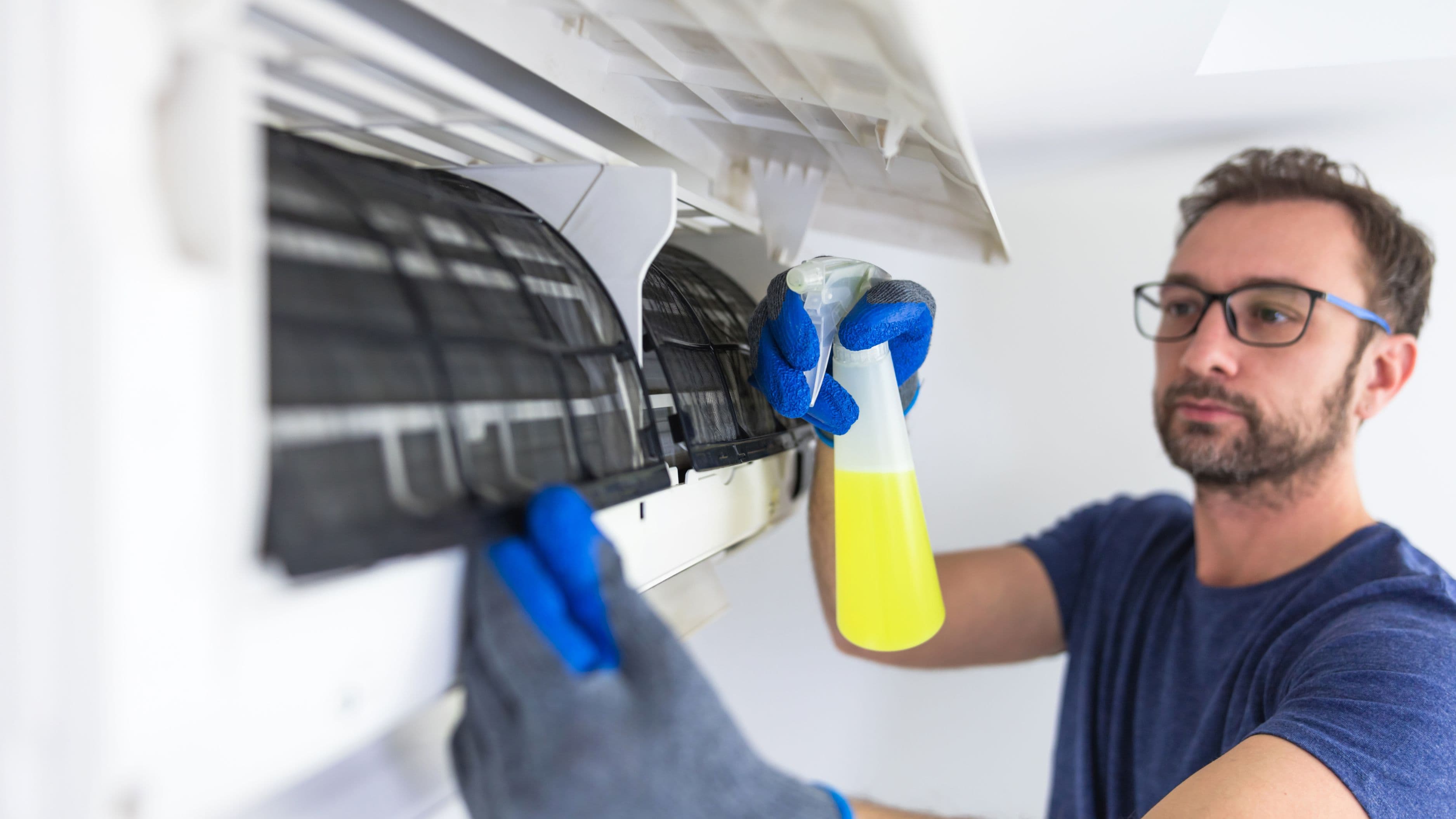
Pull the filter out (it's usually in the return air slot near the furnace or in a wall/ceiling return vent) and hold it up to a light. If you can't see light through it, replace it immediately. Filters should typically be replaced every 1–3 months depending on your home's air quality, pets, and the filter type. A fresh filter costs $5–$20 and takes two minutes to swap out. Do this first, every time.
Step 2: Check All Supply and Return Vents
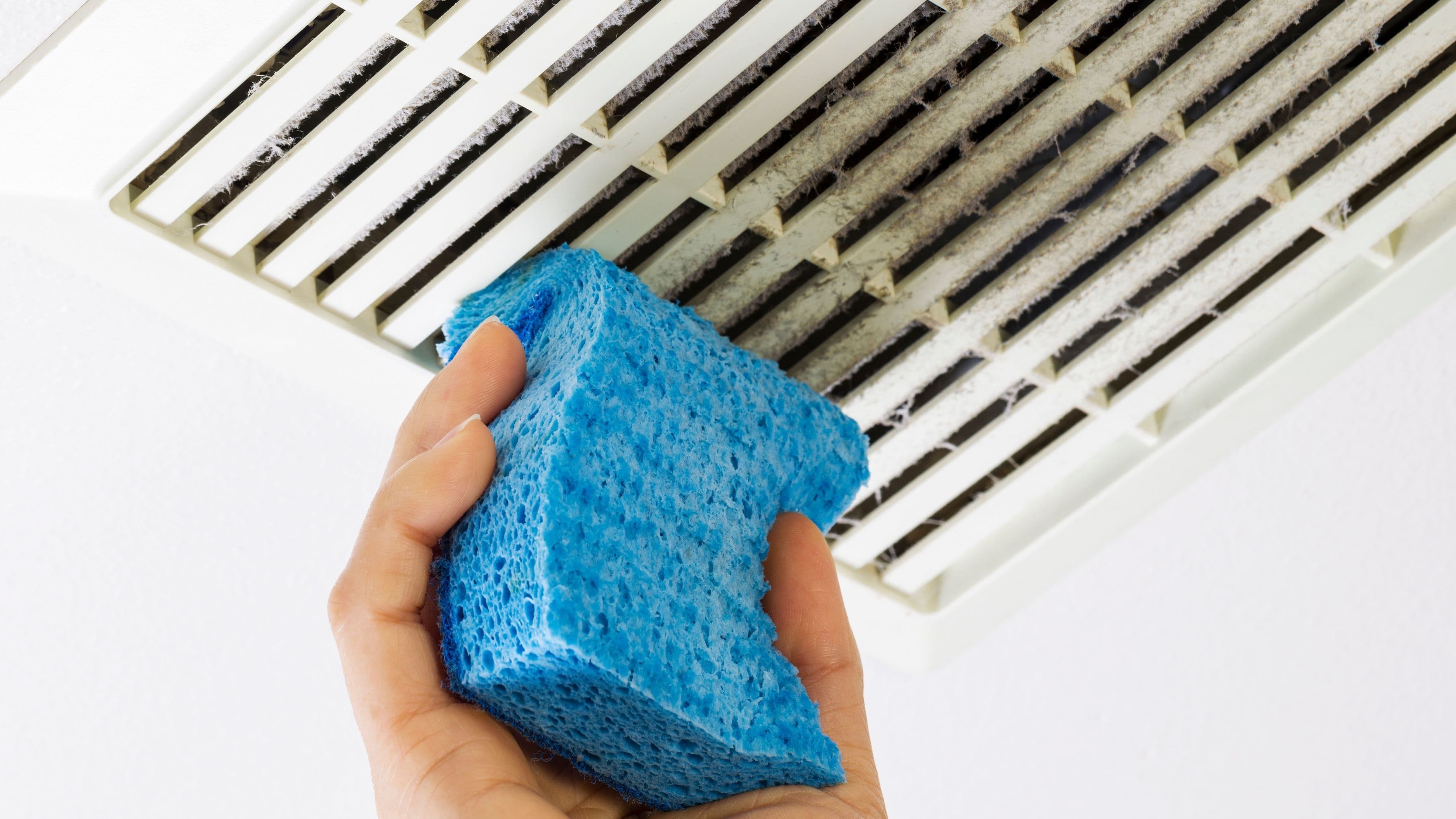
After the filter, blocked vents are the next most likely culprit. Walk through your home and confirm every supply vent (the ones blowing air out) and return vent (the larger ones pulling air back) is fully open and unobstructed. Furniture, rugs, boxes, and curtains are common offenders.
A widespread myth holds that closing vents in unused rooms saves energy and redirects airflow to where you need it. It actually does the opposite – it increases static pressure throughout the duct system, restricts airflow to the furnace, and can trigger exactly the kind of overheating that causes short-cycling. Open all vents fully. If you have a zoning system with motorized dampers, that's a different situation, but for standard forced-air systems, every vent should be open.
Step 3: Inspect the Flame Sensor
If the filter and vents check out, the next component to look at is the flame sensor. This is a small metal rod inside the furnace's burner area that detects whether the burner has actually ignited. It works by conducting a tiny electrical current through the flame – if it detects that current, it tells the furnace the burner is lit and the cycle can continue. If the flame sensor is coated with residue (which happens gradually over time), it can't detect the flame reliably, and the furnace shuts off within seconds of ignition as a safety measure.
How to clean the flame sensor (DIY-friendly, difficulty: easy):
Turn off the furnace at the power switch and at the circuit breaker before doing anything inside the unit. Find the flame sensor – it's a thin metal rod with a white porcelain base, located near the burner assembly. It's usually held in place by a single screw. Remove the screw, slide the sensor out, and gently clean the metal rod with a piece of fine steel wool or fine-grit emery cloth (220-grit or finer). You're removing a light coating of oxidation, not grinding the metal – a few gentle passes is all it takes. Reinsert the sensor, replace the screw, restore power, and test.
A dirty flame sensor is responsible for a significant portion of "furnace keeps shutting off" service calls. Cleaning it yourself takes about 15 minutes and costs nothing. A technician charging a service call fee for this same task will run $100–$200.
Safety note: Always confirm the furnace is fully powered off before accessing any internal components. If you're not comfortable opening the furnace cabinet, this is a reasonable point to call a technician – but it's a straightforward task for most homeowners.
Step 4: Look at the Thermostat Placement and Settings
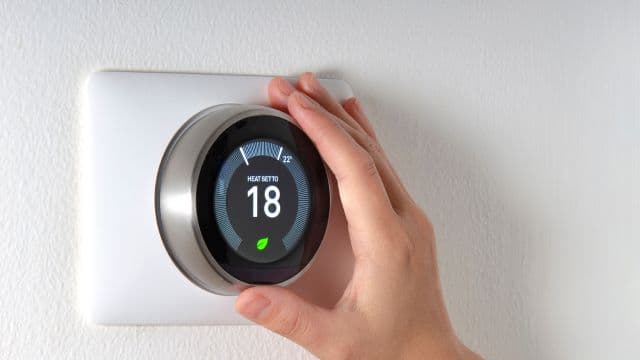
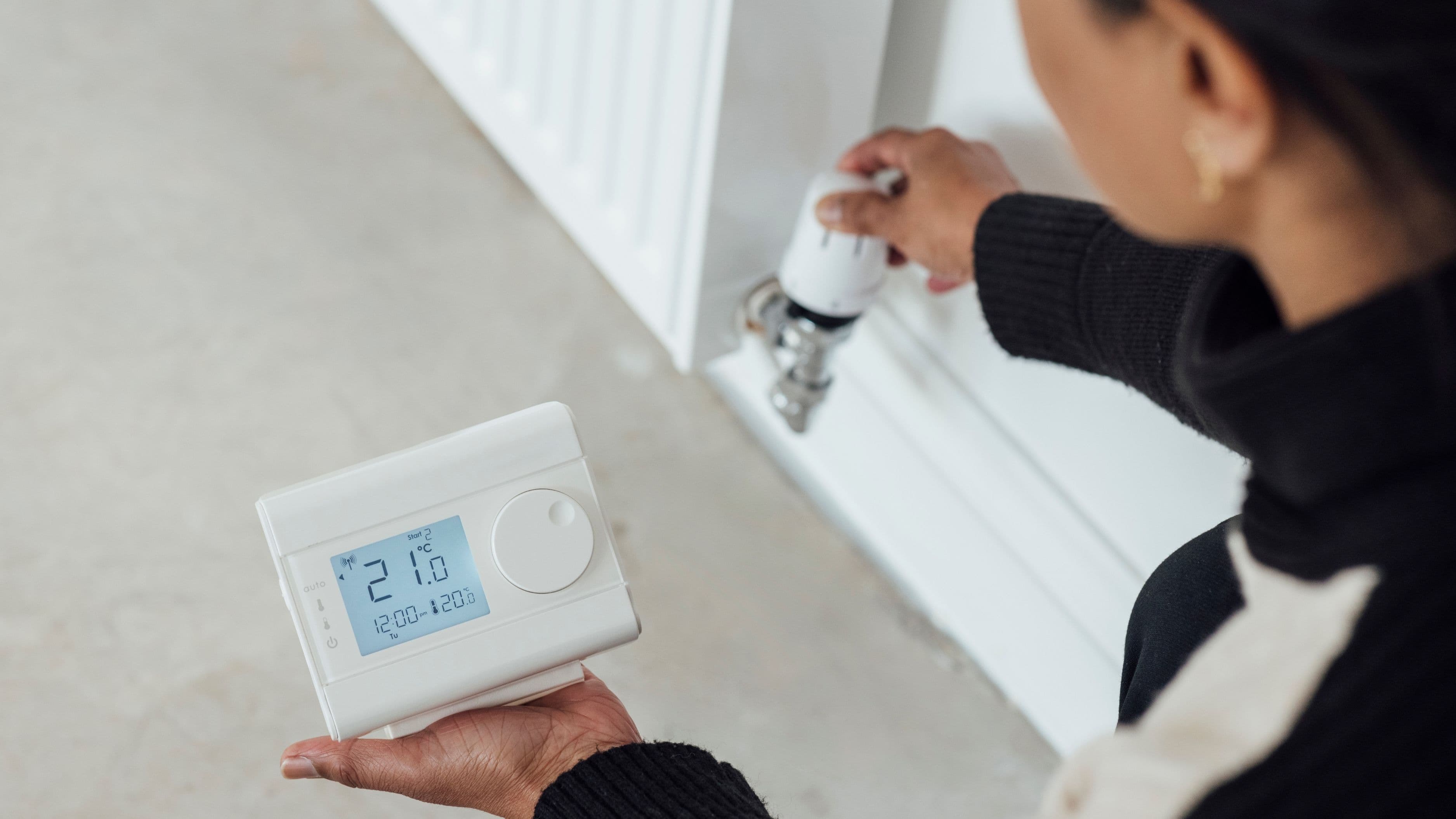
Thermostat problems cause short-cycling in a less obvious way. If your thermostat is in a poor location – near a heat register, in direct sunlight, beside a lamp, or near the kitchen – it can sense warmth that doesn't reflect actual room temperature and signal the furnace to shut off prematurely. The result looks exactly like a furnace fault but is actually a thermostat placement or calibration issue.
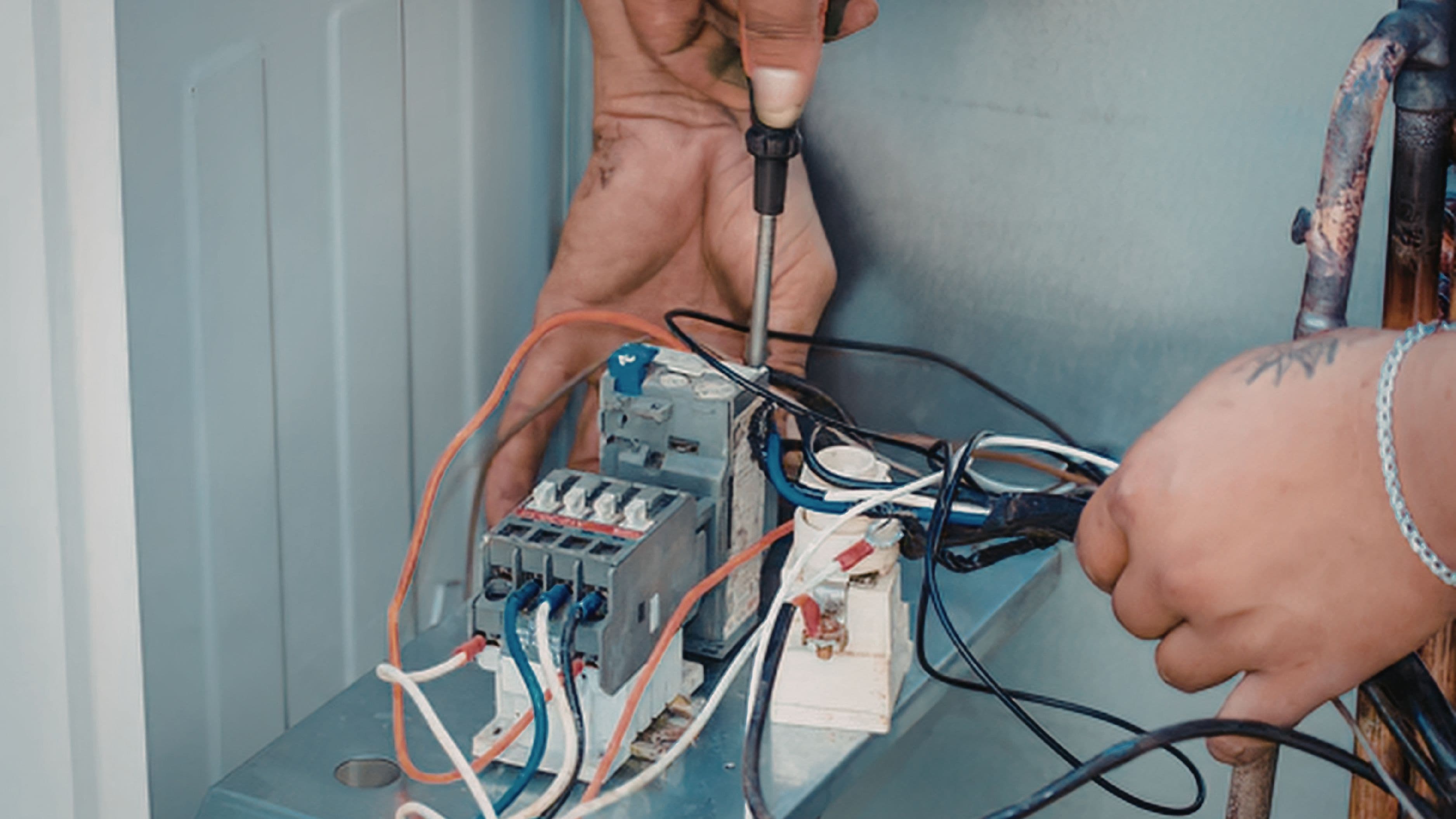
Check whether your thermostat is near any heat source and whether the furnace shuts off right around the time a nearby heat source turns on or sunlight hits that wall. If so, relocation may be the fix – though that often requires running new wire and is a job for an electrician or HVAC technician unless you're comfortable with low-voltage wiring.
Also check your thermostat's heat anticipator setting if you have an older mechanical thermostat. A heat anticipator set too high causes the thermostat to shut off the furnace before the room reaches temperature. This is less common now that programmable and smart thermostats have largely replaced mechanical ones, but it's worth knowing about in older homes.
Step 5: Check for Obstructions at the Flue and Intake Pipes
High-efficiency furnaces (90% AFUE and above) vent through PVC pipes that typically exit through a side wall rather than through the roof. Both the exhaust flue and the combustion air intake can become blocked – by ice buildup in winter, bird nests, debris, or vegetation growing over the pipe opening. When the exhaust can't vent properly, the furnace trips a pressure switch and shuts down.
Go outside and find where the PVC pipes exit the house, usually near the furnace on an exterior wall. Make sure both openings are clear. Ice blockages are particularly common during very cold snaps – the exhaust condensate can freeze and partially or fully block the pipe. Clearing the obstruction carefully (never with an open flame) usually gets the furnace running again immediately.
While you're there, check that the pipes haven't shifted or separated at any joints. Even a small gap in the exhaust pipe inside the living space is a carbon monoxide hazard that needs immediate professional attention.
Step 6: Inspect the Heat Exchanger (Visually)
The heat exchanger is the component most closely associated with furnace short-cycling that you genuinely cannot fix yourself – and also the most serious one to be aware of. The heat exchanger is a sealed metal chamber that separates combustion gases from the air circulating through your home. Over time, especially in older furnaces that have short-cycled repeatedly (which itself accelerates wear), the heat exchanger can develop cracks.
A cracked heat exchanger trips the high-limit switch as the furnace overheats, causing short-cycling. More critically, it can allow carbon monoxide to enter your home's air supply – which is why a confirmed cracked heat exchanger means the furnace should not be operated until it's repaired or replaced.
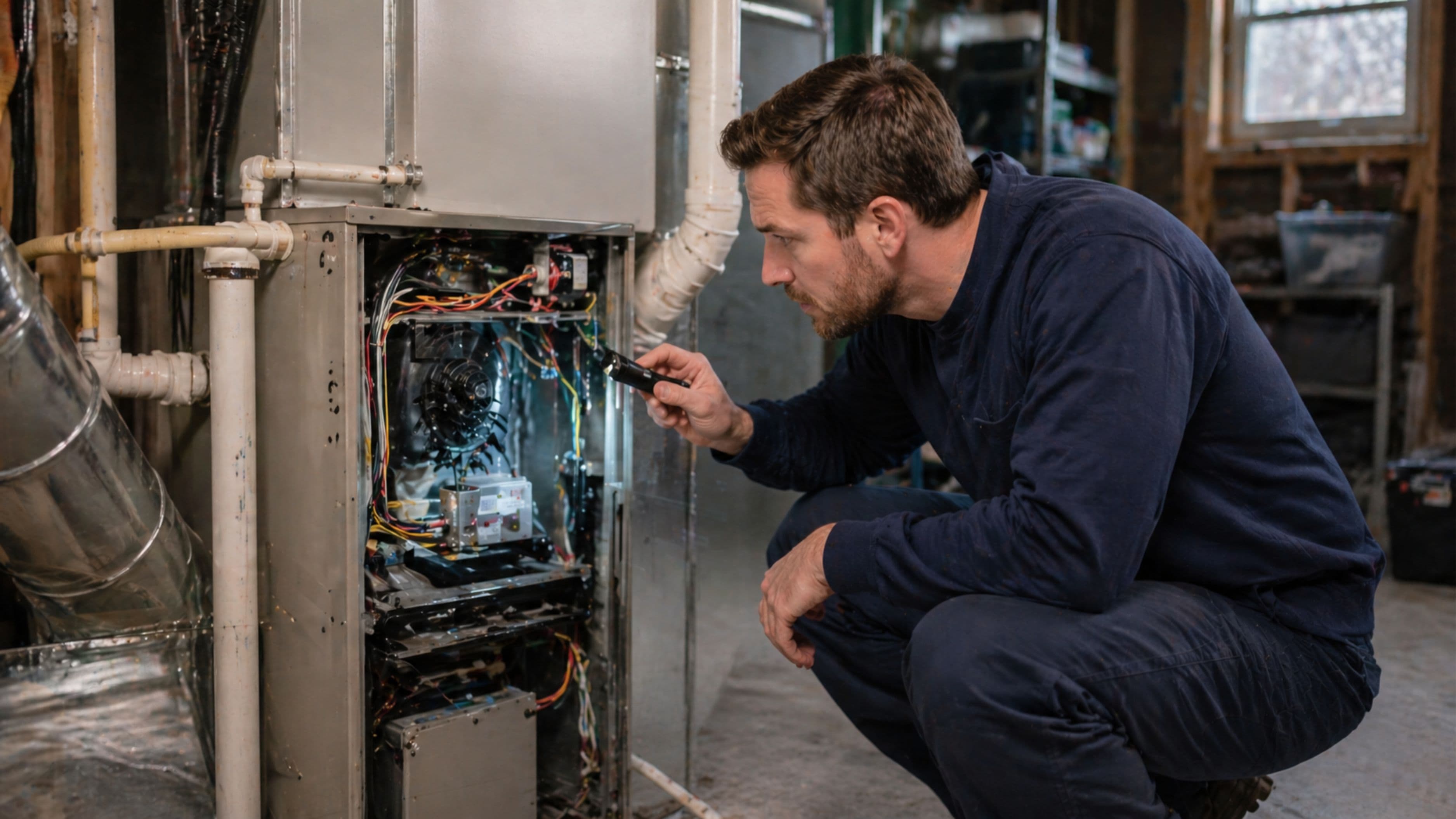
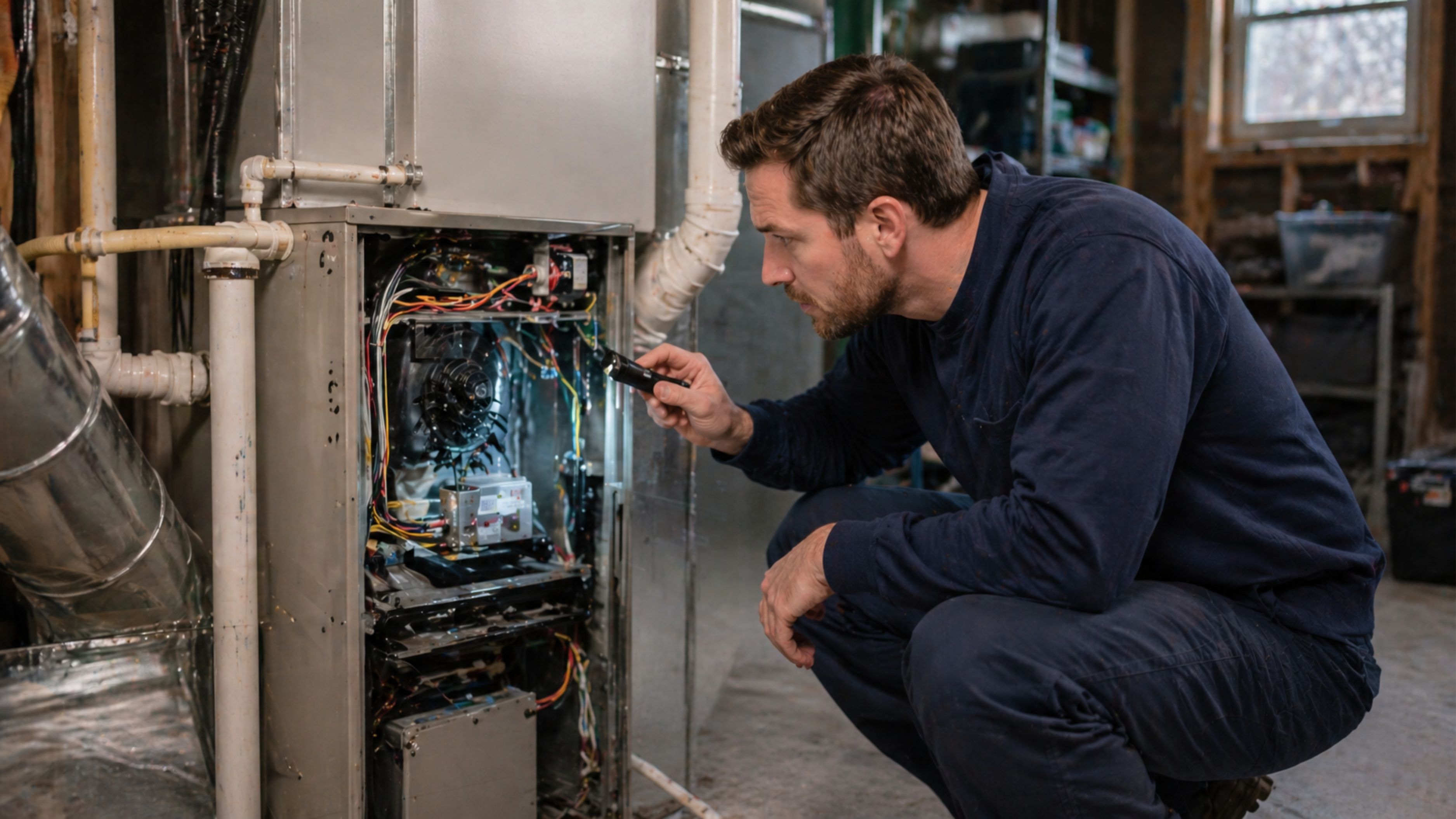
You can do a basic visual inspection by looking into the burner area with a flashlight while the furnace is off and the panels are removed. Visible cracks, rust streaks, or discoloration on the heat exchanger are warning signs. However, many cracks are not visible without professional inspection tools. If your furnace is older (15+ years), has been short-cycling for a while, or if your carbon monoxide detector has been alerting – even intermittently – call a technician for a proper heat exchanger inspection before using the furnace further.
When to Call a Professional
Work through the DIY steps first – filter, vents, flame sensor, thermostat, and flue pipes. These resolve the majority of short-cycling issues without any professional involvement. Call a technician when:
You've checked everything above and the furnace still short-cycles. A technician can test the high-limit switch directly, check the inducer motor, measure static pressure in the duct system, and run a proper combustion analysis – all of which require specialized tools.
You suspect a cracked heat exchanger. Don't run the furnace until it's inspected. This is a safety issue, not a convenience issue.
The furnace is making unusual sounds – grinding, banging, or rattling – alongside the short-cycling. These suggest mechanical failures that go beyond what DIY troubleshooting covers.
The furnace is 15–20 years old and this is the latest in a series of issues. At that age, a repair cost conversation is worth having against the cost of a new unit.
Common Mistakes to Avoid
Don't ignore short-cycling and assume it will work itself out. Each unnecessary startup cycle puts stress on the furnace's components – particularly the heat exchanger – and what starts as a dirty flame sensor or clogged filter can become a more serious failure if left unaddressed.
Don't replace the high-limit switch as a first repair without diagnosing why it's tripping. The high-limit switch shuts the furnace off for a reason. Replacing it without addressing the underlying cause – usually restricted airflow or an overheating issue – means the new switch will keep tripping too, or worse, won't protect the furnace properly.
Don't assume the furnace is too small for your home just because it runs frequently in cold weather. A furnace that runs often during very cold days isn't necessarily short-cycling – it may be working hard but completing normal cycles. Short-cycling is specifically about cycles that end too quickly, not about the furnace running a lot.
FAQ
How much does it cost to fix a short-cycling furnace? It depends entirely on the cause. A new air filter is under $20. Cleaning the flame sensor costs nothing but your time. A high-limit switch replacement runs $150–$300 with labor. A cracked heat exchanger is the most expensive scenario – repair or replacement of the heat exchanger alone can run $500–$1,500, and at that point most technicians will recommend replacing the furnace if it's older.
Is short-cycling dangerous? It can be. A furnace that's short-cycling due to a cracked heat exchanger is a carbon monoxide risk. Even without that, repeated short-cycling puts abnormal stress on the system and accelerates component wear. It's not a problem to put off investigating.
My furnace short-cycles only on very cold days. Why? On extremely cold days, the furnace works harder and runs longer cycles. If the heat exchanger or other components are marginal, the added stress can trigger the high-limit switch more readily. Cold weather short-cycling that doesn't happen at moderate temperatures is often an early warning sign of a heat exchanger issue or an undersized furnace that's being pushed beyond its capacity.
How do I know if my furnace is short-cycling vs just finishing a normal cycle? Time it. A normal heating cycle lasts roughly 10–15 minutes. If the furnace is shutting off after 1–5 minutes without the house reaching the thermostat's set temperature, that's short-cycling. If it runs 10+ minutes and the house is reaching temperature, the cycle is likely normal even if it feels frequent.
📚 Sources
US Department of Energy – Furnace and Boiler Maintenance: https://www.energy.gov/energysaver/furnaces-and-boilers
Consumer Product Safety Commission – Carbon Monoxide Information Center: https://www.cpsc.gov/Safety-Education/Safety-Education-Centers/Carbon-Monoxide-Information-Center
ENERGY STAR – Maintaining Your Heating System: https://www.energystar.gov/saveathome/heating_cooling/maintaining_heating_system
ASHRAE – Indoor Air Quality and HVAC Systems: https://www.ashrae.org/technical-resources/bookstore/indoor-air-quality-guide
US Department of Energy – Heat Exchanger Safety: https://www.energy.gov/sites/prod/files/2014/05/f15/ba_buildings_america_report_26561.pdf