
Why the Igniter Keeps Clicking Instead of Lighting
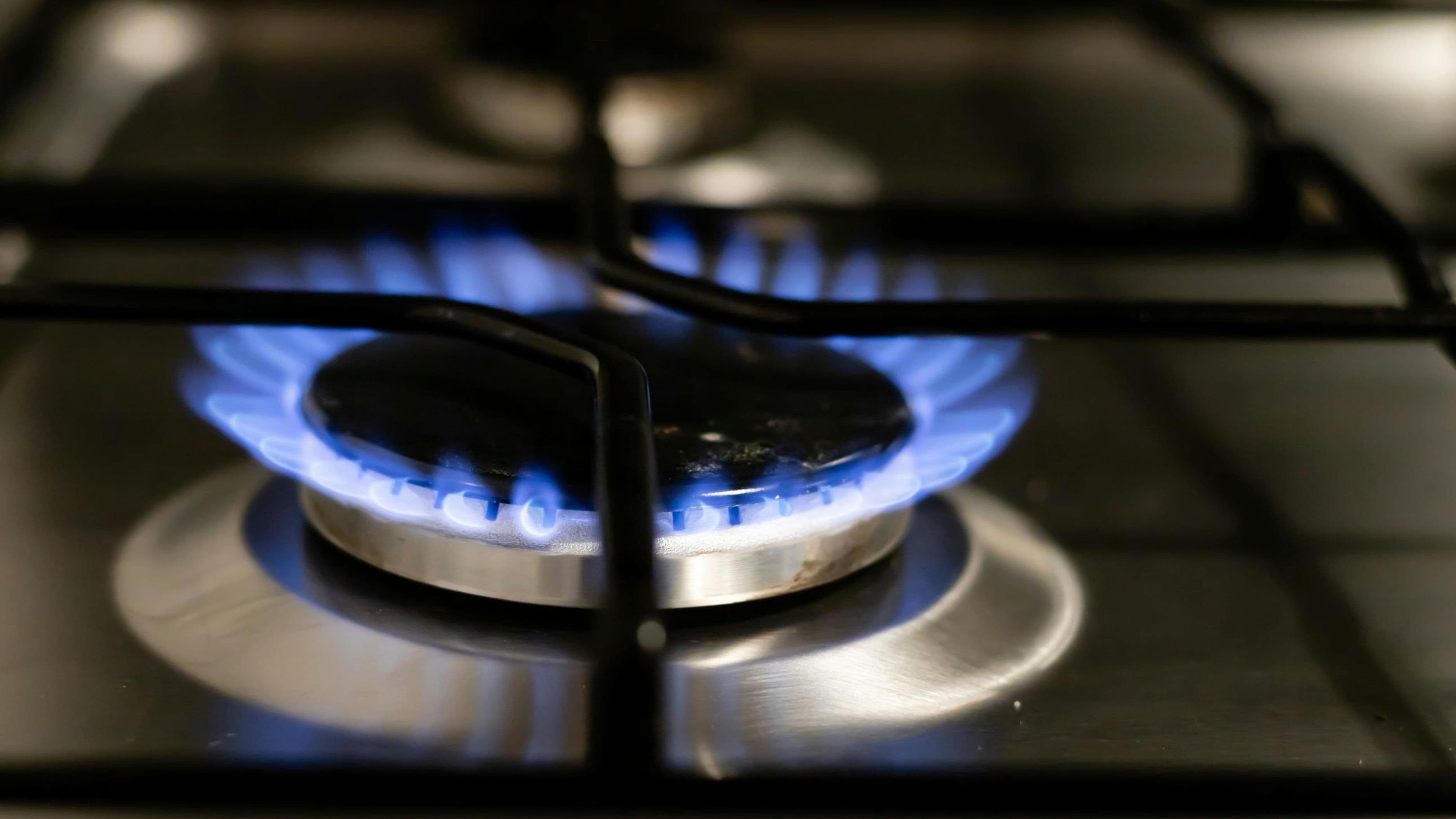
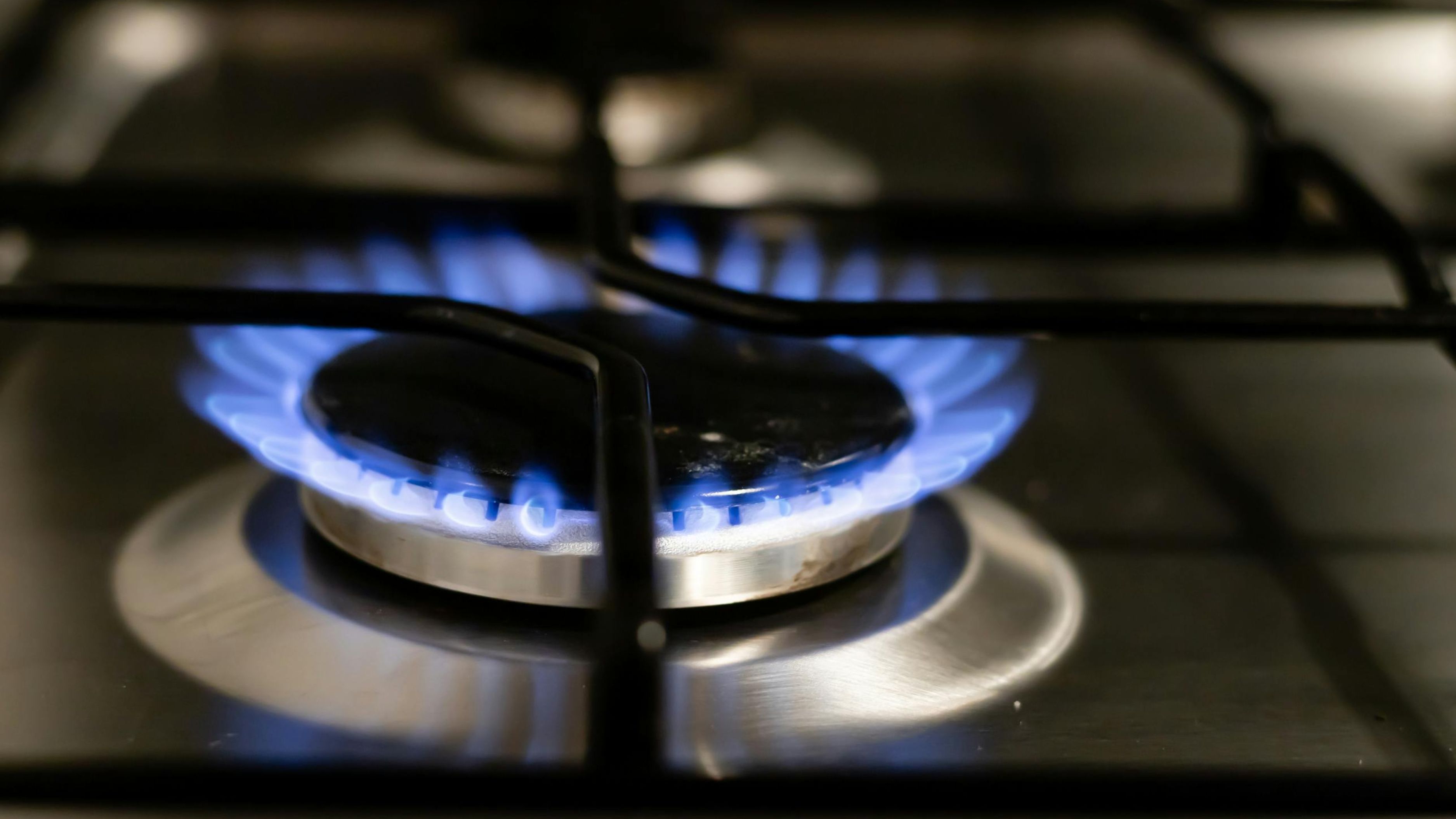
The clicking sound you're hearing is the igniter doing its job – generating a spark meant to light the gas. If the burner isn't lighting despite that steady clicking, the spark simply isn't reaching the gas, or something is preventing the flame from catching once it does. This is almost always caused by moisture, debris, or a misaligned component rather than a failed igniter itself.
Cause 1: Moisture From Cleaning or Spills
This is the single most common cause, especially right after cleaning your stovetop. If water gets into the igniter or burner components, it can cause continuous clicking without ignition until everything fully dries out.
Fix: Turn off the burner and let everything air dry for 15 to 30 minutes before trying again. If you're in a hurry, use a hair dryer on a low setting to speed up the drying process around the igniter and burner head, being careful not to blast it too closely.
Cause 2: Food Debris or Grease Buildup on the Igniter
Food particles, grease, and general grime can accumulate on the igniter tip or burner ports over time, blocking the spark from reaching the gas properly or clogging the small holes gas needs to pass through to ignite.
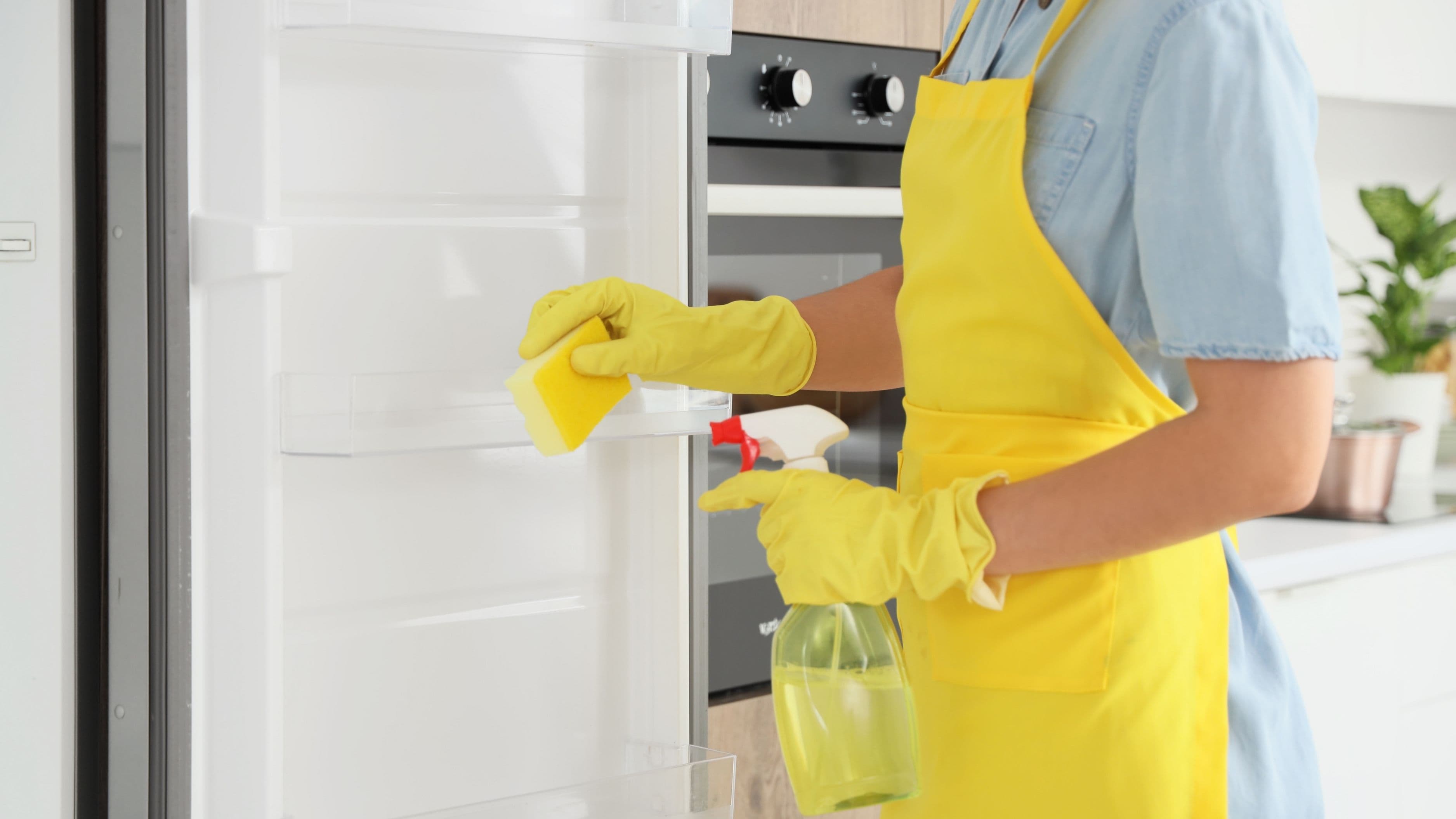
Fix: Remove the burner grate and cap, then use a soft brush or toothbrush to clean around the igniter tip and burner ports. For stubborn grease, a mixture of warm water and dish soap works well – just make sure everything is completely dry before reassembling and testing the burner again.
Cause 3: Burner Cap Not Seated Properly
Each burner has a cap that sits on top of the burner base, and if it's even slightly misaligned or not seated flush, the igniter spark may not line up correctly with the gas port, causing continuous clicking without a flame catching.
Fix: Remove the burner cap completely, wipe down both the cap and the base underneath, then carefully reseat the cap making sure it sits flush and level. Small models can look nearly identical between burners, so double-check you're placing the right size cap back on the corresponding burner.
Cause 4: Igniter Getting Wet From a Boil-Over
If a pot has recently boiled over, that liquid may have seeped down around the igniter, causing a short-term issue that resolves once things dry out completely. This is essentially the same root cause as general moisture but worth calling out separately since boil-overs tend to get moisture into harder-to-reach spots.
Fix: Same as the moisture fix above – full drying time is usually all that's needed. If the clicking persists well beyond normal drying time, move on to checking for debris buildup, since a boil-over can also leave behind sticky residue once it dries.
Cause 5: A Genuinely Faulty Igniter
If you've ruled out moisture and debris and the clicking still won't translate into a flame, the igniter itself may be wearing out. Igniters are a wear component with a limited lifespan, and after years of regular use, the spark can weaken to the point where it's no longer reliably strong enough to ignite the gas.
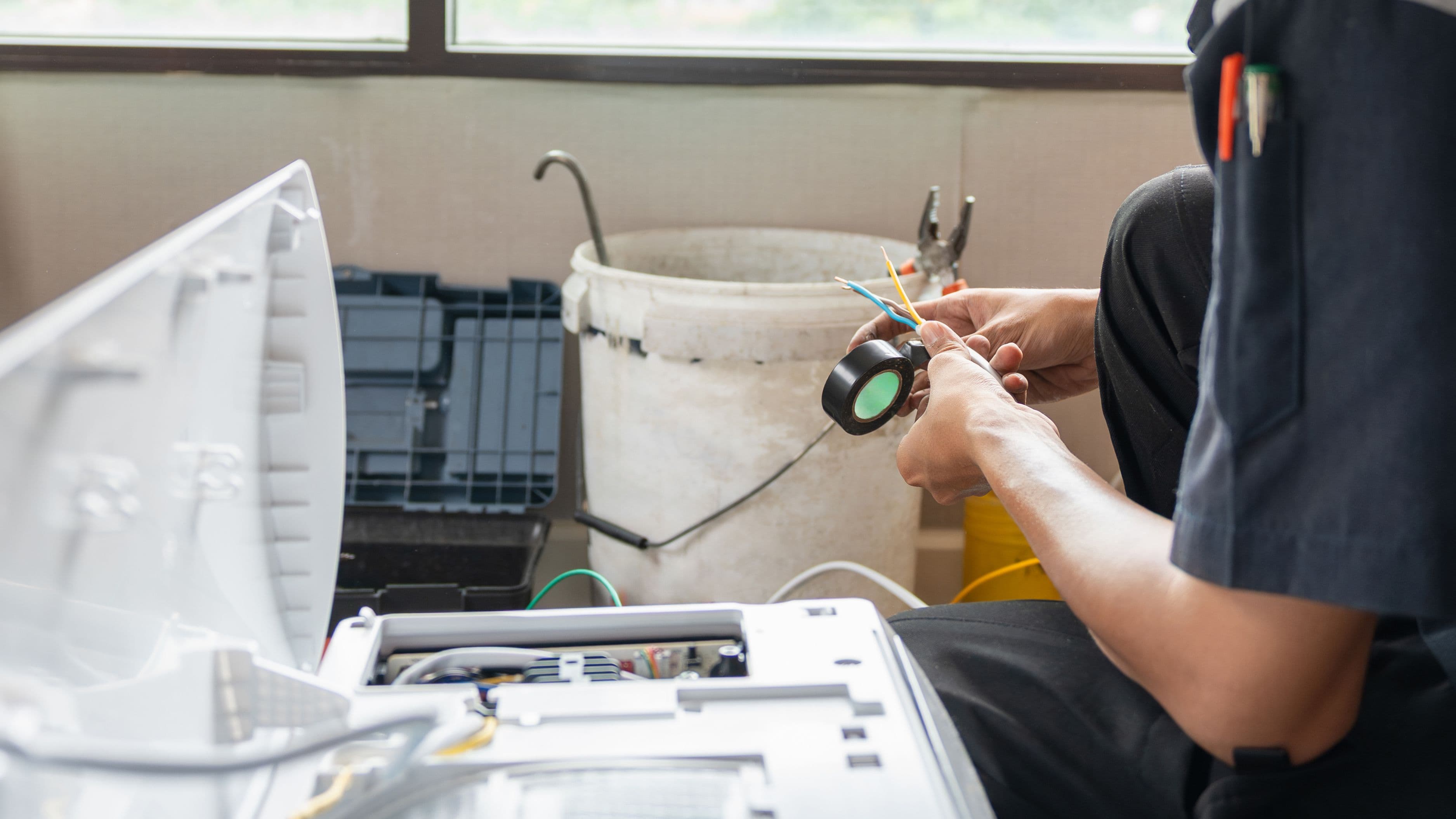
Fix: This typically requires replacing the igniter module, which is a moderately involved repair depending on your stove model. Many are user-replaceable with basic tools and a matching part ordered for your model number, but if you're not comfortable working near a gas line component, this is a reasonable point to call in a professional.
A Quick Troubleshooting Order to Follow
Start with the simplest explanation first: check for visible moisture and let things dry completely. If that doesn't resolve it, move to cleaning debris from the igniter and burner ports. If the burner still won't light after both of those steps, check that the burner cap is properly seated. Only after ruling out all three should you consider that the igniter itself may need replacing.
What to Avoid
Never use excessive force when cleaning around the igniter tip, since it's a small, somewhat delicate ceramic component that can crack if handled too roughly. Avoid using metal scouring pads on burner caps or ports, since scratches can create rough spots where debris collects more easily in the future.
If you smell gas at any point during troubleshooting, stop immediately, turn off the burner and the gas supply if possible, ventilate the area, and contact your gas provider or a qualified technician right away – this is not a situation to troubleshoot further on your own.
When to Call a Professional
If you've worked through moisture, debris, and burner cap alignment and the igniter still won't produce a flame, or if you notice any gas smell at any point, it's time to call a licensed appliance repair technician or your gas utility provider. Gas appliance repairs involving the gas line itself should always be handled by a qualified professional rather than attempted as a DIY fix.
FAQ
Is it safe to keep trying to light the burner if it's just clicking? Generally yes for a few attempts, but if you smell gas at any point, stop immediately and don't attempt to light it – ventilate the area and contact a professional.
How long should I wait after cleaning before testing the burner again? At least 15 to 30 minutes to ensure everything is fully dry, longer if you didn't use a hair dryer to speed up drying.
How often should I clean my gas stove igniters? A quick wipe-down after any spill or boil-over, plus a more thorough monthly cleaning as part of regular kitchen maintenance, prevents most clicking issues before they start.