


You've been told that home repairs can wait — that you'll tackle them "when you have time" or "when the budget allows." But here's the uncomfortable truth: that seemingly minor drip, crack, or squeak isn't just an annoyance. It's quietly draining your wallet, compromising your home's value, and setting you up for a financial shock you never saw coming. What starts as a $50 fix can snowball into thousands of dollars in damage, all because you believed the myth that delaying repairs saves money.
The reality? Procrastination is one of the most expensive habits a homeowner can develop. Every day you postpone these essential fixes, the damage multiplies beneath the surface, spreading like roots through your foundation, walls, and systems. Let's shatter the illusion that waiting is harmless and reveal what these delays are actually costing you.
Myth: That Small Roof Leak Can Wait → Truth: It's Rotting Your Home From the Inside Out
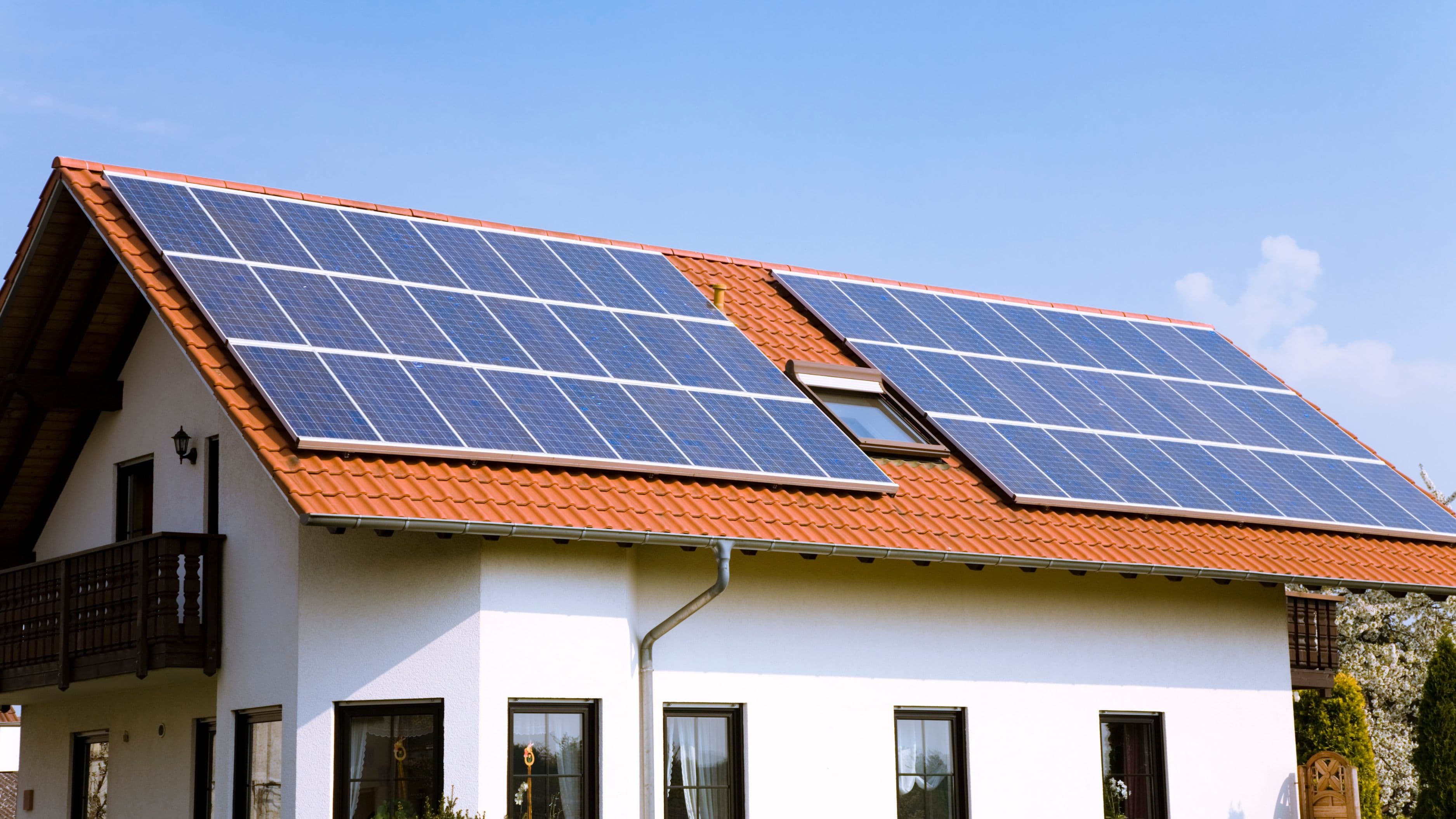
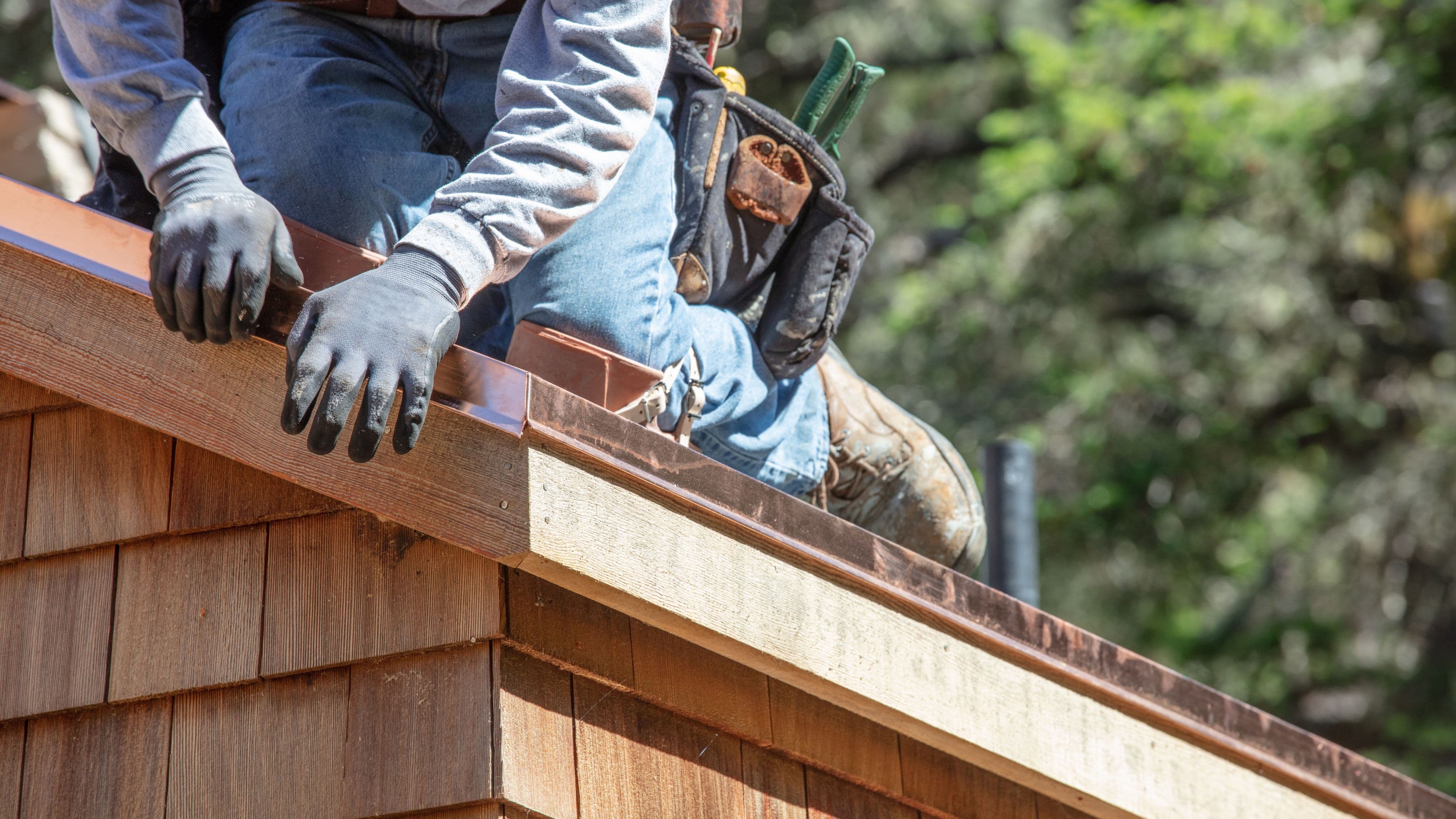
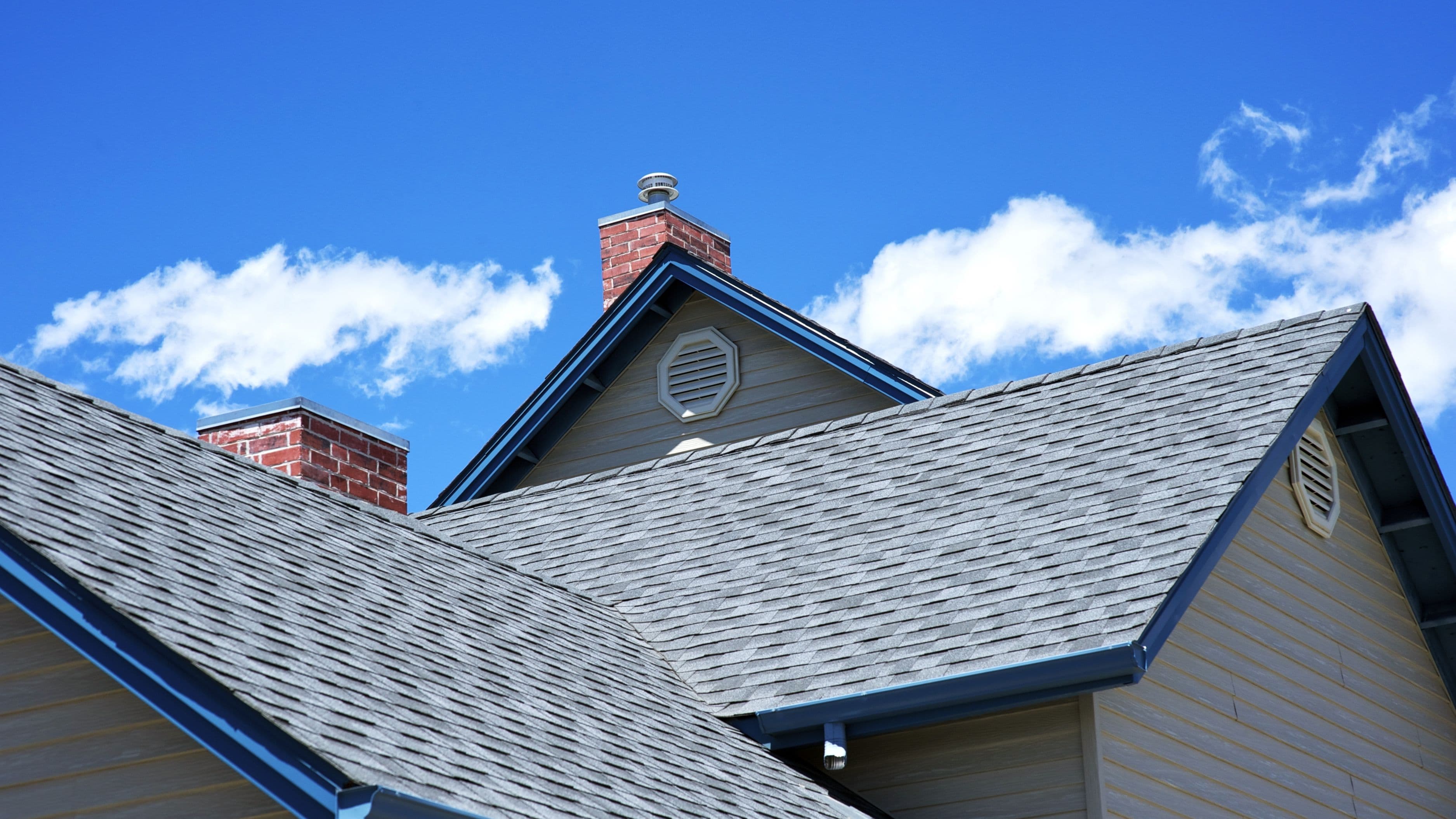
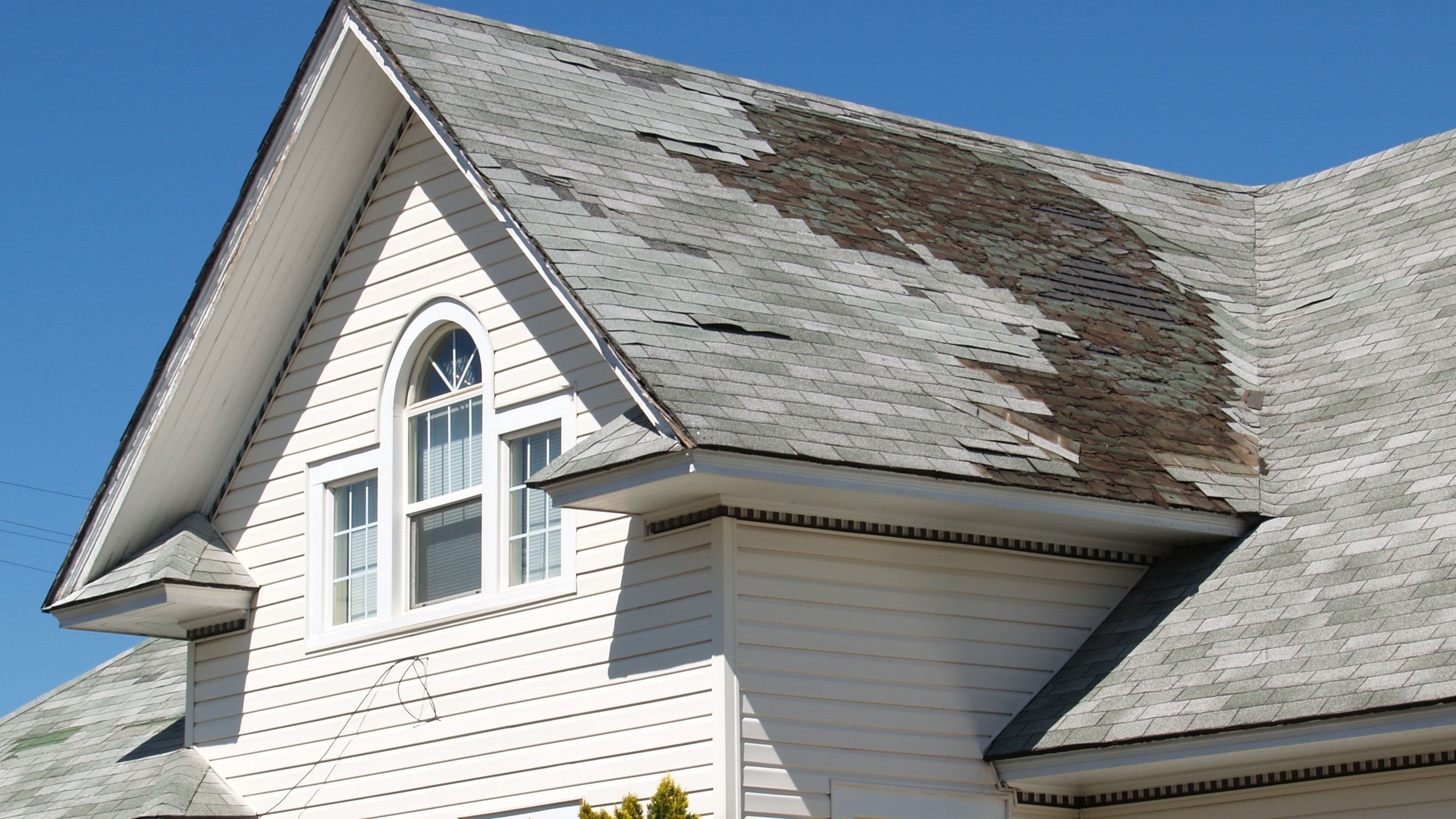
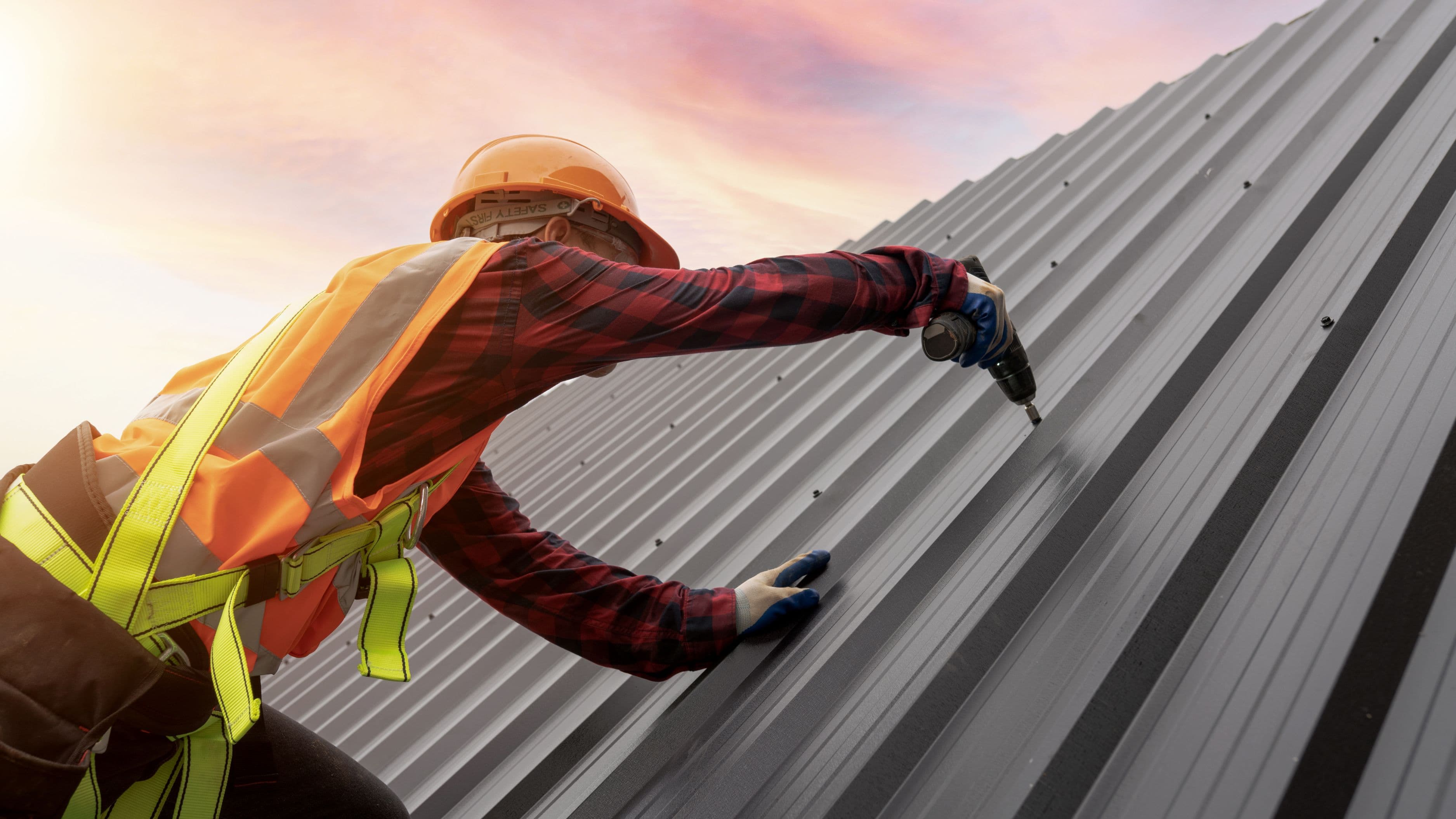
You notice a small water stain on your ceiling after a storm and think, "I'll deal with it later." After all, it's not pouring through, right? Wrong. That innocent-looking stain represents water that's already invaded your attic, soaking insulation, saturating wood beams, and creating the perfect breeding ground for mold. The National Roofing Contractors Association reports that minor roof leaks, when ignored, cause an average of $10,000 in structural damage within just 18 months.
Here's what's happening while you wait: moisture seeps into your roof decking, weakening the wood until it becomes spongy and unstable. Your insulation loses its effectiveness, forcing your HVAC system to work overtime and spiking your energy bills by 15-20%. Meanwhile, black mold colonies flourish in the damp darkness, releasing spores that can trigger respiratory issues and allergic reactions throughout your home. What could have been a $200 shingle replacement and $50 in sealant now demands replacing entire sections of roof decking, insulation, and potentially remediating mold — costs that easily exceed $8,000.
The fix is surprisingly straightforward for early catches. Climb into your attic with a flashlight after the next rain and trace any moisture back to its source. Most minor leaks stem from damaged flashing around chimneys or missing shingles that you can replace yourself for under $100. Apply roofing cement to seal small gaps, and consider adding a waterproof membrane in vulnerable areas. The thirty minutes you invest now prevents years of compounding damage that threatens your home's structural integrity.
Myth: Clogged Gutters Are Just Messy → Truth: They're Destroying Your Foundation
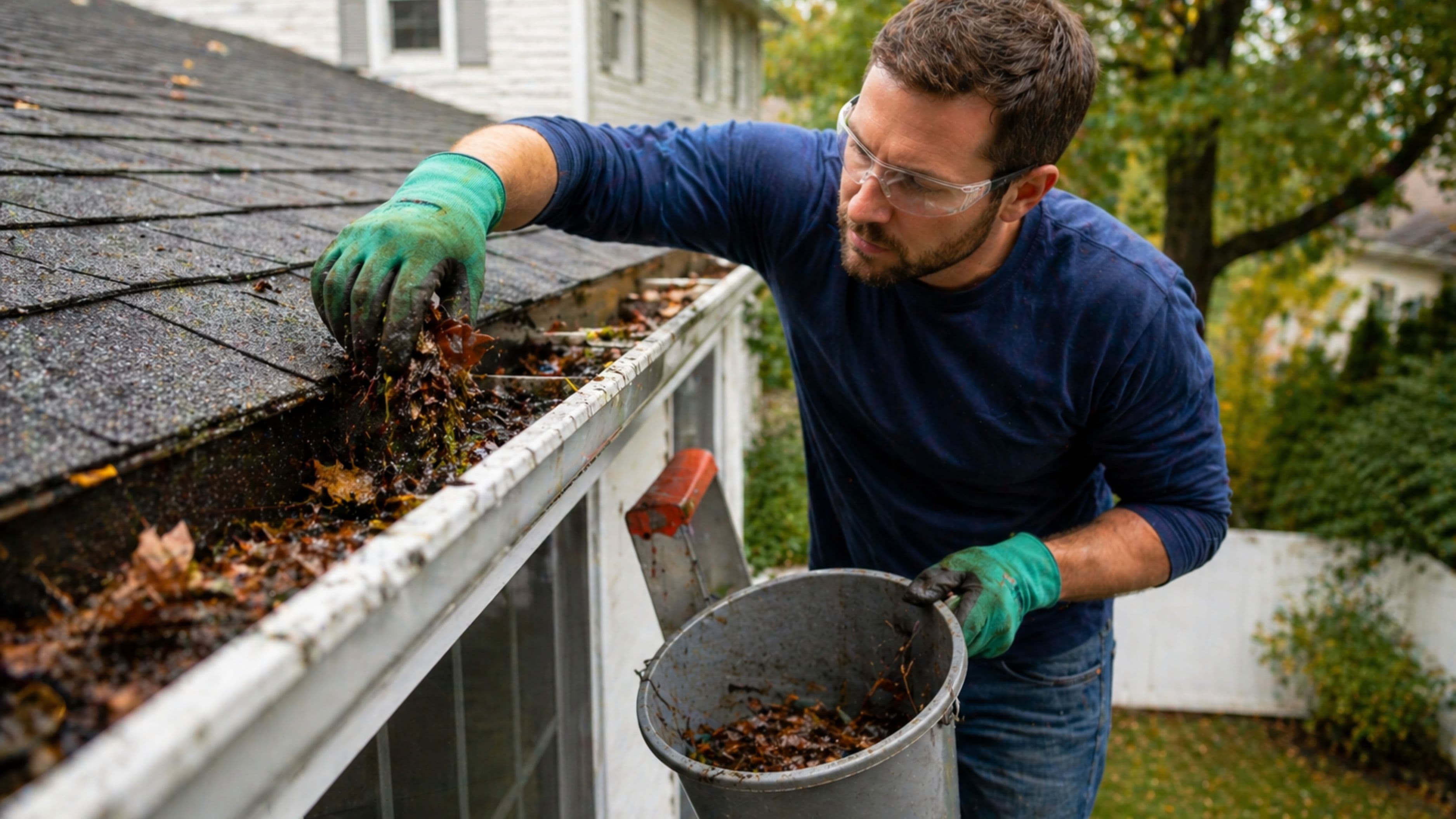
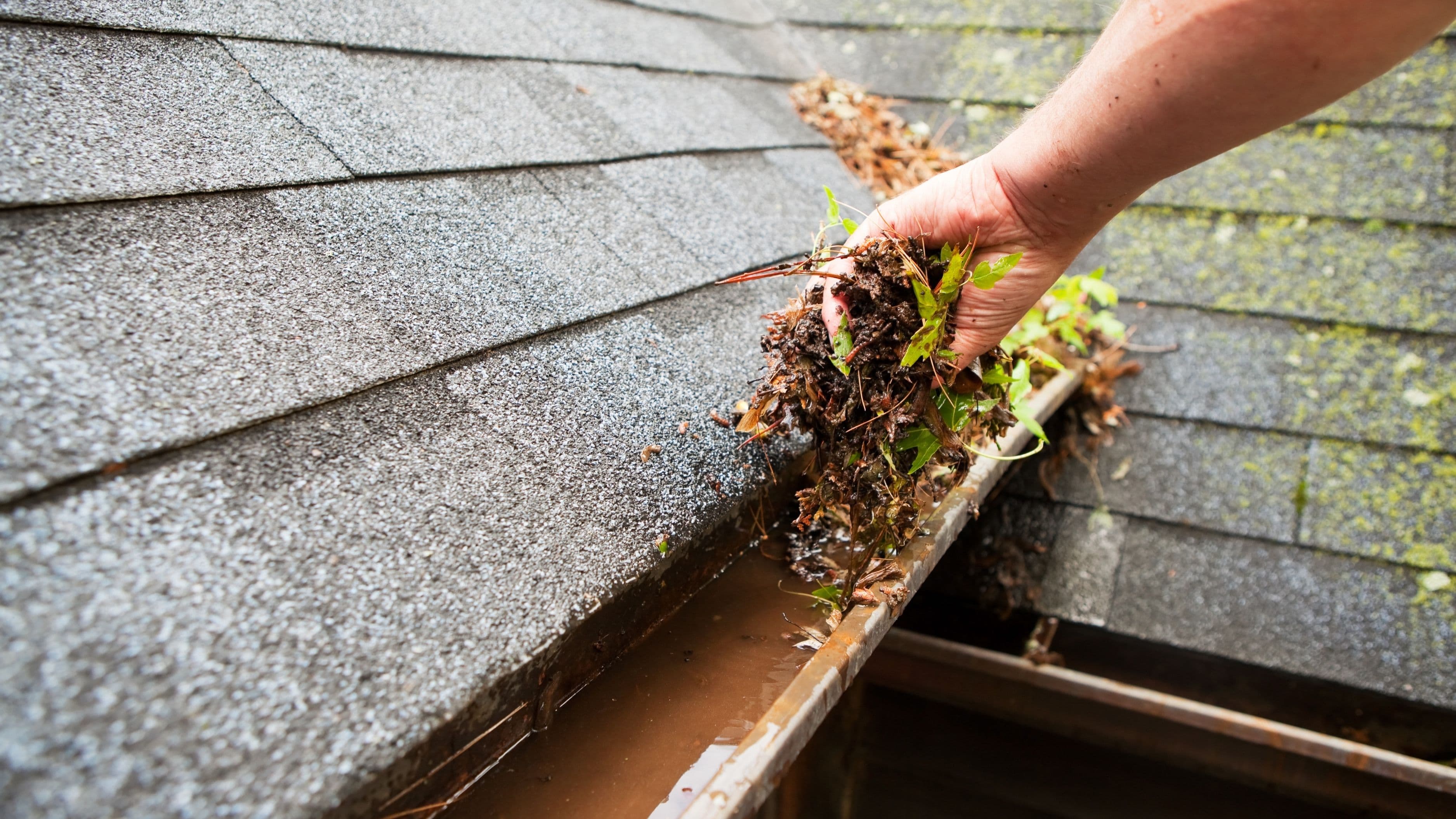
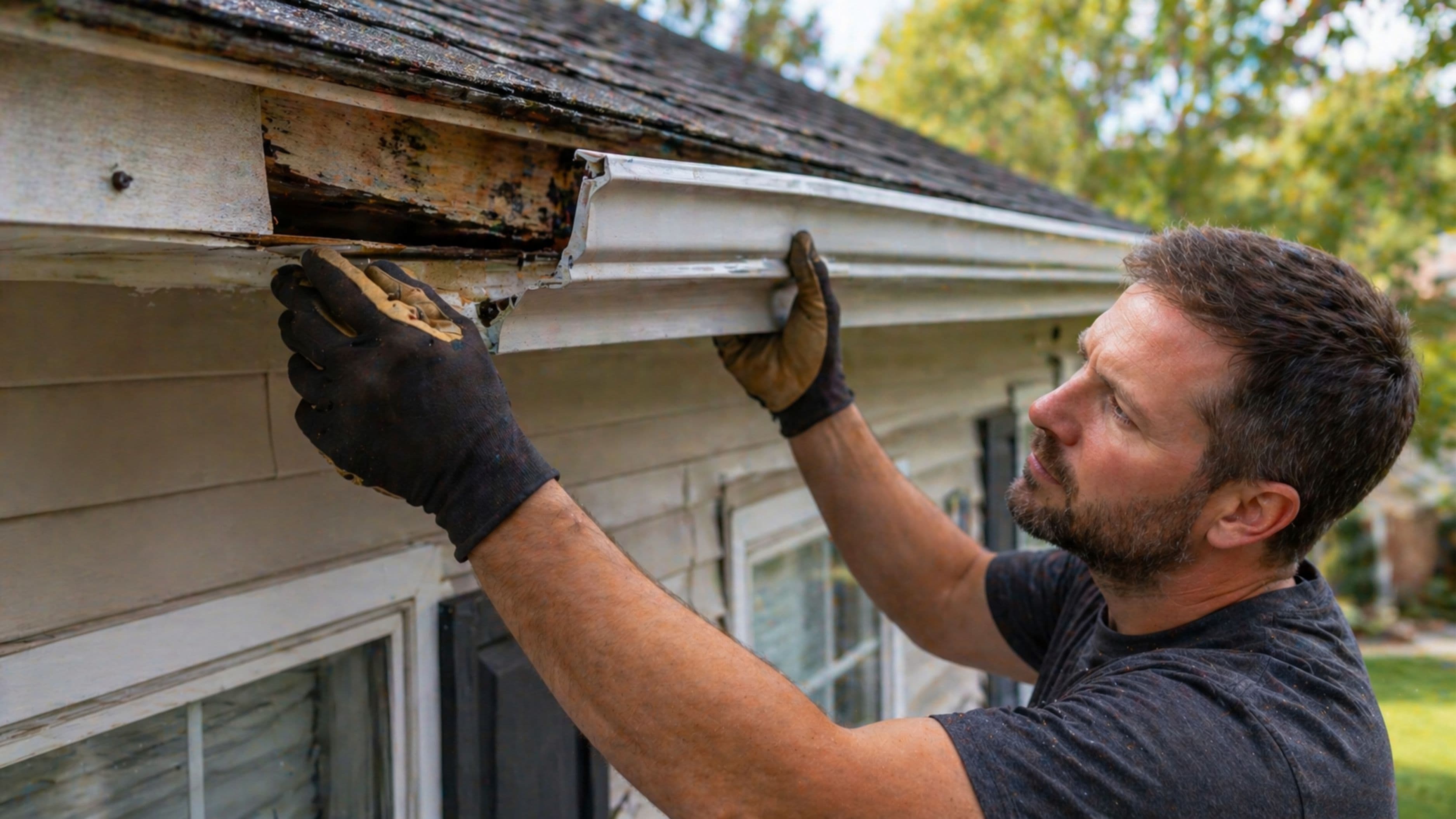
Those overflowing gutters filled with soggy leaves seem like a cosmetic issue, something you'll handle when the weather's nicer. But every rainstorm sends hundreds of gallons cascading directly against your foundation instead of flowing away from your home. The American Society of Home Inspectors identifies improper drainage as the leading cause of foundation problems, responsible for 90% of basement water issues and foundation cracks that cost an average of $4,500 to repair.
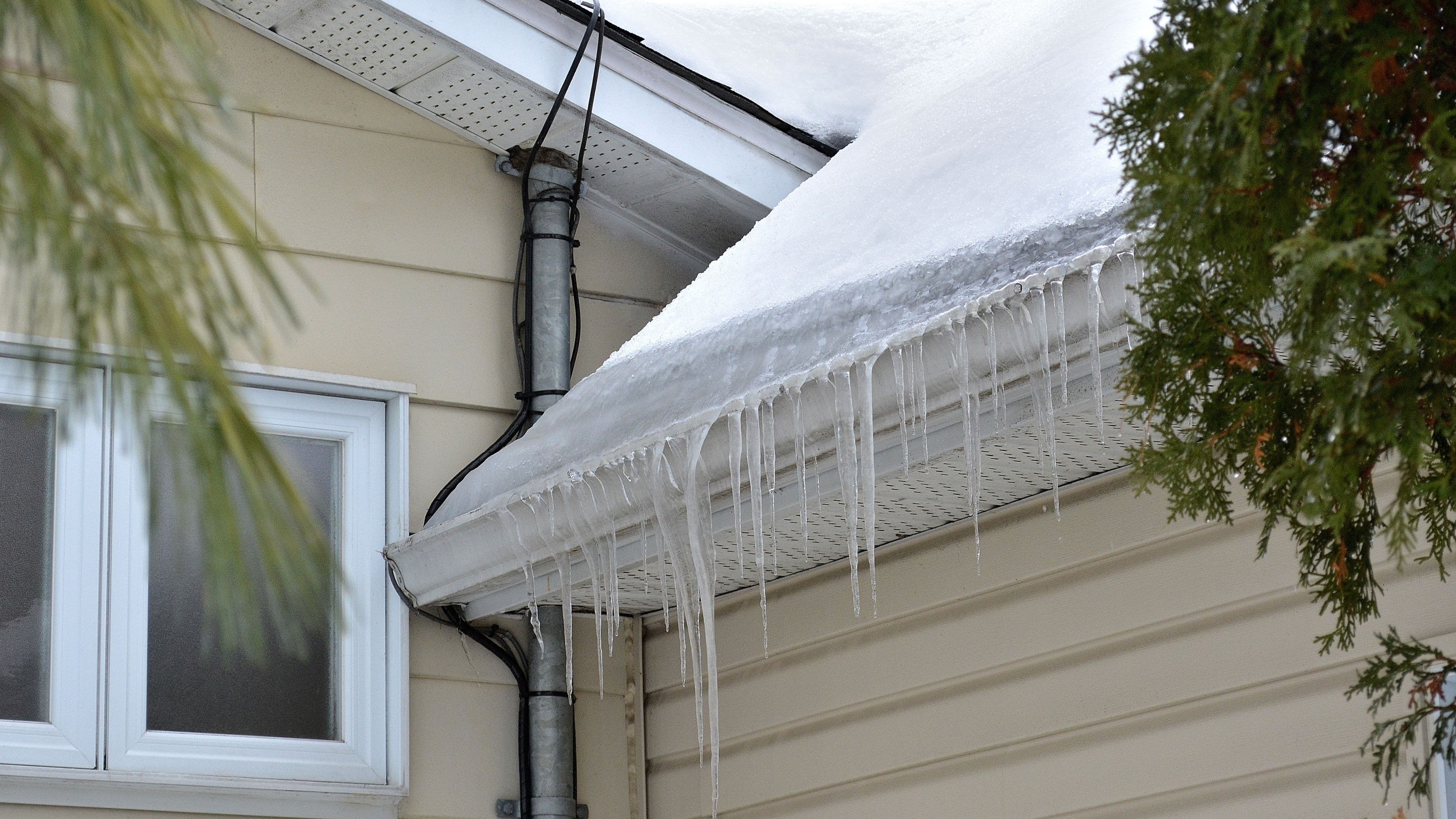
Picture what's unfolding beneath ground level: water pools around your foundation, seeping into microscopic cracks and expanding when temperatures drop. This freeze-thaw cycle acts like a wedge, forcing those hairline fractures to widen into structural fissures. The soil becomes saturated and unstable, causing your foundation to settle unevenly — you'll notice doors that suddenly won't close, windows that stick, and cracks snaking up your walls. Your basement develops that musty smell as water finds its way through compromised concrete, creating perfect conditions for mold and wood rot in floor joists.
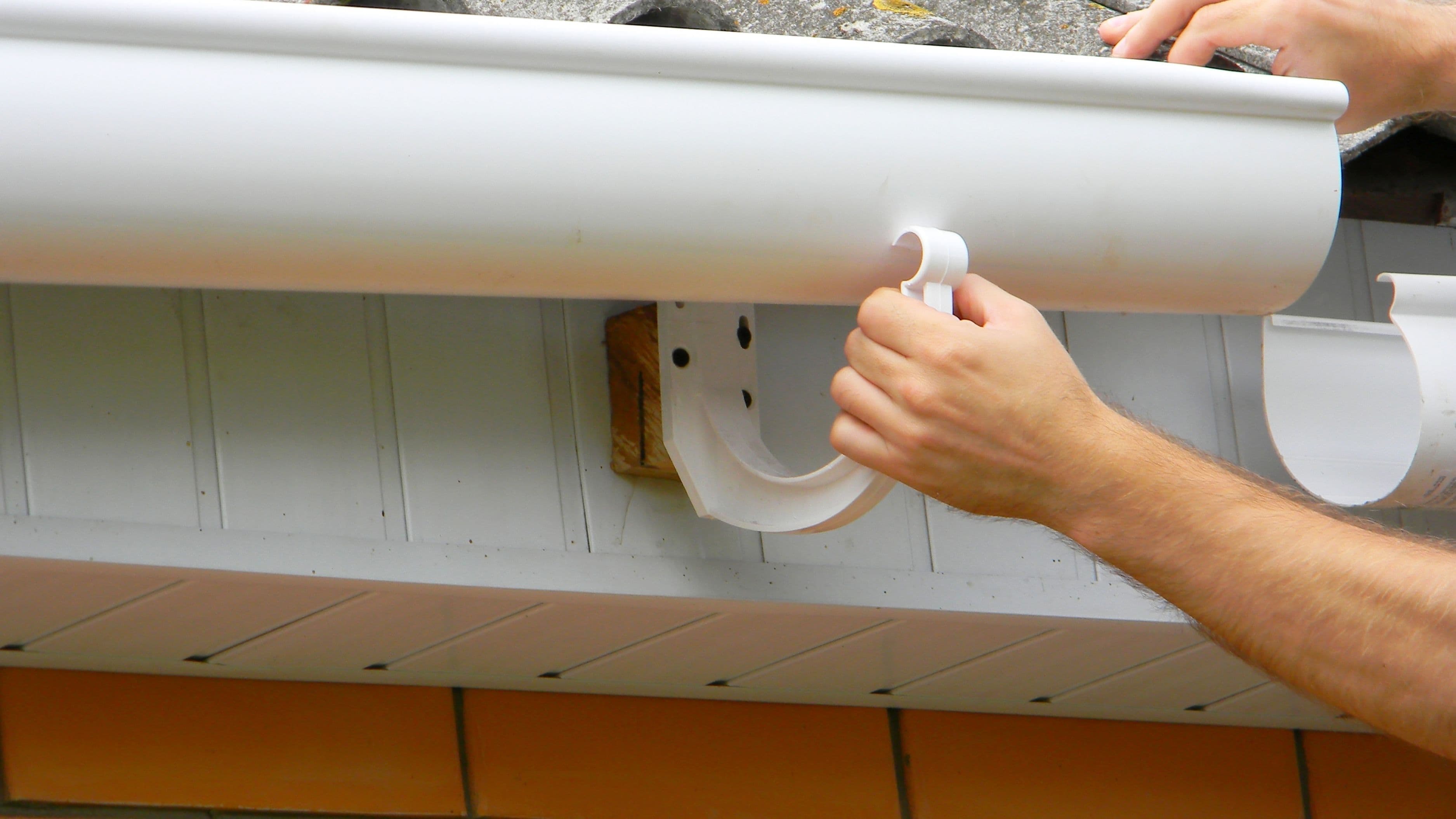
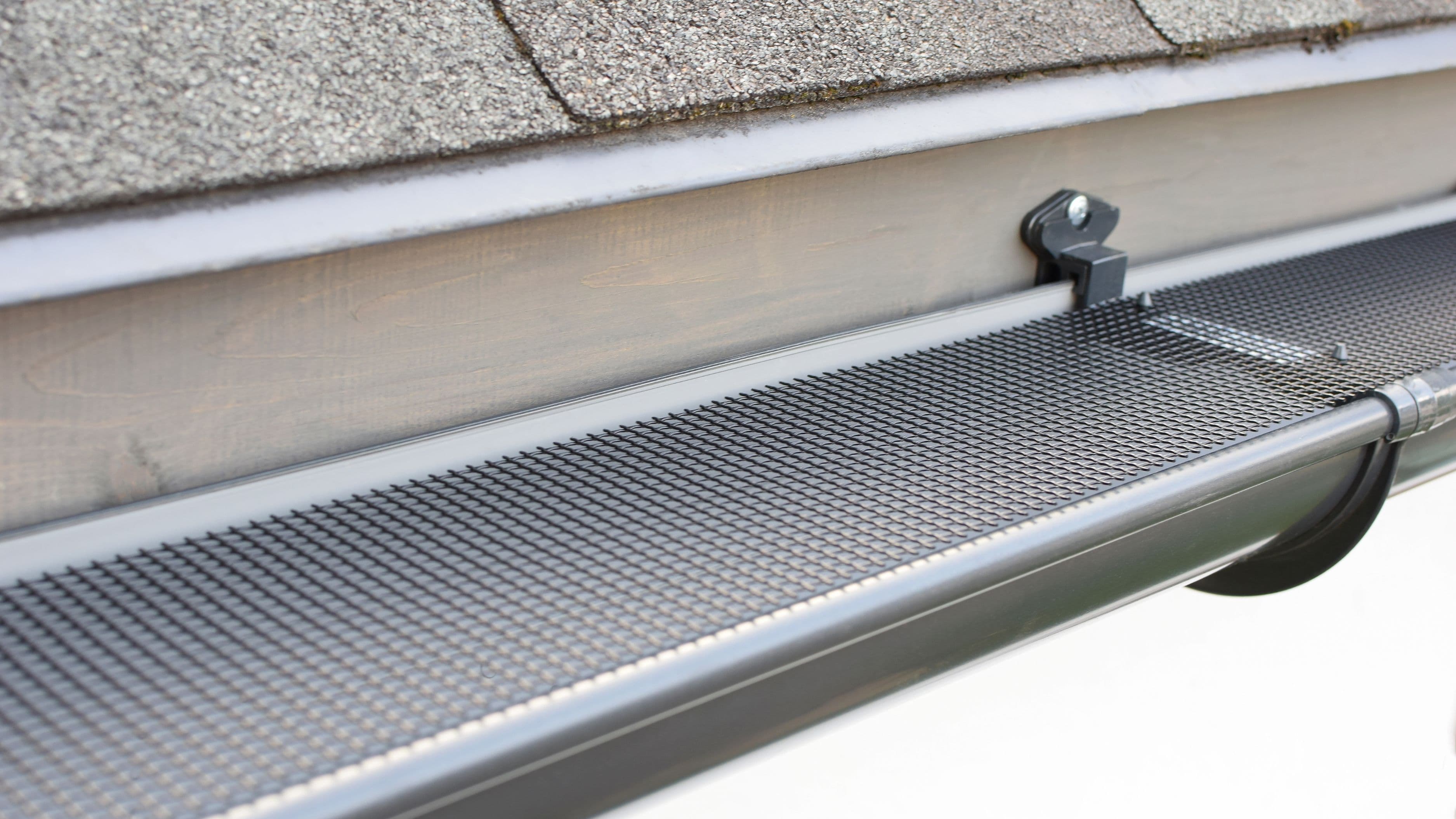
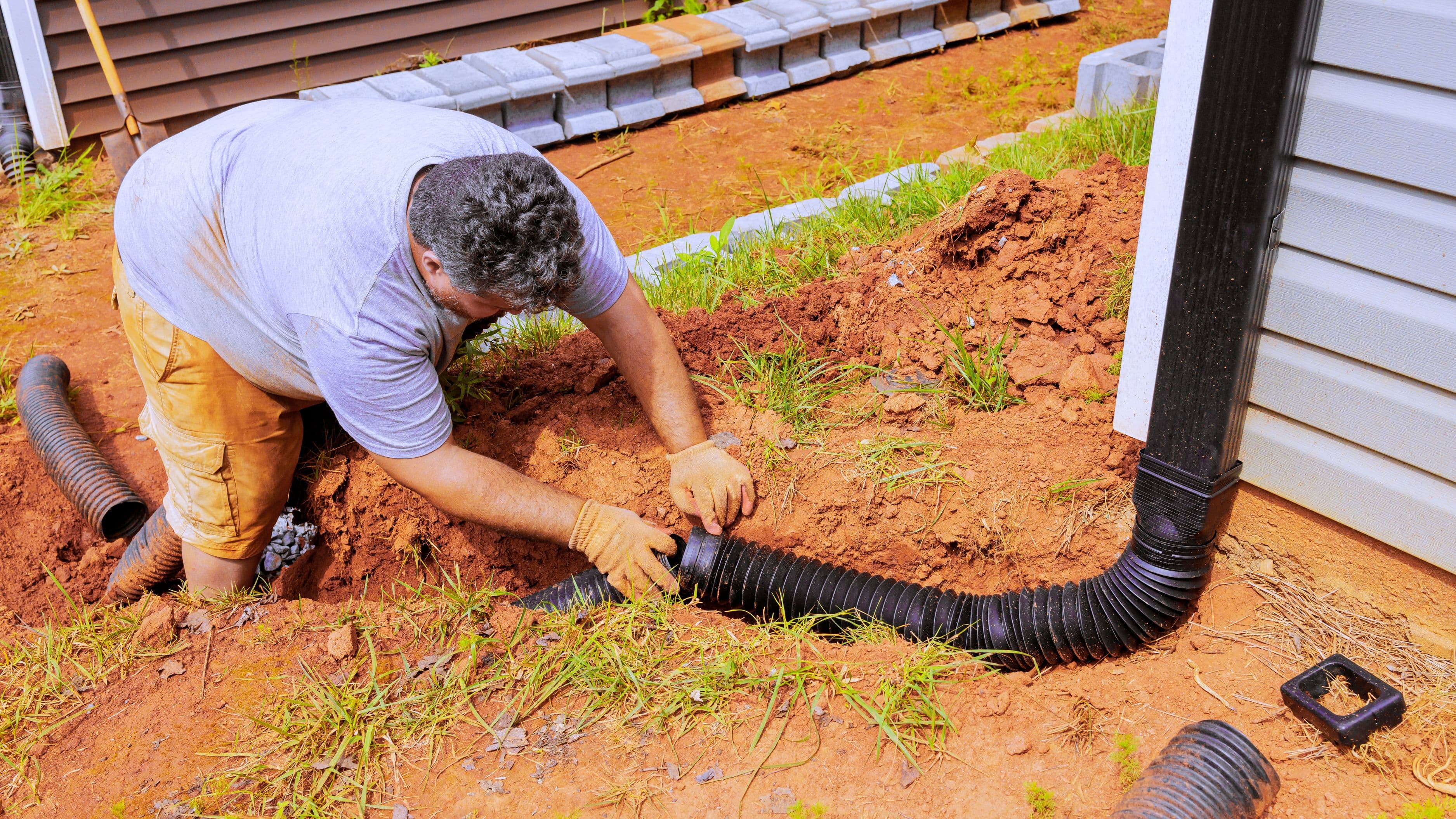
Cleaning gutters twice yearly — spring and fall — takes less than two hours and costs nothing but your time. Grab a ladder, scoop out debris with a plastic garden trowel, and flush the downspouts with a garden hose to ensure proper flow. Install inexpensive gutter guards for $2-3 per linear foot to minimize future buildup. Extend downspouts at least six feet from your foundation using flexible extensions available at any hardware store for under $15. These simple actions protect the literal foundation of your home's value and spare you from catastrophic repair bills that can reach five figures when foundation damage escalates.
Myth: A Running Toilet Is Just Annoying → Truth: It's Flushing Money Down the Drain
That constant trickling sound from your bathroom has become white noise, easy to ignore when you've got bigger concerns. But the Environmental Protection Agency estimates a running toilet wastes 200 gallons per day — that's 6,000 gallons monthly, adding $70-100 to your water bill for absolutely nothing. Over a year, you're literally watching $840-1,200 vanish into the sewer system, money that could fund an entire vacation or tackle multiple other home improvements.
The culprit is usually a deteriorated flapper valve, that rubber seal at the bottom of your tank that costs $5 and takes ten minutes to replace. As it ages, the rubber hardens and warps, preventing a proper seal and allowing water to continuously flow from the tank into the bowl. Sometimes the chain connecting the flapper to the flush handle becomes tangled or too short, preventing the flapper from seating properly. Occasionally, sediment buildup on the flapper or valve seat creates gaps that let water escape. Beyond the financial waste, this constant flow stresses your water heater if it's connected to a hot water line, and can eventually damage the toilet's fill valve, cascading into more expensive repairs.
The fix requires zero plumbing expertise. Turn off the water supply valve behind the toilet, flush to empty the tank, and unhook the old flapper from the overflow tube. Snap the new flapper into place, adjust the chain length to allow about half an inch of slack, and turn the water back on. If replacing the flapper doesn't solve the issue, a complete toilet repair kit with all internal components runs about $20 and installs in thirty minutes. You'll hear the difference immediately — blessed silence and the satisfaction of stopping hundreds of dollars from disappearing monthly.
Myth: Peeling Exterior Paint Is Just Ugly → Truth: It's Inviting Water Damage and Pest Infestations
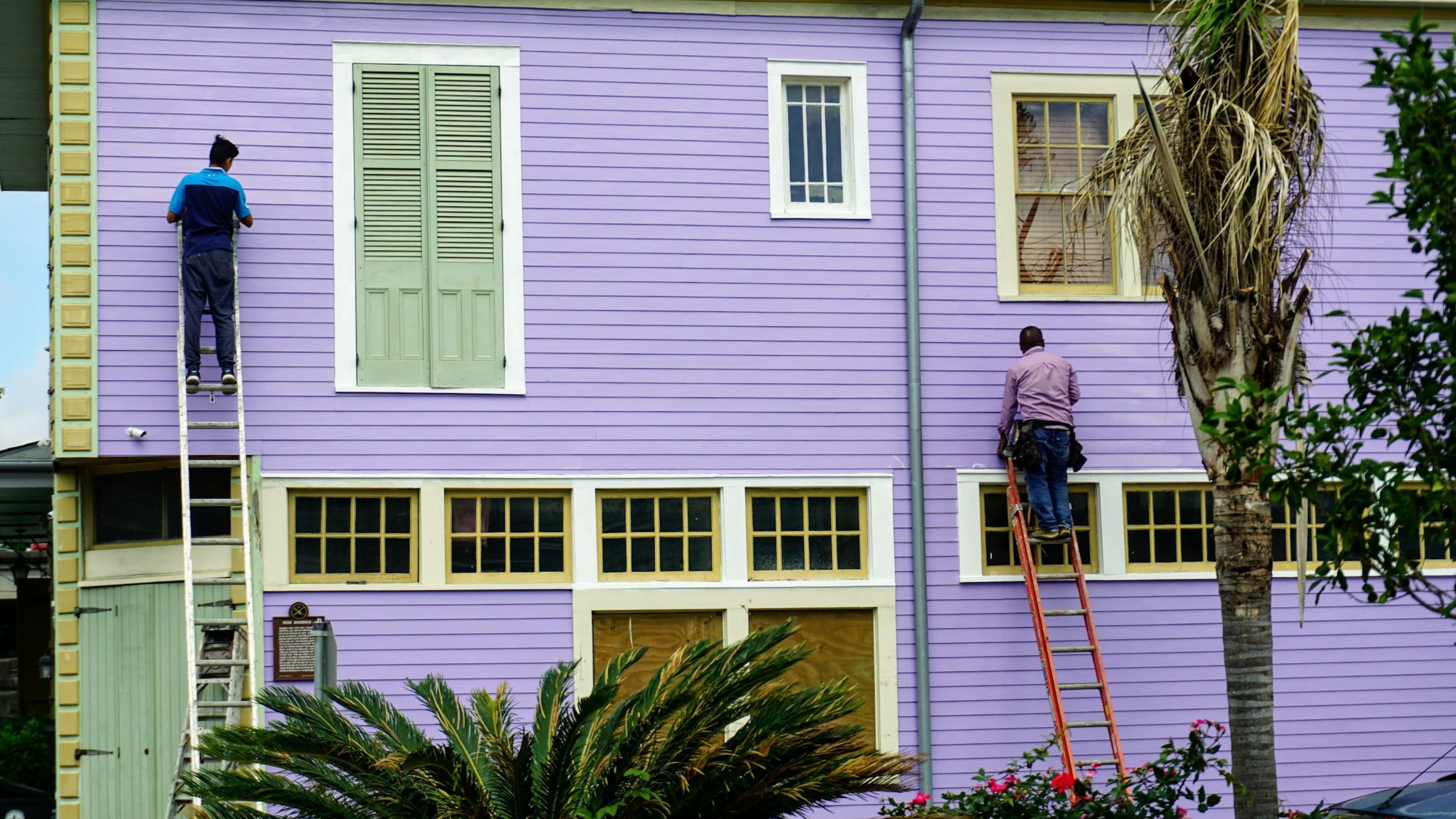
You notice the paint bubbling and flaking on your home's exterior and figure it's cosmetic, something to address when you're ready for a full repaint. But paint isn't just decorative — it's your home's primary defense against moisture infiltration. The National Association of Home Builders confirms that exposed wood absorbs water, leading to rot that costs $2,000-$5,000 per section to repair, not including the structural damage that may have spread to framing members behind the siding.
Here's the domino effect: water penetrates the bare wood, causing it to swell and contract with temperature changes, which accelerates deterioration. Carpenter ants and termites detect the moisture and soft wood, interpreting it as an invitation to establish colonies. These insects tunnel through compromised wood, creating highways of destruction that can extend deep into your home's structure before you even notice. Meanwhile, water continues its relentless work, seeping behind siding and into wall cavities where it saturates insulation and promotes mold growth. What began as a $200 paint touch-up transforms into replacing entire wall sections, treating pest infestations, and remediating mold — easily $10,000 or more.
Catching peeling paint early means scraping loose material with a wire brush, sanding smooth, applying exterior primer, and painting with weather-resistant exterior paint. This DIY project costs under $100 for supplies and takes a weekend afternoon. Focus on areas where water tends to accumulate: window sills, door frames, horizontal surfaces, and any sections near the roofline. Use a quality exterior primer designed to seal wood and prevent moisture penetration. Apply two coats of paint for maximum protection. Inspect your home's exterior quarterly, addressing any bubbling or cracking immediately before water finds its way inside.
Myth: Cracked Caulking Around Tubs Isn't a Big Deal → Truth: It's Creating a Hidden Mold Factory
That gap in the caulk line where your tub meets the wall seems insignificant, barely noticeable unless you're looking for it. But water doesn't need much of an opening — it slips through that crack after every shower, running down the wall cavity and pooling on the subfloor beneath your tub. The Centers for Disease Control reports that indoor mold exposure can cause respiratory symptoms, allergic reactions, and asthma attacks, particularly dangerous for children and those with compromised immune systems.
Behind your bathroom wall, water accumulates in the dark, warm environment, creating ideal conditions for mold growth. The drywall becomes saturated, losing its structural integrity and eventually crumbling. Wood studs absorb moisture, beginning to rot and weaken. The subfloor beneath your tub turns spongy, and in severe cases, the tub itself can shift or crack as its support system fails. You might notice a musty odor or see discoloration on the ceiling below your bathroom — signs that significant damage has already occurred. Repairing bathroom water damage typically ranges from $2,000 to $8,000, depending on how far the damage has spread.
Re-caulking is the simplest repair on this list, requiring only a $5 tube of silicone caulk, a caulk gun, and fifteen minutes. Remove old caulk completely using a utility knife or caulk removal tool. Clean the area thoroughly with rubbing alcohol to ensure proper adhesion. Apply a smooth, continuous bead of mold-resistant silicone caulk along the joint, using your finger or a caulk tool to create a slightly concave profile that sheds water. Allow 24 hours to cure before using the shower. Inspect caulking every six months and re-caulk at the first sign of cracking, separation, or discoloration. This tiny investment protects against extensive water damage that threatens your bathroom's structural integrity.
Let Go of the "I'll Fix It Later" Mentality — Start Making Repairs That Actually Protect Your Investment
The myth that delaying repairs saves money is one of the most destructive beliefs in homeownership. Every postponed fix doesn't disappear — it multiplies, spreading damage through your home's interconnected systems like a slow-motion disaster. That $50 repair you're avoiding today becomes a $5,000 crisis tomorrow, all while diminishing your home's value and compromising your family's health and safety.
The truth is simple: small, timely repairs are acts of financial self-defense. They preserve your home's value, prevent catastrophic failures, and save you from the stress and expense of emergency repairs. Most of these fixes require minimal skills, basic tools, and just a few hours of your time. The return on investment isn't just financial — it's peace of mind knowing your home is protected, healthy, and maintaining its value instead of slowly deteriorating while you watch.
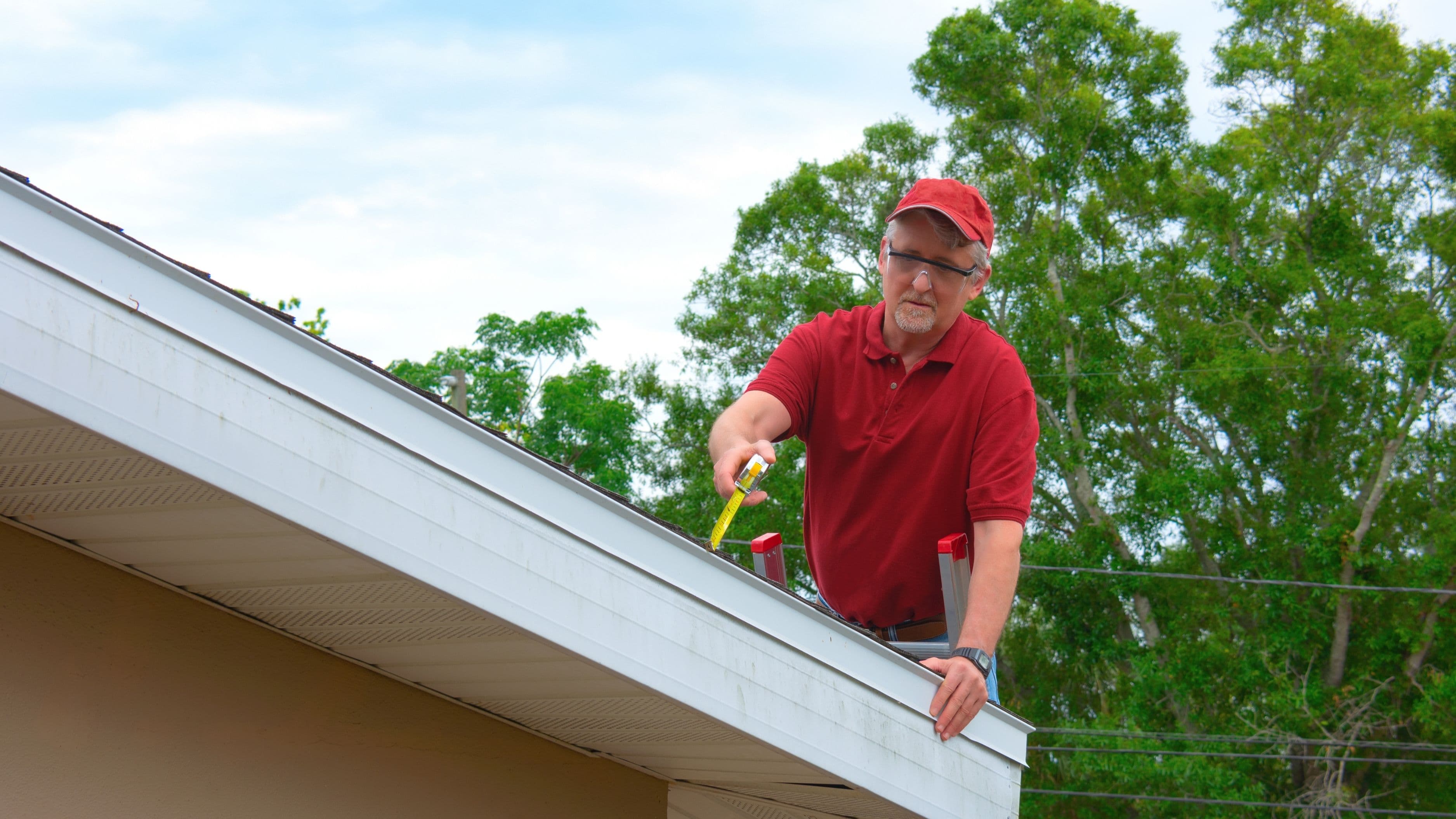
Stop letting procrastination steal thousands from your future. Walk through your home this weekend with fresh eyes, looking for these five warning signs. Grab a ladder, some basic supplies, and tackle these repairs before they escalate. Your future self — and your bank account — will thank you for taking action today instead of explaining to a contractor next year how a "small problem" became a financial emergency.
📚 Sources
National Roofing Contractors Association. "The Cost of Delaying Roof Repairs." NRCA Technical Services, 2023.
American Society of Home Inspectors. "Foundation Problems and Their Causes." ASHI Reporter, 2024.
U.S. Environmental Protection Agency. "WaterSense: Fix a Leak Week." EPA Water Conservation Programs, 2024.
National Association of Home Builders. "Exterior Paint Maintenance and Moisture Protection." NAHB Research Center, 2023.
Centers for Disease Control and Prevention. "Basic Facts about Mold and Dampness." CDC Environmental Health, 2024.