Stage 1: The Inspection
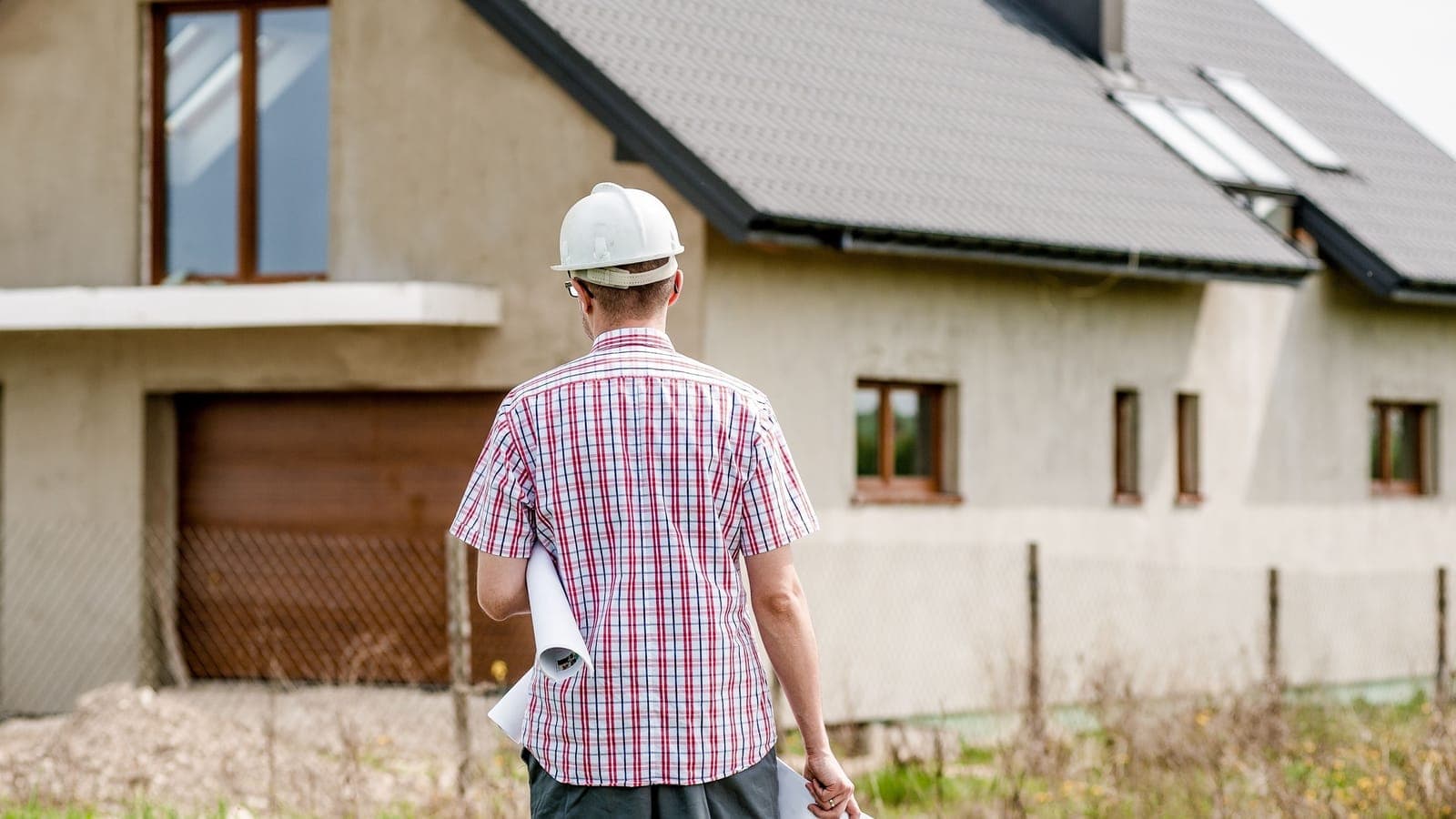
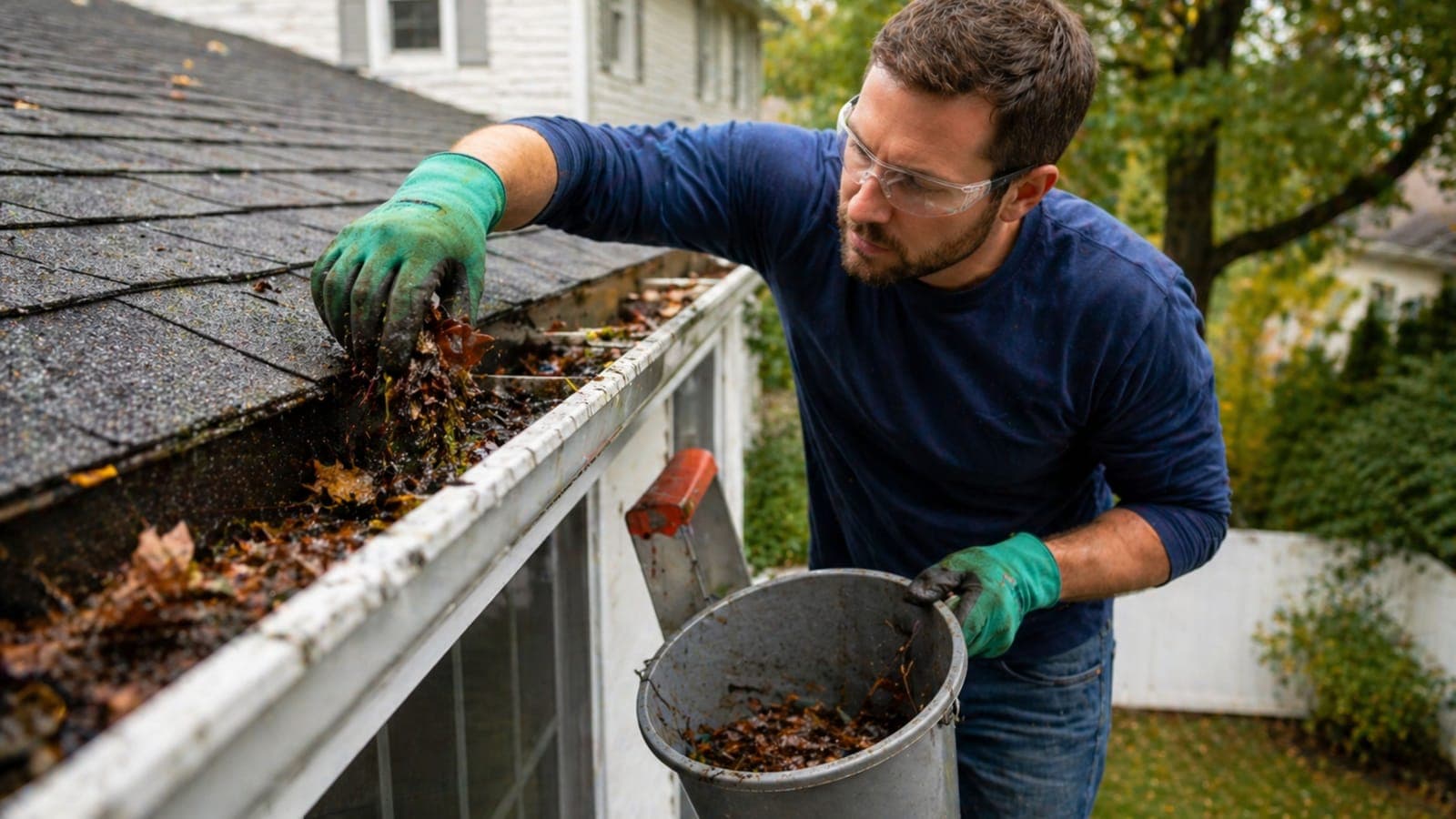
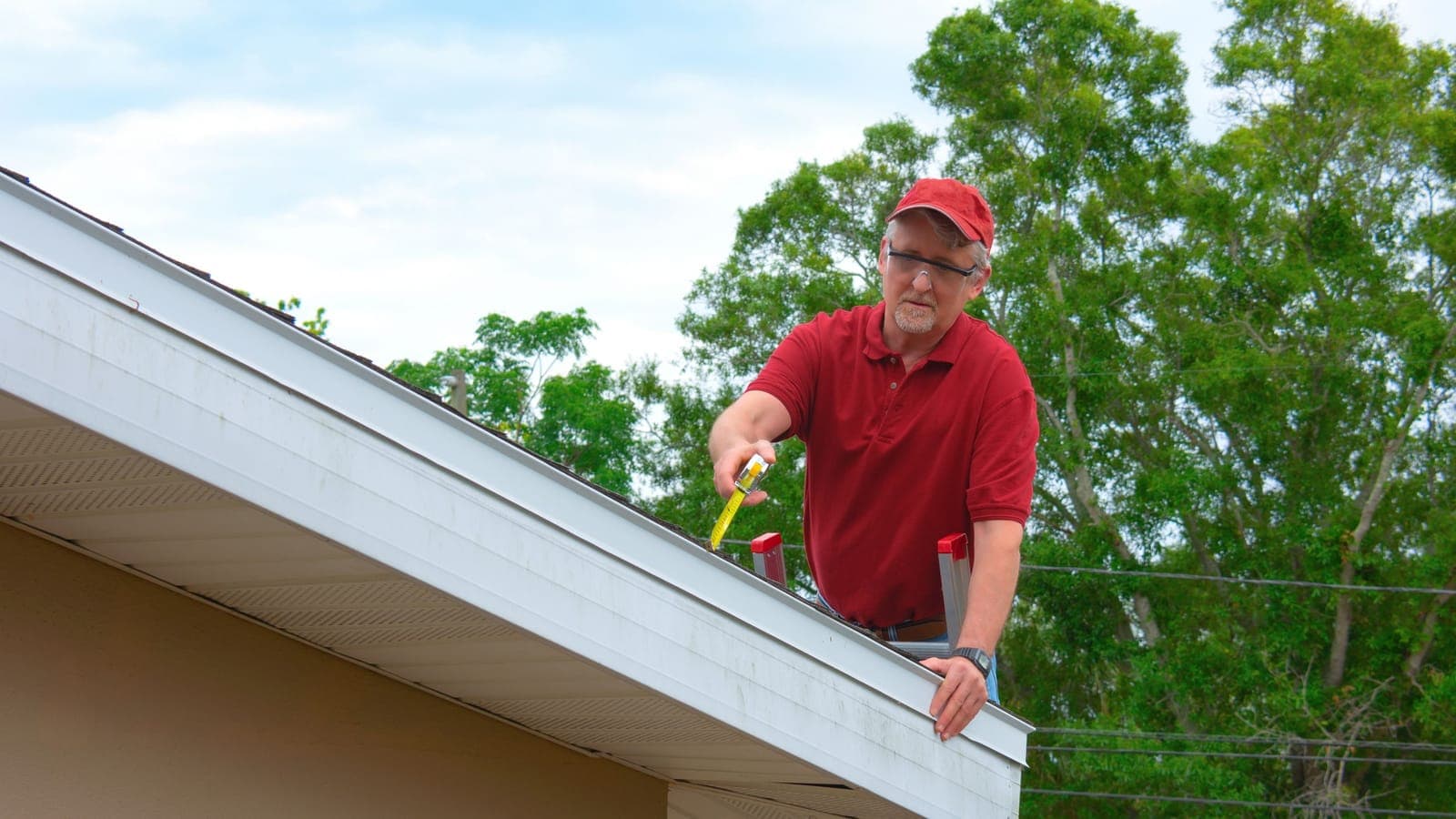
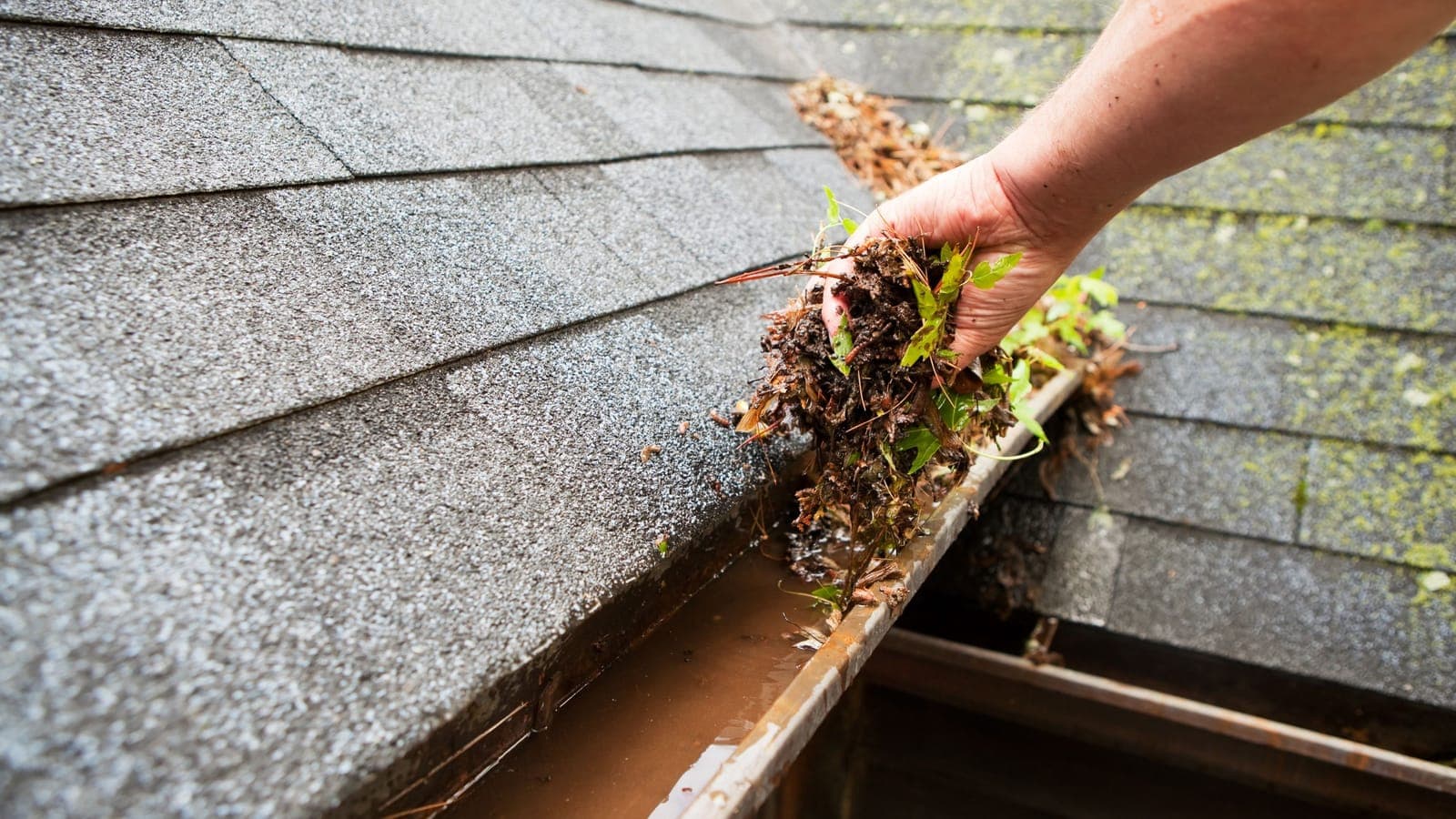
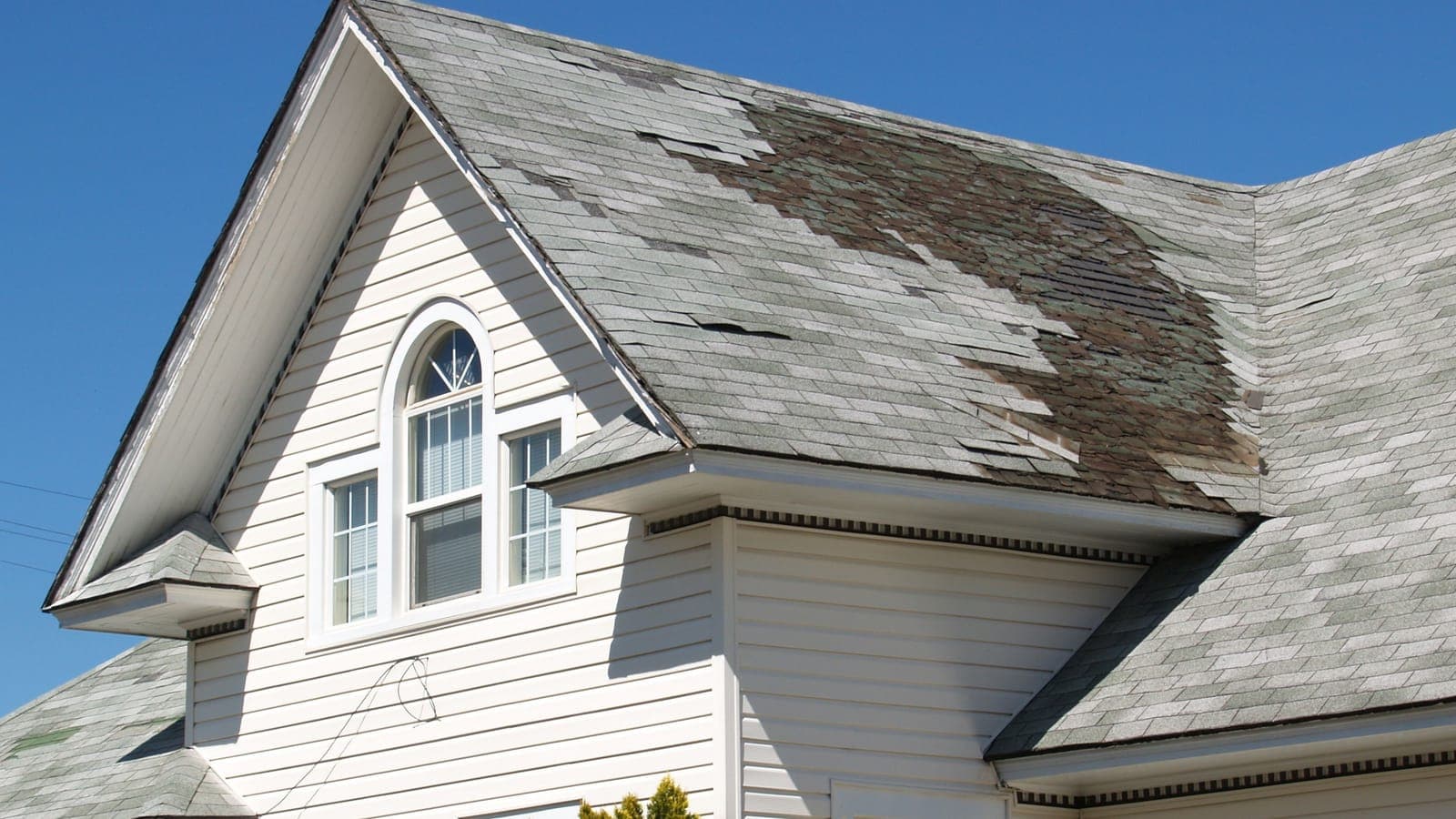
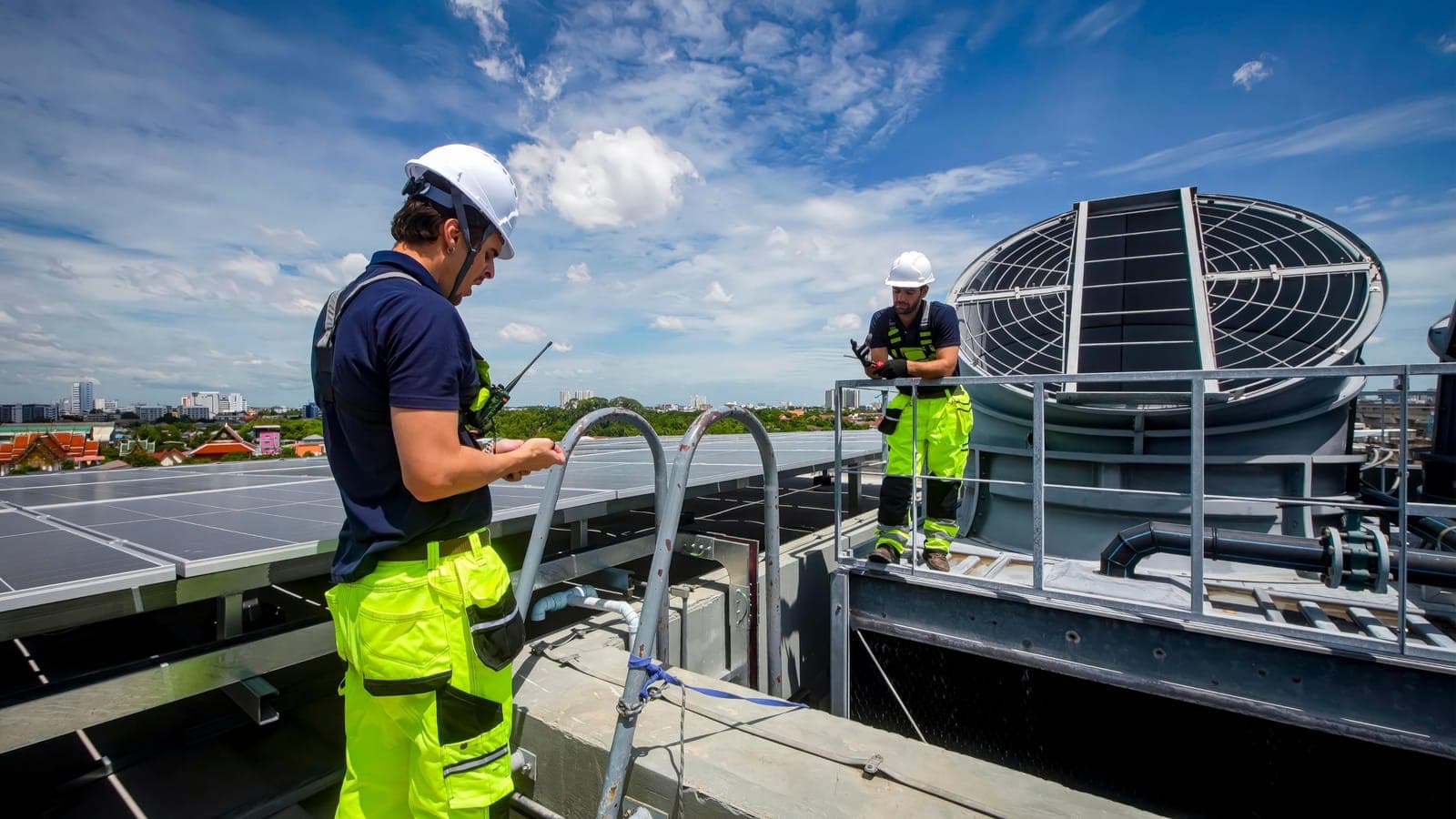
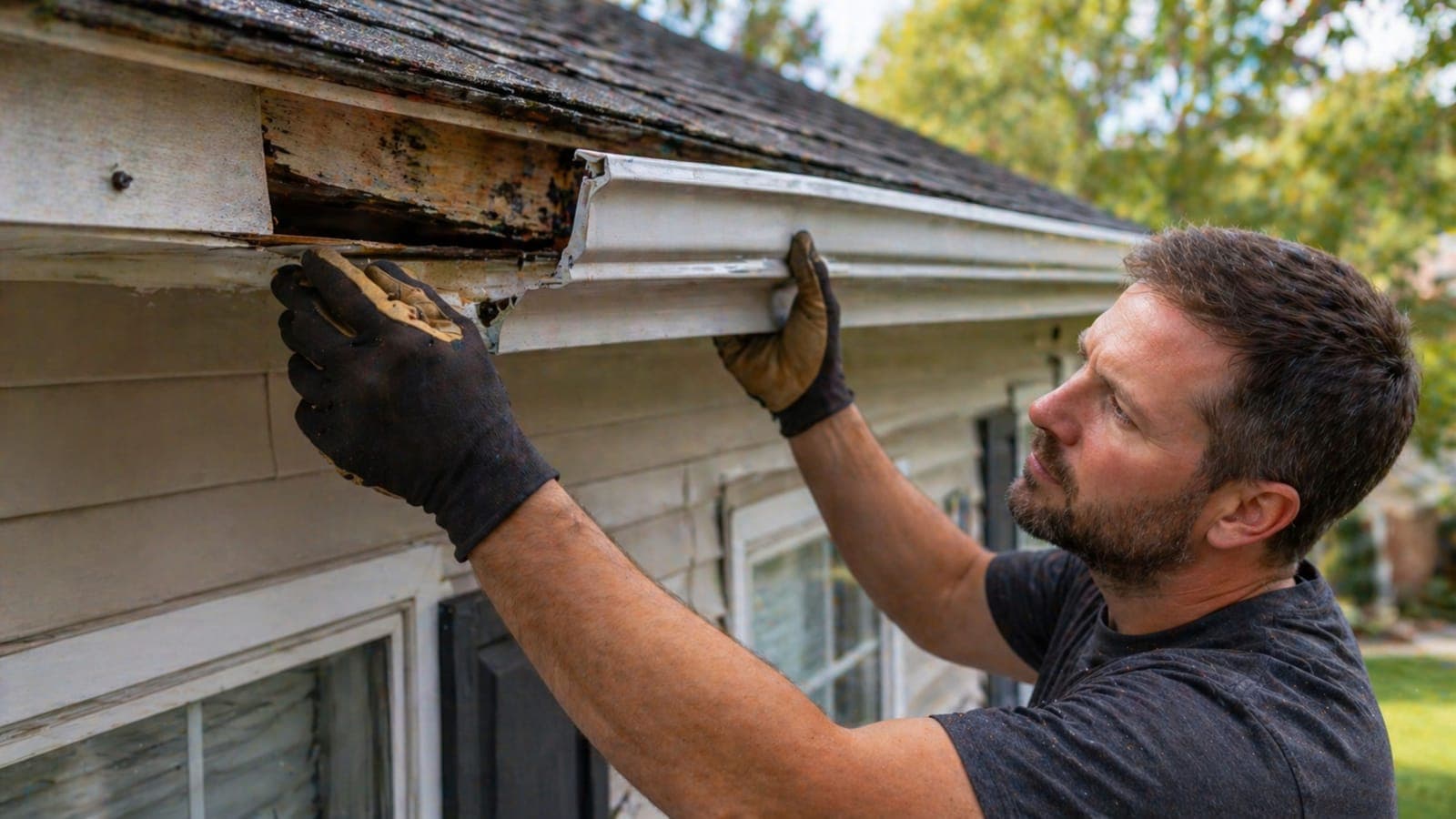
A dependable roofer inspects the entire roof, not just the spot you point to. That usually includes shingles or membrane, flashing, vents, gutters, and the attic, where leaks and ventilation problems often show up first. Expect photos of problem areas and a clear explanation of what they found. Be wary of anyone who recommends a full replacement without showing evidence.
Stage 2: The Recommendation
After the inspection, the contractor should explain whether repair or replacement makes more sense and why. Good roofers consider your roof's age, the extent of the damage, and how long you plan to stay in the home. If a targeted repair will reliably solve the problem, a trustworthy contractor will say so.
Stage 3: The Estimate
A dependable estimate is written, itemized, and specific. It lists materials by brand and type, underlayment, flashing, ventilation, tear-off, disposal, permits, and cleanup, along with the timeline and payment schedule. It should also explain how hidden damage, such as rotted decking, will be priced. Compare at least three estimates to understand fair pricing in your area.
Stage 4: Scheduling and Preparation
Once you sign, a reliable contractor confirms a start date, orders materials, and pulls permits. They should tell you how to prepare, such as moving vehicles, removing fragile items from walls and shelves, and keeping pets indoors. Clear communication before work begins is a strong sign of how the rest of the project will go.
Stage 5: The Work
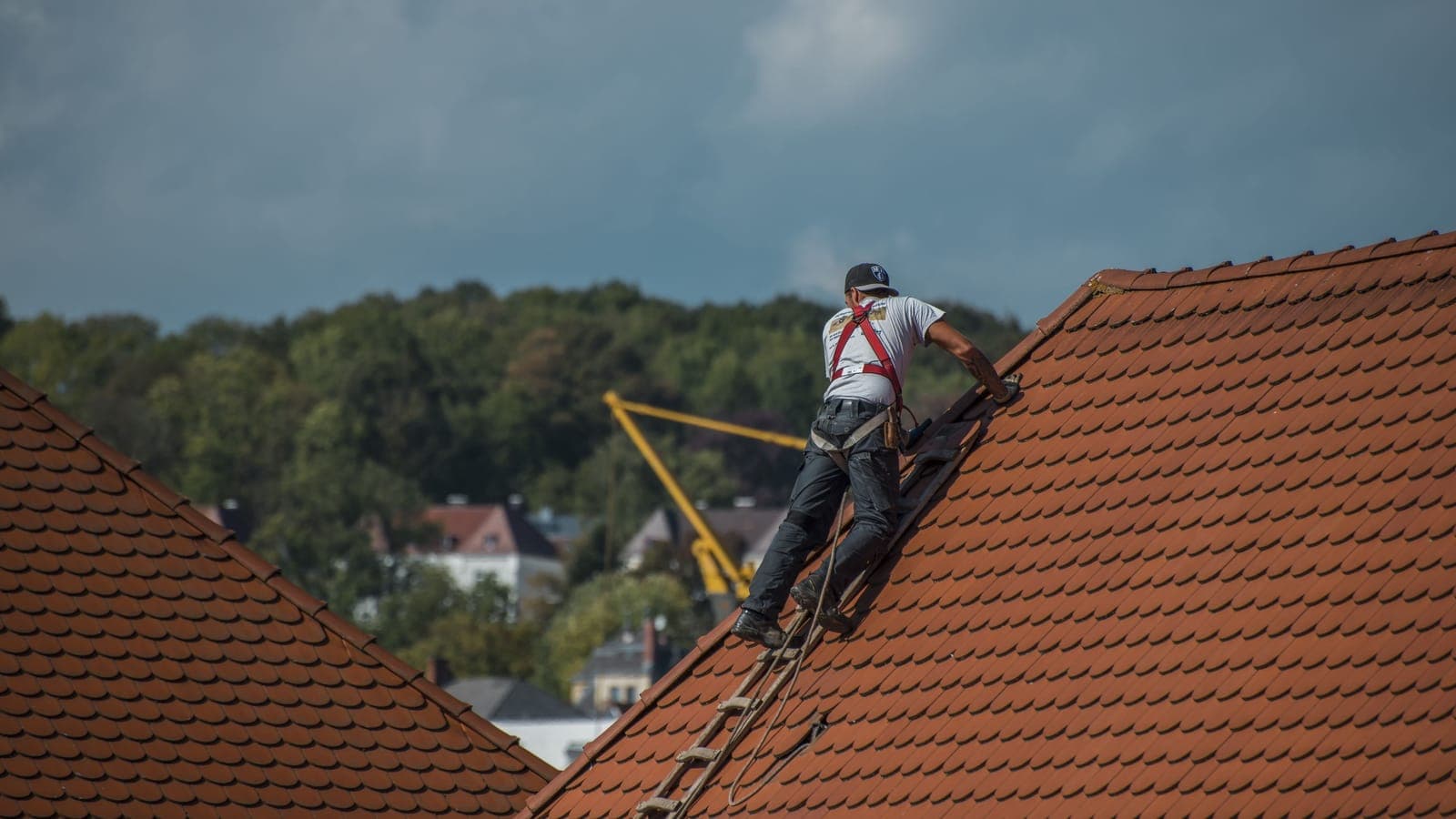
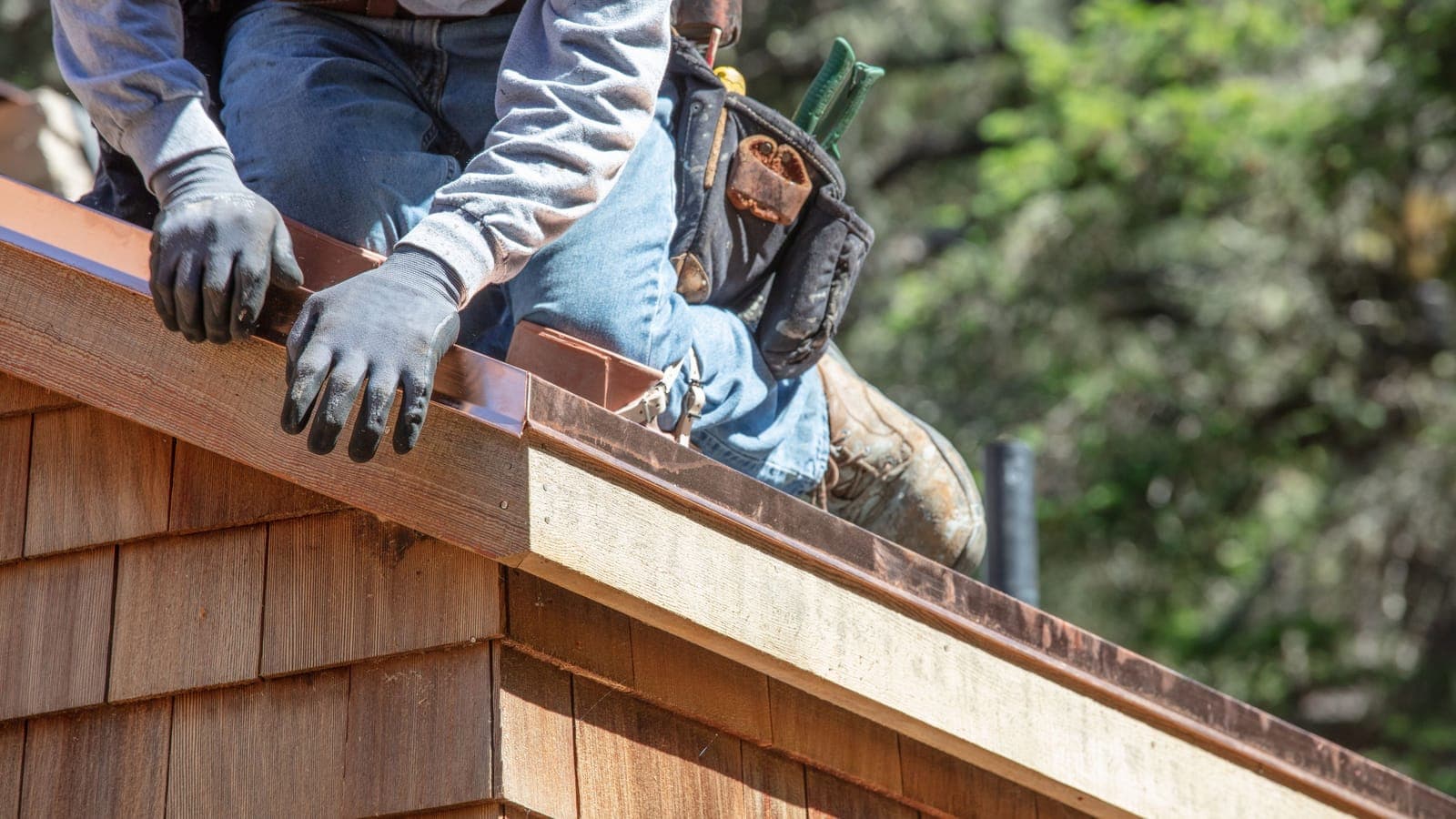
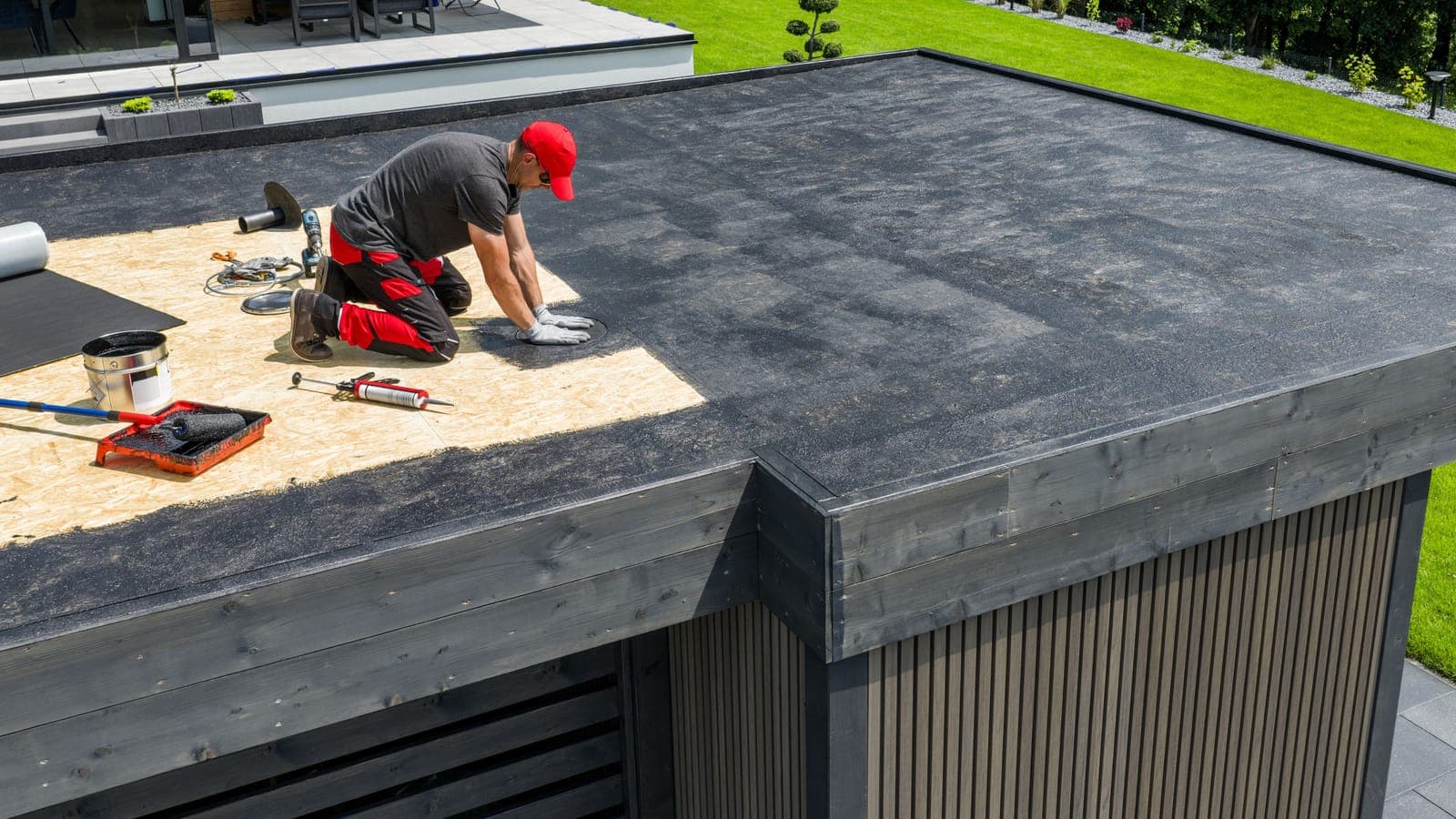
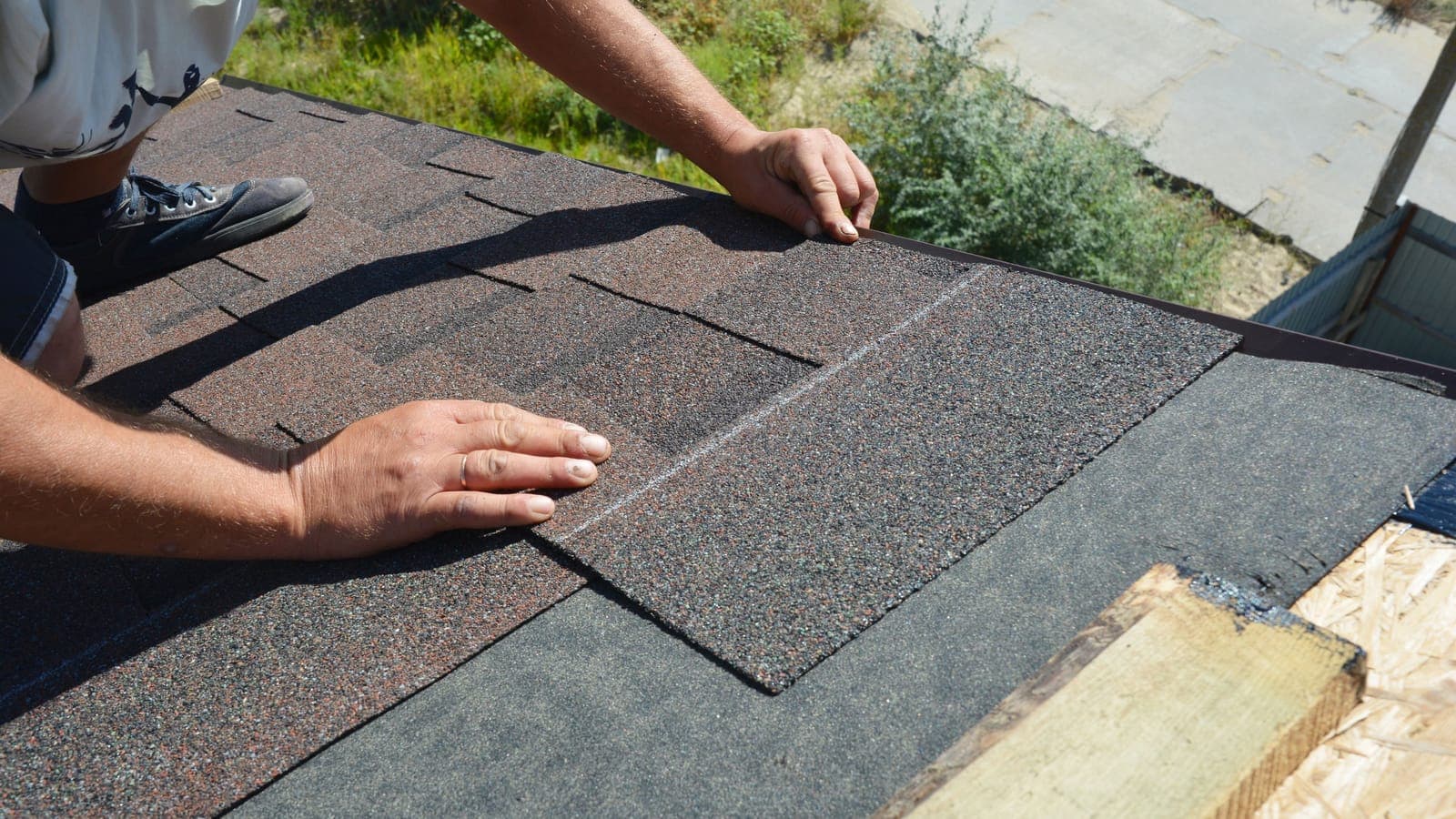
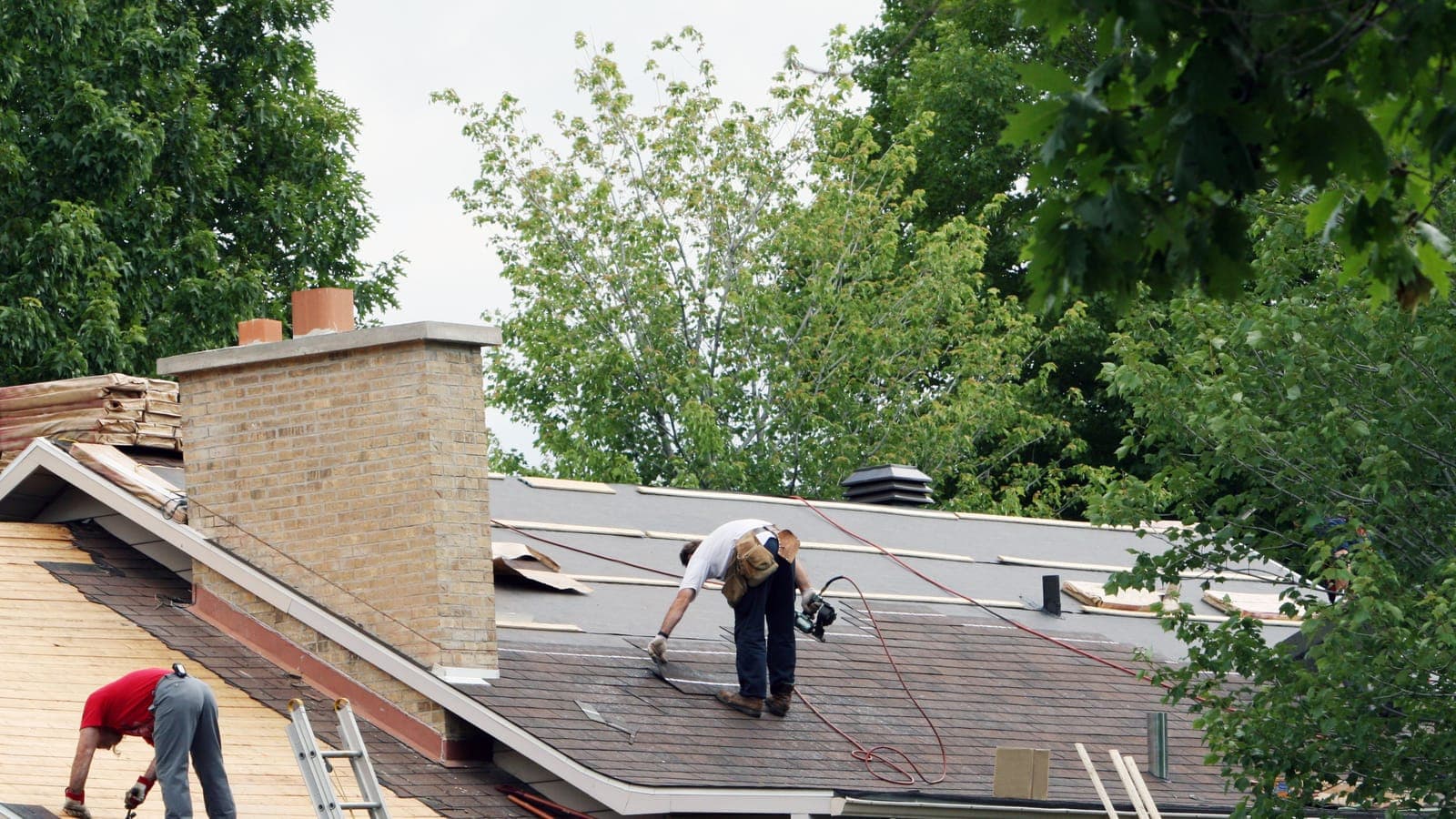
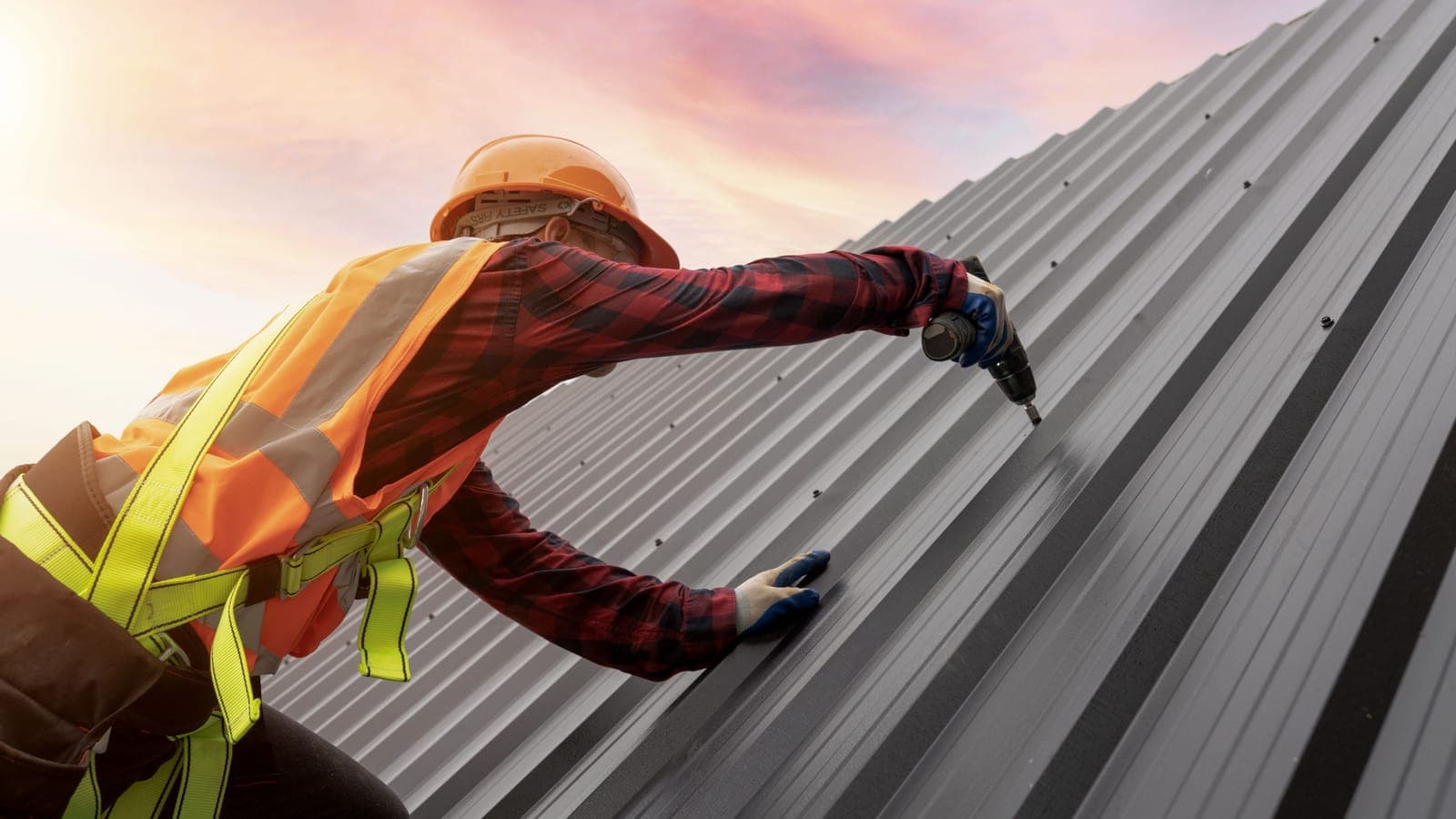
During the job, expect the crew to protect landscaping and siding, keep the site organized, and secure the roof with tarps if weather threatens. For repairs, they should match materials as closely as possible. For replacements, they should notify you before doing additional work and show you any decking damage they find.
Stage 6: Cleanup and Final Walkthrough
A dependable roofer leaves your property as clean as they found it, including a magnetic sweep for stray nails. They should walk you through the finished work, answer questions, provide warranty documents, and confirm that any required final inspection is completed. Hold the final payment until you're satisfied.
Stage 7: Follow-Up
The relationship shouldn't end at the final invoice. Dependable contractors respond to warranty calls promptly and may offer maintenance inspections to keep your roof in good shape.
Signs You've Found a Dependable Contractor
They answer questions clearly and patiently
They show you evidence of damage with photos
Their estimates are detailed and consistent
They show up when they say they will
They put everything in writing
Keep Your Own Records
Throughout the project, keep copies of your estimate, contract, change orders, photos, permits, and warranty documents in one place. These records protect you if questions arise later, and they are valuable for insurance claims and resale.
Final Thoughts
A dependable roofing contractor is consistent from the first inspection to the final walkthrough. By understanding what each stage should look like, you can evaluate contractors by their actions, not just their promises, and choose a team that will protect your home for years to come.