
Refrigerators: 10–15 Years
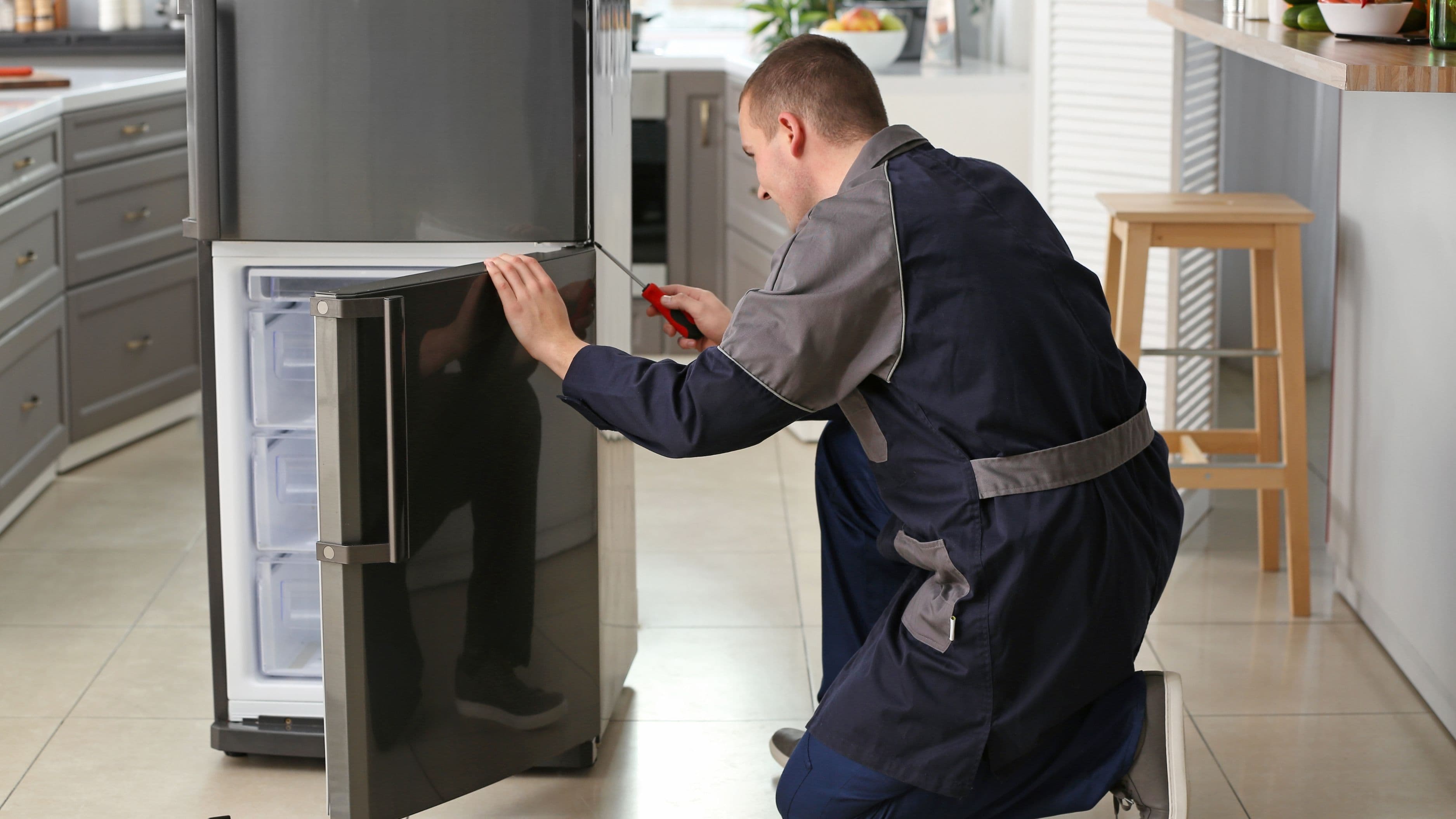
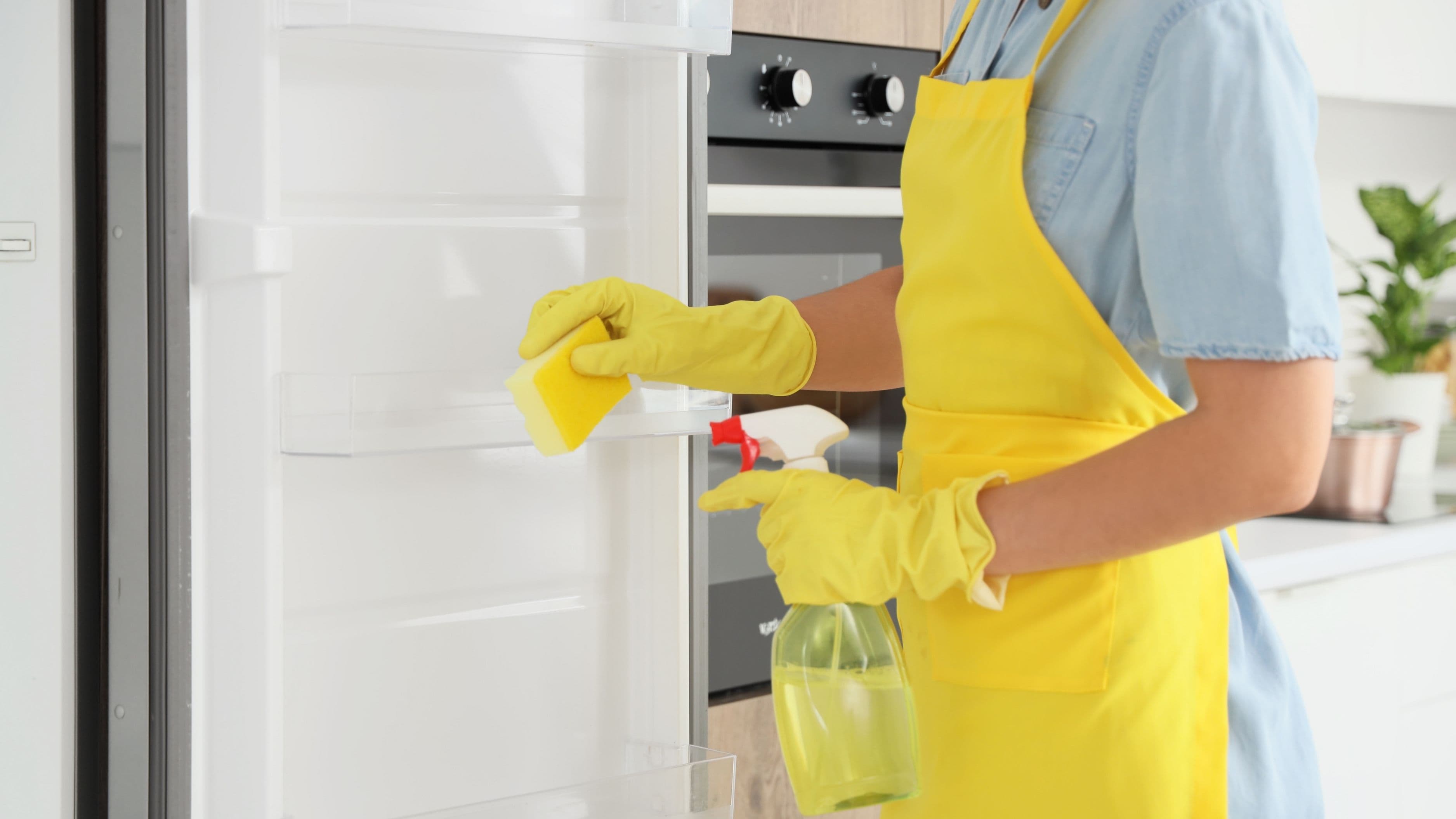
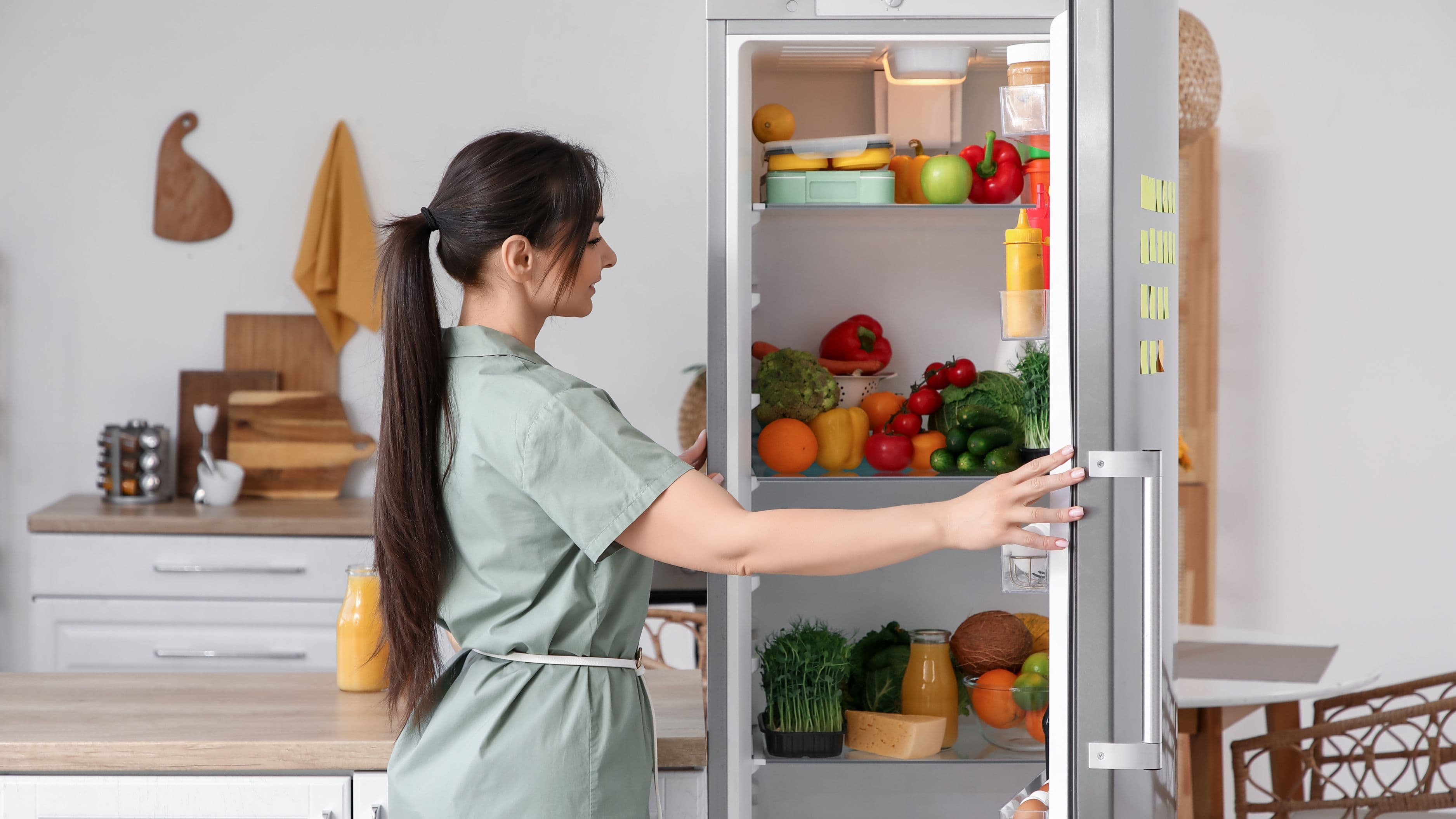
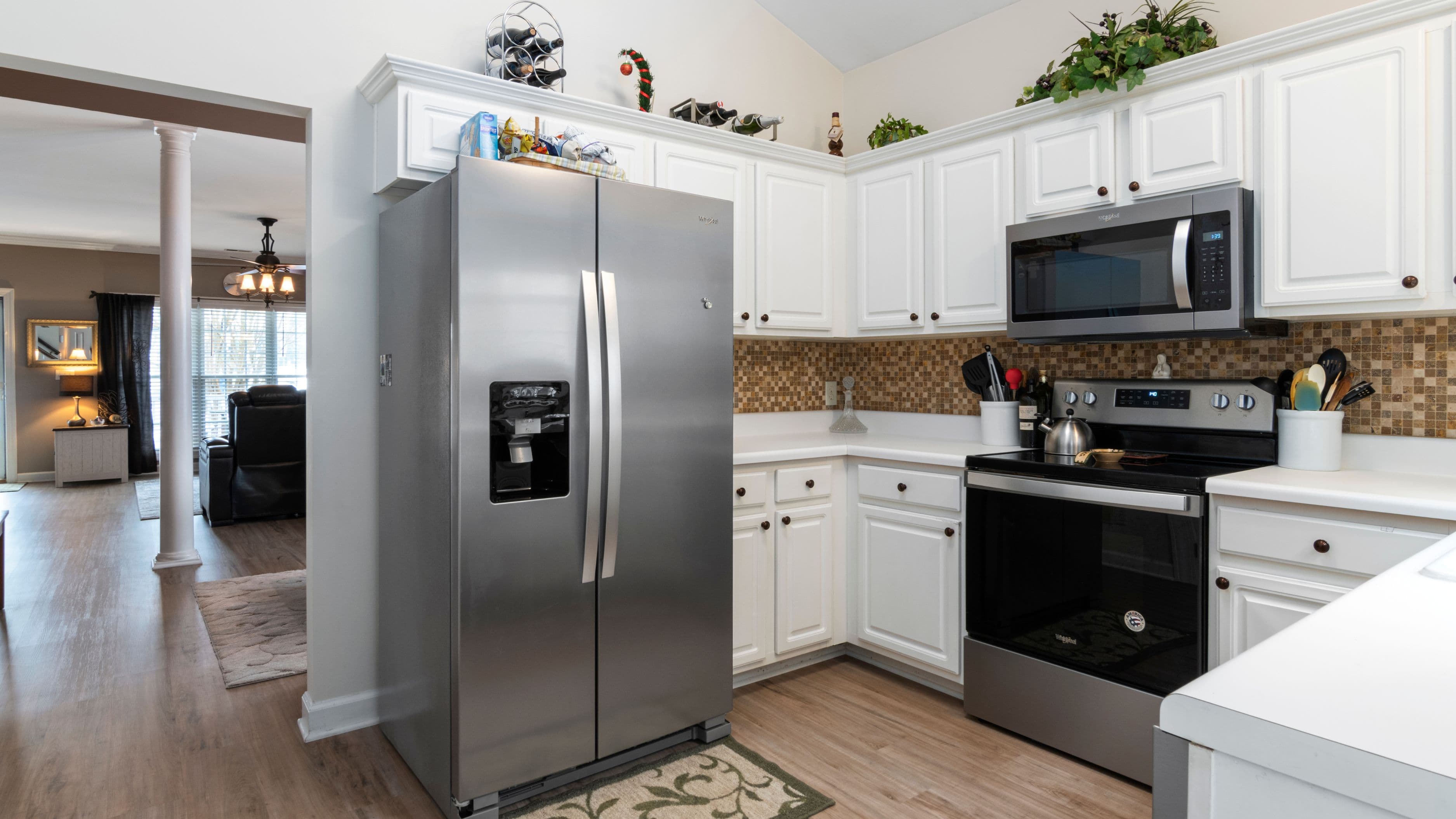
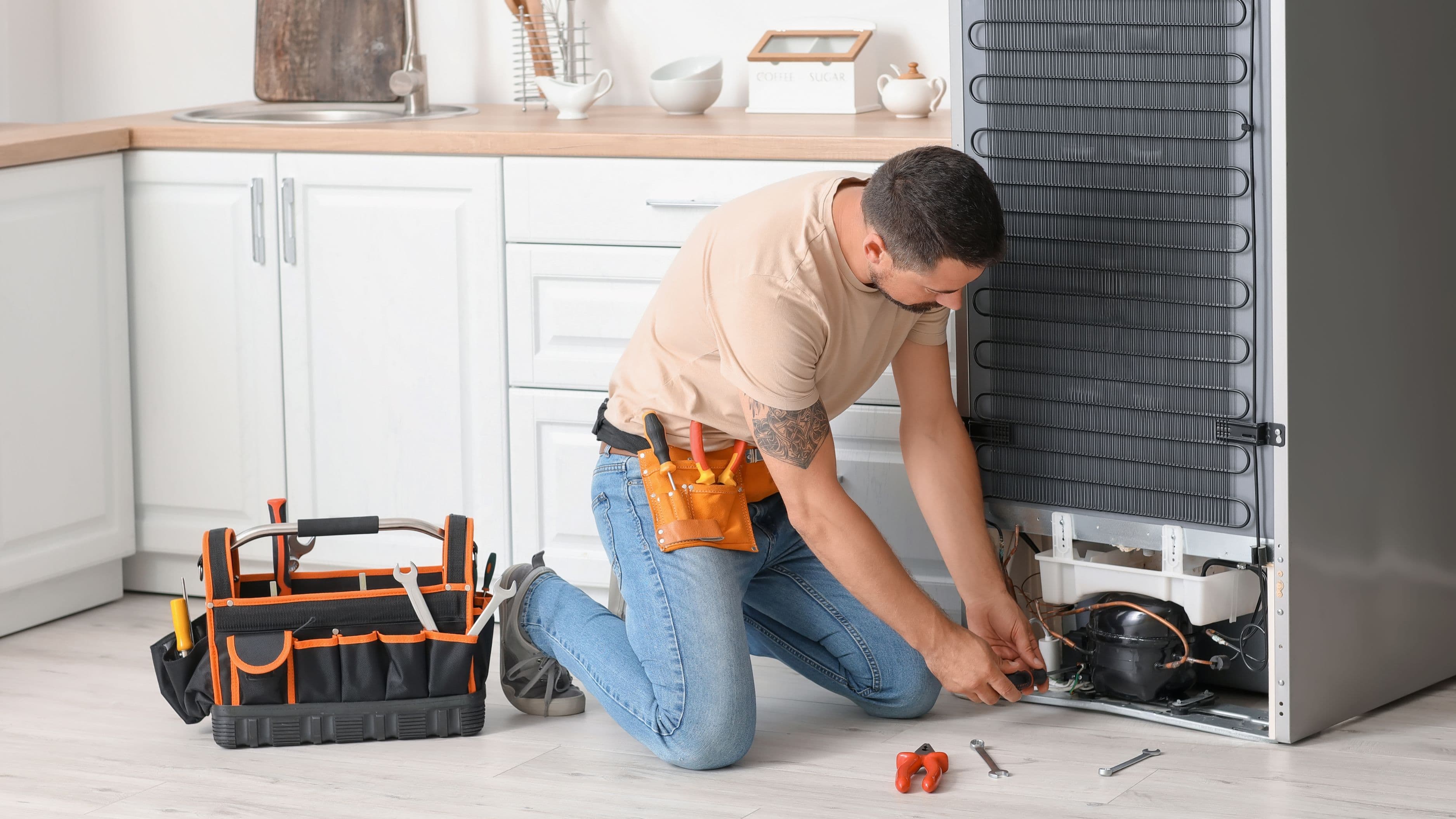
Most refrigerators last a solid decade or more with reasonable care, with many reaching 15 years before major components start failing. The compressor is typically the part that determines end of life – when it goes, replacement is usually more expensive than the fridge is worth, especially on older units. Keeping the condenser coils clean, not overpacking the fridge in a way that blocks airflow, and making sure the door seals stay intact all meaningfully extend this lifespan.
Realistic expectation: if your fridge is over 12 years old and needs a repair costing more than a few hundred dollars, replacement is usually the more sensible financial choice.
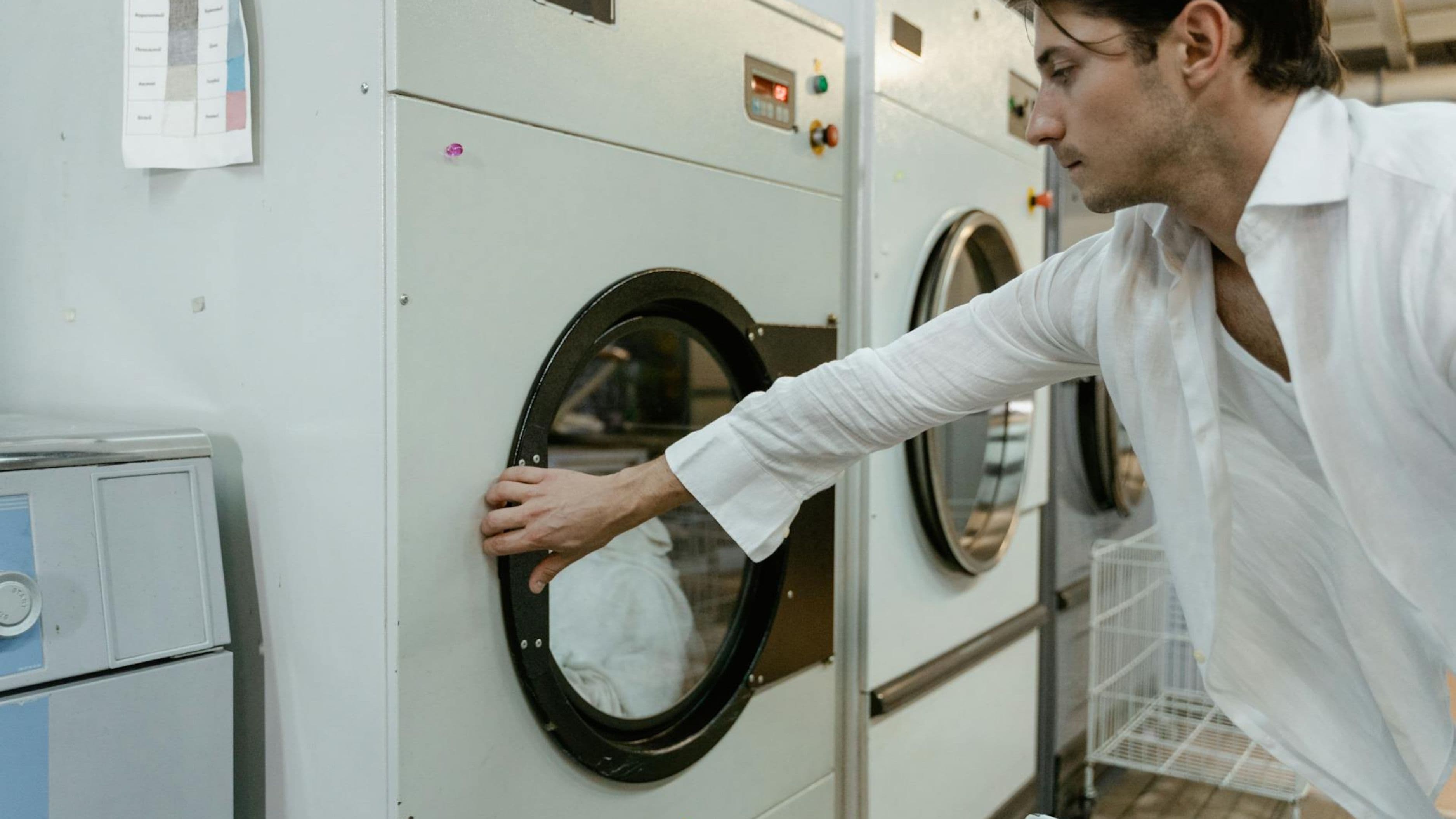
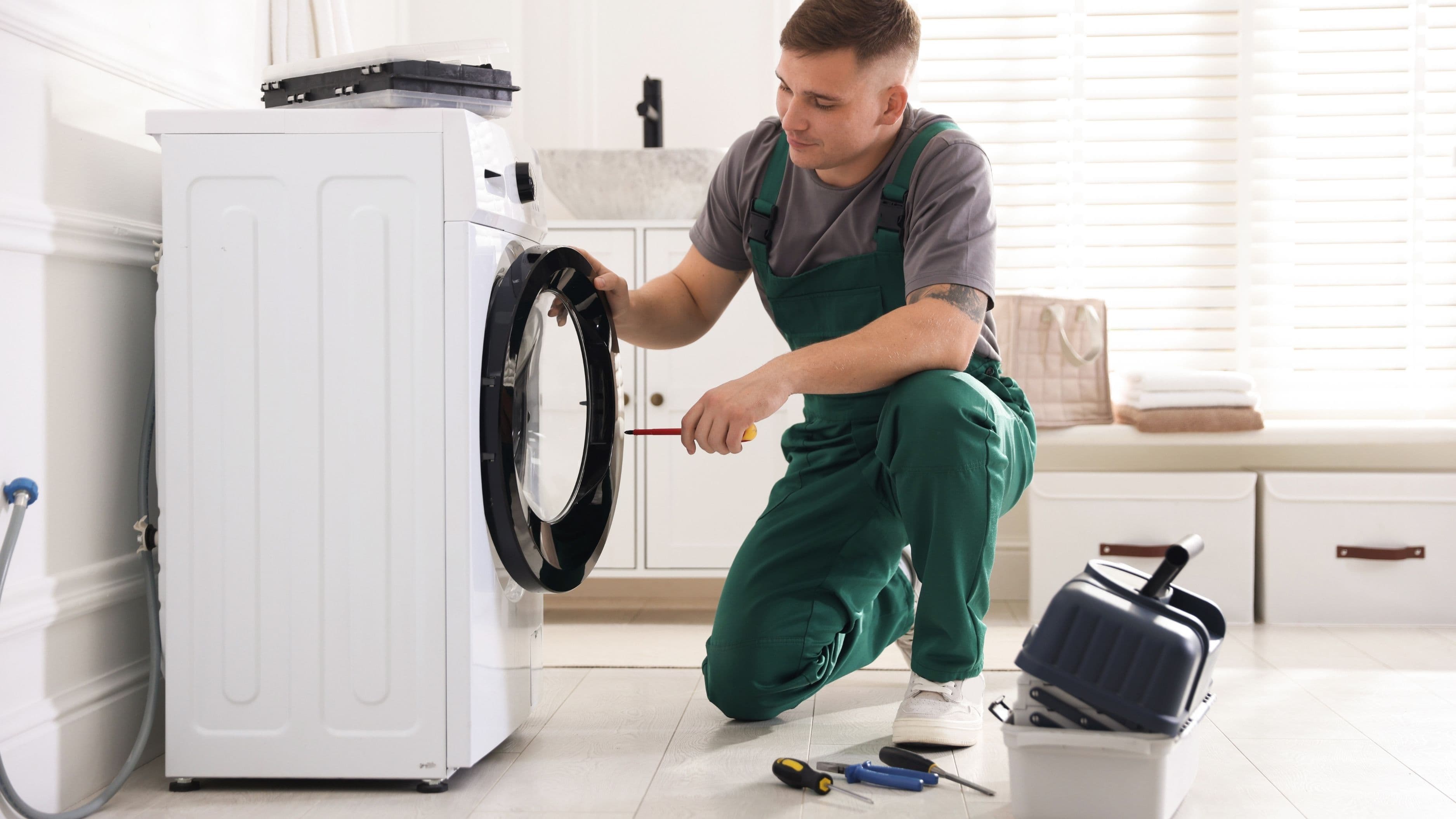
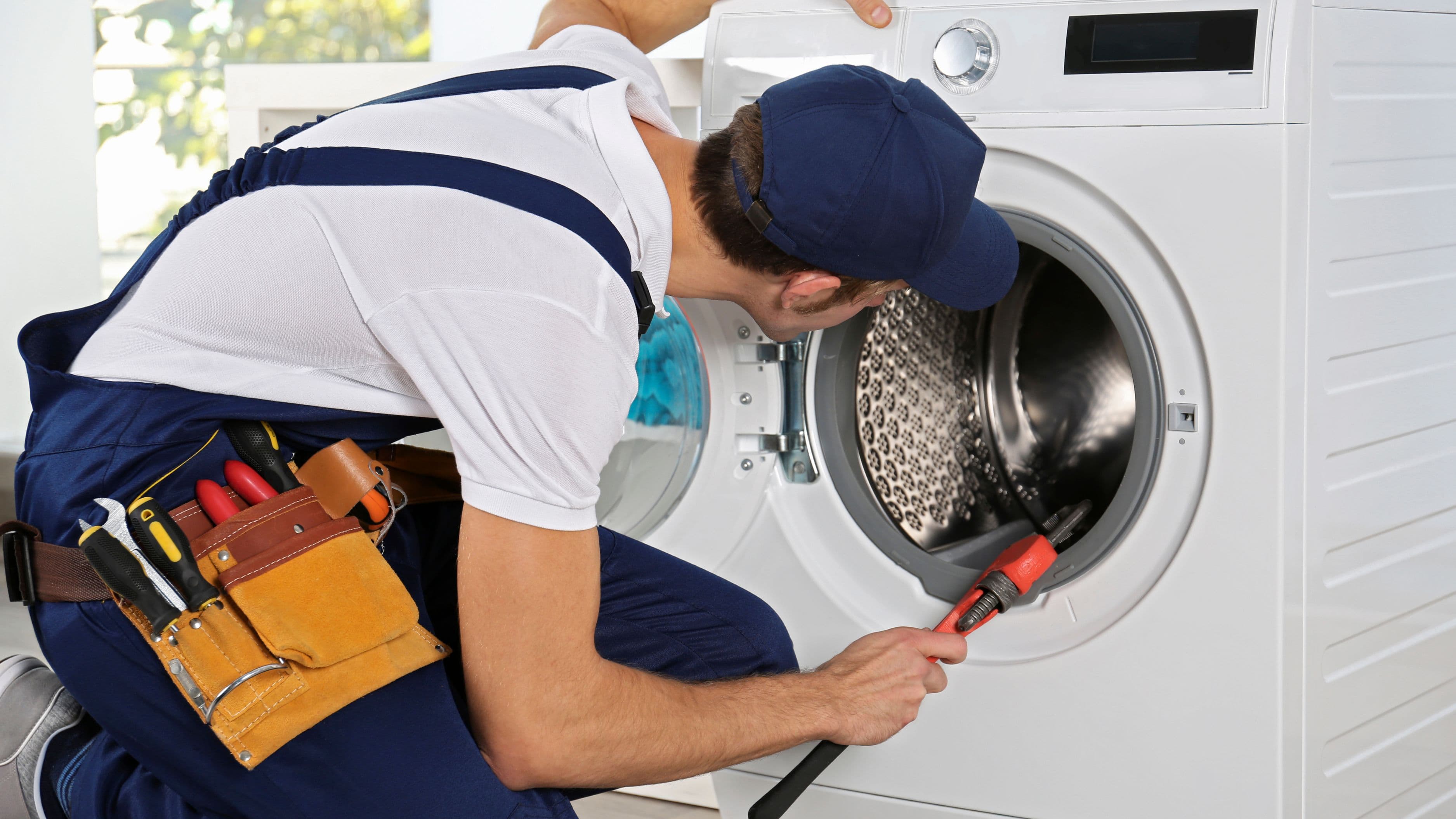
Washing Machines: 10–13 Years
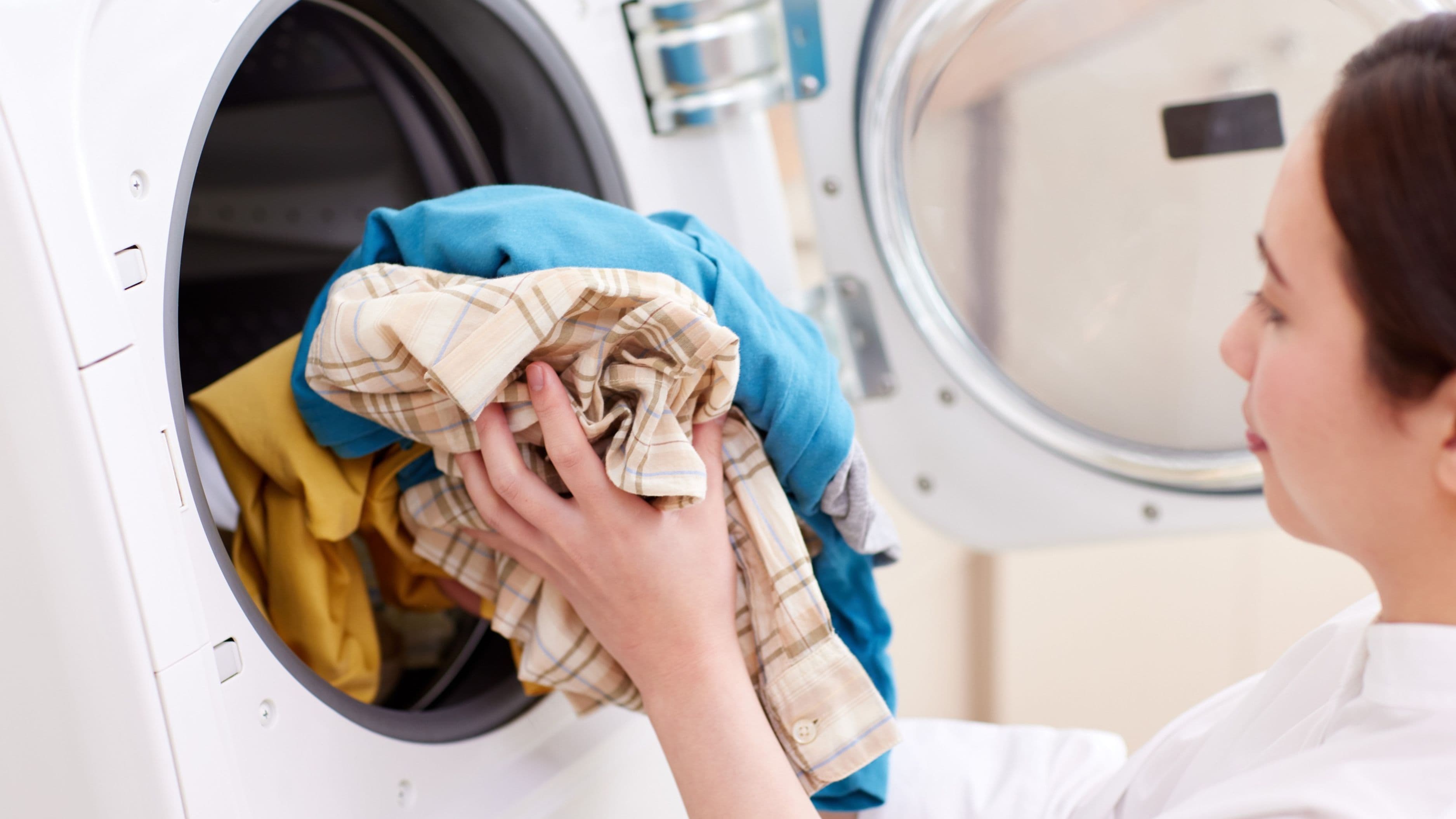
Front-load and top-load washers both fall in this general range, though front-load machines can be somewhat more prone to certain issues, like drum bearing wear and door seal mold buildup, if not maintained properly. Overloading the machine consistently, using too much detergent, and skipping regular maintenance like cleaning the drum and door seal all shorten this lifespan meaningfully.
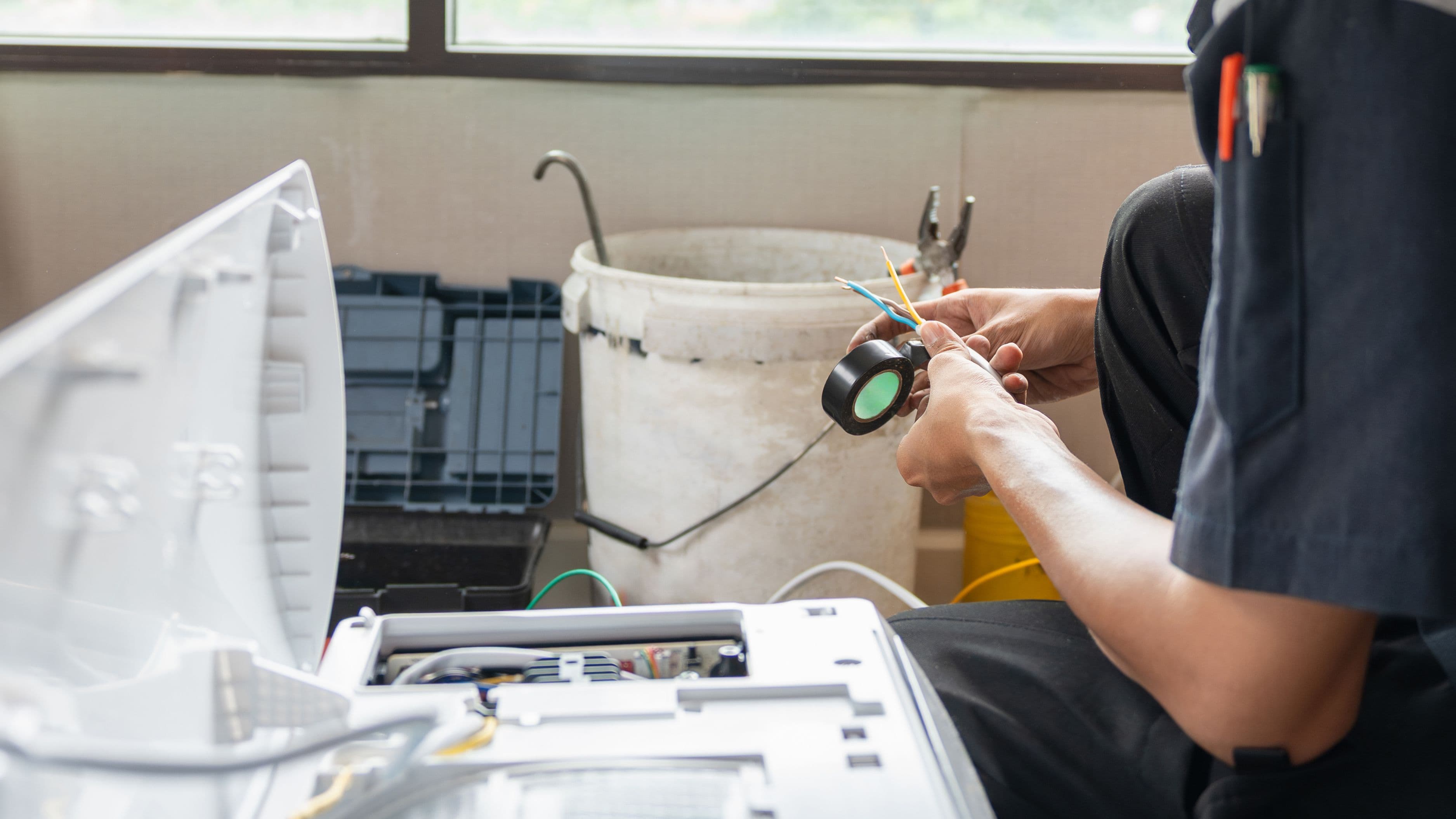
Realistic expectation: a washer showing consistent, worsening noise during the spin cycle, particularly a grinding or squealing sound, is often signaling bearing wear that's expensive enough to repair that replacement becomes the more practical option past the 8-10 year mark.
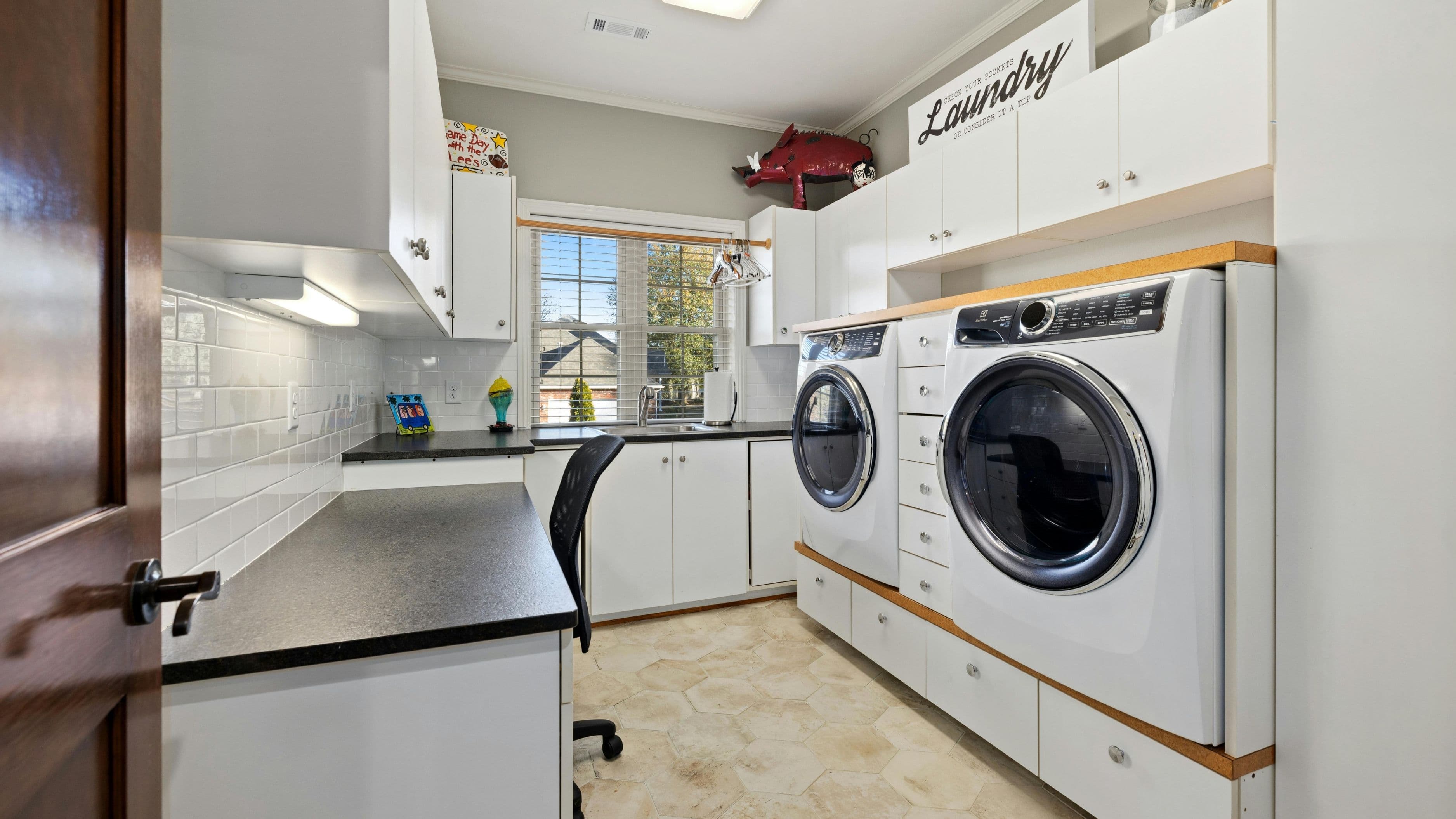
Dryers: 10–13 Years
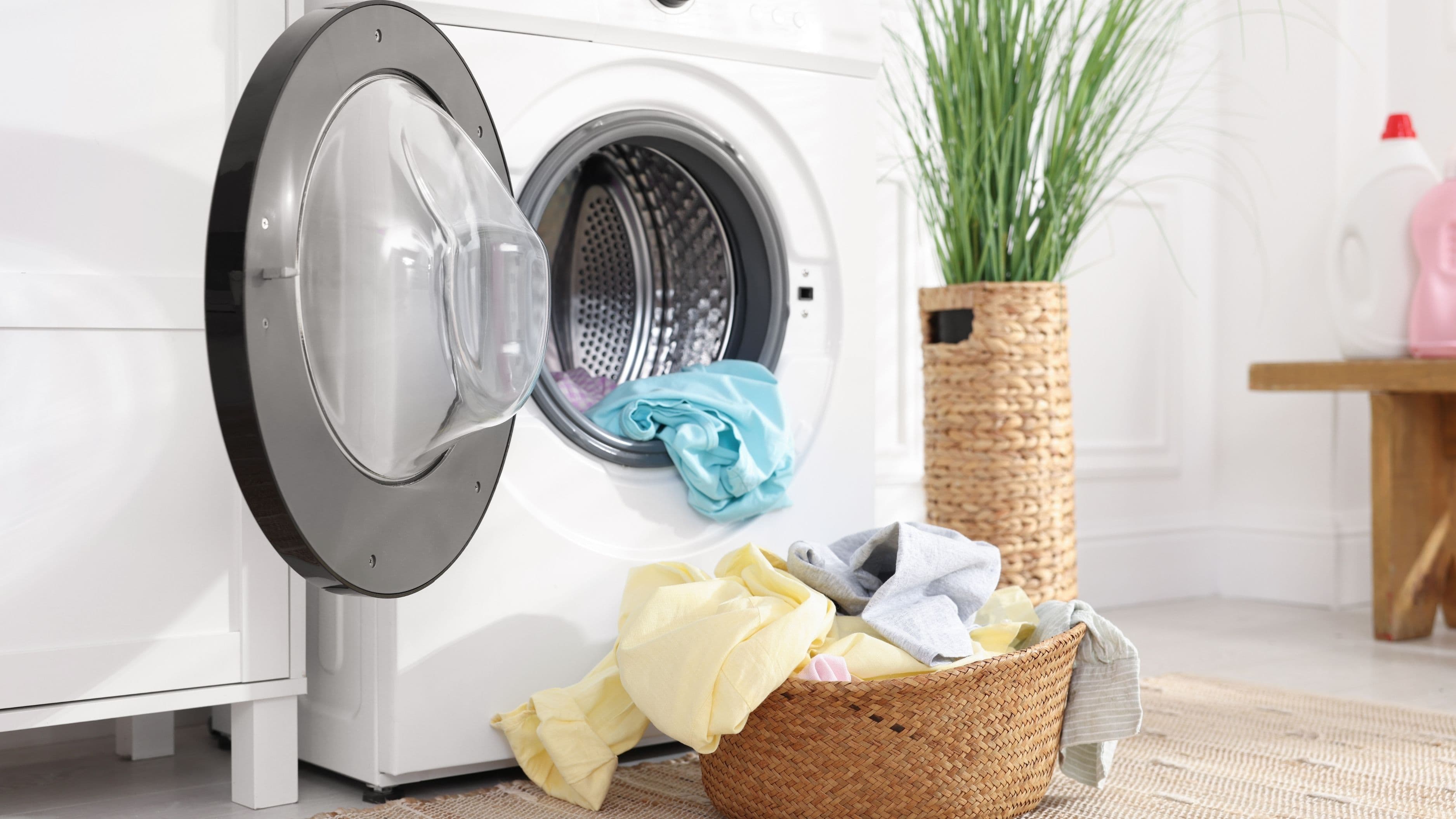
Dryers tend to be more mechanically simple than washers, which contributes to their similarly long lifespan when properly maintained. The most common cause of both reduced lifespan and, more urgently, fire risk is lint buildup – not just in the lint trap, but in the exhaust duct itself, which should be cleaned at least once a year depending on usage frequency.
Realistic expectation: a dryer taking noticeably longer than it used to for a normal load to dry is often an early warning sign of duct blockage, worth addressing immediately both for appliance longevity and basic fire safety.
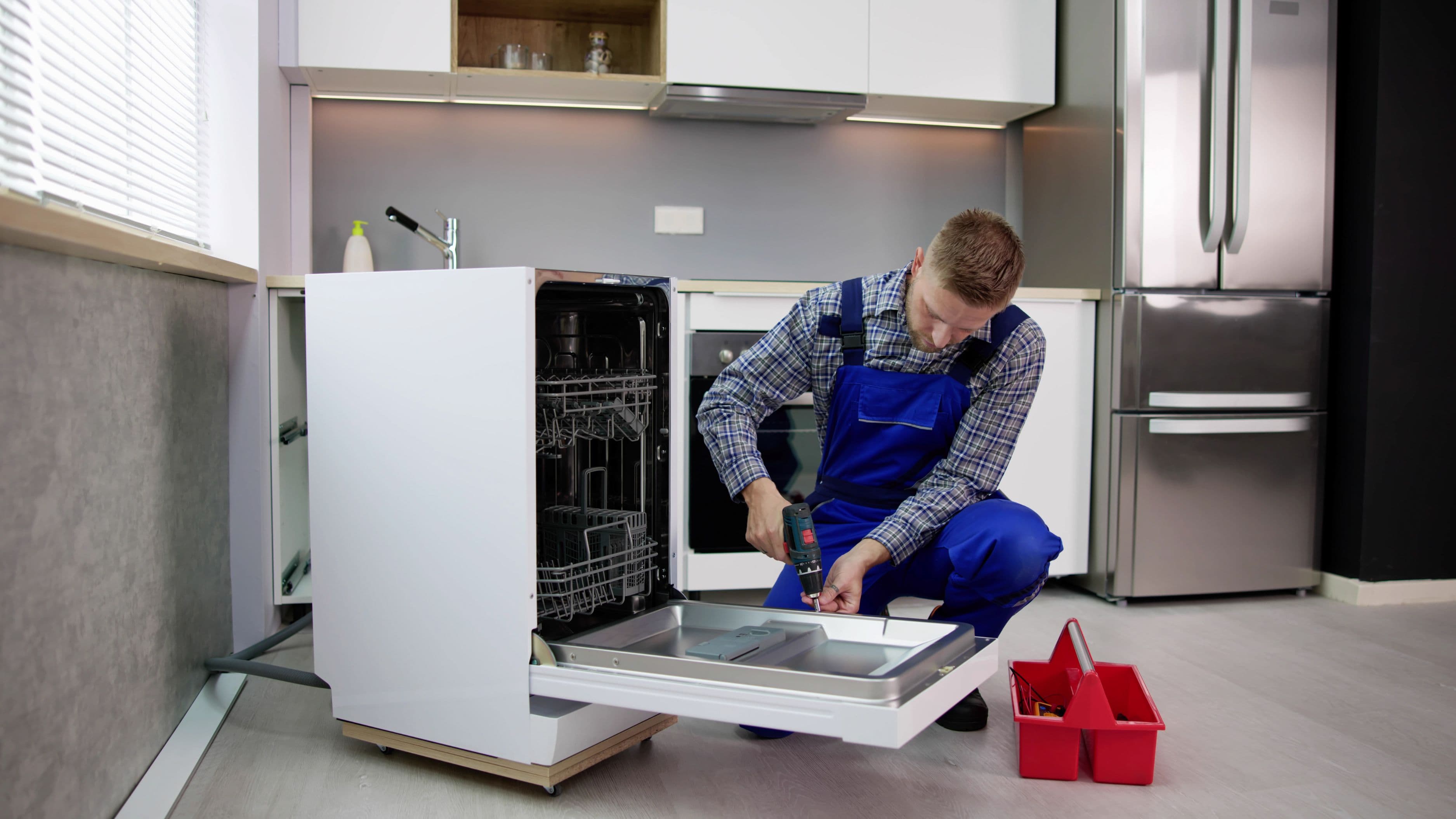
Dishwashers: 9–12 Years
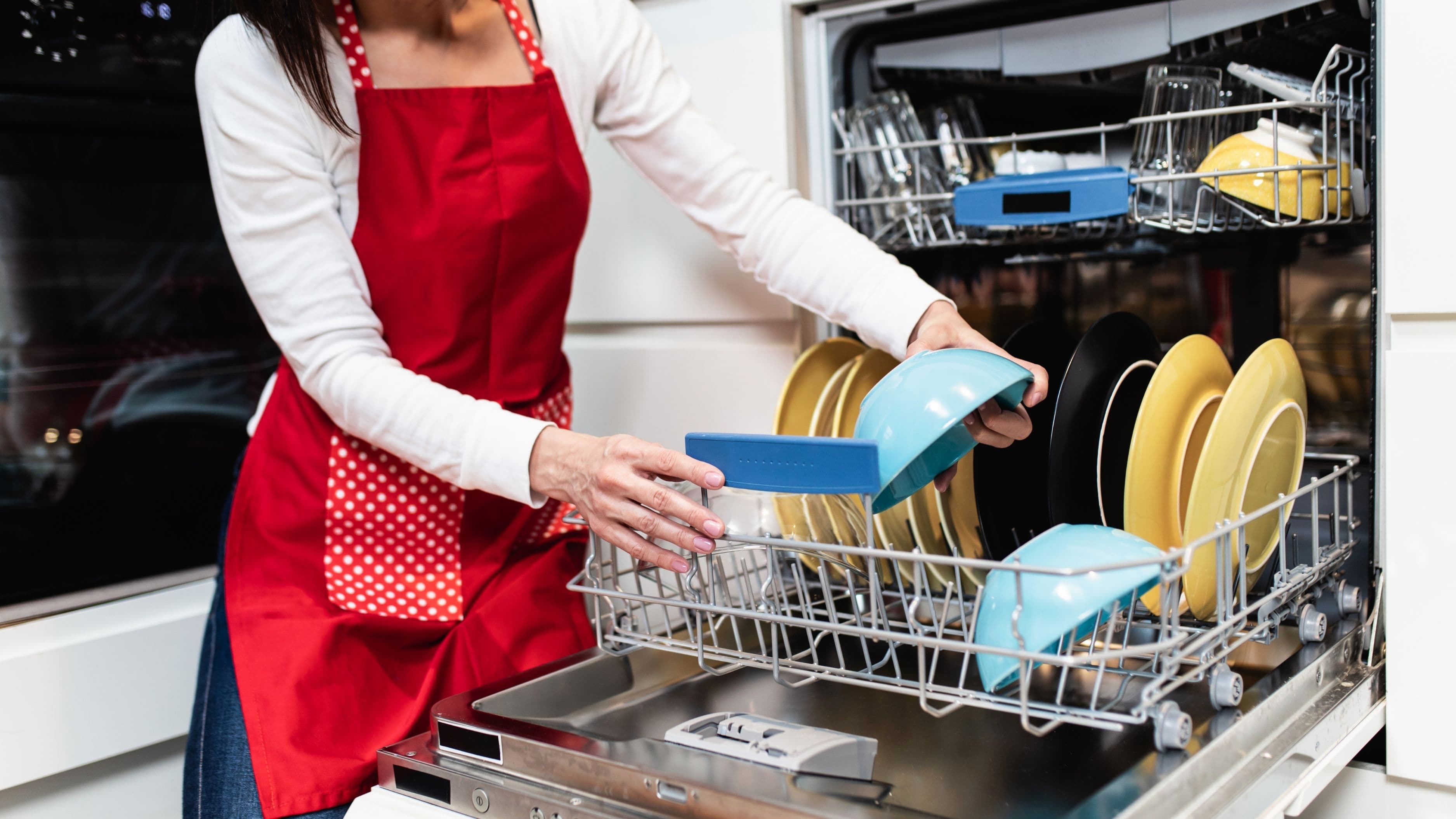
Dishwashers tend to have a somewhat shorter lifespan than refrigerators and laundry machines, partly due to the wear and tear of constant exposure to water, heat, and detergent chemicals on internal components. Hard water buildup, in particular, accelerates wear on heating elements and spray arms in areas without water softening.
Realistic expectation: minor issues like a spray arm needing cleaning or a filter needing replacement are worth repairing at any age, but major issues like control board failure or persistent leaking past the 8-year mark often tip the calculation toward replacement.
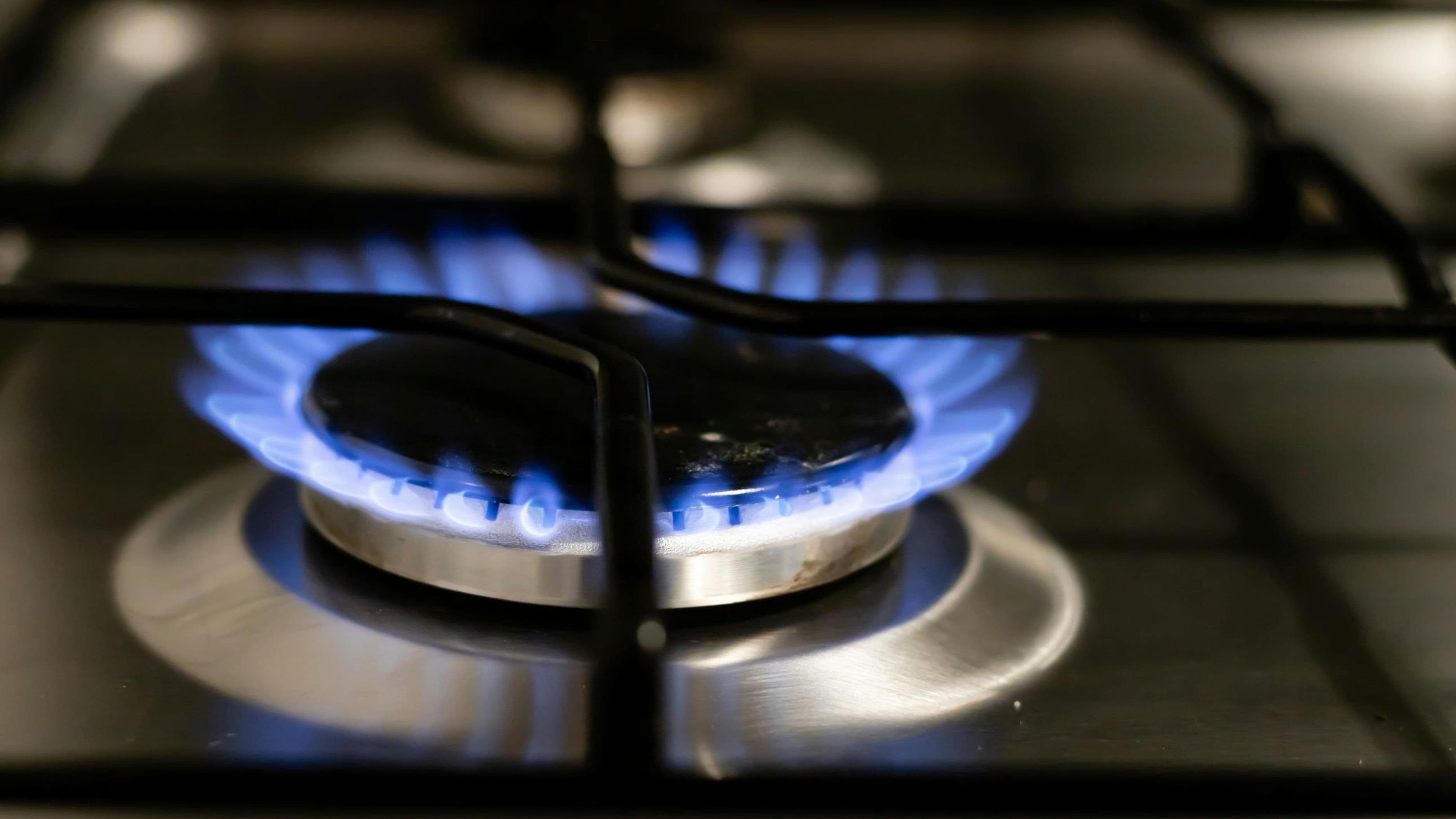
Ovens and Ranges: 13–15 Years
Both gas and electric ovens tend to have a longer expected lifespan than most other kitchen appliances, particularly for the basic cooking function itself, since the core heating mechanism is relatively simple and durable. More complex features – digital displays, self-cleaning cycles, smart connectivity – introduce additional components that can fail sooner than the core appliance itself.
Realistic expectation: a heating element failing on an electric range is usually a straightforward, affordable repair worth doing at almost any age, while a full control board failure on a more feature-heavy modern range can approach a significant fraction of replacement cost.
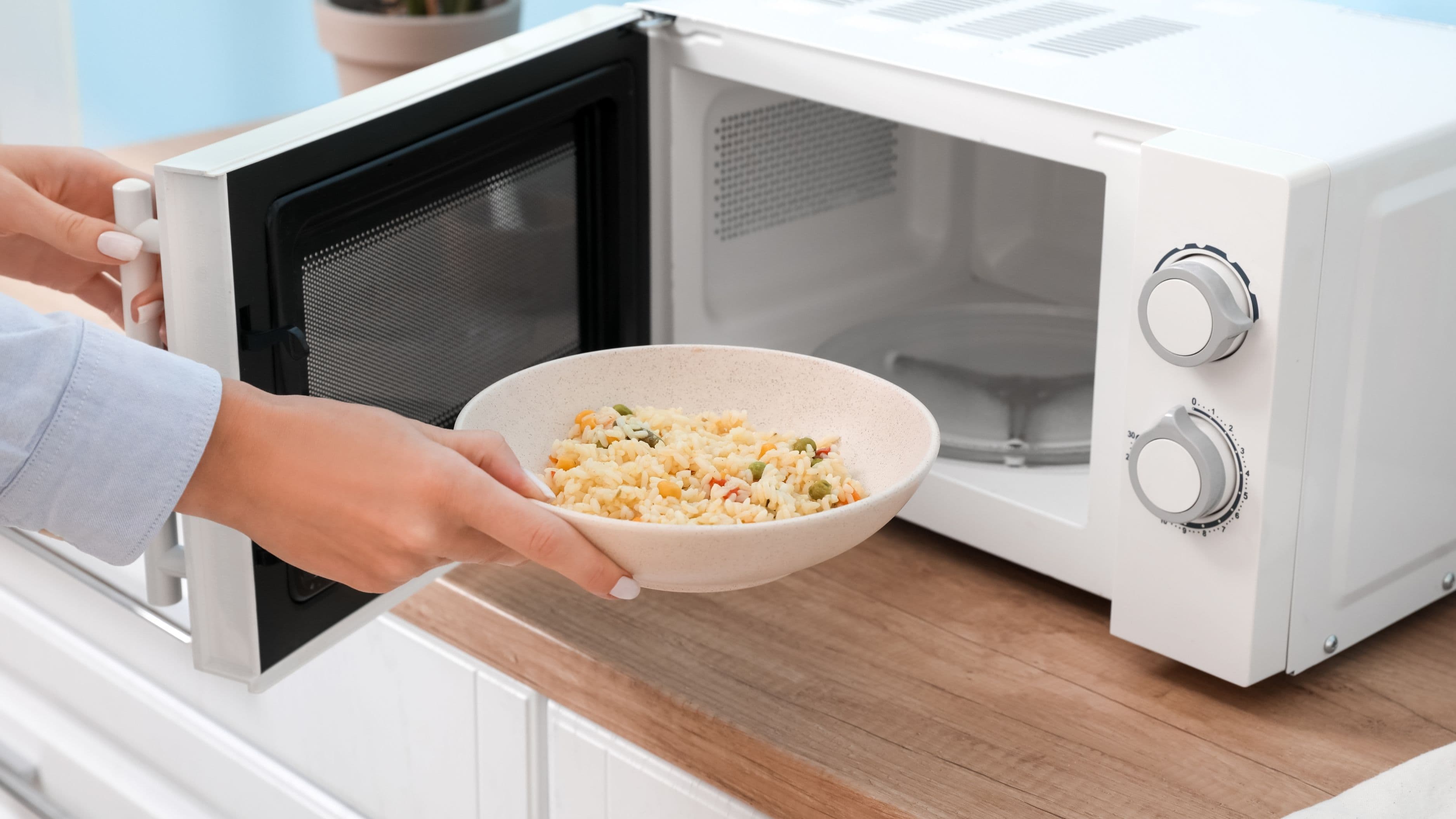
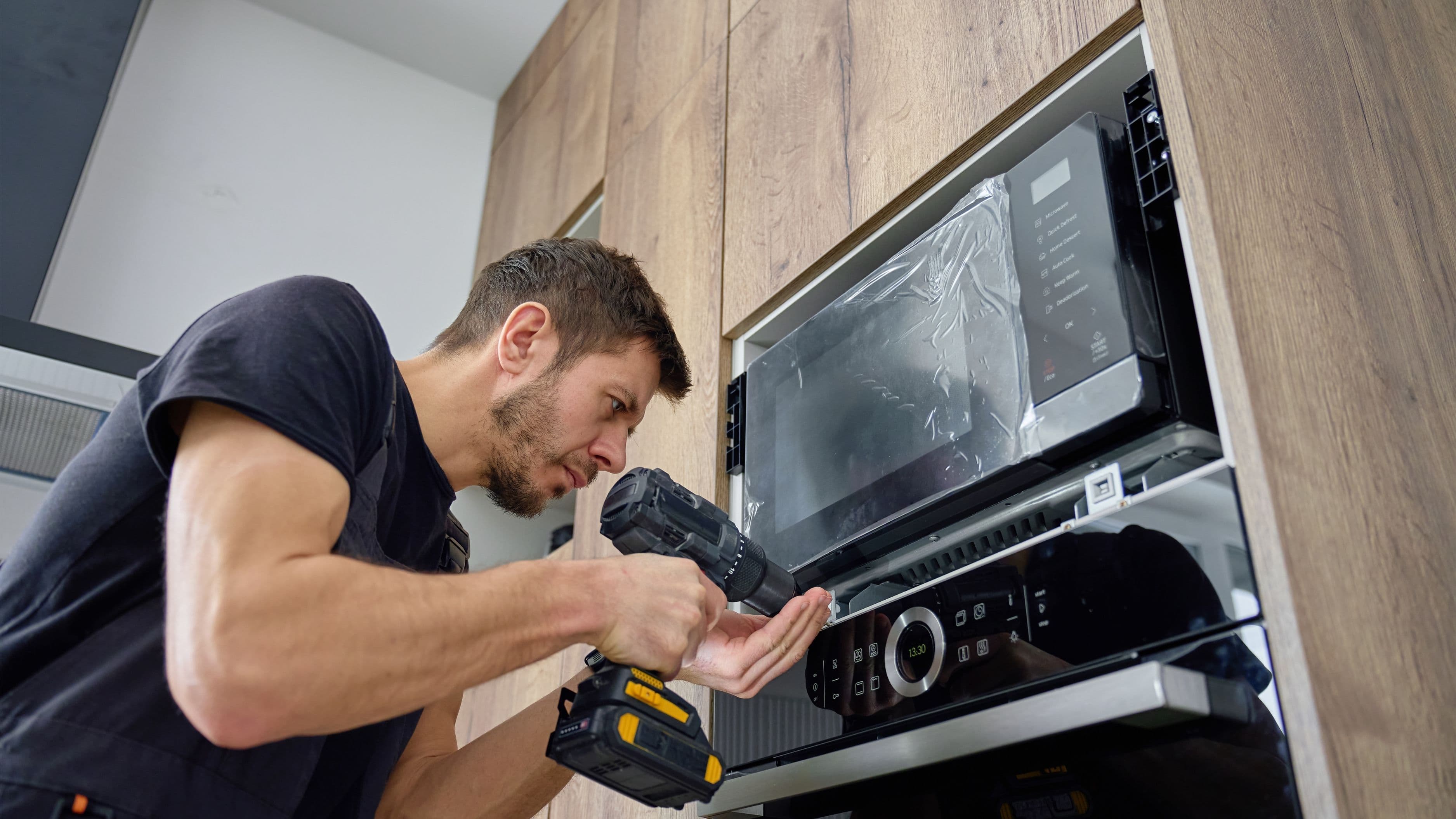
Microwaves: 7–10 Years
Microwaves have a notably shorter lifespan than most other major appliances, largely due to more delicate internal components like the magnetron, the part that actually generates the microwave radiation used for cooking. Built-in models tend to see somewhat longer service life than countertop models, partly due to generally sturdier construction in built-in product lines.
Realistic expectation: given the relatively low replacement cost of most countertop microwaves, repair rarely makes financial sense past the first few years – replacement is usually the more practical choice once problems appear.
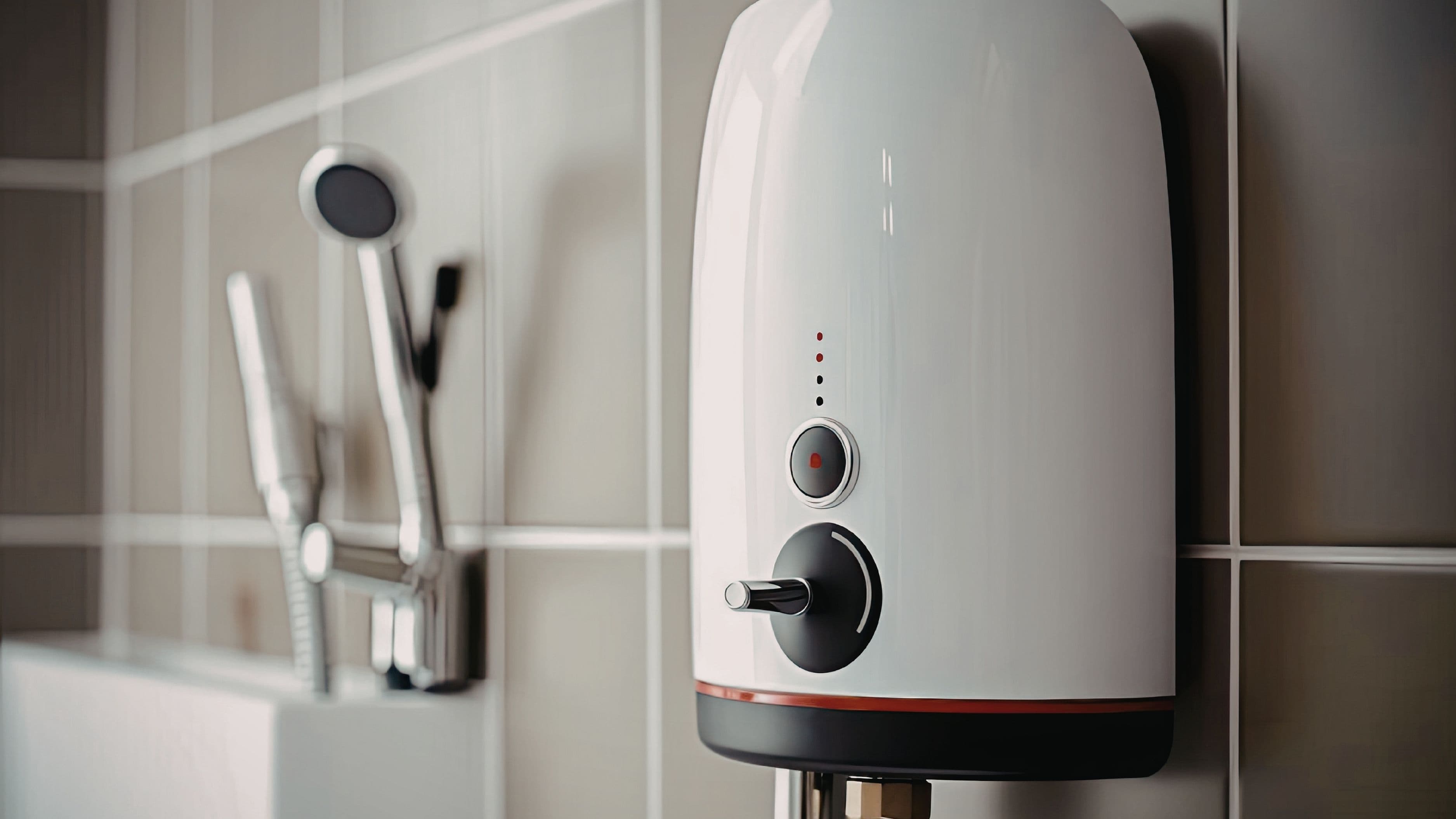
Water Heaters: 8–12 Years (Tank) / 15–20 Years (Tankless)
Traditional tank water heaters have a meaningfully shorter lifespan than tankless models, largely due to the corrosive effects of standing water and mineral buildup inside the tank over years of use. A sacrificial anode rod, designed to corrode instead of the tank itself, needs periodic replacement to actually achieve the upper end of this lifespan range – a maintenance step many homeowners never realize exists.
Realistic expectation: a tank water heater past 10 years showing any sign of rust-colored water or a leaking tank should be treated as a near-term replacement priority, both for reliability and to avoid water damage from a sudden tank failure.
HVAC Systems: 15–20 Years
Central air conditioning and furnace systems represent one of the longer-lasting major home systems when properly maintained, with regular filter changes and annual professional servicing meaningfully extending lifespan toward the higher end of this range. Systems that are undersized or oversized for the actual home they're installed in tend to wear out faster due to inefficient cycling patterns.
Realistic expectation: efficiency losses in an aging HVAC system are often gradual enough to go unnoticed – a rising energy bill without an obvious cause is worth investigating as a potential early sign of declining system efficiency well before outright failure.
What Actually Shortens Appliance Lifespan Across the Board
Skipping basic maintenance is the single biggest factor across nearly every appliance on this list – cleaning coils, replacing filters, checking seals, and addressing small issues promptly rather than letting them compound into bigger failures. Hard water, in homes without a water softener, accelerates wear on nearly every water-using appliance through mineral buildup on heating elements and internal components.
Overloading or overworking an appliance beyond its designed capacity – stuffing a washer too full, running a dishwasher on the heaviest cycle for every load regardless of necessity – also meaningfully shortens lifespan across the board, even when it doesn't cause an immediate, obvious problem.
What to Avoid
Don't ignore small, early warning signs assuming they'll resolve on their own – unusual noises, slower performance, or minor leaks are almost always cheaper and easier to address early than after they've caused secondary damage to other components.
Avoid skipping manufacturer-recommended maintenance purely because it seems unnecessary in the moment – anode rod replacement, coil cleaning, and filter changes feel optional until the appliance fails years earlier than it should have.
If a major appliance is over three-quarters of the way through its expected lifespan and needs a repair costing more than half of a comparable new unit's price, replacement is generally the more financially sound decision, even if the specific repair itself is technically straightforward.
FAQ
Does buying a more expensive appliance guarantee a longer lifespan? Not necessarily. Higher price often reflects features and capacity rather than core durability – research specific reliability ratings rather than assuming price alone predicts longevity.
Is it worth buying an extended warranty for major appliances? It depends on the specific appliance and its typical failure points – research common repair costs and failure rates for your specific model before deciding, rather than assuming a warranty is automatically worthwhile.
How often should I actually schedule maintenance for major appliances? Most manufacturers recommend at least an annual check for HVAC systems, and periodic cleaning tasks (coils, filters, ducts) every few months depending on usage – check your specific appliance's manual for its recommended schedule.
Knowing the realistic lifespan of your major appliances helps you budget ahead, catch problems early, and make smarter repair-versus-replace decisions when something does go wrong – rather than being caught off guard by a breakdown that, in hindsight, wasn't actually a surprise at all.
📚 Sources
Consumer Reports: How Long Do Appliances Last – https://www.consumerreports.org/appliances/appliance-buying-guide/
Energy.gov: Water Heater Maintenance and Lifespan – https://www.energy.gov/energysaver/water-heating
National Association of Home Builders: Life Expectancy of Home Components – https://www.nahb.org/