How Heating Works
Furnaces
A furnace heats air and pushes it through ducts into your rooms. Gas furnaces burn natural gas or propane, and a heat exchanger transfers the heat to the air while venting combustion gases outside. Electric furnaces use heating elements instead. Efficiency is measured by AFUE (Annual Fuel Utilization Efficiency); high-efficiency gas furnaces often reach 95 percent or more.
Heat Pumps
Heat pumps don't create heat by burning fuel. Instead, they move heat from outdoor air (or the ground, in geothermal systems) into your home using refrigerant. Even cold air contains heat, and modern cold-climate heat pumps can work efficiently in very low temperatures. Because they move heat rather than generate it, heat pumps can deliver more heating energy than the electricity they use.
Boilers
Boilers heat water and send hot water or steam through radiators, baseboard units, or radiant floor tubing. They provide even, quiet heat but don't provide cooling on their own.
How Cooling Works
Air conditioners and heat pumps use the same basic refrigeration cycle. Inside your home, refrigerant passes through an evaporator coil, where it absorbs heat from the air blowing across it. The refrigerant travels to the outdoor unit, where the compressor pressurizes it and the condenser coil releases the heat outside. An expansion valve then lowers the refrigerant's pressure so it can absorb heat again. The cooled air is circulated back through your home, and moisture removed from the air drains away, which also helps reduce humidity.
Cooling efficiency is measured by SEER2, and heat pump heating efficiency by HSPF2. Higher numbers mean better efficiency.
How Ventilation Works
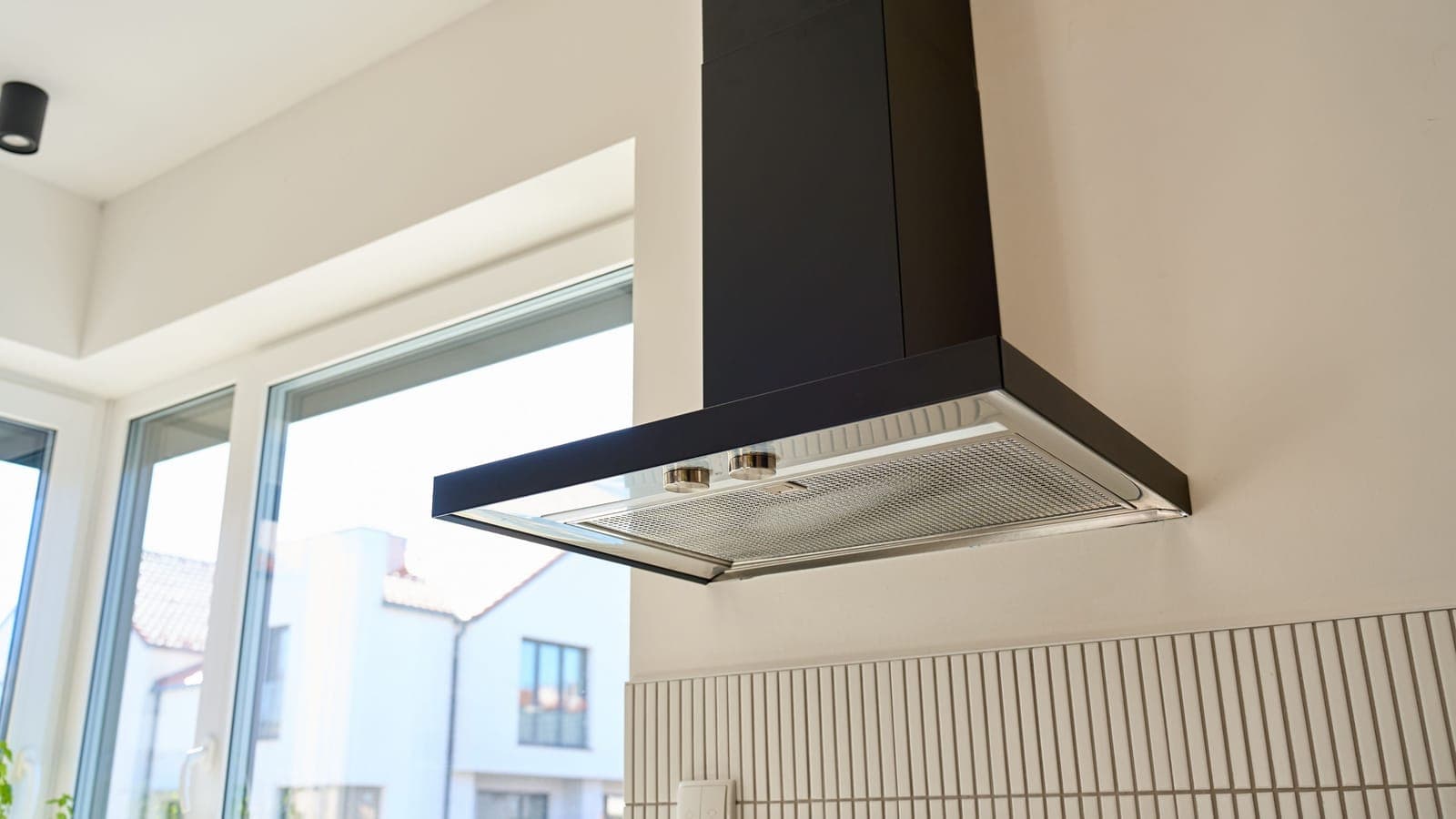
Ventilation replaces stale indoor air with fresh outdoor air. Older homes often ventilated naturally through leaks, but modern homes are built tighter for energy efficiency, which means they need planned ventilation. Bathroom and kitchen exhaust fans remove moisture and odors.
Energy recovery ventilators (ERVs) and heat recovery ventilators (HRVs) exchange indoor and outdoor air while transferring heat, and in the case of ERVs moisture, between the airstreams, so you get fresh air without wasting much energy.
The Role of Ductwork and Air Handlers
In ducted systems, an air handler or furnace blower moves air through supply ducts into rooms and back through return ducts. Leaky or poorly sized ducts reduce comfort and waste energy. Ductless mini-split systems skip ducts entirely, using wall-mounted indoor units connected to an outdoor unit, making them popular for additions and older homes.
Smart Controls and Zoning
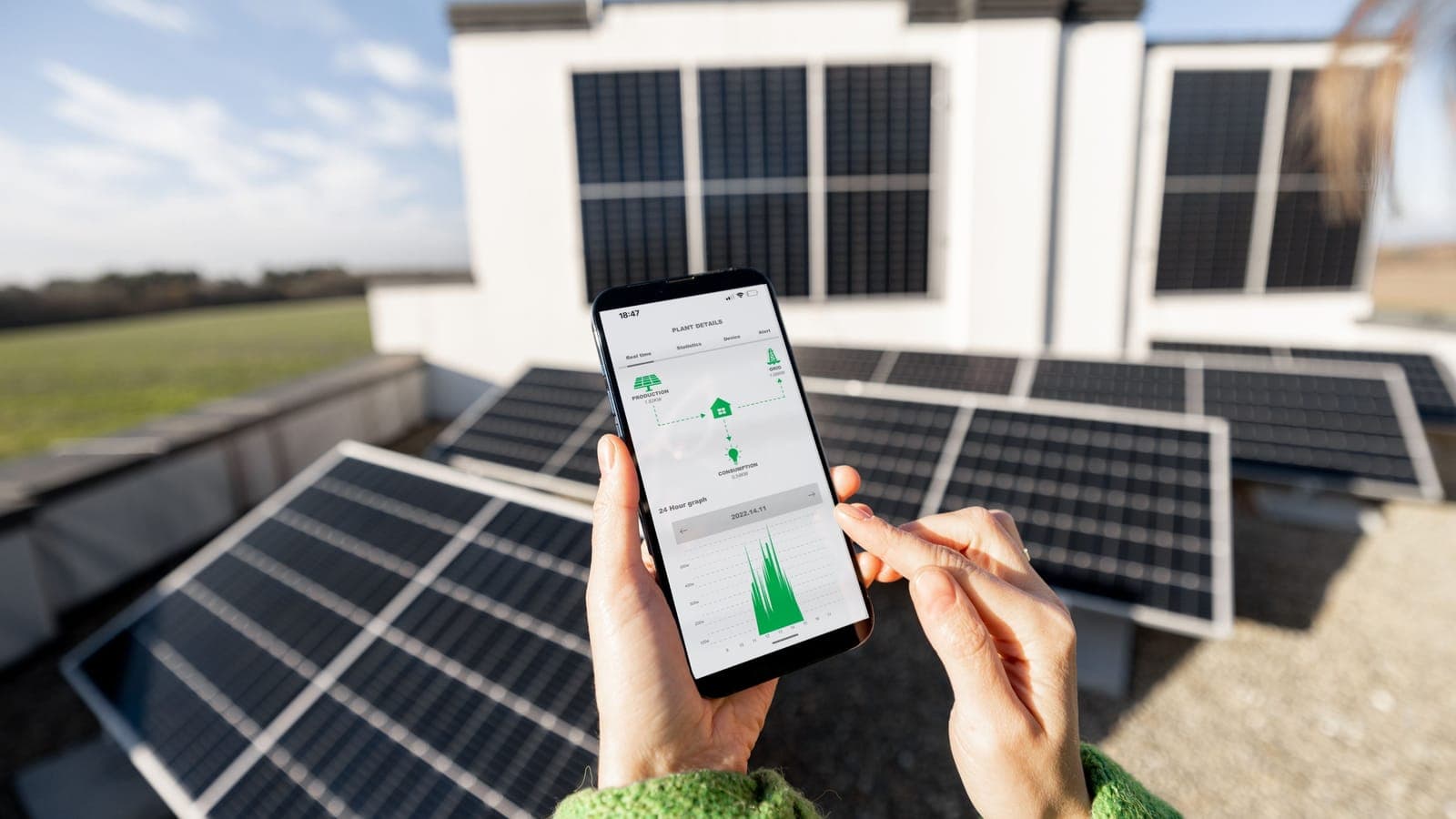
Modern systems often use smart thermostats that learn your schedule, adjust remotely, and track energy use. Zoning systems use dampers or multiple indoor units to control temperatures in different areas separately. Variable-speed compressors and blowers adjust output gradually rather than switching fully on and off, improving comfort and efficiency.
Keeping Your System Healthy
Change filters regularly, keep outdoor units clear of debris, and schedule professional maintenance at least once a year for each major system.
Final Thoughts
Modern HVAC systems combine heating, cooling, ventilation, and smart controls to keep your home comfortable and healthy. Knowing how each part works helps you maintain your system properly and choose upgrades that improve comfort while reducing energy use.