Repair or Replacement: Know What You Need
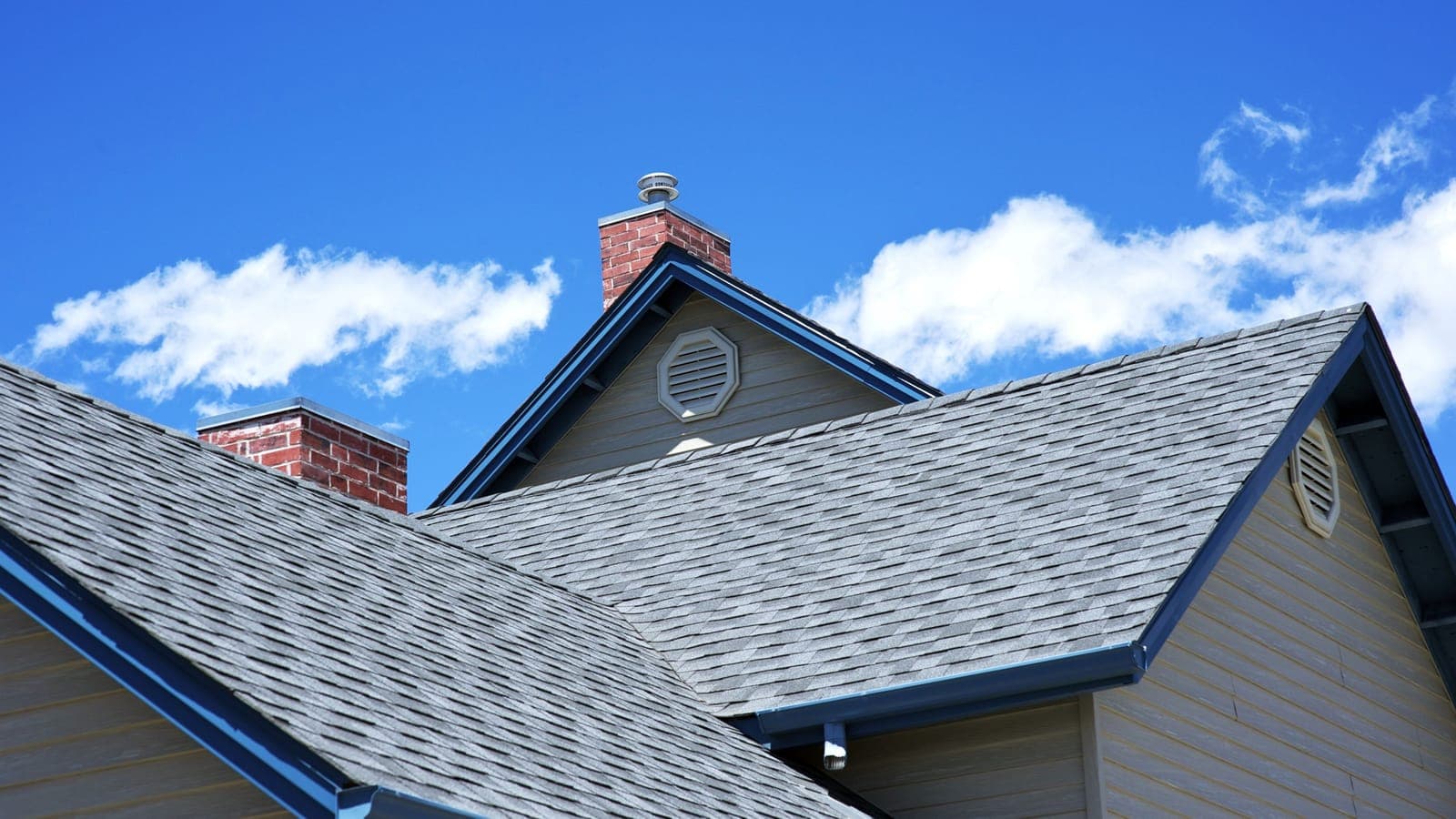
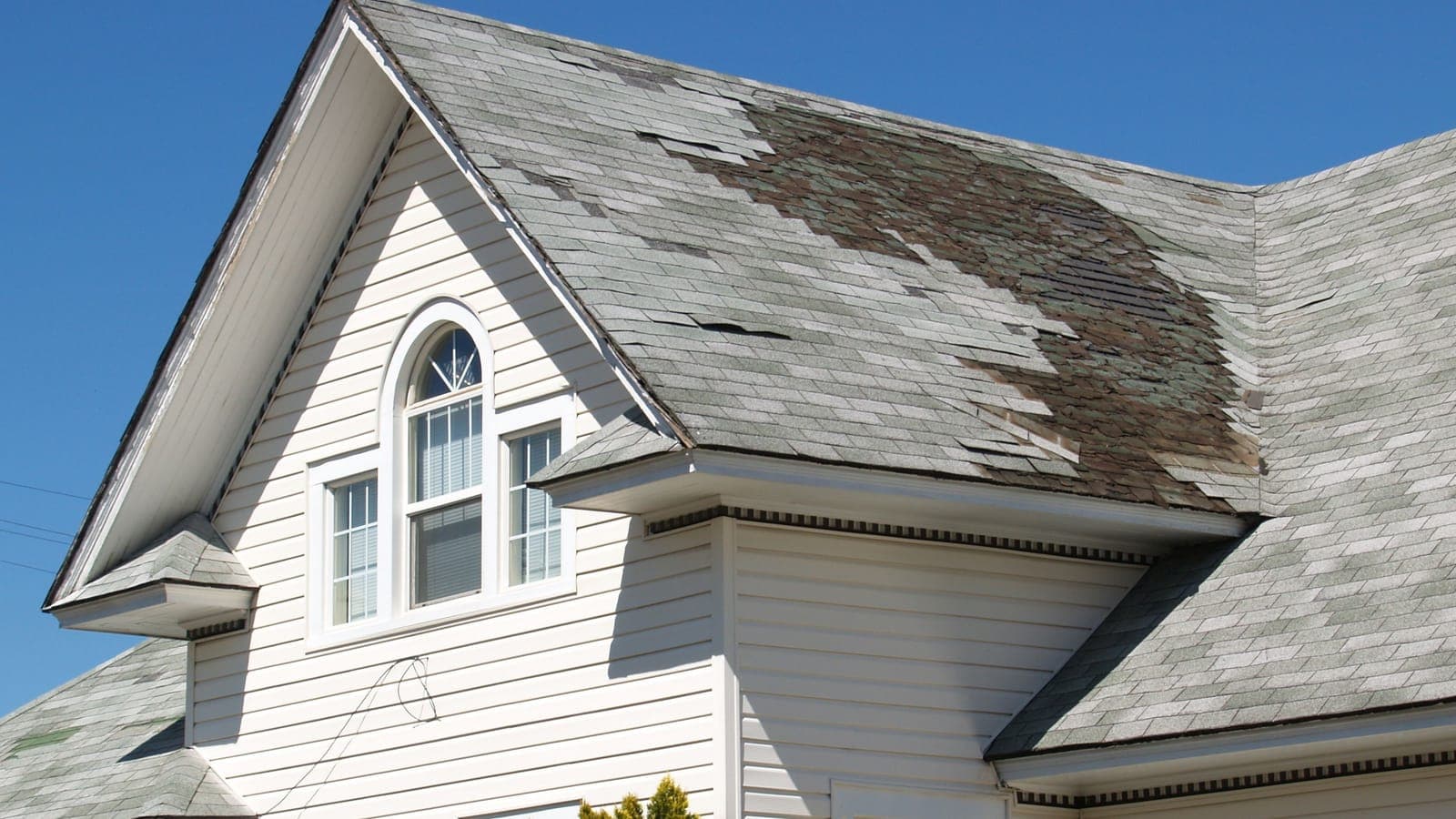
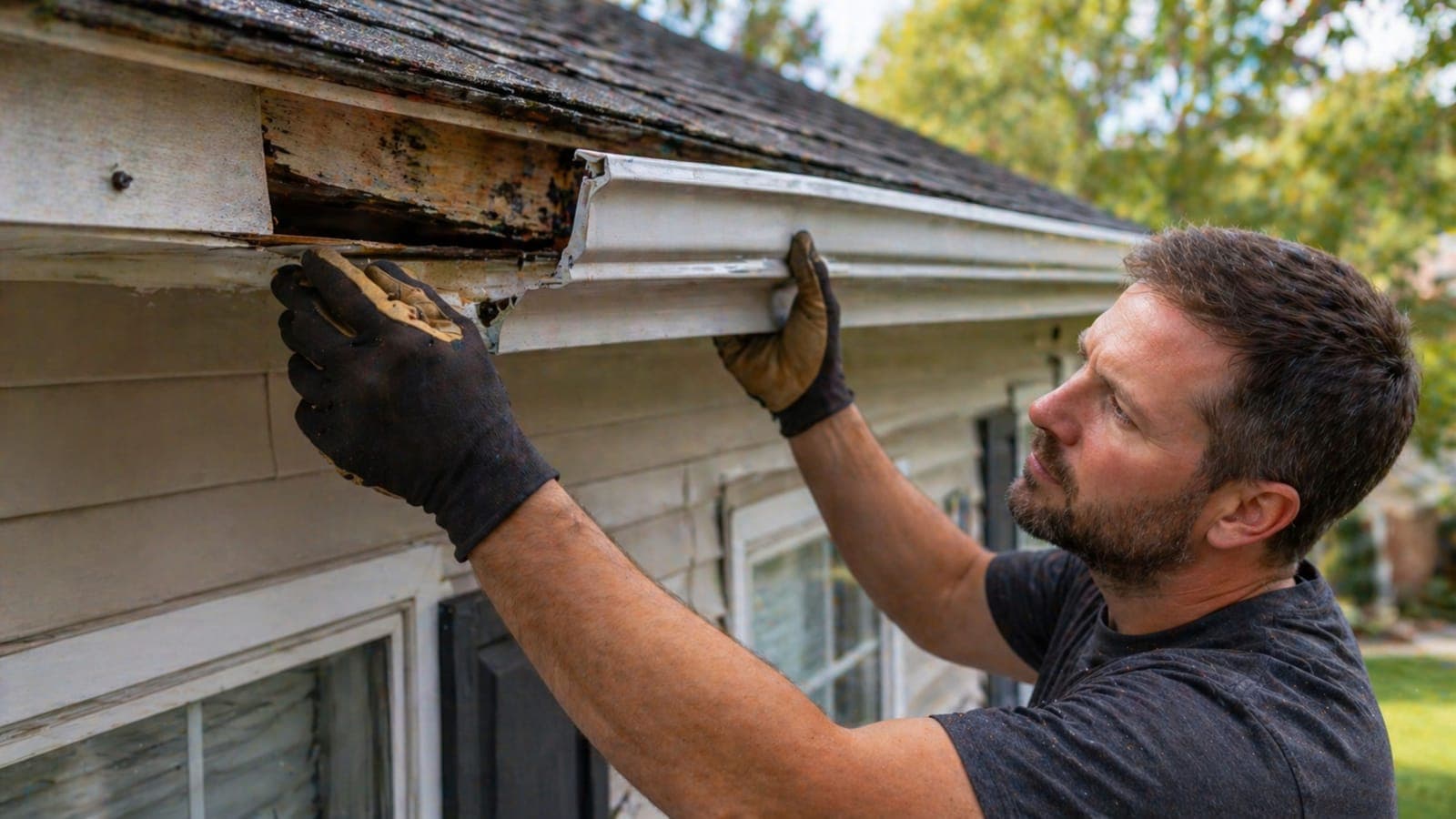
Start by understanding the condition of your roof. Isolated issues such as a few missing shingles, minor flashing leaks, or small areas of damage can often be repaired. Widespread curling or cracked shingles, granule loss, sagging, repeated leaks, or a roof near the end of its expected lifespan usually point toward replacement. A trustworthy contractor will explain the difference honestly instead of pushing a full replacement when a repair will do.
Where to Find Reputable Roofers
Ask neighbors, friends, and local real estate agents for recommendations, and look for companies with a long track record and a physical address in your area. Manufacturer-certified roofers have met training requirements set by shingle brands and may be able to offer extended warranties. Check online reviews on several platforms, and pay attention to how companies respond to complaints.
Verify Credentials
Before inviting anyone to inspect your roof, confirm the basics:
Licensing: check whether your state or city requires roofing licenses and verify the contractor's status
Insurance: ask for proof of general liability and workers' compensation coverage
Permits: confirm the contractor will pull any required permits
References: request contacts from recent jobs similar to yours
A reliable contractor will provide these without hesitation.
Get Detailed, Written Estimates
Collect at least three written estimates. Each should list the roofing material and brand, underlayment, flashing, ventilation, removal of old roofing, disposal, decking repair costs, cleanup, and the project timeline. Many replacement estimates price decking replacement per sheet because hidden damage can't be confirmed until the old roof comes off – ask how this will be handled. Comparing line by line is the only way to spot a quote that is low because it leaves out essential work.
Understand the Warranties
Roofs typically carry two warranties. The manufacturer warranty covers the materials, while the workmanship warranty covers installation. Workmanship issues cause many roof failures, so a solid labor warranty from an established company is just as important as the shingle warranty.
Be Cautious After Storms
Storm-chasing contractors often go door to door after hail or wind events, offering free inspections and promising insurance will cover everything. Some do legitimate work, but many disappear once paid. Contact your insurance company first, get your own inspection, and avoid signing anything that hands over control of your insurance claim before you have vetted the contractor.
Red Flags to Watch For
Demands for large upfront payments or cash only
No written contract or vague scope of work
High-pressure tactics or "today only" pricing
No local address or verifiable license
Offers to waive your insurance deductible
Final Thoughts
Choosing a reliable roofing contractor comes down to careful research, verified credentials, and detailed written agreements. Take your time comparing quotes and warranties, avoid pressure tactics, and choose a contractor who communicates clearly. The right roofer protects your home and your investment for years to come.