
This guide breaks down the most common reasons filters clog prematurely, how to figure out which one applies to your home, and what to do about each one.
How Fast Should a Filter Actually Get Dirty?
Before troubleshooting, it helps to know what normal looks like. A standard 1-inch HVAC filter in a typical home should last anywhere from 30 to 90 days before it needs replacement — closer to 30 days in homes with pets, allergy sufferers, or high foot traffic, and closer to 60–90 days in smaller households with no pets. Thicker filters (4–5 inch media filters) can last 6–12 months.
If you're replacing a filter every 1–2 weeks, or if it looks visibly gray and clogged after just a couple of weeks, that's not normal wear — that's a symptom. Something specific is causing it.
Cause 1: The Filter Has Too High a MERV Rating for Your System
This is the most common cause of rapid filter clogging, and it's entirely self-inflicted. MERV ratings measure how fine a filter's weave is — a higher MERV rating captures smaller particles. A MERV 13 filter captures fine dust, smoke particles, and even some bacteria. A MERV 8 captures pollen, mold spores, and pet dander. Both are sold at the hardware store, often right next to each other.
The problem is that most residential HVAC systems — especially older ones — are designed for lower-MERV filters, typically in the MERV 6–10 range. A high-MERV filter restricts airflow more than the system is built to handle. The motor works harder to pull air through the dense media, the filter loads up with debris faster because more is being captured, and the whole system runs less efficiently. In some cases it can cause the evaporator coil to freeze up or the heat exchanger to overheat.
If you recently switched to a "better" filter — a MERV 11, 12, or 13, or any filter marketed as an allergen or virus filter — and clogging got worse, that's very likely your cause. Check your HVAC manual or the label on the air handler for the manufacturer's recommended MERV range and use a filter within that range. For most residential systems, MERV 8–10 is the sweet spot: good filtration without restricting airflow.
Cause 2: You Have an Air Leak in Your Return Ductwork
Your HVAC system has two sides: supply ducts that push conditioned air into rooms, and return ducts that pull air back to the unit for filtering and reconditioning. If there's a leak or gap in a return duct — especially in an attic, crawlspace, or basement — the system can pull in large amounts of unfiltered air from dirty spaces. That dusty, debris-laden attic air goes straight to your filter, which then loads up at several times the normal rate.
Duct leaks are more common than most homeowners realize. The EPA estimates that in a typical home, 20–30% of the air moving through the duct system is lost through leaks, gaps, or poorly connected sections. Return duct leaks near the air handler are particularly impactful because they're closest to where the filter sits.
To check for obvious return duct leaks yourself: with the system running, hold your hand near the seams and joints on return ducts you can access (often in an attic, basement, or mechanical closet). If you feel air being pulled in from outside the duct rather than through the return vents in your rooms, you've found a leak. Accessible leaks can be sealed with foil tape (not standard duct tape, which fails quickly) or mastic sealant. Leaks in hidden spaces may require an HVAC tech to perform a duct pressure test to locate.
Cause 3: High Dust Levels in the Home
Sometimes the filter is working exactly as intended — your home just has an unusual amount of particulate in the air. Before blaming the HVAC system, consider what's been happening in the house. Recent construction or renovation work (drywall dust is notoriously fine and abundant), flooring installation, heavy furniture moving, or even living near a dirt road can all temporarily flood your air with debris and send filter replacement frequency through the roof.
More persistent sources of elevated dust include older carpet that hasn't been deep-cleaned in years, forced-air systems that stir up settled debris when they run, and homes where outdoor air quality is poor (wildfire smoke season is a major factor in many parts of the western US). Pet households with shedding breeds also sustain consistently higher airborne particulate levels.
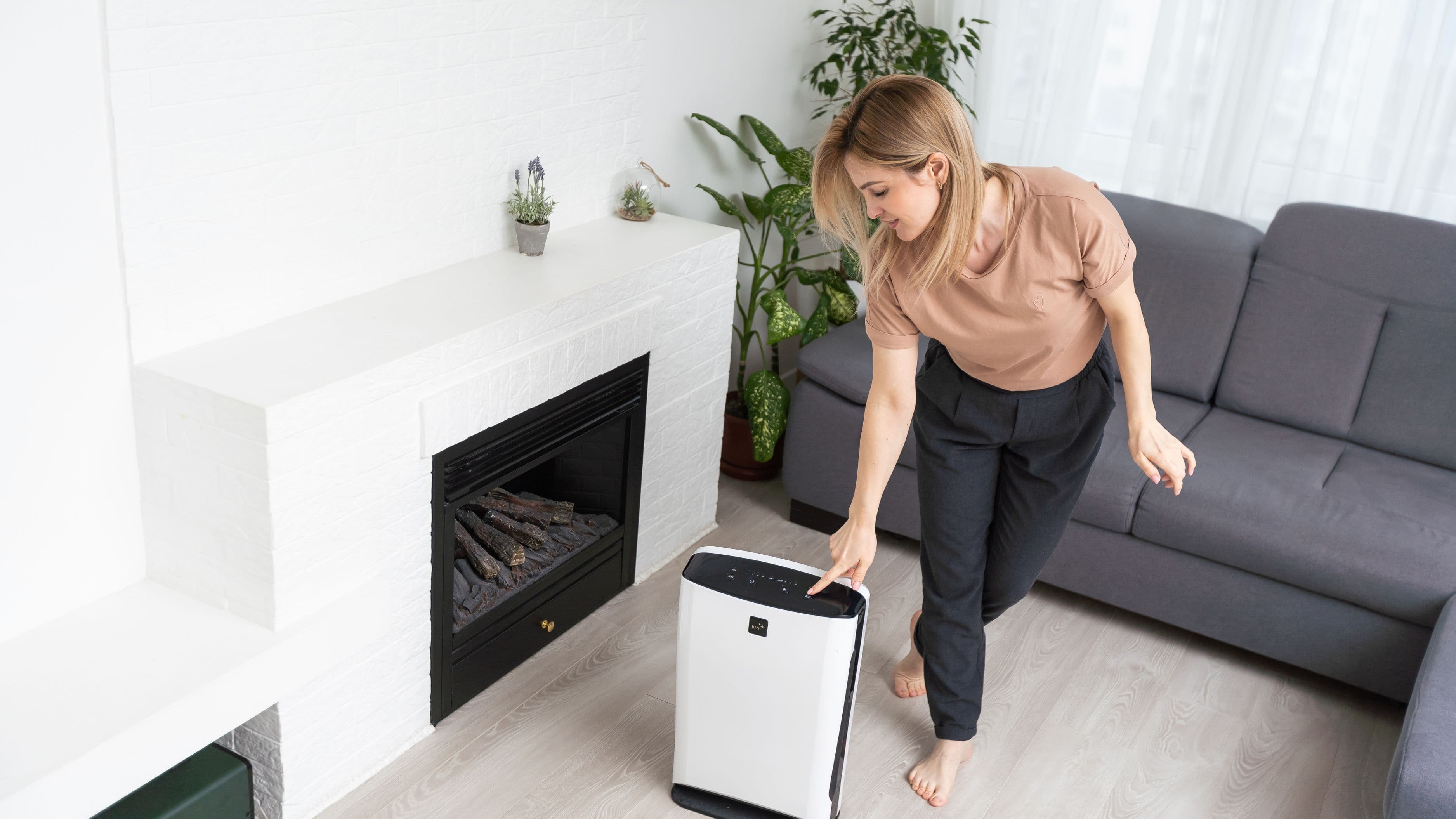
If the cause is temporary (post-renovation), run the system on a regular cycle for a week or two and replace the filter more frequently until the dust settles — literally. If the cause is persistent, address it at the source: vacuum regularly with a HEPA-filter vacuum, deep-clean carpets, and consider an air purifier with a HEPA filter in rooms where dust generates most (bedrooms, living areas).
Cause 4: The Fan Is Running Constantly
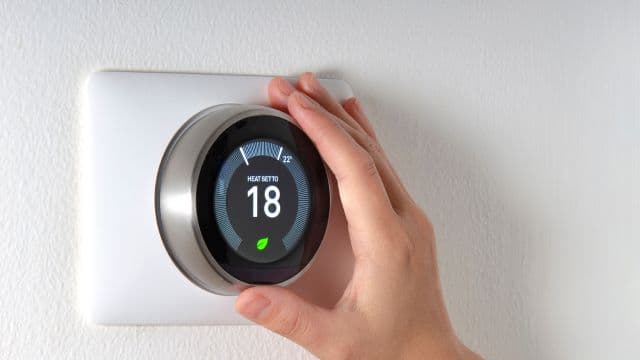
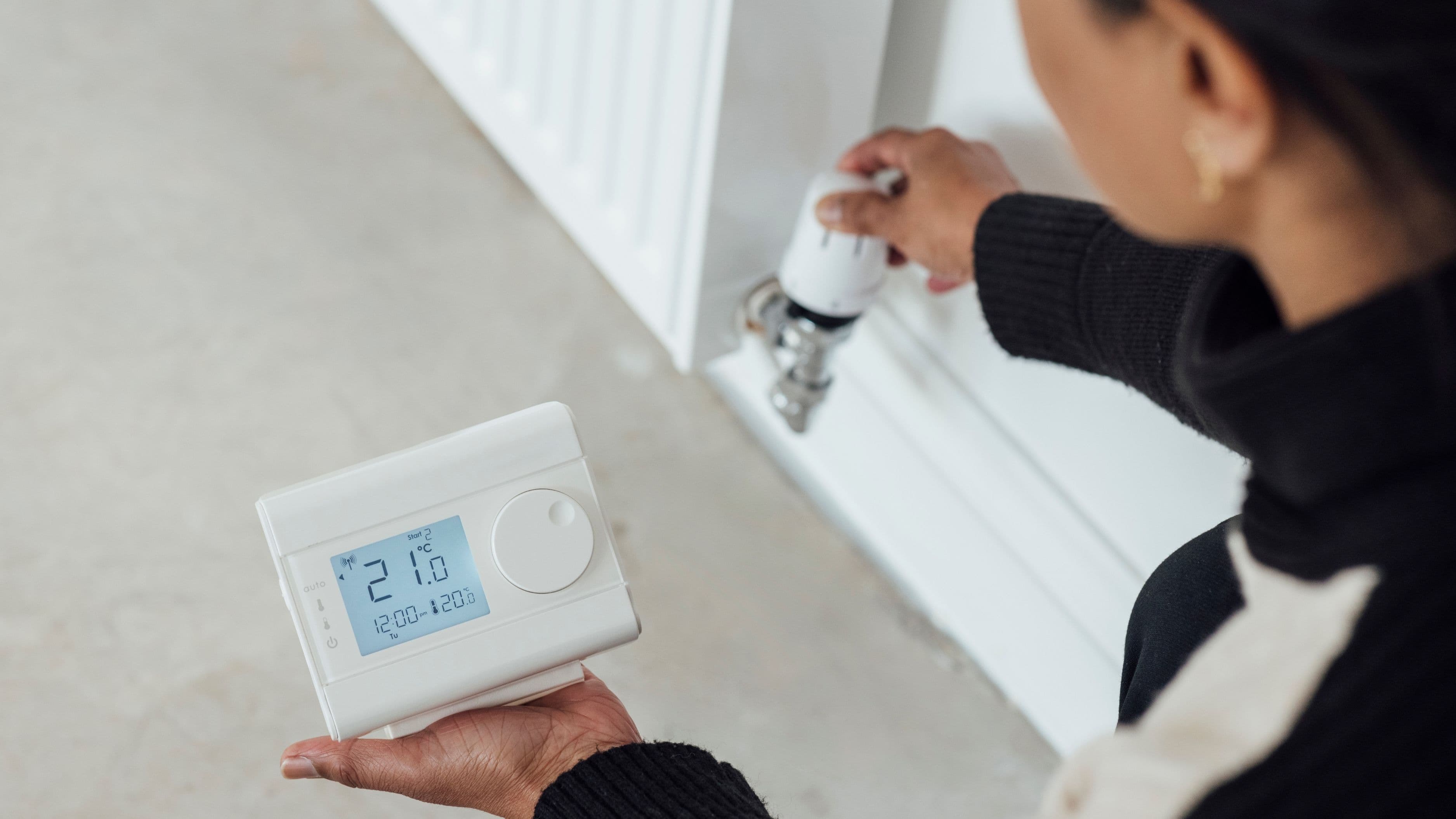
Most thermostats have two fan settings: "Auto" and "On." In Auto mode, the fan only runs when the system is actively heating or cooling — typically in cycles throughout the day. In On mode, the fan runs continuously, 24 hours a day, recirculating air through the filter even when no heating or cooling is happening.
If your thermostat is set to "On" rather than "Auto," your filter is processing significantly more air volume than it would in Auto mode — and collecting that much more debris in the process. Filter clogging 2–3 times faster than expected is a realistic outcome. This setting gets accidentally changed more often than you'd think, especially with smart thermostats that have more complex menus.
Check your thermostat settings and make sure the fan is set to "Auto" unless you have a specific reason to run it continuously. One legitimate reason: whole-home ventilation systems where continuous circulation is intentional. But in most standard setups, Auto is correct and continuous operation is a mistake.
Cause 5: The Filter Is Being Installed Incorrectly
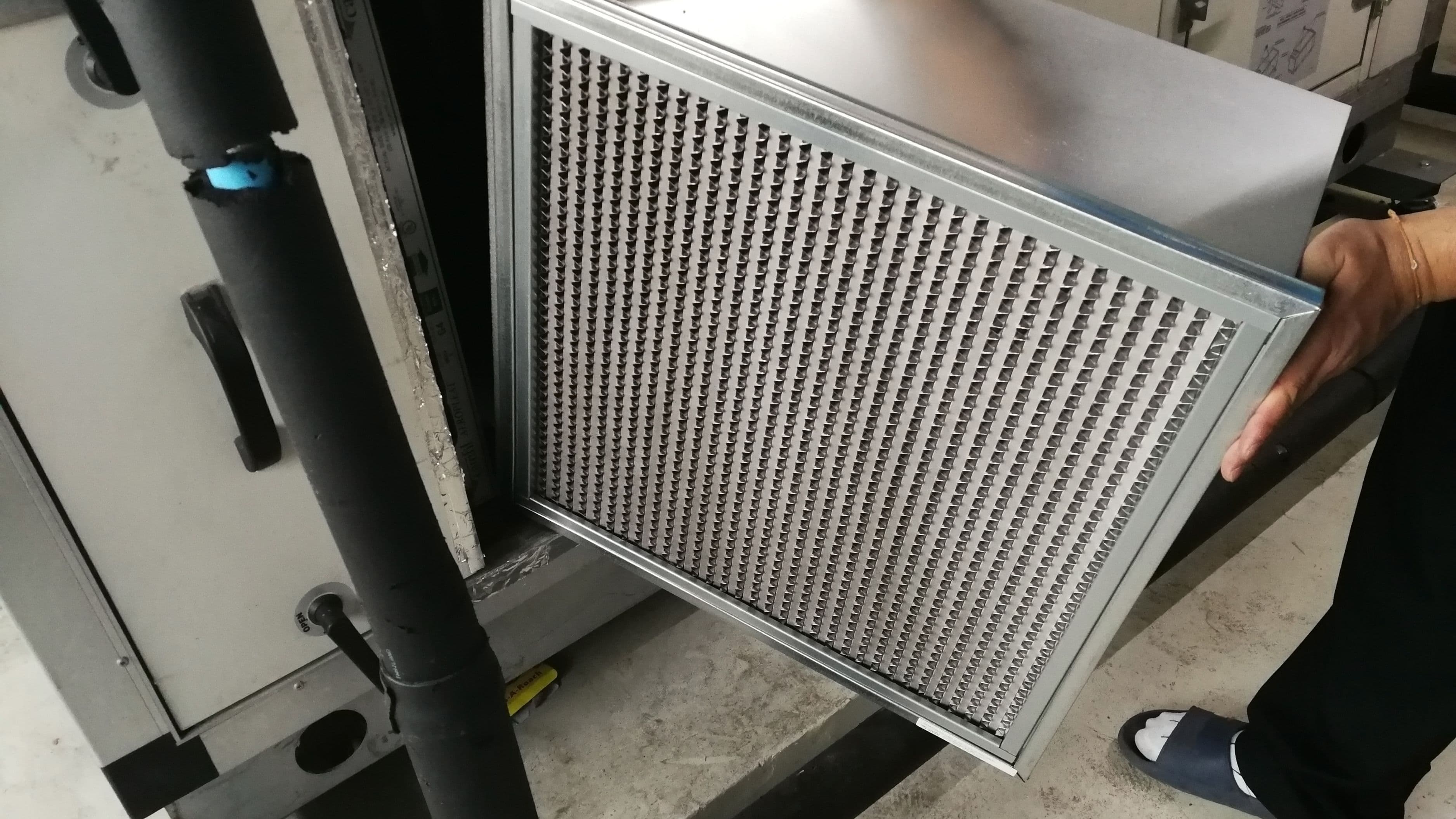
Every HVAC filter has an airflow direction — almost always marked with an arrow on the frame. The arrow should point toward the air handler, in the direction air travels through the system (away from the return duct, toward the blower). Installing the filter backwards reverses this, putting the looser backing material on the intake side and the finer media downstream. The result is reduced airflow, faster clogging on the wrong face of the filter, and poor filtration efficiency.
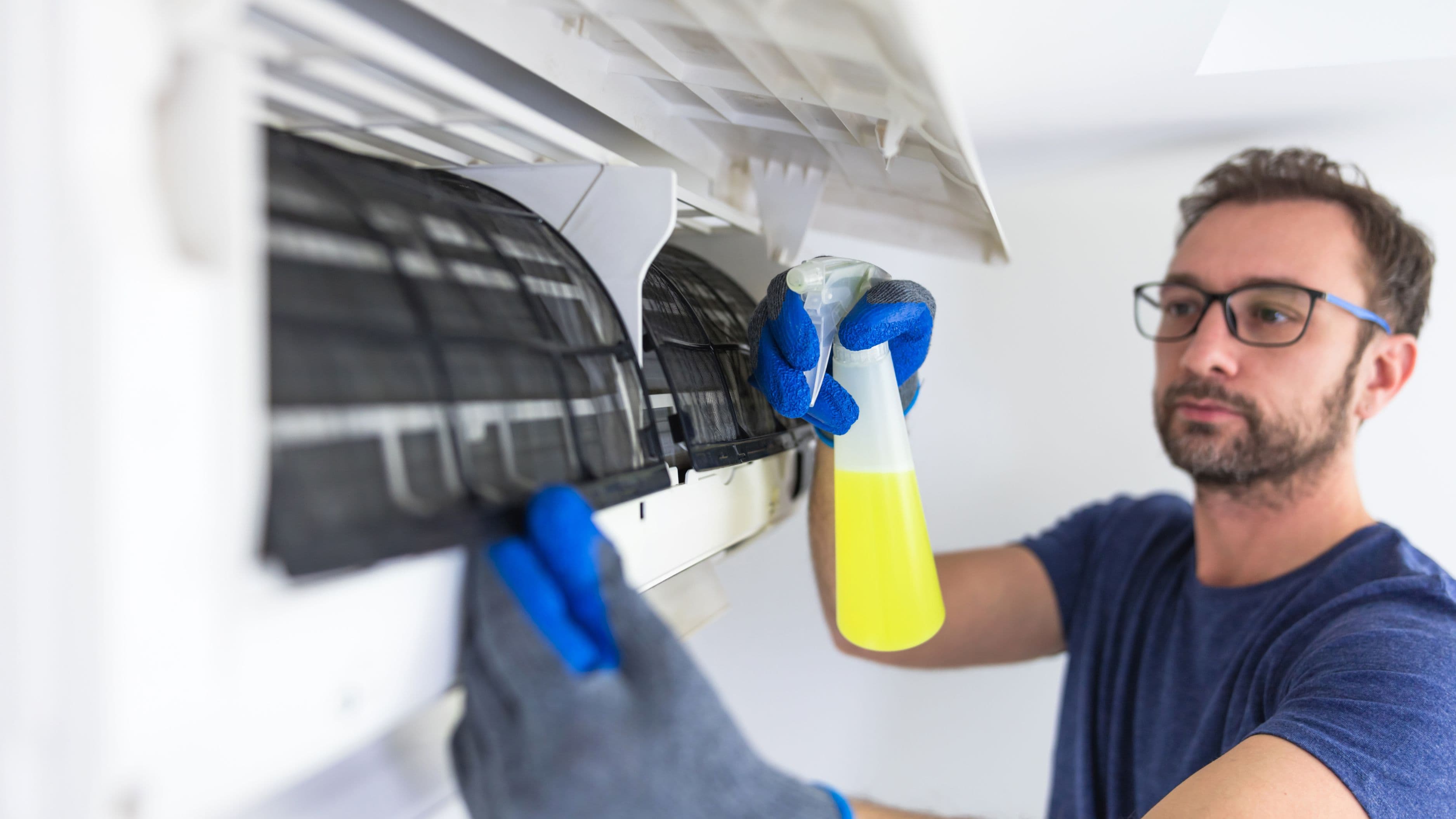
This is a simple thing to get wrong, especially in tight mechanical spaces where you can't easily see what you're doing. Pull your current filter and check the arrow direction against the airflow in your system. If it's backwards, flip it and see if the next filter lasts longer.
Also check that the filter fits properly. A filter that's slightly too small for the slot allows air to bypass the media entirely around the edges — that unfiltered air deposits debris in the system rather than the filter, but it also means the filter is catching more concentrated debris from the air that does pass through it.
Cause 6: Your Home Has Poor Humidity Control
Airborne dust behaves differently depending on humidity. In very dry conditions — during heating season in cold climates, for example — static electricity causes fine particles to stay suspended in the air longer rather than settling onto surfaces. Those floating particles get pulled through the HVAC system repeatedly and accumulate on the filter faster than they would in a more humid environment.
Conversely, very high humidity causes particles to clump and can contribute to mold or mildew on a damp filter, which adds biological mass to the clogging problem and creates an air quality concern on top of it.
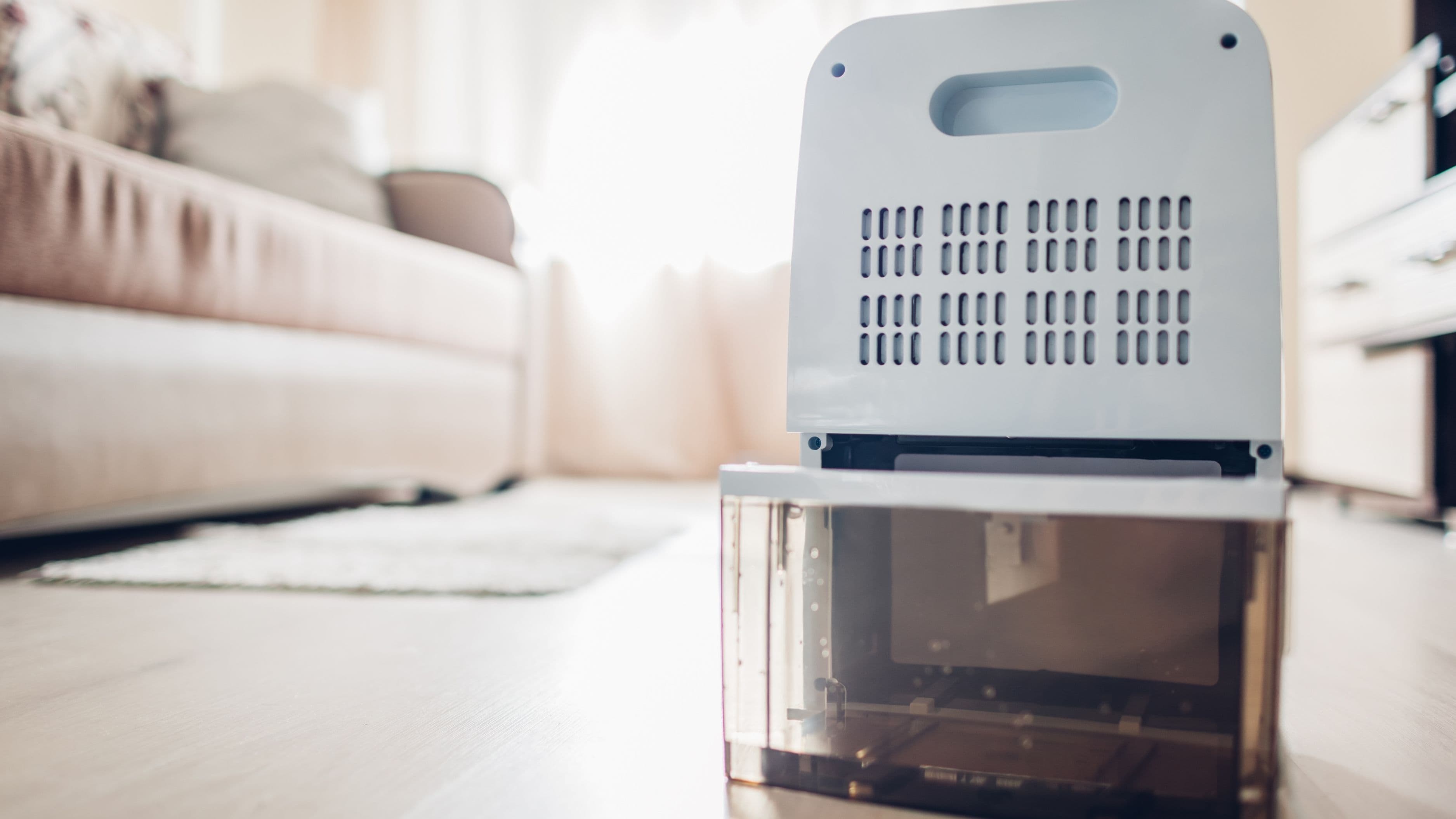
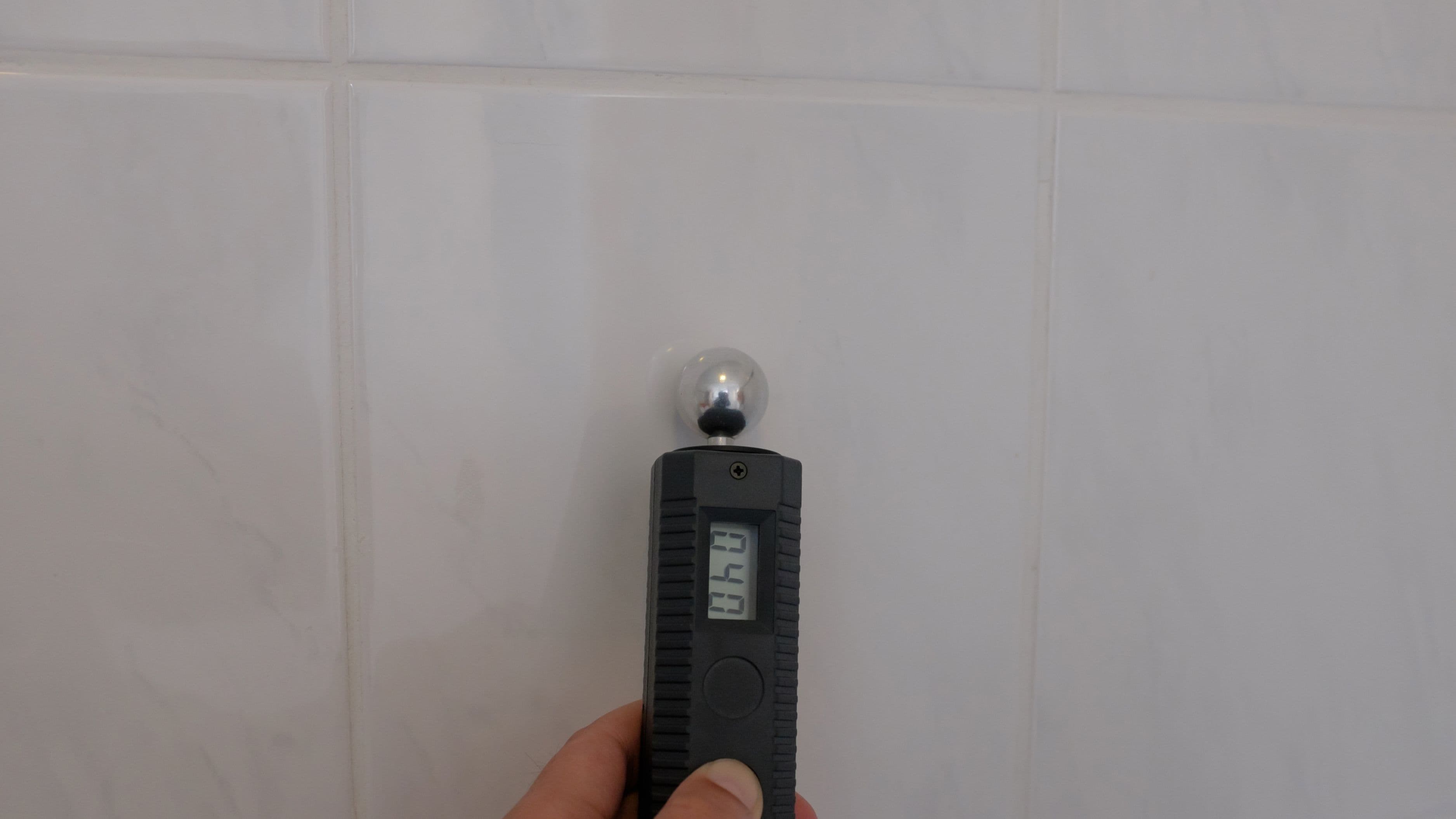
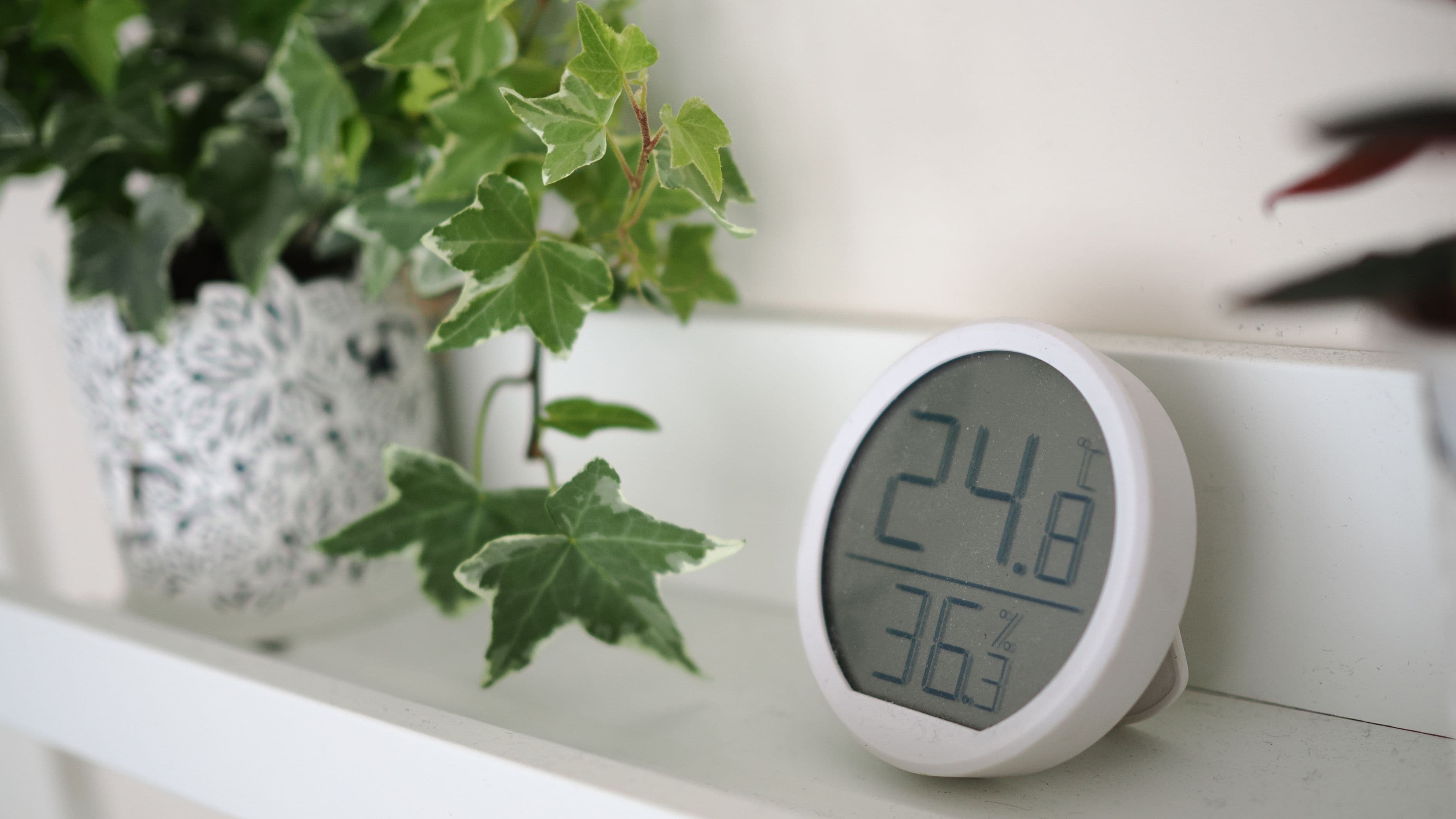
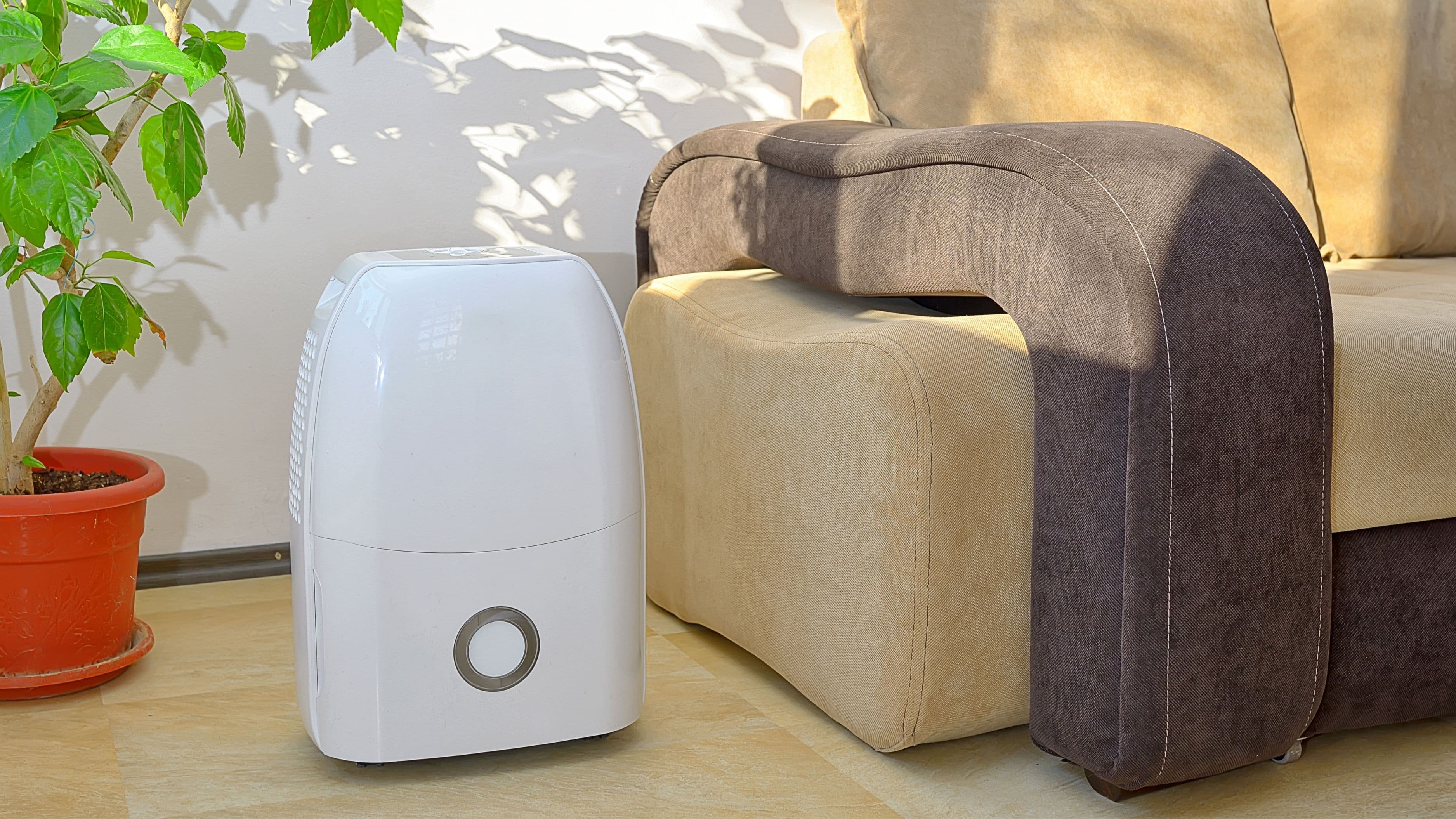
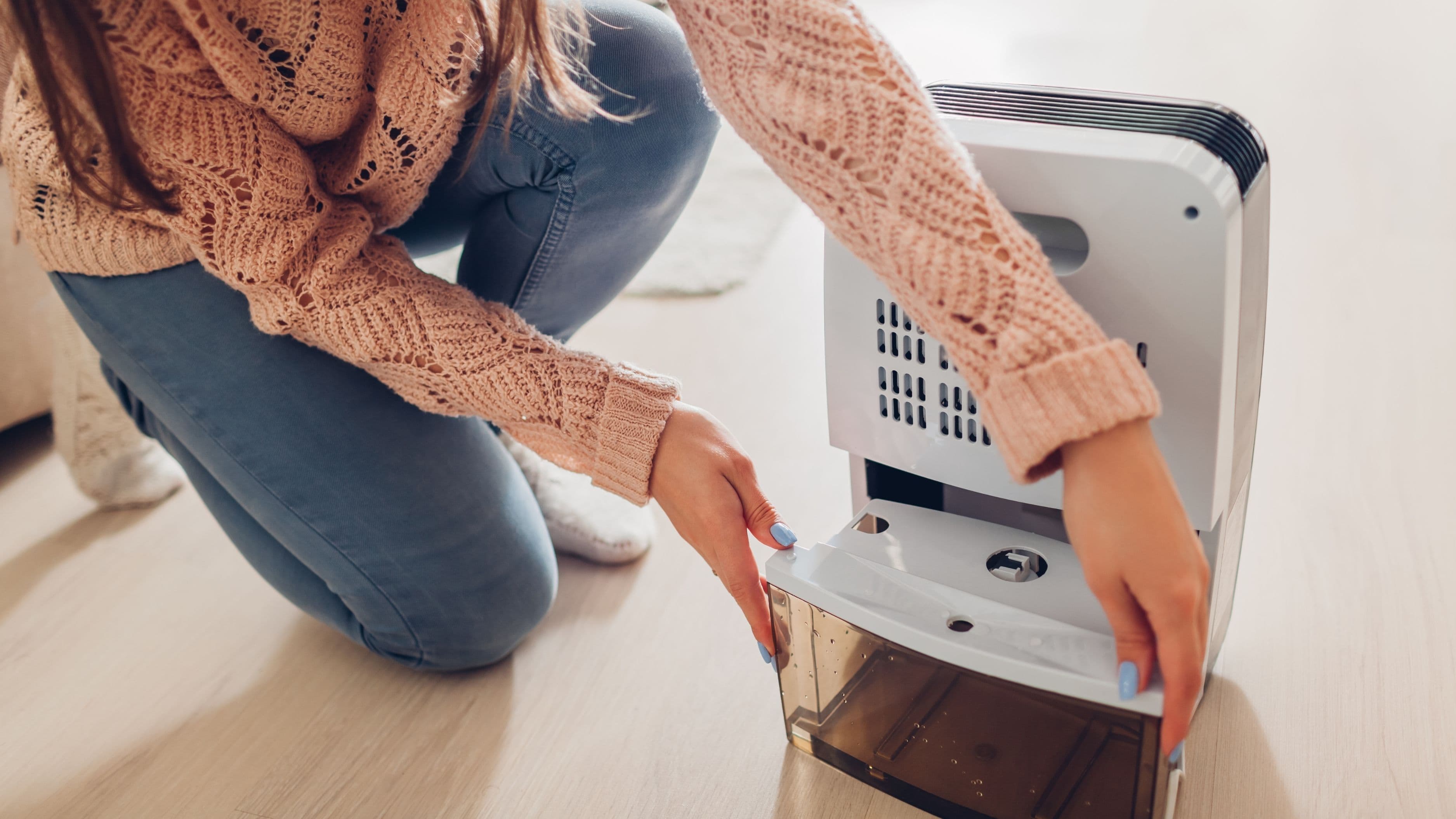
If you're in a dry climate or running heat heavily through the winter and notice faster filter clogging in those months, a whole-home humidifier or even standalone room humidifiers can reduce the static-cling effect and help particles settle before they circulate. Aim for indoor relative humidity between 35–50% for the balance of comfort, air quality, and HVAC efficiency.
Cause 7: You Have Pets
This one is straightforward but worth stating directly: pet dander and hair are among the most efficient clogging agents for HVAC filters. A single medium-sized dog or cat sheds enough dander and hair to load a filter in a fraction of the time it would take in a pet-free home. Multiple pets compound this significantly.
If you have pets and your filter is clogging quickly, that may simply be your normal — and the solution is to choose a filter that's designed for the replacement frequency rather than trying to extend it. A good-quality MERV 8–10 filter replaced every 3–4 weeks is the right approach for a multi-pet household. Using a more restrictive filter in hopes of going longer between changes will just cause the airflow problems described above.
Running a room-level HEPA air purifier in the spaces where pets spend the most time (bedroom, living room) can meaningfully reduce the dander load reaching your HVAC system and extend filter life.
When to Call an HVAC Professional
Most of the causes above are DIY-fixable, but there are a few situations where a service call makes sense:
If you suspect a significant duct leak in an inaccessible area (in walls, above a finished ceiling, or deep in a crawlspace), a professional duct pressure test can locate it efficiently — you could spend days trying to find a leak by feel that a tech can locate in an hour with the right equipment.
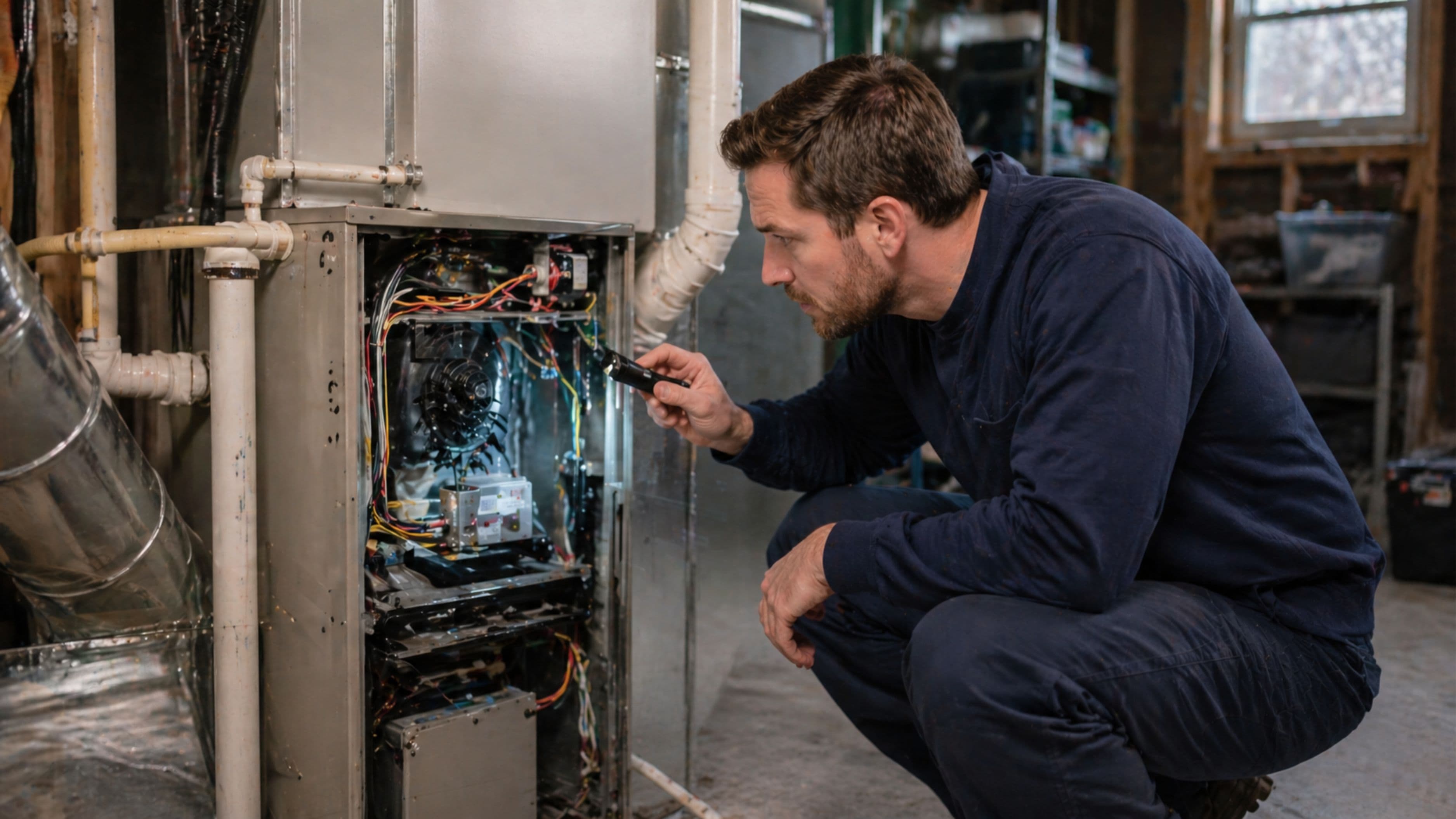
If you've addressed the common causes and your filter is still clogging at an abnormal rate, an HVAC tech can inspect the system for other contributing factors: a dirty blower wheel that's redistributing debris, a clogged evaporator coil pulling particulate back into the airstream, or a failing motor running at the wrong speed.
If your filter is clogging quickly and your system is taking longer to heat or cool your home than it used to, the filter is likely symptomatic of a larger efficiency issue — that warrants a professional inspection rather than just more frequent filter changes.
What to Avoid
Don't use the highest-MERV filter available. More filtration isn't always better. Match the filter to your system's specs and your actual air quality needs rather than buying the most restrictive option on the shelf.
Don't let a clogged filter run. A severely clogged filter forces your blower motor to work harder, can cause the evaporator coil to freeze in cooling mode, and dramatically reduces indoor air quality. If a filter looks gray and dense, replace it immediately regardless of how recently you installed it.
Don't use standard cloth duct tape on duct leaks. It dries out and fails within months. Use foil HVAC tape or mastic sealant for any duct repair you do yourself — those are the materials that actually hold long-term.
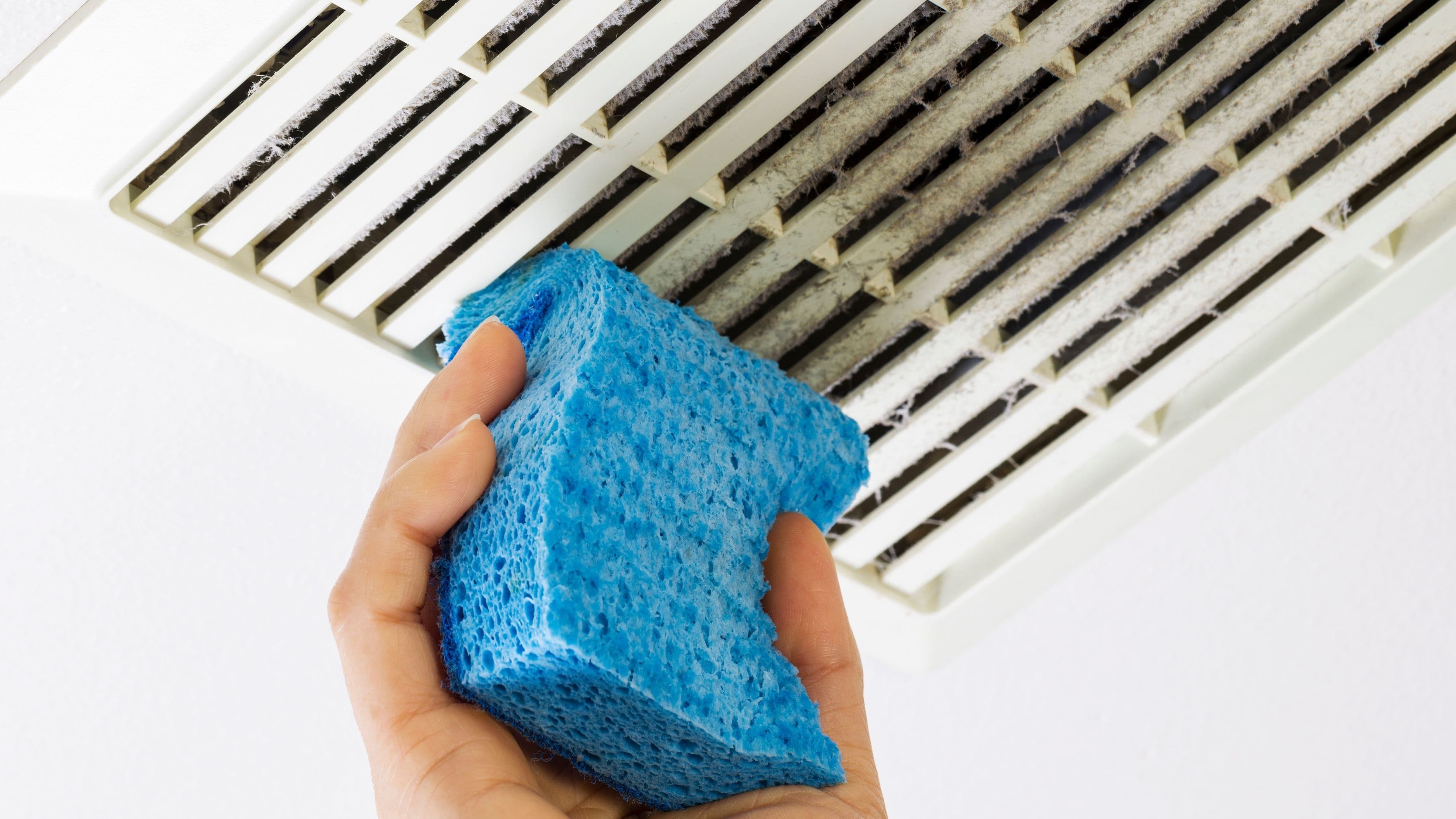
Don't ignore the return vents. Return vents in rooms collect hair, dust, and debris on their surfaces and can restrict airflow before the filter ever sees the air. Vacuum return vent covers regularly and clean the grilles every few months.
FAQ
What MERV rating should I use for a standard home? For most residential systems, MERV 8 is the practical sweet spot — it captures pollen, mold spores, dust mites, and pet dander without significantly restricting airflow. Homes with allergy sufferers can often push to MERV 10–11 without issues on modern systems, but verify with your system's specs first.
Is it okay to run my HVAC system without a filter while I wait for a replacement? No. Even a day or two without a filter allows dust and debris to accumulate on the evaporator coil and blower components, which is difficult to clean and degrades efficiency over time. Keep a stock of filters on hand so you can replace immediately rather than running without one.
Can a dirty filter cause my AC to freeze up? Yes. A clogged filter restricts airflow over the evaporator coil. Without sufficient warm air moving across it, the coil temperature drops below freezing and moisture in the air freezes on the coil surface. If you see ice on your indoor unit, check the filter first — that's the most common cause and the easiest fix.
How do I know if my ductwork has leaks? Obvious signs include rooms that are consistently harder to heat or cool than others, unusually high energy bills, or excessive dust in certain areas of the home. You can do a rough DIY check by running the system and feeling for air movement along accessible duct seams. A professional duct pressure test gives you a comprehensive picture.
Can I vacuum and reuse a clogged filter instead of replacing it? For standard fiberglass or pleated disposable filters, no — vacuuming disrupts the filter media and reduces its effectiveness without fully removing embedded particles. Washable/reusable filters are designed to be cleaned, but standard disposable filters should be replaced, not cleaned.
📚 Sources
U.S. Department of Energy – Air Filters for Your HVAC System – https://www.energy.gov/energysaver/home-heating-systems/air-source-heat-pumps
EPA – What is a MERV Rating? – https://www.epa.gov/indoor-air-quality-iaq/what-merv-rating
ASHRAE – Residential Air Filtration Standards – https://www.ashrae.org/technical-resources/filtration-and-disinfection
This Old House – How to Change a Furnace Filter – https://www.thisoldhouse.com/heating-cooling/21016457/how-to-change-a-furnace-filter
Family Handyman – Why Your Furnace Filter Gets Dirty So Fast – https://www.familyhandyman.com/article/why-your-furnace-filter-gets-dirty-so-fast/
Energy Star – Duct Sealing – https://www.energystar.gov/campaign/heating_cooling/duct_sealing