
Why It Matters
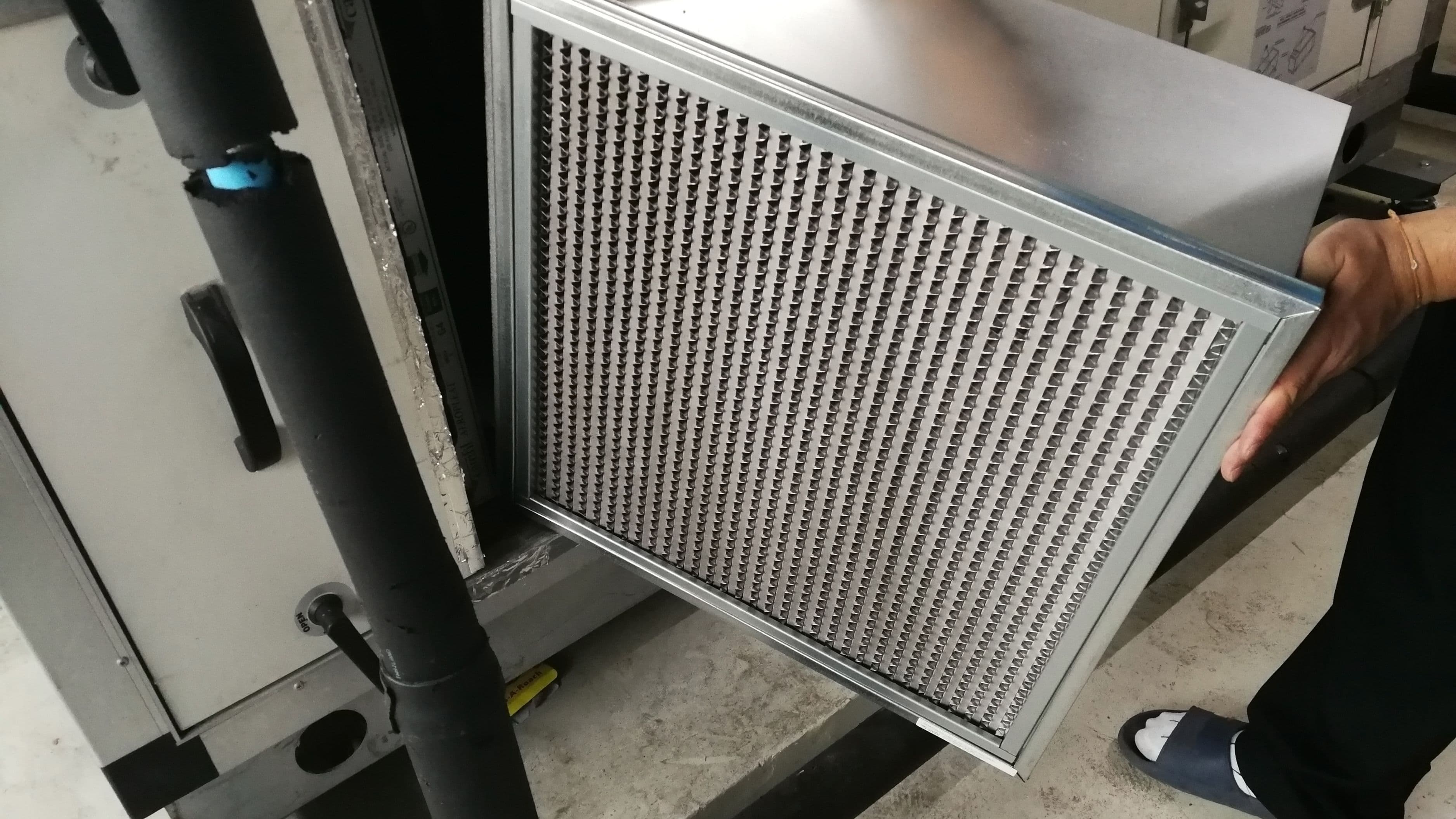
Your HVAC filter's job is to catch dust, pet dander, and other airborne particles before they circulate through your home or get pulled into the system itself. As it collects debris, airflow through the filter gradually restricts, forcing your furnace or AC to work harder to push air through, which increases energy use and puts more strain on the blower motor over time.
A severely clogged filter can restrict airflow enough to cause a system to run continuously without effectively heating or cooling, and in more serious cases, can contribute to a frozen evaporator coil in AC systems or overheating in furnaces. None of that is dramatic or immediate, but it adds up steadily in the form of higher bills and shortened equipment lifespan.
Maintenance Checklist
Check your filter monthly
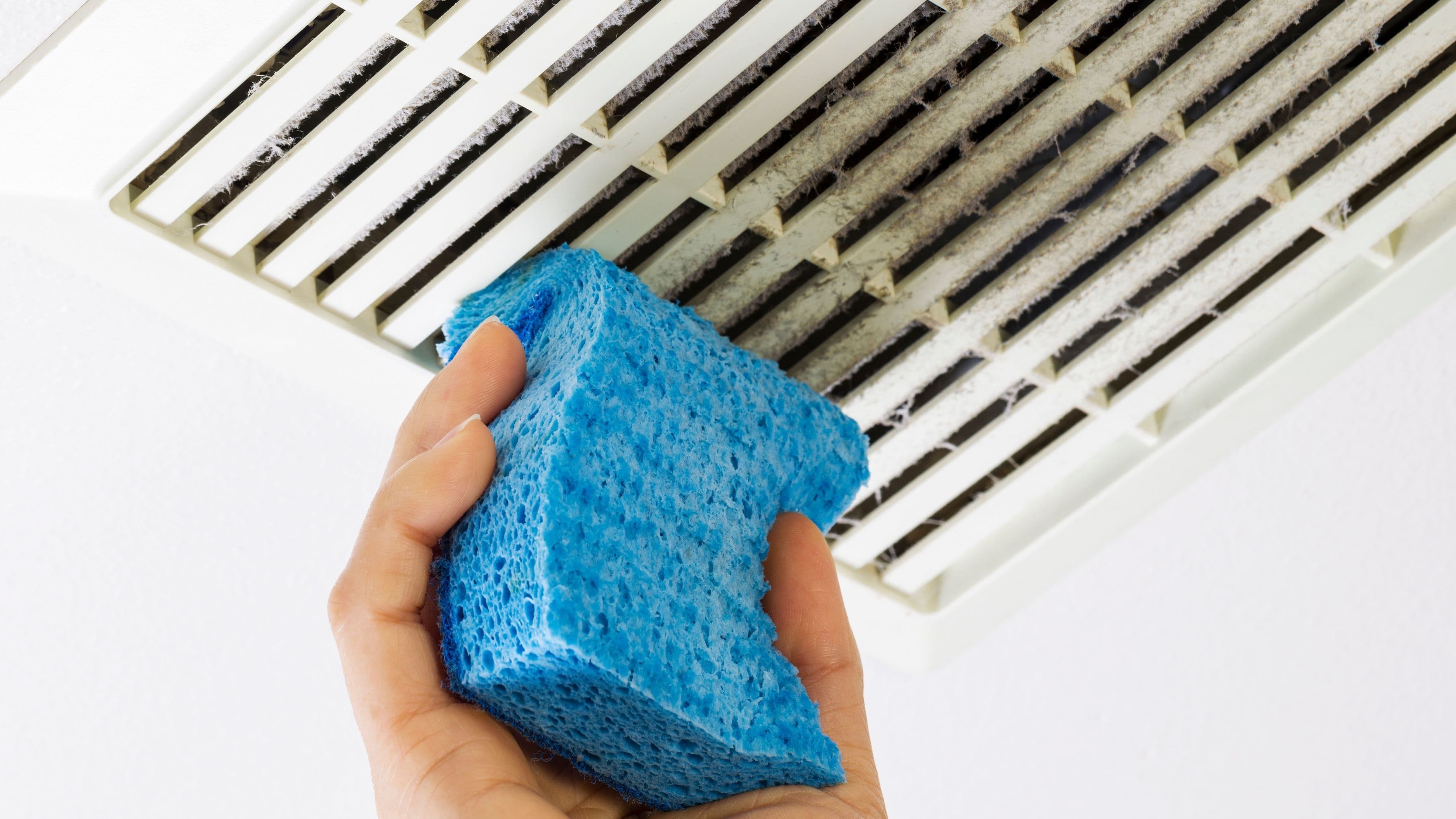
Even if you're not replacing it every month, get in the habit of visually checking it. Hold it up to a light source – if light passes through clearly, it's still in decent shape. If it looks gray, matted, or you can't see light through it at all, it's time for a replacement regardless of how long it's been in place.
Replace basic filters every 60-90 days
For a standard household with no pets and average dust levels, a basic pleated filter typically needs replacing every 60-90 days. This is the baseline most manufacturers use for their general guidance, though your actual household conditions will shift this window in either direction.
Replace more often with pets or allergies
Homes with dogs or cats, especially multiple pets, generally need filter changes every 30-60 days, since pet dander and hair accumulate faster than typical household dust. Households managing allergies or asthma also benefit from more frequent changes, since a cleaner filter directly improves indoor air quality.
Replace more often during high-use seasons
Filters work harder during the peak of summer and winter, when your system is running most frequently. It's worth shifting to the shorter end of your replacement interval during these months, even if you've been able to stretch it longer during milder spring and fall weather.
Check filter type and MERV rating
Higher MERV-rated filters (generally 8-13 for residential use) capture finer particles but also restrict airflow more, meaning they can require more frequent replacement to avoid excessive strain on your system. Check your specific filter's packaging for a manufacturer-recommended interval, since this varies more by filter type than most people realize.
Frequency Guide
No pets, low dust, average household: Every 60-90 days
One pet or moderate dust: Every 45-60 days
Multiple pets, allergies, or high dust environment: Every 30-45 days
Vacation or rarely-occupied home: Every 6 months, or check before extended system use
High-efficiency (higher MERV) filters: Follow manufacturer guidance, often similar or slightly more frequent than standard filters due to increased airflow restriction
Cost Savings
A basic pleated filter typically costs $10-$25, and higher-efficiency options run somewhat more, generally in the $20-$40 range. Compared against the cost of a service call for airflow issues ($75-$200) or premature blower motor failure (often several hundred dollars to replace), staying on top of filter changes is one of the cheapest forms of insurance available for your HVAC system.
Beyond avoiding repair costs, a clean filter measurably improves system efficiency, which translates directly into lower monthly energy bills, particularly during peak heating and cooling months when your system runs the most.
What to Avoid
Don't reuse or attempt to clean disposable filters beyond what the manufacturer specifies – most standard residential filters are designed for a single use cycle, and cleaning them tends to damage the material in ways that reduce filtering effectiveness without meaningfully extending their life.
Also avoid guessing at the correct filter size. Installing an incorrectly sized filter, even by a small margin, can allow unfiltered air to bypass around the edges, letting debris into the system that the filter was meant to catch in the first place.
FAQ
How do I know what size filter my system needs? Check the frame of your current filter – the dimensions are almost always printed directly on the edge. If you can't find it there, your HVAC system's manual or a quick call to a technician can confirm the correct size.
Are reusable or washable filters worth it? They can reduce ongoing replacement costs over time, but they require regular, thorough cleaning to stay effective, and some HVAC technicians note they can be less consistent at filtering compared to quality disposable pleated filters. Weigh the maintenance commitment against the cost savings for your situation.
Can a dirty filter actually damage my HVAC system? Yes, if left unchecked for a long period. Severely restricted airflow can contribute to frozen coils in AC systems, overworked blower motors, and reduced overall system lifespan.
📚 Sources
U.S. Department of Energy – HVAC filter maintenance guidance – https://www.energy.gov/energysaver/maintaining-your-air-conditioner
ENERGY STAR – Home HVAC maintenance checklist – https://www.energystar.gov/products/hvac_maintenance
EPA – Indoor air quality and HVAC filtration – https://www.epa.gov/indoor-air-quality-iaq