
The Recommended Humidity Range
Most building science and health organizations recommend keeping indoor relative humidity between 30% and 50% year-round, with 40-45% often cited as an ideal middle target for most climates and homes. Below 30%, homes tend to feel uncomfortably dry, with increased static electricity, dry skin, and irritated sinuses, while wood furniture and flooring can develop cracks from excessive moisture loss. Above 50%, condensation risk increases significantly, along with mold growth potential and dust mite proliferation, both of which carry genuine respiratory health implications.
This range isn't arbitrary – it reflects a genuine balance point where the risks associated with both excessively dry and excessively humid conditions are minimized, making it a reasonable target regardless of your specific climate, even though the practical effort required to maintain this range varies considerably by region and season.
Why Humidity Control Matters Beyond Comfort
Relative humidity above 60% for sustained periods creates conditions where mold growth becomes considerably more likely, particularly in less ventilated areas like bathrooms, basements, and closets. Mold requires moisture to grow, and consistently elevated humidity provides exactly the conditions mold needs, regardless of whether there's an obvious water leak or other more visible moisture source.
On the opposite end, very low humidity, common in winter months in colder climates when heating systems run consistently, can worsen respiratory irritation and dry out nasal passages, making people more susceptible to colds and respiratory infections during winter months specifically, according to research on indoor air quality and respiratory health.
Humidity also affects your home's physical structure over time. Wood flooring, trim, and furniture expand and contract with humidity changes, and consistently extreme humidity levels, whether too high or too low, can accelerate wear, warping, or cracking in wood building materials over years of exposure.
How Humidity Varies by Season and Climate
Winter typically brings lower indoor humidity in colder climates, since heating systems warm already-dry outdoor winter air without adding moisture, often pushing indoor humidity below the ideal range without any additional intervention. Summer in humid climates presents the opposite challenge, where outdoor humidity infiltrating the home, combined with less consistent air conditioning use, can push indoor humidity above the ideal range.
This seasonal variation means most homes benefit from different humidity management approaches throughout the year rather than a single, static solution, which is why many homeowners use both humidifiers for winter dryness and dehumidifiers for summer excess moisture, rather than relying on one device to handle both seasonal challenges.
How to Actually Measure Your Home's Humidity
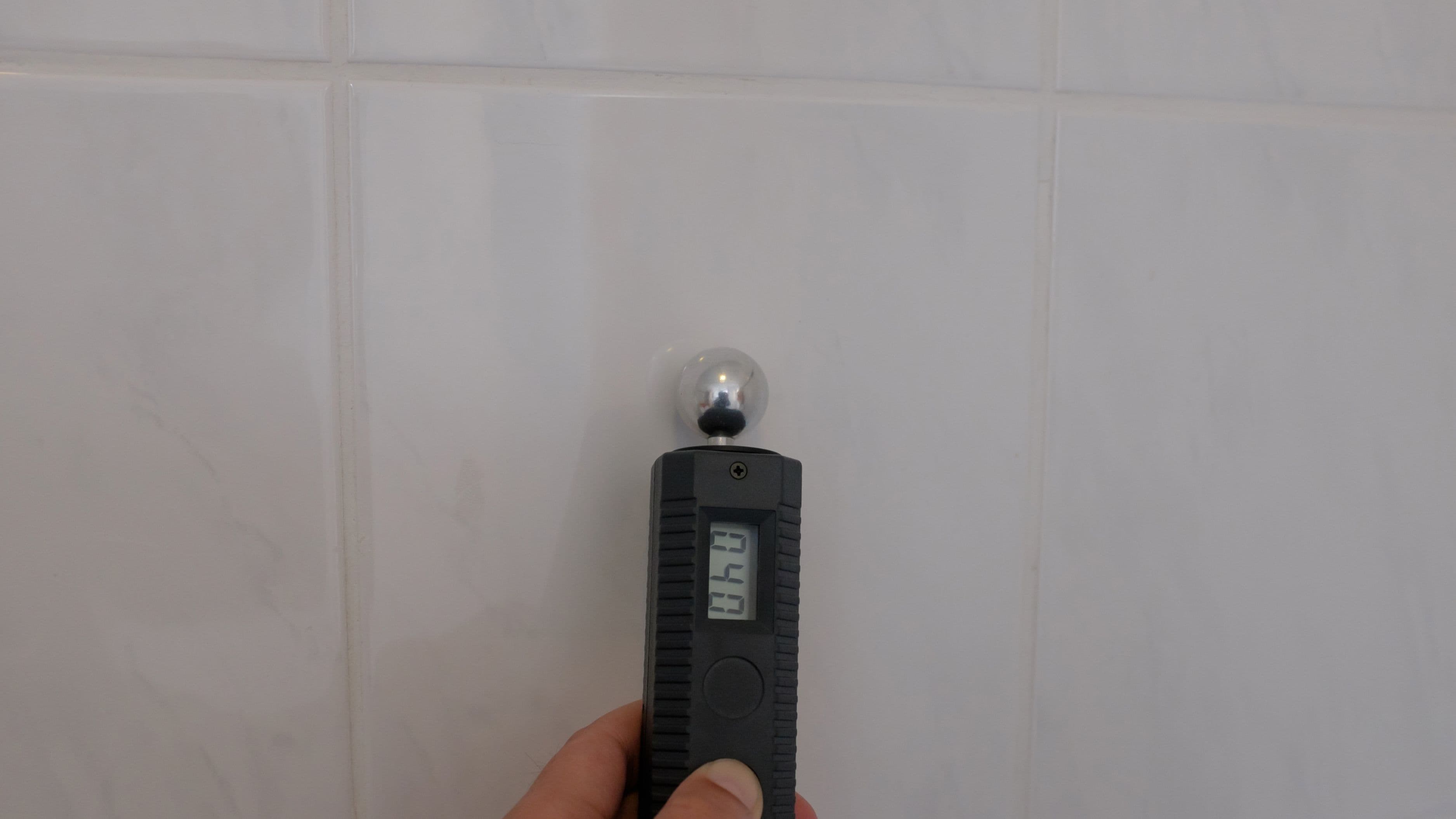
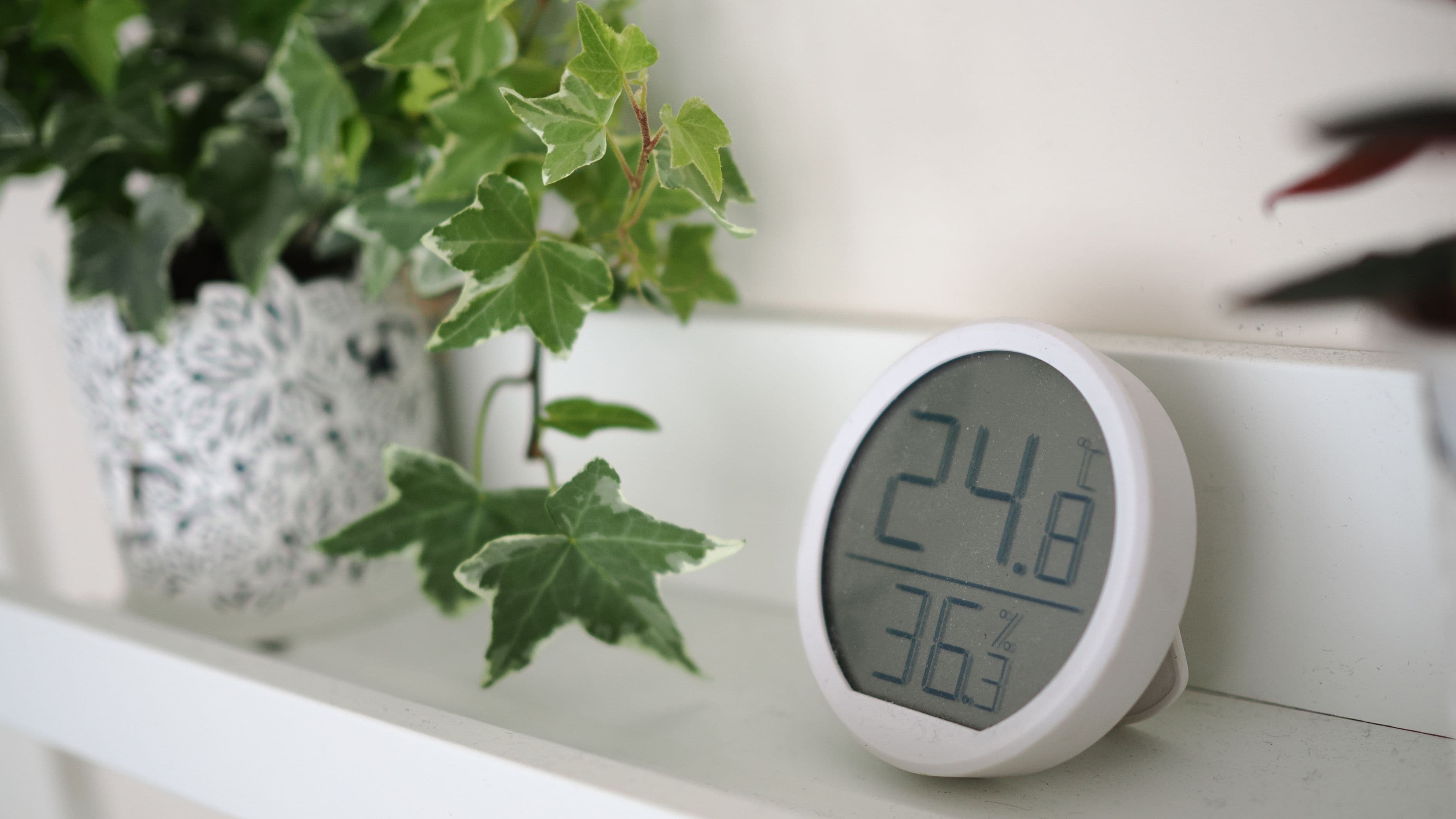
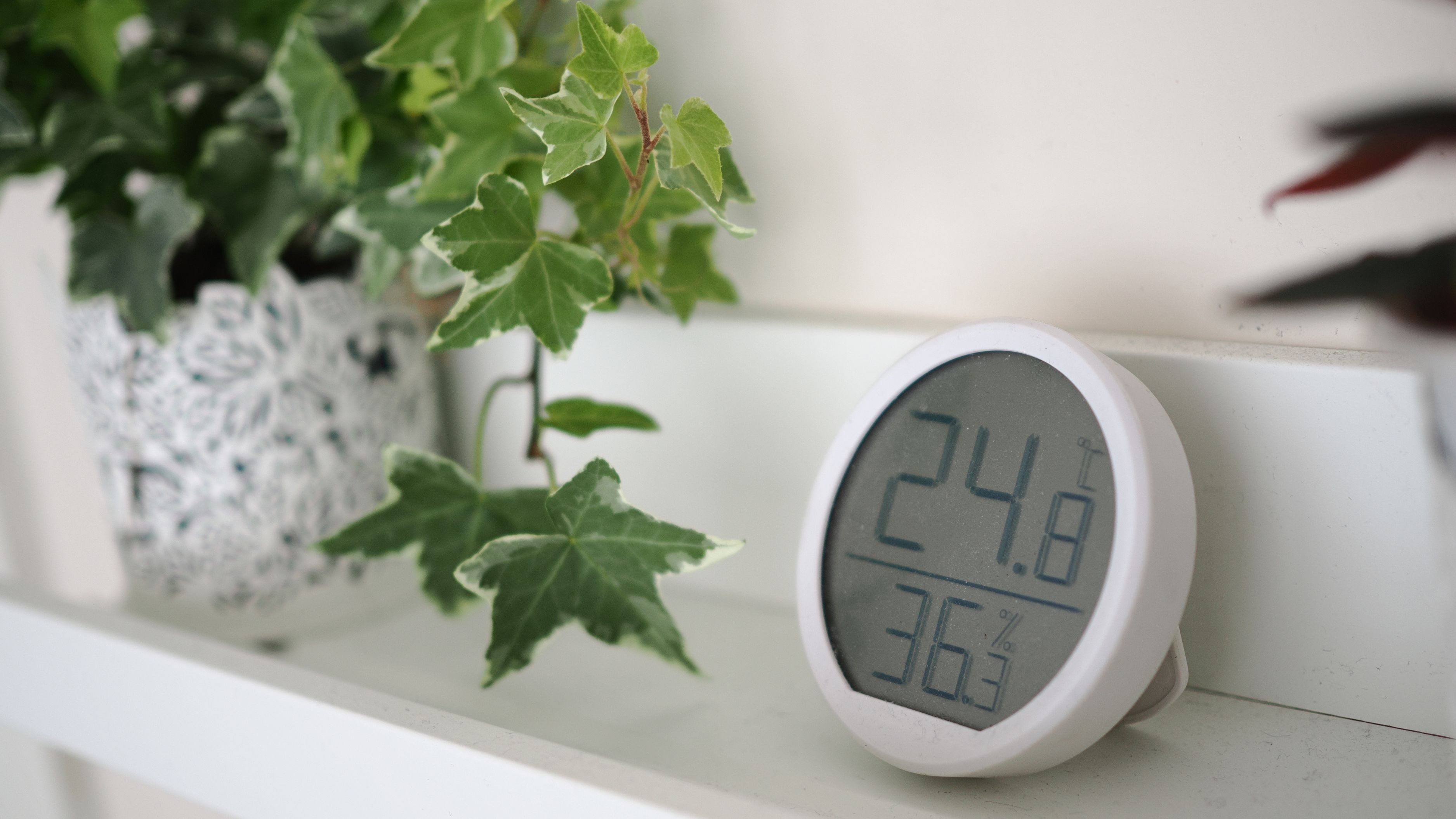
A simple hygrometer, a device specifically measuring relative humidity, is an inexpensive and straightforward way to get an accurate reading rather than relying on how humidity "feels" subjectively, which can be an unreliable indicator, particularly for people accustomed to living in consistently dry or humid conditions. Basic digital hygrometers are widely available and affordable, and placing one in a few different rooms, particularly areas prone to moisture like bathrooms or basements, gives you a more complete picture than a single reading in your main living area alone.
Practical Ways to Adjust Humidity in Either Direction
If your home's humidity is consistently too low, particularly during winter, a whole-home humidifier integrated into your HVAC system provides consistent, house-wide humidity control, though standalone room humidifiers are a reasonable, lower-cost option for addressing specific rooms rather than your entire home.
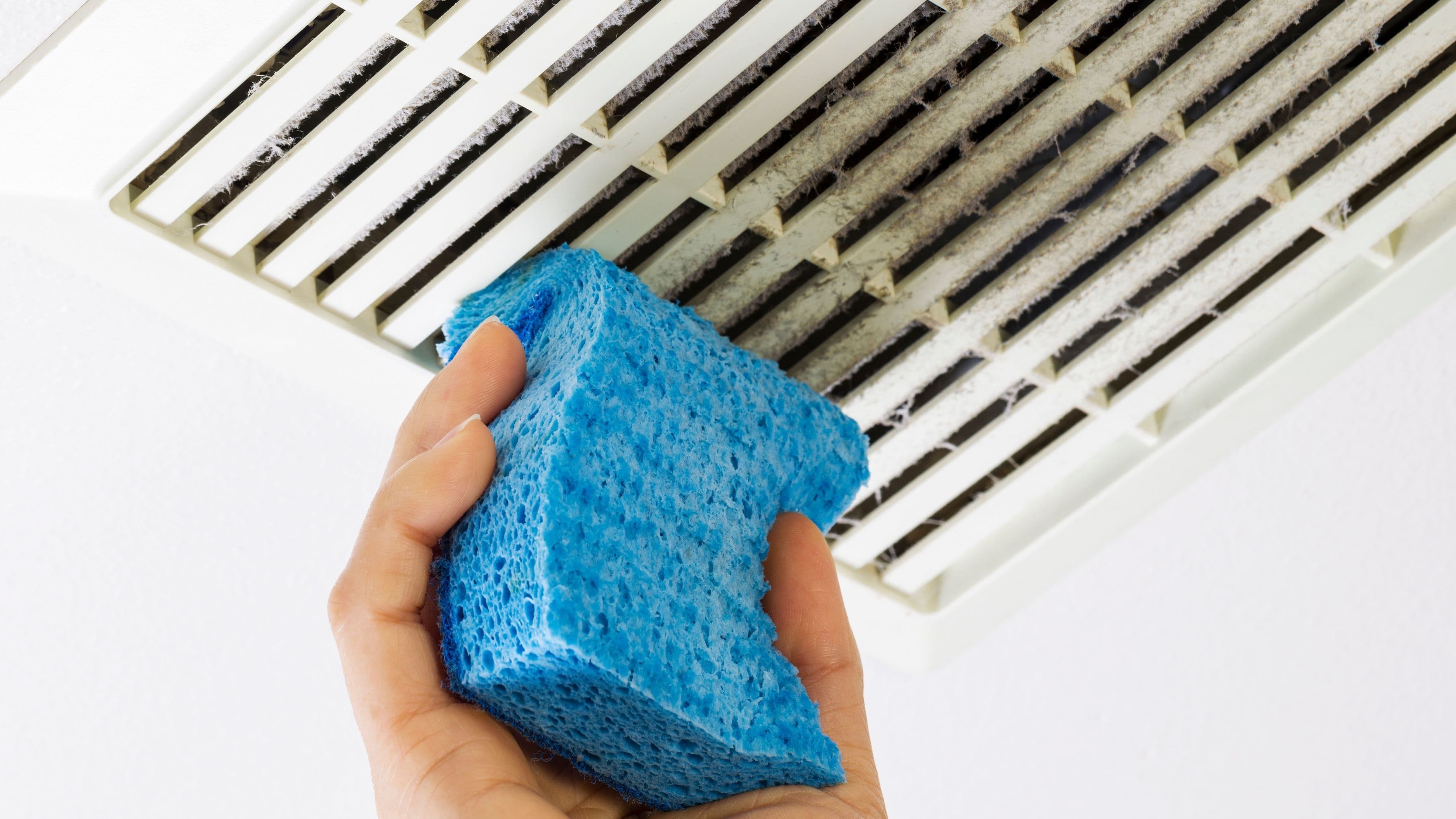
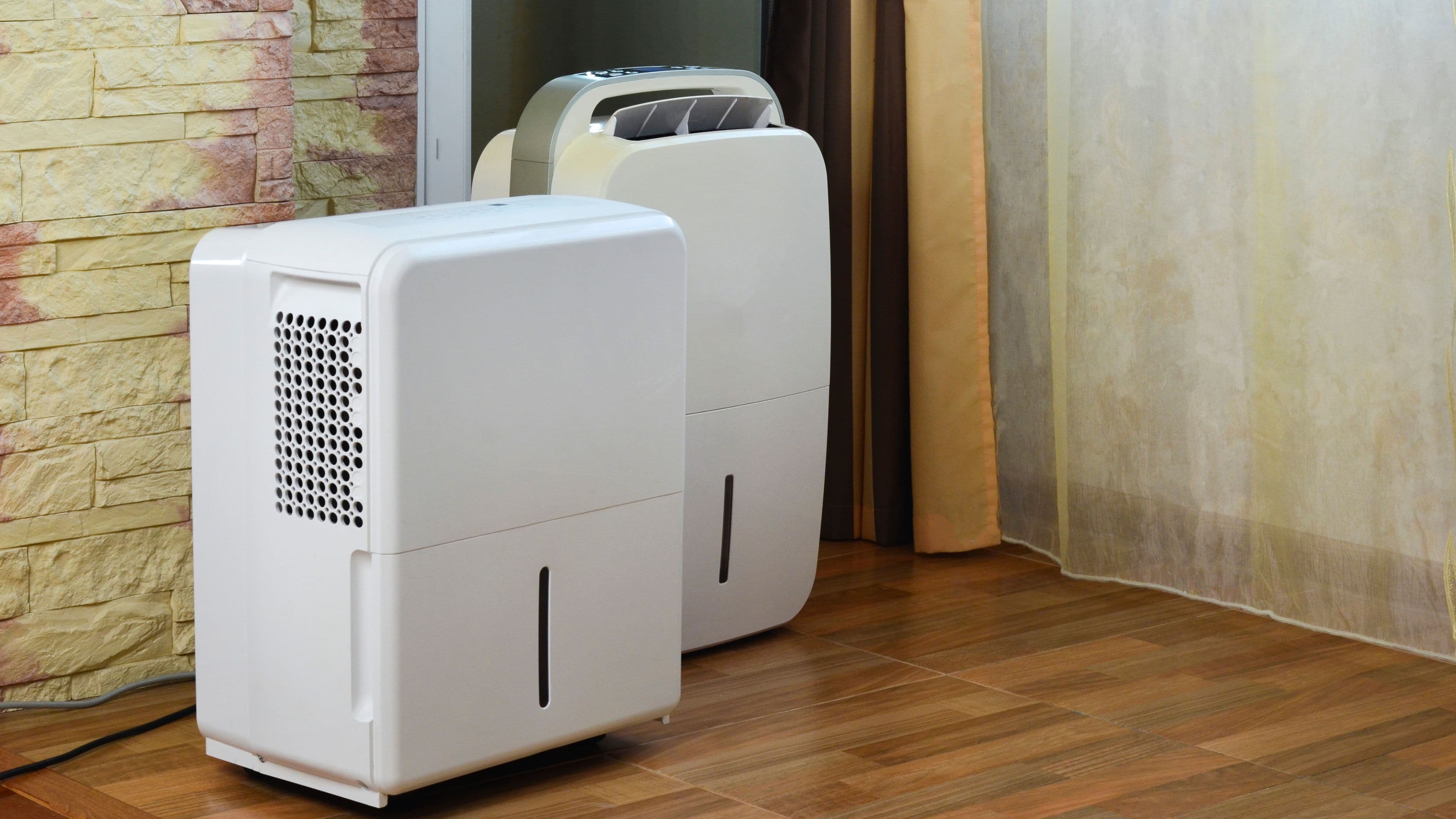
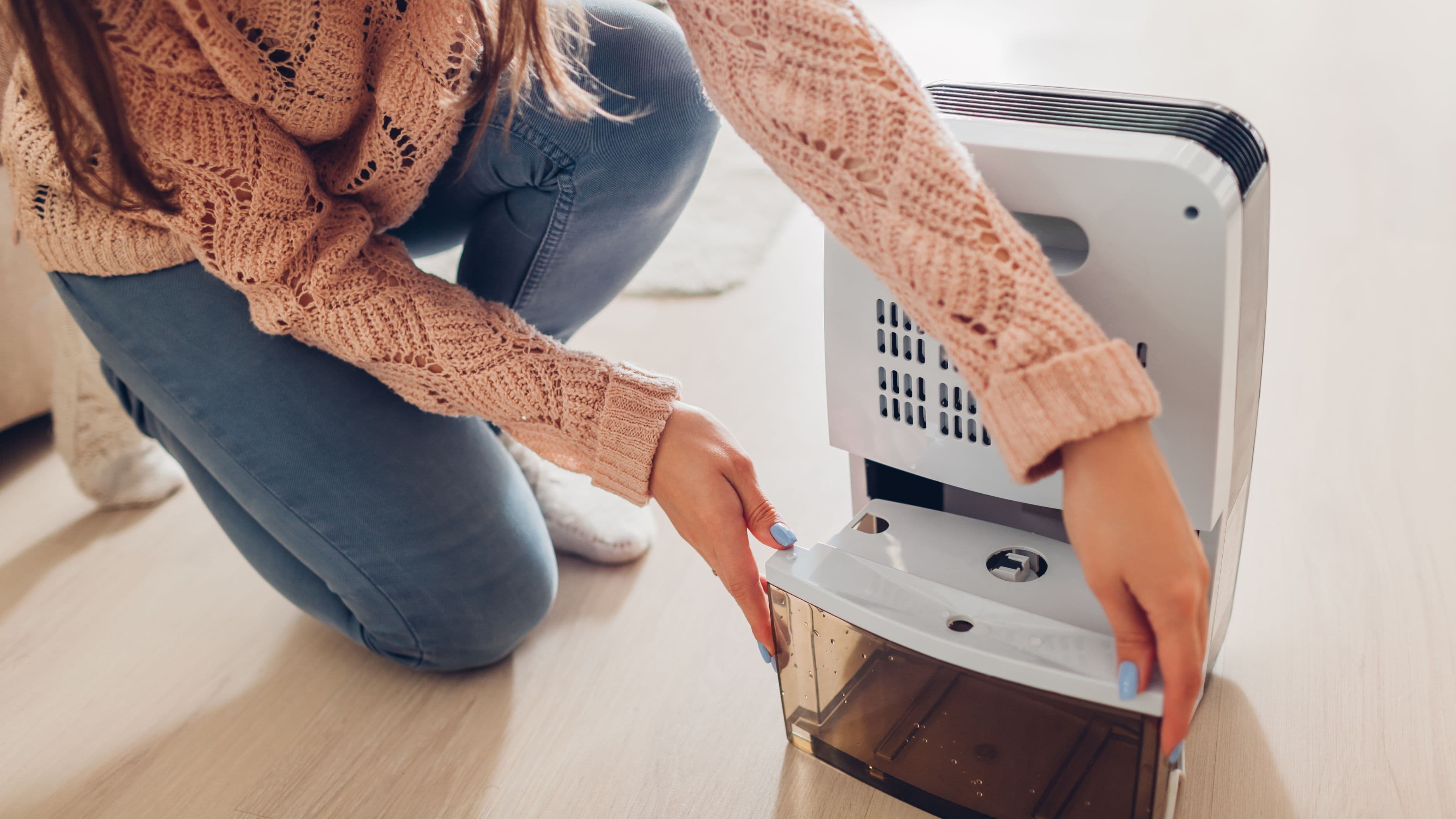
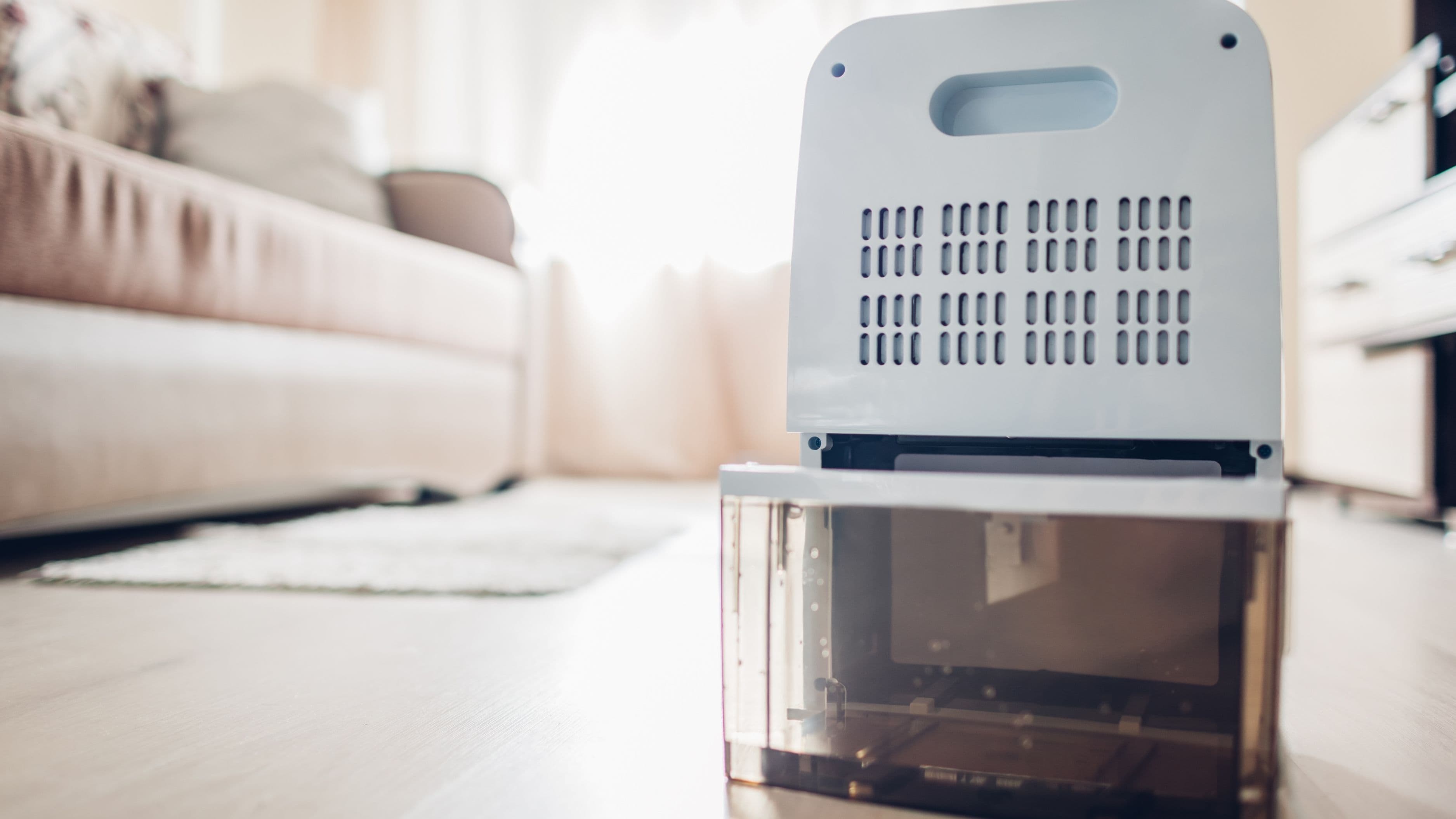
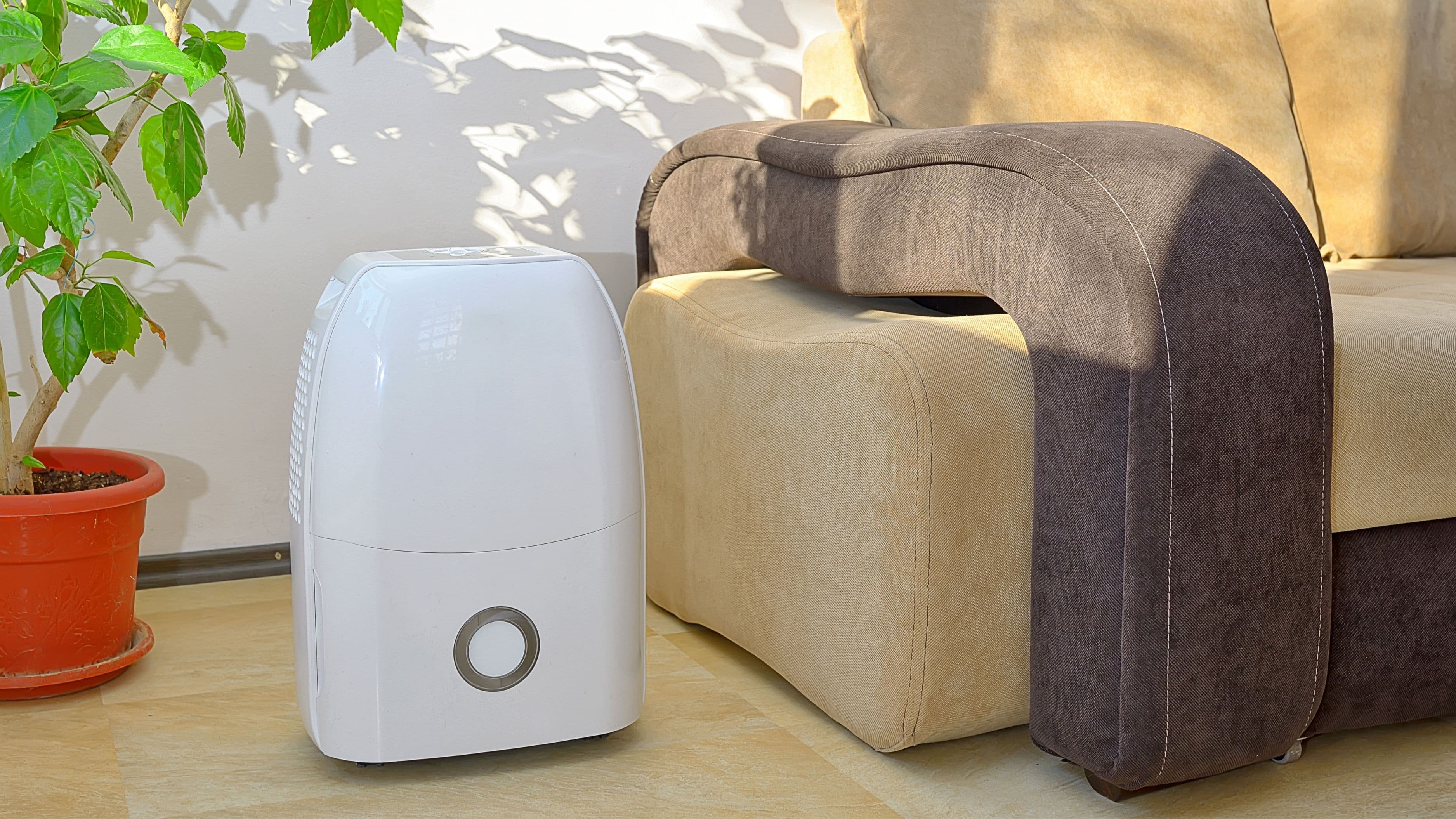
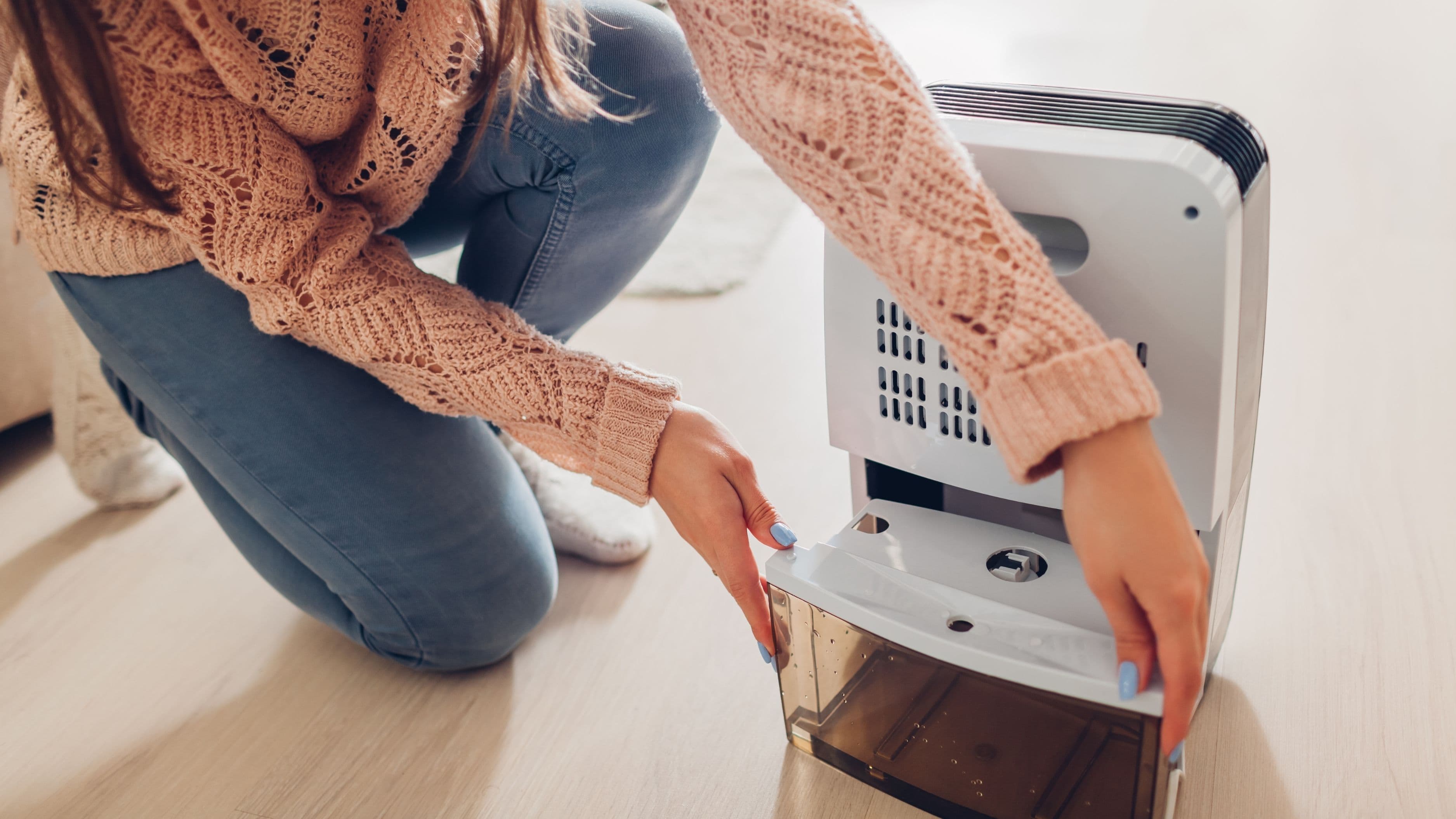
If your home's humidity is consistently too high, particularly during summer or in naturally damp areas like basements, a dehumidifier, either a whole-home unit integrated into your HVAC system or a standalone unit for specific problem areas, directly addresses this excess moisture. Improving ventilation, particularly in bathrooms and kitchens where moisture generation is concentrated, through properly functioning exhaust fans also meaningfully helps manage humidity in these specific high-moisture areas.
What to Avoid
Avoid guessing at your home's humidity level without actually measuring it, since subjective comfort perception varies considerably between individuals and doesn't reliably indicate whether you're in a range that's actually risking mold growth or structural issues. It's also worth avoiding running a humidifier or dehumidifier without periodically checking actual measured humidity levels, since running either device excessively, without monitoring the actual resulting humidity, can push your home outside the ideal range in the opposite direction.
FAQ
Can humidity levels affect allergy or asthma symptoms? Yes, both very high humidity (supporting dust mites and mold, common asthma and allergy triggers) and very low humidity (irritating respiratory passages) can worsen symptoms, making the 30-50% target range relevant for respiratory health, not just comfort.
Do I need a whole-home humidity system, or are portable units sufficient? This depends on your home's size and how widespread your humidity issue is. Portable units work well for specific problem rooms, while whole-home systems integrated into your HVAC system provide more consistent, house-wide control if humidity issues affect your entire home.
How quickly can I expect to see humidity levels change after adjusting my approach? Portable humidifiers and dehumidifiers typically show measurable changes within a day in a single room, while whole-home systems may take slightly longer to noticeably shift humidity throughout an entire house, depending on your home's size and current conditions.
Is 50% humidity ever appropriate to exceed intentionally? Generally no for sustained periods, since consistently exceeding this level meaningfully increases mold and dust mite risk, though brief, temporary spikes (during cooking or showering, for example) are normal and not a cause for concern as long as they're not sustained.
📚 Sources
U.S. Environmental Protection Agency – Indoor Humidity and Mold Prevention
Centers for Disease Control and Prevention – Indoor Air Quality and Humidity