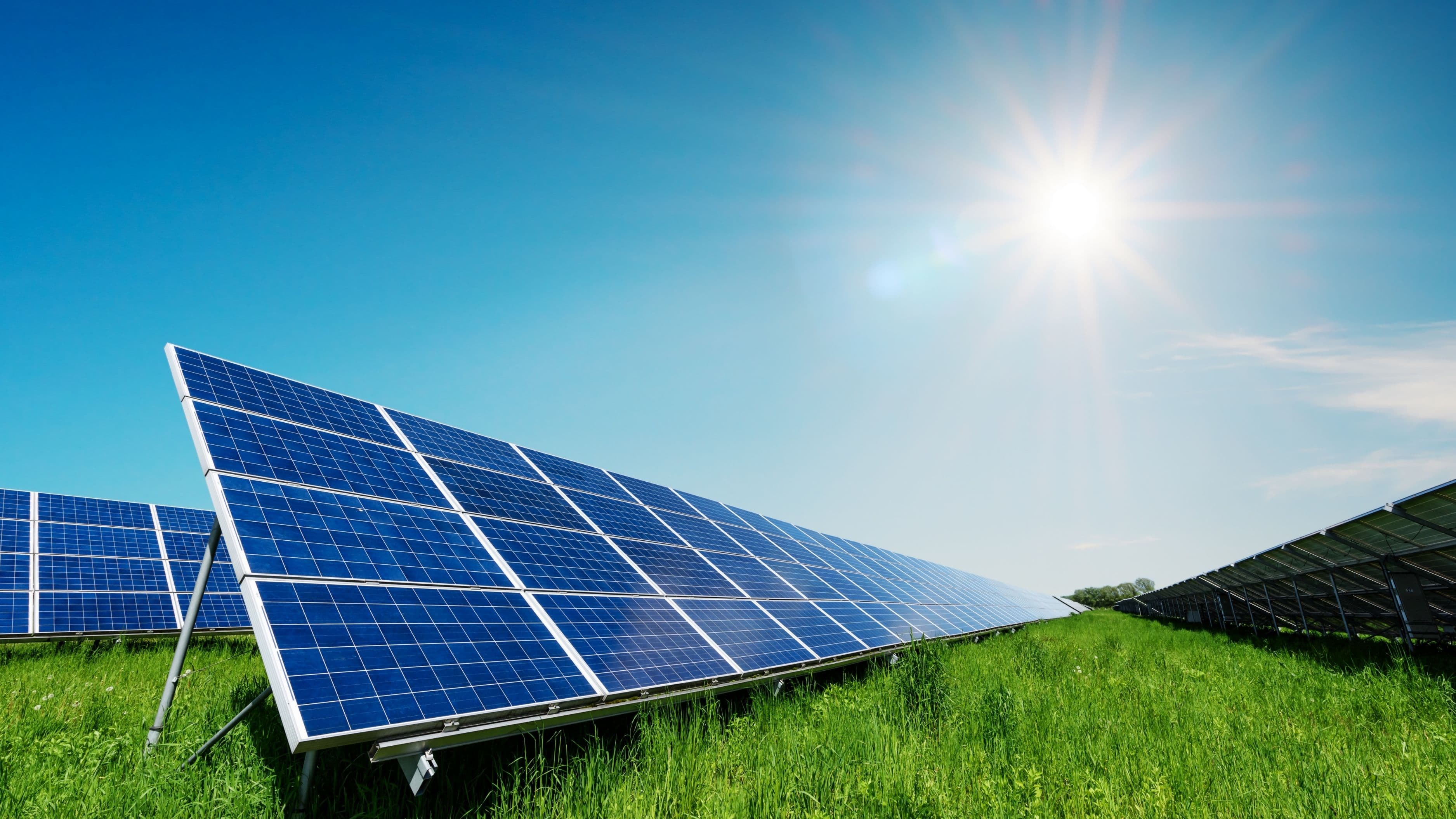

Knowing what to actually look for, and when it's worth calling in a professional, can save you money on your electric bill and catch problems before they get worse. Here's how to check your panels for cracks and degradation without needing to be a solar technician yourself.
Start With a Visual Inspection From the Ground
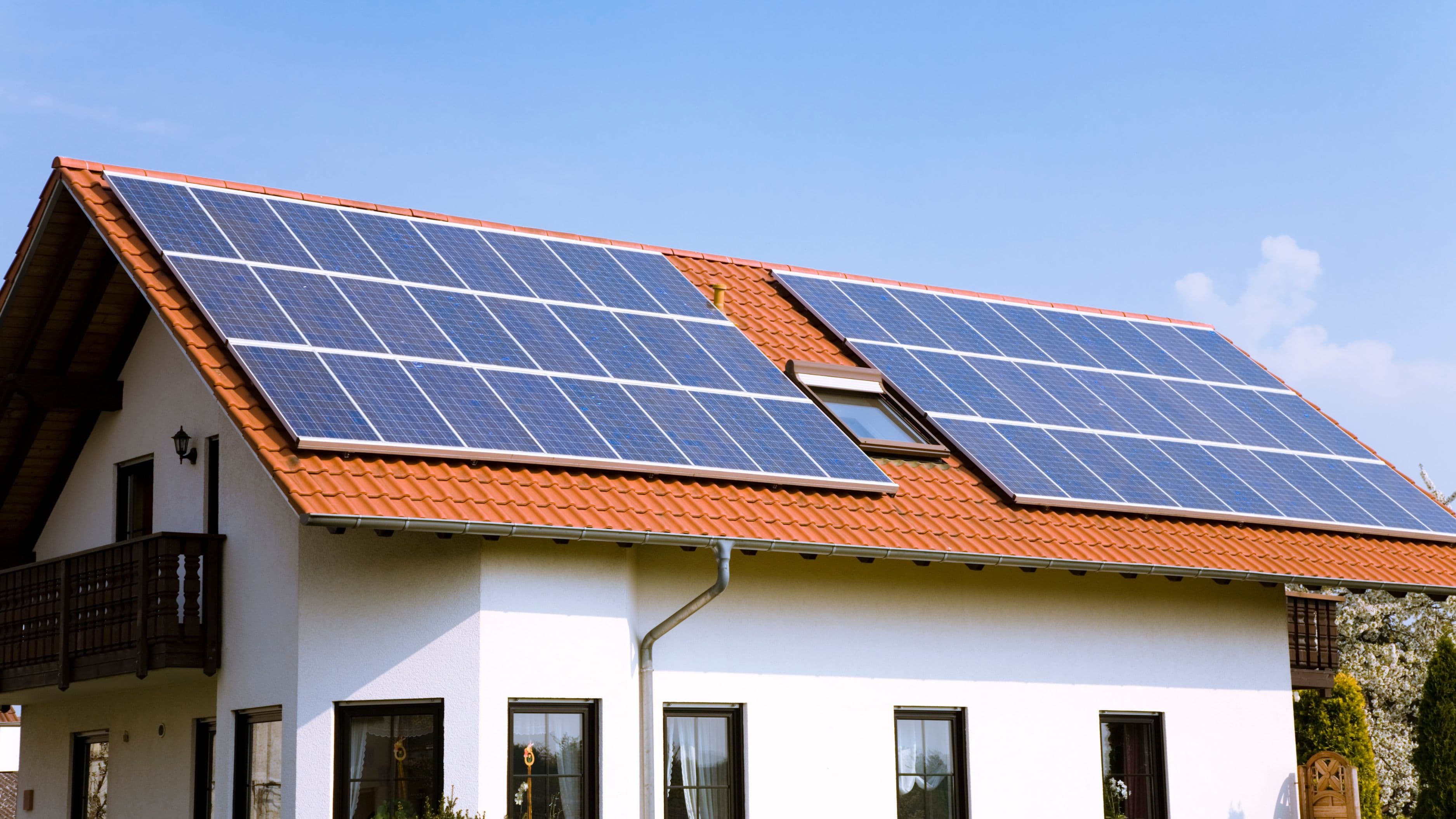
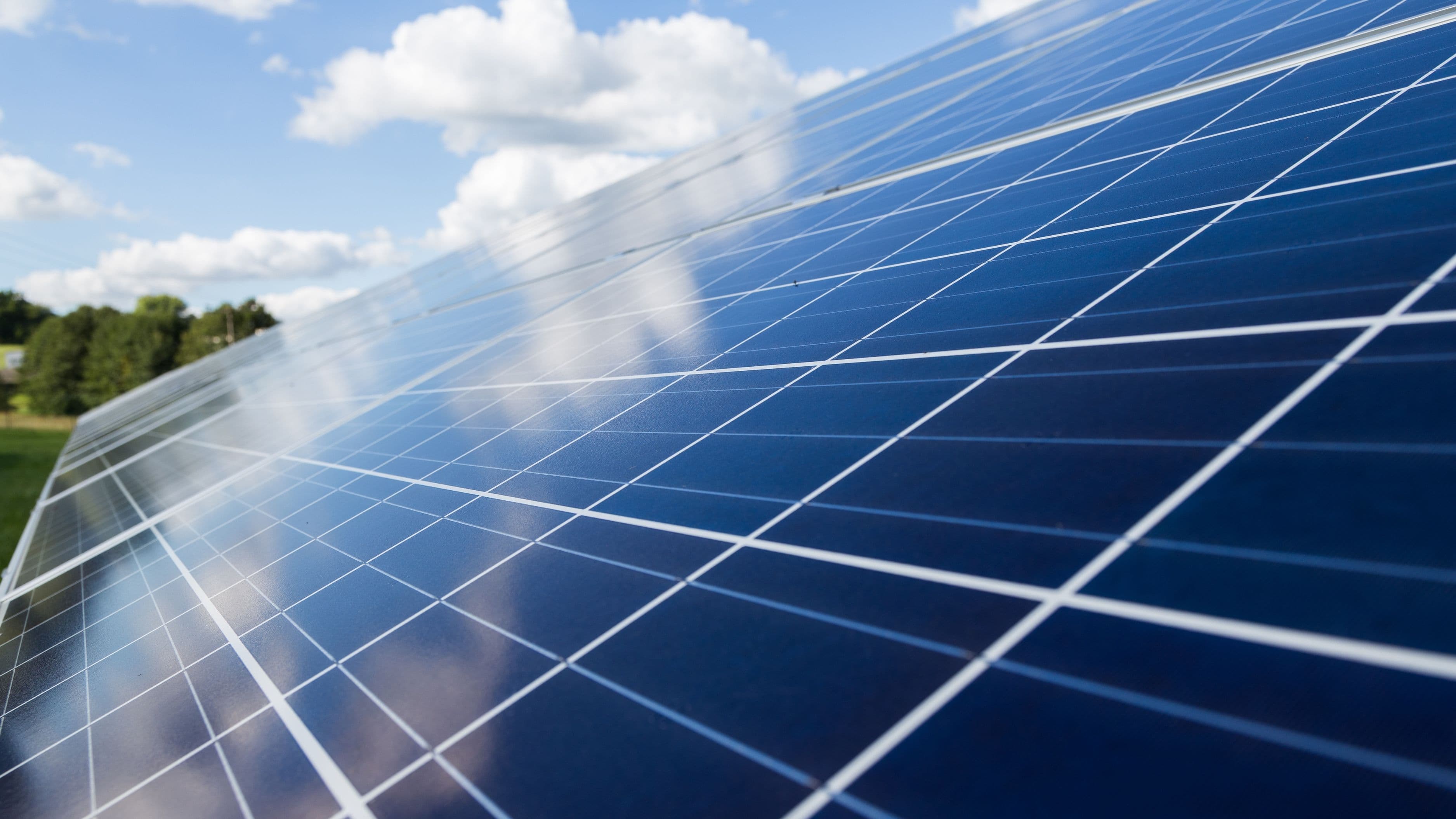
Before climbing anywhere, walk around your property and look at your panels from different angles at different times of day. Look for obvious discoloration, visible cracks in the glass surface, or areas that appear to be a different shade than the rest of the panel, which can indicate internal damage even if the surface glass looks intact.
Pay attention to any spots that look burnt, browned, or noticeably darker than the surrounding cells, since this can indicate what's called a "hot spot," an area where a damaged or defective cell is generating heat rather than electricity. Hot spots can worsen over time and, in rare cases, pose a fire risk if left unaddressed.
Check for Visible Cracks and Chips
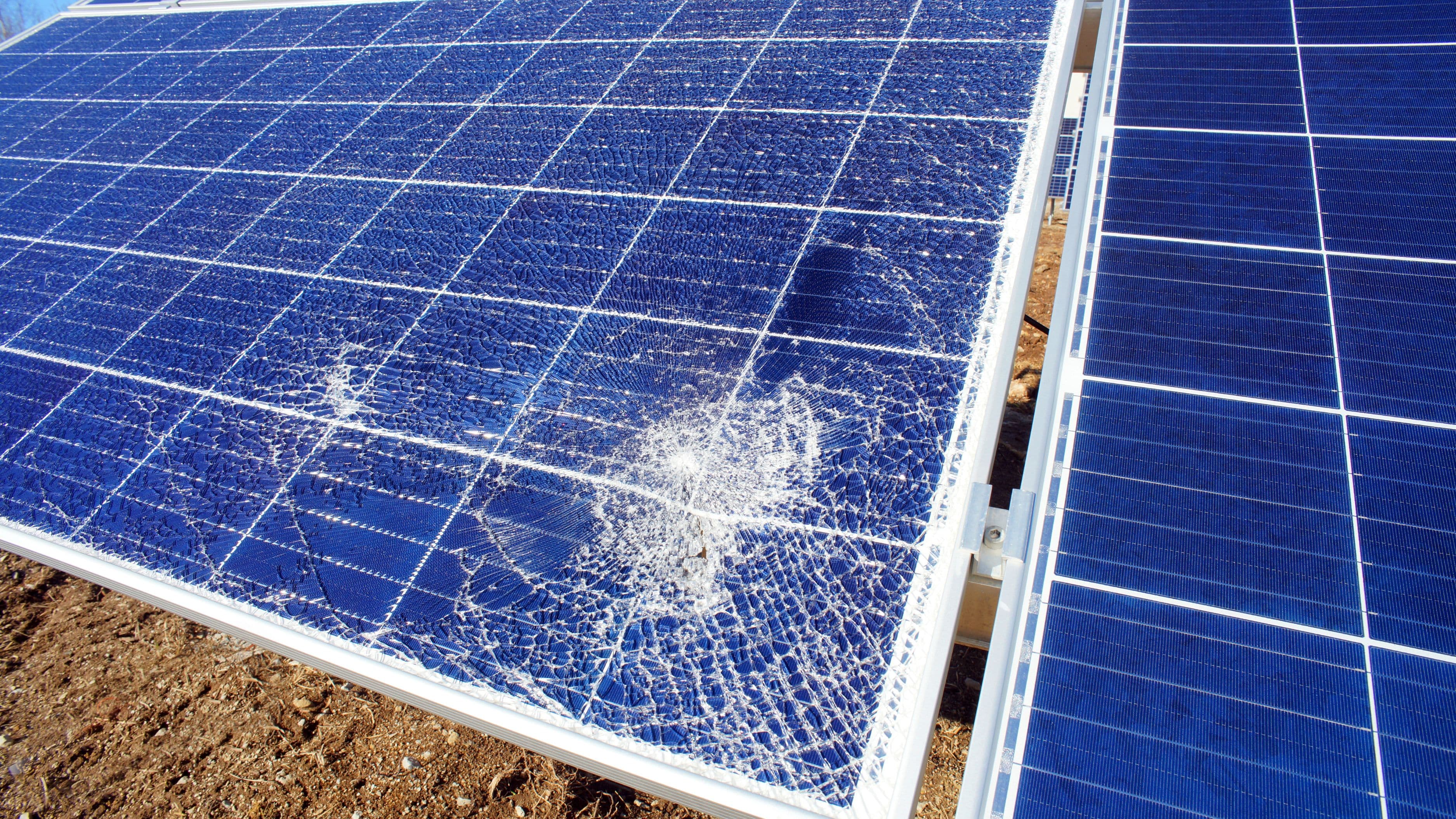
Cracks in solar panel glass aren't always dramatic, spiderweb-style breaks. Often they're thin hairline cracks that only become visible when light hits the panel at a certain angle, particularly in the early morning or late afternoon when the sun is lower in the sky. Binoculars can help you inspect panels on a roof without needing to climb up yourself.
Small chips or cracks near the edge of a panel are generally less urgent than cracks running through the middle of individual cells, since edge damage is less likely to immediately affect the panel's electrical performance, though it can still let in moisture over time if left unaddressed.
Watch for a Drop in Energy Production
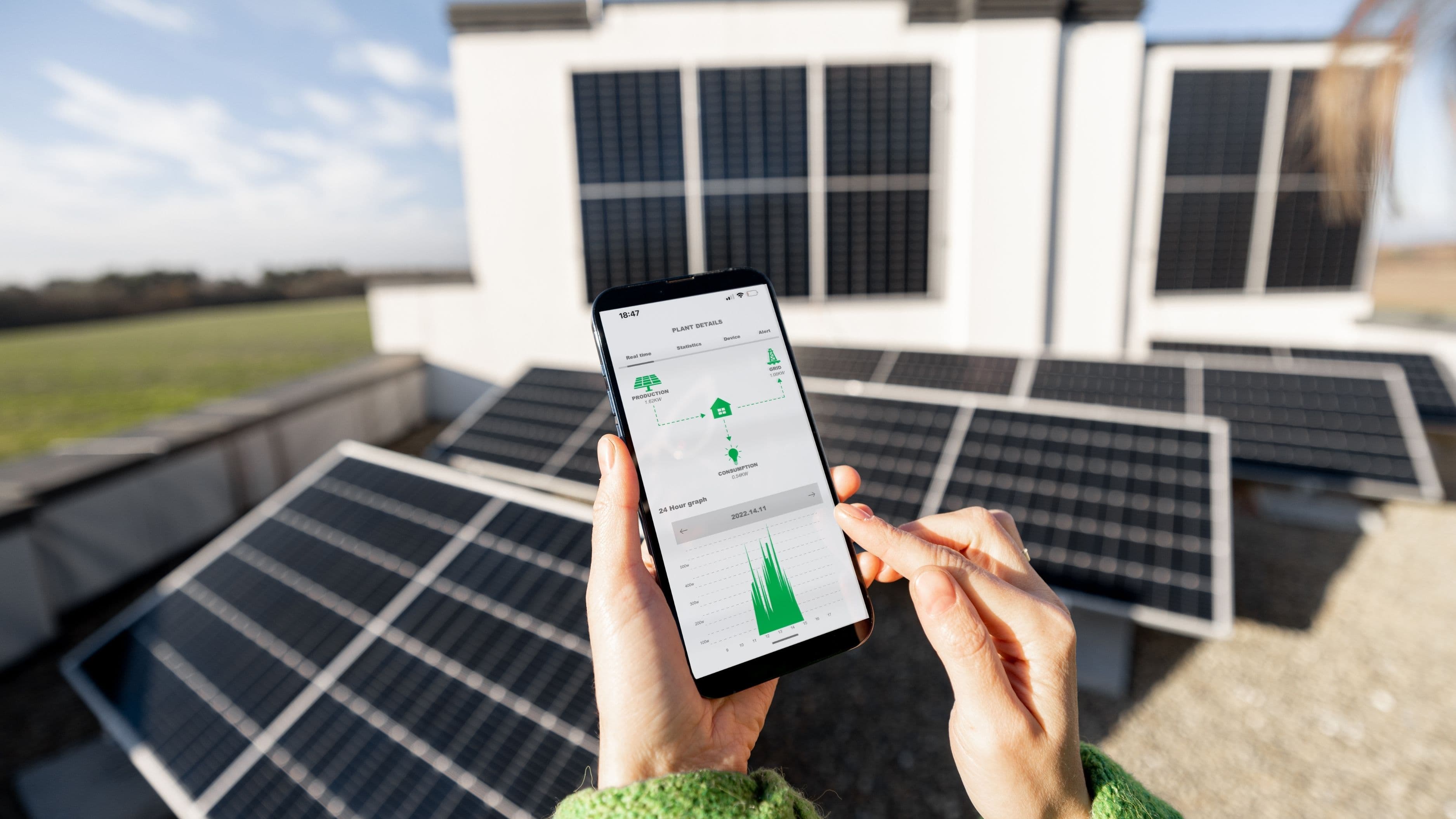
One of the most reliable early indicators of panel damage or degradation isn't visual at all, it's a measurable drop in your system's energy output. Most modern solar systems come with a monitoring app or dashboard that tracks daily and monthly production, making it relatively easy to spot when output drops below what you'd expect for the season and weather conditions.
Compare your current production to the same period last year if you have that data available, accounting for typical seasonal variation. A drop of more than 10-15% beyond what seasonal changes would explain is worth investigating further, either through a closer physical inspection or by having a technician check the system's electrical performance directly.
Understand Normal Degradation Versus a Problem
All solar panels degrade slowly over time, typically losing around 0.5-1% of their original output capacity per year, which is considered normal and is usually factored into manufacturer warranties and performance guarantees. This means a 20-year-old panel producing somewhat less than it did when new isn't necessarily damaged, it's simply following an expected aging curve.
The distinction to watch for is a sudden or steep drop in output, rather than the slow, gradual decline that's built into a panel's expected lifespan. A panel that suddenly produces 20% less power than it did the previous month is showing a sign of damage or a specific fault, not normal age-related degradation.
Look for Signs of Moisture Intrusion
Cracks, even small ones, can allow moisture to seep into a panel over time, which can cause internal corrosion of the electrical components and wiring within the panel. Signs of moisture intrusion include visible fogging or discoloration under the glass surface, or a spreading pattern of internal browning that gets worse over successive seasons.
Once moisture has gotten inside a panel, the damage typically isn't repairable in a meaningful way, and the panel usually needs to be replaced rather than fixed. Catching a crack before moisture intrusion becomes extensive is one of the best reasons to do a physical inspection at least once or twice a year.
Check Connections and Mounting Hardware Too
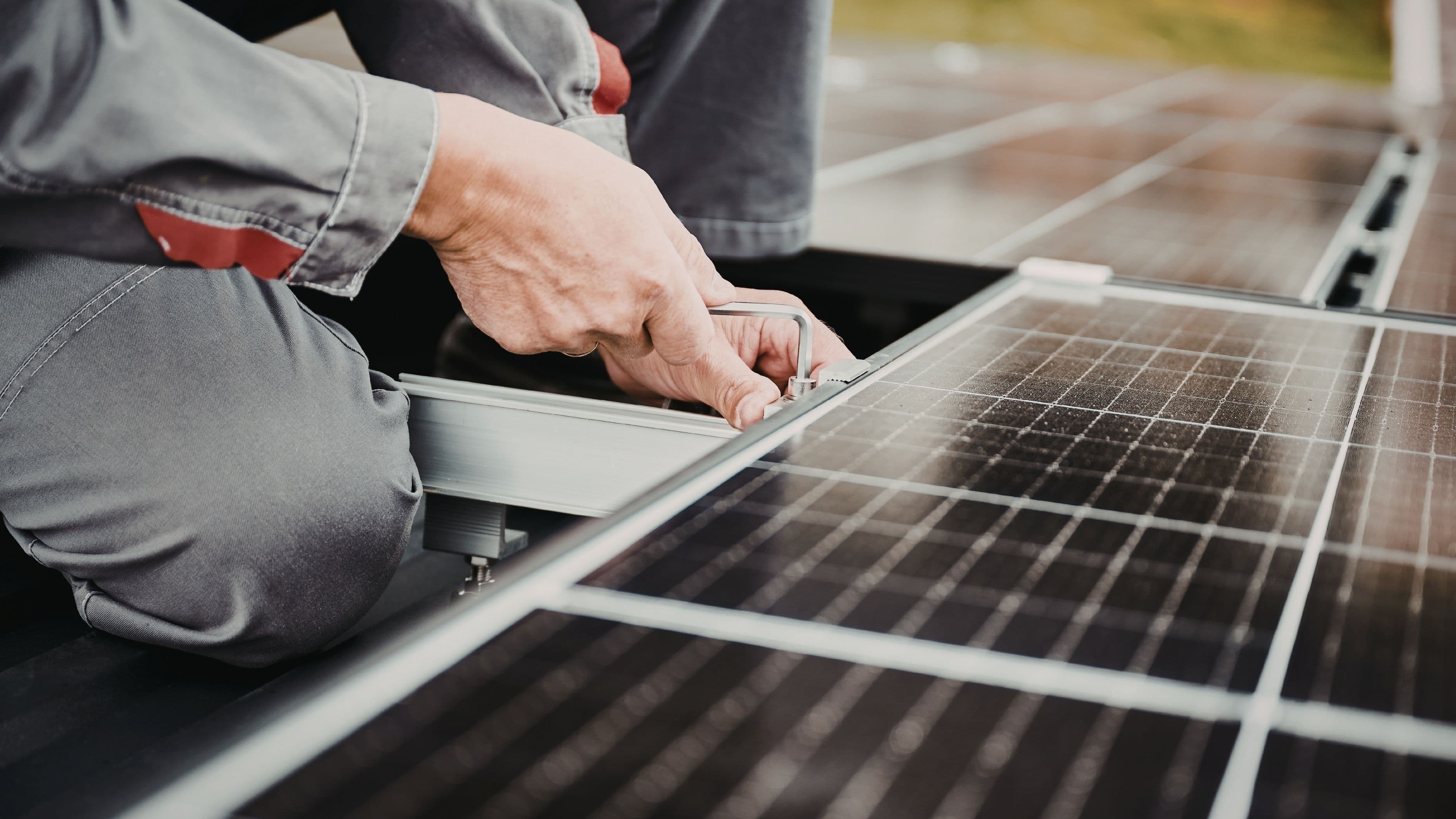
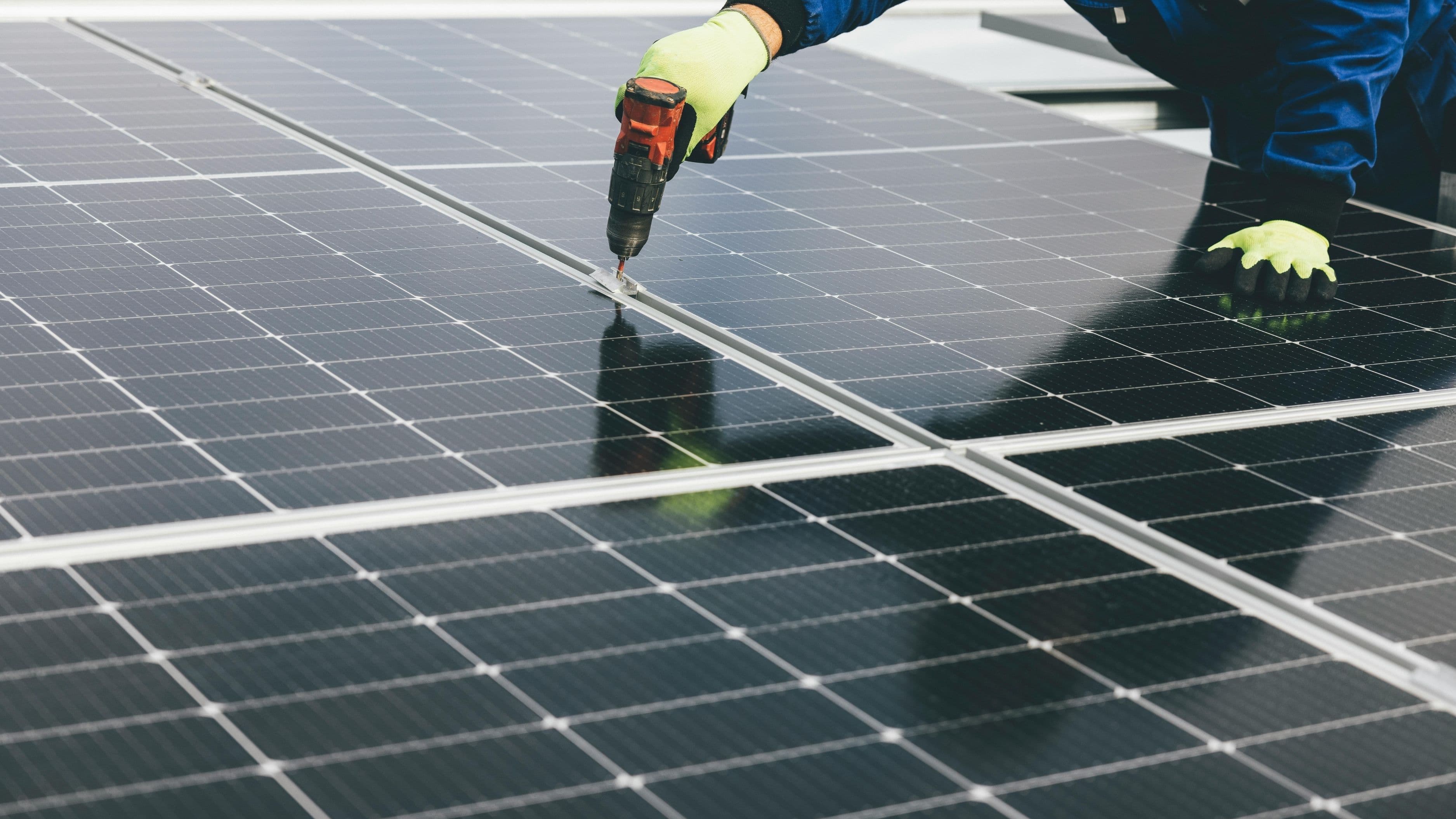
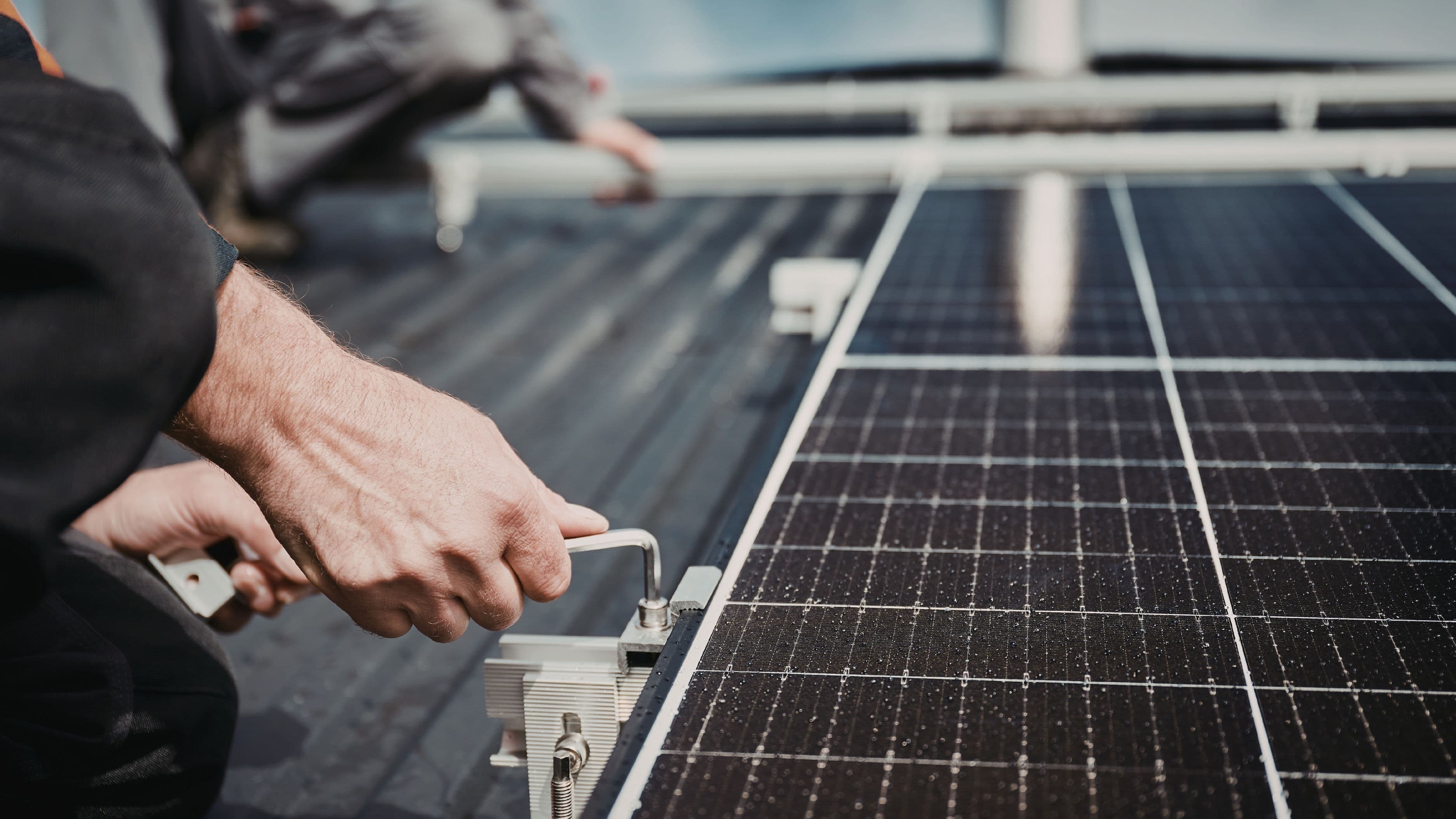
Panel damage isn't the only source of reduced performance. Loose or corroded electrical connections, damaged wiring, or mounting hardware that's shifted due to wind or weather can all reduce output or create safety concerns independent of the panels themselves. If you're doing a visual inspection, take a moment to check that mounting brackets look secure and that visible wiring isn't frayed, pinched, or exposed.
This is an area where it's genuinely worth calling a professional rather than attempting repairs yourself, since solar systems carry live electrical current even when the grid connection is off, and working with damaged wiring or connections without proper training carries real electrical shock risk.
When to Call a Professional
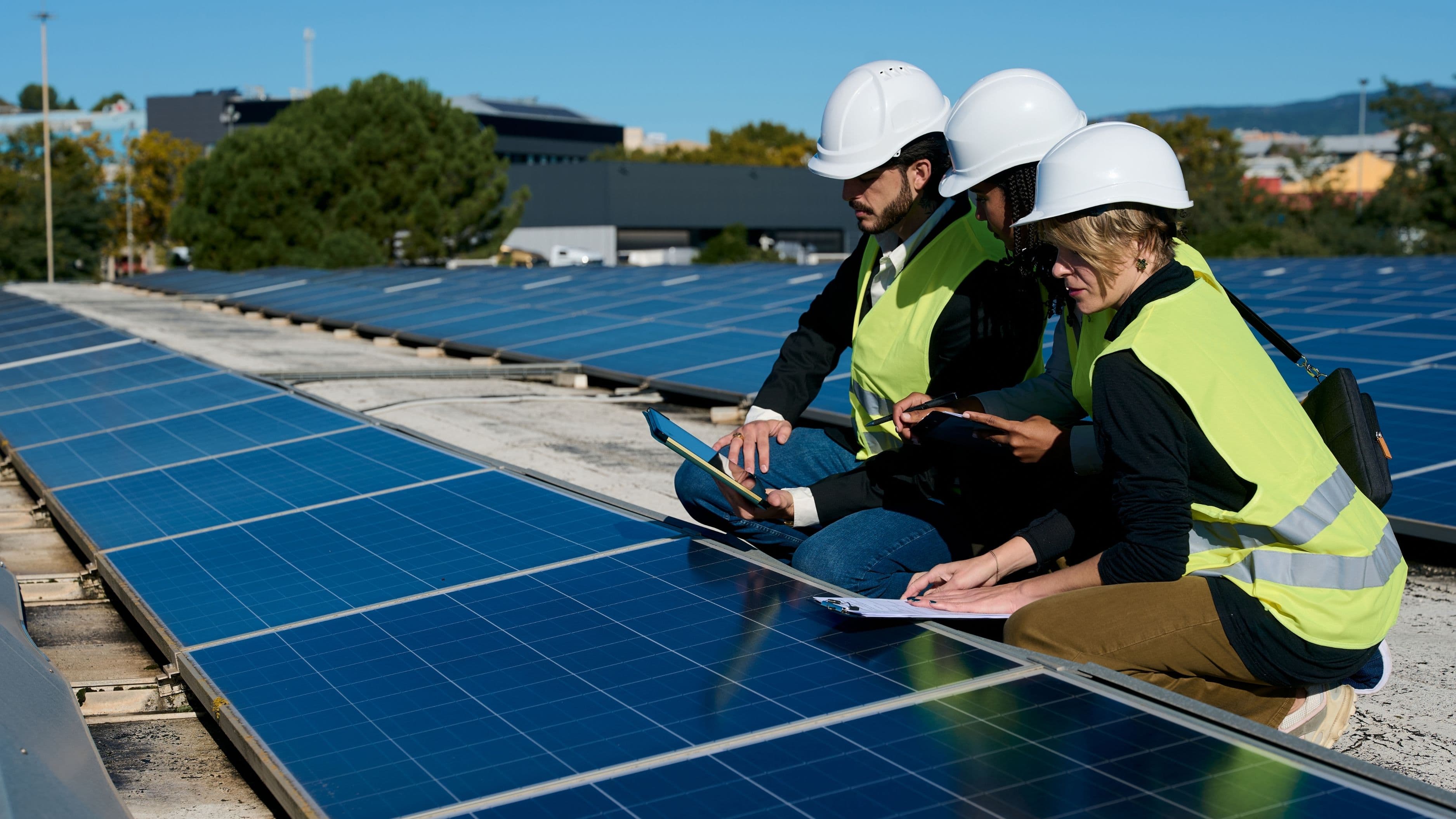
If you spot a crack, suspect a hot spot, or notice a sudden drop in energy production, it's worth having a solar technician perform a proper inspection rather than attempting to diagnose or repair the issue yourself. Technicians have specialized tools, including thermal imaging cameras, that can spot internal issues not visible to the naked eye, and they can safely test individual panel output to isolate exactly which panel or connection is causing a problem.
Most solar installations also come with warranties covering panel defects for 10-25 years depending on the manufacturer, so a suspected defect (rather than accidental physical damage) may be covered at no cost to you if you catch it and report it within the warranty period.
What to Avoid
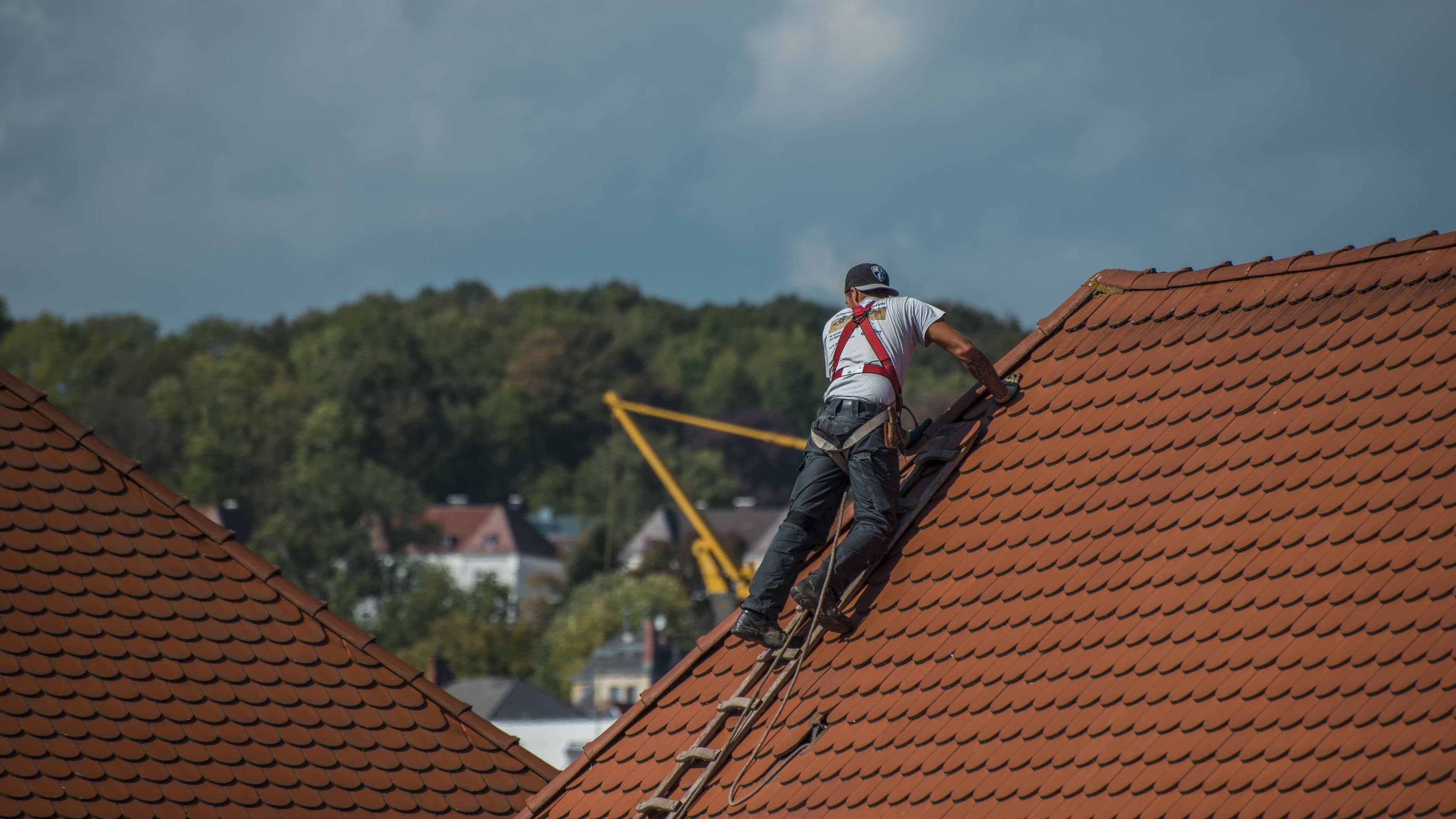
Don't attempt to walk on or apply pressure to solar panels yourself when inspecting them, since even a minor crack can worsen significantly under foot pressure, and rooftop work carries real fall risk without proper safety equipment and training. Ground-level visual inspection and binoculars are safer for identifying visible issues.
Also avoid ignoring a gradual output decline just because it seems minor. Small, unaddressed issues like early-stage moisture intrusion tend to worsen over time, and catching problems early is almost always cheaper and easier to resolve than waiting until an entire panel needs replacement.
Frequently Asked Questions
How much does it typically cost to replace a single damaged solar panel? Costs vary by panel type and system, but replacing a single panel is generally far less expensive than replacing an entire system, and may be covered under warranty if the damage is due to a manufacturing defect rather than accidental impact.
Can a cracked solar panel still generate electricity? Often yes, at least partially, but a cracked panel typically produces less power than an intact one and carries an increased risk of moisture damage and further degradation over time.
How often should I inspect my solar panels? A visual check once or twice a year, ideally after major storms or extreme weather events, is generally sufficient for most residential systems, in addition to monitoring your energy production data regularly.
📚 Sources
U.S. Department of Energy – Solar Panel Maintenance and Performance, https://www.energy.gov/eere/solar/articles/solar-photovoltaic-system-design-basics
National Renewable Energy Laboratory – Photovoltaic Degradation Rates, https://www.nrel.gov/pv/
Consumer Reports – Solar Panel Maintenance Guide, https://www.consumerreports.org/home-garden/solar-panels/