


What a NEMA 14-50 Outlet Actually Is
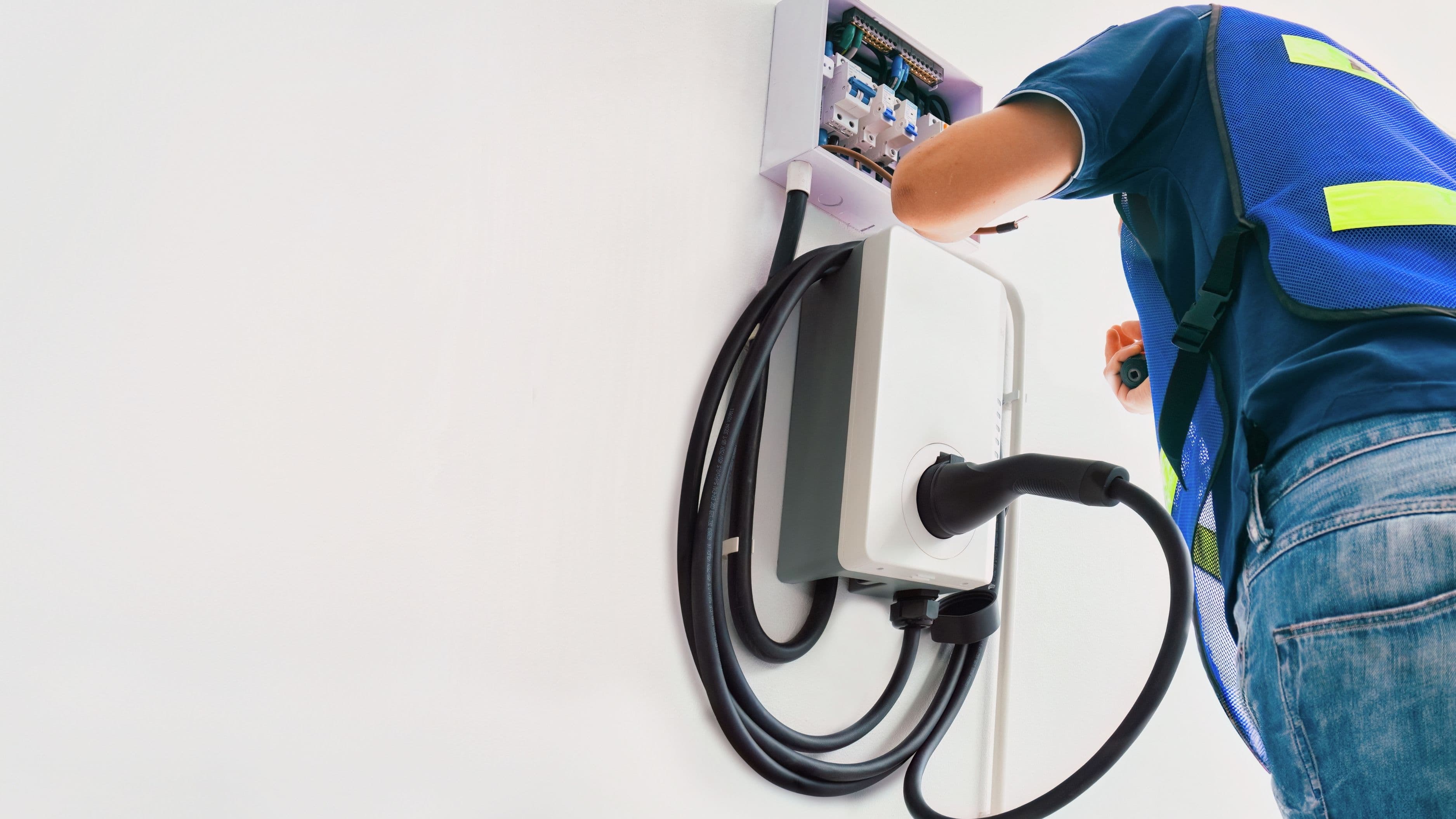
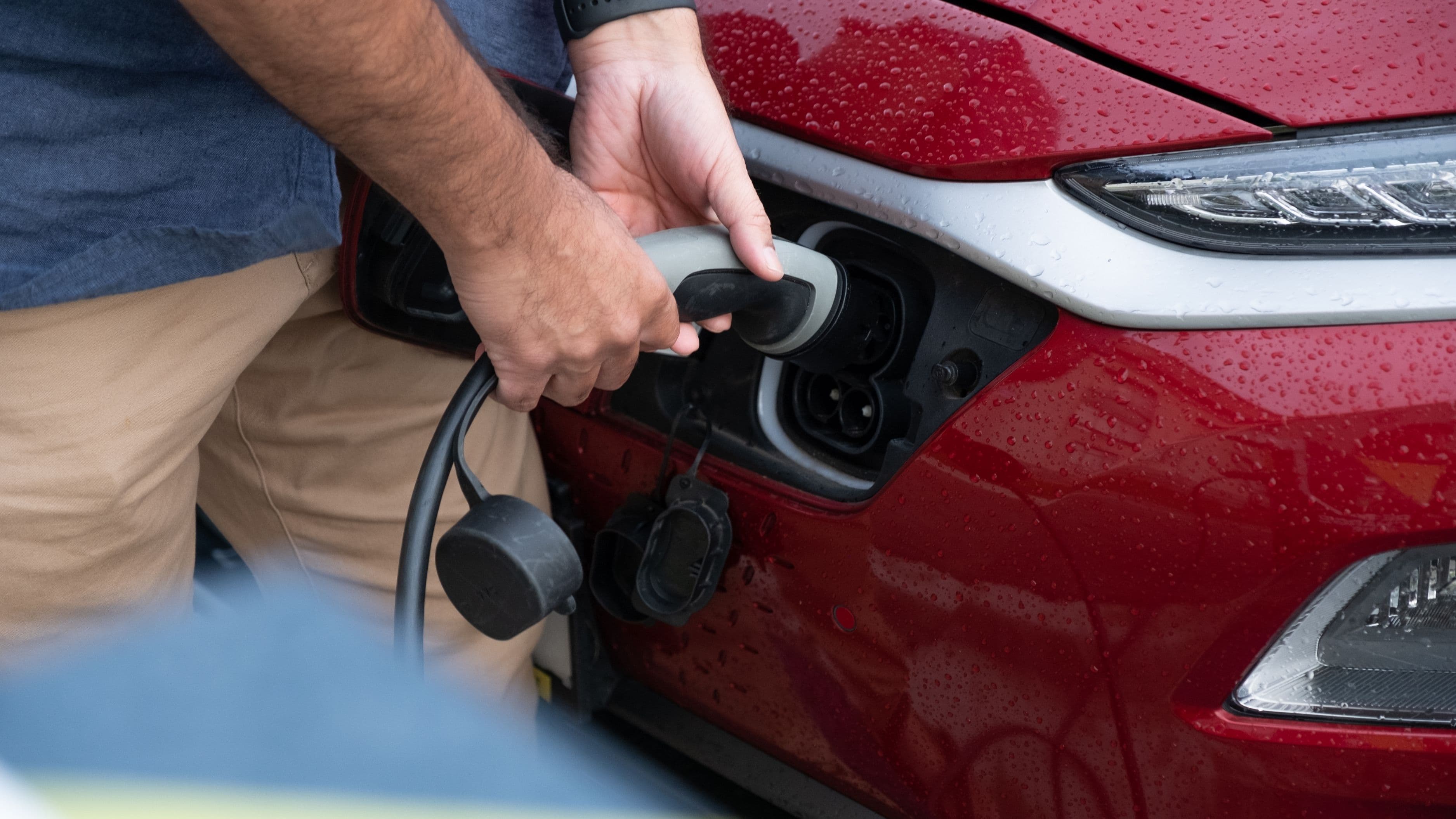
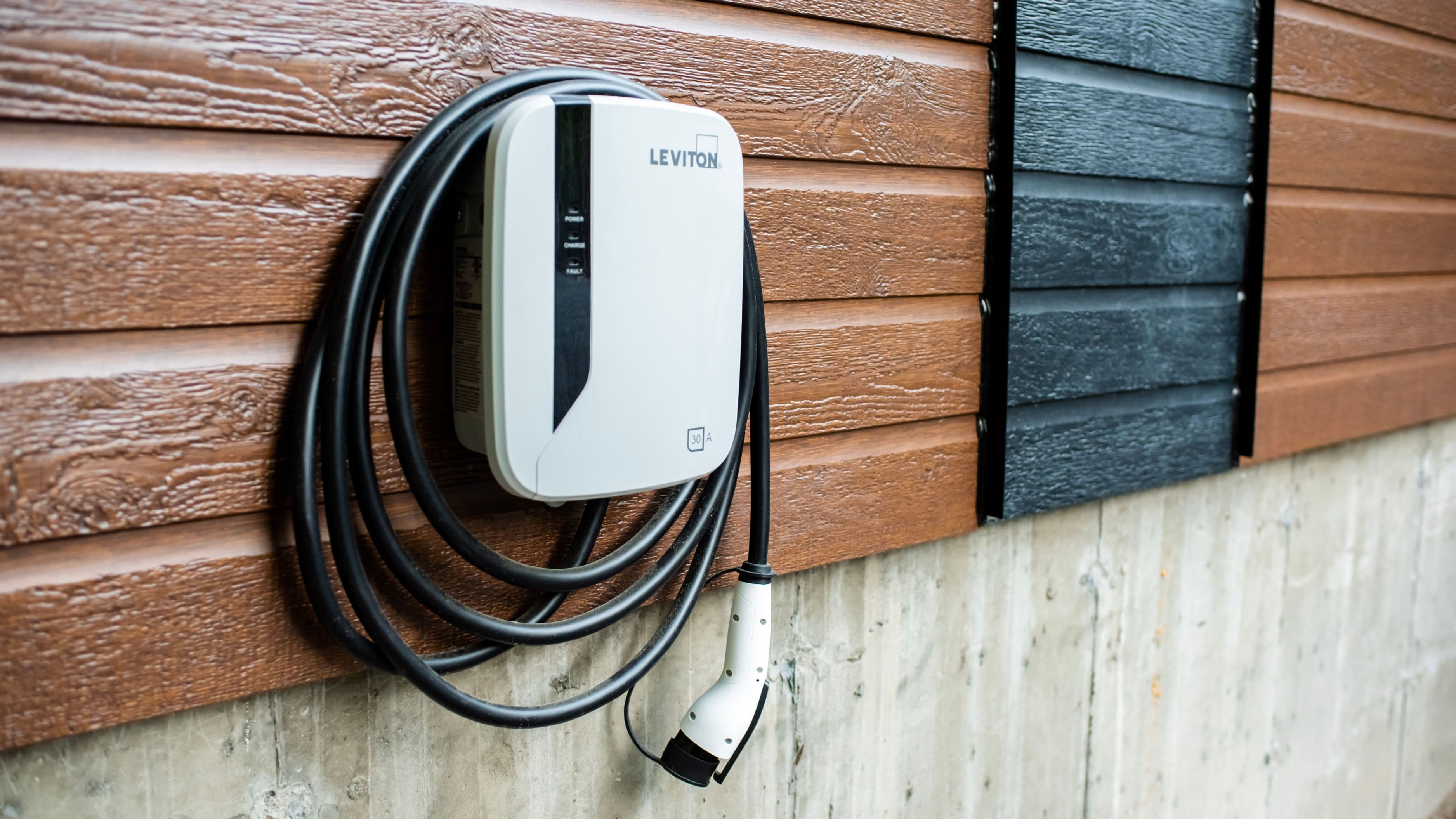
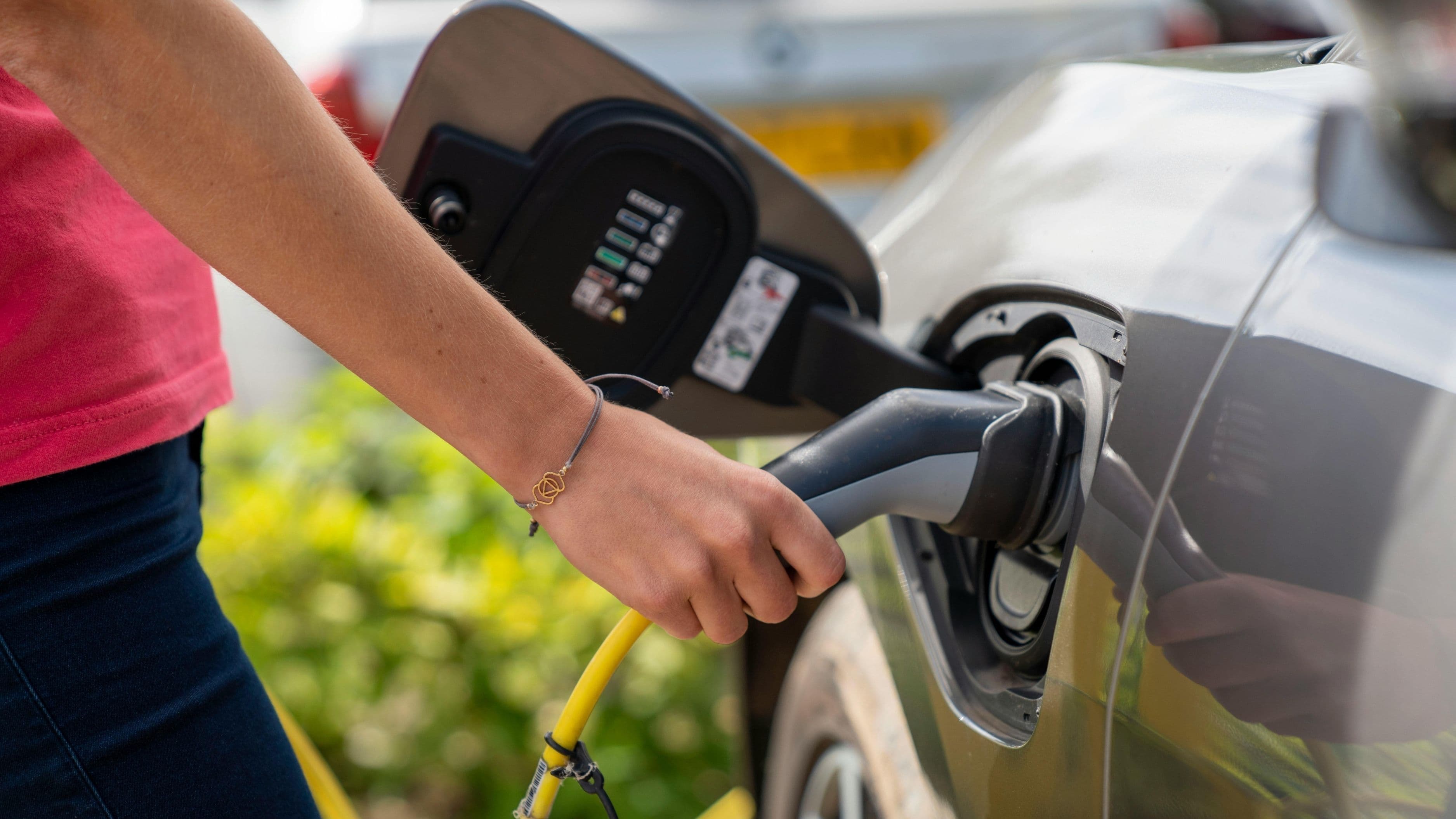
The NEMA 14-50 is a four-prong outlet rated for 50 amps at 240 volts, originally standardized for electric ranges and now widely used for RV connections and EV charging. Its wide adoption for EV charging comes down to compatibility – most Level 2 charging cables and mobile connectors, including those from major EV manufacturers, are designed to plug directly into this outlet type without needing an adapter.
This outlet setup gives you flexibility that a hardwired charging station doesn't: if you switch vehicles or charger brands later, you're not tied to a specific hardwired unit, since most Level 2 chargers ship with or support a NEMA 14-50 plug configuration.
Tools and Materials Involved
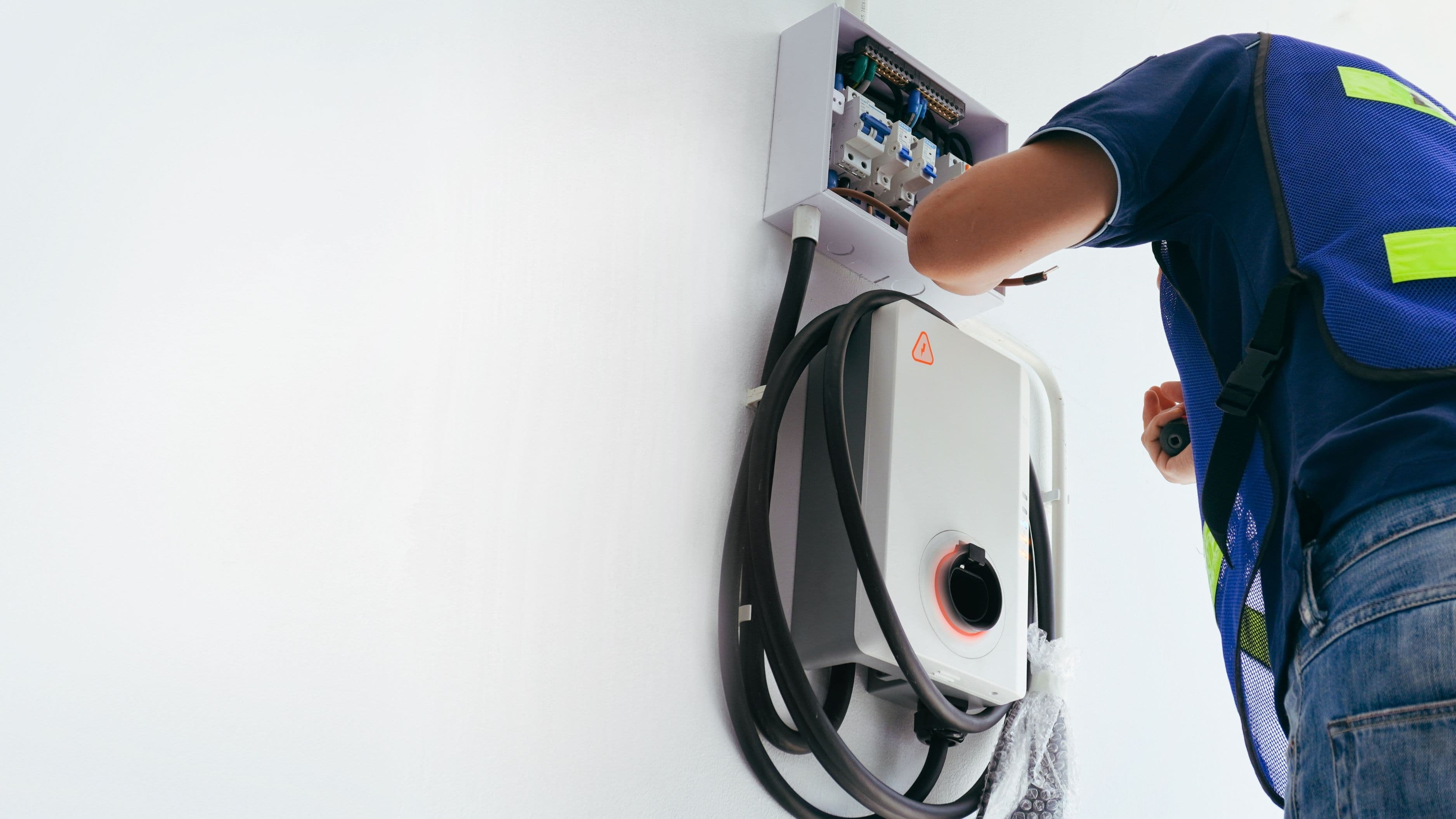
A licensed electrician handling this installation will typically need a dedicated 50-amp double-pole breaker rated for your specific panel brand, 6-gauge copper wire (or appropriately sized aluminum wire with correct connectors) run in conduit or approved cable, a weatherproof or in-use rated outlet box if the installation is outdoors or in a garage exposed to moisture, and the NEMA 14-50 receptacle itself. They'll also pull a permit through your local building department before starting the work, which is standard for any circuit of this amperage tied into your main panel.
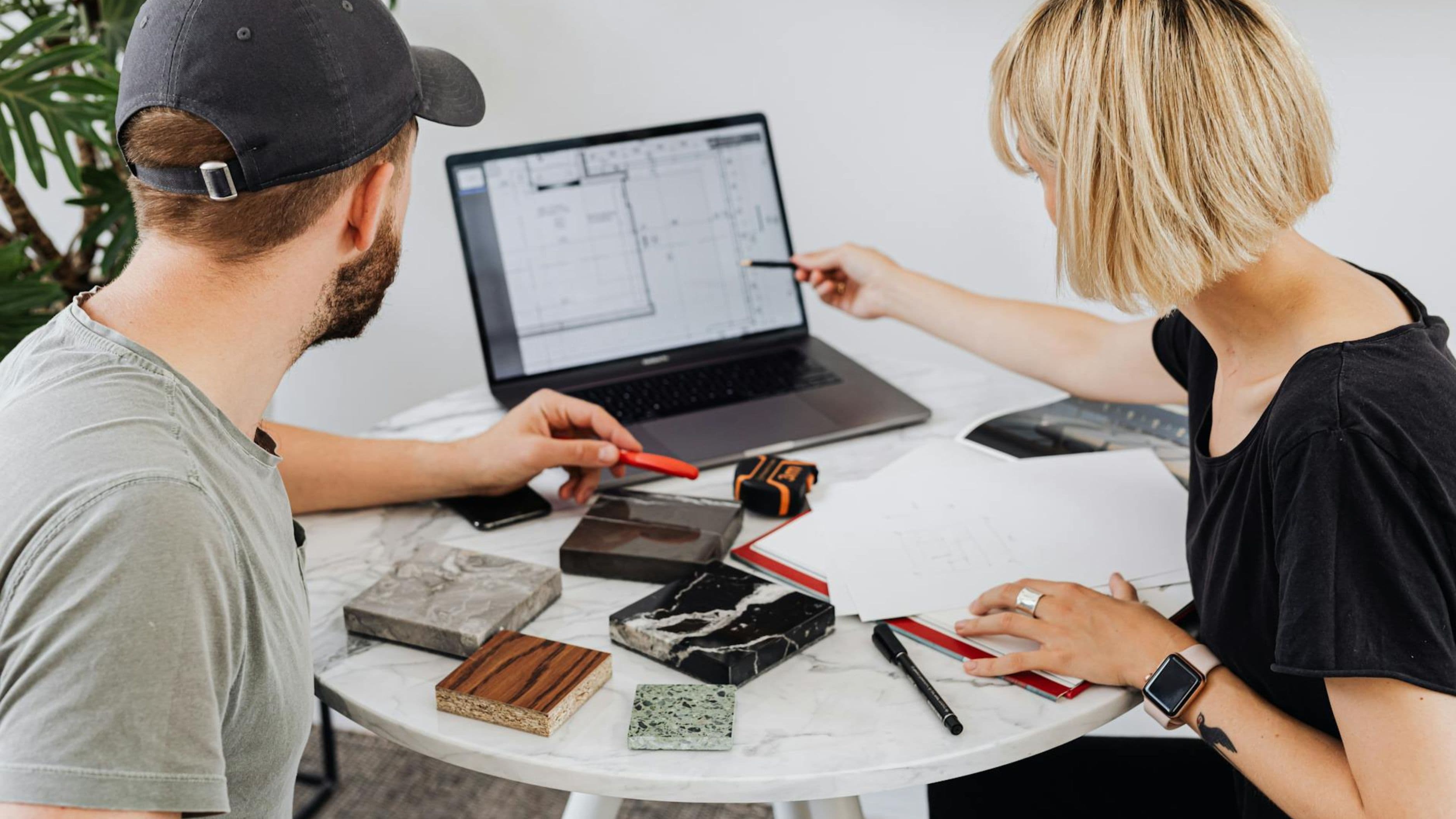
If you want to be involved in the process, your practical contribution is in the planning stage: deciding exactly where the outlet should be mounted relative to your parking spot and charging cable length, confirming your panel has adequate spare capacity (a load calculation an electrician will also verify independently), and coordinating permit timing with your local jurisdiction.
What the Installation Process Involves
Step 1: Panel Capacity Confirmation
Before any wiring happens, your electrician confirms your panel has sufficient spare amperage for a new 50-amp circuit, accounting for your home's existing electrical load through a standard load calculation. If your panel doesn't have adequate spare capacity, this needs to be resolved first, sometimes through a panel upgrade or a load management device, before the outlet installation can proceed safely.
Step 2: Circuit Path Planning
The electrician determines the physical route the wiring will take from your panel to the outlet location, accounting for distance, any walls or framing that need to be crossed, and whether conduit will be surface-mounted or run inside walls. Distance matters here specifically because longer wire runs may require larger gauge wire to avoid voltage drop, which is one of the reasons this calculation is left to a professional rather than estimated.
Step 3: Breaker Installation and Wire Run
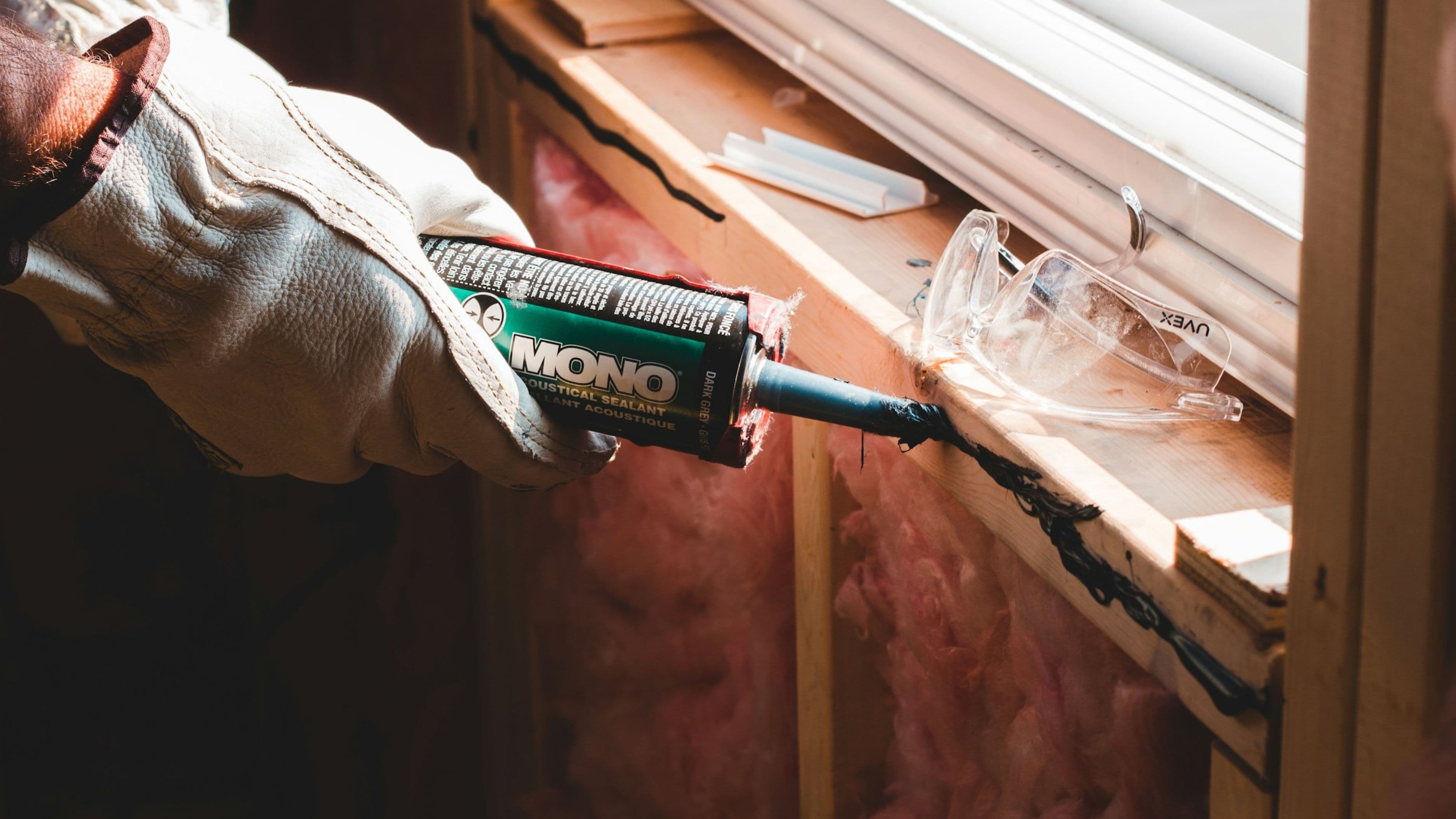
A dedicated 50-amp double-pole breaker is installed in the panel, and the appropriately sized wire is run from the panel to the outlet location, secured according to code requirements for the specific installation environment, whether that's an interior wall, garage, or exterior surface mount.
Step 4: Outlet Mounting and Connection
The NEMA 14-50 receptacle is mounted in an appropriate box, matched to the mounting location's exposure conditions, and the wiring is connected according to the outlet's terminal configuration. For outdoor or garage installations exposed to moisture, an in-use weatherproof cover is required by code, not just recommended.
Step 5: Inspection and Testing
Once installed, the circuit is tested for proper voltage and connection integrity, and the work is inspected by your local building department to confirm it meets code before it's considered complete and safe for regular use. This inspection step matters both for safety confirmation and because unpermitted electrical work can create real complications later with insurance or home resale.
Realistic Cost and Time Expectations
If your panel already has sufficient spare capacity, a NEMA 14-50 outlet installation typically costs $300–750, depending on wire run distance and whether the installation is indoor or requires weatherproof outdoor-rated components. The physical installation itself usually takes a few hours, though scheduling around permit approval and inspection can extend the overall timeline by a week or more depending on your local building department's turnaround time.
If a panel upgrade or load management device is also needed because your existing panel lacks spare capacity, this adds both cost and time on top of the outlet installation itself, generally in the range of $1,800–4,000 for a full panel upgrade.
Safety Notes
A 50-amp, 240-volt circuit carries enough current to cause serious injury or start an electrical fire if installed incorrectly, which is exactly why this task sits firmly outside standard DIY territory, even for homeowners who've handled smaller electrical projects like replacing an outlet or light fixture. Beyond the installation itself, incorrect wire gauge for the circuit's distance and amperage is a common and serious risk, since undersized wire can overheat under sustained EV charging loads specifically, which draw current continuously for hours rather than in the brief bursts typical of most household outlets.
Permits and inspections exist specifically to catch these kinds of risks before they become a lived-in hazard, which is why skipping this step to save time or money is a mistake regardless of how confident you feel about the wiring itself.
Common Mistakes to Avoid
A frequent mistake is undersizing the wire gauge for the circuit's actual distance from the panel, which can lead to dangerous voltage drop and heat buildup under the sustained load of EV charging. Another common issue is mounting outdoor or garage outlets without proper weatherproof, in-use rated covers, which are a code requirement in most jurisdictions for outlets exposed to moisture or the elements, not just a nice-to-have upgrade.
Skipping the permit and inspection process is also a mistake worth calling out directly, since unpermitted electrical work can complicate insurance claims after an electrical incident and can become a real problem during a home sale, when unpermitted work often needs to be disclosed or corrected.
When to Call a Pro
Every stage of this installation, from the initial load calculation through the final inspection, should involve a licensed electrician. This isn't a partial-DIY project where you handle some steps and a professional finishes the rest – the entire circuit, from panel to outlet, needs to be installed and verified by someone qualified to work safely with this amperage and voltage. Your reasonable involvement is choosing the outlet location, coordinating scheduling, and confirming permit requirements with your local building department ahead of time.
FAQ
Can I install the outlet myself if I only handle the outlet mounting, and hire an electrician for the wiring? No – the entire circuit, including the outlet connection itself, needs to be handled by a licensed electrician to ensure proper torque on connections and code compliance, since improperly connected terminals are a common cause of overheating at the outlet.
Do I need a permit even for a simple outlet addition? Yes, in virtually every jurisdiction, a new 50-amp circuit tied into your main panel requires a permit and inspection, regardless of how straightforward the installation seems.
How is this different from a hardwired EV charging station? A NEMA 14-50 outlet lets you plug in a portable Level 2 charging cable, giving you flexibility to switch chargers later, while a hardwired station is permanently wired without a plug connection. Both require similar electrical work and permitting.
Will this outlet work with any EV, or just specific brands? Most major EV manufacturers offer charging cables or adapters compatible with the NEMA 14-50 outlet, making it one of the more universally supported options for home Level 2 charging setups.
📚 Sources
U.S. Department of Energy – Electric Vehicle Charging Station Installation Guide
National Fire Protection Association – Electrical Safety in the Home
International Association of Electrical Inspectors – Permit and Inspection Resources